Introduction:
Black cinema has gifted us with many memorable characters who embody various facets of urban life and storytelling. From complex anti-heroes to comedic foils, these figures have left an indelible mark on film history. Exploring these characters allows us to appreciate the richness of the narratives they inhabit and the performances that brought them to life. Our deep dive into iconic black film characters reveals a fascinating spectrum of personalities.
Main Body:
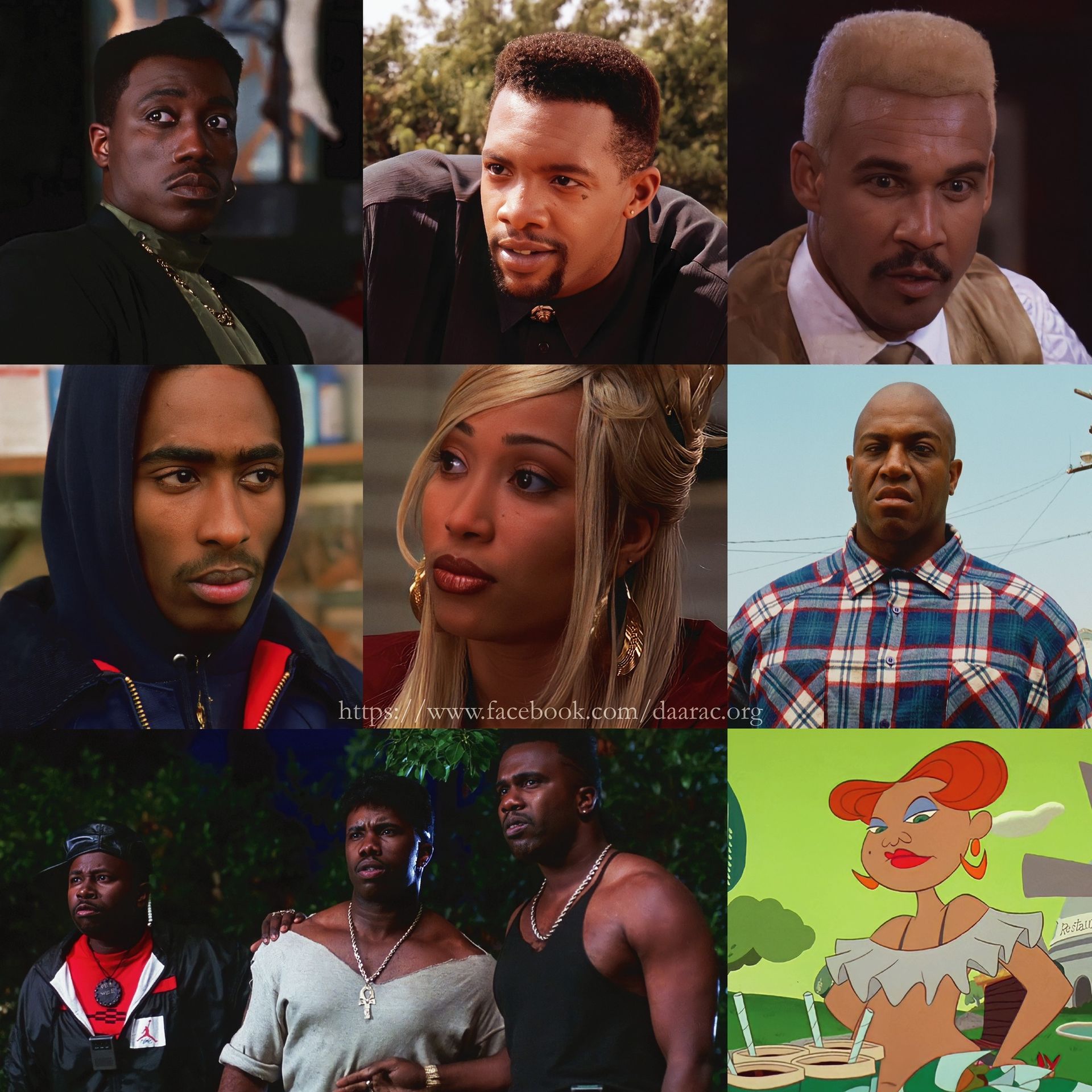
Many audiences recall Nino Brown, played by Wesley Snipes, from the 1991 film “New Jack City.” His portrayal of a ruthless drug lord set a high bar for cinematic villains. Similarly, “Juice” (1992) gave us Bishop, a character brought to life by Tupac Shakur, whose intensity and psychological depth captivated viewers. The raw energy of Byron Minns as Ray Ray in “South Central” (1992) also resonated, offering a stark look at street life.
The 1990s also delivered other notable figures. In “Friday” (1995), Tiny ‘Zeus’ Lister Jr.’s character, Debo, became an unforgettable antagonist with his menacing presence. “House Party” (1990) featured the dynamic trio of Pee-Wee (Bowlegged Lou), Zilla (B-Fine), and Stab (Paul Anthony), known collectively as Full Force, adding their unique comedic flair. “The Players Club” (1998) showcased Chrystale Wilson as Ronnie, a character who navigated challenging circumstances with resilience.
Further adding to this rich tapestry were characters like Simon, Golden Lord Chief, portrayed by Roy Fegan in “Meteor Man” (1993), and the animated characters from “Bebe’s Kids” (1992), with Dorothea voiced by Myra J. We also saw strong performances from Hawthorne James as Big Red in “The Five Heartbeats” (1991) and Charlie Murphy in “CB4” (1993). Even supporting roles, like Terrence ‘Hatin ass’ Howard from “Dead Presidents” (1995) and Brent Jennings as Hoppin’ Bob in “Life,” left a lasting impression.
Conclusion:
These characters, whether heroes or antagonists, have provided Black audiences with reflections and representations that continue to be discussed and celebrated. They are vital to understanding the evolution of Black storytelling in film, offering moments of recognition, critique, and enduring cultural relevance.
Want to make a statement?
Leave a comment about this here!
[efb_feed fanpage_id=”BlackCosmopolitan” words_limit=”25″ post_limit=”1″ skin_id=”115758″ cache_unit=”1″ cache_duration=”days” live_stream_only=”0″ load_more=”0″ links_new_tab=”1″ show_like_box=”0″]