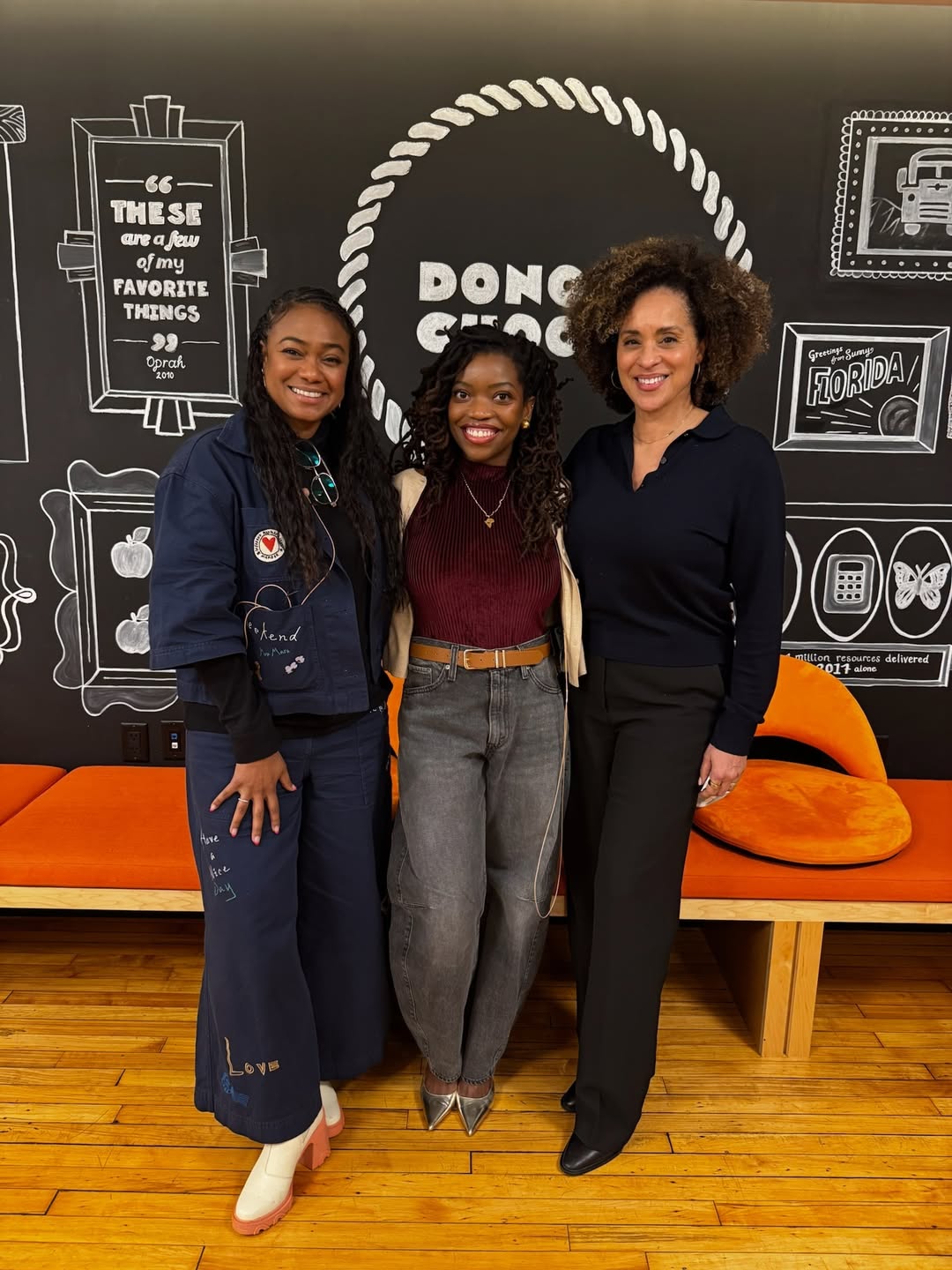

As Black History Month 2026 draws to a close, (For some), a powerful conversation has emerged regarding the often-overlooked intersections of North American history. On February 25, 2026, celebrated author and musician Antonio Michael Downing engaged in a profound discussion about his recent work, diving deep into the themes that define his literary landscape. The focus of this dialogue was the Antonio Michael Downing Black Cherokee narrative—a story that, while fictional, resonates with the heavy truth of lived experience and historical complexity.
During the discussion, Antonio Michael Downing highlighted how the characters in his latest novel serve as vessels for exploring the nuanced reality of being both Black and Indigenous. While his previous work, the memoir Saga Boy, chronicled his own journey of becoming, this new discussion centers on the broader, often painful history of the Cherokee Freedmen. Downing’s exploration of “Indigenous-Black Identity” challenges readers to confront what it means to belong to two marginalized communities simultaneously, a theme that has captivated literary circles throughout early 2026.
A Novel Rooted in Deep History
Released to critical acclaim in late 2025, Black Cherokee has rapidly become a touchstone for discussions on mixed-race identity. Downing, currently the host of CBC’s The Next Chapter, has used his platform to amplify diverse voices, but this week the spotlight turned inward. He explained that the fictional town of Etsi and the character of Ophelia Blue Rivers are not merely inventions but reflections of the “two original sins” of North America: Black enslavement and Indigenous genocide.
“If casting out our Ophelias wounds us, we can only become whole by restoring them,” Downing remarked, emphasizing the healing potential of storytelling. By weaving the magical with the historical, the Antonio Michael Downing Black Cherokee connection offers a fresh lens through which to view the legacy of the South. The novel dramatizes the struggle for recognition within a community that is itself fighting for survival, asking the poignant question: Can you claim a birthright that refuses to claim you?
The Intersection of Memoir and Fiction
Although Black Cherokee is a novel, Downing admits it shares the DNA of a memoir. His unique background—raised in Trinidad and Canada, with a family history that defies simple categorization—informs every page. In his talks this February, he bridged the gap between his factual memoir Saga Boy and the fictional struggles of Ophelia, suggesting that fiction is often the safest place to tell the most dangerous truths.
Critics have noted that Downing’s prose “shimmers and sings,” much like his musical alter ego John Orpheus. Yet, it is the raw honesty regarding Indigenous-Black identity that has solidified the book’s status as a modern classic. As discussions around the book continue to go viral, Downing remains a pivotal figure in Canadian literature, pushing boundaries and expanding the definition of what it means to be a “Saga Boy” in a complex world.
Why This Conversation Matters Now
The timing of this discussion, set against the backdrop of February 2026, is no accident. As readers and historians alike seek to uncover the erased narratives of the past, Downing’s work provides a necessary roadmap. The fusion of Black and Indigenous histories is not just a plot point; it is a reality for many who have long been silenced.
By bringing these stories to the forefront, Antonio Michael Downing has ensured that the legacy of the Black Cherokee is not just remembered, but felt. His work stands as a testament to the power of identity, the resilience of the human spirit, and the enduring need for stories that make us whole.