
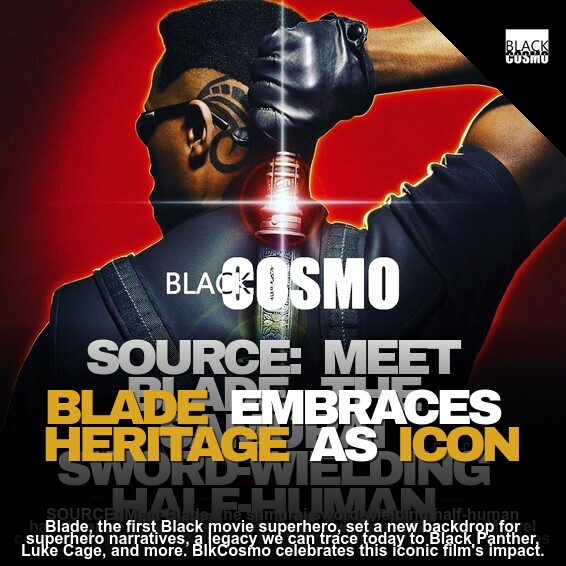
Meet Blade, the half-human, half-vampire assassin who redefined superhero narratives. This dark, action-packed film, starring Wesley Snipes, paved the way for iconic Black heroes like Black Panther and Luke Cage. Blade’s legacy is undeniable, a testament to groundbreaking representation in cinema.
Blade holds a special place in cinematic history. He’s not just a compelling character but also a cultural touchstone, marking one of the earliest instances of a Black movie superhero. The film’s innovative tie-ins, like a website puzzle, offered a deeper dive into the narrative, while its depiction of the 90s rave scene foreshadowed the rise of today’s festival culture. Nearly 30 years later, Blade remains an icon.
The origin of this unique hero is rooted in tragedy. Blade’s mother was bitten by a vampire before his birth, granting him vampire strength and agility but also an essential humanity. This duality allows him to walk in daylight and hunt vampires, a penance for his own cursed existence. Yet, the vampire bloodlust is a constant battle, managed only by a special serum.
As a Black man, Blade always navigated societal margins. His hybrid nature further isolates him, placing him on the fringes of both human and vampire worlds. His struggle for identity and belonging is a powerful theme, echoed by his nemesis, Deacon Frost. Frost, an unwilling vampire, seeks power and dominance, plotting an apocalypse.
These opposing forces collide as Frost attempts to unleash a ritual for vampire reign, while Blade aids Karen Jensen in finding a cure for vampirism. The narrative unfolds with a biblical parallel: Blade is prophesied to be the chosen one, his blood the key to unlocking a monstrous power.
Blade was a pivotal moment for positive representation and, specifically, Black inclusion in sci-fi and horror. Its stellar cast of color was a revelation in 1998, and its impact on diversity in film remains significant, even by today’s standards. The film’s allegorical depth invites interpretations of identity, hybridity, and belonging, resonating deeply with those who understand the feeling of being caught between worlds.
As a mixed-race individual, Blade’s “mixie” identity struck a chord. Existing on the margins, like Blade, fostered a profound connection to his identity crisis and his journey to self-acceptance. Monsters as metaphors have always been relatable, and the on-screen portrayal of outsiders searching for their place offered solace and understanding.
Ultimately, Blade’s journey is one of acceptance. He learns to embrace both his human and vampiric sides, finding peace by relinquishing the guilt and shame associated with his perceived monstrous nature. This process of decolonization, of accepting one’s full self, is a powerful and enduring message.
[efb_feed fanpage_id=”BlackCosmopolitan” words_limit=”25″ post_limit=”1″ skin_id=”115758″ cache_unit=”1″ cache_duration=”days” live_stream_only=”0″ load_more=”0″ links_new_tab=”1″ show_like_box=”0″]
Disclaimer:
For Education and discussion purposes. Please note no copyright infringement is intended, was recorded on BlkCosmo’s own equipment, and we do not own nor claim to own any of the original recordings used in this video and intend to use this as ‘fair use’.

Over 20 years later the classic superhero movie ‘Blade’ is still a unique and important Marvel installment.. More here: https://blkcosmo.com/blade-still-relevant-after-20-years-blkcosmo-blerds