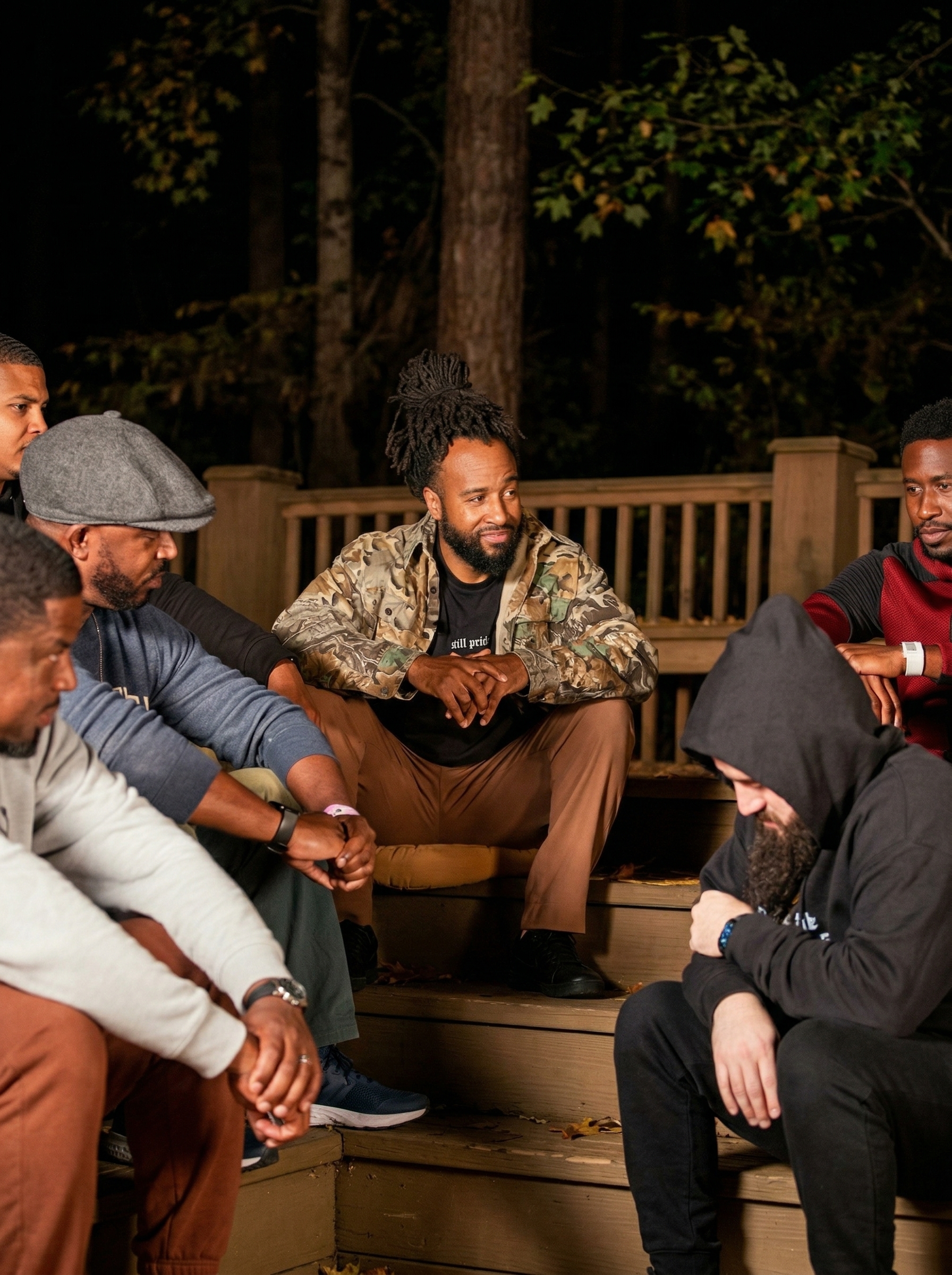
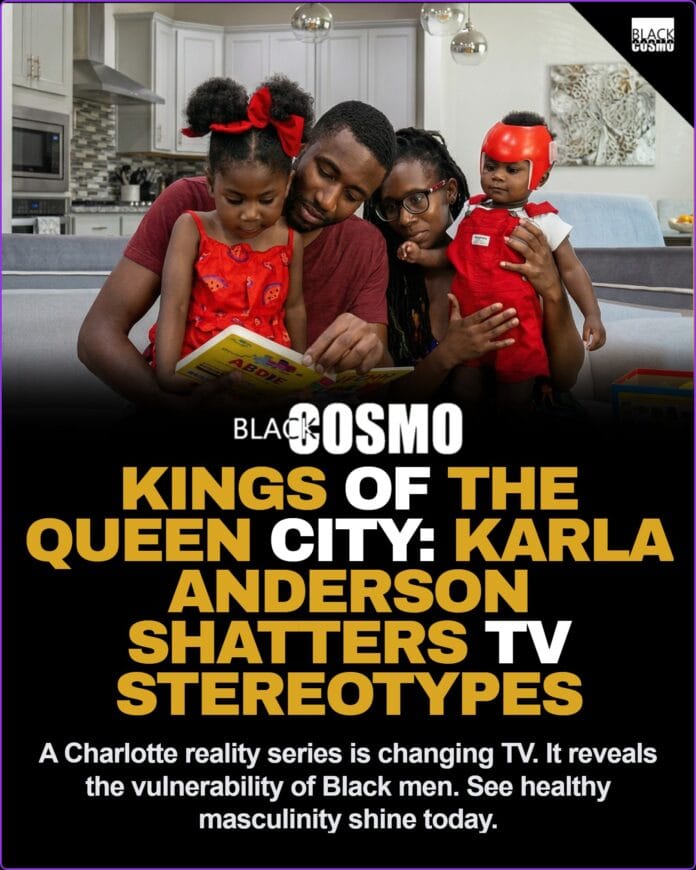
The landscape of unscripted television is undergoing a monumental shift today as audiences tune in to an unprecedented cultural phenomenon. Right at the forefront of this movement is Kings of the Queen City, a highly anticipated and deeply moving Charlotte-based series that is shattering the monolithic portrayals of Black masculinity. At the helm of this trending masterpiece is brilliant producer, attorney, and DEI leader Karla Anderson. By stripping away the manufactured drama, toxic confrontations, and sensationalized storylines that have historically plagued reality television, she is offering viewers a profoundly authentic window into the lives of Black and brown men. For decades, the mainstream media has relentlessly painted these men with an aggressive, one-dimensional brush, ignoring the rich nuance and emotional depth that thrives within our communities. This groundbreaking series boldly disrupts those tired, harmful narratives by elevating healthy masculinity, spotlighting profound emotional intelligence, and capturing the authentic brotherhood that sustains men of color as they navigate the complexities of modern life.
Building a fully bootstrapped production from the ground up in North Carolina is no small feat, but Karla Anderson intentionally chose to keep the project rooted in Charlotte to prove that immense creative talent and cultural depth exist outside of Hollywood and New York. Kings of the Queen City follows eight remarkable men—William Anderson, Petrick Barksdale, Jason Brown, Hassan Dekmak, Trevor Lewis, Ferney Mercado, Chris Word, and Gabe Wright—each walking a distinct path yet sharing a collective, deeply relatable journey. From the demanding responsibilities of marriage and fatherhood to the delicate navigation of single life, friendship, and entrepreneurship, the series paints a spectacular, multifaceted portrait of what it genuinely means to be a man of color today. For the creator, the motivation was clear: to be the change she wanted to see in the media landscape. She recognized a glaring void in nuanced representation, specifically regarding how Black and brown men interact when the cameras—and the women in their lives—aren’t around. By leaning into raw authenticity, the project captures those incredibly rare, unguarded moments of male vulnerability that are so desperately needed on screen.
Why does this matter so deeply to Black culture? For generations, societal conditioning and systemic patriarchal norms have forced Black men into rigid emotional boxes, dictating that strength is synonymous with silence and stoicism. Kings of the Queen City completely dismantles this archaic framework. Cast members openly discuss the struggles of mental health, shedding light on their unlearning of toxic patriarchal views regarding emotional expression. Chris Word, one of the cast members, noted that his circles are filled with intentional, hard-working men trying to build careers and support their families, yet that positive reality is rarely reflected in popular media. This series bridges that gap. It gives these men the grace to be human, the space to process their trauma, and the platform to demonstrate how healing happens within the safety of a trusted brotherhood. The ripple effects of witnessing such profound vulnerability on television are immeasurable, effectively granting permission to countless other men to seek help, express joy, and communicate their fears without shame.
In addition to its deeply emotional core, the reality show also beautifully captures the everyday levity, humor, and organic joy that define the Black experience. It isn’t solely a heavy exploration of trauma; it’s a vibrant celebration of life. The men are shown enjoying each other’s company, celebrating entrepreneurial milestones like Trevor Lewis’s 20 years with Caribbean Hut, sharing laughs, and uplifting one another in a society that often seeks to tear them down. This duality—the ability to hold space for both profound struggle and immense joy—is the hallmark of true, healthy representation. By focusing on non-celebrity, relatable individuals, the series ensures that viewers see reflections of their own fathers, brothers, husbands, and sons on screen. The relatability is the superpower of the series, drawing in audiences who are hungry for content that nourishes the soul rather than draining it with petty conflict.
Ultimately, the success of Kings of the Queen City signifies a watershed moment for Black entertainment. It serves as a definitive proof of concept that audiences are craving substance, intelligence, and emotional depth. The independent, locally-produced nature of the show also highlights the burgeoning economic and creative opportunities within Charlotte’s vibrant arts scene, setting a blueprint for future creators of color. By replacing stereotypes with wholeness, the series does more than just entertain; it heals, it educates, and it inspires a new generation to embrace the full spectrum of their humanity. This isn’t just a television show—it’s a movement toward a healthier, more liberated future for Black men everywhere.