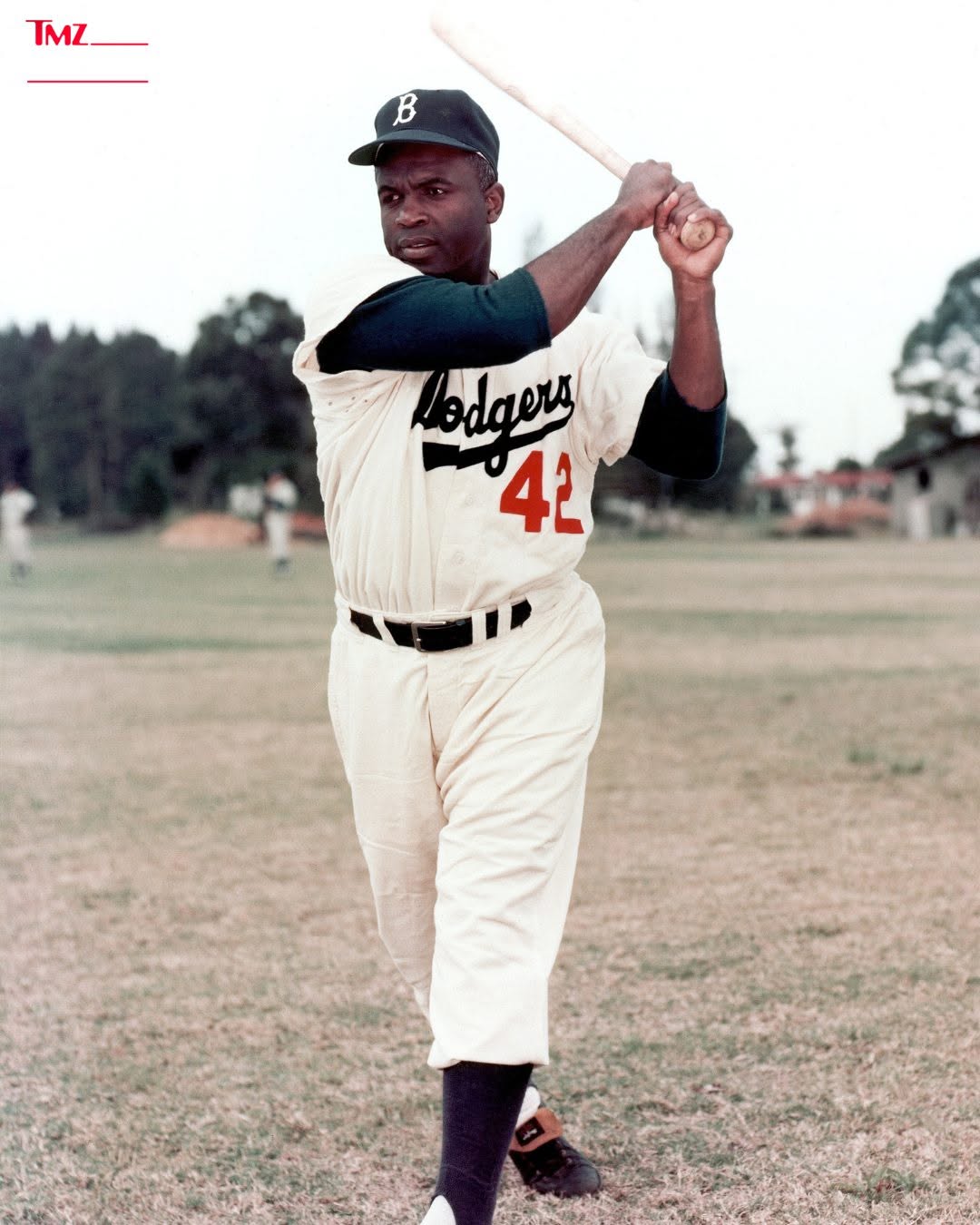

Every April 15, Major League Baseball turns into a sea of number 42 jerseys. It looks unified now. But 79 years ago today, that number belonged to one man standing on an island. When Jackie Robinson walked onto Ebbets Field in 1947, he did not just play a game. He picked up the crushing weight of Black America’s hopes and carried them to first base. The nostalgia machine loves to paint this moment as a warm triumph of racial progress. We know better. It was a brutal, unrelenting war of attrition fought on dirt and grass.
We have to stop letting history textbooks soften his edge. They love to talk about his restraint. They praise his ability to turn the other cheek when the slurs flew from the dugouts and the spikes came flying at his shins. But Jackie Robinson was not a passive figure in a sanitized civil rights play. He was a fierce competitor with fire in his chest. His restraint was a tactical weapon. He knew exactly what he was doing. Every stolen base was a statement. Every hit was a direct challenge to the establishment.
For Black Cosmopolitans, his story resonates far beyond the diamond. We understand the tax of being the first. We know the cost of walking into a room where nobody wants you to succeed and deciding to dominate anyway. That is the exact energy he brought to Brooklyn. He connected the sport to the incoming tide of the civil rights movement. He did not adjust to the major leagues. He made the major leagues adjust to him.
We also cannot talk about this historic milestone without giving profound reverence to Rachel Robinson. The partnership they shared was the bedrock of his survival. While he faced the physical threats on the field, she absorbed the hostile stares in the stands. She carried herself with an unshakeable grace that demanded respect. They functioned as a single unit navigating a hostile environment. That type of Black love and solidarity is the backbone of our history. It is the silent engine that powered his public victories. They were a young couple thrust into the brutal glare of the American media machine. Yet they held their heads high. They built a legacy that transcends sports and bleeds directly into the core of Black American resilience.
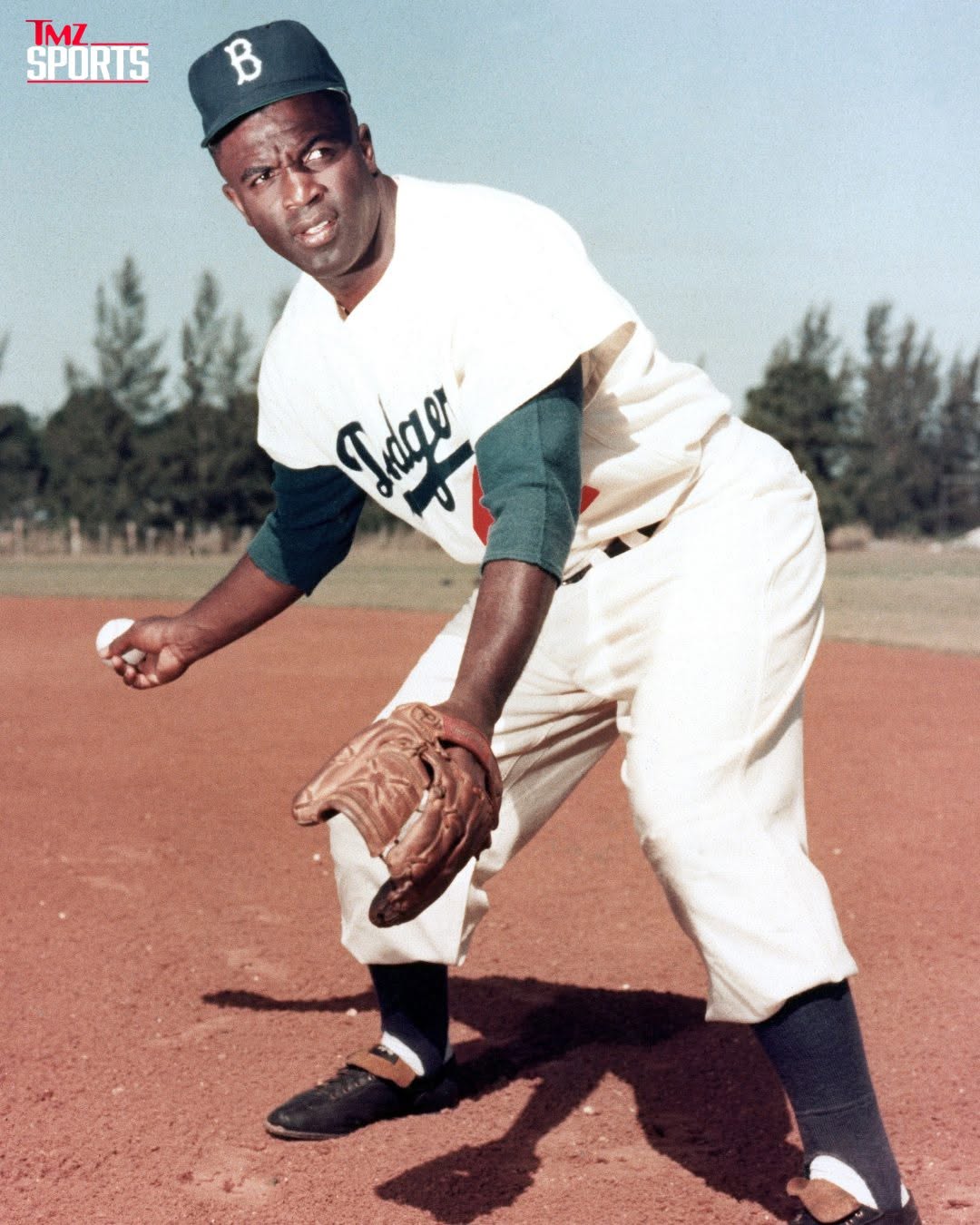
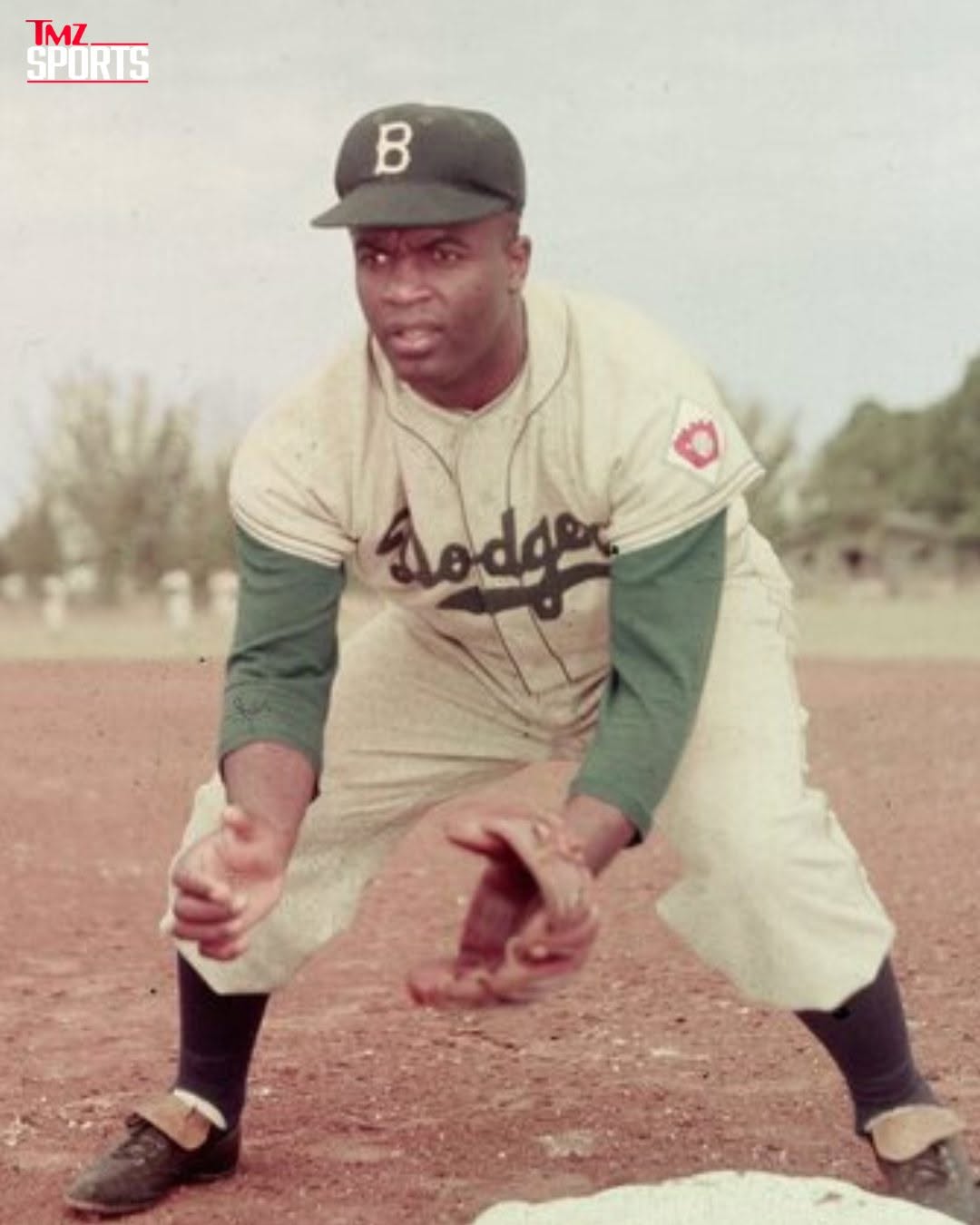
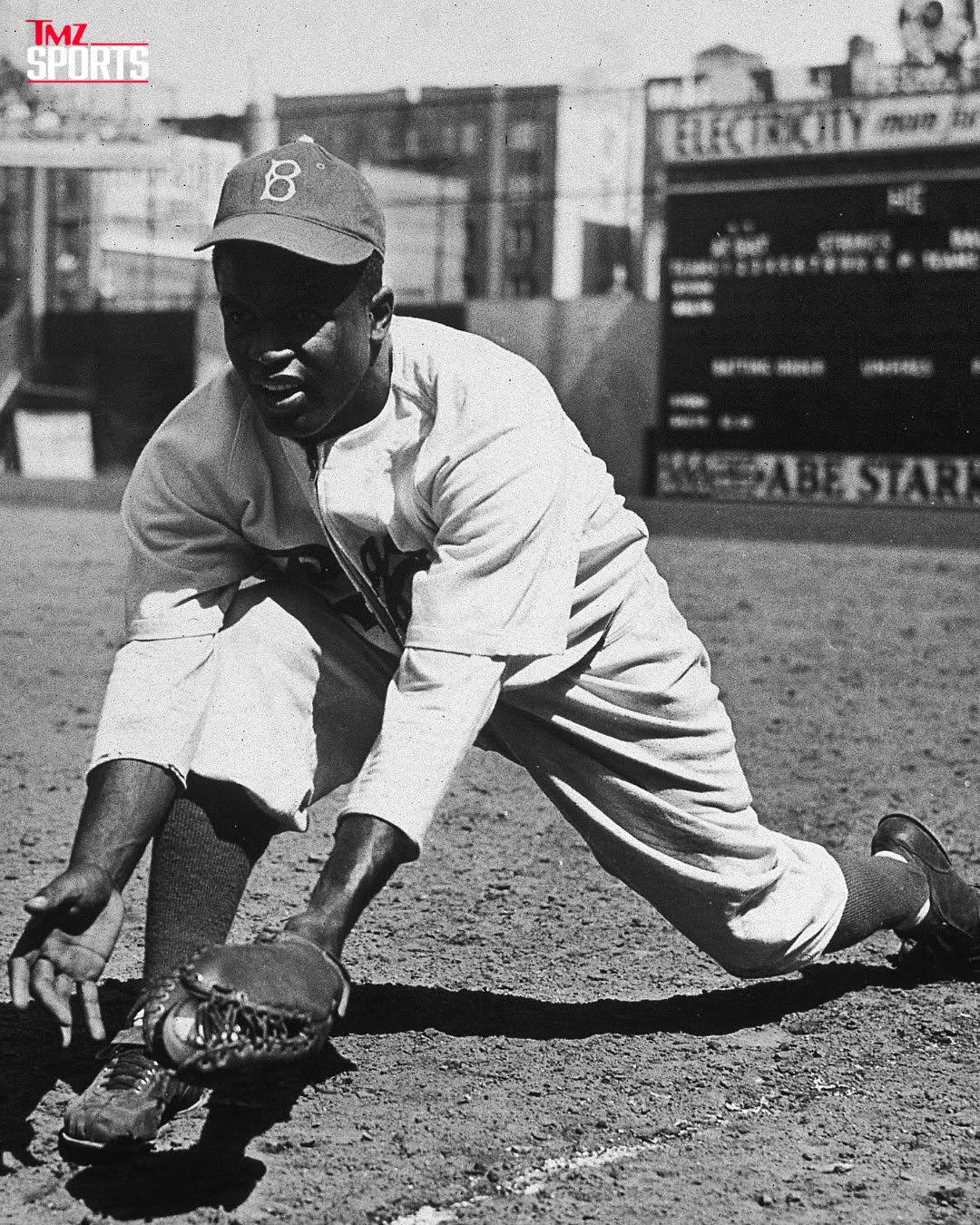
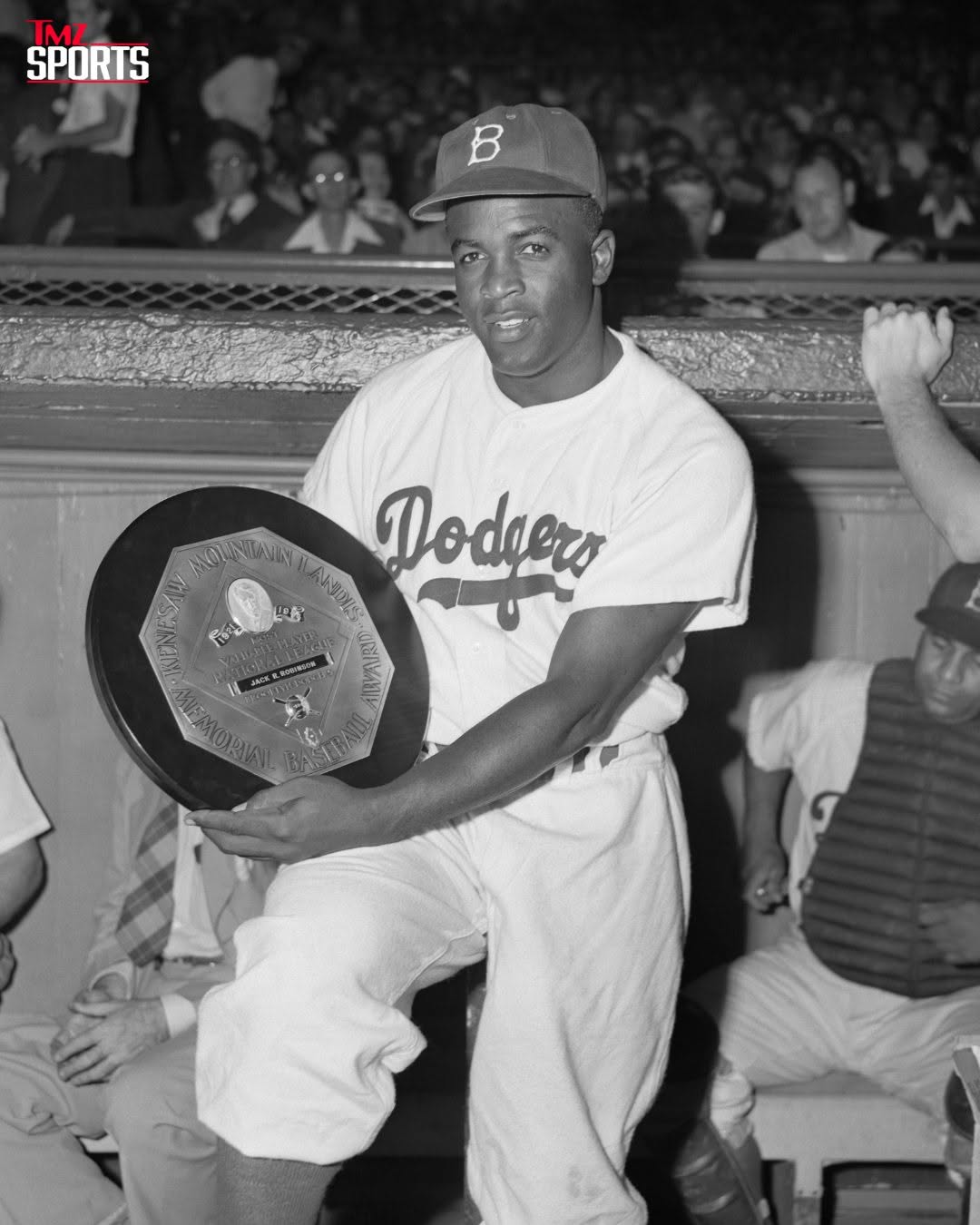
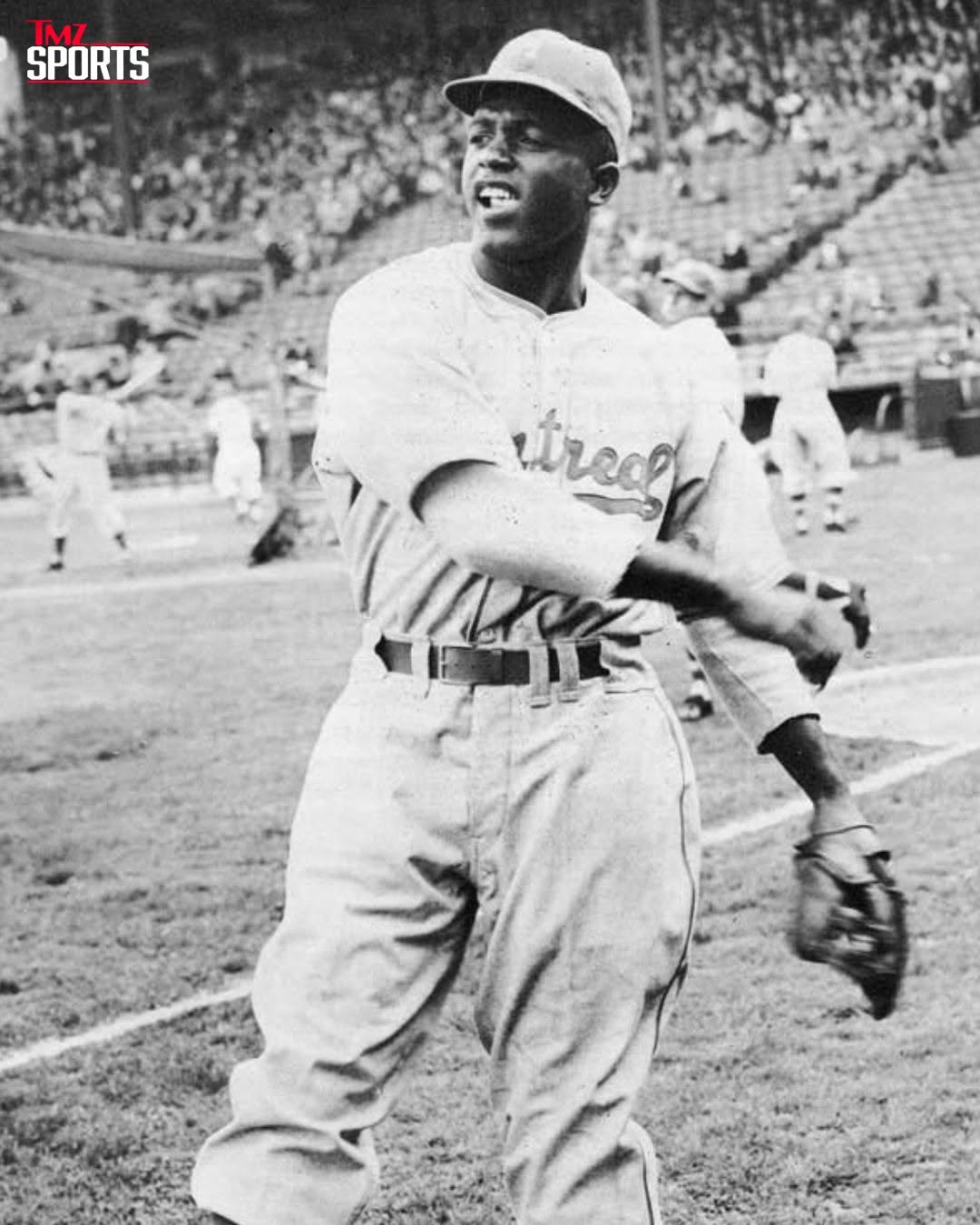
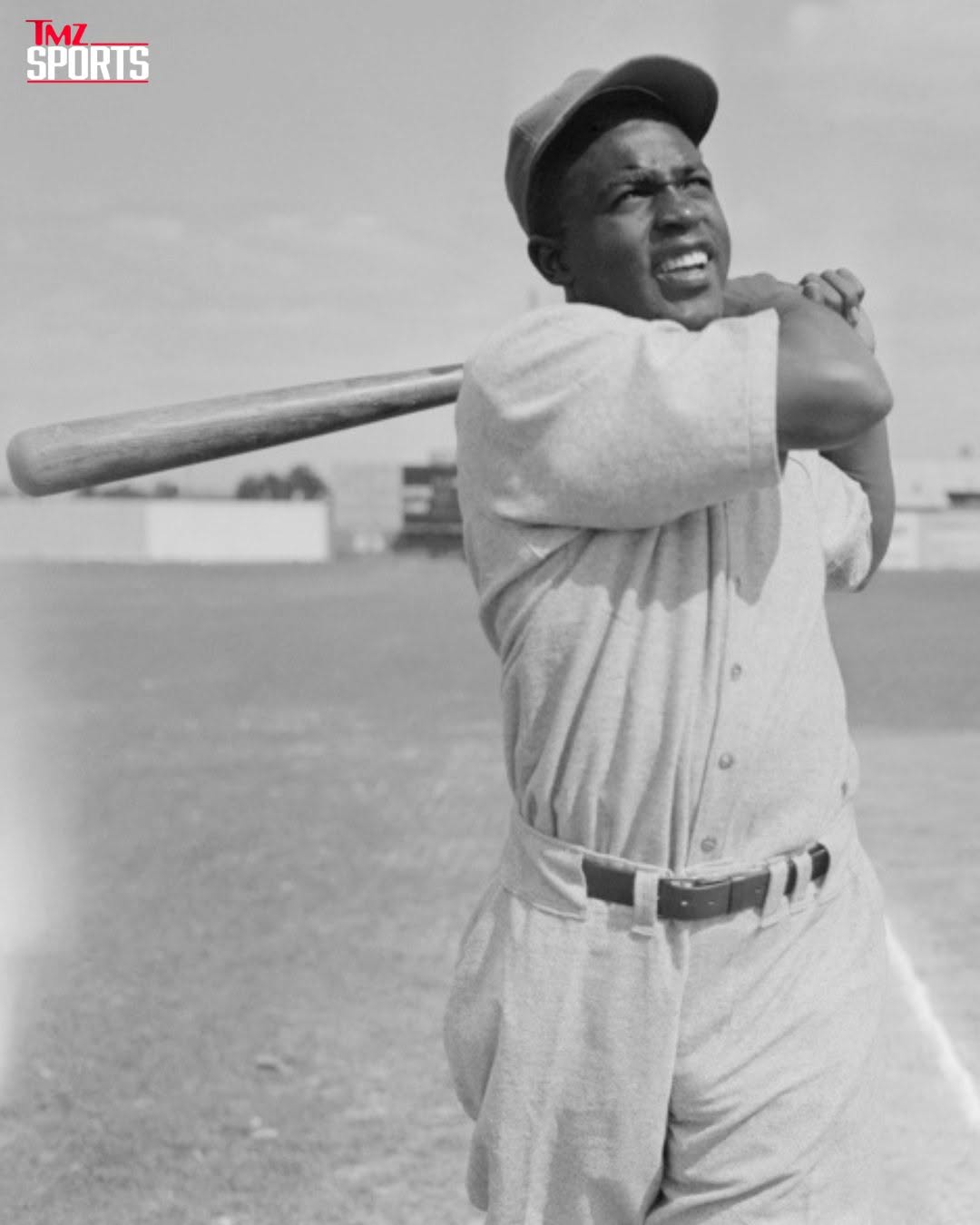
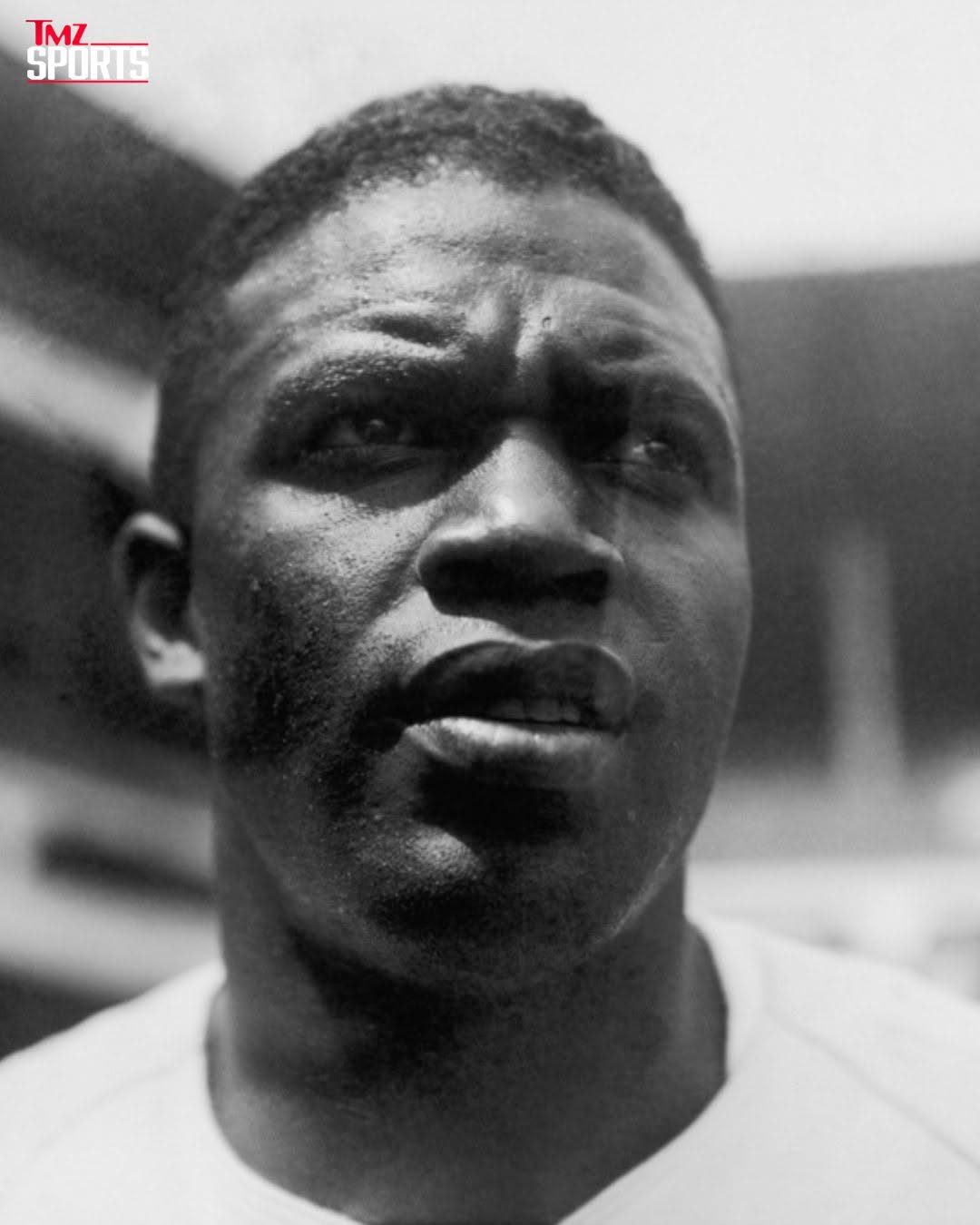
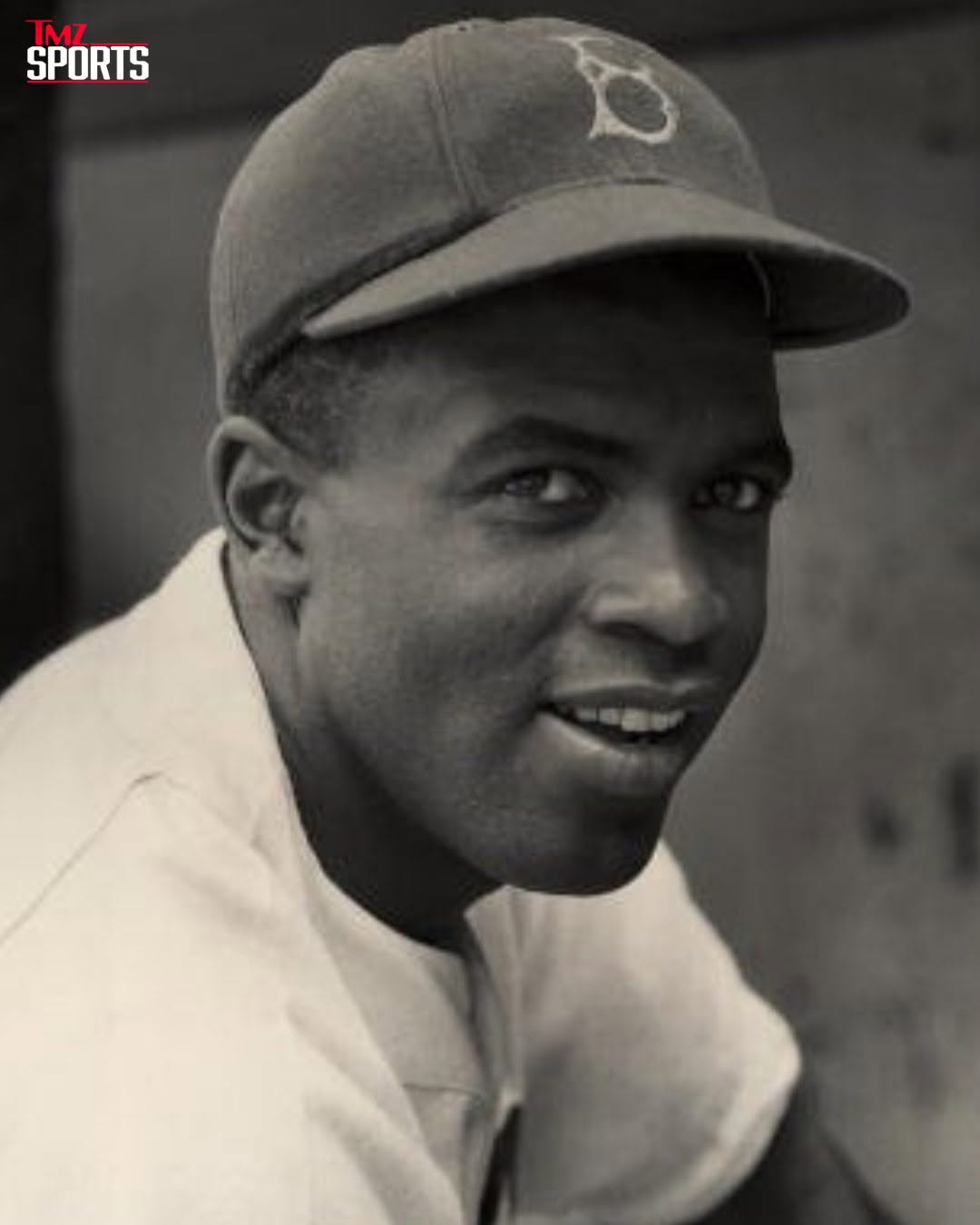
Look closely at those vintage Getty images circulating the timelines today. You see the baggy flannel uniforms and the thick wool caps. But look at his eyes. The focus is piercing. The jaw is set. He possessed a deeply grounded urban sophistication even in cleats. He looked like a man who knew his assignment went far beyond batting averages. He carried the pride of Pasadena and the swagger of the Negro Leagues straight into the national spotlight.
Progress is rarely pretty. It leaves scars. The history books focus on the cheers. We remember the silence he had to endure before the cheers started. He paved the road. He paid the toll.
Let us talk about the actual baseball for a minute. His rookie year was an absolute display of athletic dominance under extreme duress. He led the league in stolen bases. He won the Rookie of the Year award. He forced managers who hated the idea of integration to respect his undeniable talent. He played the game with an aggressive, disruptive style that completely dismantled traditional pitching logic. When he got on base, pitchers lost their minds. He danced off the bag. He taunted. He played psychological warfare. That is not just playing a sport. That is breaking a stubborn system from the inside out.
The legacy of number 42 is also a reminder of the power of economic leverage. After he hung up his cleats, he did not just fade into the background. He became a fierce advocate for civil rights and Black economic empowerment. He helped establish a Black-owned bank in Harlem. He understood that true equality required financial independence. He sat on corporate boards and used his platform to challenge the political establishment. That is the part of his story the mainstream media loves to conveniently forget. He was a complete man. He possessed a sharp mind for business and an uncompromising demand for justice.
Today, players of all backgrounds wear that 42. It is an annual ritual of respect. Yet we must demand that the conversation goes beyond the jersey. We have to talk about the economic and social barriers that still exist in the sport. The numbers of Black American players in the major leagues have dwindled over the decades. Honoring him requires more than just putting on a number for one afternoon. It requires investing in the communities he represented. It requires keeping the pipeline open for the next generation of Black talent to step onto the field.
So as we mark 79 years since that fateful Tuesday in Brooklyn, pour some respect on his actual name. Do not just remember the saint. Remember the soldier. Remember the man who absorbed the hatred of a deeply divided nation and hit a blistering line drive right back at them. The game changed forever on April 15. The culture shifted. We are still feeling the aftershocks today.