
When Elana Mansa Marsh drops a new editorial, the culture pays attention. The Editor-in-Chief of Loud Palette has built a reputation for ignoring the polite, sanitized rules of traditional publishing. She doesn’t just cast subjects. She curates cultural moments. For the May 2026 issue, she gathered a crew of heavy hitters to build a visual narrative that feels like a family reunion, a gallery opening, and a masterclass all at once. At the center of it all is Christina Rogers, bringing her signature Los Angeles-via-Houston edge to a spread that completely redefines the modern cover story.
Standard fashion magazines still struggle to figure out what to do with multifaceted Black women. They want to put them in a neat little box. Entrepreneur, author, creator—pick one. But Christina Rogers refuses to be compartmentalized, and this Loud Palette feature honors that complexity. She anchors the visual story with a grounded, unbothered energy. You can see the Houston hustle in her posture and the LA polish in the styling. It is a rare thing to see someone photographed so honestly, without the heavy hand of a corporate creative director trying to make her look accessible to outsiders.
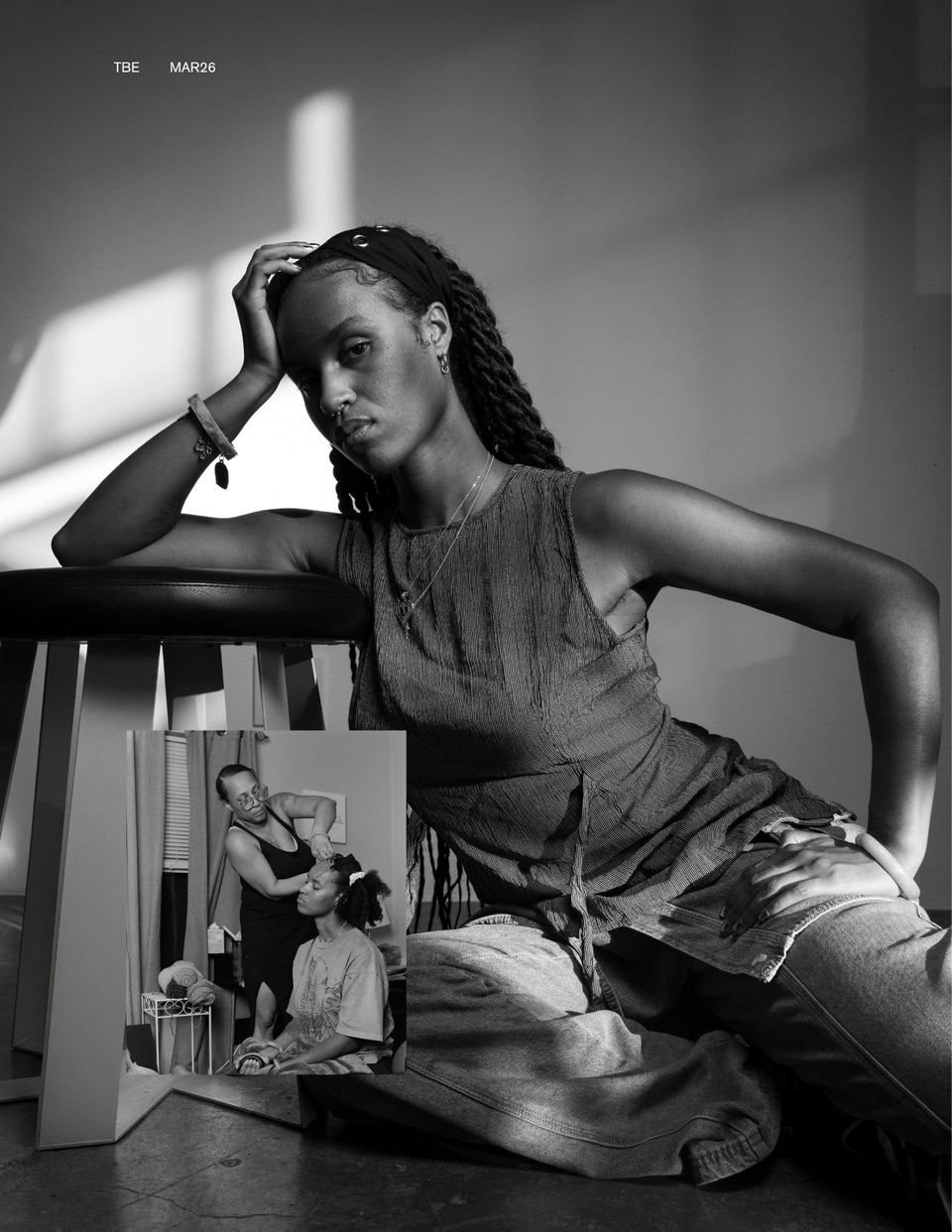
The visual execution is split into distinct moods, each handled by a photographer who understands the assignment. Kay Stacks takes on the black-and-white segment. Stacks has a notorious eye for contrast, pulling deep, rich shadows out of the frame while maintaining the softness of the skin. The monochrome shots of Rogers feel like vintage cinema. They strip away the distraction of color, forcing the viewer to confront her gaze directly. It is raw, unvarnished storytelling. Stacks isn’t interested in making you comfortable. He wants you to feel the weight of the subject in the room.
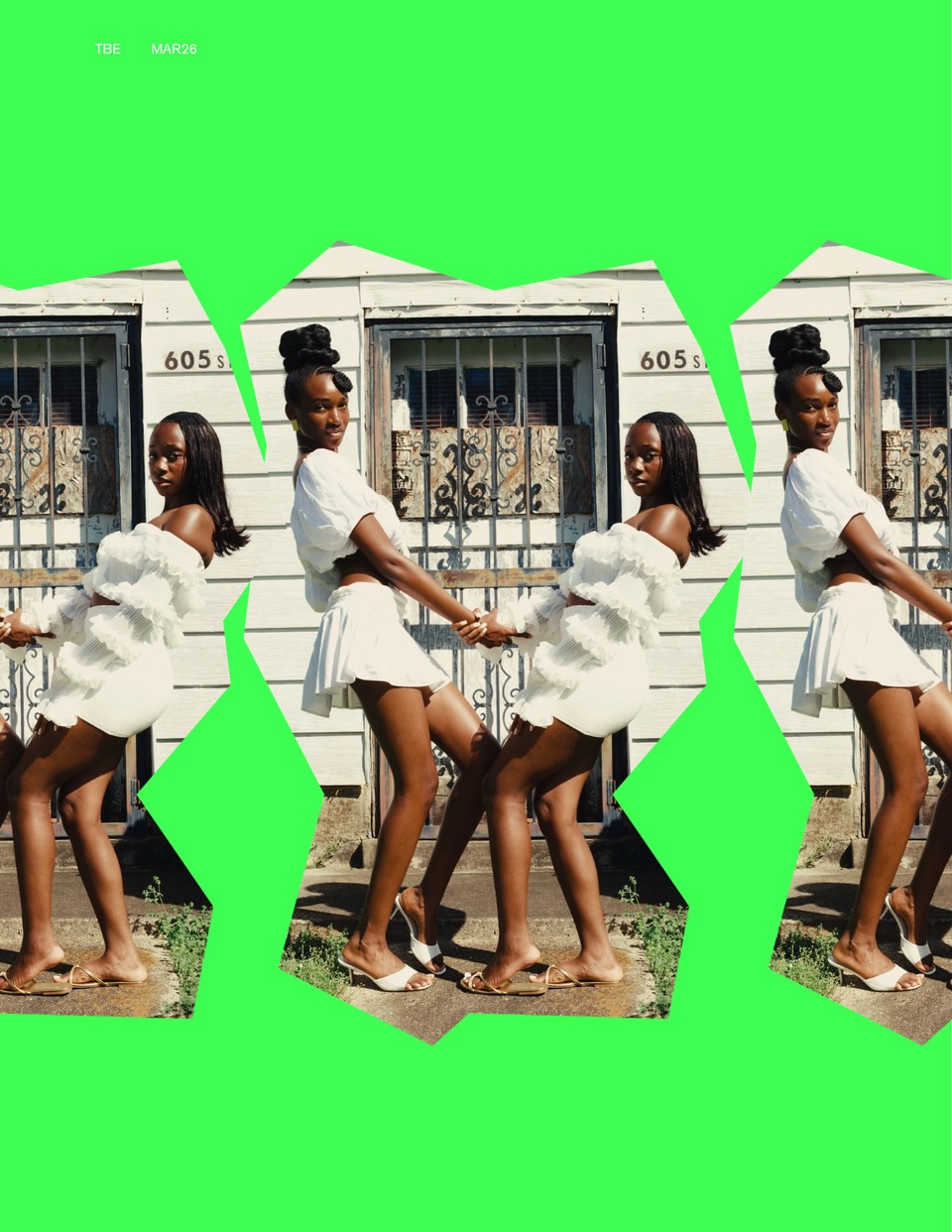
Right when you settle into that moody, cinematic vibe, Sydney Patterson flips the script with the green image series. Patterson is known for her ability to shoot Black skin in a way that feels almost ethereal, and she brings that exact magic here. Drenched in lush, earthy greens, this segment of the spread breathes life into the layout. The color palette feels intentional, nodding to growth, Southern roots, and natural grounding. Patterson and Stacks play off each other beautifully. One gives you the late-night, unfiltered grit. The other delivers the morning-after, sun-soaked clarity. It is a perfect balance.
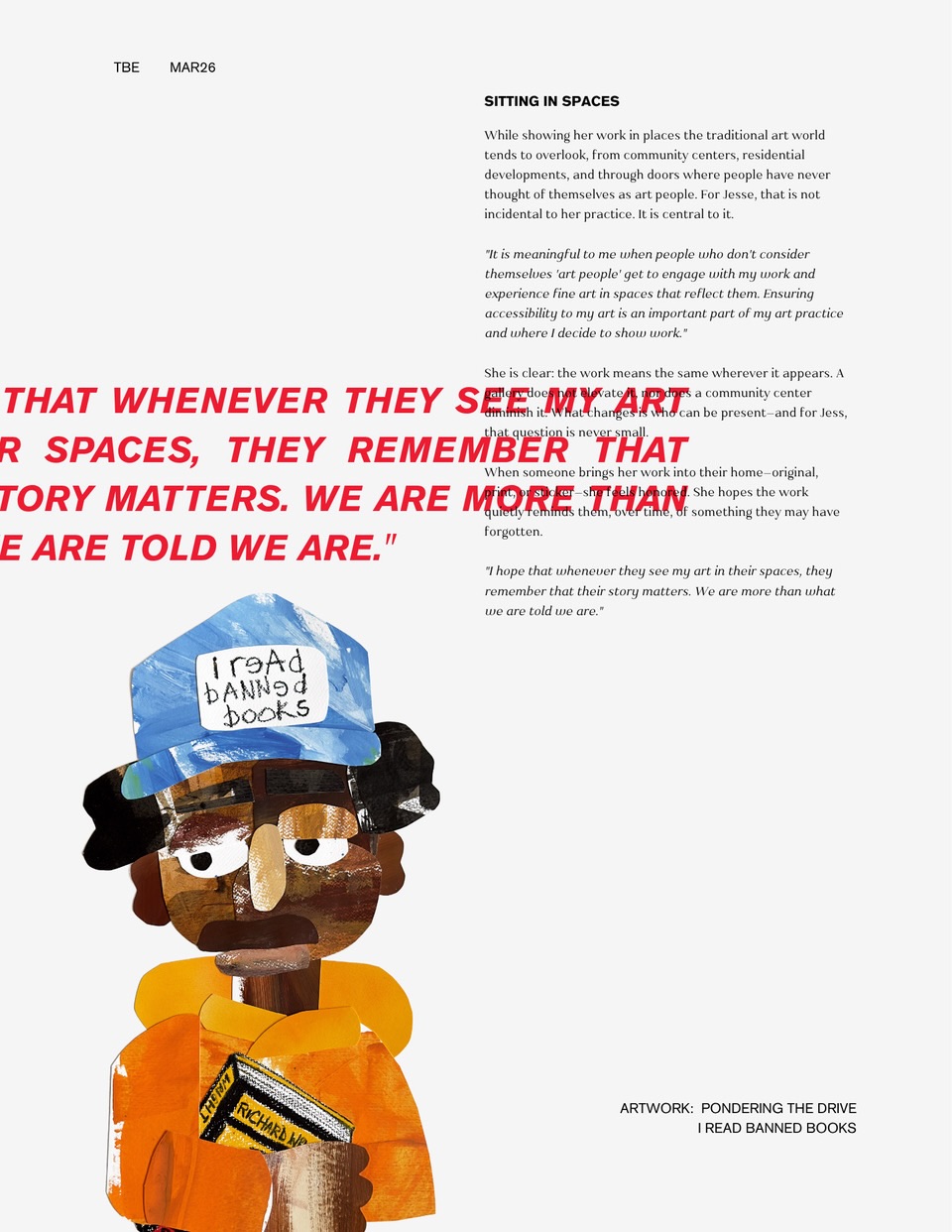
But Mansa didn’t stop at the visuals. A magazine feature without substance is just a lookbook, and Loud Palette always brings the intellect. The final piece of the gallery is the red text image—a deep, no-holds-barred interview with Jess Owens-Young. Operating under the moniker @truthofstrength, Owens-Young is a force of nature. She is a public health professor, a former semi-pro soccer player, and a mixed-media artist who slices up vintage Ebony and Jet magazines to explore the joy and melancholy of Black American life.
Owens-Young’s inclusion in this spread elevates the entire project. Her artwork, heavily influenced by her athletic background and her focus on Black leisure, serves as the perfect ideological companion to Rogers’ entrepreneurial hustle. The interview dives into how Black folks navigate public spaces, how we find rest, and how we build our own tables when the industry locks the doors. Owens-Young speaks with the precision of an academic and the soul of a poet. Her words, set against the bold red typography, act as the philosophical anchor for the entire spread.
This is what independent Black publishing looks like when it fires on all cylinders. The mainstream glossies will throw a massive budget at a diversity issue once a year, slap a generic buzzword on the cover, and expect applause. They hire white photographers to shoot Black talent, or they filter our stories through a corporate lens until the edges are completely sanded down. Loud Palette rejects all of that. By bringing together Rogers, Owens-Young, Stacks, and Patterson, Mansa has crafted a spread that feels deeply authentic.
Every single person involved in this shoot—from the editor to the talent to the folks behind the lens—understands the culture from the inside out. They don’t have to explain the jokes. They don’t have to water down the aesthetic. They are speaking directly to us. This Loud Palette feature isn’t just another post on the timeline. It is a permanent addition to the archive of modern Black art. And frankly, it makes the big-budget competitors look entirely out of touch.