
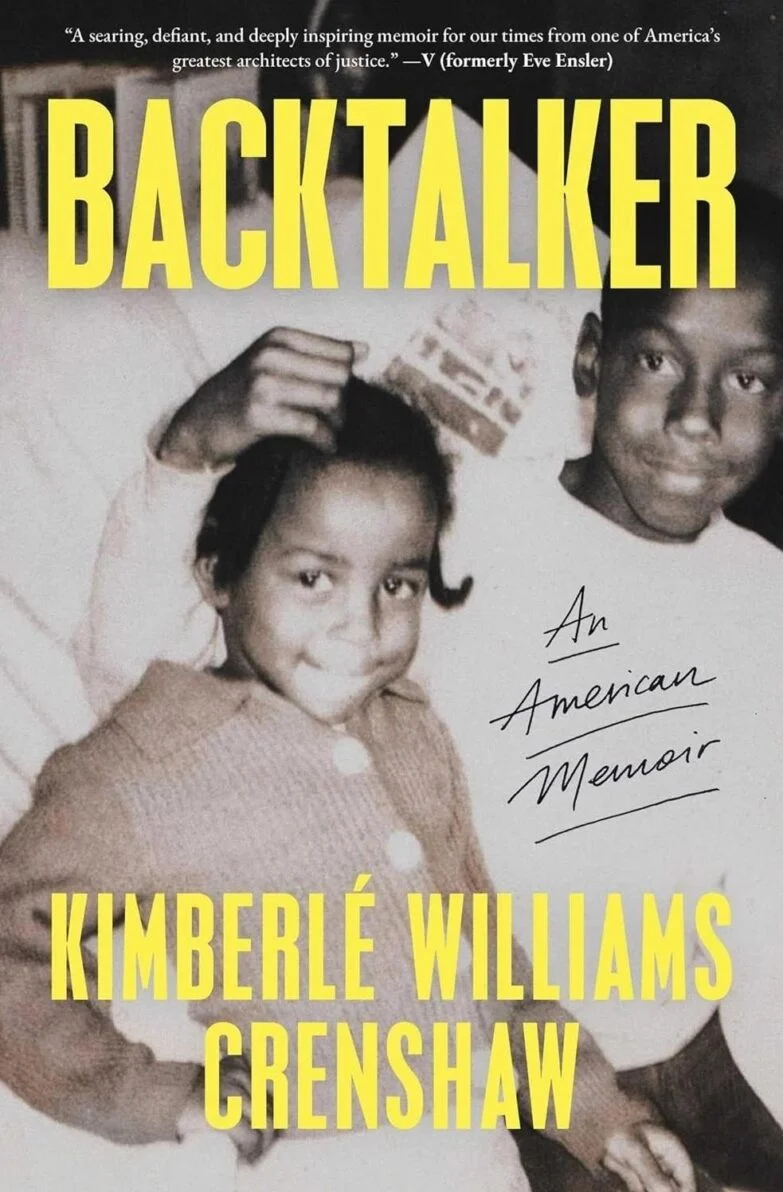
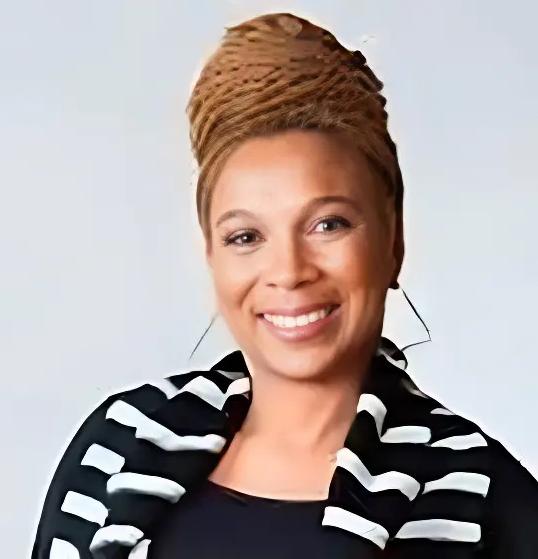
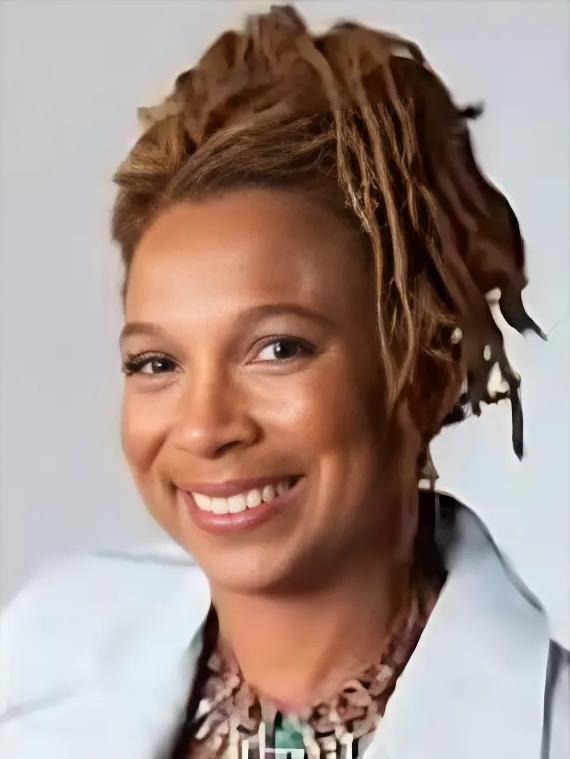
Kimberlé Williams Crenshaw has spent decades giving language to the realities many Black women, queer communities, and other marginalized groups have always known in their bones. In her new memoir, Backtalker: An American memoir, the legal scholar and public intellectual traces that journey from Canton, Ohio, to the center of some of the most urgent conversations in American life.
The book is both personal history and political record. Kimberlé Williams Crenshaw writes about family, survival, and the intellectual work that helped define Critical Race Theory and intersectionality. It also reads like adult nonfiction with a pulse, grounded in ancestral roots, the freedom struggle, and the kind of cultural meditation that refuses to separate private pain from public systems.
Crenshaw, a professor at UCLA and Columbia Law School, revisits moments that shaped both her scholarship and her sense of self. Among them are being denied access to a Harvard club because of her gender, supporting Anita Hill during the Clarence Thomas confirmation hearings, and surviving intimate partner violence after a boyfriend tried to throw her from a 10-story window. The memoir does not soften any of it.
That sharpness is part of what makes Backtalker land. Crenshaw has never been interested in making difficult truths easier for power to digest. Through her work with the African American Policy Forum and beyond, she has argued that oppression does not arrive in neat categories. Race, gender, class, queer identity, immigration status, and state power often collide at once. Her writing insists that our language should be honest enough to reflect that.
Now 67, Crenshaw remains one of the clearest thinkers in the national conversation on race, gender, and democracy. Her recent appearance at the Hammer Museum in Westwood, where she read from the memoir and joined a moderated conversation, underscored how much of her work still feels urgently present.
Asked to define intersectionality, Crenshaw put it plainly: it is a way of understanding how racism, sexism, homophobia, and other forms of discrimination overlap to create specific forms of harm. The concept may now sit in academic syllabi and cable-news arguments, but in her framing it remains practical, not abstract. It names what happens when people experience multiple forms of exclusion at the same time.
When critics dismiss intersectionality as divisive or too complicated, Crenshaw does not spend much time trying to soothe them. Her response is blunt and familiar to anyone who has watched her work over the years: people should read more, and they should be honest about what kind of “unity” is actually being requested. If unity means tolerating subordination, then division is not the problem. Submission is.
That same clarity runs through her comments on immigration policy and voting rights. Crenshaw argues that policies marketed as neutral often disguise racial hierarchy, especially when the political language around who belongs in America is already coded by race and nationality. In her view, so-called colorblindness is not an absence of racial thinking. It is one of the tools that keeps racial inequality in place.
She is equally direct about why concepts like Critical Race Theory have become political targets. From her perspective, the backlash is not proof that the work lacks value. It is proof that naming structural racism threatens people who benefit from it. Once people can describe a system clearly, they are better able to challenge it.
There is a larger story in Backtalker about literacy, memory, and inheritance. Crenshaw ties her work to Black American history and to the generations that came before her. She describes a straight line from her great-grandparents to her parents to her own role in movement work. That sense of continuity gives the memoir a lived-in depth. It is not a hip hop biography or spoken word collection, but it carries some of that same insistence on voice, cadence, and refusal.
Her remarks on the current political moment are unsparing. She points to attacks on voting rights, court decisions that narrow equity claims, and the ongoing effort to strip Black communities of political power while still using “post-racial” rhetoric as cover. For Crenshaw, the contradiction is the point. The language of neutrality can coexist quite comfortably with the machinery of exclusion.
There is also something refreshing about how unvarnished she is in discussing the Democratic Party’s failures. She suggests the party arrived late to a long-running fight and still lacks full clarity on how deeply anti-Blackness has been embedded into the broader political strategy reshaping American democracy. It is a hard read of the moment, but not an unserious one.
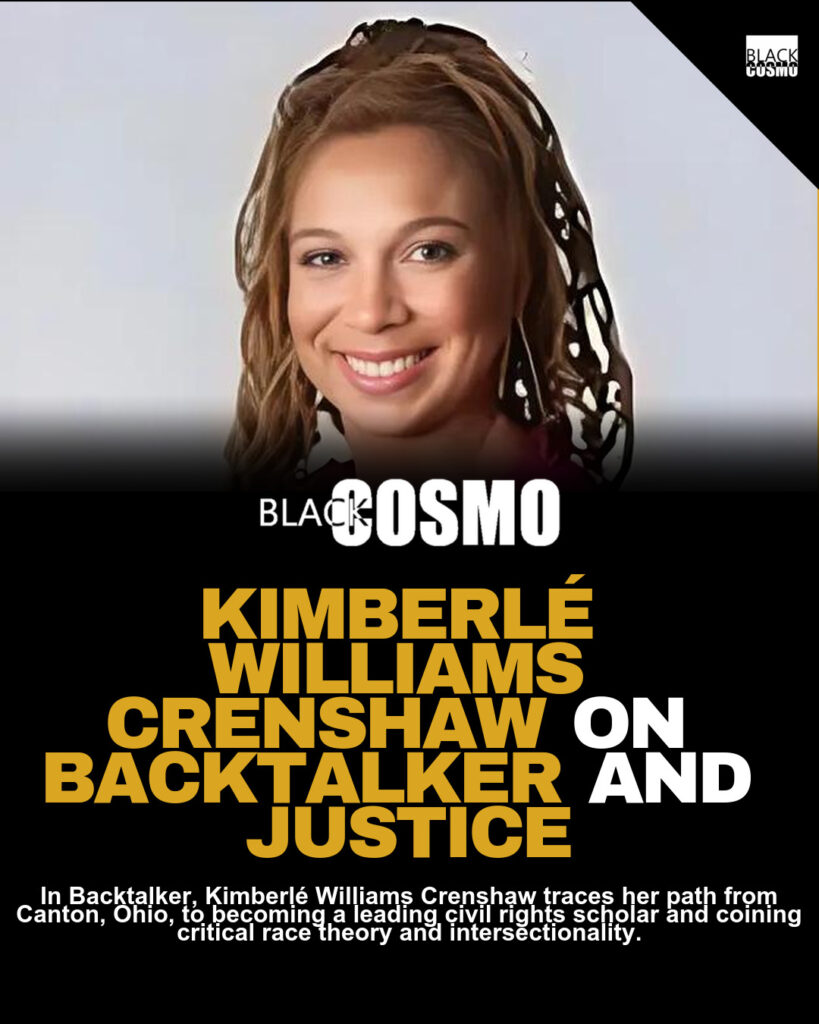 Backtalker works best when it refuses simplification. It is memoir, legal history, and social critique all at once. Readers who build a curated reading list around race, gender, mass incarceration, Latinx voices, or other work from an independent press will probably find it essential. It belongs in conversation with books that examine the American project from the margins outward, not from the center down.
And yes, it also feels strikingly current. In an era when public discourse can flatten everything into slogans, Crenshaw is still asking people to think with precision. Even in a culture crowded with statement piece politics and optics that can feel as carefully chosen as designer handbags or Tom Ford sunglasses, her work keeps pulling the conversation back to substance.
Crenshaw says she wrote Backtalker to honor her family’s legacy and to place her work firmly inside Black American history. The result is a memoir that does exactly that. It does not ask for permission, and it does not trim its politics to make anyone comfortable. It speaks back.
More on books, politics, and culture: Crenshaw’s memoir enters a crowded season of titles, but few arrive with this much intellectual weight and lived authority.
★e★