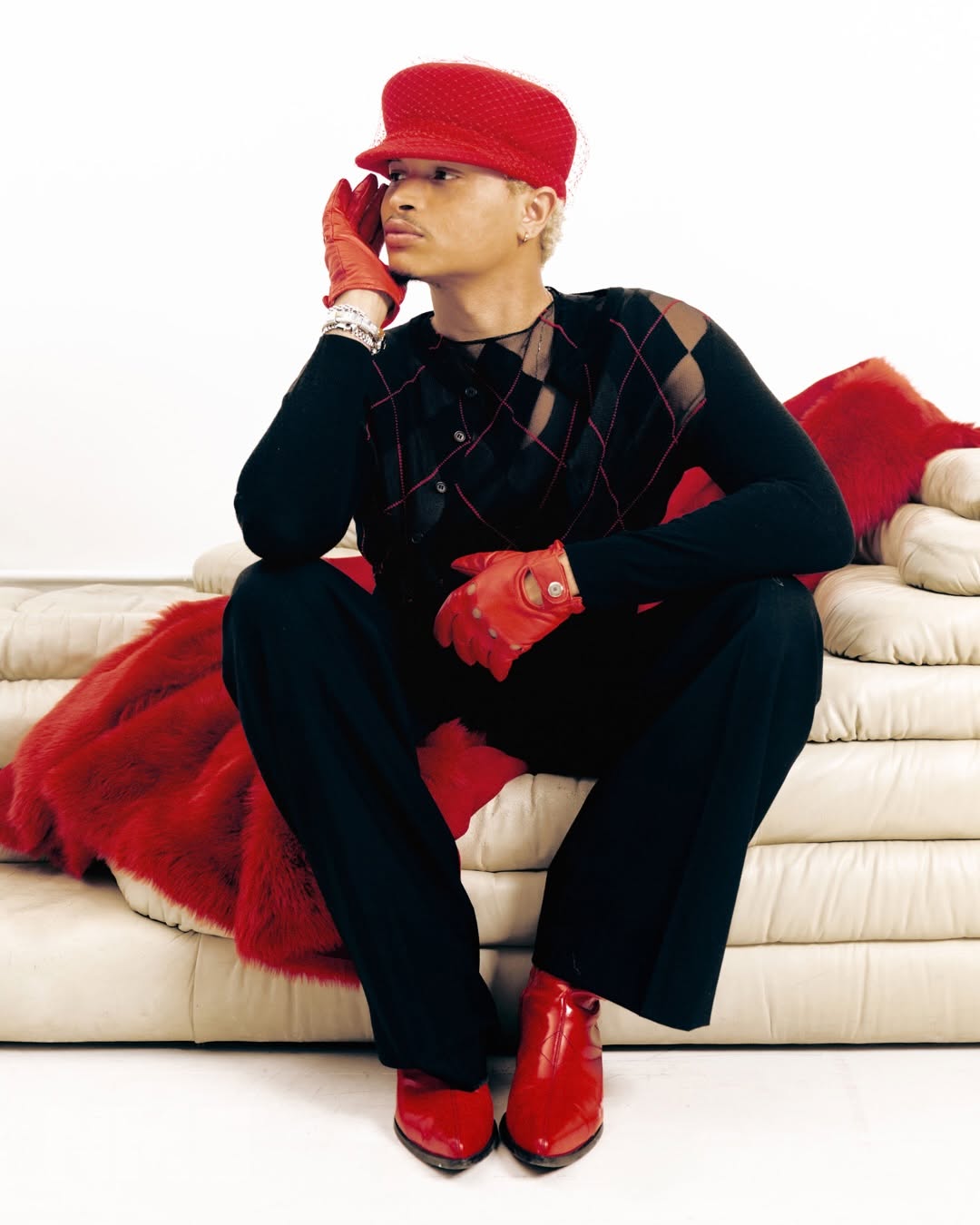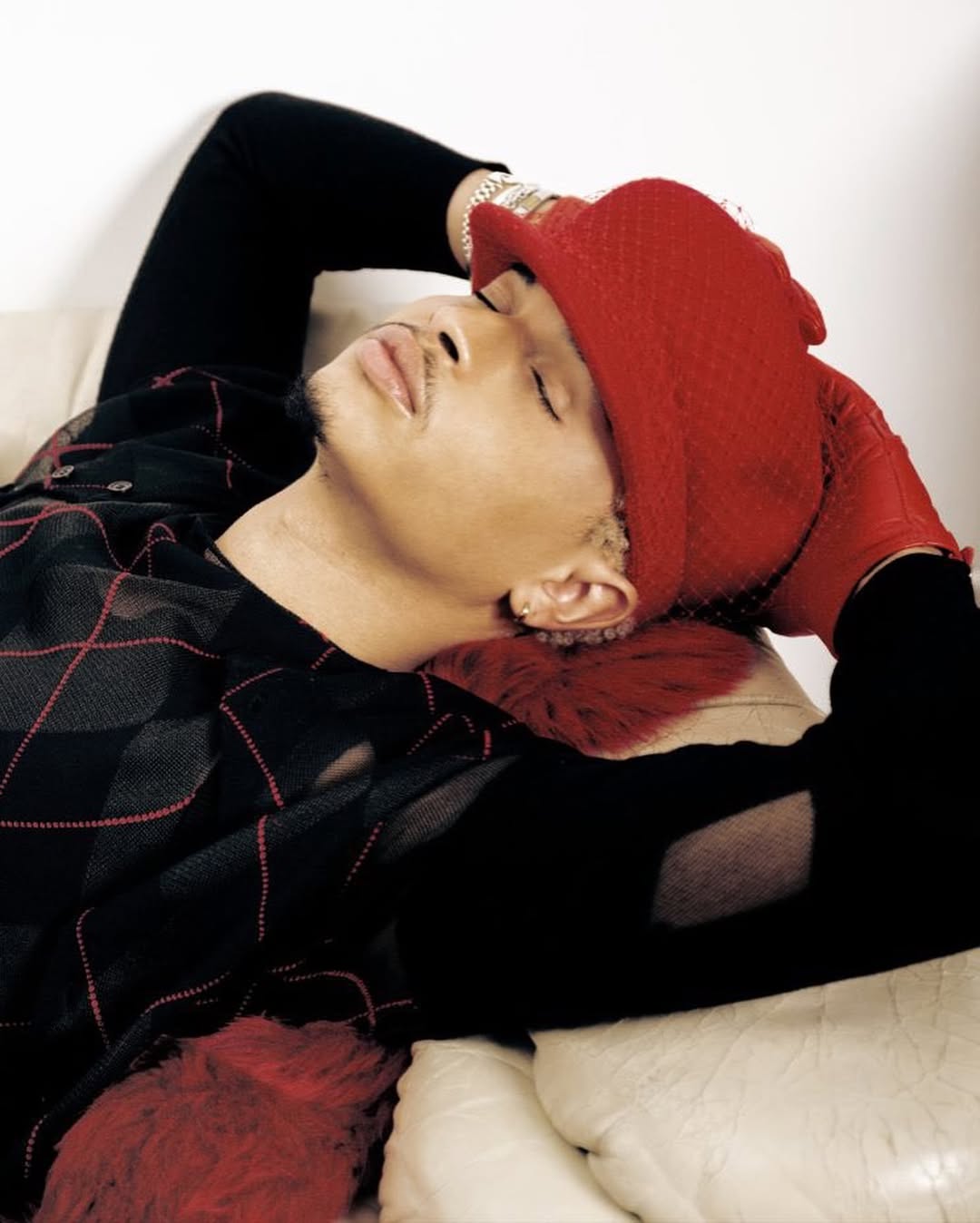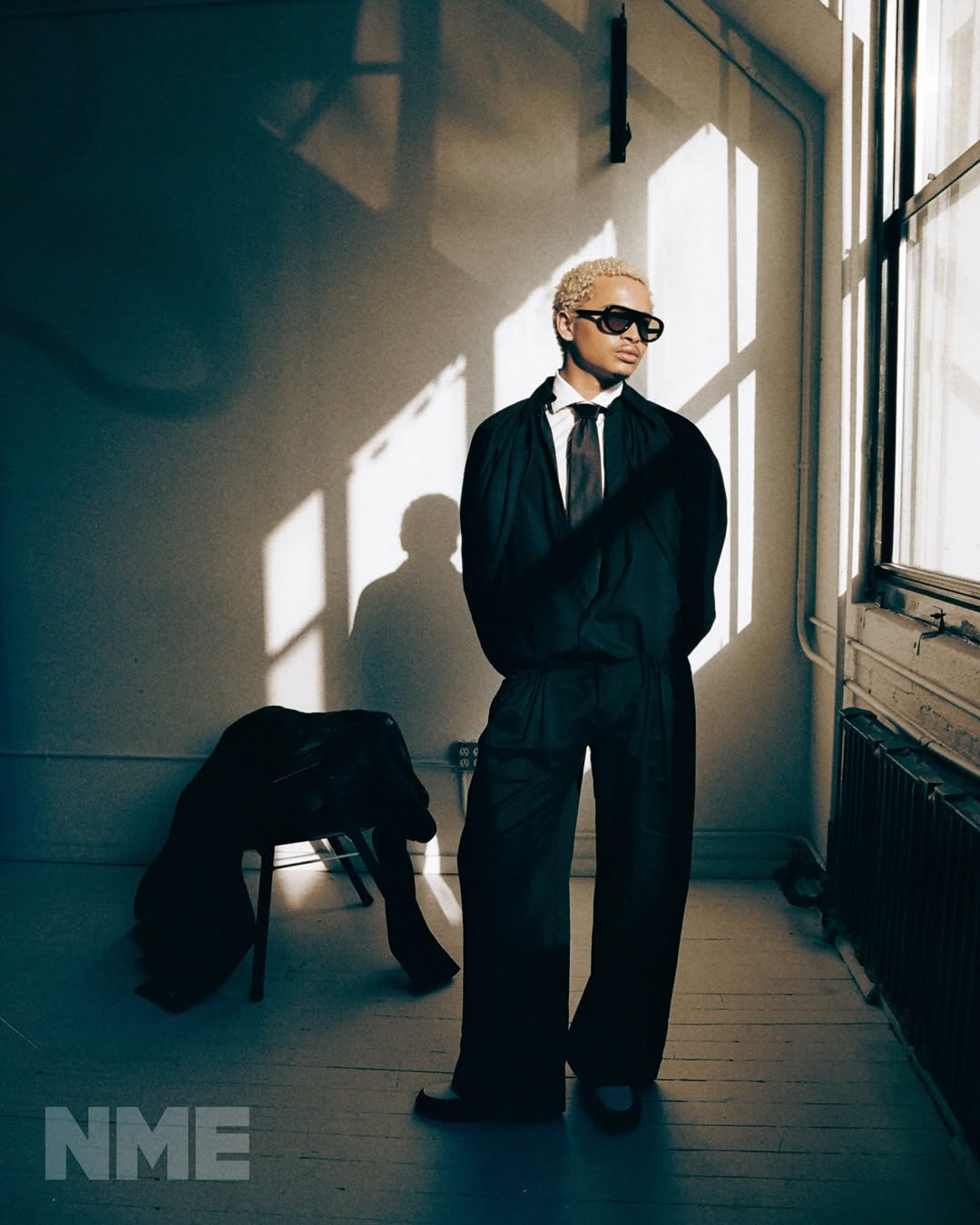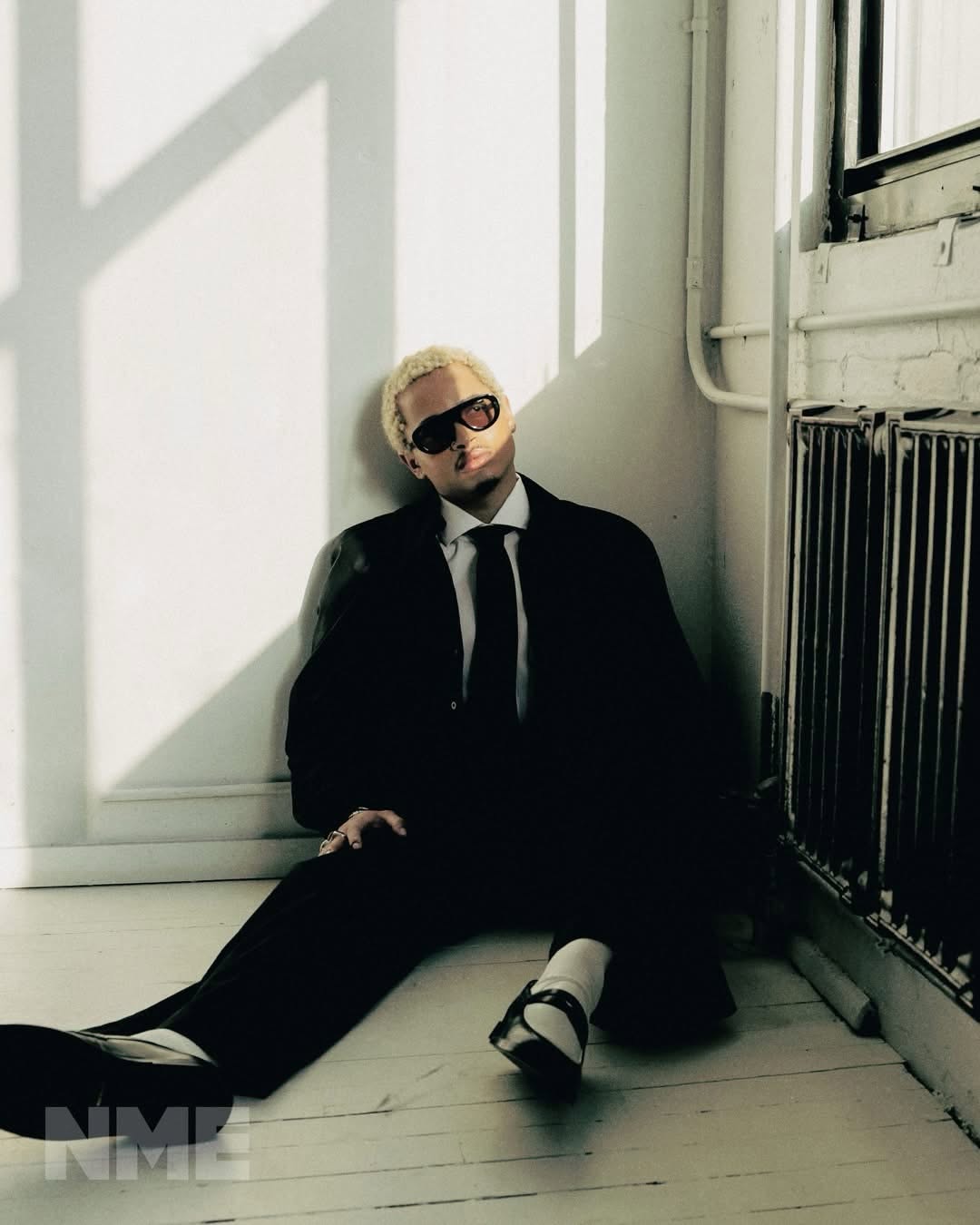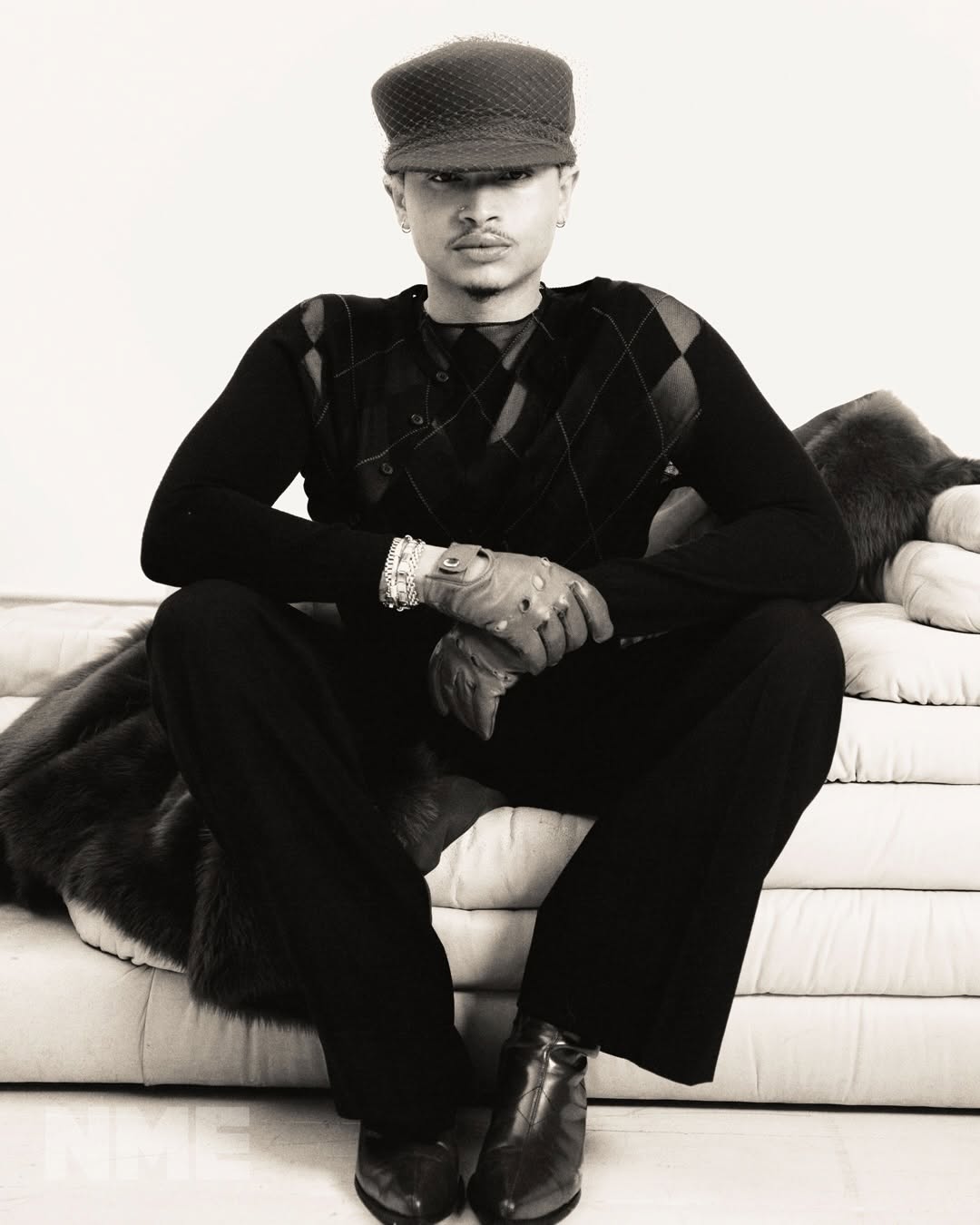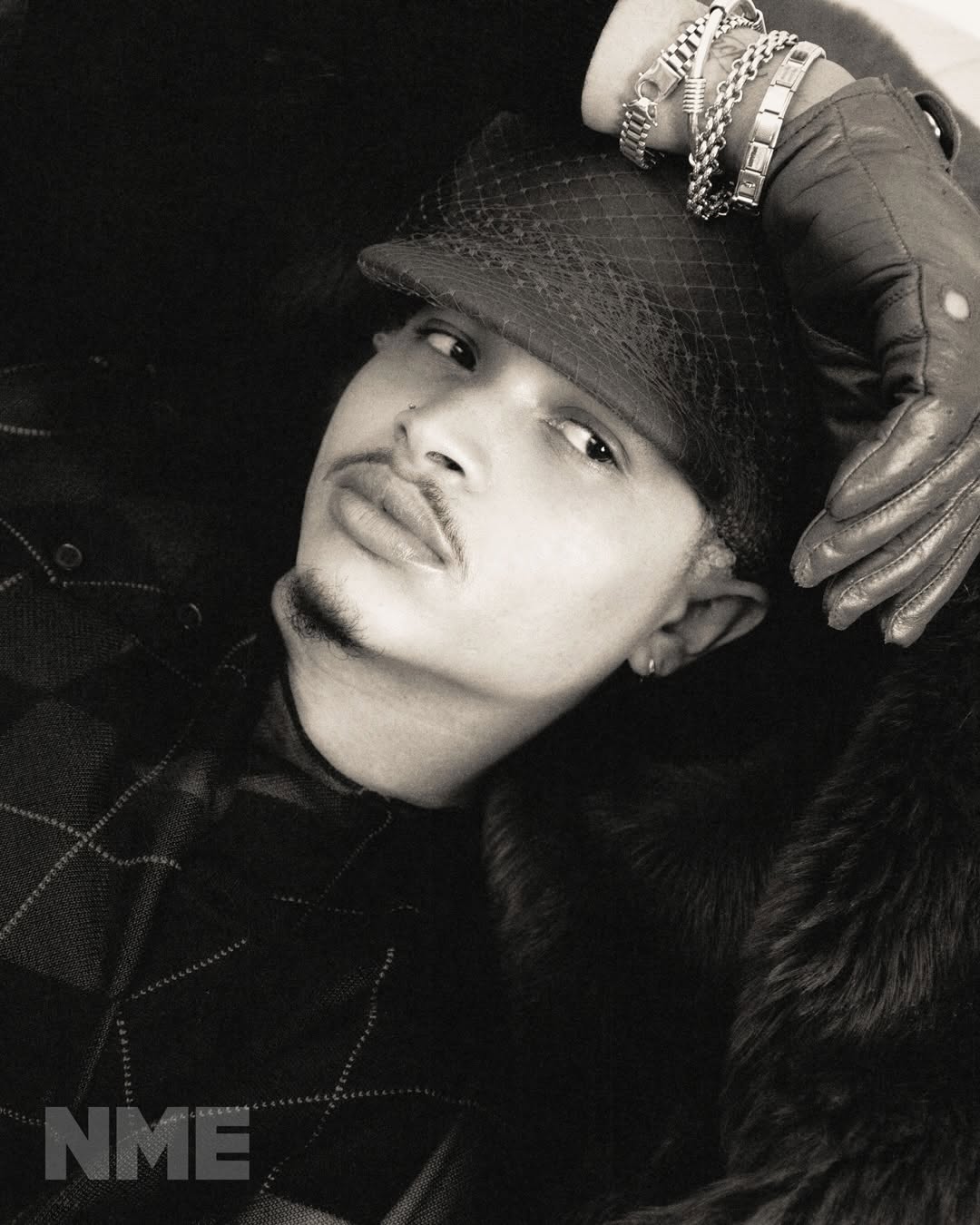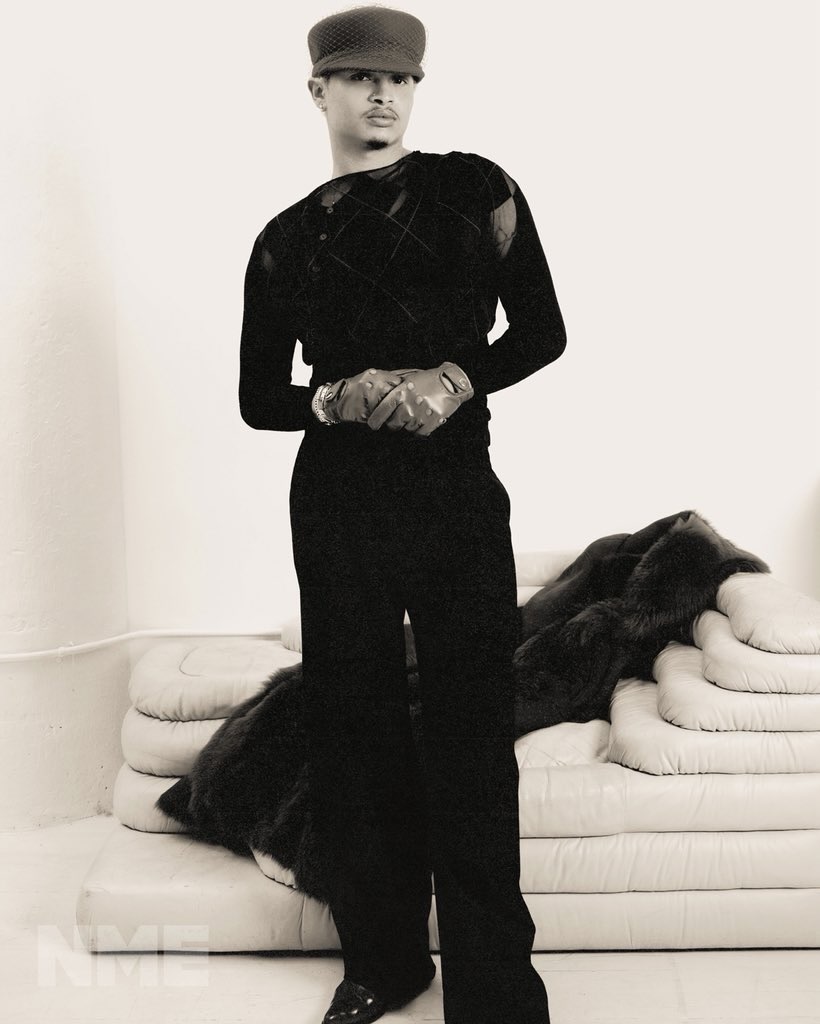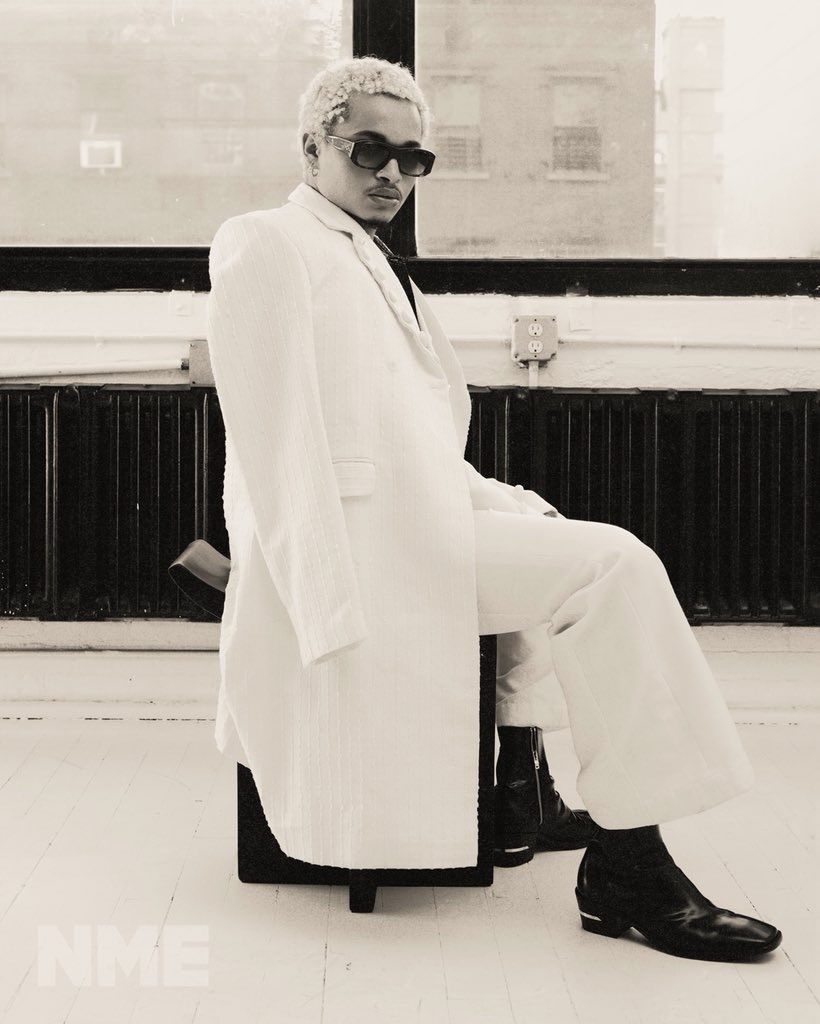
The timeline loves to argue about the state of R&B. People log on every Tuesday to complain that the genre lacks superstars or that the golden era is dead and buried. Then a spread like this drops. The conversation goes completely quiet. NME Magazine just put out their latest feature. It immediately proves the critics wrong.
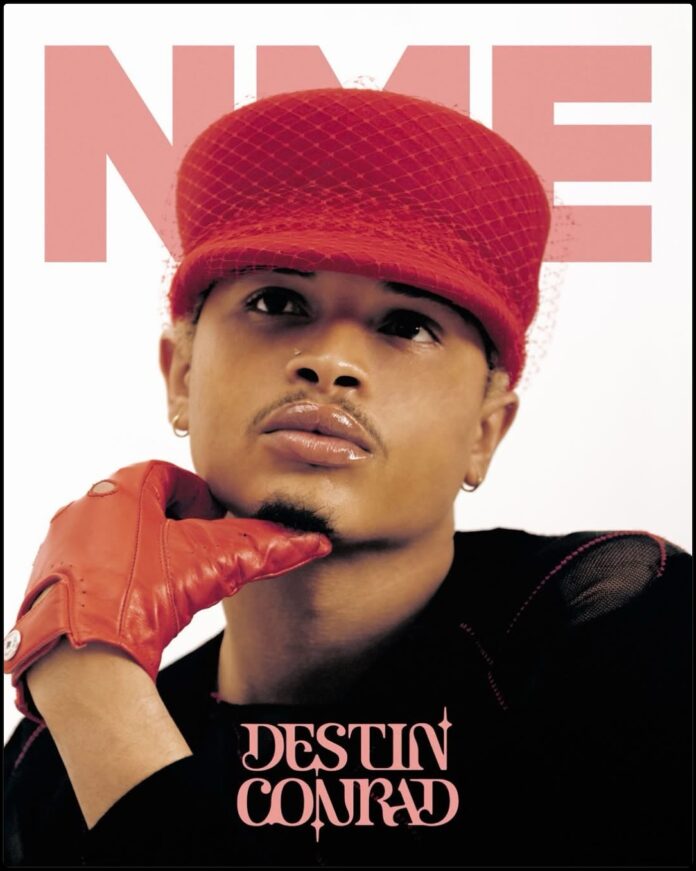
We need to talk about Destin Conrad. The Florida native has been putting in the work for years. He went from making six-second loops on Vine to writing hits for Kehlani and carving out a massive solo fanbase. He did it without loud gimmicks or industry plant allegations. He just makes good music. Now he commands the camera for a massive NME feature.
Look through this nine-image gallery. The creative direction is sharp and unapologetic. Photographer @ryd.der strips away the heavy production we usually see on male artists. The framing is intimate. It feels less like a promotional shoot and more like a private studio session we were lucky enough to walk in on. @internet.x handled the styling. The clothes hang perfectly. They do not overpower the man wearing them. We get oversized silhouettes mixed with tailored cuts. It screams quiet luxury but keeps the street edge intact. Grooming by @sk1nnybeauty keeps his skin looking flawless and natural. There is no heavy matte finish. It is pure glow.
The British press often struggles to capture Black American R&B artists correctly. They either lean too heavily into urban stereotypes or try to dress them up like pop stars. NME sidesteps that trap entirely. The story by @iamntyrell treats Destin Conrad with the respect of a veteran. Tyrell asks the right questions. He gets into the soul of the music. He digs into the songwriting process without making it sound like a sterile college lecture.
R&B men are in a strange place right now. The industry pushes them to either act like toxic heartbreakers or overly sensitive crooners. Destin ignores both boxes. He occupies a middle ground that feels incredibly authentic. His music is deeply romantic but grounded in reality. He sings about situationships and late-night regrets with a relaxed vocal delivery that feels like a conversation. This visual spread mirrors that exact energy. The poses are relaxed. The gaze is direct. He knows exactly who he is.
Black men in fashion editorials often get boxed into rigid expressions. You see the same tough-guy grimace on fifty different covers. This spread throws that tired playbook out the window. Destin gives us range. He gives us vulnerability and quiet confidence. It feels refreshing. The people in the comments noticed immediately. Fans flooded the Instagram post calling out specific styling details. They noticed the subtle accessories. They praised the lighting. They demanded a physical print copy.
You cannot manufacture this kind of appeal in a boardroom. Labels spend millions trying to buy the effortless cool that drips off these nine slides. Destin built his foundation on a loyal, grassroots following. He sold out shows before the mainstream press even knew his name. Now the publications are catching up. NME getting this exclusive is a massive win for them. It shows they are actually paying attention to the culture instead of just chasing social media charts.
We need more visual storytelling like this. Give Black male artists the budget and the creative freedom to show up fully realized. Stop forcing them into generic streetwear ad campaigns. Let them wear high-concept pieces. Let them look expensive. Destin sets a high bar for the rest of the year. Every other male artist gearing up for a press run needs to take notes. The standard just went up.
Let us talk about the crossover appeal. The UK has a long history of embracing Black American soul and R&B long before the domestic mainstream gives it proper flowers. From the Northern Soul movement to the early 2000s neo-soul wave, British audiences recognize raw vocal talent. NME dedicating this level of real estate to an independent-minded R&B artist signals a shift. It proves the global appetite for authentic Black artistry remains completely insatiable. Fans from London to Los Angeles share the same sentiment online. They see a star coming fully into his power. The timeline is not just liking the post. They are dissecting the aesthetic. They are pinning these images to mood boards. When an artist can command that level of aesthetic loyalty, the music industry has no choice but to bow. Destin is not waiting for a seat at the table. He brought his own chair, his own stylist, and his own lighting crew. The results speak volumes.