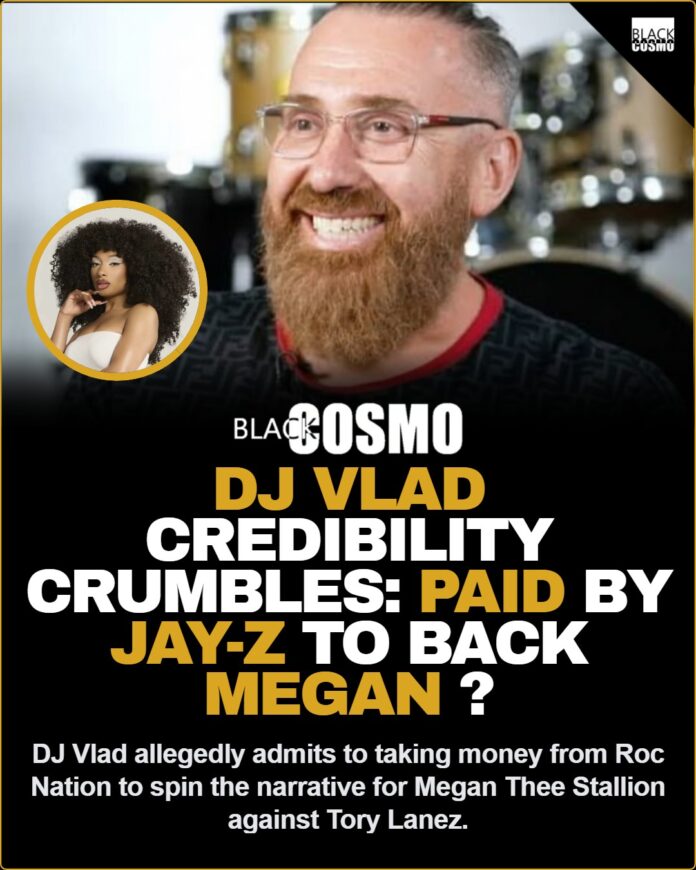
The hip-hop internet erupted this week after a post attributed to DJ Vlad appeared to “confess” to being paid by Roc Nation to support Megan Thee Stallion during the Tory Lanez trial.
The statement read:
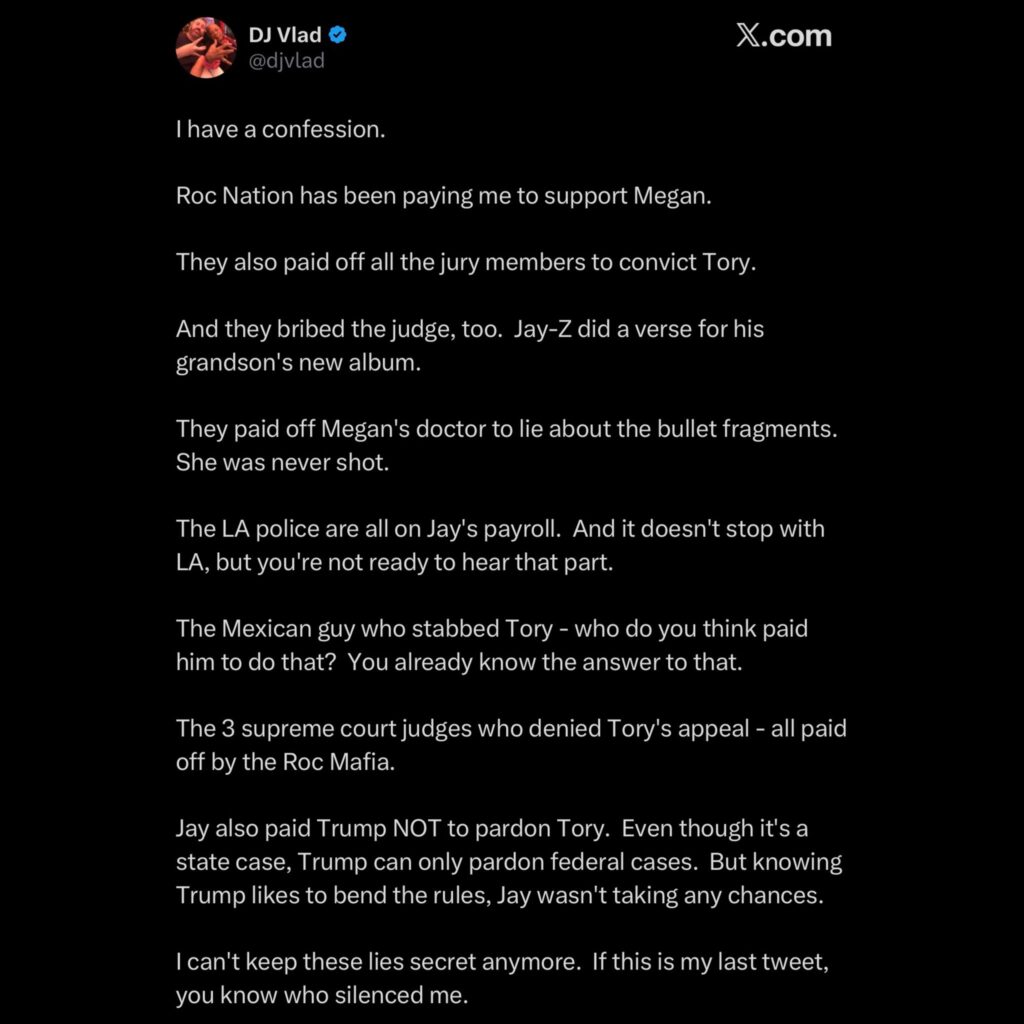
“I have a confession. Roc Nation has been paying me to support Megan.
He then goes on to say…
They also paid off all the jury members to convict Tory… Jay also paid Trump NOT to pardon Tory. Even though it’s a state case, Trump can only pardon federal cases. But knowing Trump likes to bend the rules, Jay wasn’t taking any chances.”
TO BE CLEAR, multiple sources and social media analysts quickly clarified that the post appears to be satire — an exaggerated jab at conspiracy theories that have followed the case for years. There is no verified evidence that Roc Nation paid for media support, influenced jurors, or interfered with the legal process. Legal experts have also pointed out that a U.S. president cannot pardon state convictions, making parts of the statement structurally impossible.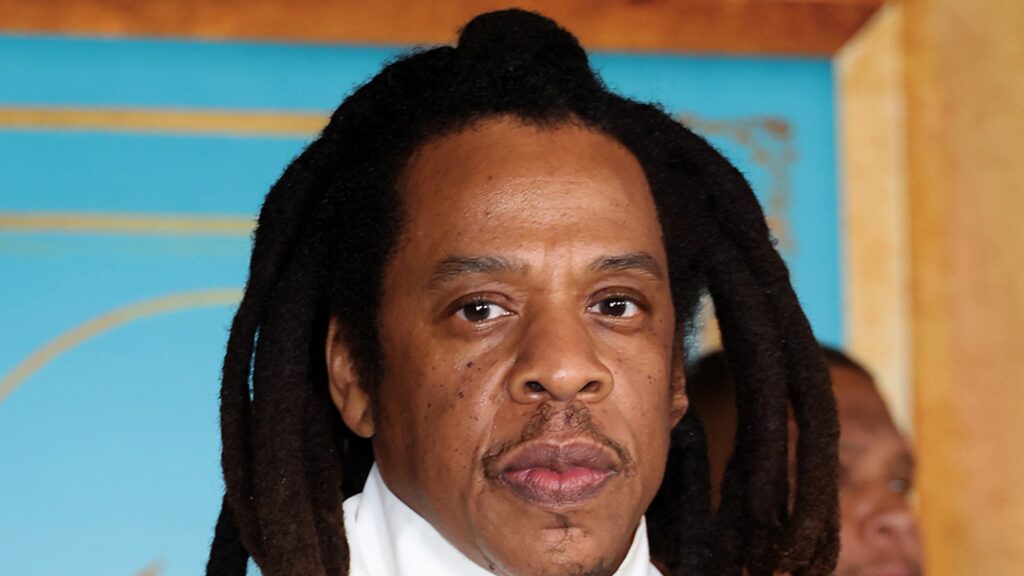
Still, the damage may already be done.
Why the Internet Is Divided
To some, the post was clearly sarcasm — over-the-top humor designed to mock conspiracy narratives.
Big Whiz (@bigwhiz04) wrote:
“This is satire, not fact, there’s no evidence Roc Nation paid support for Megan Thee Stallion or influenced Tory Lanez’s case, and Donald Trump cannot pardon state convictions.”
RajUnfiltered (@Raj_Unfiltered1) added:
“internet loves a conspiracy more than a fact check. sometimes the simplest answer is still the answer. half the claims don’t even match how the system works. state case, jury, pardon… u can’t just send money n control it like a group chat.”
But others weren’t laughing.
Dr. Marife (@DrMarife) reacted strongly:
“Big lies from the pit of hell.
How long have they been paying him?
How does Jay Z pay the president and all the sheriff and judges
How close was he to JayZ to know all these?”
For critics, even joking about bribed jurors and political influence crosses a line — especially in a case that already split the culture.
The Credibility Question
DJ Vlad has built his brand on interrogation-style interviews and positioning himself as a neutral media figure. That’s why the satire landed differently for many observers. In an era where misinformation spreads faster than fact-checks, humor can blur into narrative fuel.
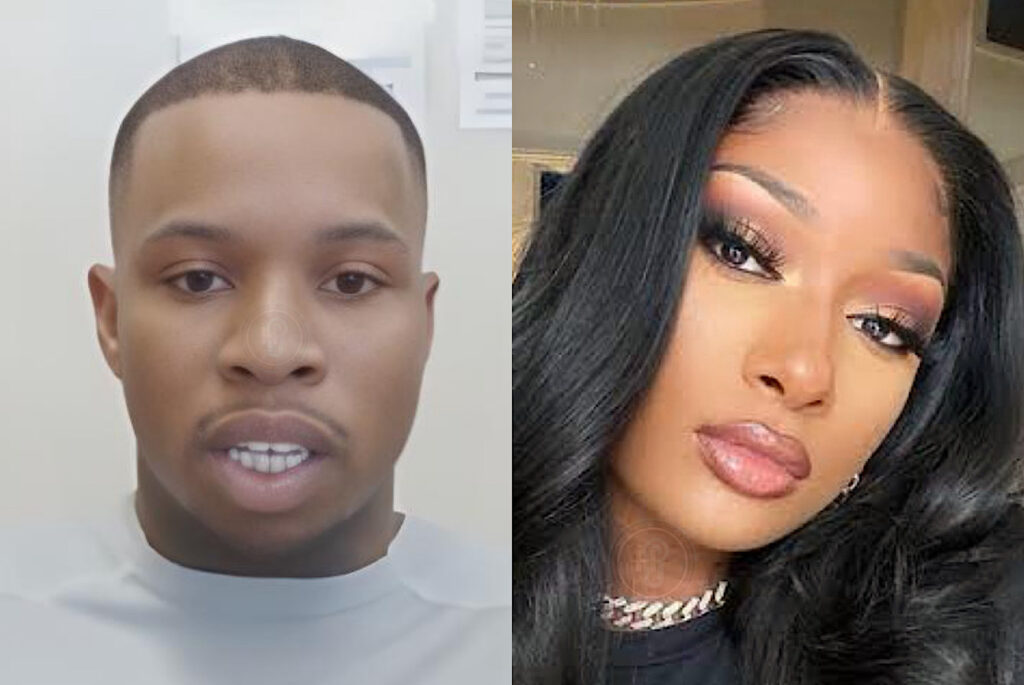 The Tory Lanez and Megan Thee Stallion case has remained one of the most polarizing stories in modern hip-hop. Conspiracy theories have circulated for years. When a major media voice jokes about those theories, some interpret it as trolling. Others see it as irresponsibility.
And perception matters.
This moment also reopens long-standing criticism that has followed Vlad for years. Some voices within the culture have labeled him a “culture vulture,” arguing that he profits from Black trauma, controversy, and street narratives without being fully rooted in the community itself. Critics have previously pointed to tense exchanges with comedians and entertainers — including moments where public disagreements escalated online — as examples of what they see as antagonistic engagement rather than cultural stewardship. Supporters, however, argue that Vlad simply platforms conversations others won’t touch and that tough questioning is part of his brand. Whether one views him as a documentarian of the culture or someone capitalizing on it, the perception debate continues to shape how his commentary is received.
Journalism, Commentary, or Entertainment?
This controversy raises a broader cultural question: What responsibility do hip-hop media platforms carry in politically charged cases?
Satire has always existed in media. But when audiences are already deeply divided, sarcasm can reinforce the very conspiracies it intends to mock.
At the same time, there is currently no evidence that Roc Nation paid for coverage or manipulated the judicial process. The legal facts remain unchanged: the case was tried in state court, jurors were selected through the legal process, and presidential pardons apply to federal convictions only.
The Bigger Picture
The reaction to this moment reveals something deeper than a single tweet. It reflects a trust gap between audiences and media platforms.
Some believe the post exposed something.
Others believe it exposed how easily misinformation spreads.
One thing is clear: in the social media era, satire doesn’t always read as satire.
And in hip-hop — where authenticity is currency — credibility is everything.
As the conversation continues, the culture is left asking not just what was meant, but what responsibility comes with having the microphone.