
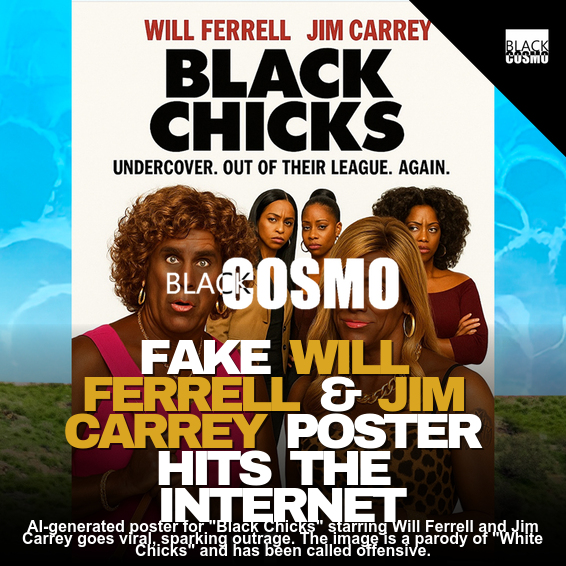
A fake movie poster featuring a supposed sequel to the iconic 2000s comedy White Chicks, titled Black Chicks and starring Will Ferrell and Jim Carrey, has been making waves online. The AI-generated image, designed to look like an authentic movie poster, has unfortunately sparked significant backlash for its insensitive and racially tone-deaf portrayal, despite its viral spread across social media. This imagined project, Black Chicks, has clearly touched a nerve, highlighting the complex conversations around AI, representation, and cultural appropriation in digital spaces.
The premise of a Black Chicks film, even as a concept, raises immediate questions about the intent and impact of such imagery. While the original White Chicks aimed for humor through its outlandish premise, the reimagining with a racial element, especially when generated without the input or consent of the communities it purports to represent, can easily cross the line into offensive territory. It’s a stark reminder of how quickly AI-generated content can proliferate and the responsibility that comes with creating and sharing it, particularly when it plays with sensitive cultural themes.
This incident underscores the ongoing discourse surrounding AI ethics and its application in media. The creators of the fake poster may have intended it as a commentary or a joke, but its reception has highlighted a deeper concern about how AI is being used to mimic and potentially mock cultural touchstones. The virality of the Black Chicks poster, shared thousands of times, demonstrates the power of these digital tools but also the urgent need for greater awareness and consideration of the potential harm they can inflict, especially within the BIPOC community.
The internet’s reaction to the Black Chicks poster is a testament to the fact that representation matters, and the way our identities and cultural experiences are depicted, even in jest or by AI, has real-world implications. As AI technology continues to evolve, so too must our understanding and ethical guidelines for its use, ensuring that it serves to uplift and reflect diverse voices rather than perpetuate harmful stereotypes or trivialize cultural sensitivities. The conversation ignited by this fake movie poster is an important one, pushing us to think critically about the future of digital content and its impact on society.
[efb_feed fanpage_id=”BlackCosmopolitan” words_limit=”25″ post_limit=”1″ skin_id=”115758″ cache_unit=”1″ cache_duration=”days” live_stream_only=”0″ load_more=”0″ links_new_tab=”1″ show_like_box=”0″]
Disclaimer:
For Education and discussion purposes. Please note no copyright infringement is intended, was recorded on BlkCosmo’s own equipment, and we do not own nor claim to own any of the original recordings used in this video and intend to use this as ‘fair use’.