Higgsfield Supercomputer, Claude Clones, and the AI Trust Problem Nobody Wants to Talk About
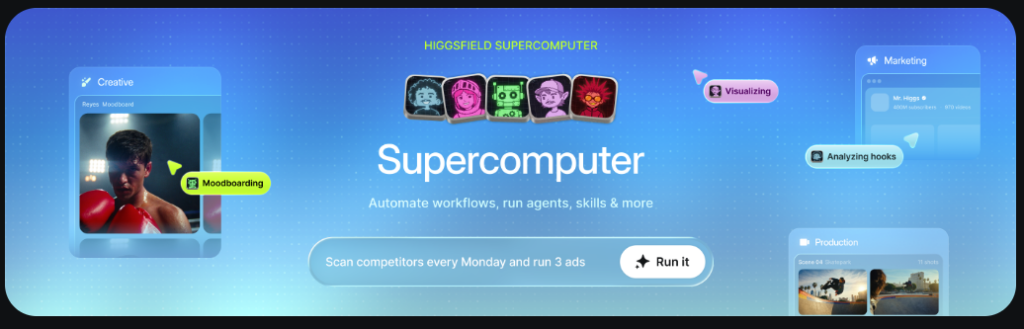 Higgsfield’s new Supercomputer has entered the chat, and the reaction has been immediate: curiosity, skepticism, and a whole lot of side-eye. Positioned as an agentic AI system built to streamline creative work, automate production, and orchestrate multiple models from one interface, it is being framed as a breakthrough moment in the growing race to build the next generation of AI tools.
But beneath the polished marketing language and futuristic branding, a much bigger conversation is taking shape. The question is no longer just what the tool can do. It is whether creators should trust it, whether the hype is ahead of the product, and whether this is really innovation or just another tech flex wrapped in premium branding.
What Higgsfield’s Supercomputer Is Really Selling
Higgsfield’s Supercomputer is not a standalone model in the traditional sense. It functions more like an orchestration layer, routing across different frontier models and creative systems inside one centralized workflow. In theory, that means users can prompt once and move from concept to execution without bouncing between multiple tools, tabs, or platforms.
That pitch is exactly why people are paying attention. The company is presenting the system as an all-in-one creative brain, capable of handling memory, connectors, workflow automation, and asset generation across tools like Slack, Notion, Drive, and Figma. According to its public positioning, it is designed to speed up production and reduce friction for teams and creators alike Higgsfield Supercomputer.
Still, calling it a “supercomputer” feels more like branding than precision. What users are actually looking at appears to be a multi-model automation interface with aggressive packaging and a high-concept name built to sound bigger than a standard AI workflow tool.
The Claude Clone Conversation
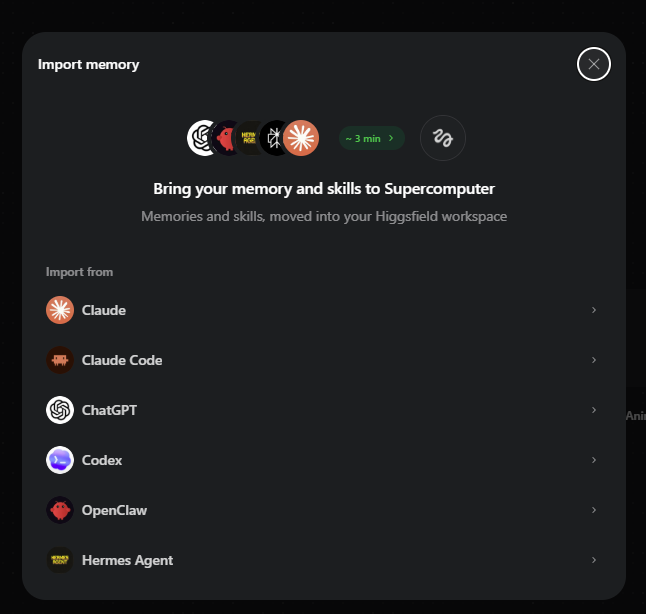 One reason the internet keeps circling back to Claude is because Higgsfield seems to rely on the same broader class of reasoning systems to power parts of its experience. The result is a wave of comparisons that raise a simple question: is this a true competitor, a remix, or just a wrapper around existing models with a flashier presentation?
That distinction matters. In the current AI landscape, the real innovation is often less about inventing something from scratch and more about packaging existing intelligence into a smoother, faster, more accessible workflow. Higgsfield appears to be leaning into that trend by turning model access into a more visual, agent-driven experience.
For users, that can be appealing. For critics, it can also feel like the tech equivalent of a luxury label over the same basic fabric.
Why the Hype Feels So Loud
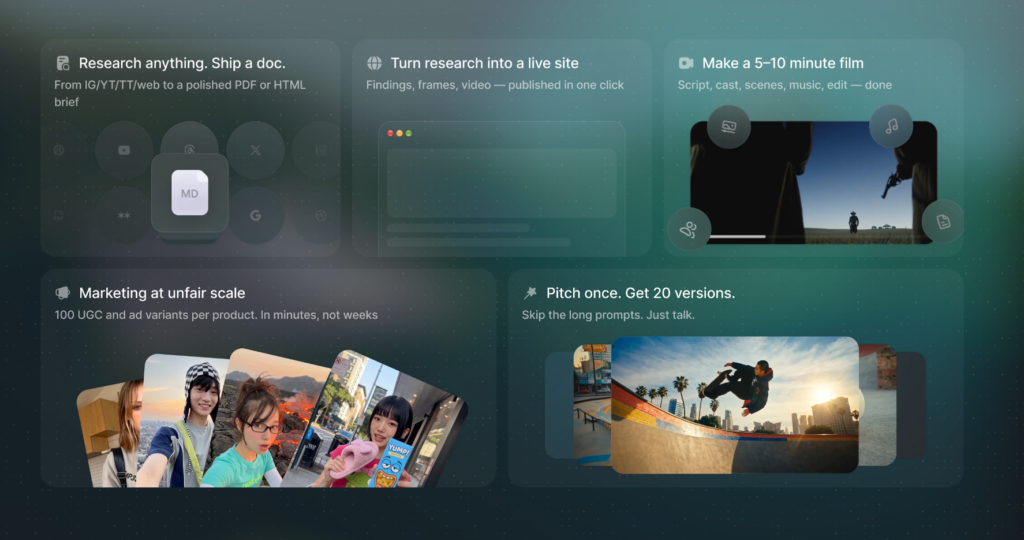 The marketing around Higgsfield has been impossible to ignore. The company’s presence across social platforms has amplified the sense that something major is happening, whether through repost chains, polished demos, influencer-style clips, or highly optimized launch content. That kind of visibility can create momentum fast, especially in an industry where attention is currency.
But hype cuts both ways. When a product is introduced with this much spectacle, audiences naturally start asking what is being shown, what is being staged, and what is being left out. In AI especially, the line between demo, real-world capability, and promotional theater can get blurry very quickly.
That is why the conversation around Higgsfield is not just about the tool. It is about trust, framing, and whether the audience is being sold a vision before they have seen the full system in practice.
Creator Credit and Culture Concerns
There is also a deeper cultural issue here. In creator spaces, people are already asking what happens to attribution when machine-assisted work becomes the norm. If a platform helps generate the idea, execute the workflow, and package the final asset, then where does the creator’s ownership begin and end?
That question is especially sensitive in communities that have historically been undercredited, underpaid, and overexposed to exploitative tech cycles. Black creators, designers, and cultural workers have repeatedly watched platforms learn from their labor while the value gets redirected elsewhere. So when a tool promises speed, scale, and automation, skepticism is not irrational. It is experience.
The bigger fear is not only that creators may lose credit. It is that they may become the training ground, testing lab, and unpaid quality-control team for systems that eventually price them out of the process.
The Data Trust Problem
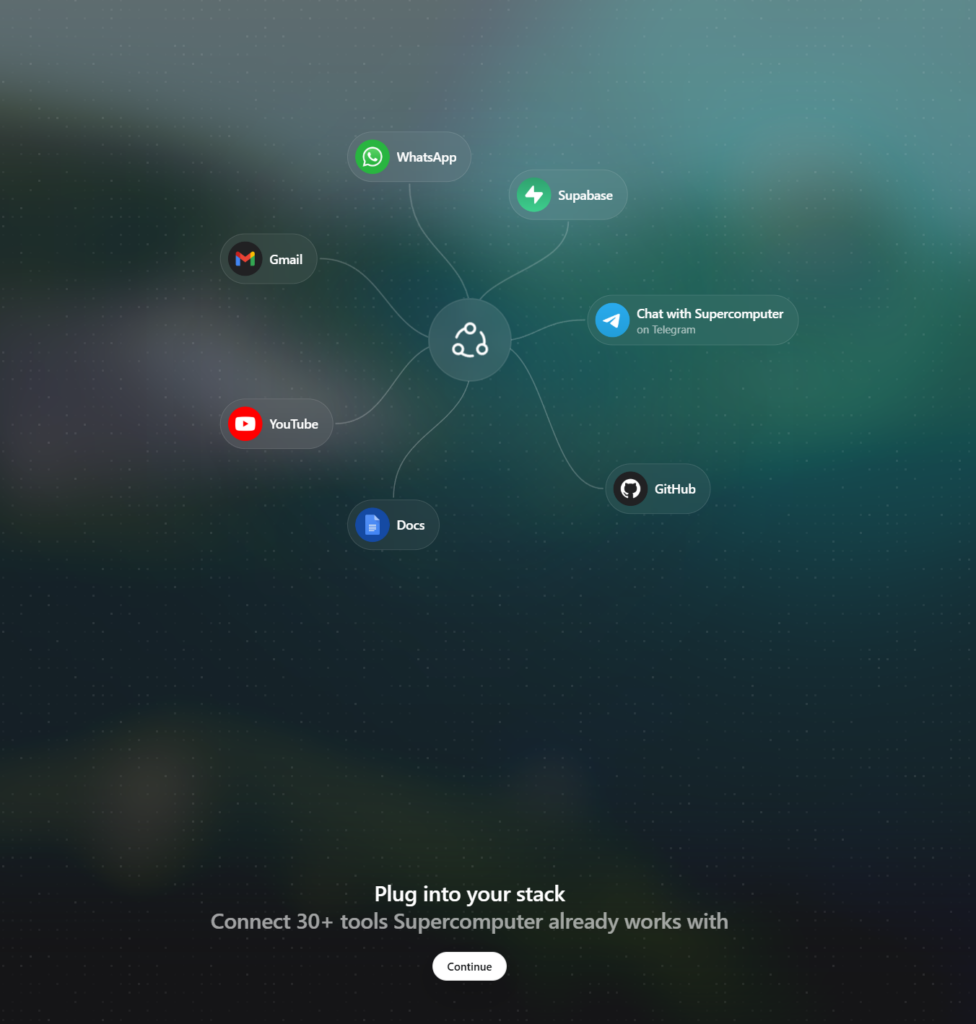 If the branding feels ambitious, the data conversation feels even more serious. A system like this depends on access. It may need memory, permissions, connected services, approvals, preferences, and repeated user feedback to function effectively. That is what makes the workflow powerful, but it is also what makes people uneasy.
The more a system learns your taste, your process, and your creative instincts, the harder it becomes to separate convenience from extraction. Users are not just feeding prompts into a tool. They are teaching it how they think, what they reject, and how they define quality. Over time, that can feel less like assistance and more like quiet intellectual harvesting.
Public-facing promises around trust and safety are important, but they do not answer every question. Independent audits, transparent retention policies, and clearer explanations of how user data is handled remain part of what determines whether people feel safe using these tools at scale.
Why This Matters Beyond One Company
Higgsfield is not happening in a vacuum. It is part of a larger shift in which AI platforms are becoming content engines, media machines, and distribution systems all at once. That means the product is no longer just the software. It is also the narrative, the marketing, and the ecosystem built around it.
That shift matters because it changes the power dynamic. When a platform can generate, direct, optimize, and distribute creative output in one place, it starts to function less like a tool and more like infrastructure. And infrastructure usually favors the people who control it.
That is why so many creators are watching this moment closely. The concern is not that innovation is happening. The concern is that the speed of innovation may be outrunning the systems meant to protect the people feeding it.
Final Word
Higgsfield’s Supercomputer may very well be one of the more interesting AI products to enter the conversation this year. It is ambitious, polished, and clearly built for a market that wants faster creative output with less friction.
But the real story is not just about capability. It is about accountability, attribution, and whether creators are being asked to trust a system that still feels bigger in marketing than in transparency.
So yes, the tech is impressive. But the culture is right to ask a harder question: is this the future of creative work, or just the latest version of AI hype dressed up as inevitability?