

The Leafs’ season ended with a Game 7 loss to the reigning champs, but what followed was telling. Not heartbreak. Not pride. Silence. The kind of cold rejection that doesn’t just sting—it breaks spirits.
Now remember when the Raptors lost to LeBron and the Cavaliers? (see video on our site) The crowd in Toronto erupted in love. So loud that even LeBron had to acknowledge it. That noise wasn’t just support. It was solidarity.
 That difference speaks volumes.
While both teams are Toronto staples, the cultural ecosystems around them couldn’t be more different. Leafs fans are predominantly white, Brown (South Asian), and East Asian. And here’s where the racial nuance comes in: those non-white fans often assimilate into the traditional white Canadian hockey fan culture. Meanwhile, the Raptors represent something else—an unapologetically Black vibe that pulls in fans across backgrounds without demanding they leave their identities behind.
Raptors fans dance, chant, and ride the highs and lows together. Even in loss, they express love through a lens of cultural connection. That kind of atmosphere builds player resilience. It gave the Raptors the strength to push past heartbreak and win it all.
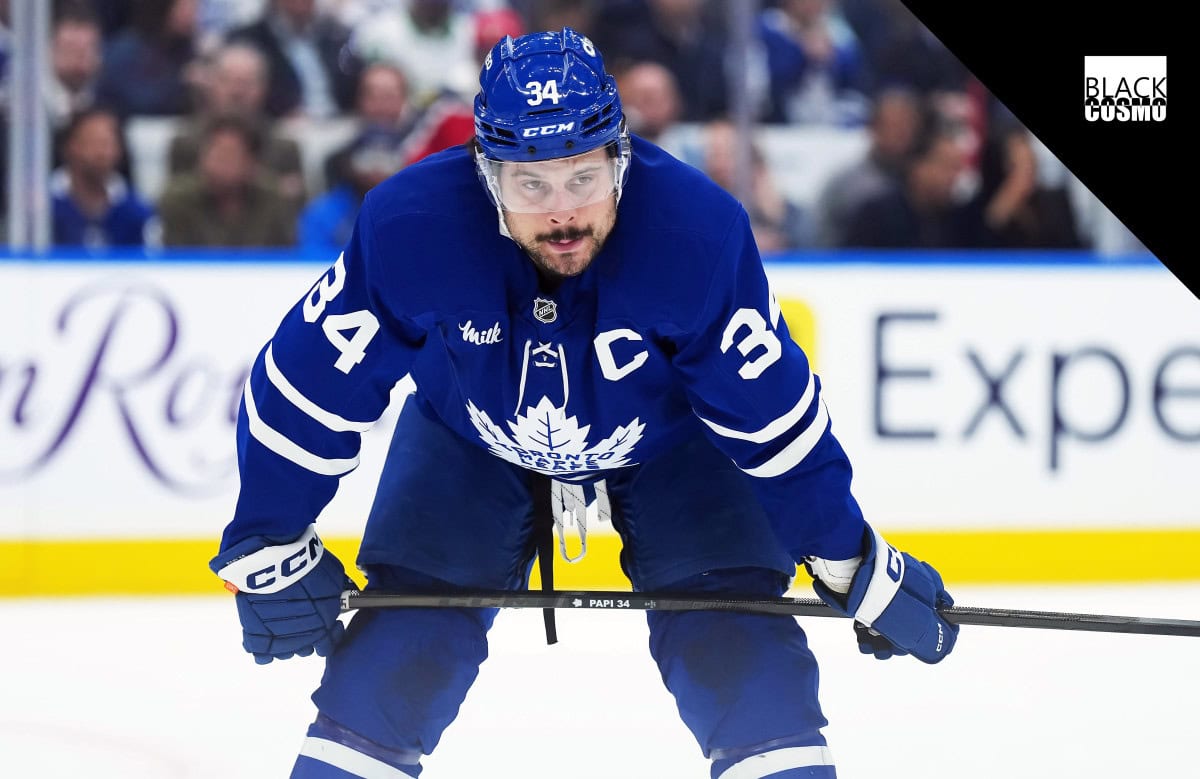 Now let’s talk Leafs. The team pushes, fights, survives—and gets ghosted when they fall. The pressure to win isn’t just about points on the board. It’s about navigating an identity culture that celebrates perfection and punishes perceived weakness. That breeds a different kind of toxicity.
This isn’t just about hockey. It’s about the emotional landscapes of race, culture, and mental stamina. A Canadian hockey player—or a Florida trade target—looking at Toronto might ask: “Will I be loved here when I lose?” Because in this city, that love often comes with conditions.
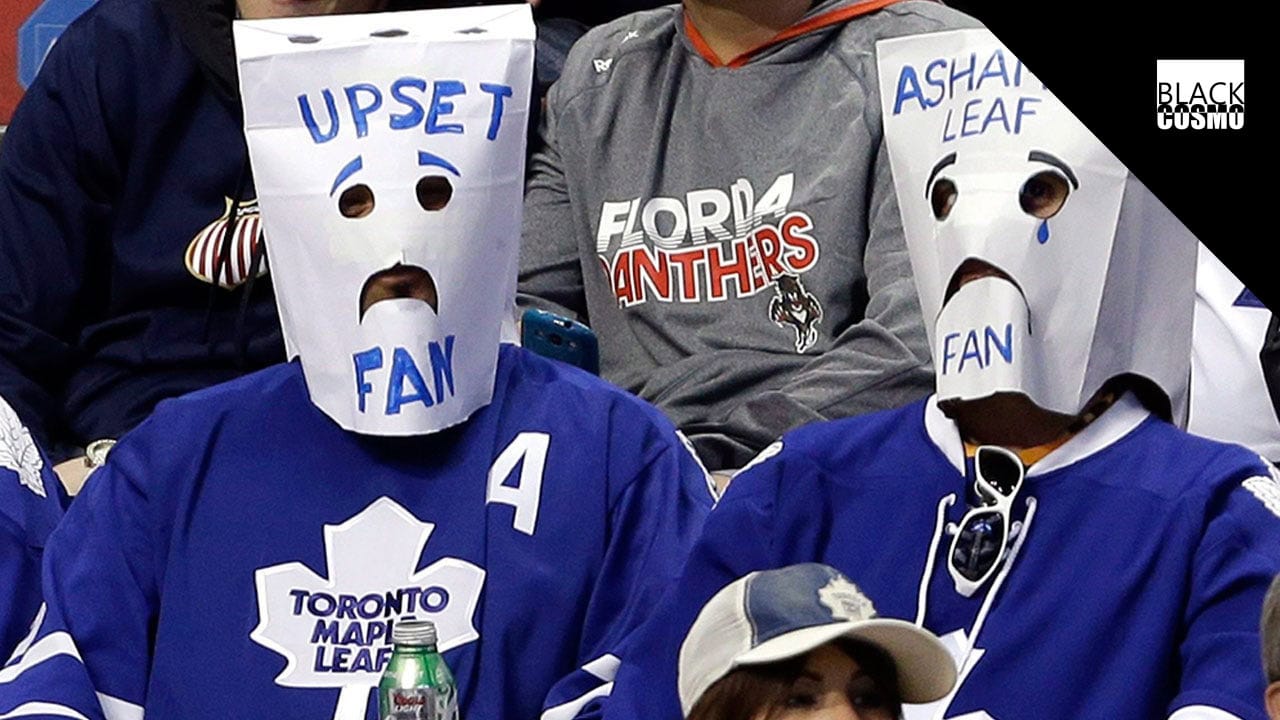 The real message? Fandom matters. Not just for ticket sales—but for team spirit, mental wellness, and legacy. When a crowd believes in you, even when you fall, it’s easier to stand again.
So ask yourself, Ontario: What kind of sports city do you want to be?