The Cultural Power of Black Music Biopics: Why Michael Is Already a Must-Watch Moment
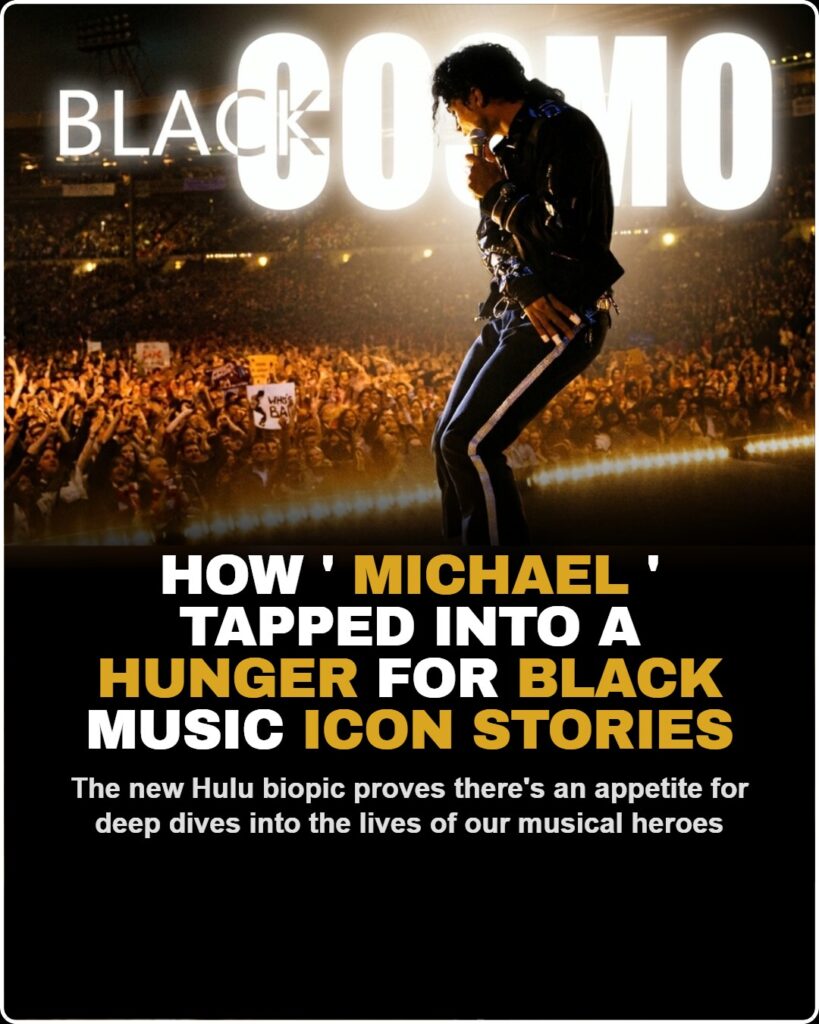
When the first trailer for the upcoming Hulu biopic Michael hit the internet, the reaction wasn’t just excitement—it was cultural electricity. Across social media, especially Black Twitter, fans immediately began dissecting every frame, celebrating the long-overdue cinematic tribute to one of the most influential artists in music history.
After years of speculation, delays, and industry false starts, Michael represents more than just another film release. It signals a renewed era of storytelling—one where Black musical legends are centered, humanized, and given the full narrative depth they deserve.
And Michael isn’t arriving in a vacuum. In recent years, a wave of high-profile biopics—from Aretha Franklin to Whitney Houston and Marvin Gaye—has reignited audience demand for stories rooted in Black musical excellence. These films don’t just perform well—they trend, spark conversation, and reconnect audiences to a legacy that continues to shape global culture.
Why Black Music Biopics Are Dominating Right Now
 There’s a reason these films consistently capture attention and drive engagement. At their core, Black music biopics offer something audiences rarely get elsewhere: authenticity paired with emotional depth.
They go beyond chart-topping hits and iconic performances. They pull back the curtain on the real lives behind the legends—the pressures, sacrifices, controversies, and triumphs. This layered storytelling creates a deeper connection between the audience and the artist, transforming icons into fully realized human beings.
For fans, it’s not just about nostalgia—it’s about understanding how greatness is forged.
Reclaiming the Narrative Through Film
For decades, the stories of Black artists have often been filtered, diluted, or misrepresented. Biopics offer a powerful corrective. They allow filmmakers and communities to reclaim the narrative and present these lives with nuance, context, and cultural accuracy.
Take Aretha Franklin’s Respect. The film didn’t just highlight her unmatched vocal ability—it explored her activism during the Civil Rights Movement and the systemic barriers she navigated as a Black woman in a male-dominated industry.
Similarly, Whitney Houston’s I Wanna Dance With Somebody peeled back the layers of superstardom to reveal the emotional toll of fame, her complex relationship with Bobby Brown, and her personal struggles behind the spotlight.
These aren’t just stories—they’re cultural documents. They preserve truth, challenge perception, and deepen legacy.
What Makes Michael So Anticipated
Few artists carry the global impact of Michael Jackson. His influence spans generations, genres, and continents. From redefining music videos to breaking racial barriers on platforms like MTV, his legacy is both unmatched and deeply layered.
That’s exactly why Michael has become one of the most anticipated music biopics in years. Fans aren’t just looking for spectacle—they’re looking for honesty, depth, and a portrayal that captures both the brilliance and the humanity of the King of Pop.
Search interest is already surging, with queries like “Michael biopic release date,” “Michael Jackson movie cast,” and “Michael Jackson story explained” trending across platforms—clear signals of strong audience demand.
The Bigger Picture: Culture, Legacy, and Representation
At their best, Black music biopics do more than entertain. They educate, inspire, and remind audiences of the innovation, resilience, and cultural influence that Black artists have contributed to the world.
They also create space for deeper conversations—about ownership, identity, mental health, and the cost of greatness.
As the industry continues to invest in these stories, one thing is clear: audiences are not just watching—they’re engaging, sharing, and demanding more.
Where the Story Goes Next: Sequel Talk and Streaming Plans
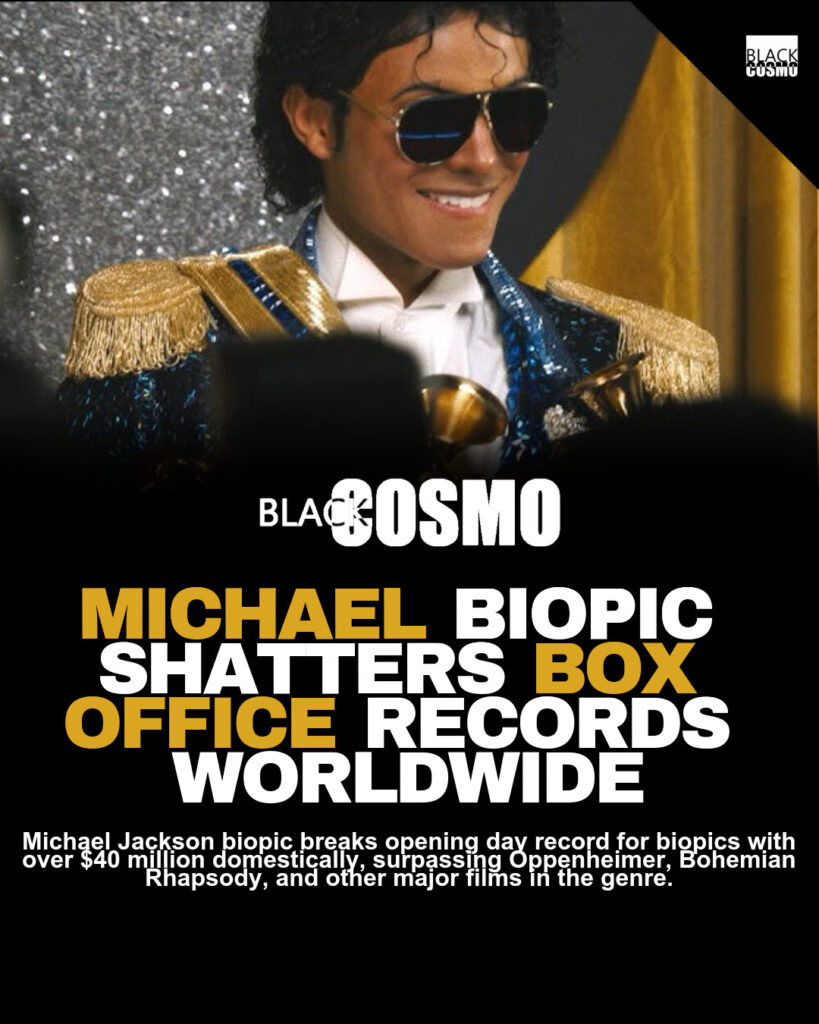 Early industry buzz around Michael has already sparked conversations about a potential sequel. Strong audience anticipation and the scope of Jackson’s life story have led analysts to suggest that a multi-part narrative could be a natural next step if the film performs well.
According to early coverage from USA Today, discussions around a possible continuation have surfaced, though no official sequel has been confirmed.
On the streaming side, reports indicate the film is expected to follow a traditional Lionsgate distribution path, potentially debuting on Starz before expanding to broader platforms like Prime Video. Coverage from People suggests this rollout would extend the film’s cultural impact well beyond its theatrical release.
While full details remain unconfirmed, one thing is certain: the conversation around Michael is only just beginning.
Final Thoughts
As we prepare for the release of Michael, this moment feels bigger than a single film. It represents a cultural shift—one where Black stories are told with intention, scale, and respect.
The appetite for these narratives isn’t slowing down. If anything, it’s accelerating. And if Michael delivers on its promise, it won’t just be a box office success—it will be a defining chapter in how Black musical legacies are preserved and celebrated on screen.
Because these stories aren’t just history—they’re the soundtrack of a culture that continues to shape the world.