
April 2026. Cultured Magazine drops with KeKe, and for once, the internet actually knows what it’s looking at.
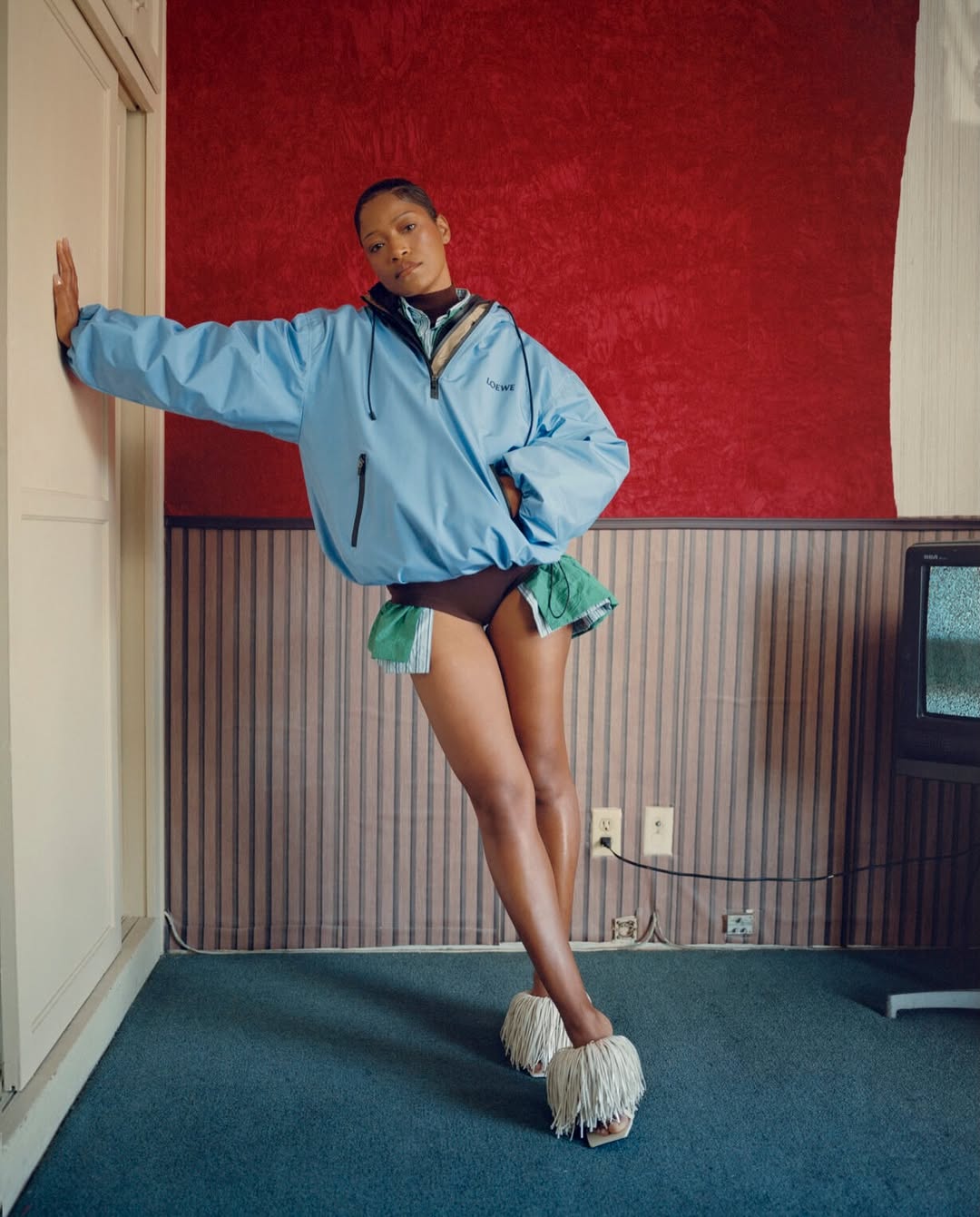
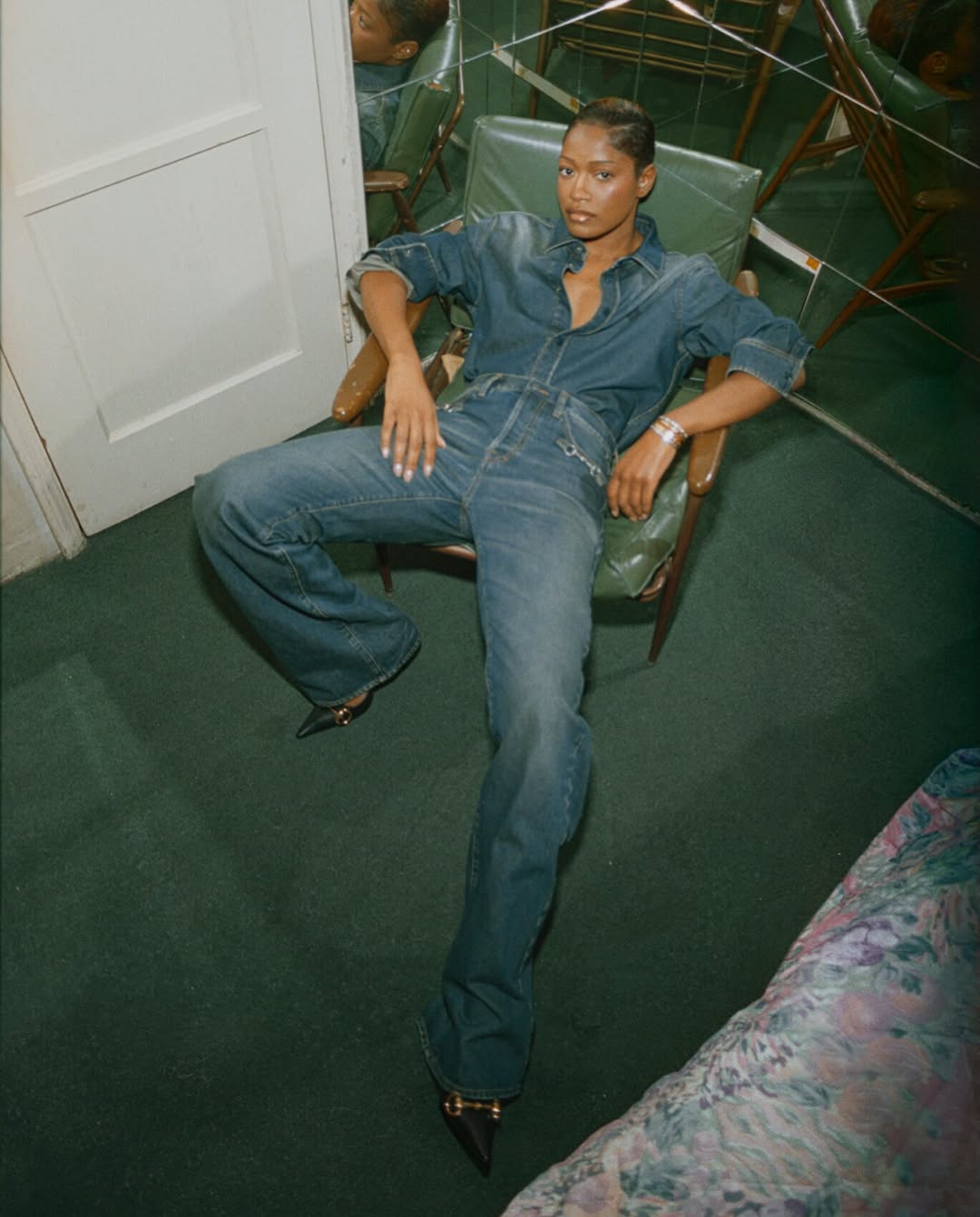
There’s a particular kind of silence that falls over a room when someone walks in and doesn’t need to announce themselves. No entrance music. No publicist hovering with talking points. Just presence — the kind that rearranges the air. Keke Palmer‘s April 2026 Cultured Magazine editorial is that silence, rendered in print.
It’s worth stating what this spread is not. It is not a redemption arc. It is not a “look how far she’s come” retrospective draped in soft lighting and softer copy. It is not the industry reaching down to finally validate someone they overlooked. This is a woman who has been working — methodically, stubbornly, with zero permission — for two decades, and finally getting imagery that tells the truth about it.
The Team Behind the Frame
Before we talk about Palmer, we have to talk about who built this.
Hair architect Jamika Wilson and makeup artist Kenya Alexis (@basedkenken) arrived with an agenda. The result is not celebrity glam in the standard sense — the kind of beautiful-but-forgettable finish that photographs well on a press tour. What they created reads closer to portraiture. The skin has depth. The structure is architectural. There’s a maturity to the choices — no trend-chasing, nothing designed to perform well in a Reel — that gives the images a stillness most editorial work doesn’t earn.
This matters beyond aesthetics. Black women navigating luxury editorial spaces have had to fight, repeatedly and exhaustingly, for beauty teams that actually understand how to work with 4C hair, how to light rich skin tones without washing them flat, how to sculpt a face without erasing what makes it distinctive. Palmer bringing in artists who understand her canvas is a professional decision as much as a creative one. The results make the case without needing to argue it.
What the Wardrobe Is Actually Saying
The styling is precise in a way that feels almost confrontational. Sharp tailoring. Clean silhouettes. Nothing soft, nothing deferential, nothing designed to make the viewer comfortable at her expense. The clothes are not doing the work of personality — she’s doing that — but they’re not fighting for attention either. They’re simply correct.
Compare this to where the industry tried to keep her: the relatable sidekick, the scene-stealing best friend, the personality so infectious it could carry a film while the film’s credits belonged to someone else. The wardrobe in this editorial is, among other things, a rebuttal. Not an angry one. An indifferent one. Which lands harder.
The Career the Memes Don’t Cover
The internet knows Keke Palmer as a meme ecosystem. “You are not putting me in a situation—” and the Nicki Minaj interview and the viral moment of the week. That version of her is real, and it’s genuinely funny, and it built her a direct line to an audience that most entertainers pay marketing budgets to approximate.
But it has also become a convenient frame for people who don’t want to reckon with the rest of the resume. The KeyTV network. The production company. The box office record on Nope. A performance in that film that critics and peers both noted for its technical precision and its emotional range — not as a “surprising” achievement, but as the work of someone who has been studying the craft for twenty-three years.
Palmer started working professionally at nine. She has outlasted child star trajectories that ended in tabloid wreckage. She built ownership in an industry that prefers its talent leased. The editorial team at Cultured understood they were shooting someone with a C-suite career, not just a cultural moment. The camera angles reflect that. Nothing about the framing invites casual familiarity.
What This Moment Is Part Of
It would be reductive to read this spread as an individual flex and nothing more. The larger shift it reflects is real and has been building for years: Black women in entertainment are no longer operating inside a framework of permission. The conversation has moved from “representation” — which always implied waiting for someone else to include you — to infrastructure. Ownership. The decision to build the table rather than lobby for a seat.
Palmer is not the only one. But she is one of the clearest examples of what that shift looks like when it’s been underway for a long time, quietly and without much ceremony, before anyone thought to photograph it this way.
The girl who grew up on our screens didn’t disappear. She just got tired of being the only one in the room who knew what she was worth — and did something about it.
Adjust accordingly.
April 2026. Cultured Magazine drops, and for once, the internet actually knows what it’s looking at.
There’s a particular kind of silence that falls over a room when someone walks in and doesn’t need to announce themselves. No entrance music. No publicist hovering with talking points. Just presence — the kind that rearranges the air. Keke Palmer’s April 2026 Cultured Magazine editorial is that silence, rendered in print.
It’s worth stating plainly what this spread is not. It is not a redemption arc. It is not a “look how far she’s come” retrospective draped in soft lighting and softer copy. It is not the industry reaching down to finally validate someone they overlooked. This is a woman who has been working — methodically, stubbornly, with zero permission — for two decades, and finally getting imagery that tells the truth about it.
The Team Behind the Frame
Before we talk about Palmer, we have to talk about who built this.
Hair architect Jamika Wilson and makeup artist Kenya Alexis (@basedkenken) arrived with an agenda. The result is not celebrity glam in the standard sense — the kind of beautiful-but-forgettable finish that photographs well on a press tour. What they created reads closer to portraiture. The skin has depth. The structure is architectural. There’s a maturity to the choices — no trend-chasing, nothing designed to perform well in a Reel — that gives the images a stillness most editorial work doesn’t earn.
This matters beyond aesthetics. Black women navigating luxury editorial spaces have had to fight, repeatedly and exhaustingly, for beauty teams that actually understand how to work with 4C hair, how to light rich skin tones without washing them flat, how to sculpt a face without erasing what makes it distinctive. Palmer bringing in artists who understand her canvas is a professional decision as much as a creative one. The results make the case without needing to argue it.
What the Wardrobe Is Actually Saying
The styling is precise in a way that feels almost confrontational. Sharp tailoring. Clean silhouettes. Nothing soft, nothing deferential, nothing designed to make the viewer comfortable at her expense. The clothes are not doing the work of personality — she’s doing that — but they’re not fighting for attention either. They’re simply correct.
Compare this to where the industry tried to keep her: the relatable sidekick, the scene-stealing best friend, the personality so infectious it could carry a film while the film’s credits belonged to someone else. The wardrobe in this editorial is, among other things, a rebuttal. Not an angry one. An indifferent one. Which lands harder.
The Career the Memes Don’t Cover
The internet knows Keke Palmer as a meme ecosystem. “You are not putting me in a situation—” and the Nicki Minaj interview and the viral moment of the week. That version of her is real, and it’s genuinely funny, and it built her a direct line to an audience that most entertainers pay marketing budgets to approximate.
But it has also become a convenient frame for people who don’t want to reckon with the rest of the resume. The KeyTV network. The production company. The box office record on Nope. A performance in that film that critics and peers both noted for its technical precision and its emotional range — not as a “surprising” achievement, but as the work of someone who has been studying the craft for twenty-three years.
Palmer started working professionally at nine. She has outlasted child star trajectories that ended in tabloid wreckage. She built ownership in an industry that prefers its talent leased. The editorial team at Cultured understood they were shooting someone with a C-suite career, not just a cultural moment. The camera angles reflect that. Nothing about the framing invites casual familiarity.
What This Moment Is Part Of
It would be reductive to read this spread as an individual flex and nothing more. The larger shift it reflects is real and has been building for years: Black women in entertainment are no longer operating inside a framework of permission. The conversation has moved from “representation” — which always implied waiting for someone else to include you — to infrastructure. Ownership. The decision to build the table rather than lobby for a seat.
Palmer is not the only one. But she is one of the clearest examples of what that shift looks like when it’s been underway for a long time, quietly and without much ceremony, before anyone thought to photograph it this way.
The girl who grew up on our screens didn’t disappear. She just got tired of being the only one in the room who knew what she was worth — and did something about it.
Adjust accordingly.