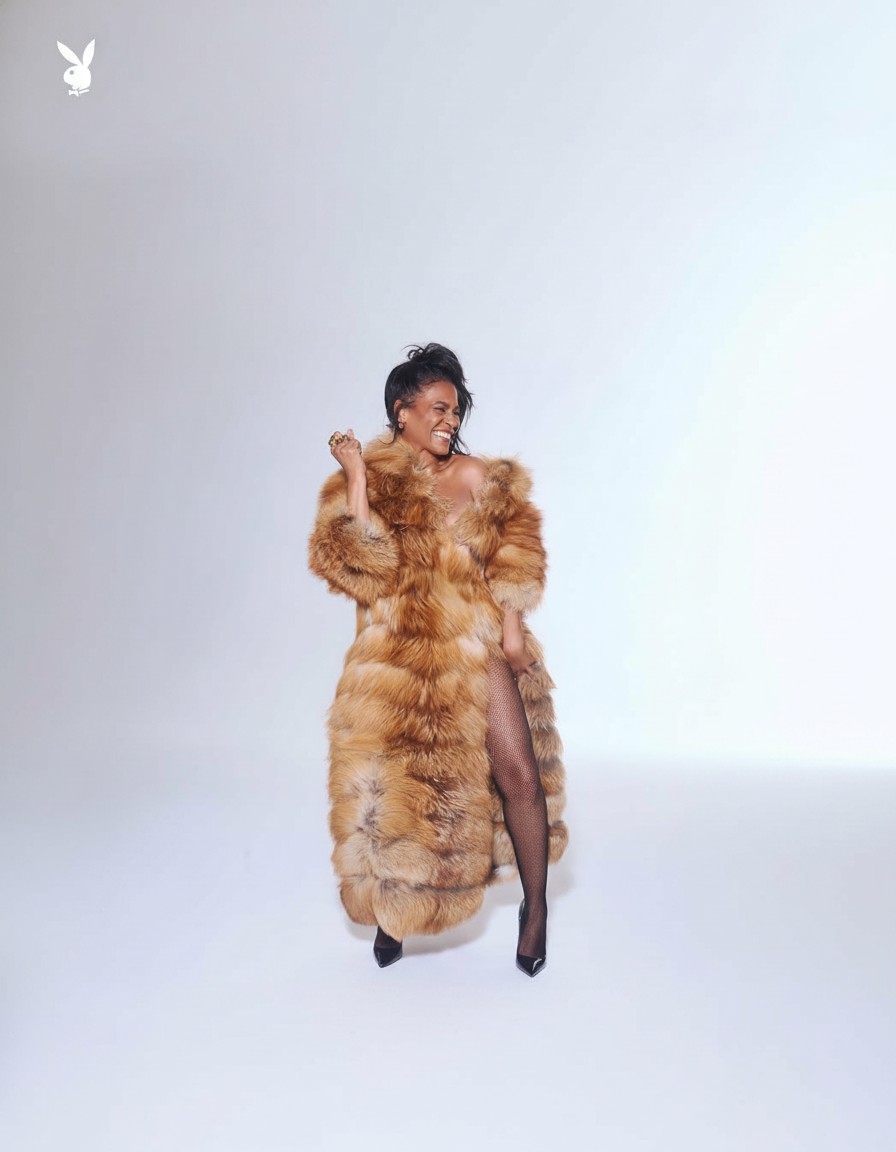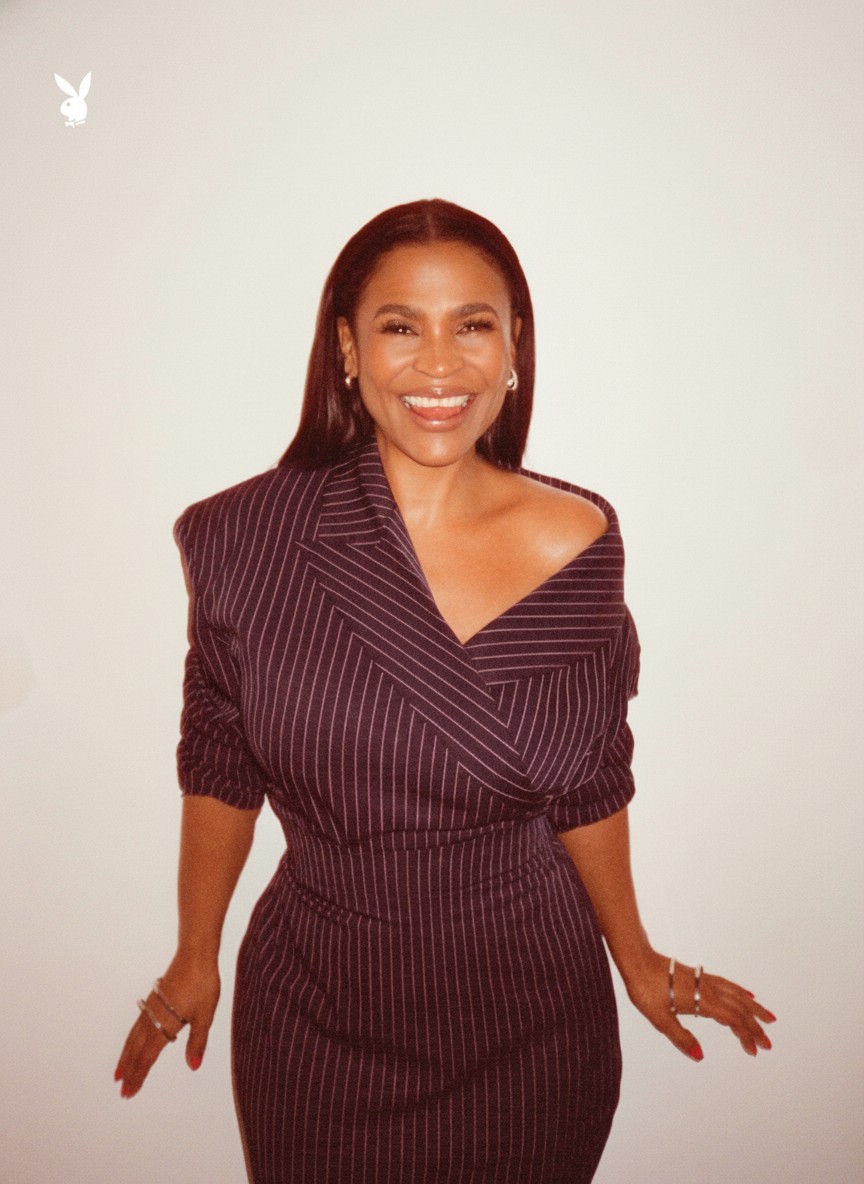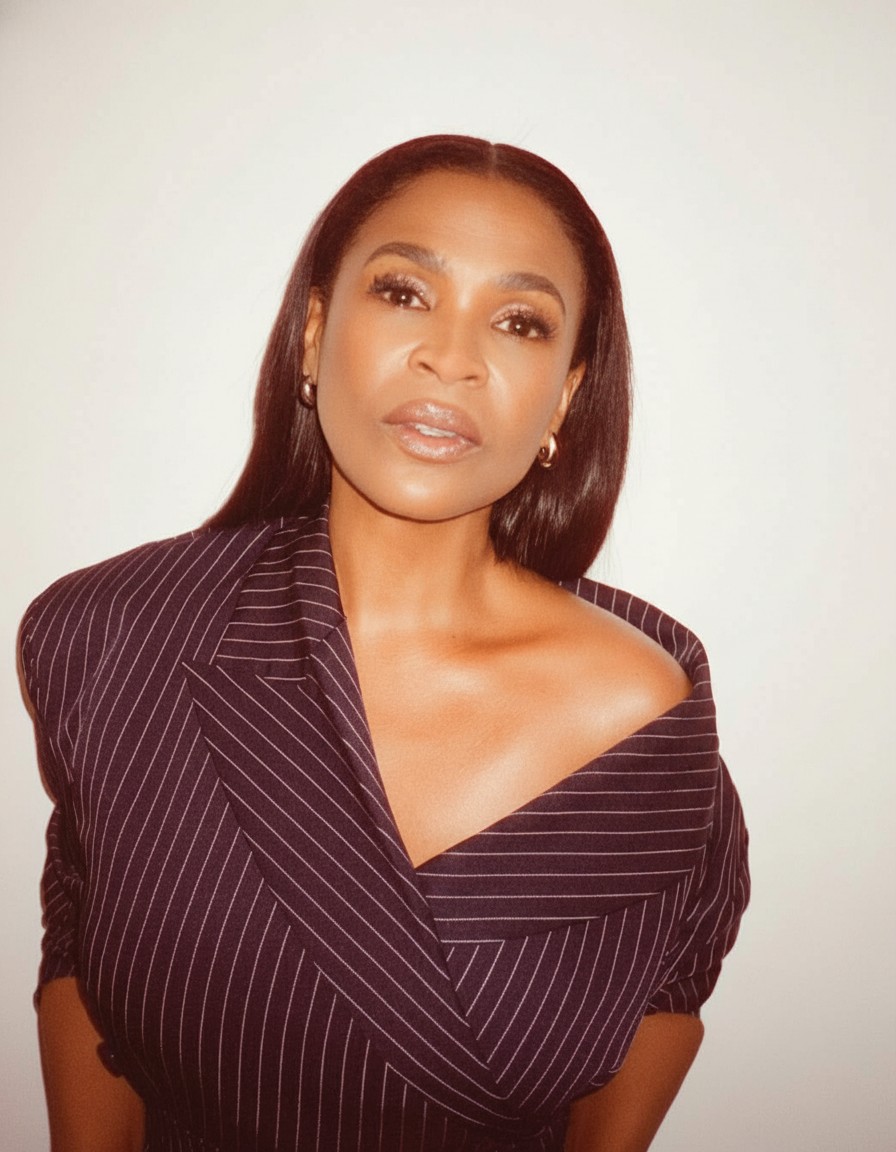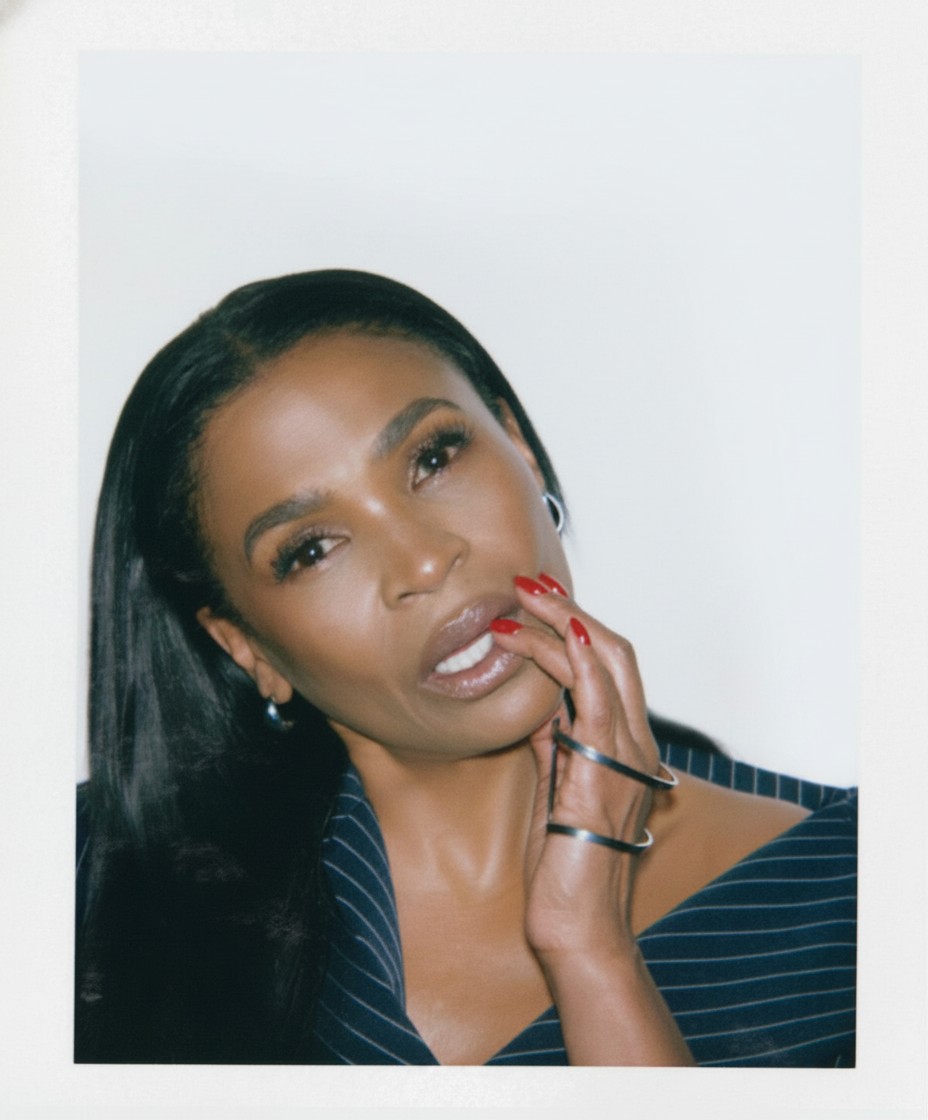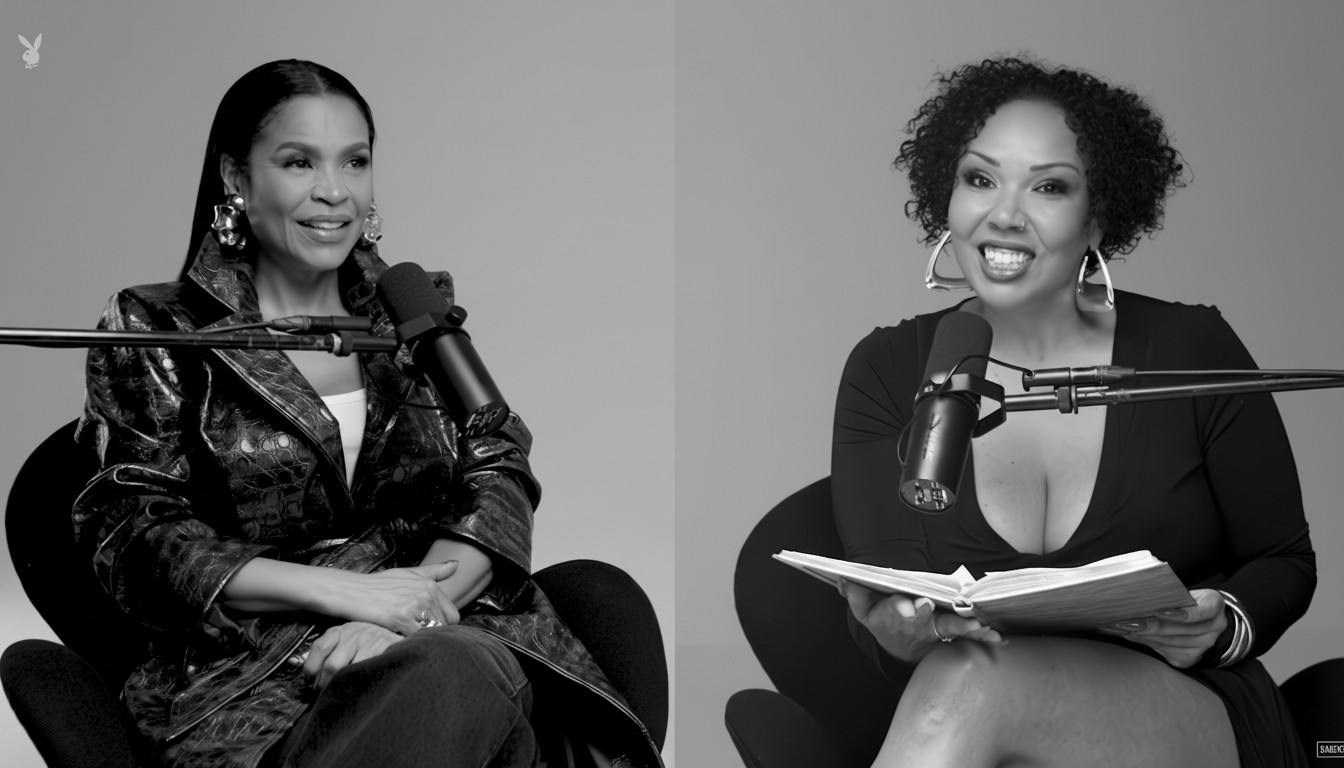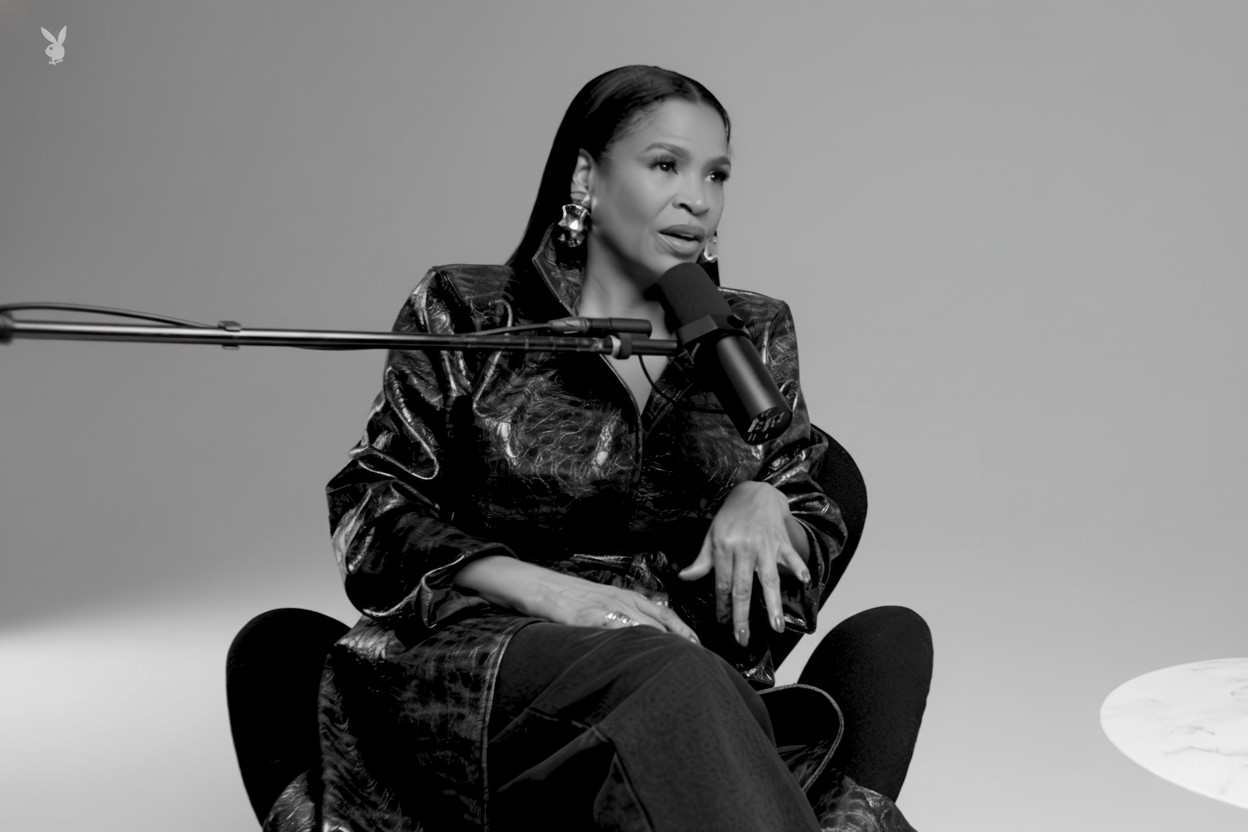
When the news broke that Nia Long would front a new Playboy issue, timelines didn’t just pause—they recalibrated. Not out of shock, but recognition. Some women age into legacy. Others redefine it in real time. At 55, Long is not revisiting her prime. She is expanding it. What she delivers in her recent sit-down with cultural critic Jamilah Lemieux is not a celebrity interview. It is a philosophy of living, sharpened by decades in an industry that rarely rewards women for staying.
“I want what I want, and I want it the way that I want it.” The line lands like a thesis statement. Not defiant for the sake of rebellion, but precise. Earned. There is no desperation in it, no need for approval. Only clarity. And that clarity becomes the throughline of a conversation that quietly dismantles everything we’ve been taught about success, aging, love, and desirability.
For more than thirty years, Long has existed as cultural shorthand. From Boyz n the Hood to Love Jones to The Best Man, her presence has anchored some of Black America’s most intimate cinematic memories. Entire generations learned what romance could look like through her lens. And yet, even she admits there was no awareness of impact at the time. “We didn’t make a lot of money, but what we created was something cultural and iconic. That is more valuable than anything.” That distinction—between profit and permanence—is where legacy actually lives.
What makes this moment different is that she is not standing still inside that legacy. She is actively reshaping it. Her upcoming role as Katherine Jackson in the highly scrutinized Michael Jackson biopic is easily one of the most high-pressure performances of her career. Not because of the camera, but because of the weight. “The work comes through me, not to me,” she explains, a line that reframes acting as something closer to spiritual alignment than performance. In an era obsessed with control, Long is talking about surrender—to instinct, to process, to something bigger than ego.
That same sense of grounding defines how she moves through public scrutiny. “No one can interfere with my sanity,” she says, without hesitation. It is a boundary, but also a survival tactic. In an industry—and a culture—that feeds on noise, her refusal to engage becomes radical. She is not here to win arguments. She is here to protect her peace. And that distinction matters more than ever.
But perhaps the most quietly subversive part of the conversation is how she reframes freedom. Not as escape, not as rebellion, but as ownership. “Freedom… meant the ability to do whatever I want to do when I want to do it and how I want to do it.” There is no performance in that statement. No branding. Just a woman who has spent decades negotiating her worth finally deciding that negotiation is over.
That clarity extends into her personal life, where she dismantles the mythology surrounding her desirability with disarming honesty. Despite decades as a universal crush, she shrugs at the projection. “Nia, who everyone knows in public, is very different from who I am on a daily basis.” The reality is quieter. More grounded. A mother. A woman who values routine. A person who understands that intimacy and performance are not the same thing.
Even her approach to dating feels like a quiet rebellion against expectation. She is not chasing partnership for validation or optics. She is choosing herself first. “I’m enjoying getting to know myself without feeling the need to be of service to a relationship.” That line alone disrupts decades of conditioning placed on women—especially Black women—to prioritize companionship over self-definition. And when she jokes about younger men—“I do like younger… and they also go home”—it lands not as humor, but as strategy. Boundaries, clearly defined. Access, carefully controlled. Peace, non-negotiable.
Motherhood, too, is reframed through that same lens of agency. She rejects the language of struggle and instead claims authorship. “We are the designers. We are the architects.” In a society that often stigmatizes single Black motherhood, Long refuses victimhood entirely. She speaks instead of intention, of structure, of community. Of making it work—not perfectly, but purposefully.
And then there is grace. Not the aesthetic version often assigned to women, but the operational one. “It’s the ability to carry people, things, circumstances… that’s grace.” It is a definition rooted in endurance, not fragility. Strength, not silence. It is also, perhaps, the clearest explanation of how she has remained both relevant and revered without ever appearing to chase either.
What emerges from this conversation is not just a portrait of a woman at the height of her powers, but a blueprint for longevity that has nothing to do with youth. It is about standards. Discipline. Self-trust. “I want what I want… because I will work for it.” Not entitlement. Not luck. Work. And the refusal to dilute vision for accessibility.
So yes, the images will circulate. The headlines will trend. The internet will do what it always does—flatten something complex into something clickable. But beneath all of that is something far more enduring: a woman who has outgrown every box she was ever placed in and has no intention of finding a new one.
And maybe that is the real story here. Not that Nia Long showed up. But that she never left. She just stopped asking for permission to be seen on her own terms.