
Taraji P. Henson just drew a hard line in the sand regarding fashion’s most exclusive Monday night, directly challenging her peers for walking the carpet under Amazon’s corporate umbrella. The veteran actress fired off a blistering critique aimed at the Met Gala attendees, forcing an uncomfortable conversation about wealth, labor, and Hollywood complicity.
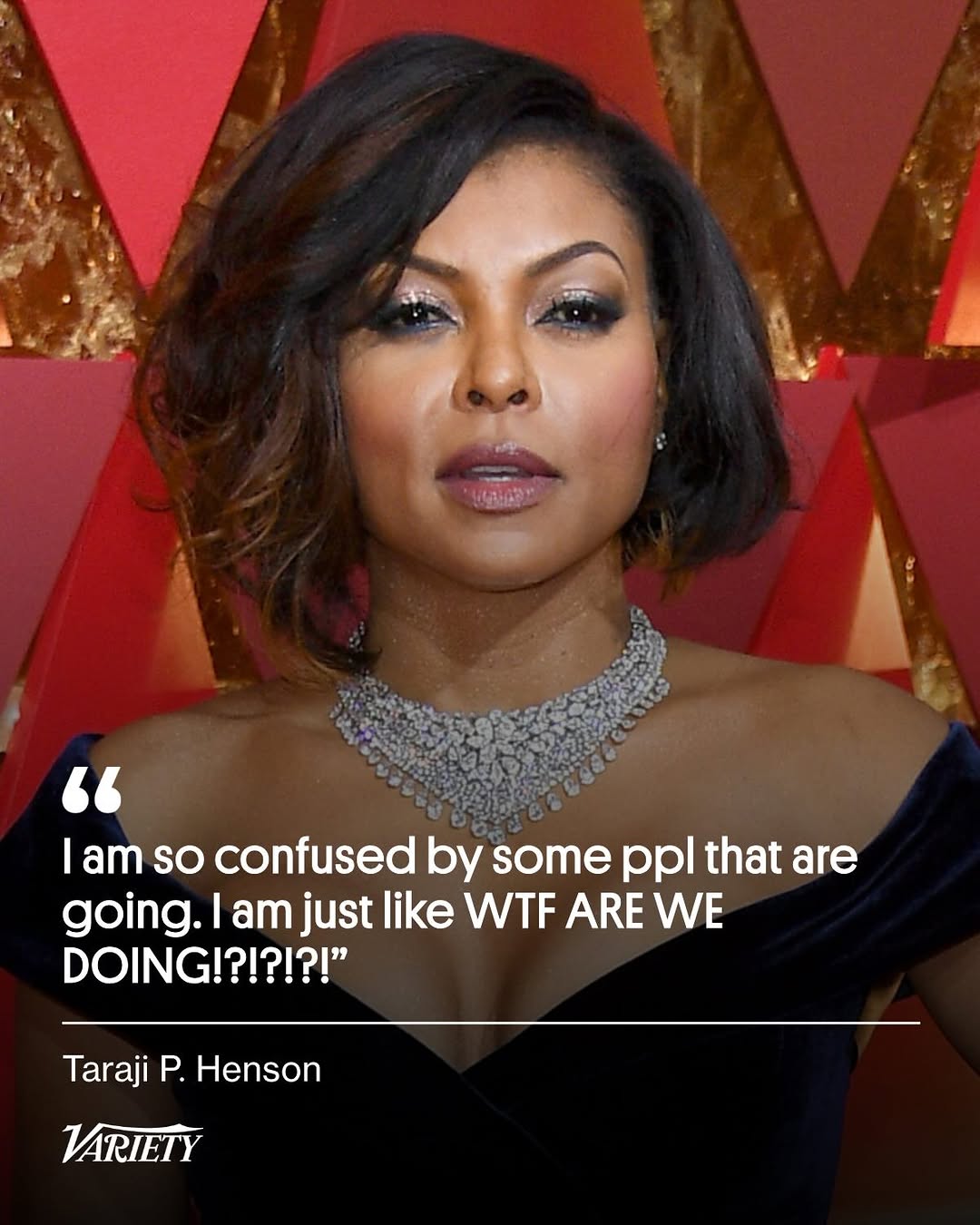
While millions tuned in to watch celebrities ascend the famous steps of the Metropolitan Museum of Art, the conversation online abruptly shifted. Henson aimed her frustration squarely at the evening’s primary underwriter: Jeff Bezos and Amazon. In a blunt social media declaration, she dismantled the gilded facade of the evening. “I am so confused by some ppl that are going,” she wrote, cutting through the usual red carpet pleasantries. “I am just like WTF ARE WE DOING!?!?!” Her words immediately reframed the night from a celebration of sartorial art into a stark display of corporate patronage.
The Cost of the Carpet
The contrast could not be more severe. Inside the tent, guests draped in swaths of custom Schiaparelli silk, archival Mugler, and heavily embroidered Balmain sipped champagne and posed for endless editorial spreads. The meticulously tailored garments, some taking hundreds of hours of manual labor to construct by skilled artisans, stood in sharp contrast to the industrialized labor practices of the gala’s sponsor. Outside, in the real world, Amazon continues to face intense scrutiny over warehouse working conditions, aggressive anti-union tactics, and massive wealth disparities.
Taraji P. Henson refused to let the industry ignore that juxtaposition. By naming the corporate sponsor, she forced the public to look at the receipts paying for the party. This is not new territory for the actress. Just months ago, she broke the internet during her press tour, candidly discussing the brutal pay inequity Black women face in Hollywood. She openly wept as she explained how the “math ain’t mathing” when it comes to her compensation versus her global impact. Now, she is applying that same piercing financial literacy to her peers. She understands that attending an event funded by Bezos is a tacit endorsement of the billionaire class, one that actively suppresses the working class.
Corporate Patronage and Celebrity Silence
The visual delivery of her message amplified its weight. Stripped of any glamorous selfies or curated PR spin, the images circulating from her post are stark, text-heavy declarations. They act as a visual palate cleanser to the endless scroll of sheer fabrics and diamond chokers flooding timelines. By using plain, unapologetic text, she strips the moment of its vanity and demands immediate engagement with the substance of her argument.
Black audiences, in particular, are hyper-aware of these economic contradictions. They watch as their favorite stars navigate systems of extreme wealth while the communities they represent disproportionately deal with the fallout of corporate monopolies. Henson taps directly into that collective exhaustion. She refuses to allow the sheer spectacle of fashion to outshine the very real economic stakes playing out behind the scenes.
Her frustration points to a broader hypocrisy within the entertainment sector. Many of the same actors and creatives who stood on picket lines just last year, demanding fair wages and protections from corporate greed, readily accepted invitations to a gala bankrolled by one of the world’s most polarizing corporate entities. Henson is asking the quiet part out loud. She is questioning the true value of solidarity if it can be bought with a coveted seat at Anna Wintour’s table.
The Industry’s Blind Spot
The silence from the attendees has been deafening. Publicists, managers, and stylists spent months curating the perfect looks to interpret the evening’s theme, securing multi-million dollar jewelry loans and rare vintage pulls. Yet, seemingly no one prepared a statement defending their presence under the Amazon banner. Henson’s callout leaves them exposed, pulling back the velvet rope to reveal the transactional nature of the guest list. It challenges the deeply entrenched notion that fashion and high art exist in a vacuum, completely separate from the economics that sustain it.
As the industry congratulates itself on another successful night of fundraising for the Costume Institute, the critique from one of its most respected veterans hangs heavily in the air. The glamour of the first Monday in May relies entirely on collective suspension of disbelief. Henson simply refused to play along. As the flashes fade on the steps of the museum and the bespoke gowns are returned to their archives, her piercing question lingers far longer than the night’s best-dressed lists: “WTF ARE WE DOING!?!?!”