As TikTok faces instability and algorithm changes, creators are rethinking platform dependence—and learning why owning content is essential for long-term creative and financial security.
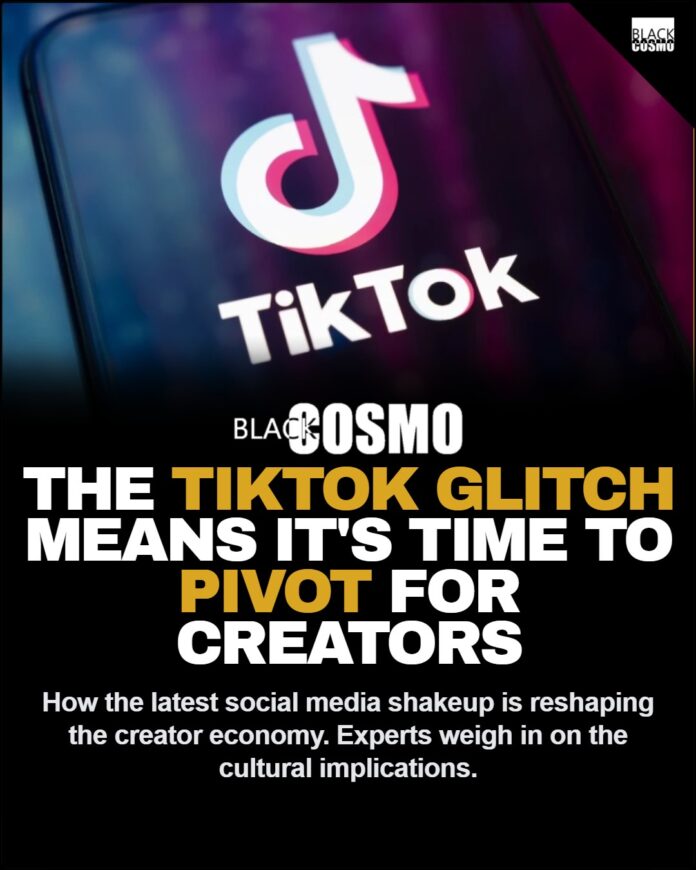
TikTok’s future has been in a constant state of limbo since talks of a ban first started in 2025. The app was temporarily banned and reinstated in January of last year, but it has been anything but smooth sailing for users in the time since. This rings especially true for creators on the app who have built platforms and entire careers on the video-sharing app. Now, more than ever, content creators are being forced to reexamine their relationship with the app.
In late January 2026, official changes to TikTok’s algorithm as a result of the shift in ownership began to manifest as For You Page glitches, repeated content, lagged scrolling, and inability for some creators to access the app’s creator insights, which impacts how they can make money.
All of these glitches serve as a harrowing reminder of the fickleness that underlies the current creator economy: Your content ultimately lies in the hands of large corporations and the policies that guide them. Even if your content features your face, your voice, your original content and your ideas, you are still ultimately at the mercy of the apps.
This recent TikTok creator news is just one of many examples of the modern issues associated with posting on apps where you have little to no control over the outcome. One simple decision and years of content and audience growth can be gone in an instant. All of this underscores the importance of owning your own content as a creator. It is imperative to have pockets of ownership for your content, not just for financial reasons but also to establish ownership.
See, beyond this most recent blip, the creative outputs of Black people on social media are often misattributed, and since this content serves as the lifeblood of the app’s most popular trends and dances, the lack of ownership has been a major cause of concern.
That is why it is so important for users, especially Black creators, to create content they own. This doesn’t mean you have to completely divest from TikTok as a whole, but the last few years of instability have shown the importance of both diversifying their platforms and having a central point of ownership for the content they create. The apps are great, but they cannot be your end-all, be-all.
Having your own website that can host all your original content means you have a hub for your viewers and brands to see your content capabilities without the fuss of a fickle algorithm, which is great for personal branding. In addition to having your own website, though, your content shouldn’t exist on just one site. Most content is easily transferable, so it should be uploaded onto as many platforms as possible. Not just because it’s good for engagement and views, which it absolutely is, but it also acts as digital insurance for all of your owned content.
When one app goes down, you still have other platforms that can be utilized in a similar capacity. And this doesn’t just have to be uploading the same video across apps, though it can be that simple. But you can also translate your content across mediums. A Storytime video about your recent trip out of the country can easily be transformed into a written Substack about the same experience. A birthday vlog can be turned into a written blog.
Beauty creator Toni Bravo does a great job of this as she utilizes Substack to write introspective, macro content about the day-to-day realities we see in her TikTok videos. She’s essentially providing her audience with two windows into the living room of her life, but the view the audience gets from these respective POVs is totally different. A “What’s in my bag?” YouTube video can be transformed into an animated short for TikTok. In these times where unpredictability is the only constant, the ability to pivot will soon become the most important tool in a creator’s arsenal.
Multi-purpose content isn’t just creative; it’s consistent.