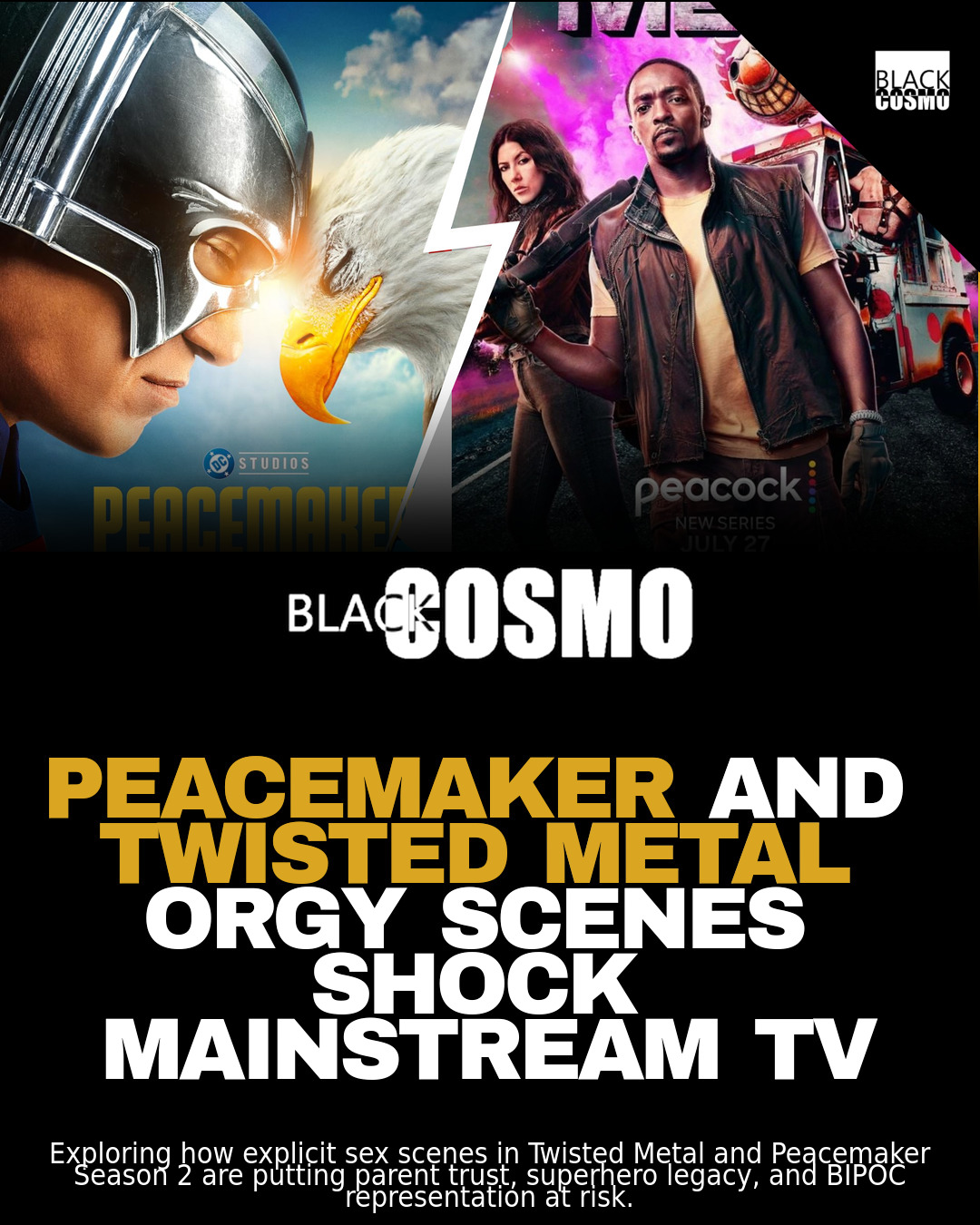
TV sex scenes are reshaping how you view superhero entertainment, raising concern among Black and BIPOC fans when explicit content sneaks into trusted franchises. Over the past year, shows like Peacemaker Season 2 and Twisted Metal have dropped scenes with orgies, nudity, and wild sexual content—right in the middle of mainline superhero / Video Game stories. Millions grew up with Superman, DC, and iconic video games, trusting these spaces to reflect their childhood, family values, and representation. Suddenly, sex has become central in places parents and young fans least expect.
 This isn’t just a genre shift—it’s a pivotal cultural shift. For Black audiences especially, who fought for decades to see themselves in comic book universes, the intrusion of sexual scenes damages trust, risks erasing progress, and makes these spaces feel less safe, less joyful, and less community-centric.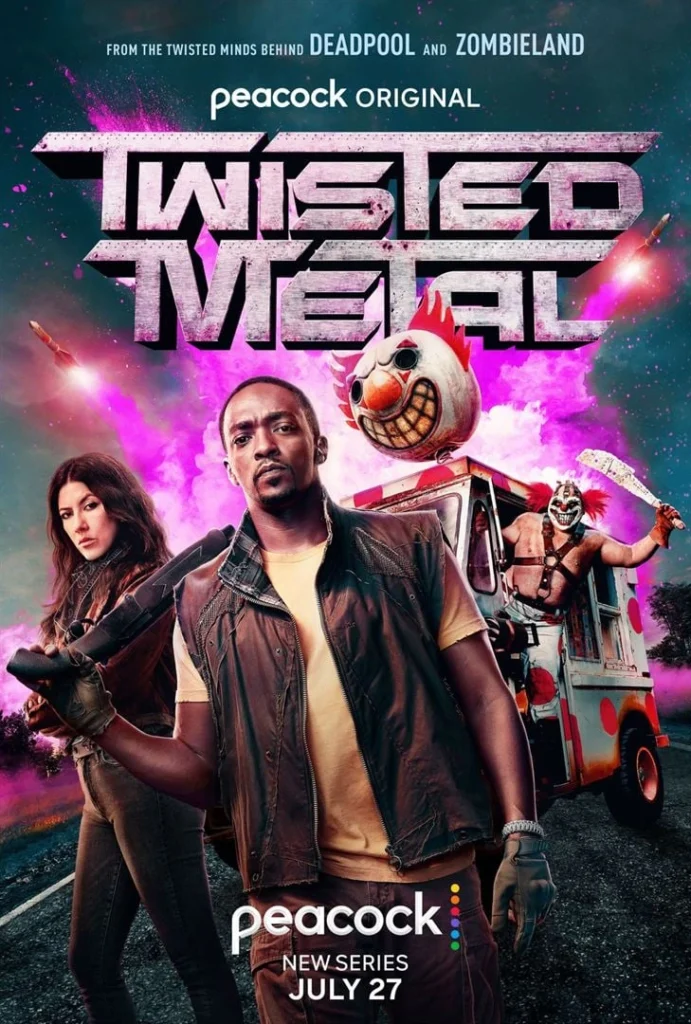
Why TV Sex Scenes Hurt Superhero Culture
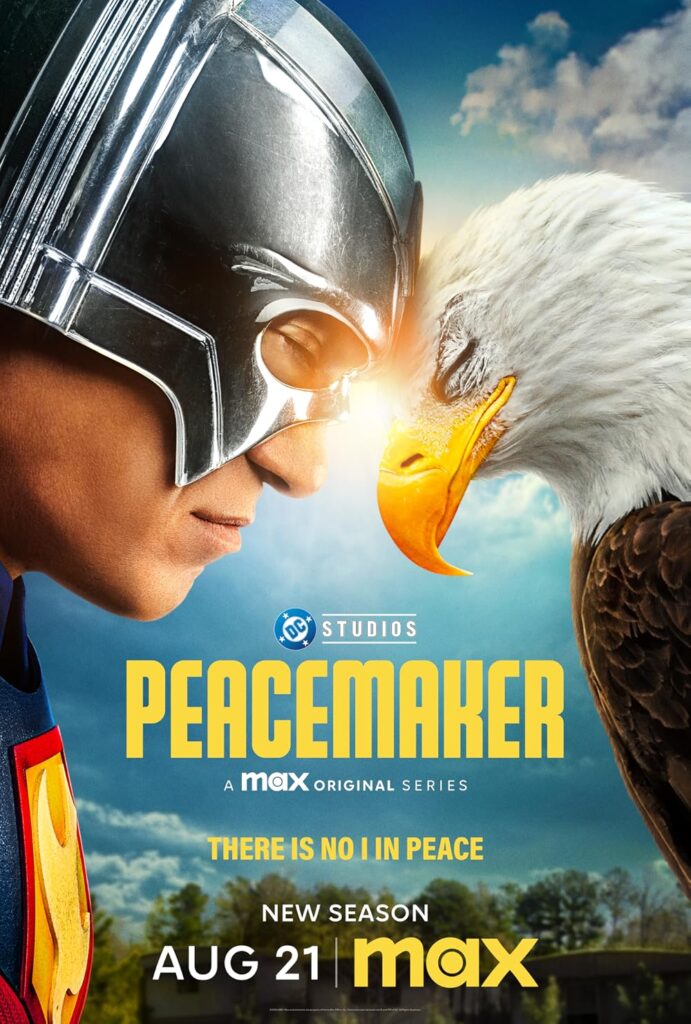
Peacemaker Season 2, tied directly to the Superman/DC universe, has shocked fans and families with overt sexual scenes and orgies—elements no parent would expect in content referencing heroes they’ve trusted for generations. Twisted Metal followed a similar route, pushing beyond humor and action into moments many viewers agree were unnecessary for story or character growth.
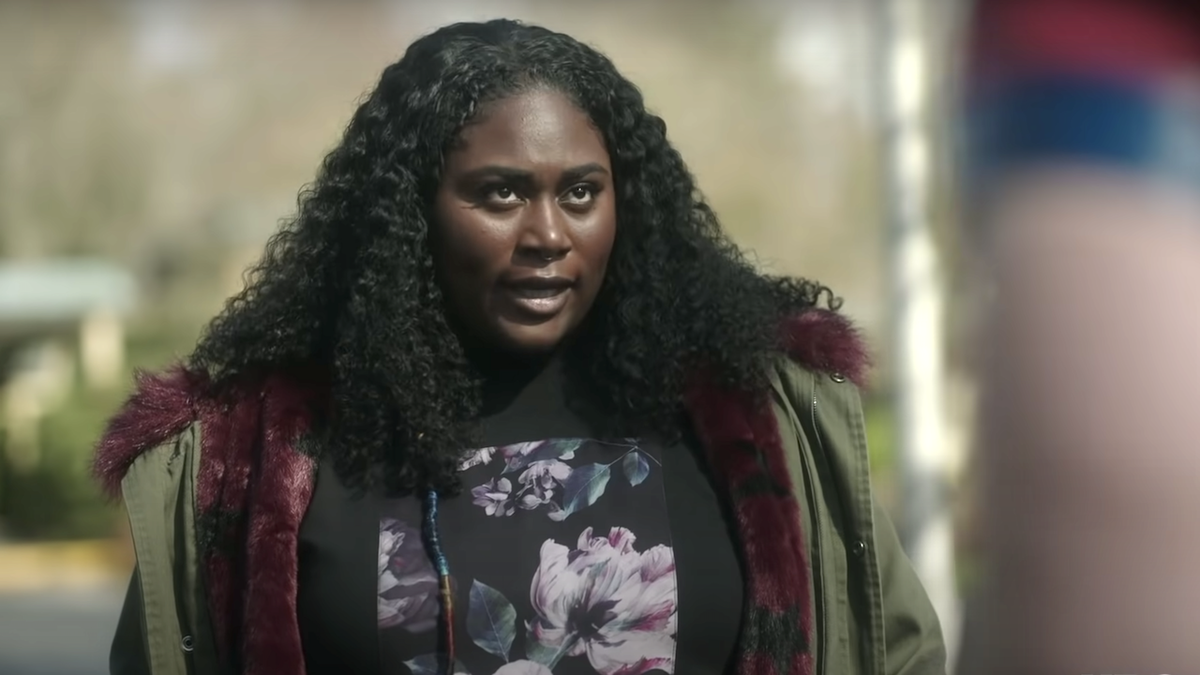 For BIPOC fans and families, these scenes feel like a step backward. Longtime pushes for superhero shows were about empowering diverse communities—not about sacrificing safe and validating entertainment for shock value. Parents who introduce their kids to DC and Twisted Metal based on years of familiarity with comics, cartoons, and games find themselves blindsided by material simply not aligned with those legacies.
When you compare these shows to The Boys, the difference stands out. The Boys was always marketed—both in comics and TV—as a satirical and mature twist on the superhero formula, with the foul content acting as commentary. It never hid its intentions or links to adult themes, and viewers are given clear warnings. Peacemaker and Twisted Metal, by contrast, use established, trusted universes and blur their boundaries, leading fans to expect the same level of parental safety and cultural legacy.
How TV Sex Scenes Breach Family Trust and Cultural Space
Let’s break it down:
- Franchises tied to Superman and Twisted Metal once served as gateways for BIPOC kids to see themselves as heroes, not hyper-sexualized objects.
- Producers pitch mature themes, but sexual content is not equivalent to the violence or snark viewers may expect; sex scenes are qualitatively different, deeply affecting family comfort.
- Ratings can’t fix legacy harm: TV-MA warnings are ignored or misunderstood when franchises have family roots and cross-brand audience reach.
- The presence of sex or orgy scenes in canon works tied to family-friendly icons doesn’t simply “target adults”—it contaminates the safe-space legacy built for years by parents, fans, and communities.
What Social Media and Industry Voices Say About TV Sex Scenes
James Gunn, the creative mind now steering DC’s TV direction, has brought in bold, sometimes controversial choices. There’s a growing concern that giving him full control allows boundary-pushing for the sake of viral moments, not cultural progression. Shows like Creature Commandos, with scenes involving sex and the undead, only add fuel to worries about how far this trend could go—and whether mainstream superhero entertainment is losing its respect for diverse, family-watching audiences.
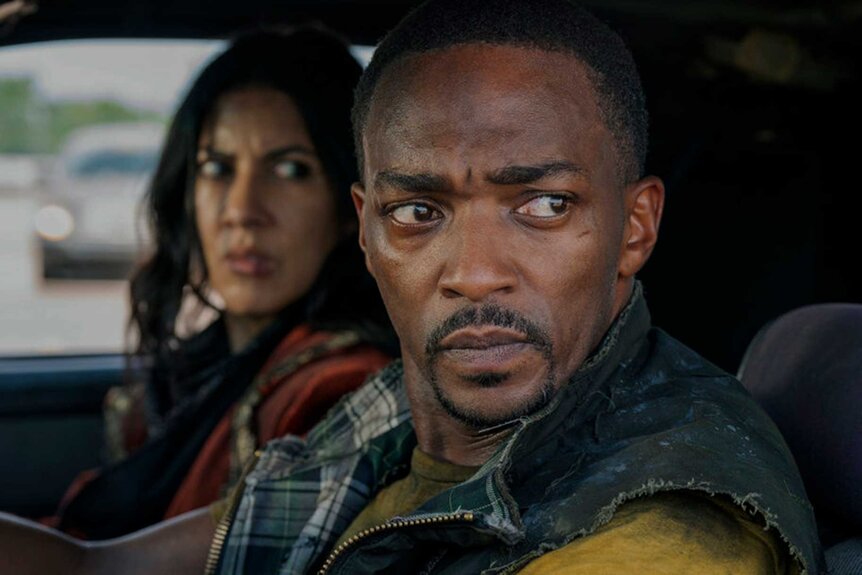 Many fans and cultural observers question the excuses that “kids shouldn’t watch these shows anyway” or that “ratings fix everything.” Violence has long been separated from sexual content in superhero shows; physical conflict is tied to heroism, resilience, and metaphor, while explicit sexual scenes are created just for attention and shock, disrupting the values audiences expect from these brands. The legacy of safe, family-positive viewing is jeopardized when nudity and orgies become commonplace in spaces that should be built on community and inclusion.
Social media buzz reflects disappointment, confusion, and frustration across BIPOC superhero spaces and broader fan communities. Instead of deepening cultural representation, TV sex scenes in iconic franchises risk alienating viewers who want to share these stories with family, pass on empowerment, and see heroes who reflect their aspirations—not exploitation.
One issue you might notice when seeking honest commentary on the over-sexuality in Twisted Metal and Peacemaker is how many popular YouTube reviewers seem to avoid the topic almost entirely. Episodes are recapped, performances are praised, plot twists are debated, but the explicit scenes—the orgies, nudity, and hypersexual jokes—rarely get meaningful attention.
It’s as if these reviewers are deliberately glazing over the details, focusing instead on production quality or outlandish violence, leaving viewers poorly informed about the actual tone shift these shows represent. Whether out of personal discomfort, potential platform moderation, or fear of backlash from studios and fan communities, the avoidance of critical discussion feels like a kind of censorship-by-omission.
That silence matters. Audiences depend on trusted voices to unpack what’s happening in the culture. When reviewers refuse to engage with overtly sexual elements—especially when they’re inconsistent with the franchise’s legacy or the expectations of diverse viewers—it makes it tougher for parents, BIPOC fans, and longtime franchise supporters to make informed viewing choices. The result is a mainstream TV landscape where “edgy content” gets normalized before a conversation around its impact can even begin.
TV sex scenes in superhero franchises like Peacemaker and Twisted Metal endanger parent trust, threaten family viewing traditions, and lessen safe spaces for BIPOC representation.
Your heroes matter. Is raising ratings worth breaking a legacy? What future do you want for Black culture—and for all cultures—in comics and TV?