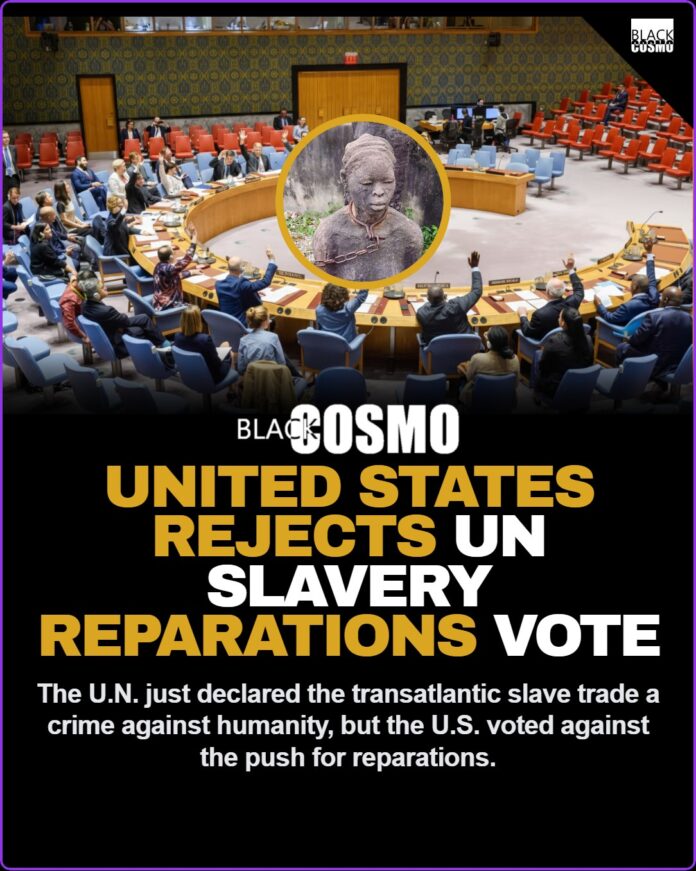
On March 25, 2026, the global stage witnessed a monumental and deeply emotional shift, as the international community formally reckoned with the darkest chapters of human history. The General Assembly adopted a historic UN slavery reparations resolution, officially recognizing the transatlantic slave trade as the ‘gravest crime against humanity’. Spearheaded by Ghana and African diaspora nations, the measure demanded reparatory justice and the prompt restitution of cultural artifacts. However, the United States, a nation built fundamentally upon the stolen labor, ingenuity, and blood of enslaved Africans, stood in stark opposition. While 123 countries voted in favor of acknowledging this historical debt, the American government joined only two other nations—Israel and Argentina—in a defiant refusal to support the mandate for economic accountability.
The refusal of the United States to endorse this sweeping, unprecedented decree was deeply rooted in the phrasing surrounding financial compensation. U.S. Ambassador to the UN Economic and Social Council, Dan Negrea, essentially dismissed the reparations framework as ‘highly problematic,’ signaling that while the American government may morally condemn the horrific brutalities of chattel slavery, paying for it remains completely off the table. This glaring contradiction sent shockwaves across the African diaspora. It is a striking dichotomy: acknowledging the crime but stubbornly resisting the call for the rightful penalty. For millions of descendants of enslaved Africans, this diplomatic rejection feels like another chapter of systemic denial.
To truly grasp the gravity of this rejection, we must examine the words presented at the assembly. Ghanaian President John Dramani Mahama, speaking passionately on behalf of the 54-member African Group, reminded the world that this was not merely about reopening old wounds but about forging a sincere route to healing and reparative justice. ‘There are spirits of the victims of slavery present in this room at this moment, and they are listening for one word only: justice,’ echoed the powerful sentiments of advocates in the hall. The UN slavery reparations resolution definitively outlines that the centuries-long systemic trafficking of humans caused a definitive break in world history. This was an abhorrent regime that financed empires, expanded European and American banks, and structurally embedded a racialized system of capital and property that still disenfranchises Black communities globally today.
According to a searing editorial in EBONY magazine titled ‘The World Has Called It a Crime. America Still Won’t Pay,’ the hypocrisy embedded in this vote is staggering. The publication astutely points out that restitution has proven effective in the past when the political will exists. According to U.S. State Department records, Germany paid approximately $86.8 billion in restitution and compensation to Holocaust victims and their descendants. Yet, when the discussion shifts to Black bodies, to the centuries of forced labor that literally underwrote the rapid economic ascension of the West, political representatives suddenly pause. The model for reparatory justice exists and functions effectively within American policy when acknowledged as a national obligation. However, when it comes to the transatlantic slave trade, the push for compensation is repeatedly stalled by accusations of ‘moral grandstanding’ or claims that it lacks actionable outcomes.
In the wake of the 2020 global uprising following the murder of George Floyd, the discourse around reparations in America had begun to gain unprecedented mainstream momentum. Local municipalities, state task forces like the one in California, and prominent institutions began assessing the financial toll of redlining, Jim Crow, and the foundational sin of chattel slavery. Yet, the vote on this UN slavery reparations resolution reflects a fierce conservative backlash aimed at silencing historical truths. By aligning with nations that abstain or vote against such decrees, American leaders showcase a stubborn resistance against reckoning with how race, history, and deeply entrenched inequalities are continuously handled in public and private institutions.
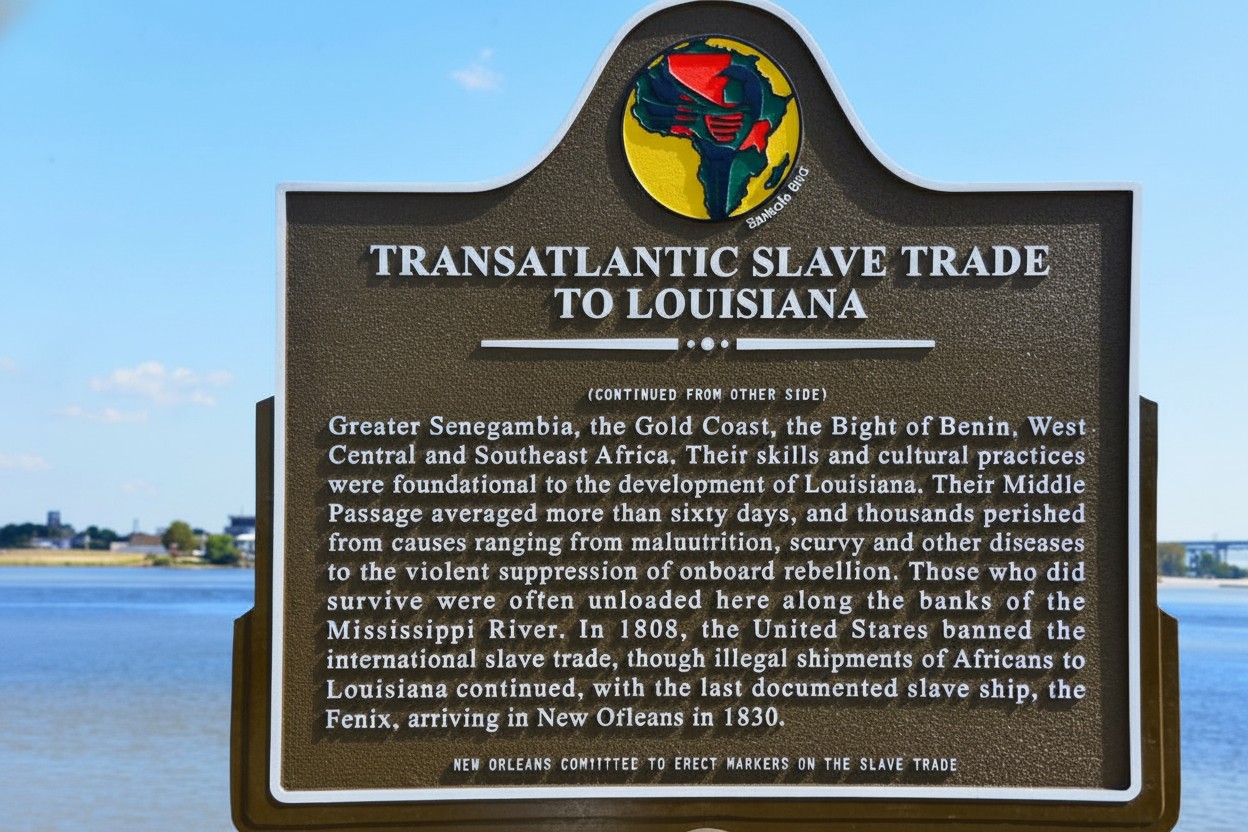
The international community has finally moved beyond mere talking points. For over 400 years, millions were violently stolen from Africa, shackled, and shipped across the Atlantic to toil under scorching heat and the brutal crack of the whip. They were denied their basic humanity, and the reverberations of that exploitation continue to manifest in persistent anti-Black racism, medical apartheid, and massive wealth gaps. The resolution emphasizes that the crime is not just a distant tragedy but an ongoing global crisis structured through racialized regimes of labor. This is not an abstract theory; it is the lived, generational reality of the global Black diaspora.
While this UN vote is an undeniable symbol of progress—because naming the crime and officially documenting the atrocity matters—the fight is far from over. Acknowledgment without economic accountability is, as EBONY eloquently states, an ‘unfinished sentence’. The global consensus has decisively shifted. The world is no longer pretending this history is too distant or too politically inconvenient to confront. The moral arc of the universe is bending toward repair, but true justice will require immense, unrelenting pressure on institutions and governments that continue to hoard the wealth built by stolen hands. The African diaspora’s demand for full reparatory justice is not a plea for charity; it is the collection of a centuries-old debt.