

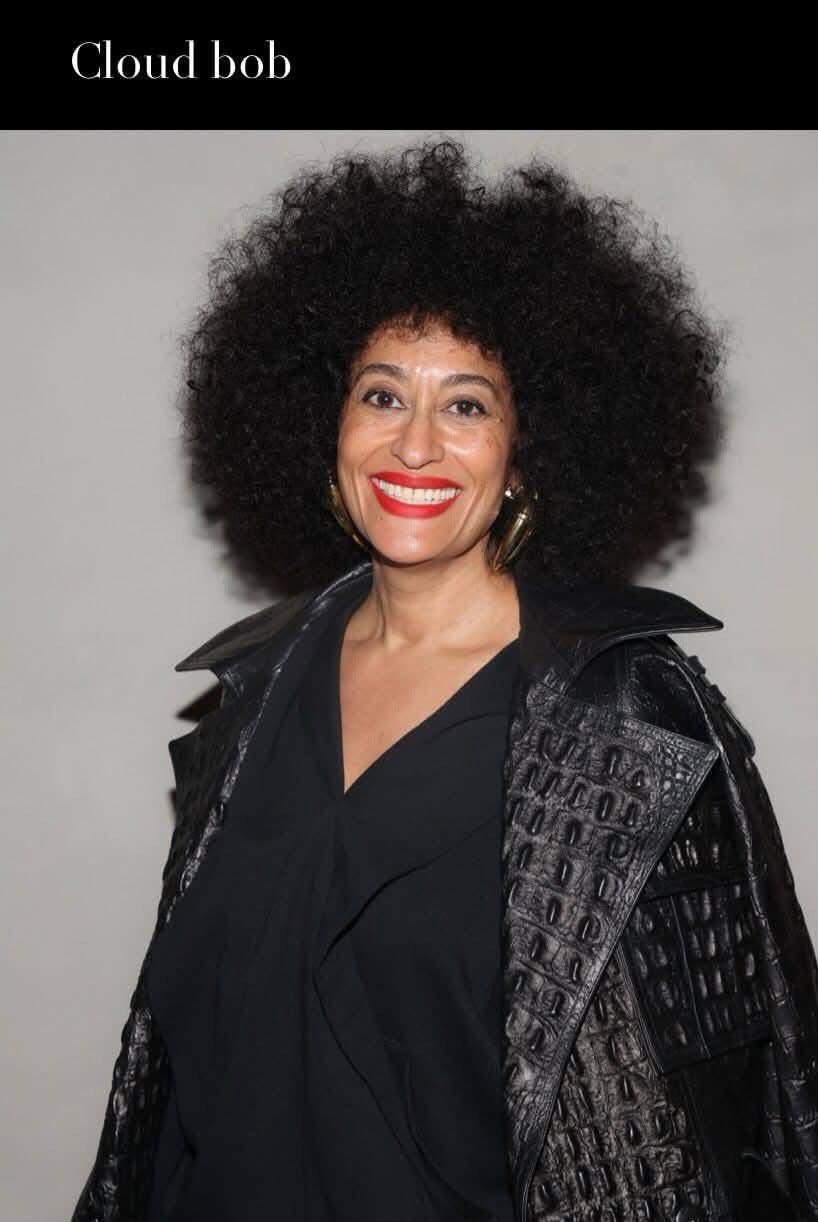
Vogue is facing a firestorm of criticism after its recent article on hairstyles for thick hair included a feature on the “cloud bob” – a descriptor many have decried as a thinly veiled attempt to rebrand the Afro hairstyle without acknowledging its deep cultural significance.
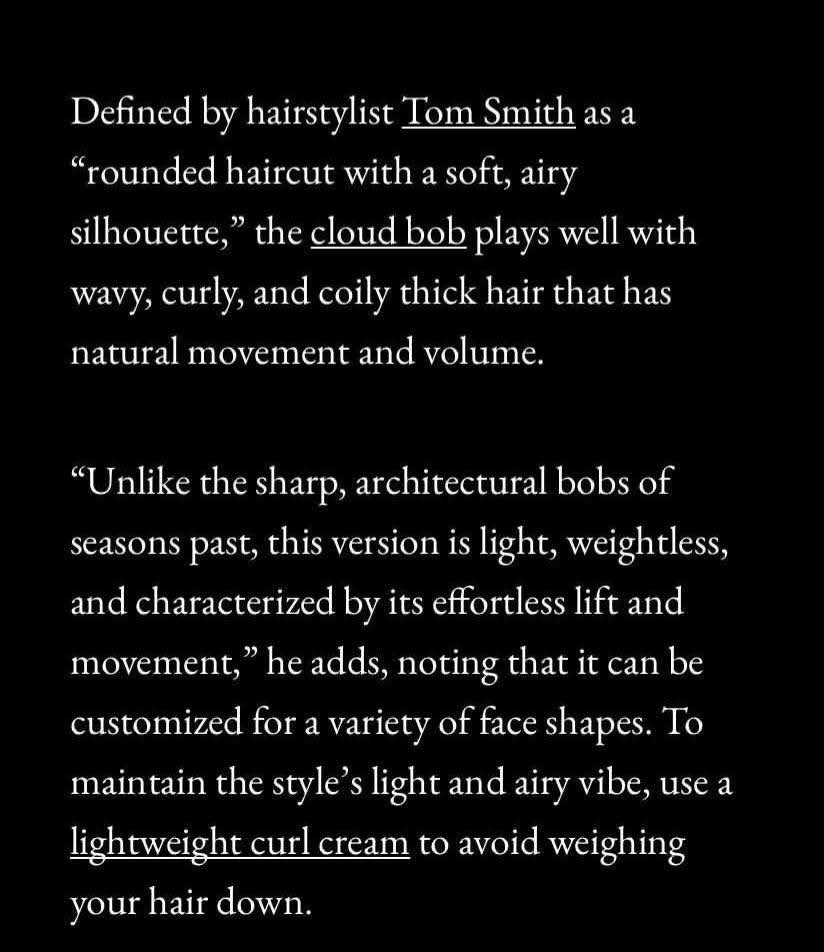
The article, which included images of Tracee Ellis Ross wearing her natural, voluminous hair, described the style as a “soft, airy, rounded cut with volume and natural texture.” However, the piece failed to reference the hairstyle’s origins in Black identity, pride, and resistance.
Critics have lambasted Vogue’s move, arguing that it reflects a troubling pattern of cultural erasure. The Afro, a hairstyle that has long been subject to discrimination, is now being repackaged and rebranded under a more neutral, trend-based label, stripping it of its historical context and significance.
“Cuz WTF is a cloud bob?!” one social media user exclaimed, capturing the widespread sentiment of outrage and incredulity. Many have accused the publication of “Columbus-ing” Black hair, making the style more palatable and marketable to mainstream audiences while ignoring its cultural roots.
The backlash has spread across platforms, with users on Instagram, TikTok, and X pointing out that Vogue’s actions are part of a broader issue of how fashion media represents cultural hairstyles. The term “cloud bob” is not new to the publication, having also appeared in a September 2025 article, further fueling the perception of a calculated, trend-driven rebranding.
Following the intense reaction, Vogue reportedly updated the article by removing the section featuring Tracee Ellis Ross. However, the damage has been done, and the controversy has reignited wider discussions about the importance of acknowledging the origins and significance of cultural hairstyles, rather than simply commodifying them for mainstream appeal.
As the fashion industry continues to grapple with issues of representation and authenticity, this incident serves as a stark reminder of the need for greater cultural sensitivity and a genuine commitment to uplifting and celebrating the rich heritage of marginalized communities, rather than exploiting or erasing it.
![A portrait of [gold]Robert F. Kennedy Jr.[/gold], the prominent political figure who made controversial comments about Black children with ADHD.](https://blkcosmo.com/wp-content/uploads/2026/04/blkcosmo-rfk-jr-called-out-claim-black-kids-adhd-reparented-696x871.jpg "RFK Jr. Criticized for Claim About Black Children With ADHD")
