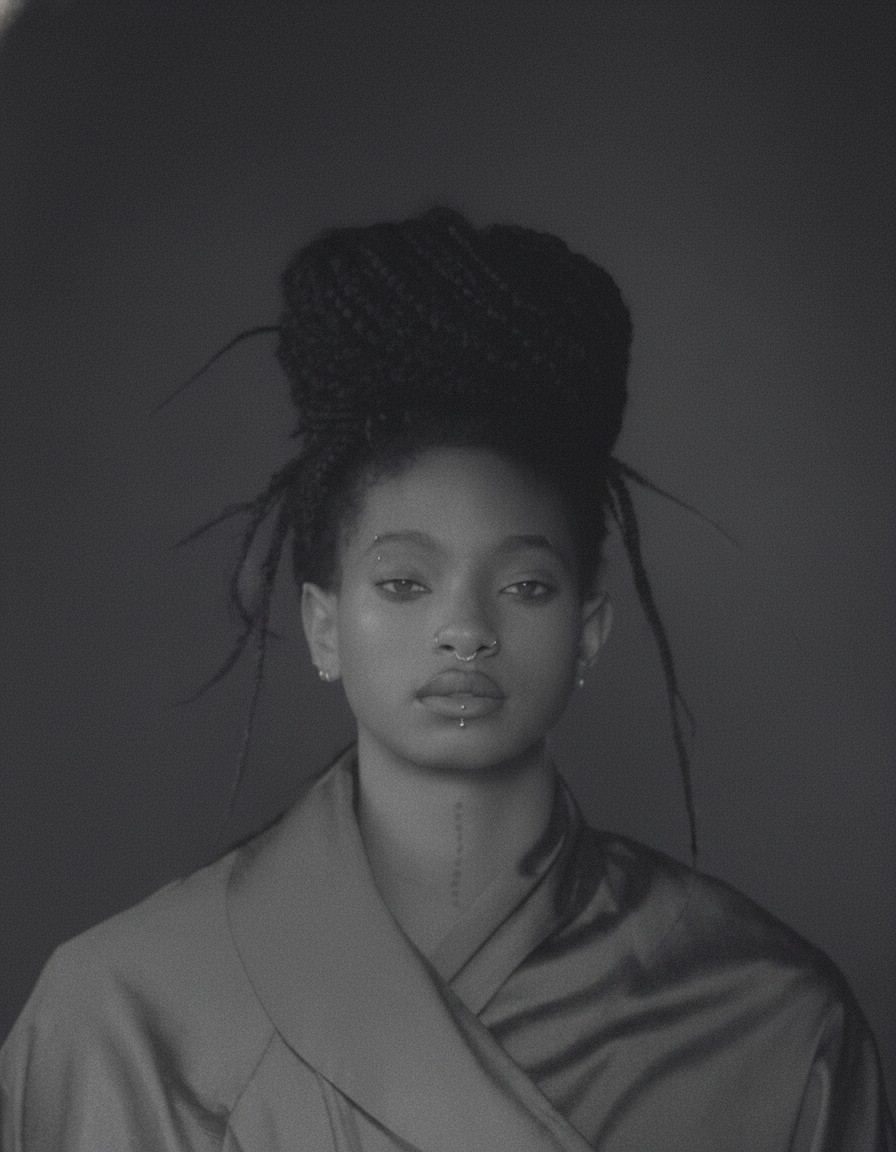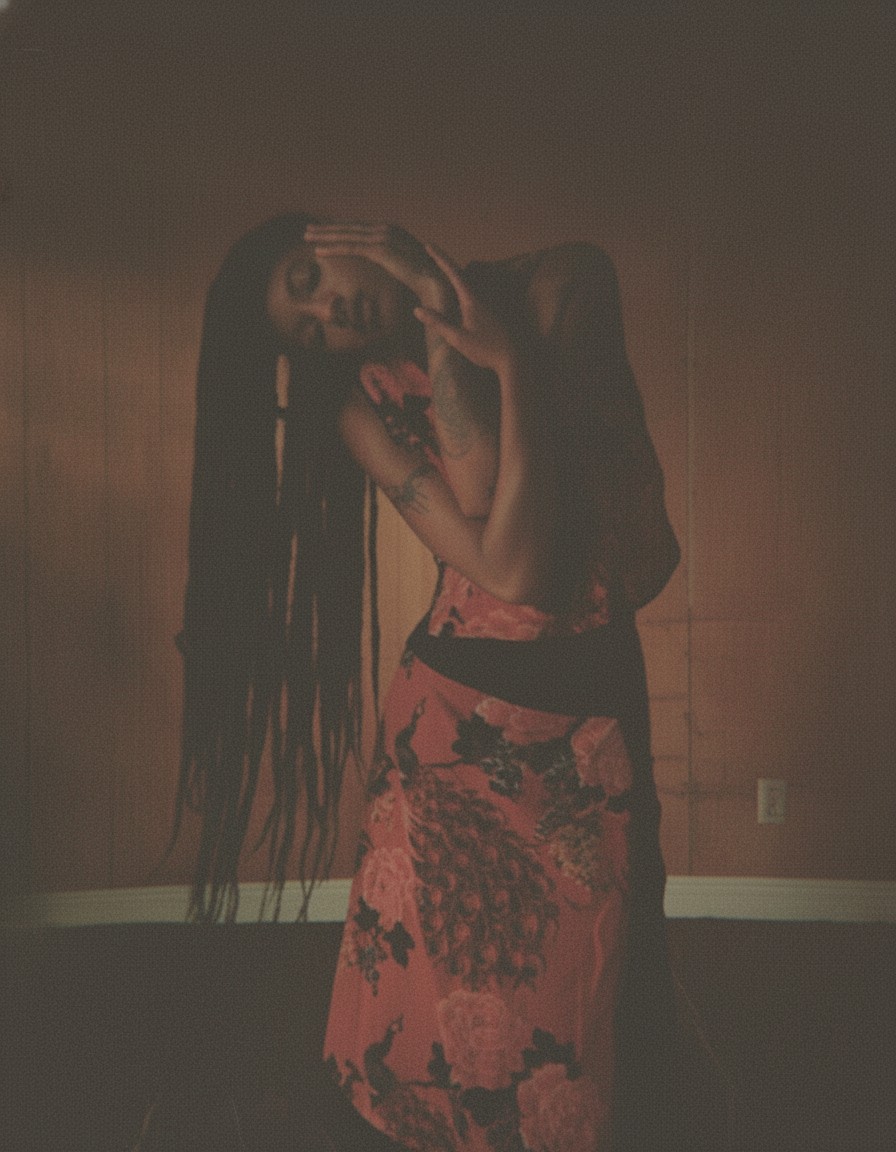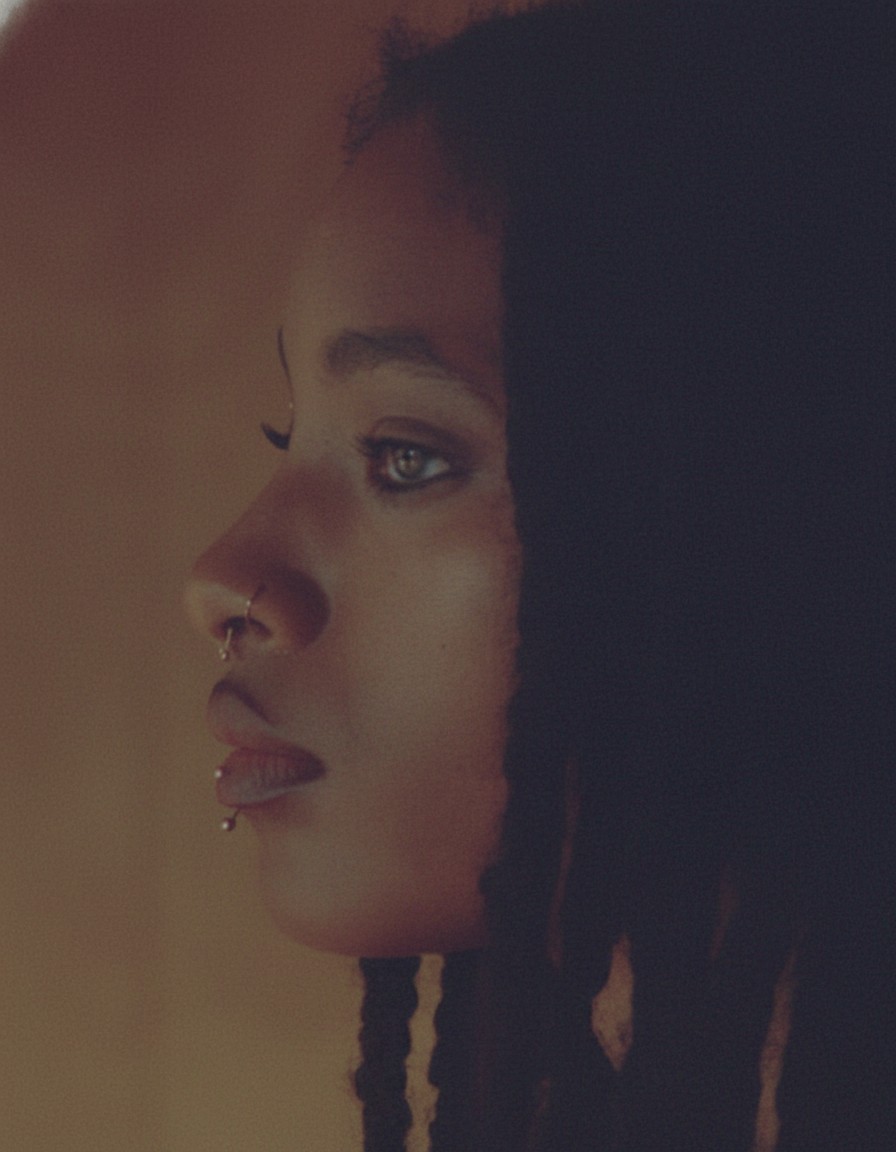
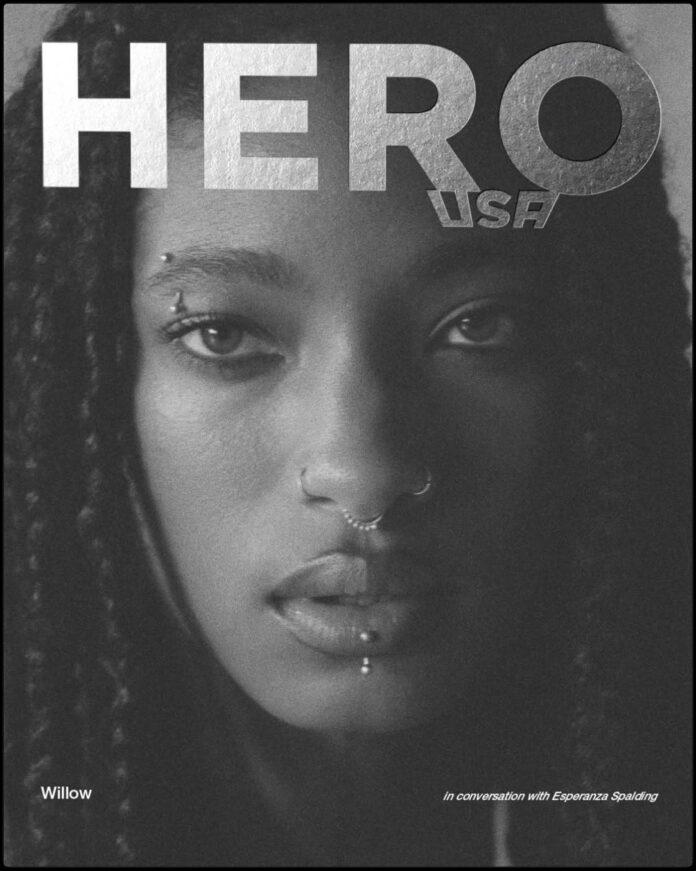
Let’s get straight to it. When Willow Smith steps in front of a camera, the atmosphere changes. She doesn’t just pose. She commands the frame with an intense, quiet rebellion. Her latest appearance for Hero Magazine USA for the April 2026 issue is exactly what we expect from her now: raw, unbothered, and entirely on her own terms. The girl who grew up under the heaviest microscopes of Hollywood royalty has fully matured into an alternative rock powerhouse. She owns her lane. The images from this editorial spread capture that precise energy. We are well past the era of child stardom. She has shredded the velvet ropes of her upbringing, swapping them for electric guitars and combat boots. This editorial feels like a visual diary of that journey. It is a loud declaration that she is exactly where she wants to be.
Look at the styling choices. We have to talk about the hair. The genius behind the crown is none other than Braided Glory, a stylist who understands that Black hair is a structural art form. The braids here are not just a protective style. They are a statement of intent. They weave together her punk rock sensibilities with deeply rooted cultural pride. You see Willow Smith wearing these complex patterns, and it sends a clear message. Alternative scenes belong to Black women, too. She has spent the last few years kicking down the doors of the pop-punk and metal worlds. Now she brings that exact same disruptive energy to print media. Braids in this context defy the Eurocentric standards that usually dominate alt-rock aesthetics. Instead of conforming to the straight, messy bangs of typical punk rockers, she elevates the space with cornrows and deliberate plaits. It is sharp. It demands your attention.
Hero Magazine USA knew exactly what they were doing by putting her front and center. This publication usually leans heavily into gritty, unfiltered Americana. By bringing her into that space, they lock into the actual pulse of youth culture. But make no mistake. She isn’t borrowing their aesthetic. She is bending it to fit her. That is the difference between a celebrity doing a photo shoot and an artist directing a moment. The textures, the lighting, the stark contrast of her features against the backdrop all serve her specific vision. She commands the shadows. The photography leans into a lo-fi, film-grain texture that mirrors the distortion pedals she steps on during live shows. It feels gritty. It feels real.
Fans on social media caught the vibe immediately. The timeline was filled with people dissecting the braided sculptures and the intense, piercing eye contact she holds with the lens. One fan pointed out how she manages to look completely untouchable yet entirely grounded. That is the sweet spot she occupies. She gives us high art concepts without the pretension. We see a young Black woman who has navigated intense public scrutiny, only to emerge completely confident in her weirdness, her edge, and her talent. People are tired of over-polished, heavily filtered magazine covers that look like plastic. They want sweat, grit, and authenticity. This cover delivers all three.
The editorial choices reflect a broader shift we are seeing in how Black artists are photographed. For decades, mainstream magazines tried to soften alternative Black women. They wanted them to look palatable. Hero Magazine USA leaves the grit intact. They let her be sharp. They let the braids speak. They let the shadows fall where they may. This approach matters. It tells the next generation of Black girls who listen to heavy metal and wear combat boots that they do not have to dilute themselves to be seen as cover-worthy. You can be eccentric, loud, and uncompromising, and the cameras will still flash. The culture is finally catching up to the reality that Blackness is not a monolith. It spans every genre, every aesthetic, and every subculture.
This feature is a blueprint in staying true to your roots while expanding your reach. Her music career set the stage for this kind of visual representation. When you scream into a microphone over heavy guitar riffs, you cannot fake the funk. That authenticity bleeds into her editorial work. Every visual element in this Hero Magazine USA spread feels earned. From the precision of the parts by Braided Glory to the clothing pulling from vintage punk archives. It is a fully realized concept. She isn’t playing dress-up. She lives this truth every single day. The fashion industry frequently attempts to co-opt alternative culture, stripping it of its teeth to sell it back to the masses. She refuses to let that happen. She keeps her teeth bared.
We are looking at an artist who refuses to be boxed in. You can try to label her, but she will shed that label by next Tuesday. The April 2026 issue just documents her latest form. As she continues to stretch the boundaries of what a Black woman in rock and fashion looks like, we are lucky enough to witness the evolution. Grab a copy if you can find one on the stands. This is the kind of print journalism you tear out and pin to your bedroom wall. It hits hard, and it stays with you. She is not just making music or modeling clothes. She is carving out a massive, clear lane for everyone who feels a little different.