Home Blog Page 173

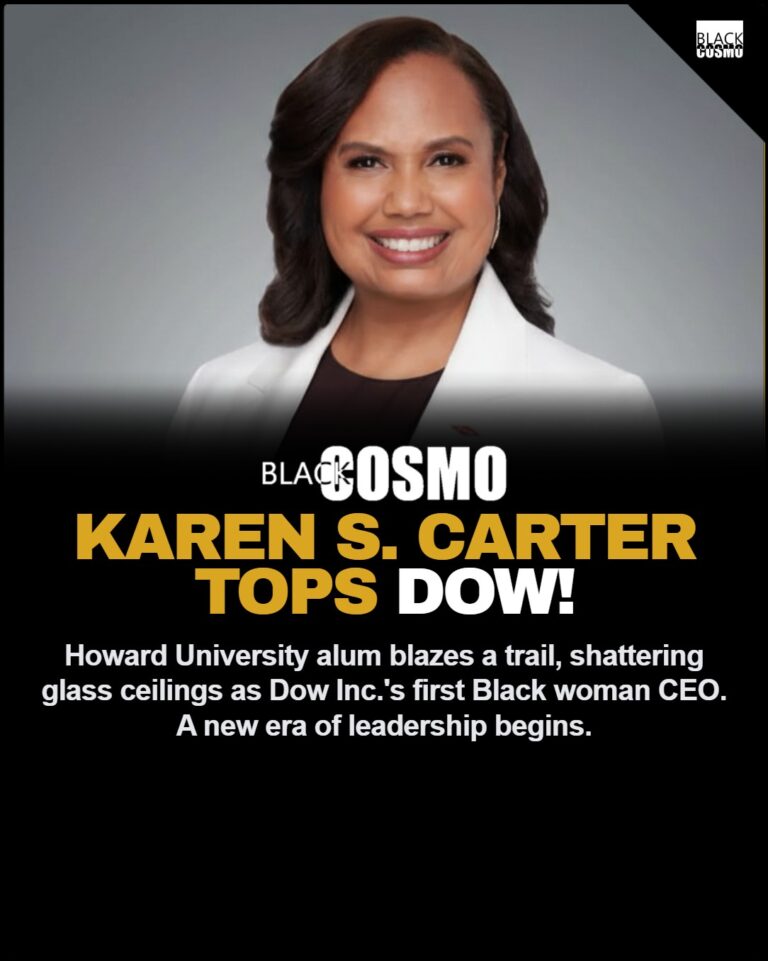
Karen S. Carter Breaks Barriers as First Black Woman CEO of Dow Inc.

0

It’s a defining moment that resonates far beyond the pristine confines of a corporate boardroom; it is a monumental shift in the very fabric of global business leadership. When we talk about breaking glass ceilings, we often think of incremental steps and gradual changes. But every so often, a trailblazer comes along and completely shatters the entire structural paradigm, leaving a path of brilliance for others to follow. Karen S. Carter is doing exactly that. As a proud alumna of the illustrious Howard University and a dedicated member of Sigma Gamma Rho Sorority, Incorporated, she is officially poised to take the absolute helm of Dow Inc., a jaw-dropping $26 billion global powerhouse. Let’s be incredibly clear about the magnitude of this announcement: set to become the very first Black woman Chief Executive Officer in the company’s long, 125-plus-year storied history, this isn’t just a simple promotion or a standard executive shuffle. It is a certified cultural earthquake that is sending powerful shockwaves of pride, deep inspiration, and long-overdue validation throughout Black professional circles and beyond.

Dow, Inc., isn’t some niche player, and Carter certainly didn’t just stumble into this position of immense, industry-shifting power. Her unshakable foundation was built on a rich legacy of Black excellence, community empowerment, and unapologetic brilliance. Any time a #Howard University alum steps into a space, you already know they are bringing that legendary “Mecca” energy—a unique, unmatched blend of strategic foresight, unwavering confidence, and profound cultural depth. Pair that top-tier academic pedigree with the sisterhood, community service, and tenacity that naturally comes with being a #SGRHRO, and it is no surprise that she is making monumental history today. This milestone marks a significant moment not only for the highly competitive global chemical industry but also for corporate leadership diversity at the absolute highest, most exclusive levels. When Black women are given the floor and the resources to execute, we don’t just lead; we transform the entire blueprint of success for everyone involved.

Let’s talk about the receipts, because Carter brings decades of elite, hard-earned, and battle-tested experience to this monumental role. Currently serving as the Chief Operating Officer (COO), she has meticulously built a sterling reputation as a strategic visionary with deep, unparalleled expertise in operations, large-scale innovation, human capital management, and massive business transformation. She isn’t just a figurehead brought in for good PR; she is the master architect behind major operational shifts that have kept the company fiercely competitive on a global scale. Her highly anticipated appointment reflects Dow’s ongoing, deliberate efforts to strengthen its executive leadership while finally embracing a more inclusive, culturally aware, and forward-thinking corporate culture. It is definitive proof that when companies value true merit, diverse perspectives, and operational genius, inclusive leadership isn’t just a diversity initiative—it’s a fundamental, bottom-line business imperative.

To truly grasp the gravity and weight of this moment, you have to understand the sheer scale of the enterprise she will be leading. Dow Inc. is universally known for its massive, undeniable influence in materials science, plastics, and global manufacturing. This is a formidable company that operates on an intricate, sprawling global scale, directly impacting essential industries ranging from consumer packaging and agriculture to critical global infrastructure and mobility. We are talking about the very materials that build and sustain our everyday modern world. Carter’s robust, steady leadership is expected to expertly guide the multibillion-dollar company through rapidly evolving economic conditions, urgent environmental sustainability challenges, and the complex technological advancements that are actively shaping the future of the industrial sector. She is stepping into the captain’s chair during a critical era when visionary, adaptable leadership is needed more than ever before.

Beyond her staggering professional accomplishments and her proven ability to navigate the most complex corporate labyrinths, Carter’s meteoric rise represents a broader, deeply necessary shift in the landscape of corporate America. For far too long, the Fortune 500 C-suite has felt like an exclusive, heavily guarded, homogenous club. But today, those heavy, iron-clad barriers are slowly being dismantled, and representation at the executive level is expanding in ways that previous generations of Black professionals could only dream of. Her appointment serves as a profound, living inspiration for future generations—particularly for young Black girls and women of color who are aspiring to attain leadership roles in STEM, manufacturing, and finance industries where diversity has historically been virtually non-existent. She is walking, breathing proof that your background, your HBCU pride, and your rich cultural heritage are not liabilities; they are your absolute superpowers in the boardroom.

As she fearlessly steps into this groundbreaking, history-making position, the entire business world will be watching closely, taking notes on her every move. All eyes are on Dow Inc. now. Let’s see exactly how Carter leads this global titan into its next, most exciting chapter—a chapter that, hopefully, will be defined not only by record-breaking profit margins, increased shareholder value, and unmatched operational efficiency, but by genuine, lasting progress in representation, inclusion, and equity at every single level of corporate leadership. This is so much more than just a standard piece of business news; it is a powerful, undeniable testament to the unstoppable force of Black women in leadership. The future of global business is looking incredibly bright, and we love to see that it is undoubtedly being led by a brilliant Black woman.
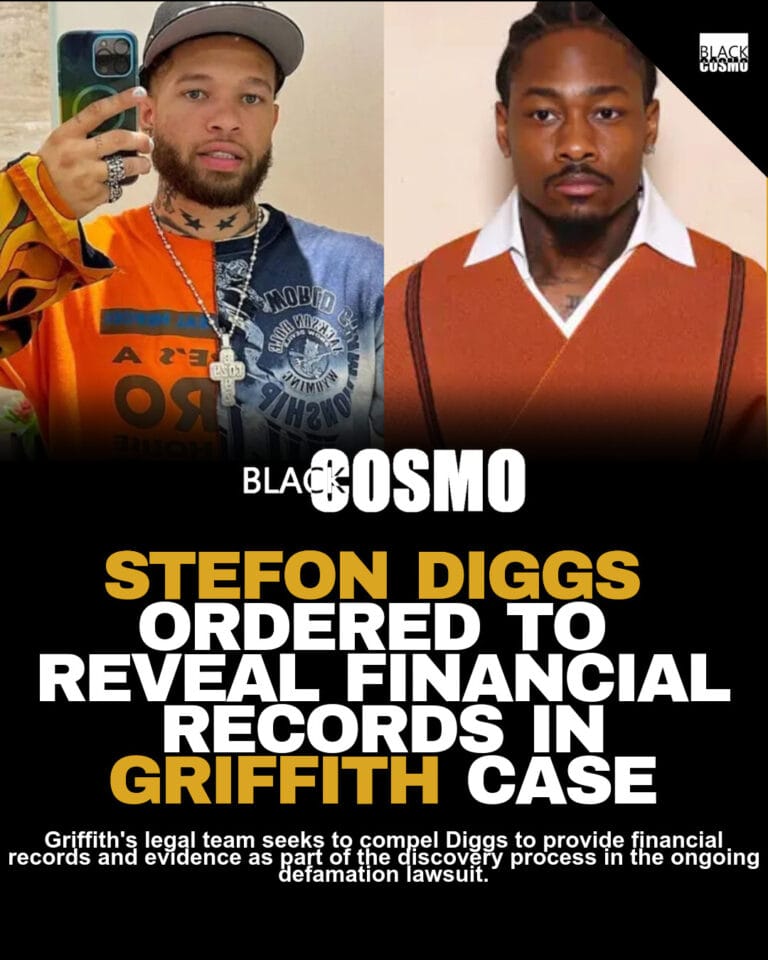
Stefon Diggs Defamation Case: Financial Records Dispute

The legal battle between Stefon Diggs and social media personality Christopher Blake Griffith is heating up in court. According to new filings, Griffith is pushing a judge to force Diggs to hand over financial records and documents that could reveal whether the NFL star actually experienced the harm he’s claiming.

Griffith says Stefon Diggs has been dodging the discovery process and refusing to share evidence tied to his claims of reputational and financial damage. His legal team made it clear: Diggs “does not get to sue and hide.”

Back in November, Diggs filed a defamation lawsuit against Griffith after the social media personality accused him of drugging, sexually assaulting, and conspiring to kill him. Diggs has firmly denied all allegations and argues that Griffith deliberately spread false statements to gain online attention—causing serious damage to his reputation in the process.

In the new court filing, Griffith’s team argues that Diggs can’t claim he suffered financial and personal harm while simultaneously blocking access to the very records that could verify those claims.

The case is still moving through the courts.

[efb_feed fanpage_id=”BlackCosmopolitan” words_limit=”25″ post_limit=”1″ skin_id=”115759″ cache_unit=”1″ cache_duration=”days” live_stream_only=”0″ load_more=”0″ links_new_tab=”1″ show_like_box=”0″]


ioe

Jessica Williams on Shrinking Season 3: Black Women and Dramatic Acting

0

Watching the first two seasons of Apple TV’s hit series Shrinking felt like watching a masterclass in scene-stealing. You tuned in for the messy grief of Jason Segel or the grumpy charm of Harrison Ford. You stayed because of Jessica Williams. She played Gaby with a specific type of loud, unapologetic brilliance. She wore bright colors. She drank water out of massive bedazzled tumblers. She brought the laughs when the room got too dark. But playing the bright spot in someone else’s darkness gets exhausting. It is a familiar trap for Black women on screen. You get to be funny. You get to be the supportive friend. You rarely get to fall apart.

Now the script is flipping. With season three on the horizon, the actor recently opened up about leaning into the darkness. She admitted she was ready to tackle heavier topics in the upcoming episodes. Her words cut straight to the bone. “You just want the opportunity, especially as a Black actor and woman. You just want to be able to show people what you can do.” That quote is not just press tour chatter. It is a quiet demand for the space to be completely human.

Fans watched Jessica Williams evolve right in front of us. She started as the youngest correspondent on The Daily Show. She delivered sharp political satire with a smirk that let you know she was always three steps ahead of the joke. She built a massive following with Two Dope Queens. She proved she could anchor a narrative and command a stage. But the industry has a habit of boxing in funny women. They slap a comedic relief label on your forehead and lock the door. If you are Black, that box is even smaller. You are expected to carry the emotional weight of the white leads without ever showing your own scars.

Black women know this routine intimately. We do it in the boardroom. We do it in the group chat. We show up, fix the problem, crack a joke to ease the tension, and go home tired. Gaby felt like a reflection of that reality in the early days of the show. She was grieving the loss of her best friend, just like the rest of the cast. Yet her grief was often pushed to the margins to make room for the central male protagonist’s spiraling crisis. Fans noticed. Twitter timelines filled with people asking when Gaby would get her moment to truly break down.

It takes a specific kind of courage to ask for the heavy lifting. Dramatic acting requires you to strip away the armor of a punchline. You have to sit in the ugly, quiet moments of pain. For a Black woman in Hollywood, asking for that opportunity is a radical act. It pushes back against the lazy writing that assumes we are inherently too strong to shatter. Being allowed to shatter on screen is a privilege historically reserved for white actors. They get the awards for crying in the rain. They get the praise for playing complicated, unlikable, tragic figures.

With Apple TV rolling out more episodes, the stakes shift entirely. Gaby is no longer just the bright colleague in the office next door. She is stepping into the center of the frame. We need to see her grapple with her own messy choices. We need to see her cry without immediately offering a joke to comfort the audience. If the writers give her the material, she will devour it. Her talent has always been too large for the margins.

This moment reaches beyond one streaming series. It speaks to a shift in how Black actors are navigating the business. They are no longer waiting for the perfect script to fall from the sky. They are speaking up in interviews. They are stating their desires out loud. They are forcing writers and producers to look at them as full human beings with bottomless creative wells. The industry loves to talk about representation. But true representation is not just about putting a Black face on a poster. It is about trusting that face to carry the absolute heaviest parts of the story.

We are ready to see her go there. The audience that grew up watching her trade barbs on late-night television is now old enough to appreciate the nuance of a mid-life crisis on screen. We have lived enough life to know that the funniest person in the room is usually the one carrying the most pain. Letting her explore that pain is not just a career milestone. It is a necessary evolution. We do not just want to laugh with her anymore. We want the full picture. We want the raw, unfiltered truth of what she can do when the punchlines stop and the cameras keep rolling.

Xzibit Discloses Monthly Earnings and $1 Million Tax Liability

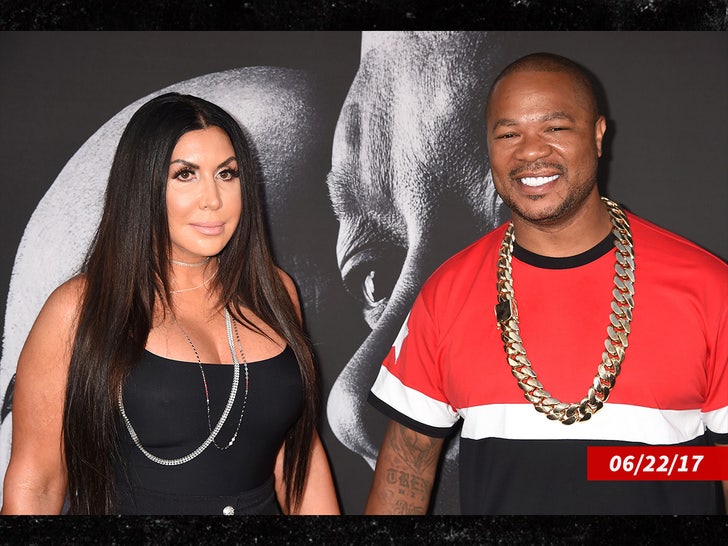
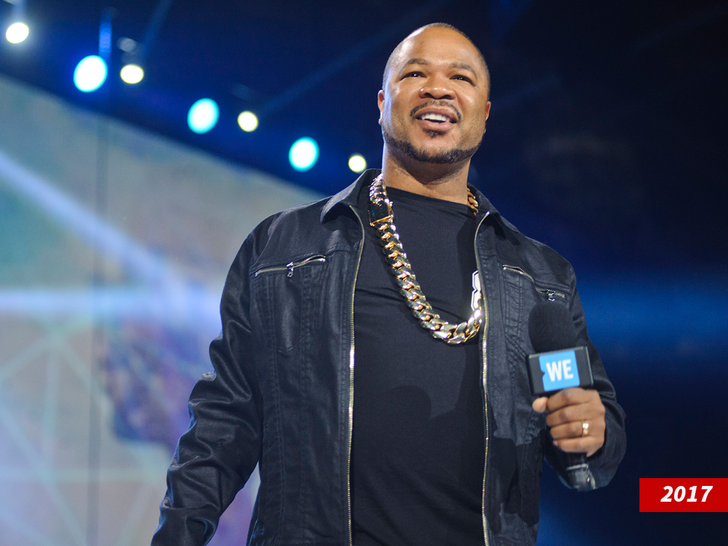
Rapper Xzibit
I Pull in 5-Figures Every Month …
But Owe Over $1 Million in Tax Debt

Tatyana Ali Eaton DC Event: The Look That Paused The Internet

0

Internet Paused! Tatyana Ali Shuts Down Eaton DC Event, Sparking a Massive Cultural Conversation Around Legacy, Evolution, and Black Creative Spaces

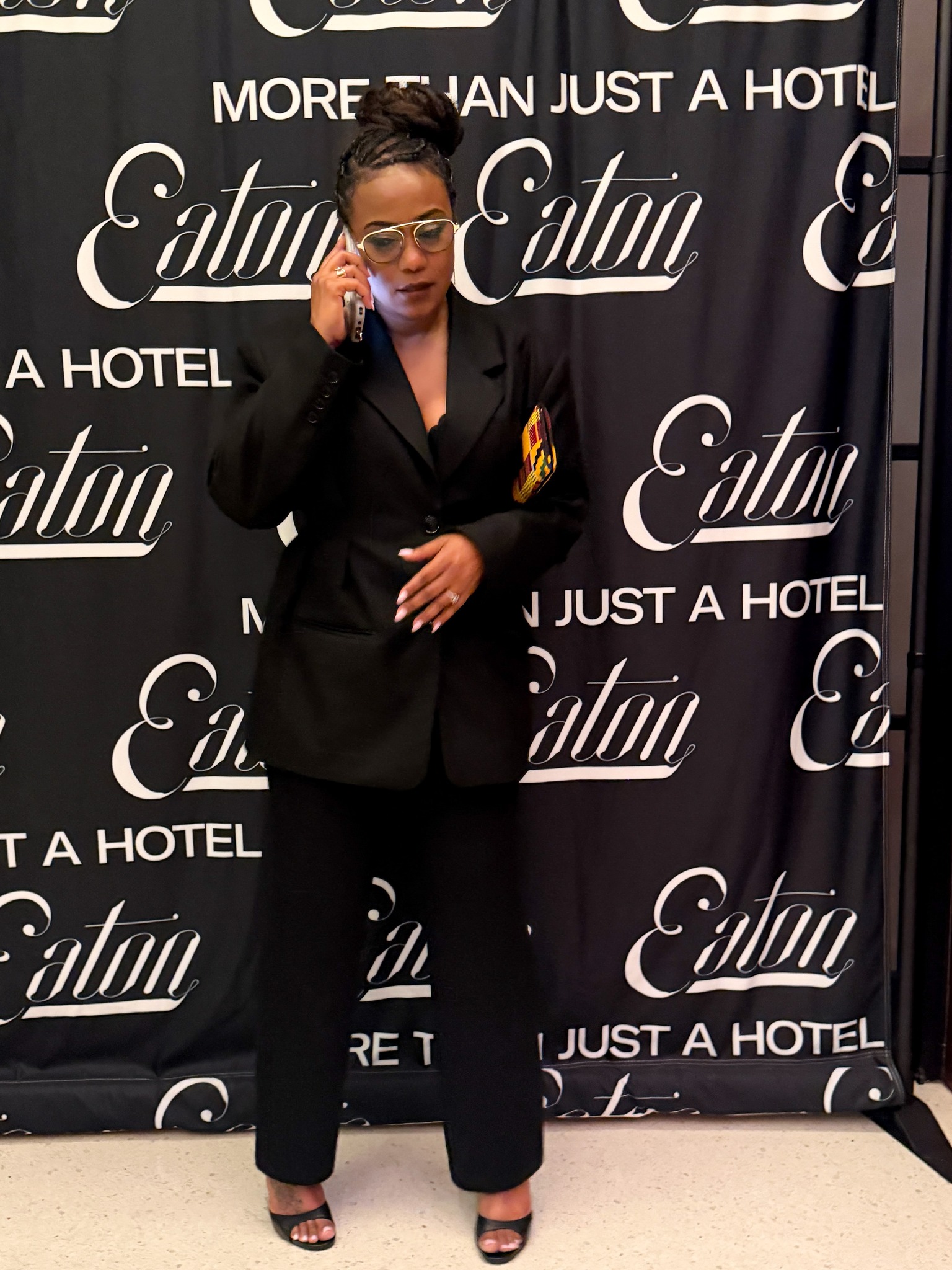
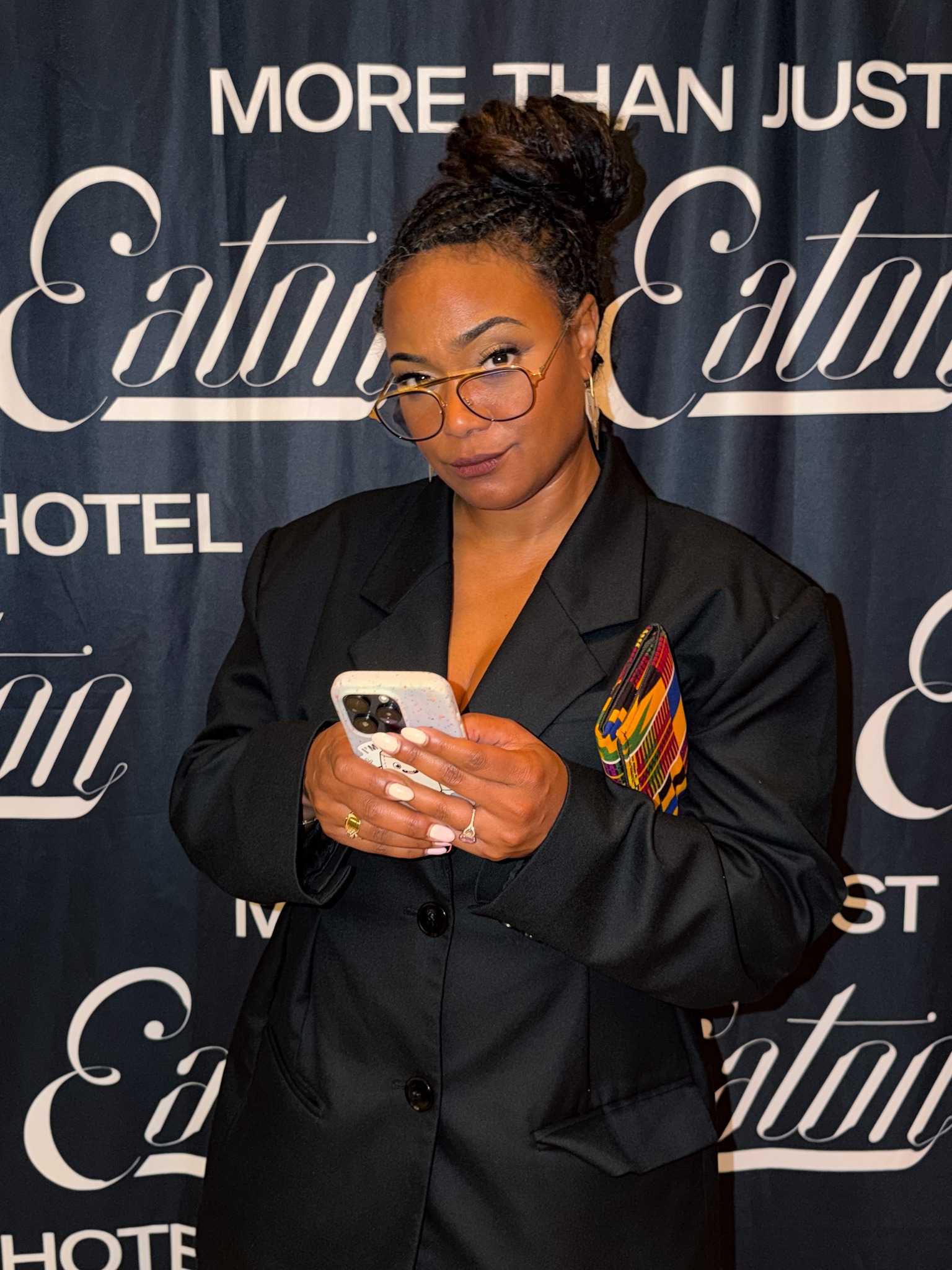
When the timeline collectively hits the pause button, you already know it’s for a spectacular reason. The recent, utterly flawless appearance of Tatyana Ali at Eaton DC did exactly that, drawing widespread, viral attention online as social media users eagerly circulated stunning images and glowing commentary from the monumental event. The gorgeous gathering, held at the premier Washington, D.C. cultural venue renowned for its radically intentional programming around art, holistic wellness, and profound social impact, didn’t just serve unforgettable looks—it also powerfully highlighted essential, community-facing organizations, including the vital Black maternal health advocates at Mamatoto Village.

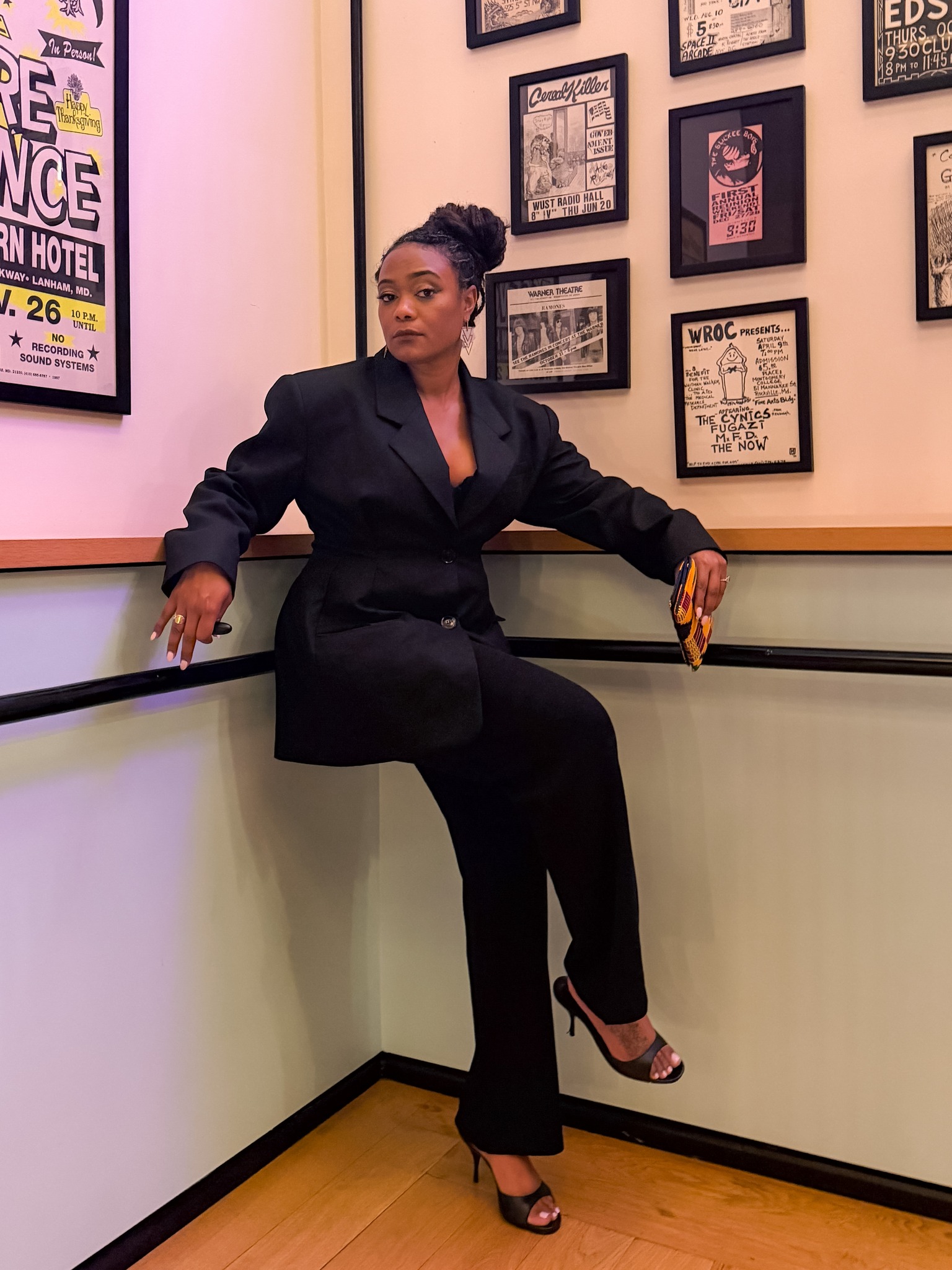
Ali, eternally cherished and universally recognized for her iconic, culture-shifting role as Ashley Banks on the legendary 90s sitcom The Fresh Prince of Bel-Air, appeared at the event looking like absolute royalty. She stepped out in a masterfully composed, fashion-forward look that swiftly became the dominant focus of digital discussion across every platform. While the exact designer details haven’t been officially confirmed by her camp in available public reporting, the striking imagery from the event shows our beloved star draped in a brilliantly structured, tailored ensemble. It was meticulously styled for a clean, elevated, and sophisticated silhouette rather than relying on a heavy, overly embellished red-carpet aesthetic. She gave us quiet luxury with a distinctly soulful, Black girl magic twist.

The impeccable styling leaned heavily toward elite minimalism and sheer precision—think incredibly sharp lines, masterfully controlled tailoring, and a muted, rich palette that emphasized pure form over unnecessary decoration. In an era where public appearances are often dominated by loud, ostentatious garments designed purely for shock value, Ali’s choice to embrace understated elegance spoke volumes. Her hair and makeup were similarly restrained yet breathtakingly flawless, focusing on natural definition, radiant skin, and a glowing complexion rather than any theatrical or over-the-top effect. It was a masterclass in grown-woman glamour, perfectly aligning with the understated, purposeful, and deeply grounded tone of the progressive Eaton DC event space.

But let’s be entirely clear: Ali’s magnetic presence at Eaton DC resonated far beyond mere fashion commentary and mood board inspiration. The venue itself has rightfully become renowned for curating and hosting urgent conversations and transformative gatherings centered on cultural innovation, Black wellness, and tangible community impact. By explicitly positioning itself as a sanctuary for marginalized voices and so much more than a traditional, transactional hospitality space, Eaton DC sets the stage for genuine connection. In that incredibly rich context, the event and Ali’s participation reflected a much broader, deeply necessary intersection between our culture, frontline advocacy, and unapologetic visibility.

Naturally, the passionate online reactions largely centered on Ali’s magnificent public evolution. Countless viewers and longtime fans fondly referenced her early career as a phenomenal child actor, astutely noting the breathtaking contrast between her former, beloved on-screen identity and her current, commanding presence as a fully realized adult public figure. Today, she boasts a formidable, established body of work encompassing acting, producing, writing, and fierce advocacy. The ensuing digital discourse highlighted a highly recurring, deeply nuanced cultural theme: exactly how former child stars—especially Black women—are perceived, embraced, and celebrated when they fully and successfully transition into their multifaceted adult careers, completely outside the restrictive bounds of nostalgia-driven framing.

Moving well beyond surface-level aesthetic commentary, this viral moment also prompted a profoundly necessary discussion about longevity within the notoriously fickle entertainment industry. For decades, the media landscape has struggled with how to properly honor Black women as they age and evolve. Far too often, Black actresses are unfairly marginalized or unjustly confined to their early-career archetypes. Rather than being boxed in by the past, Ali’s breathtaking appearance was widely and rightfully interpreted as a shining, undeniable example of sustained, graceful evolution operating seamlessly in the public view. She is the living blueprint for thriving on your own terms.

While her show-stopping fashion undoubtedly remained the immediate visual entry point that initially paused the internet, the broader, substantive context of the evening cannot be ignored. The community-centric programming, the powerful presence of wellness-focused organizations, and the highly culturally intentional space design of Eaton DC all played a tremendously significant role in shaping the event’s overwhelmingly positive reception. It was a beautiful, timely reminder that we can look spectacular while simultaneously doing the vital, necessary work that uplifts our people.

Key context from the awe-inspiring event:

  • Hosted at the illustrious Eaton DC, a forward-thinking cultural hotel and dynamic community space in the heart of Washington, D.C.
  • Included deeply impactful programming intrinsically tied to holistic wellness and critical maternal health advocacy for Black women.
  • Featured the essential, ground-level participation from transformative community organizations such as Mamatoto Village.
  • Driven by a massive social media discussion that reverently focused on Tatyana Ali’s phenomenal public evolution, enduring grace, and top-tier styling.

As these gorgeous, viral images from the event continue continuously circulating across Instagram, X, and TikTok, the cultural conversation has notably shifted from an immediate, awe-struck reaction to a much broader, highly analytical interpretation. Fans, advocates, and cultural critics alike are passionately unpacking what this moment means—particularly around the vital concepts of legacy, sustained visibility, and exactly how legendary Black cultural figures are successfully reframed and honored over the passage of time.

Questions emerging from the culture-shifting moment:

How do legendary public figures successfully move beyond their early-career identities and demand absolute respect in the modern eyes of the audience?
When monumental fashion moments inevitably go viral, how much of the resulting conversation should deliberately center on community context versus the sheer visual image?
And are intentionally curated spaces like Eaton DC fundamentally reshaping exactly how Black cultural events are experienced in real life and subsequently interpreted online?

Pinky Cole Reveals Tamar Braxton Paid Her Rent After Bankruptcy

0

Reality television has a funny way of making every off-screen crisis public property, but the way Pinky Cole is handling her transition into the spotlight changes the temperature of the room. When the news of the Pinky Cole bankruptcy hit the timeline, the Slutty Vegan founder and newly minted Real Housewives of Atlanta cast member did not hide. She opened up about her crushing financial hardship, including the devastating loss of her home. Instead of hiding behind curated Instagram perfection or letting the Bravo cameras script her downfall, she grabbed the microphone. What she shared shifted the conversation completely. It turns out, when the money dried up and the locks were changed on her Georgia estate, Tamar Braxton stepped in. No cameras. No public relations spin. Braxton simply offered her a townhouse to stay in, rent-free, right when the walls were caving in.

For a culture absolutely exhausted by performative friendships and clout-chasing, this revelation hits different. Fans are accustomed to seeing Tamar caught up in sibling friction or industry squabbles. But Pinky making sure the world knows about this quiet blessing recontextualizes who Tamar actually is behind closed doors. She saw a Black woman in distress, a woman whose empire was publicly fracturing, and offered a literal roof over her head. The fallout from the Pinky Cole bankruptcy was cushioned by someone who understood the sheer weight of public failure. The quiet gesture proves real loyalty still exists in an industry built on tearing people down for ratings.

Let’s talk about the stakes here. Pinky built Slutty Vegan from a ghost kitchen into a cultural behemoth, plastering Atlanta with her unapologetic branding and scoring massive mainstream recognition. When the initial reports of the Pinky Cole bankruptcy surfaced, detailing how creditors were seizing her residence, the internet did what the internet does best. It mocked her. People dragged her business acumen. They laughed at the timing of her joining RHOA, assuming the reality TV pivot was nothing but a desperate cash grab. The collective schadenfreude was loud and relentless.

Then she flipped the narrative. By owning her financial collapse out loud, she strips the trolls of their ammunition. Rarely do successful Black women talk about losing everything without wrapping it in a neatly packaged redemption arc. She is currently living in the messy middle of her crisis. By admitting that she needed a bailout from a friend, she humanizes the very real, terrifying reality of wealth volatility. The conversation surrounding the Pinky Cole bankruptcy is no longer just about bouncing back; it is about surviving the immediate drop.

Tamar’s role in this cannot be overstated. We see celebrities gift each other luxury bags or buy out VIP sections to stunt for the timeline. Offering a townhouse rent-free so a mother and entrepreneur can catch her breath? That is the definition of standing in the gap. Such a gesture demands a level of discretion and empathy that Hollywood rarely rewards. Tamar did not leak this to the blogs. She did not drop a cryptic tweet looking for praise. She just did it. Fans are rightfully giving Tamar her flowers right now, realizing that her television persona might be loud, but her heart is solid gold.

The timing of this revelation is impeccable. As the new season of RHOA gears up, the audience is already trying to figure out where the Slutty Vegan boss fits into the established hierarchy of peaches. Housewives fans are notoriously unforgiving to newcomers who try to project an illusion of wealth while their real-world finances are in shambles. Just ask any past cast member who got exposed at a reunion. By walking into the franchise with all her cards face up on the table, Pinky neutralizes the inevitable attacks from her castmates. You cannot weaponize a secret she already told the world.

Community care remains the ultimate safety net. While the blogs fixate on the drama and the lawsuits, the real story is about two women fiercely protecting each other when the spotlight turned cold. The situation challenges the toxic idea that women in entertainment are always competing or waiting for the other to slip. Instead, a veteran entertainer threw a lifeline to a rising star navigating her darkest hour. Behind the noise of the Pinky Cole bankruptcy, the headlines only tell half the story. The rest is written in the quiet moments of grace, behind closed doors, where true sisterhood actually lives.

Craig David Condemns Bo’ Selecta! For Racist Parody

When an entertainer spends nearly a decade dealing with targeted ridicule dressed up as mainstream comedy, the scars do not just fade away. For Craig David, the long shadow cast by the Channel 4 sketch series Bo’ Selecta! remains a bitter reminder of the casual racism acceptable in the early 2000s. The singer recently condemned the show, making it clear that Leigh Francis using exaggerated makeup and latex masks to mock Black celebrities crossed a serious line. When asked about the highly publicized Craig David blackface apology offered years later, he stated plainly that “when he put blackface on, that was being racist.”

To understand the weight of his frustration, you have to look at the era. Between 2002 and 2009, Francis played the erratic character Avid Merrion, strapping on grotesque masks to parody figures like Mel B, David Beckham, and Trisha Goddard. But the caricature of Craig David felt uniquely vicious. Now 43, the R&B star admits the experience felt personal. It was not just a spoof. It was sustained bullying that profoundly affected his mental health, creating a nightmare he was forced to endure while the entire country laughed along.

It is easy for comedians to hide behind the shield of satire. They claim they are just making jokes. But when the joke relies on mocking someone’s racial features, the humor rots from the inside out. Let’s dig deeper into the cultural climate of the early 2000s in the UK. This was an era where the press was notoriously brutal, and television networks barely considered the ethical implications of their programming. David was an international sensation, an artist who brought UK Garage and R&B to a global audience. Yet his monumental success was met with relentless televised mocking that reduced his artistry to a punchline. Fans watched it happen in real time, often without realizing the insidious nature of the blackface staring back at them. The psychological damage from that kind of widespread humiliation lingers. It shifts how you walk into a room. It changes how you trust the media. When millions of people are conditioned to see you as a joke, fighting your way back to being taken seriously demands a ridiculous amount of mental fortitude.

The conversation naturally shifted to the highly publicized Craig David blackface apology Francis delivered back in 2020. The timing of that public mea culpa was hard to ignore. It arrived right as the Black Lives Matter movement forced corporations, networks, and entertainers to suddenly care about systemic racism and representation. David questioned the sincerity of that specific moment. Was Francis genuinely remorseful for the pain he caused, or was he simply protecting his brand from a much-needed cultural reckoning? For David, a tearful Instagram video posted during a global wave of racial awareness felt less like accountability and more like crisis management.

Real accountability looks different. Francis has expressed regret and acknowledged his past mistakes, but apologies without action are just noise. David insists that more meaningful steps are required to properly address the lasting impact of those sketches. You cannot spend seven years profiting off someone’s likeness in a derogatory way and expect a single statement to wipe the slate clean. What does making amends actually look like in this space? It requires actively working to dismantle the environments that greenlit those racist sketches in the first place. It demands that networks take financial and structural responsibility for the harm they broadcasted.

The entire ordeal exposes a glaring failure in the entertainment industry. Black talent often endures public mockery under the guise of comedy, only to be told they are being too sensitive. But the long-term consequences of these portrayals are real. They normalize prejudice. They signal to audiences that Black features are punchlines. David speaking out is a demand for a higher standard. He wants audiences and creators alike to understand that words, masks, and caricatures carry weight. True comedy punches up. What Francis did punched down, leaving a bruise that is still healing.

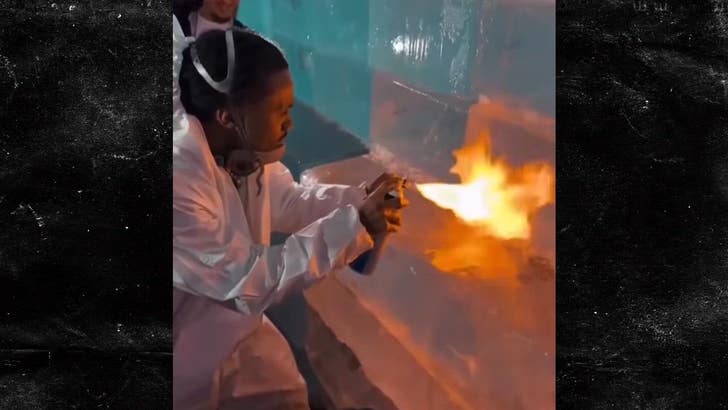
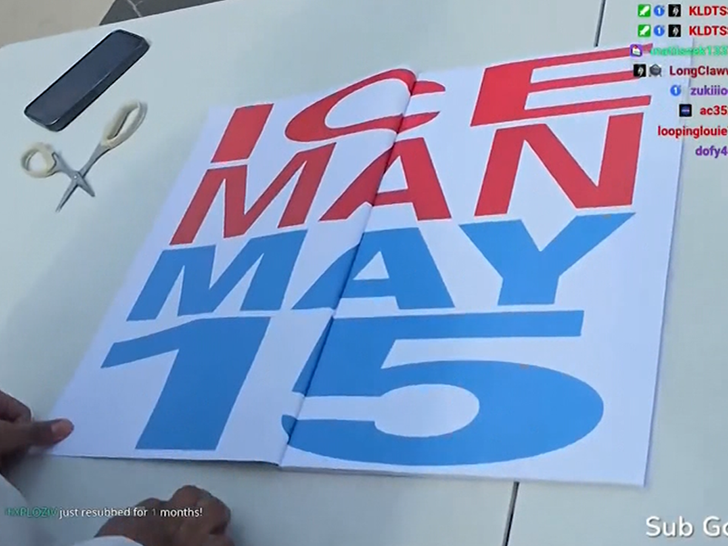
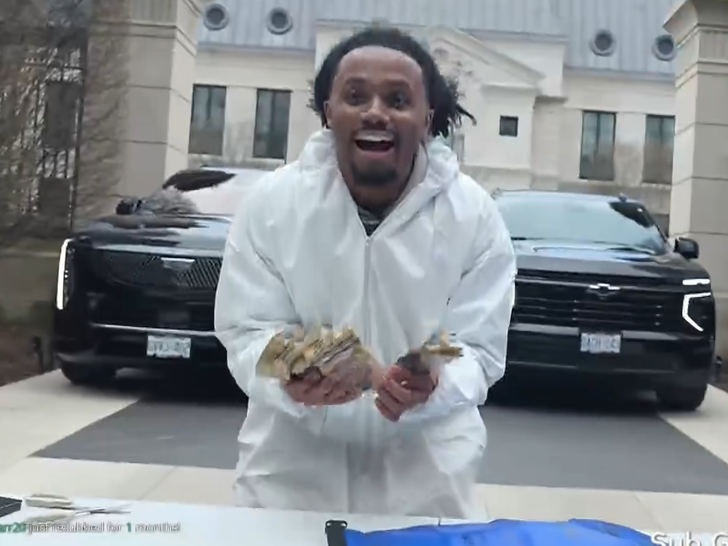
Drake Iceman Album Release Date Revealed After Streamer Cracks Viral Ice Stunt

Kimora Lee Simmons Divorce: Tim Leissner Files After 12 Years

0

Kimora Lee Simmons is officially headed for her second divorce. Her estranged husband, Tim Leissner, filed for divorce back in February after nearly 12 years of marriage. According to court documents, Tim cited irreconcilable differences as the reason for the split.

Although no official separation date was listed, reports indicate the two have been estranged since at least March 2022. A source close to the situation says the process has been happening behind the scenes for years, and the filing is more of a formality at this point. You can find more on Kimora Lee Simmons and celebrity divorce news across the web.

The couple shares one child together, 11-year-old Wolfe Lee Leissner. Tim is reportedly asking for joint legal and physical custody, along with spousal support.

The pair got married in 2014, but their relationship faced public controversy years ago when Tim admitted in court that he used fake divorce papers to marry Kimora while he was still legally married to his former wife.

[efb_feed fanpage_id=”BlackCosmopolitan” words_limit=”25″ post_limit=”1″ skin_id=”115759″ cache_unit=”1″ cache_duration=”days” live_stream_only=”0″ load_more=”0″ links_new_tab=”1″ show_like_box=”0″]

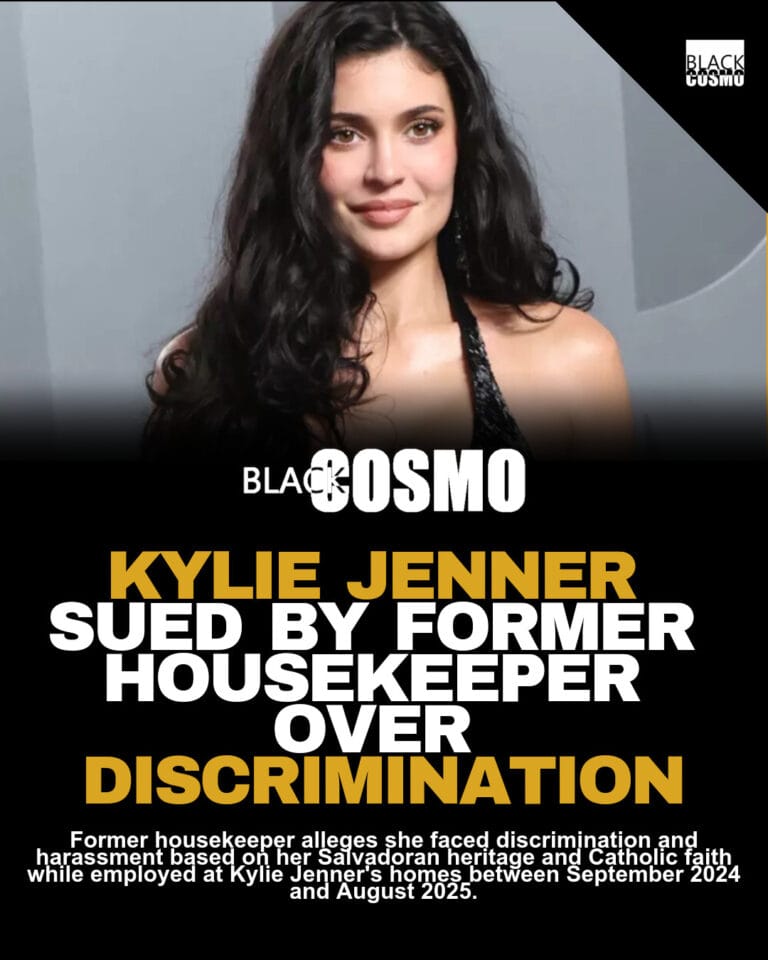
Kylie Jenner Sued by Former Housekeeper for Discrimination

0

Kylie Jenner is facing a lawsuit from a former housekeeper who claims she experienced discrimination while working in Kylie’s homes. This situation sheds light on workplace treatment and accountability in high-profile households.

According to legal documents, former employee Angelica Vasquez started working at Kylie’s Beverly Hills home in September 2024 before being moved to her Hidden Hills residence shortly after. What unfolded next, Angelica claims, was a pattern of hostility and harassment that would eventually push her to resign.

Angelica alleges she was mocked because she is Salvadoran and Catholic, with supervisors telling her “Catholics are horrible people” and making comments about immigration and deportation. She says she was routinely assigned the worst jobs, excluded from the rest of the housekeeping team, and yelled at by staff members.

In one incident, she claims a supervisor even threw hangers at her. The treatment took a serious toll—Angelica says she developed severe anxiety and symptoms similar to post-traumatic stress disorder, eventually leading her to resign in August 2025.

Kylie Jenner is listed as a defendant in the lawsuit, though the allegations appear to focus more on the actions of household staff and supervisors rather than Kylie directly.

Sources close to Kylie’s household reportedly claim Angelica had attendance problems and other workplace issues during her employment.

Angelica is seeking damages for emotional distress, unpaid wages, and more.