Lizzo’s Unapologetic Self-Love Challenges the Body Critics
Every time Lizzo’s body becomes a topic of conversation, it reveals something bigger than celebrity gossip — it exposes the uncomfortable relationship society still has with women’s bodies, especially the bodies of Black women.
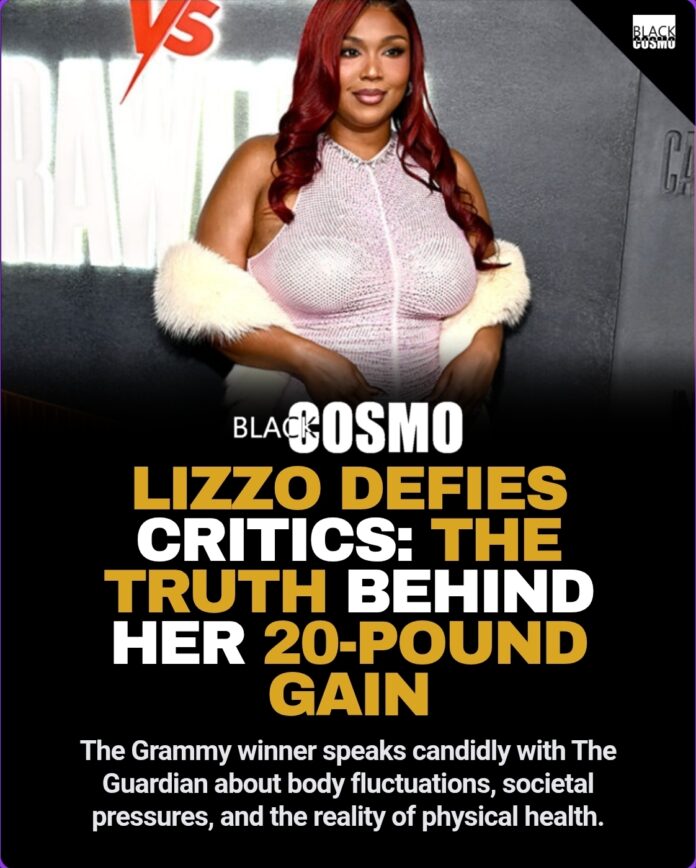
After sharing that she experienced weight changes following her previous wellness journey, Lizzo once again found herself facing public commentary from critics who believe they have the right to judge how women should look. Instead of shrinking under that pressure, she continues to stand firmly in her message of self-love, confidence, and acceptance.
Her response represents something many Black women understand deeply: the constant expectation to transform, explain, or apologize for existing outside traditional beauty standards.
The Impossible Standards Placed on Black Women
For generations, Black women have faced a unique set of expectations surrounding beauty, appearance, and body image. They are often celebrated for their strength and resilience while simultaneously being criticized for not fitting narrow definitions of attractiveness.
The pressure can come from every direction — social media comments, entertainment culture, fashion standards, and unrealistic ideas about what confidence is supposed to look like.
Lizzo’s public journey challenges those expectations by reminding people that self-worth should never be determined by a number on a scale or by whether someone meets society’s changing standards of beauty.
The Body Critics Don’t Get to Define Her
One of the most powerful parts of Lizzo’s message is her refusal to let outside opinions control her relationship with herself.
The so-called “body police” often frame their criticism as concern, but too frequently that concern turns into judgment and shame. Lizzo’s approach pushes back against the idea that women owe the world a certain appearance in order to be respected.
Confidence is not something people earn after reaching a specific size. It is something people deserve while they are living, growing, and evolving.
Representation Beyond the Spotlight
Lizzo’s influence extends beyond music. Her presence has helped expand conversations about who gets to be celebrated, visible, and confident in popular culture.
For many Black women and girls, seeing someone embrace herself without apology is powerful representation. It challenges the idea that only one type of body deserves admiration, love, or success.
Her journey also highlights an important truth: health, beauty, and confidence are personal experiences that cannot be measured solely by appearances.
Choosing Self-Love Over Society’s Expectations
Lizzo’s story is a reminder that everyone has the right to define their own relationship with their body. In a culture that constantly tells people they need to change, choosing self-acceptance can be an act of resistance.
The conversation around Lizzo is bigger than weight gain or weight loss. It is about who gets to feel comfortable in their own skin, who gets represented, and why society continues to police certain bodies more than others.
As beauty standards continue to evolve, Lizzo remains committed to a message that resonates with many: confidence is not something you have to earn — it is something you can choose.
For Black women and BIPOC communities, celebrating our individuality and embracing our full humanity remains an important part of challenging the standards that were never designed to include everyone.