Suge Knight is making serious allegations about the Tupac Shakur murder trial. According to the Death Row Records founder, lawyers representing Suge Knight defendant Duane “Keefe D” Davis allegedly offered him up to $1 million to testify that Keefe wasn’t in the car during the shooting that killed Tupac. Knight says he turned down the offer, citing his unwavering loyalty to the slain rapper.
Speaking from prison on BlkCosmo Live Tuesday, Knight was emphatic: his commitment to Tupac “can’t be compromised.” The statement comes as the high-profile case continues to draw scrutiny, with various figures weighing in on both the investigation and the accused.
Knight also took aim at rapper The Game, who recently suggested that Keefe D is being made a scapegoat. The Game has claimed he’s known the identity of Tupac’s killer for 15 years and that people connected to Compton and Los Angeles are aware of the truth.
Knight dismissed that narrative outright, accusing The Game of seeking attention and suggesting that too many voices are using Pac’s death as a platform. “Tupac’s life wasn’t no motherf***ing circus,” Knight said, pushing back against what he sees as opportunistic commentary.
On the specifics of the case itself, Knight remained circumspect about whether Keefe D is guilty or innocent. What he did repeat, though, was his longstanding position that multiple people were involved in Tupac’s 1994 shooting.
He also leveled accusations at “crooked cops” and off-duty officers, suggesting law enforcement may have played a role in what happened to Pac. It’s the kind of broader conspiracy theory Knight has floated before, and it adds another layer to an already complex and contentious case.
Knight’s appearance on BlkCosmo Live offered a rare window into his perspective from prison. For anyone interested in the full scope of what he had to say, the complete interview is worth watching.
Gospel music icon Tina Campbell is taking charge of her future. The Mary Mary star just filed for primary custody of her two minor children as her 24-year marriage to Teddy Campbell heads toward divorce. She’s keeping things real—no attempts to cut him out completely, just requesting visitation rights for the father of her kids.
Court documents show Tina’s asking for both legal and physical custody while also requesting that neither spouse receive spousal support. She and Teddy have no property or debts to divide, making this transition smoother in some ways. You can find more on Gospel music and its cultural impact across platforms.
Teddy filed first back in April, citing “irreconcilable differences” in Los Angeles County. He didn’t make specific custody requests in his original petition, so Tina’s response is setting the tone for how they’ll co-parent moving forward. The separation date? August 8, 2024.
The couple tied the knot in August 2000 and had five children together. Tina and her sister Erica became household names in the late 1990s as Mary Mary, building a legacy that went beyond music into reality television stardom. Their journey has inspired conversations about faith, family, and resilience in Black excellence across entertainment.
This custody filing shows Tina’s prioritizing stability for her kids while maintaining her dignity through the process. Real talk—that’s the kind of parenting energy we love to see.
Twenty-five years have passed since Aaliyah left us, and the loss still stings. But what remains is something brighter: the overwhelming joy fans carry in their memories of her. Beyond the music, beyond “One in a Million” and those unforgettable vocal runs, Aaliyah was a style force who understood how to move through the world with effortless cool.
She didn’t just wear clothes. Whether draped in floor-length fur or rocking a cropped top with low-slung jeans, she understood the language of fashion in a way that felt personal and untouchable. As we reflect on her legacy this quarter-century later, it’s worth revisiting some of the moments that made her an icon.
A Lady In Red
Aaliyah at MTV’s Rock n’ Jock Basketball in Los Angeles, California, 1996. Photo by Jeff Kravitz/FilmMagic, Inc
Aaliyah understood athleisure before it became a catchphrase. This monochrome moment from 1996 is proof. The oversized fit should have looked sloppy, but in her hands it looked like quiet confidence. She made comfort look aspirational.
Icy White and Fly
Aaliyah in all-white fur. Photo by Ron Galella, Ltd./Ron Galella Collection via Getty Images
A floor-length fur coat is a statement on its own, but pair it with a cropped top and you’ve got a whole moment. Aaliyah owned the room in this all-white look, proving she knew exactly when to go luxe.
A Casual Slay
Aaliyah in casual denim. Photo by SGranitz/WireImage
Red carpet denim might seem risky, but Aaliyah made it work. The shades, the asymmetrical graphic tee, the posture—she brought an edge that felt completely her. This is what happens when confidence outweighs convention.
Jersey’d Down
Aaliyah at Virgin Megastore in London. Photo by Fred Duval/FilmMagic
The oversized jersey is a tricky fit to pull off. Too often it reads as sloppy rather than cool. But Aaliyah’s ease in this look makes it seem effortless—fresh in the truest sense.
Simple Yet Sexy
Aaliyah at MTV 20th Anniversary, New York, 2001. Photo by Chris Polk/FilmMagic
For the MTV 20th Anniversary event, she dialed up the intensity with capri-length denim, pointy boots, and a leather tank. It’s the kind of look that would translate seamlessly to today’s red carpets.
A Look of All Looks
Aaliyah on The Tonight Show with Jay Leno, NBC Studios, Burbank, July 2001. Photo by Kevin Winter/Getty Images
All-black for The Tonight Show could have been straightforward, but Aaliyah added a leather cap and lace gloves that elevated it into something memorable. The details matter—she understood that.
Miss Too Cool in Plum
Aaliyah at the 11th Soul Train Music Awards, Shrine Auditorium, Los Angeles, March 1997. Photo by Vinnie Zuffante/Getty Images
Head-to-toe plum is a bold move. Most people couldn’t wear this. But then most people aren’t Aaliyah.
The Iconic Roberto Cavalli Dress
Aaliyah in the iconic yellow tiger-striped Roberto Cavalli dress. Photo by KMazur/WireImage
This is the look everyone remembers. The yellow tiger-striped Roberto Cavalli dress from the 2000 MTV Awards became legendary in a way few red carpet moments ever do. People have tried to recreate it countless times. It never lands the same way.
Red Carpet Queen
Aaliyah at the Essence Awards 2001, Madison Square Garden, New York City. Photo: Evan Agostini/ImageDirect
For the 2001 Essence Awards, she brought a champagne-colored dress with a level of sophistication that felt earned. Aaliyah knew when to do elegant, and she did it well.
Making Tommy Hilfiger Shine
Aaliyah at The Forum in Inglewood, California. Photo by Jeffrey Mayer/WireImage
In the early 2000s, Tommy Hilfiger was cultural shorthand, especially for Black artists. Aaliyah wore this set like sunshine, making it look like the brightest choice on any day. Honestly, Tommy should bring this back.
Seductive Tomboy
Aaliyah at The Forum in Inglewood, California. Photo by Jeffrey Mayer/WireImage
Leather-on-leather could easily look heavy. But Aaliyah layered a stringy metallic bra underneath and suddenly it became playful and sexy. This is the difference between wearing clothes and understanding how to wear them.
The “Romeo Must Die” Premiere
Aaliyah at the Romeo Must Die premiere. Photo by SGranitz/WireImage
Her role in “Romeo Must Die” marked one of her few major film appearances. For the premiere, she wore a black floral lace dress and added brown highlights to her silk-pressed hair. The touch showed she knew how to refresh a look without losing herself.
All-White and Always Put Together
Aaliyah in London, 2001. Photo by Sal Idriss/Redferns
This 2001 photo captures everything about her aesthetic: the shades, the bandana, the all-white palette, the studied casualness. There’s nothing random about how Aaliyah put an outfit together. Every choice landed.
Glenn Lewis recently stopped by Cadillac Chronicles to share some of his most sophisticated R&B classics alongside fresh material that’s got people talking. The conversation went deep into what makes his music resonate—it’s all about the messages. Lewis has always been someone who uses his platform to uplift, to inspire, and to remind us that positivity matters in every note he creates.
What stood out most during the sit-down was how Glenn Lewis spoke about consistency, particularly when things get difficult. He didn’t sugarcoat the valleys we all face, but instead emphasized staying grounded and committed to the work. That’s the kind of real conversation the culture needs—not the highlight reel, but the actual journey. The music industry can wear you down, but artists like Lewis remind us why integrity and authenticity matter so much.
This moment represents something important for Black music spaces: honoring the artists who’ve built something meaningful and continue to show up with purpose. It’s a reminder that R&B isn’t just about the sound—it’s about what you’re saying and who you’re saying it to. Moments like this one celebrate the legacy of Black artistry while keeping the conversation moving forward.
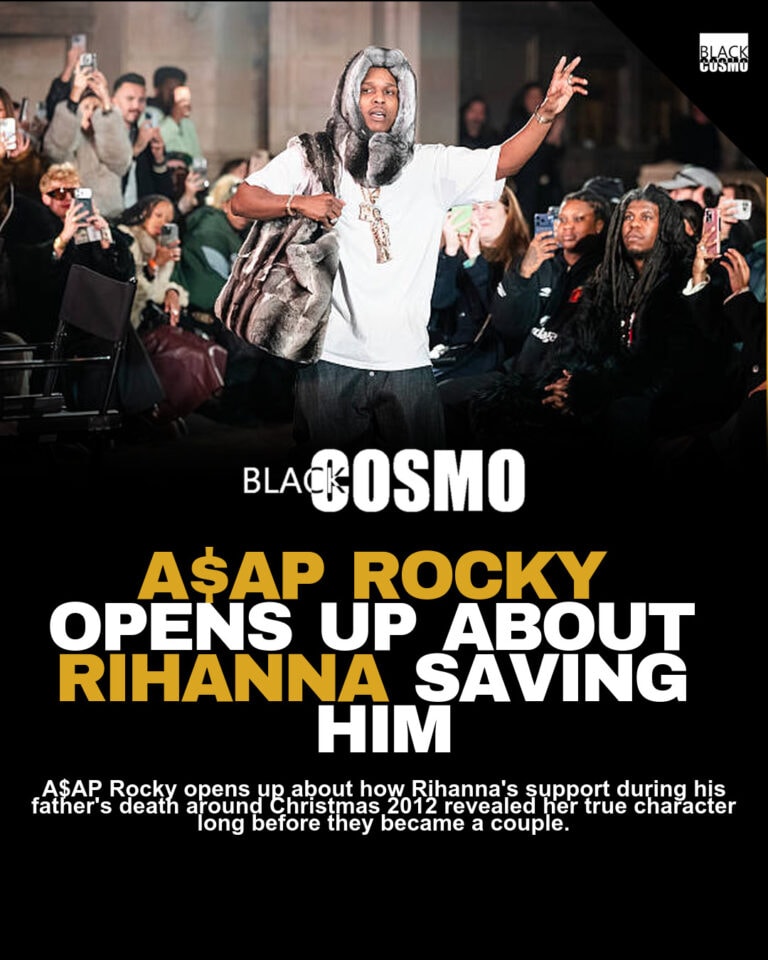
A$AP Rocky opened up about one of the most painful moments of his life—losing his father around Christmas 2012, right after his debut album hit No. 1. He shared the raw details during an appearance on The Jason Lee Show, revealing how A$AP Rocky found support from an unexpected place.
“My first album went No. 1; my dad died on Christmas,” Rocky, 37, said. “I was on my bathroom floor in Paris crying.” What happened next showed him the true measure of friendship. Rihanna, 38, had initially called to congratulate him on his album’s success. But when Rocky stopped answering his phone, she took action.
“I don’t even know how Rihanna got the key to my room,” he recalled. “She walked right in, ‘Yo, you good?’ That really was my friend.” The moment revealed something deeper than celebrity connections or surface-level relationships—it was about genuine care during his darkest hour.
Rocky emphasized that Rihanna’s support had nothing to do with status or wealth. “This don’t got nothing to do with her accolades or her money,” he said. “The truth of the matter is, when my dad died, she was there for me.” It’s the kind of loyalty that defines real friendship and speaks to the ancestral roots of how we show up for the people we love.
The rapper reflected on how Rihanna has consistently been there through his most difficult seasons. “Every time I’m at my lowest and darkest place, rather if we just friends platonically or we in a couple relationship, she always f–kin’ there for me,” he said. Their connection transformed into romance in 2020, and they now share three children: sons RZA and Riot, and daughter Rocki.
Rocky also opened up about losing his older brother, Ricky, who served as both a brother and father figure to him. These profound losses shaped his worldview. “She was there for me” became more than just words—it became a radical commitment to showing up that resonates through everything he does. Through grief and struggle, Rocky learned to value the people in his life with intention and authenticity.
Rest in peace to Dolly Parton, who passed away peacefully today in Nashville at 80. This is an R&B page, and Dolly belongs here too. She wrote “I Will Always Love You” in 1973 as a goodbye to her mentor Porter Wagoner. Elvis wanted to record it, but his manager demanded half the publishing, and Dolly turned him down. She kept her song. Twenty years later, Whitney Houston turned it into the biggest-selling single by a woman in the history of music, and every dollar of that pen stayed Dolly’s.
She said she nearly wrecked her car the first time Whitney’s version came on the radio, and she spent the next thirty years telling anybody who asked that Whitney took her song somewhere she never could have. That’s a songwriter’s heart. Just two years ago she handed “Jolene” to Beyoncé for Cowboy Carter and blessed it on the record herself. Dolly understood something fundamental: real wealth isn’t in gatekeeping—it’s in knowing your work matters enough to let it breathe in other hands. Her family asks that donations be made to her Imagination Library in place of flowers. Rest easy, Dolly.
It’s been 25 years since Aaliyah‘s tragic death on August 25, 2001. She was only 22 when a plane crash in the Bahamas took her life while filming the music video for “Rock the Boat.” The aircraft was later found to be overloaded by 700 pounds, contributing to the tragedy. Yet even a quarter century later, her legacy remains untouched by time.
When people talk about Aaliyah, they shouldn’t start with how she died. They should talk about who she was: a boundary-pushing artist who arrived fully formed, confident in her vision and unafraid to do things differently.
She was performing professionally by age 11, taking the Las Vegas stage with her aunt Gladys Knight. By 14, she’d released her debut album, “Age Ain’t Nothing But a Number,” establishing herself as a serious artist rather than another child star riding a trend.
Her second album, “One in a Million,” went double platinum and showed real growth. The follow-up, simply titled “Aaliyah,” earned her a Grammy nomination for Best R&B Album. She was building something meaningful, project by project, with each record showing her evolving artistry and deepening musicianship.
Beyond music, she was making serious moves in film. She received multiple nominations for “Queen of the Damned” and was set to play Zee in “The Matrix” sequels. Aaliyah had the rare combination of talent, charisma, and the kind of selective career choices that suggest she knew exactly what she wanted.
A quarter century has passed, but Aaliyah remains unforgotten. Her influence shows up in how artists approach their brands, their collaborations, and their refusal to be boxed in. She helped shape what R&B could sound like, what an artist could look like, and what it meant to move with intention in entertainment.
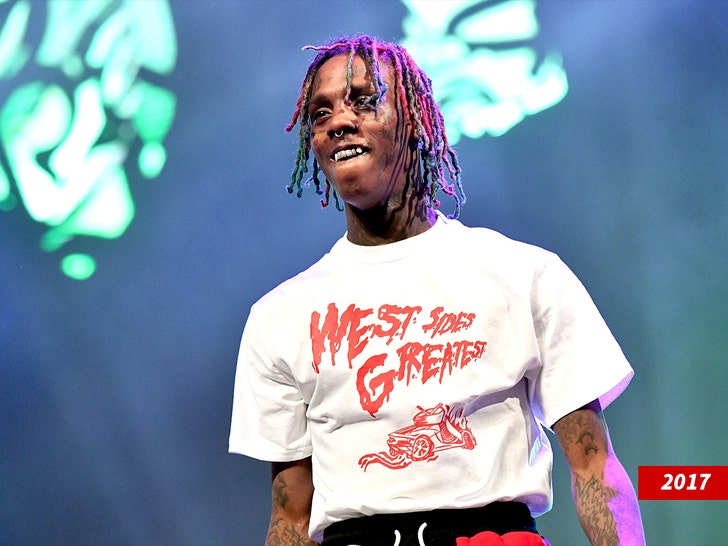
Famous Dex has been arrested for domestic battery, according to court records obtained by multiple outlets.
The rapper was taken into custody on Sunday and booked on a domestic battery charge. Famous Dex remained in a Las Vegas jail at the time of reporting.
This isn’t his first brush with the law. Back in 2021, the Chicago rapper was hit with 19 charges stemming from three separate incidents, including domestic violence and gun possession allegations.
Two of those incidents allegedly involved violence against ex-girlfriends. He was also arrested after police found a loaded gun in his vehicle during a traffic stop.
Dex was sentenced to 364 days in jail in early September 2021. Upon his release, he entered rehab in what appeared to be a genuine effort toward recovery and changing direction.
More recently, he shared that he’d reached 11 months of sobriety and was working on new music with collaborators Rich The Kid and Jay Critch as part of their ongoing album series.
Dex’s team has not yet responded to requests for comment.
Twenty-five years ago today, we lost Aaliyah, and the world hasn’t been the same since. She was only 22 when she and eight others perished in a plane crash during the “Rock the Boat” music video shoot in the Bahamas. But in her seven years in the spotlight, she fundamentally changed R&B. Aaliyah arrived as a teenager and left behind a legacy that still echoes through every artist making music today.
There’s something about her sound that felt ahead of its time then and still does now. “One in a Million” introduced the world to Missy Elliott and Timbaland—two names that would become titans in their own right—but it was Aaliyah’s cool, her whisper-soft voice floating over those hard, futuristic beats that made it revolutionary. That album didn’t just chart; it rewired what R&B could be. You hear her influence everywhere, from the singers breathing intimately into microphones over bass-heavy production to the way artists balance vulnerability with undeniable coolness. She set the blueprint, and 25 years later, everyone’s still following it.
What makes today hit different is knowing she never got to see how far her influence would travel. She was just getting started. For those of us who grew up on her music or discovered it later, there’s a quiet pain in remembering that a life and career that mattered this much was cut so short. Today, we’re playing her music not just in remembrance, but in celebration of an artist who changed everything. Rest easy, Baby Girl.
Mass incarceration keeps making headlines, and this time it’s the Breakfast Club crew weighing in on Diddy’s prison situation. Charlamagne Tha God has taken quite the journey—from calling out the mogul’s behavior to cracking jokes about his time at FCI Fort Dix. It’s a wild contrast that says a lot about how we talk about accountability in our community.
The radio host delivered some jaw-dropping commentary Wednesday after his Breakfast Club colleagues discussed Diddy’s reported clash with another prisoner. When DJ Envy argued that mass incarceration shouldn’t distract from staying focused on release dates, Charlamagne took a different angle. He joked that Diddy should lean into his legendary party reputation—suggesting the mogul drop his pants, offer to “get the party started,” and brew homemade alcohol in a bathtub to intimidate other inmates.
“That would scare the hell out of people,” Envy replied, laughing at the absurdity.
Charlamagne doubled down, saying Diddy should be making the prison “a happy place for everybody,” while Jess Hilarious suggested he channel The Joker energy—a callback to his 2022 Halloween costume that went viral.
The exact cause of the reported inmate dispute remains murky. According to one account, an insult about Diddy’s family sparked tension. Another version involved alleged cigarette smoking. Either way, nobody with direct knowledge has stepped forward publicly.
But here’s the thing: Charlamagne wasn’t always joking about Diddy. Following the release of that video showing him attacking Cassie Ventura, Charlamagne came with real heat. He accused the mogul and his associates of enabling abusive behavior and spoke about the need for genuine consequences.
“You can’t run from yourself,” Charlamagne said in 2024. “There’s nothing else for you to do other than deal with the consequences of your actions.”
That shift from accountability to comedy says something. Some see it as growth—the ability to hold space for both justice and humanity. Others see it as too much levity around serious matters. Diddy is serving a 50-month federal sentence and appealing his convictions. The Bureau of Prisons lists February 20, 2028, as his projected release date, so he’s got time to think about it all.