
The stage was set in Houston last week when the Democratic Republic of Congo’s national football team landed for the World Cup. It was their first appearance in the tournament since 1974. A fifty-two year wait is a heavy narrative to carry. When a team returns to the global stage after more than half a century, they have to do more than just show up. They have to declare their presence. The Leopards chose to make that declaration through custom garments designed by a rising star from their own soil.
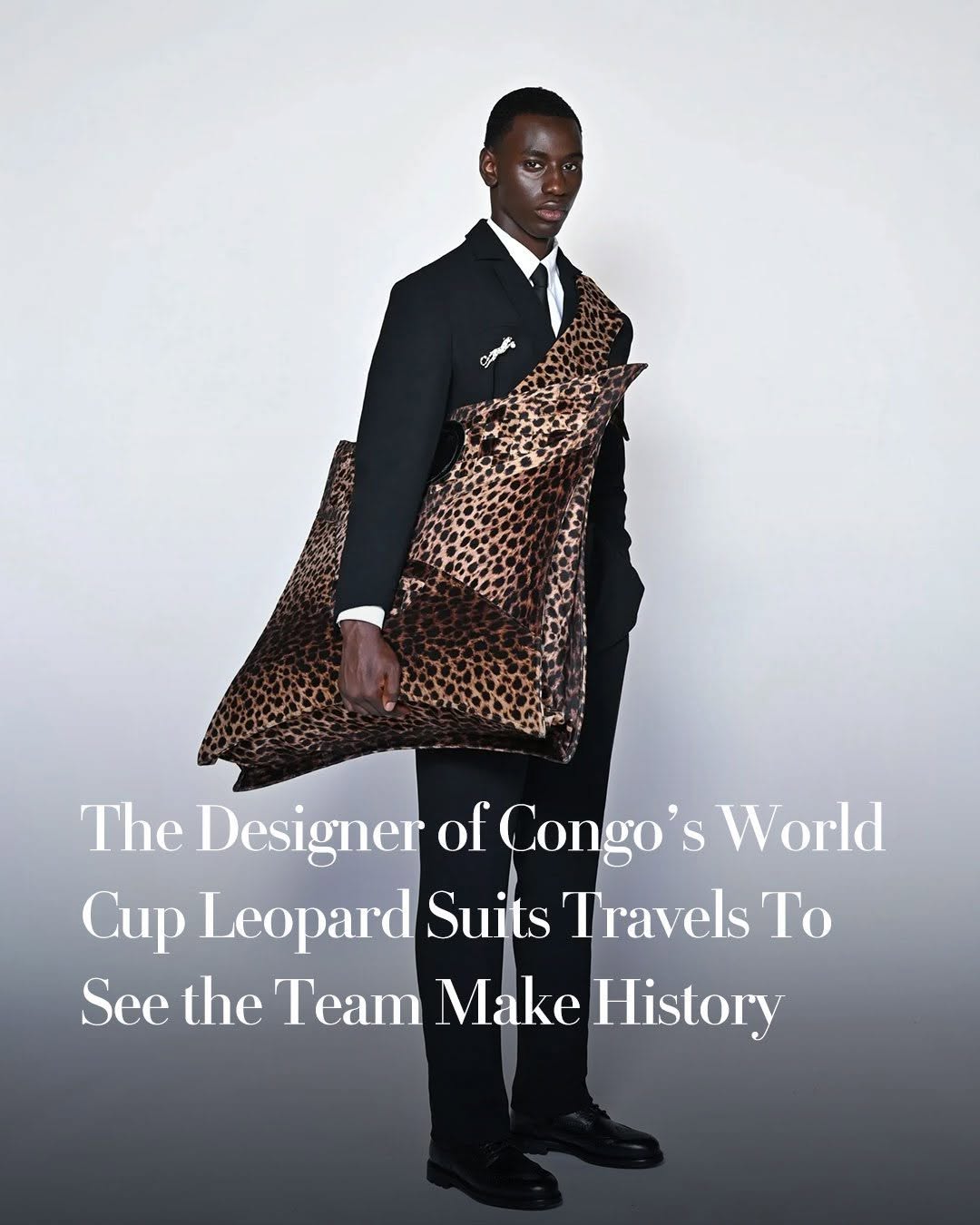
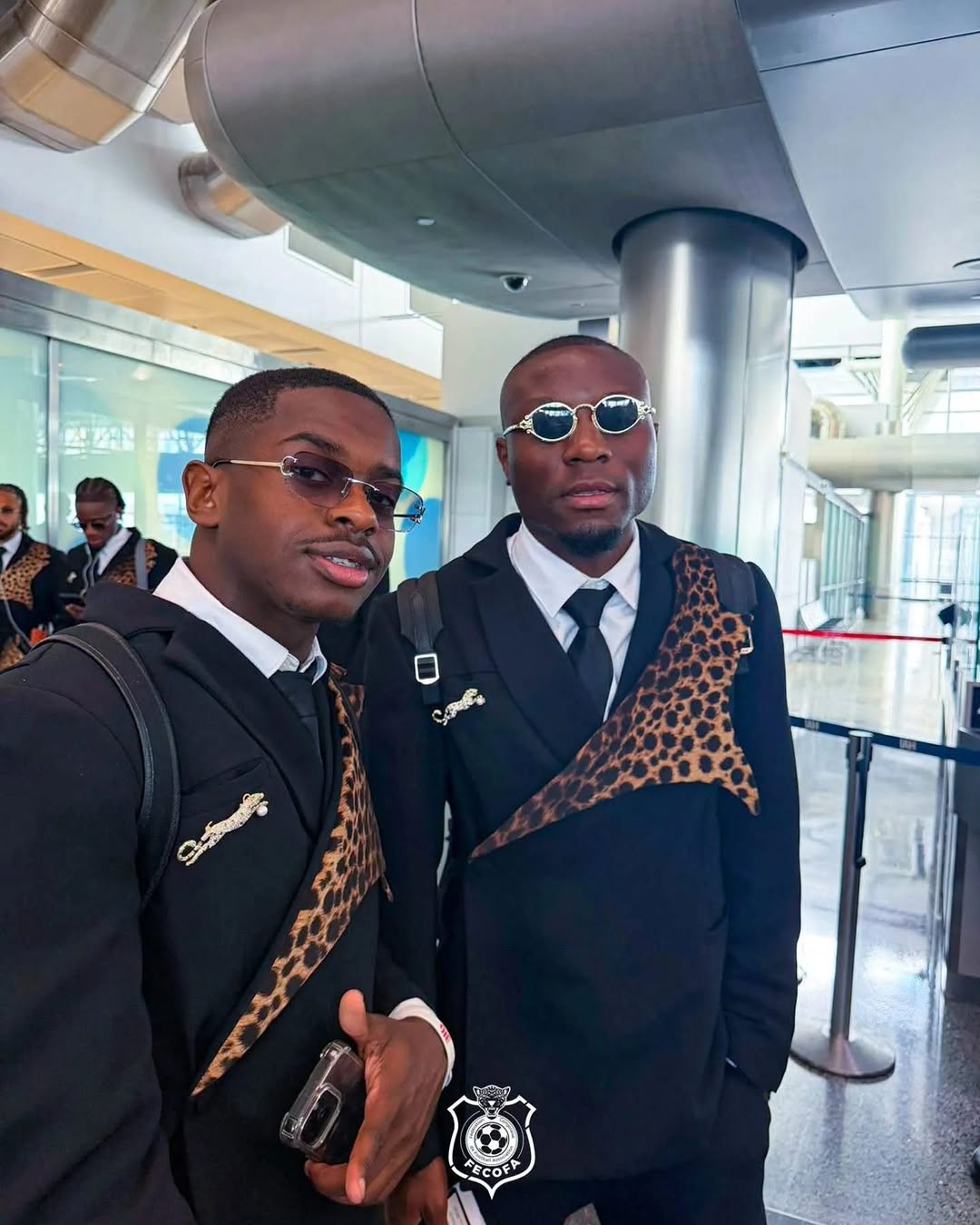
When the players stepped off the plane, many wearing their active noise cancelling headphones, the visual made an immediate statement. Rather than opting for generic athletic tracksuits or relying on standard European luxury fashion houses, the squad arrived in beautifully constructed black suits adorned with velvet leopard-print panels and asymmetrical sashes. Hand-crafted star-shaped bags featuring leopard motifs hung from their shoulders. The designer responsible for this elegant display is Alvin Mak, a thirty-year-old Congo-born, Paris-based creative who turned a bold pitch into a historic cultural moment.
To understand the depth of these garments, one has to understand the role of clothing in Congolese identity. The country has a legendary relationship with style, most famously embodied by the Sapeurs of La Sape. The Société des Ambianceurs et des Personnes Élégantes is not just about looking expensive. It is a philosophy of pride, dignity, and resistance. By bringing this ethos to the world of international football, the team and their designer connected athletic performance to a rich lineage of self-expression.
The choice of the leopard print is deeply symbolic. In Congolese heritage, the leopard represents leadership, endurance, and quiet strength. It is the very mascot of the national team. By wearing these customized suits, the athletes wrapped themselves in their nation’s mascot and history. The tailoring was clean, balancing the vivid animal print with a disciplined, double-breasted black base. This approach created a balance of tradition and modern design, showing that heritage does not have to be confined to history books to be respected.
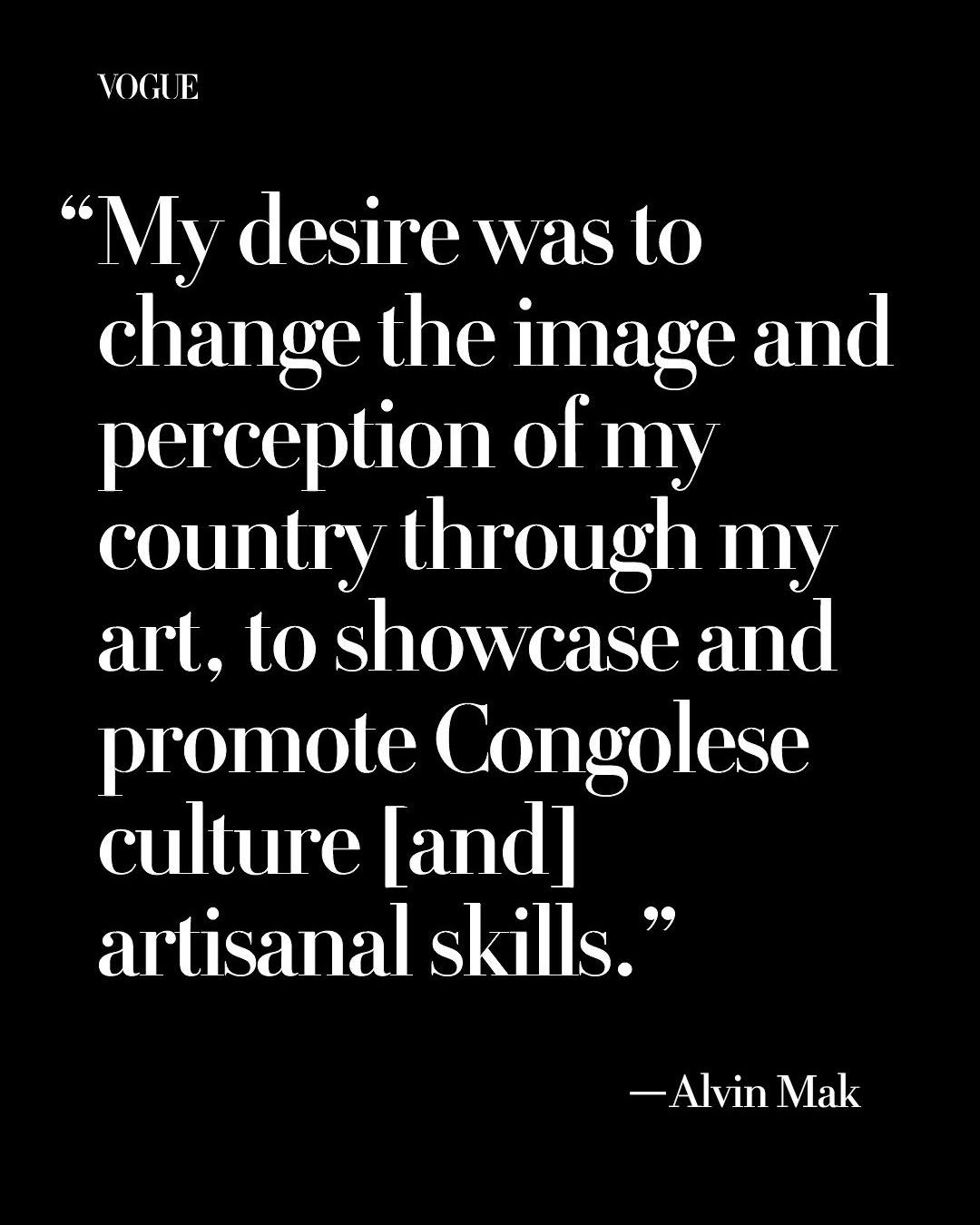
What makes this story even more compelling is how the collaboration came to be. Alvin Mak, who operates his label JmakxParis out of France, did not wait for a massive sports brand to discover him. He cold-emailed the Congolese Ministry of Sports with his sketches and his vision for the team’s arrival. It was a leap of faith that paid off. His determination secured him the opportunity to define how his country would look to billions of viewers. In a world where corporate sponsorships often sanitize the cultural flavor of national squads, this direct partnership felt personal and authentic.
The team’s style translated directly into their on-field play as well. In their opening match in Houston, the Leopards held a formidable Portuguese team to a hard-fought draw. Yoane Wissa scored the historic equalizing goal, earning the country its first-ever World Cup point. The players showed they had the grit to match the elegance of their arrival. They proved that they belonged in the conversation, both as elite competitors and as cultural ambassadors.
By bypassing dominant corporate athletic wear brands for their arrival, the team did something rare in modern sports. They chose to elevate a young Black designer from their own diaspora. This decision allowed them to control their narrative from the second they landed in Texas. It showed that when Black athletes partner with Black creatives, the result is far more meaningful than any generic corporate partnership could achieve.
As the tournament progresses, the images of the Congolese team deplaning in Houston will remain a highlight of this World Cup cycle. They showed the world that returning after fifty-two years is not just a sports milestone, but a moment to celebrate identity, history, and the brilliance of the global African diaspora.
Culture Pick: To learn more about the deep African histories and movements that inspire modern creatives, dive into our curated list of Black literature.
Lifestyle Note: Gear up for your next trip or refresh your daily routine with these curated home essentials.