Home Blog Page 584

What do you know about Monica?

0

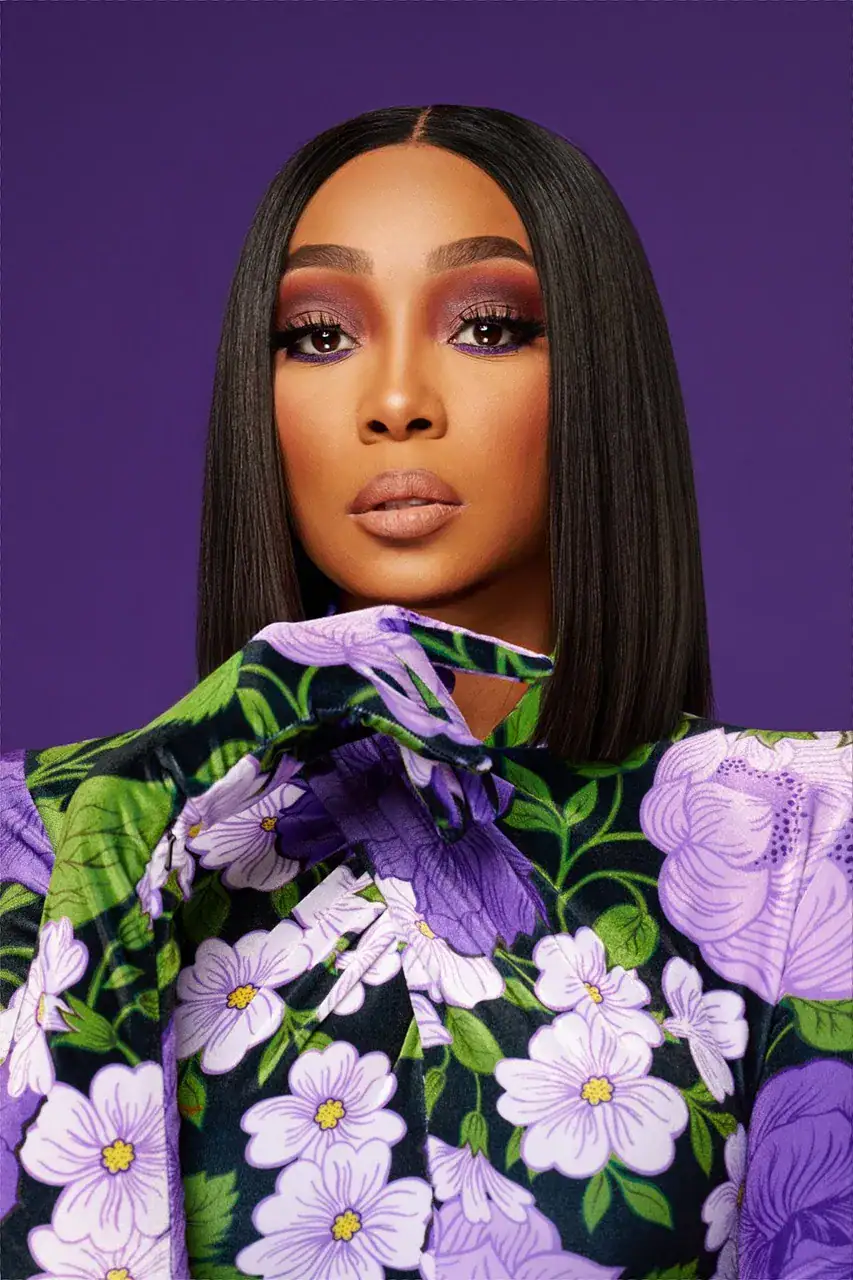
Monica taking fashion to cool heights but she was always about her fashion.

In 1993, Monica signed a record deal with pop tycoons TLC and Madonna’s record producer, Dallas Austin, 53, who had been looking for a promising new talent to launch his label, Rowdy Records.

She gained prominence following the release of her debut studio album, Miss Thang, which was released in 1995 when she was just 14-year-old.

Miss Thang was a runaway success, selling an estimated 4 million units worldwide, and producing hit singles Don’t Take It Personal, Before You Walk Out of My Life and Why I Love You So Much.

She would follow up this success with her sophomore effort The Boy Is Mine, named after the hit single, which to this day, sold 16 million singles worldwide.

The R&B superstar released 5 albums since then: 2002’s All Eyez On Me, 2003’s After the Storm, 2006’s The Makings of Me, 2010’s Still Standing, 2012’s New Life and 2015’s Code Red.

She’s also ventured into the acting world, with TV roles in sitcom Living Single back in 1996 and a film role in 2000 comedy film Boys and Girls.

In 2010, Billboard magazine listed Monica at number 24 on its list of the Top 50 R&B and Hip Hop Artists of the past 25 years.

Monica has sold over 25 million records worldwide.

The four-time Grammy-nominee, won her first and only Grammy-award for Best R&B performance by a Duo or Group with Vocals for her duet with Brandy, back in 1999.

Initially, the then teen-stars teamed teamed together to record the song, in an effort to diffuse any conversations around a music rivalry.

It had even been rumored that an alleged verbal fight turned into a physical one between the two young stars, backstage at the 1998 VMA’s.

The singers never spoke directly about the alleged incident, but spent many years speaking of each other publicly in the press.

However, they reunited in 2012 to but any perceived animosity aside, to record their second duet called It All Belongs To Me.

The singers bonded during the singles promotional run, often laughing and making positive comments towards each other in interviews.

That same year, the two supported each other through the loss of their shared mentor, the late pop queen Whitney Houston.

In 2020, the R&B starlets broke the internet when they both participated in now viral Verzuz battle, where they took turns to play their beloved hit songs to the delight of fans.

Their timeless duet, The Boy Is Mine is both Brandy and Monica’s highest streamed song on Spotify, with an astounding 234 million streams.

Monica has three children, including two sons, Rodney, 18 and Romelo, 16, with former boyfriend rapper and producer Rodney Ramone Hill Jr, 44.

She also has a 10-year-old daughter, Laiyah Shannon with ex-husband, professional basketball player Shannon Brown.

The R&B crooner met Rodney Ramone shortly after the suicide of her boyfriend Jarvin Weems.

She credits Rodney for helping her heal after experiencing severe trauma back in 2000, from watching Jarvis commit suicide using a gun in front of her at the grave site of Jarvis’s brother.

The singer channeled the sudden loss into critically-acclaimed album After The Storm in 2003.

Monica and Rodney became engaged in 2007, before splitting in early 2010.

In June 2010, she met NBA player Shannon Brown in a quest to cast a love interest for her 2010 song Love All Over Me.

In October 2010, she announced their engagement on X formerly known as Twitter. The two got married in a secret ceremony at their LA-home November of that same year.

They divorced after almost a decade together, in October 2019.

The So Gone singer released the single Letters, last year in June.

She also collaborated with rap queen Nicki Minaj, 41, and fellow R&B singer Keisha Cole, 42, on the song Love Me Enough that same year.

Monica is currently on the US leg Nicki’s Pink Friday 2 World Tour, which will be arriving in the UK at the end of this month, including a stop May 28th at the London’s 02 arena.

In October 2023, news about Monica dating TV executive producer Anthony Wilson became public.

Angela Bassett Continues to Make History Both on and Off the Screen

0

Black Cosmopolitans, Angela Bassett continues to make history both on and off the screen! The legendary actress recently received an Honorary Doctorate of Fine Arts from Yale University, marking her third degree from the prestigious institution.

Angela, who earned her B.A. in African-American Studies in 1980 and her Master of Fine Arts in 1983, has now added this honorary doctorate to her long list of accolades. This recognition solidifies her legacy as a trailblazer in both the arts and academia.
How inspiring is it to see Angela’s continued pursuit of excellence? Let us know your thoughts, Black Cosmopolitans!

Want to make a statement?
Leave a comment about this here!

[efb_feed fanpage_id=”BlackCosmopolitan” words_limit=”25″ post_limit=”1″ skin_id=”115758″ cache_unit=”1″ cache_duration=”days” live_stream_only=”0″ load_more=”0″ links_new_tab=”1″ show_like_box=”0″]
_________
Disclaimer:
For Education and discussion purposes. Please note no copyright infringement is intended, was recorded on BlkCosmo’s own equipment, and we do not own nor claim to own any of the original recordings used in this video and intend to use this as ‘fair use’.

Khloé Kardashian Criticizes L.A. Mayor Amid Wildfires: Misguided or Valid Concern?

0

Khloé Kardashian has ignited a social media firestorm after calling Los Angeles Mayor Karen Bass a “joke” amidst the city’s catastrophic wildfires. As flames ravage parts of Los Angeles, including affluent areas like Malibu and Pacific Palisades, Kardashian’s remarks have drawn criticism for being ill-informed and failing to account for the complexities surrounding the crisis.


The Controversy

In an Instagram post, Kardashian criticized Mayor Bass while sharing statements from Los Angeles Fire Chief Kristin Crowley, who admitted that budget cuts have hindered the fire department’s core operations. Critics of Bass argue that her $17 million reduction in the Los Angeles Fire Department (LAFD) budget, part of a larger $13 billion budget approved in June, has negatively impacted emergency response capabilities.

At the same time, others pointed out that the LAFD’s funding also received a $50 million boost to firefighter salaries during negotiations, suggesting that claims of underfunding may not fully represent the broader financial picture.


A Perfect Storm

Many residents and experts argue that this crisis was the result of an unfortunate combination of factors rather than purely financial shortcomings. Los Angeles faced a perfect storm of 100 mph winds, drought-stricken vegetation, and an overburdened water system incapable of supporting multiple large-scale wildfires. The city’s shared water supply system, used by residents and firefighters alike, became another bottleneck in addressing the fires’ spread.

To enable full Instagram embedding experience, please add your access token by navigating to: Dashboard > EmbedPress > Settings > Sources > Instagram

Additionally, some social media commentators emphasized the unique challenges of the areas affected, such as Pacific Palisades and Malibu. While these communities are technically within Los Angeles, their voting majority supported billionaire candidate Rick Caruso over Bass in the last mayoral election. Critics argue that Kardashian’s comments failed to consider these nuances, adding that shifting blame to Mayor Bass overlooks the broader environmental and infrastructural issues at play.


Critics Respond

The backlash against Kardashian wasn’t limited to her critique of Mayor Bass. Many have expressed frustration at celebrities who oversimplify complex situations. One social media user wrote, “Khloé’s comments don’t help anyone. This isn’t just about money—it’s a climate crisis, and the fire department is doing their best with what they have.”

Others defended Mayor Bass, highlighting her efforts to address broader citywide issues, including homelessness and crime, which were key concerns during her campaign. While fire department funding saw initial cuts, the LAFD’s budget remains robust, with over $800 million allocated for 2025.


What’s Next for Los Angeles?

Mayor Bass now faces increased scrutiny on how her administration will handle the aftermath of these fires. Both the governor and mayor are expected to implement long-term solutions to strengthen emergency responses and improve infrastructure. For Kardashian, this incident serves as a reminder of the influence and responsibility that comes with having a massive platform.


A Call for Thoughtful Dialogue

The ongoing wildfires in Los Angeles highlight the need for informed discourse rather than reactionary statements. Public figures like Khloé Kardashian have the opportunity to use their platforms to promote constructive discussions and drive meaningful action during crises.

What do you think, Black Cosmopolitans? Should celebrities like Kardashian focus on raising awareness with facts, or are their emotional responses a natural reaction to such tragedies? Let us know in the comments.

Djimon Hounsou Opens Up About Financial Struggles After Over 20 Years in Acting

0

Black Cosmopolitans, Djimon Hounsou, the acclaimed actor who has graced our screens for over two decades, recently revealed the harsh reality behind the glitz and glamor of Hollywood. Despite his impressive resume, including roles in Gladiator, Blood Diamond, and Amistad, Hounsou admitted that he continues to struggle financially.
Comments are on our fb page here

In a heartfelt interview, Djimon shared his frustration with the lack of consistent opportunities and fair compensation in the industry, saying, “I’ve come up in this business with some of the biggest names, yet I still can’t make ends meet.” His transparency highlights the ongoing disparities faced by actors of color, even those with storied careers.

The revelation has sparked a broader conversation online, with fans expressing both shock and admiration for his honesty. Many are calling on the industry to address systemic issues that often leave Black actors underpaid and overlooked, despite their talent and contributions.

Let’s show love and support for Djimon, Black Cosmopolitans. His vulnerability reminds us of the importance of equity in every industry, including entertainment. Drop a ❤️ or 🙏🏾 in the comments to stand in solidarity with this talented actor as he continues to fight for his rightful place in Hollywood.

Disclaimer:
Support our team so we can find more gems that you never got to see the first time: https://linktr.ee/blackcosmo

For Education and discussion purposes. Please note no copyright infringement is intended, was recorded on BlkCosmo’s own equipment, and we do not own nor claim to own any of the original recordings used in this video and intend to use this as ‘fair use’.

[efb_feed fanpage_id=”BlackCosmopolitan” words_limit=”25″ post_limit=”1″ skin_id=”115758″ cache_unit=”1″ cache_duration=”days” live_stream_only=”0″ load_more=”0″ links_new_tab=”1″ show_like_box=”0″]

Best Face Sunscreens FOR OUR SKIN (All Year Round)

0

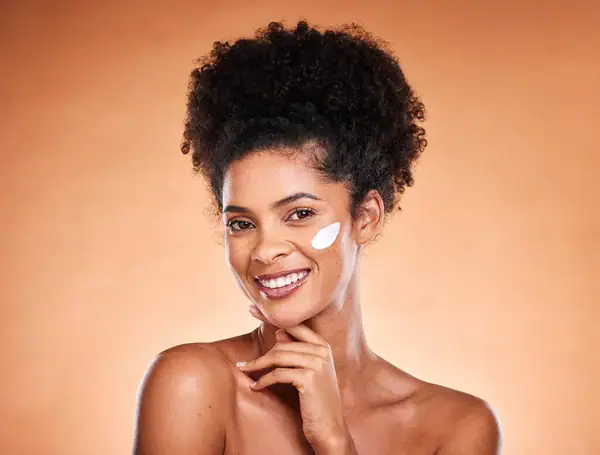
Does not matter if it is winter in your area or not. Black Skin needs to be treated and taking care of… That is why we set you up with this killer list. Tested by black women:

Etude House Sunprise Mild Airy Finish SPF 50 ($9.50)

This is another lightweight feeling Korean mineral sunscreen. Give it a few minutes to “settle” as it leaves a slight tint on the skin at first, but after some time it does tend to not be as noticeable. It has a nice satin matte finish that can work well on most skin types.

BIOSSANCE Squalane + Zinc Sheer Mineral Sunscreen SPF 30 PA +++ ($30)

I really enjoyed how easily this one blended in. There is a bit of a dewy sheen to it, so it might be better suited for normal to dry skin types when it’s warmer out. If you have oily skin, you might like this better in the cooler months.

Supergoop! Zincscreen 100% Mineral Lotion SPF 40 PA+++ ($42)

This isn’t my top favorite and it takes a bit of time to blend into my skin, but it does have a nice satin finish to it. Honestly, a lot of mineral sunscreens are like that by nature. This article on the Supergoop site will explain why. But this one is still better than a lot of the other ones I’ve tried.

Cotz Flawless Complexion Spf 50 ($25)

This one is a little tinted, but it blends nicely into the skin once you rub it in carefully. It has a nice satin matte finish that I think most skin types would like.

Frantically rebooting my life

Versed GUARDS UP DAILY MINERAL SUNSCREEN BROAD SPECTRUM SPF 35 ($21.99)

This one glides nicely on the skin (my own skin hates extra friction so I appreciated that I didn’t have to rub too much with it) and has a nice satin finish. This one might be liked more by those with normal to dry skin. I have oily skin and while I didn’t find it to be heavy or greasy, it wouldn’t be my first choice for warmer temps.

PETER THOMAS ROTH Instant Mineral Broad Spectrum SPF 45 Sunscreen ($30)

I’ve used this powder mineral sunscreen for years as my reapplication method when I’m wearing makeup. I still wear my regular sunscreen (or moisturizer with SPF) so I don’t rely on this being my only SPF.

But this helps to touch-up your makeup throughout the day while you’re also reapplying your sunscreen. I remember this one being for combo to oily skin and they had another version in blue packaging for normal to dry skin, but I no longer see the normal to dry version being sold. Just this one which says it’s for all skin types so maybe there was an upgrade in between.

Replenix Sheer Physical Sunscreen SPF 50 Plus ($24.45)

This is a mineral sunscreen spray that you spray into your hand and then apply to your face with your hands. This is NOT something that you can spray over your makeup. I REPEAT. This is NOT something that you can spray over your makeup. The way this sprays will leave deposits of product on your face if you spray it directly to your face. But when you use it correctly (by spraying it into your hand and then applying to your face with your hands) this is a really nice mineral sunscreen that blends well into dark skin. It feels weightless and seems like something that most skin types would enjoy.

Replenix UltiMATTE Perfection Tinted Sunscreen SPF 50+ ($25.74)

Replenix seems to know a thing or two about mineral sunscreens for deeper skin! This one has a nice satin matte finish and blends nicely into the skin. Apply it in thin layers but ensure you’re applying enough for your face. You may need to give it a few minutes to “settle” so it doesn’t look ashy (it can look a bit cast-y when you first put it on. It also works really well with makeup.

MDSolarSciences Mineral Tinted Crème SPF 30 ($25.60)

This one glides on the skin nicely and has a pleasant texture and feel. If you have oily skin, you’ll be happy to know this has a soft matte finish. It’s a bit more matte than the Replenix UltiMATTE, but not that casket-sharp matte that can make the skin look dry.

ILIA Super Serum Skin Tint SPF 40 Foundation ($46)

This is a hybrid makeup and skincare product and has one of the best shades ranges I’ve seen so far if you can classify this as a tinted mineral sunscreen. I have a whole video that goes through the pros and cons as well as shows it applied to my skin. Watch it below!

One thing to note is that the product looks lighter when you first apply it and then after about 30-60 seconds it will appear darker. You might wind up picking a shade that looks too light, but it will adjust. My shade is 16.

While each product featured is independently selected by our editors, we may include paid promotion. If you buy something through our links, we may earn commission. Read more about our Product Review Guidelines here.

If there’s one thing you take away about skin care, let it be to always wear sunscreen. That doesn’t just mean on clear, sunny days, but on overcast days, in airplanes, on long car rides, and at home, too. “With UV radiation attacking our skin every time we step outdoors — even indoors or near windows — sunscreen is the main line of defense we have to protect ourselves,” dermatologist Sphoorthi Jinna, MD, who specializes in skin cancer and Mohs surgery, says. “Our face, in particular, having typically no coverage, is one of the most vulnerable areas of our bodies. Facial sunscreen is extremely important to add to your daily regimen, both from an anti-aging and skin-cancer-prevention standpoint.”

That’s not to say it’s always easy to find a formula that works for you, especially if you have a sensitive or acne-prone skin type. According to Dr. Jinna, the skin-care industry has put a lot of effort into changing that, formulating face sunscreen that’s “efficient with high SPFs while making more elegant formulations than traditional body sunscreens.” That means more lightweight textures that easily blend into skin, can be layered under makeup, or are tinted for a more elegant application for dark skin tones. The most important thing is to find a sunscreen you’ll want to use every day.

First, Dr. Jinna recommends using an SPF of 30 or higher with broad-spectrum protection “so it covers different types of UV radiation that can cause skin cancers and premature aging,” she says. Another thing to note is to apply the proper amount: “Typically, it’s recommended about a nickel-size dollop of sunscreen should cover the face, remembering the upper eyelids and neck as well.”

There are plenty of sunscreens on the market, and we’ve tried and tested hundreds over the years to help you pick the best formula for your specific needs. From chemical formulas to physical ones and even a hybrid option, we rounded up the best face sunscreens on the market. We made sure these passed our tests with elegant formulations ideal for your skin type and zero white cast for those with dark skin tones.

Because Dr. Jinna also points out that “sunscreen typically lasts 90-120 minutes, and therefore, it is important to reapply every two hours, especially when you are outdoors or in a vehicle exposed to sunlight all day,” we even included a few options perfect for sunscreen reapplication, like a facial mist and makeup SPF. (Just make sure you use that as additional protection over normal sunscreen since Dr. Jinna says those are “typically not enough coverage on their own.”)

Whether you’re looking for hydrating sunscreens, mattifying ones, or options for acne-prone or sensitive skin, find your perfect daily face sunscreen ahead.

Sphoorthi Jinna, MD is a dermatologist who specializes in skin cancer and Mohs surgery.

Interact with others about this and other posts below:
[efb_feed fanpage_id=”BlackCosmopolitan” words_limit=”25″ post_limit=”1″ skin_id=”115758″ cache_unit=”1″ cache_duration=”days” live_stream_only=”0″ load_more=”0″ links_new_tab=”1″ show_like_box=”0″]

66% Of Black Workers More Likely To Build Their Professional Network Online —Tips To Do That During The Holidays –

0

Holiday social season can be an ideal period to start building a trusted network and authentic contacts for job opportunities.


Parties, get-togethers, and other events are the norm in the holiday social season.

For Black professionals, it also is a good stretch to job hunt to help build a successful career.

New data from LinkedIn shows that the weekly growth in employment connection requests sent in January was higher than in any other month of the year. The professional networking site reports that connection requests surged by as much as 24% week over week in January.

Hence, the holiday social season is optimal for professionals to build a trusted network and authentic contacts to support job opportunities in the upcoming year.

Fresh LinkedIn data shows that 66% of Black professionals are most likely to grow their professional network online. Yet, the social platform reports that trust plays a crucial role, with nearly 50% wanting verifiable information about them and their company before connecting.

Research also shows several other potential benefits of beginning your job search during the holidays, including less competition, more social and business functions to meet other professionals, and the possibility of securing a salary if you land a job before the new year begins.

LinkedIn Career Expert Andrew McCaskill affirmed the holidays are an excellent networking season. “You’re catching up with friends, meeting new people at gatherings, and reconnecting with old colleagues. It’s the perfect time to plant seeds for your career goals in the new year. By building your network now, you’ll be ready to hit the ground running when everyone starts making moves.”

What trends are you seeing among Black professionals tied to networking and job searching?

They are embracing the power of online networking like never before. LinkedIn’s verification badges can make building meaningful, trusted connections easier. The badges mean that a member could confirm elements of their profile, like identity, workplace, or educational institution.

 How can online networking make the job search easier and help me better find the position I want?

Online networking takes the guesswork out of finding opportunities. On LinkedIn, tools like the “Grow” tab recommend connections that align with your goals, helping you meet the right people without the awkwardness of cold emails. Turning on the #OpenToWork feature can double your chances of hearing from recruiters. Creating a post to let your network know what you’re looking for can spark connections, job referrals, and even direct outreach from hiring managers or professionals who can help you move forward in your job search.

What is the best time to follow up with new connections after meeting them at holiday events?

Following up doesn’t have to be a chore. Start by personalizing your message—mention where you met or a detail from your conversation. LinkedIn Premium’s AI-powered messaging feature can help you craft thoughtful follow-ups if you’re stuck. The “Catch Up” tab in the My Network section provides timely prompts, like when a connection gets a new job or celebrates a work anniversary. These are ways to keep the conversation going and build relationships over time.

What other networking tips would you give to Black professionals looking to elevate their careers next year?

Network with intention by starting with people you already know—friends, family, and colleagues—and following people you want to learn from. This will allow you to access valuable content, insights, and advice from thought leaders and professionals you admire, helping you stay informed and grow your career.

Be consistent, and don’t just show up when you need something. Engage regularly by commenting on posts, sharing updates, and congratulating others on their milestones. Use networking tools like the “Grow” tab to find connections tailored to your career goals. Also, remember the QR code feature to connect instantly with people you meet in person.

Asia’s Top Destination In 2025 Is A Perfect Add On To A Bali Vacation

0

Being the beginning of the year travel magazines and influencers are all sharing their hot takes for travel in the year ahead.

TimeOut Magazine has named the Indonesian island of Sumba as the best place to visit in Asia in 2025, and we know that this stunning island makes for a perfect second half of a two-stop vacation starting in Bali.

View of Sumba Coast Indonesia.jpg

TimeOut Magazine has revealed its top eight best places to visit in Asia in 2025. In first place is Sumba in Indonesia, followed by Siargao in the Philippines, and in third place is Da Nang in Vietnam.

In fourth place is Tainan in Taiwan, Ipoh in Malaysia, Osaka in Japan, with Nan in Thailand coming in seventh place and Lijiang in China completing the top eight.

Sumba is a magical island, far bigger than Bali, to travel from west to easy would easily take 7 hours by car. Yet this incredible island is brimming with cultural wonders to explore, is currently free from crowds and is home to some of the best surf Indonesia has to offer.

You may have already heard of Sumba, thanks to the island’s most famous hotel. NIHI Sumba. The hotel sits at number ten on the 50 Best Hotels in the World list for 2024. It is best known for its herd of horses, which guests can ride along the private beachfront.

TimeOut’s Delfina Utomo explains, ‘Known for its idyllic beaches like Nihiwatu (once voted the world’s best beach) and dramatic landscapes of rolling savannahs, this remote island is perfect for travelers seeking adventure and tranquillity. Don’t miss exploring Weekuri Lagoon, a natural saltwater pool perfect for a refreshing swim.’

While a stay at NIHI Sumba will set guests back at least USD 1,500 per night, there is an incredible range of hotels and luxury villas to be found across Sumba. Lelewatu Resort Sumba is totally dreamy, and The Sanubari is a 5-star gem to behold.

Must visit attractions in Sumba include Nihiwatu Beach, the Weekuri Lagoon, the rolling, verdant Waririnding Hills and the iconic Prajing Village, the jewel of Sumbanese culture.

For tourists looking to bring something a little different to their Bali vacation in 2024, we can highly recommend splitting a two week holiday between Bali and Sumba. In fact, it’s easier than ever to make this dreamy combination work.

As of January 2025, there are four daily flights between Denpasar and Sumba’s Tambolaka Airport (TMC). The flight services are operated by Wings Air and Nam Air and depart from the domestic terminal at I Gusti Ngurah Rai International Airport.

Nam Air departs from Bali to Tambolaka daily at 9 am and 11.40 am, touching down at 10am and 12.40pm respectively. Wings Air flights depart Bali for Tambolaka everyday at 9.10am, touching down at 10.10am, and at 1.20pm, arriving at 3.05pm.

Entrance-To-Bali-Airport-Domestic-TerminalEntrance-To-Bali-Airport-Domestic-Terminal

The return flight, from Tambolaka to Bali, departs on Wings Air every day at 11.15 am and 3.35pm. The Nam Air service departs Tambolaka at 4pm and 4.20pm every day, touching down in Denpasar at 5pm and 5.40pm.

Tambolaka Airport is a domestic airport only, meaning tourists must return to Bali in order to catch connecting international flights to their home countries.

Wings-Air-Airplane-Lands-At-Bali-AirportWings-Air-Airplane-Lands-At-Bali-Airport

In 2025, we expect to see more promotions for vacation and travel destinations around Indonesia.

With over 17,000 islands in the archipelago, there is a wealth of cultural and natural diversity to explore.

As Bali lovers are becoming increasingly aware of the impact of mass tourism development in the central south of the island, returning visitors to the island are on the lookout for destinations that feel undiscovered and truly authentic.

Waterfall-in-Munduk-Area-of-BaliWaterfall-in-Munduk-Area-of-Bali

There are many ways to explore Indonesia’s hidden gems while on vacation in Bali. The first is to explore lesser-known destinations within the province like North Bali and West Bali, and the second is to explore add-on destinations like Sumba. It’s never been easier!

Throwback: Shemar Moore & Kym Whitley’s Neighborhood Awards Moment

0

Who remembers that spicy moment at the Neighborhood Awards? Shemar Moore stole the spotlight (and Kym Whitley’s lips!) with an unforgettable kiss during the show. 😏💋

The chemistry, the laughter, and the pure fun of it all had the audience roaring. These two sure know how to give us a moment to talk about. Whether it was all in good fun or a playful tease, it’s one of those award show memories that stays with you!

Did you catch this live? What’s your favorite Shemar or Kym moment?

Support our team so we can find more gems that you never got to see the first time: https://linktr.ee/blackcosmo

Disclaimer: For Education and discussion purposes. Please note no copyright infringement is intended, was recorded on BlkCosmo’s own equipment, and we do not own nor claim to own any of the original recordings used in this video and intend to use this as ‘fair use’.
#BlkCosmo

Deon Cole Bad luck in LA

0

Black Cosmopolitans, please join us in sending prayers and positive energy to Deon Cole. The beloved actor and comedian, known for his humor and contributions to entertainment, shared that he spent his birthday at the hospital. To make matters more concerning, he recently had to evacuate and is currently dealing with significant challenges that have understandably affected his ability to perform.

Deon has always been a source of joy and laughter for his fans, and during this difficult time, let’s show him the same love and support he has given us over the years. Videos from the situation have surfaced, showing his determination to continue, but it’s clear he needs time to heal and recover fully.

Let’s keep him in our thoughts, Black Cosmopolitans. Drop a 💛 or 🙏 in the comments to send him strength and healing energy.

For Education and discussion purposes. Please note no copyright infringement is intended, was recorded on BlkCosmo’s own equipment, and we do not own nor claim to own any of the original recordings used in this video and intend to use this as ‘fair use’.

https://www.instagram.com/p/DEsUUYePPY3/
Want to make a statement?
Leave a comment about this here!
_________

Embracing Cultural Humility: A Path to Personal Growth and Professional Excellence

0

In our increasingly interconnected world, the ability to navigate diverse cultural landscapes has become more than just a desirable skill—it’s an essential component of personal and professional success. Enter cultural humility, a transformative approach that promises to reshape how we interact across cultural lines. But what exactly is cultural humility, and how does it differ from more familiar concepts like cultural awareness or competence?

At its core, cultural humility is a dynamic and lifelong process that emphasizes three key elements: self-reflection, recognition of power dynamics, and openness to continuous learning. Unlike cultural competence, which implies a finite endpoint of cultural knowledge, cultural humility recognizes that our journey of cultural understanding is never complete. It’s an approach that acknowledges the complexity of cultural identity and the impossibility of ever fully grasping another’s cultural experience.

What is Cultural Humility?

Consider a scenario where a manager from the United States is working with a team in Japan. With a cultural competence approach, the manager might study Japanese business etiquette and feel prepared. But cultural humility would push them further—to constantly question their assumptions, remain open to learning from their Japanese colleagues, and recognize how their position as a foreign manager might influence team dynamics.

This distinction is crucial because it shifts our focus from acquiring a set of facts about other cultures to developing a mindset of openness and continuous learning. In a world where cultures are constantly evolving and intersecting in new ways, this flexibility is invaluable.

But why should we care about cultural humility beyond its obvious applications in diverse settings? The answer lies in its profound intersection with personal development and productivity principles. By cultivating cultural humility, we’re not just becoming better at cross-cultural interactions—we’re developing skills that enhance every aspect of our lives.

Self-reflection, a cornerstone of cultural humility, aligns closely with the personal growth practices many of us already strive to embody. The openness to learning that cultural humility demands can supercharge our personal and professional development. And the awareness of power dynamics it cultivates can make us more effective leaders and collaborators in any context.

As we delve deeper into the concept of cultural humility, we’ll explore how it can be integrated into our daily lives and professional practices. We’ll examine its origins, contrast it with cultural competence, and investigate its applications across various fields. Most importantly, we’ll uncover how embracing cultural humility can lead to personal transformation and professional excellence.

The Essence of Cultural Humility

To truly grasp the transformative potential of cultural humility, let’s break down its core components and examine how they intertwine with personal development principles.

1. Self-Reflection and Lifelong Learning

The journey of cultural humility begins within. It requires a commitment to ongoing self-examination and a willingness to challenge our own beliefs and assumptions. This introspective process aligns beautifully with the emphasis on personal development and continual self-improvement that many of us strive for.

Consider the concept of “Small Steps to Success” often discussed in personal development circles. In the context of cultural humility, this might translate to setting aside a few minutes each day to reflect on our interactions with people from different cultural backgrounds. For instance, after a meeting with international colleagues, you might ask yourself: What assumptions did I make about their communication styles? How might my own cultural lens have influenced my perceptions of their ideas?

By making this reflection a habit, we create a foundation for ongoing growth and learning. It’s not about achieving perfection, but about maintaining a consistent practice of questioning and refining our understanding. Over time, these small moments of reflection can lead to significant shifts in our cultural awareness and overall personal growth.

2. Recognizing Power Dynamics and Building Partnerships

Cultural humility asks us to be acutely aware of the power dynamics at play in our interactions. This awareness extends beyond obvious hierarchies to include the subtle ways in which cultural majority status, socioeconomic differences, and even professional roles can create imbalances.

Imagine you’re a doctor treating a patient from a minority community that has historically been underserved by the healthcare system. Cultural humility would prompt you to consider how your position as a medical authority figure might influence the patient’s comfort level or willingness to share information. It would encourage you to find ways to empower the patient, perhaps by actively involving them in decision-making processes or showing genuine interest in their personal health beliefs.

The goal is to build partnerships based on mutual respect and understanding. This aligns closely with the focus on authentic and intentional engagement in relationships that many personal development approaches advocate. Just as we might strive for quality over quantity in our personal interactions, cultural humility encourages us to prioritize depth and authenticity in our cross-cultural encounters.

3. Openness and Teachability

The third pillar of cultural humility is perhaps the most challenging and the most rewarding. It requires us to maintain an open mind and a willingness to learn from others, especially when their experiences and perspectives differ greatly from our own.

This openness aligns with the philosophy of adaptability and viewing mistakes as growth opportunities. In the realm of cultural humility, every interaction becomes a chance to learn and grow. It’s about embracing discomfort and uncertainty as catalysts for personal development.

For example, you might find yourself in a conversation where someone challenges your understanding of a cultural issue. Instead of becoming defensive, cultural humility would encourage you to listen actively, ask questions, and be willing to reconsider your viewpoint. This might feel uncomfortable in the moment, but it’s precisely this willingness to be “teachable” that leads to the most profound personal growth.

Practical application of this principle might involve actively seeking out diverse cultural experiences. This could mean traveling to new places, reading literature from authors of different cultural backgrounds, or simply engaging in conversations with people whose life experiences differ from your own. It also means being willing to admit when we’ve made mistakes or held misconceptions, and to view these moments not as failures, but as valuable learning experiences.

By integrating these three pillars into our daily lives, we not only enhance our cultural understanding but also accelerate our personal growth journey. The self-reflection required by cultural humility deepens our self-awareness. The recognition of power dynamics develops our emotional intelligence and leadership skills. And the openness to learning constantly expands our perspectives and adaptability.

Cultural Humility vs. Cultural Competence: A Paradigm Shift

To fully appreciate the transformative potential of cultural humility, it’s helpful to contrast it with the more traditional concept of cultural competence. While both approaches aim to improve cross-cultural interactions, they differ significantly in their underlying assumptions and methodologies.

Cultural competence, which gained prominence in the 1980s and 1990s, is based on the idea that one can achieve a certain level of proficiency in understanding and interacting with other cultures. It often involves learning specific facts about different cultural groups, their customs, beliefs, and practices. While this knowledge can be valuable, the approach has limitations.

Imagine a business executive preparing for a meeting with clients from a different country. A cultural competence approach might involve studying a list of do’s and don’ts for that culture—proper greeting etiquette, taboo topics, gift-giving customs, and so on. While this information can be useful, it can also lead to oversimplification and stereotyping. No culture is monolithic, and individual experiences within a culture can vary widely.

Moreover, the idea of “competence” suggests an endpoint—a point at which one has learned enough. This can create a false sense of expertise and close off further learning. Our executive might feel prepared after memorizing cultural facts, but could miss crucial nuances or fail to adapt if their clients don’t conform to the expected cultural norms.

Cultural humility, on the other hand, emphasizes ongoing learning and adaptability. It recognizes that cultures are complex, dynamic, and ever-changing. Instead of striving for mastery, cultural humility encourages us to approach each interaction with curiosity and openness.

In the same scenario, an executive practicing cultural humility would certainly do some background research, but would approach the meeting with an attitude of learning rather than knowing. They might ask thoughtful questions about their clients’ experiences and preferences, remain attuned to subtle cues during the interaction, and be ready to adjust their approach as needed.

This shift aligns well with the emphasis on continuous improvement and adaptability that many personal development philosophies promote. Just as we might use tools to adapt our productivity strategies to changing circumstances, cultural humility asks us to continually refine and adapt our approach to cross-cultural interactions.

In practice, this might mean moving away from broad generalizations about cultural groups and instead focusing on individual experiences. It involves asking questions, listening actively, and being willing to have our assumptions challenged. Most importantly, it means recognizing that our learning is never complete.

The paradigm shift from cultural competence to cultural humility is not about discarding all cultural knowledge, but about changing how we view and use that knowledge. It’s a move from “knowing about” to “learning from,” from static facts to dynamic understanding.

Applying Cultural Humility in Professional Settings

The principles of cultural humility have far-reaching implications across various professional fields. Let’s explore how these concepts can be applied in healthcare, social work, and education—three areas where cultural understanding is particularly crucial.

Healthcare: Bridging the Cultural Divide

In healthcare, cultural humility can literally be a matter of life and death. Misunderstandings arising from cultural differences can lead to misdiagnoses, non-adherence to treatment plans, and ultimately, poorer health outcomes. By adopting a culturally humble approach, healthcare providers can build trust with patients from diverse backgrounds, leading to more effective care.

Consider a scenario where a Western-trained doctor is treating a patient who believes in traditional Eastern medicine. A culturally competent approach might involve knowing about common Eastern medical practices. But cultural humility would go further:

  • The doctor would take time to understand this specific patient’s beliefs about health and illness, recognizing that they may not conform to generalized cultural norms.
  • They would be open to incorporating traditional practices alongside Western medicine when appropriate, rather than dismissing them outright.
  • They would recognize and address language barriers, including the nuances that may be lost in translation, perhaps by working closely with interpreters.
  • They would continuously educate themselves about health disparities affecting different cultural groups, using this knowledge as a starting point for individualized care rather than as a set of assumptions.

By integrating these practices, healthcare providers can create a more inclusive and effective healthcare environment. This aligns with concepts of meaningful engagement and energy management that many productivity systems advocate. Just as we might prioritize our most important tasks to maximize productivity, healthcare providers can prioritize cultural understanding to maximize the effectiveness of their care.

Social Work: Empowering Through Understanding

In social work, cultural humility is essential for building trusting relationships with clients and communities. It involves recognizing the complex interplay of cultural factors that influence a person’s experiences and challenges.

Imagine a social worker assisting a refugee family in settling into a new country. A culturally humble approach might include:

  • Regularly reflecting on their own cultural biases and how they might impact interactions with the family. For instance, they might examine their assumptions about family structures or gender roles.
  • Involving the family as active partners in the resettlement process, recognizing them as experts on their own experiences rather than assuming a “savior” role.
  • Advocating for systemic changes that address cultural inequities, such as pushing for more culturally appropriate resources or services.
  • Continuously seeking out education and experiences that broaden their cultural understanding, perhaps by attending community events or learning from other refugee families.

By embracing these principles, social workers can provide more effective, empowering support to their clients. This approach resonates with the emphasis on authenticity and intentional choice that many personal development philosophies promote. Just as we might strive for genuine connections in our personal relationships, social workers can use cultural humility to foster more authentic, effective relationships with their clients.

Education: Cultivating Inclusive Learning Environments

In educational settings, cultural humility can transform the learning experience for students from diverse backgrounds. It involves creating an environment where all students feel valued and where diverse perspectives are seen as assets rather than challenges.

Consider a high school teacher working with a culturally diverse class. Applying cultural humility might involve:

  • Regularly examining and challenging their own cultural assumptions and biases as an educator. For example, they might reflect on how their expectations of student behavior or academic performance are shaped by their own cultural background.
  • Incorporating diverse perspectives and experiences into curriculum and teaching methods. This could mean including literature from various cultural traditions or discussing historical events from multiple viewpoints.
  • Creating opportunities for students to share their cultural knowledge and experiences, perhaps through class projects or discussions where students become the teachers.
  • Continuously seeking feedback from students and families about how to make the learning environment more inclusive, and being willing to adapt their teaching style accordingly.

By adopting these practices, educators can create more engaging, relevant, and effective learning experiences for all students. This aligns with the focus on adaptability and viewing challenges as opportunities for growth that many personal development approaches emphasize. Just as we might adjust our personal productivity systems based on changing circumstances, educators can continually adapt their approaches to better serve their diverse student populations.

Integrating Cultural Humility with Personal Development

While the professional applications of cultural humility are clear, its potential for personal growth is equally profound. By integrating the principles of cultural humility with personal development strategies, we can enhance our relationships, broaden our perspectives, and become more effective in our personal and professional lives.

Self-Reflection: The Foundation of Growth

At the heart of both cultural humility and personal development is the practice of self-reflection. Regular introspection allows us to uncover our biases, challenge our assumptions, and identify areas for growth.

One effective strategy is to maintain a cultural reflection journal. Here’s how you might start:

  1. Set aside 10-15 minutes at the end of each day or week.
  2. Write about a cross-cultural interaction you had. It doesn’t have to be dramatic—even small everyday encounters count.
  3. Reflect on questions like: What assumptions did I make? What surprised me? What did I learn? How did my cultural background influence my perceptions or reactions?
  4. Over time, look for patterns in your reflections. Are there certain types of situations where you often make assumptions? Are there particular cultural differences that frequently challenge you?

This practice not only enhances cultural awareness but also develops critical thinking skills and emotional intelligence. It aligns with the concept of “Small Steps to Success” often promoted in personal development circles. By making cultural reflection a regular habit, we can gradually but significantly enhance our cultural understanding and overall personal growth.

Embracing Discomfort as a Catalyst for Growth

Cultural humility often requires us to step out of our comfort zones. It involves engaging with unfamiliar ideas, confronting our biases, and sometimes acknowledging uncomfortable truths about ourselves and our society.

Rather than avoiding this discomfort, we can embrace it as an opportunity for growth. This mindset shift aligns with the philosophy of viewing challenges as opportunities that many personal development approaches advocate. Just as we might reframe a difficult work project as a chance to develop new skills, we can see challenging cultural interactions as opportunities to broaden our perspectives and develop greater empathy.

For example, imagine you’re at a community event and find yourself in conversation with someone whose political views differ drastically from your own. Your first instinct might be to argue or disengage. But cultural humility would encourage you to lean into the discomfort. Listen actively, ask genuine questions about their experiences that have shaped their views, and look for areas of common ground. You might not change your mind, but you’ll likely gain a deeper understanding of a different perspective.

Practical ways to embrace this discomfort might include:

  • Actively seeking out diverse perspectives through books, films, or podcasts from creators of different cultural backgrounds.
  • Attending cultural events or visiting places of worship different from your own, approaching these experiences with respect and curiosity.
  • Volunteering with organizations that serve communities different from your own, focusing on learning from those you’re working alongside.

Remember, the goal is not to become an expert on other cultures, but to develop a humble, open mindset that values continuous learning.

Building Authentic Relationships

Cultural humility enhances our ability to build genuine, meaningful relationships across cultural lines. By approaching interactions with curiosity and respect, we create space for authentic connection.

This aligns with the emphasis on the quality of our interactions over quantity that many personal development philosophies promote. Just as we might prioritize deep, meaningful conversations in our personal lives, we can apply this principle to cross-cultural interactions.

Practical strategies might include:

  • Practicing active listening, focusing on understanding rather than responding. This might mean resisting the urge to relate everything back to your own experience and instead asking follow-up questions to deepen your understanding of the other person’s perspective.
  • Asking thoughtful questions about others’ experiences and perspectives. For instance, instead of asking someone “Where are you from?”, which can be alienating for some, you might ask, “What cultures or traditions have had the biggest influence on you?”
  • Being willing to share your own cultural background and experiences, acknowledging both the privileges and challenges you’ve faced.
  • Acknowledging and apologizing when you make cultural missteps. For example, if you use a term that you learn is offensive to a particular group, apologize sincerely and ask for guidance on more appropriate language.

By cultivating these skills, we not only enhance our cultural understanding but also develop greater empathy and emotional intelligence—qualities that benefit all areas of our lives.

Overcoming Challenges in Practicing Cultural Humility

While the benefits of cultural humility are clear, putting it into practice can be challenging. Let’s explore some common obstacles and strategies for overcoming them.

Confronting Our Own Biases

One of the most significant challenges in practicing cultural humility is confronting our own biases. We all have them, often deeply ingrained and unconscious. Recognizing and addressing these biases can be uncomfortable and even painful.

For instance, you might consider yourself open-minded, but then catch yourself making snap judgments about someone based on their accent or appearance. This realization can be unsettling.

Strategy: Start by acknowledging that having biases doesn’t make you a bad person—it makes you human. The key is to be willing to identify and challenge these biases. Tools like the Implicit Association Test can help uncover unconscious biases. Once identified, actively seek out information and experiences that challenge these biases.

For example, if you realize you have a bias against a particular cultural group, make an effort to learn more about their history, traditions, and contemporary experiences. Seek out literature, films, or music created by members of that group. If possible, attend cultural events or visit community spaces to gain firsthand experience.

This process aligns with the approach of “Change Your System, Not Yourself” that many personal development philosophies advocate. Instead of beating yourself up over biases, focus on creating systems and habits that help you recognize and challenge them.

Dealing with Defensiveness

When our cultural assumptions are challenged, it’s natural to feel defensive. This defensiveness can hinder our ability to learn and grow.

Imagine you make a comment that someone points out as culturally insensitive. Your immediate reaction might be to defend yourself, explaining that you didn’t mean any harm or that the other person is being too sensitive.

Strategy: Practice mindfulness to become aware of your defensive reactions. When you feel defensive, take a moment to pause and breathe. Remind yourself that feeling challenged is part of the growth process. Try to reframe the situation as an opportunity to learn rather than a personal attack.

In the scenario above, instead of becoming defensive, you might say something like, “I appreciate you pointing that out. I didn’t realize the impact of my words. Could you help me understand why that comment was insensitive?” This response opens the door for learning and shows respect for the other person’s perspective.

This approach echoes the emphasis on emotional intelligence and self-awareness that many personal development approaches promote. By developing these skills, we can navigate challenging cultural interactions more effectively.

Maintaining Motivation for Ongoing Learning

Cultural humility is a lifelong journey, and it’s easy to lose motivation or become complacent over time. You might find yourself falling back into old patterns of thinking or interaction, especially when you’re stressed or busy.

Strategy: Set specific, achievable goals for your cultural learning. This might involve reading a book by an author from a different cultural background each month, or having a meaningful conversation with someone from a different culture each week. Celebrate your progress and learning along the way.

For example, you might commit to learning about a different cultural tradition each month. In January, you could learn about Lunar New Year celebrations, in February about Black History Month, and so on. Share what you learn with friends or on social media to reinforce your learning and inspire others.

This strategy aligns with the focus on setting manageable goals and celebrating small wins that many productivity systems advocate. By breaking down the vast journey of cultural understanding into smaller, achievable steps, we can maintain motivation and momentum.

Balancing Humility with Confidence

While cultural humility emphasizes openness and learning, it’s important to balance this with confidence in our own abilities and knowledge. You don’t want to be so humble that you’re afraid to engage or share your own perspectives.

Strategy: Recognize that humility and confidence are not mutually exclusive. Confidence comes from acknowledging what you know while remaining open to learning more. Practice using phrases like “From my understanding…” or “Based on my experience…” which demonstrate both knowledge and openness to other perspectives.

For instance, in a discussion about global business practices, you might say, “Based on my experience working with Japanese companies, I’ve found that indirect communication is often valued. But I’d be interested to hear if others have had different experiences.”

This balance reflects the approach to personal development that encourages us to continually strive to improve while acknowledging and leveraging our strengths.

The Transformative Power of Cultural Humility

As we’ve explored throughout this article, cultural humility is more than just a set of principles—it’s a transformative approach to life and work that has the power to enhance our relationships, broaden our perspectives, and make us more effective in our personal and professional lives.

By integrating cultural humility with personal development strategies, we can create a powerful framework for ongoing growth and learning. This approach allows us to:

  1. Develop greater self-awareness and emotional intelligence
  2. Build more authentic and meaningful relationships across cultural lines
  3. Enhance our effectiveness in diverse professional environments
  4. Contribute to creating more inclusive and equitable communities

The journey of cultural humility is not always easy. It requires us to confront our biases, step out of our comfort zones, and remain open to continuous learning. But the rewards—both personal and societal—are immense.

As we navigate an increasingly diverse and interconnected world, the ability to approach cultural differences with humility, respect, and curiosity will become ever more crucial. By embracing cultural humility, we not only enrich our own lives but also contribute to building a more understanding and inclusive society.

Remember, cultural humility is not about achieving perfection or becoming an expert on all cultures. It’s about maintaining a humble, open mindset and a commitment to lifelong learning. It’s about recognizing that every interaction is an opportunity to grow, to understand, and to connect more deeply with our shared humanity.

As you move forward from this article, consider how you might incorporate the principles of cultural humility into your daily life. Here are some concrete steps you can take:

  1. Start a cultural reflection journal. Commit to writing in it for just 5 minutes a day, noting cross-cultural interactions and your reflections on them.
  2. Set a goal to learn about one new culture or cultural practice each month. This could involve reading a book, watching a documentary, or attending a cultural event.
  3. Practice active listening in your next conversation with someone from a different background. Focus on understanding their perspective rather than formulating your response.
  4. Identify one cultural bias you may hold and challenge it by seeking out information that counters this bias.
  5. In your workplace or community, look for opportunities to amplify diverse voices or perspectives that may be underrepresented.

Whatever steps you take, know that you’re embarking on a journey of growth that has the power to transform not only your own life but also the lives of those around you. In a world that often seems divided, cultural humility offers a path towards greater understanding, empathy, and connection. It’s a journey well worth taking, one small step at a time.

Featured photo credit: Photo by San Fermin Pamplona – Navarra on Unsplash via unsplash.com