Real Housewives of Beverly Hills is heating up again, and Dorit Kemsley isn’t backing down from the drama. She’s ready to return for season 16, telling Entertainment Tonight, “I’ll be there”—even as her personal life continues to unfold in the public eye.
When asked about her financial situation, Dorit acknowledged she could manage without the show but needs the income to support her kids. It’s a real talk moment that many working parents understand. Still, her recent reunion appearance revealed how much the conflict has affected her. She admitted to being “stubborn” and found it difficult watching herself clash with castmates, saying, “I think I was in such a dark place. I was hurt and frustrated and aggressive. It was hard to watch back because it’s not who I am.” Her friendships with Kyle Richards and Erika Jayne may never recover from these tensions.
Amanda Frances’ comment that Dorit had “outsourced” her financial well-being struck a nerve. Dorit fired back, calling the remark “inaccurate” and “offensive.” Behind the scenes, her split from estranged husband PK Kemsley has become increasingly contentious. She filed for divorce in April 2025, seeking sole custody and spousal support, while PK countered with a joint custody request.
Court documents included PK’s claims that she spent nearly $1 million on luxury goods while their home faced foreclosure. Dorit disputes this narrative, asserting that her spending comes from her own money. “It’s my money,” she stated firmly, rejecting any suggestion that she depends on him for a Real Housewives of Beverly Hills lifestyle. The legal battle shows no signs of cooling down anytime soon.
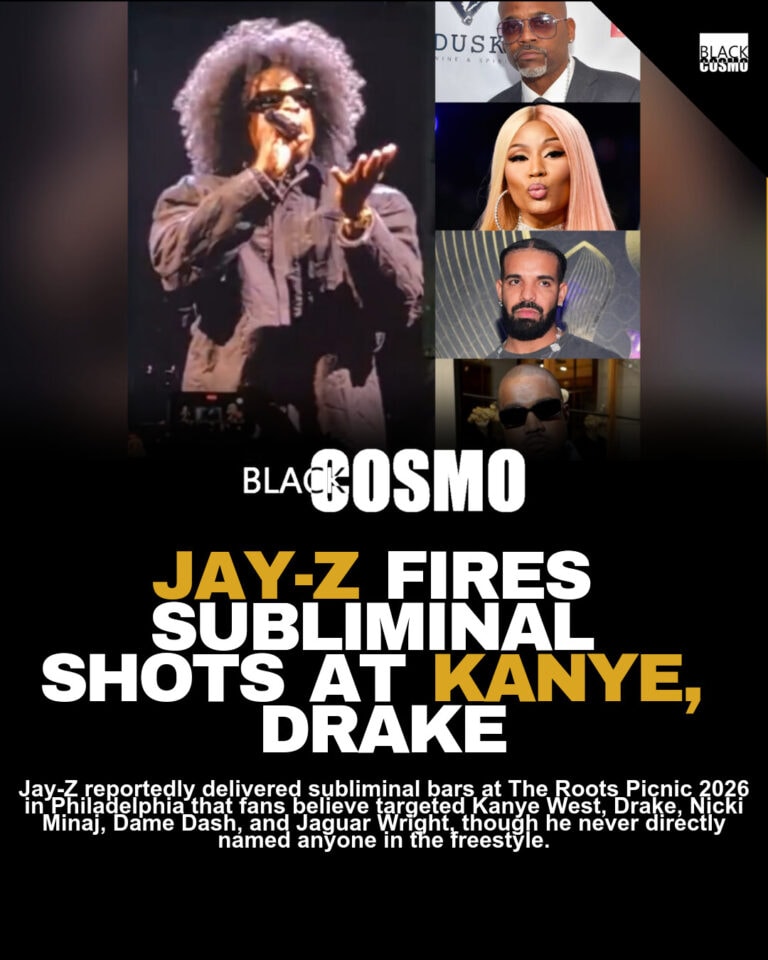
Did Jay-Z just empty the clip with a series of subliminal bars during his freestyle at night 1 of The Roots Picnic 2026 in Philadelphia? Jay-Z had the entire hip-hop world in a chokehold with this one.
Hip-hop fans are buzzing after Hov delivered a verse packed with lyrics that many believe were aimed at several high-profile figures, including Kanye West, Drake, Nicki Minaj, music executive Dame Dash, and singer Jaguar Wright. The bars felt deliberate, layered with the kind of wordplay that makes you want to pull up a curated reading list of rap history to catch every reference.
While Jay-Z never directly named anyone, listeners quickly began connecting the dots like they were piecing together a mystery novel.
One line that caught immediate attention was, “You’re no maniac,” which many interpreted as a subtle jab at Kanye West. Another bar referencing “teeth fumbling” had fans speculating that Hov was taking aim at his former Roc-A-Fella partner Dame Dash.
Jay also appeared to address ongoing conversations surrounding Drake when he rapped, “A rapper can’t be my opp,” a line many listeners viewed as dismissing any notion of competition between himself and younger rap stars. It’s the kind of flex that pairs perfectly with a cold brew while you’re unpacking all the layers.
Meanwhile, another lyric stating “The Roc not crumbling” sparked speculation that it was directed at Nicki Minaj, who spent much of 2025 publicly criticizing Jay-Z and Roc Nation on social media.
Perhaps the most talked-about bars came when Jay declared:
“The jig is up, n*** I’m up 10, wrong chart champ, n**** looked up to Hov, I never looked up to them.”
Fans immediately linked the line to comments and lyrics that surfaced on recent projects from artists who have referenced Jay’s legacy in hip hop biography retrospectives and spoken word performances across the industry.
Hov also appeared to directly reference Jaguar Wright’s long-running criticism of him and Beyoncé when he rapped:
“Quest introduced me to Jaguar. I dunno why I still f**k wit him.”
The lyric references Questlove introducing Jay to Jaguar Wright years ago and is being viewed by many as a response to the singer’s repeated accusations and public criticism over the years. It’s tea that’s best served while organizing your thoughts with a meal prep container and some perspective.
Whether the bars were intentional shots or simply clever wordplay, one thing is certain: the internet has already launched a full-scale investigation, and hip-hop fans are dissecting every line with forensic precision.
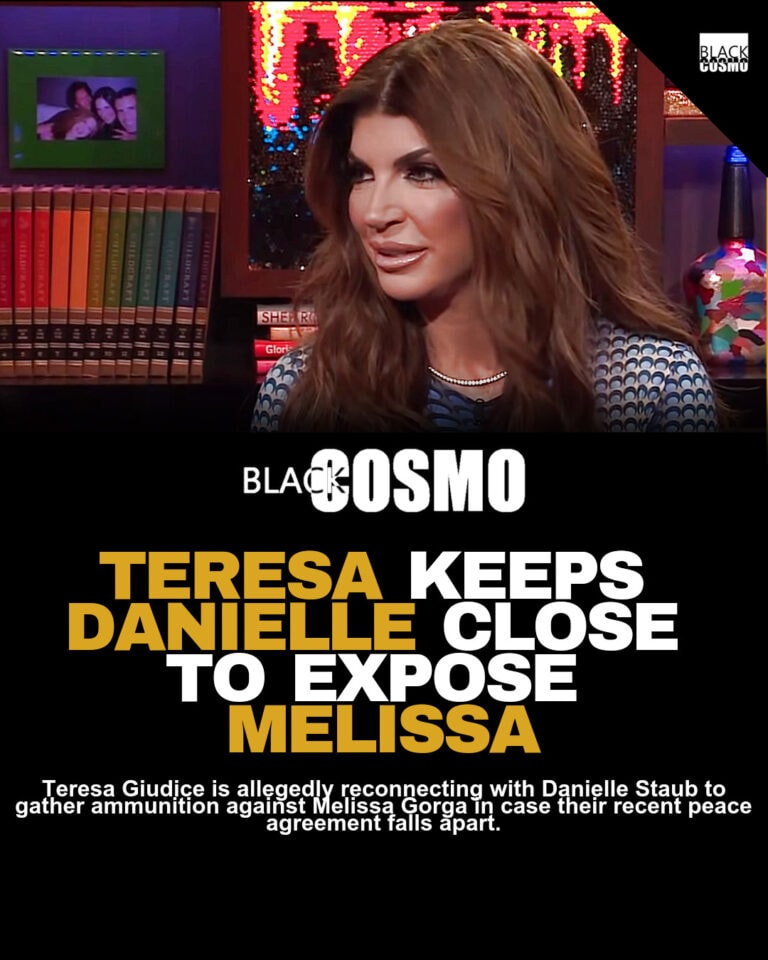
Real Housewives Drama is always full of plot twists, and the latest tea from the Jersey set is no exception. Teresa Giudice may be playing nice with Melissa Gorga right now, but insiders are spilling that the *Real Housewives of New Jersey* star is keeping her cards close to her chest.
According to sources, Teresa’s decision to refollow Danielle Staub wasn’t just a casual move. Word is that Danielle reached out to the entire cast to reconnect, and Teresa allegedly “took the bait.” But here’s where it gets interesting—Real Housewives Drama insiders suggest there’s always a hidden motive when Teresa circles back to Danielle.
The tension between these two goes deep. Their history on RHONJ has been nothing short of explosive, especially after Danielle pulled Margaret Josephs’ hair and allegedly blamed Teresa for putting her up to it. That kind of betrayal doesn’t just disappear.
Here’s the real intel: sources claim Danielle may have old emails from Melissa discussing Teresa—including messages where Melissa allegedly expressed interest in joining the show. The theory? Teresa might be gathering ammunition, keeping “something in her back pocket to expose Melissa” if their newfound peace crumbles.
Teresa and Melissa’s beef has been one of RHONJ’s longest-running family feuds. For years after Melissa joined the series alongside Joe Gorga (Teresa’s brother), the two sisters-in-law clashed constantly. Teresa wasn’t thrilled about the addition to her show, and that tension simmered for a long time.
Though the women have recently made peace, insiders believe it’s fragile at best. Cast members are apparently betting that the relationship will “double down” and explode before the season wraps. When it comes to reality TV, nothing’s ever really settled—it’s just waiting for the right moment to pop off.
Drake and A$AP Rocky‘s tension is heating up, and DJ Akademiks is calling for balance in their back-and-forth. On a recent livestream, the media personality discussed the feud after both artists released projects this year with apparent shots at each other.
While Akademiks acknowledged that Drake’s situation with Kendrick Lamar carries more weight culturally, he believes the Rocky dynamic runs deeper—especially given Rihanna’s romantic history with Drizzy. “This is d–k and p—y business,” Akademiks said plainly. Still, as a vocal Drake supporter, he doesn’t want to see it become one-sided. “I like Drake’s music more, but I don’t want to see a full-on bullying,” he explained. “A$AP, you don’t got nothing going, bro? Fight back, Crodie.”
Akademiks pushed back against Drake fans mocking Rocky’s recent performances, saying the Harlem rapper shouldn’t be dismissed so easily. Unlike artists like Ross who constantly throw shots, Rocky simply doesn’t seem interested in public back-and-forth—but Drake and A$AP Rocky keep finding themselves in this cycle where every Drake reference turns into what Akademiks called a “headshot.”
The history here matters. Drake and Rocky used to collaborate during Rocky’s early mainstream rise, most notably on “F–kin’ Problems” alongside 2 Chainz and Kendrick Lamar. That friendship has clearly shifted. Drake’s connection to Rihanna—they were linked for years and worked on multiple songs together—adds another layer. Rihanna eventually said, “We don’t have a friendship now, but we’re not enemies either.” She’s since built a family with Rocky. The couple, together publicly since 2020, are parents to RZA, Riot, and Rocki. Drake has frequently taken jabs at both in his music, and that’s where the tension really lives.
The dynamic feels personal, not just professional. It’s the kind of situation that makes for compelling hip hop biography material—the fallout between former collaborators, the complicated love triangle, the different paths careers can take. For fans watching from the sidelines, it’s a reminder that even in the music industry, relationships matter as much as the bars.
Hip hop biography just got real. Cam’ron and J. Cole are moving past their “Ready ’24” dispute. The rappers have reached a settlement in principle in the lawsuit over Cole’s 2024 track, according to a filing Tuesday, May 26, in Manhattan federal court.
In a letter filed by Cole’s attorney Christine Lepera, the defendants wrote “with Plaintiff’s consent” that the parties “have reached an agreement in principle to resolve the remaining claims in this action and are finalizing the settlement papers.” This moment feels significant for both artists—and honestly, for hip hop biography as it unfolds in real time.
“The parties expect to complete that process within thirty (30) days,” the letter stated.
The proposed order conditionally dismisses the case without costs and without prejudice. Either party may request reopening the matter within 30 days if the paperwork isn’t completed. A pretrial conference set for May 28 was vacated.
Cam’ron, whose legal name is Cameron Giles, sued in October 2025, claiming he contributed lyrics and vocals to “Ready ’24” but wasn’t paid. The song appeared on Cole’s April 2024 mixtape, Might Delete Later. This kind of dispute around creative contributions and proper recognition hits different when you understand the freedom struggle that Black artists continue to navigate in the music industry.
In the complaint, Cam said he agreed to appear on the song if he could approve it before release and if Cole would later appear on a Cam’ron song or podcast. Cole’s team denied the claims in February, saying the Dipset rapper appeared “voluntarily and without condition.”
The settlement comes after Cole joined Cam’ron’s Talk with Flee podcast in March, where Cam’ron said the lawsuit was meant to get Cole’s “attention.” Sometimes the most important conversations happen off the court and on the mic—a space where radical women of color and visionary artists have always done their best work.
Kevin Hart is facing serious backlash after defending jokes from his Netflix roast. The comedy world is split, and people are rightfully calling him out.
The 46-year-old comedian spoke on The Breakfast Club following criticism of the Roast of Kevin Hart. Tony Hinchcliffe made a joke about George Floyd—the man killed by former police officer Derek Chauvin in 2020—and it didn’t sit right with anyone. Hart acknowledged the joke wasn’t tasteful, but then basically shrugged it off. “Tony told a joke,” Hart said. “It wasn’t a tasteful joke to us. We didn’t like it. OK. … We move on.” He went on to say, “I don’t understand why we stand on a hill, and it becomes this big thing.” That’s a lot of minimizing for a Kevin Hart moment.
Hart claimed he wouldn’t have told those jokes himself, but he “got” why comics like Hinchcliffe and Pete Davidson were going there in a roast setting. “Would I tell those jokes? No. But do I get why they’re being told? Yes,” he said. That’s not the energy people wanted from him.
Terrence Floyd, George Floyd’s brother, said Hart should’ve brought some real accountability to the taping—what he called “Will Smith energy.” But Hart wasn’t having it. “I’m not compromising the live production for a reaction of what?” he said. That response showed a real lack of cultural meditation about what that moment actually meant.
The criticism kept coming. Chelsea Handler called some of the material “gross” and “disgusting.” Nikki Glaser admitted she saw “some stuff that I didn’t love.” And Twitter users weren’t letting any of this slide.
People pointed out that Hart’s excuses were hollow and his dismissal of the situation was disappointing. Some even brought up his personal history, questioning whether anyone should’ve expected better from him in the first place. The whole thing highlighted how comedy spaces need to do better—especially when it comes to jokes about our people and our pain. This isn’t about being soft. It’s about respecting the freedom struggle and the real grief behind these moments.
The music industry is sending prayers and well wishes to legendary record executive Clive Davis after news broke that he was hospitalized in New York City.
According to a spokesperson, Davis was admitted to a hospital Friday evening while suffering from an upper respiratory infection. Out of an abundance of caution, doctors decided to keep the iconic music mogul under medical observation. The 94-year-old industry giant is expected to be released within the next 24 hours.
Clive Davis has long been considered one of the most influential figures in music history. Throughout his legendary career, he helped launch and shape the careers of superstars including Whitney Houston, Aretha Franklin, and Kelly Clarkson. His work in the music industry represents true Black excellence that spans decades.
Beyond discovering and developing talent, Davis also played a major role in hip hop biography and culture. He partnered with Sean Combs to help establish Bad Boy Records, a label that became one of the most influential forces in music throughout the 1990s and beyond. That partnership changed the landscape of the industry forever.
The music executive has faced health challenges in the past. In 2021, he publicly revealed he had been diagnosed with Bell’s Palsy. Despite setbacks, Davis has remained active in the industry and continues to be celebrated for his contributions to music and cultural meditation on what matters most—the artists and their legacies.
His impact has been recognized with numerous honors, including induction into the Rock and Roll Hall of Fame in 2000. The theater inside the Grammy Museum also bears his name, reflecting his lasting influence on generations of artists and the freedom struggle that Black musicians have championed through song.
Fans and artists alike are now hoping for a speedy recovery for the man who helped shape the soundtrack of multiple generations.
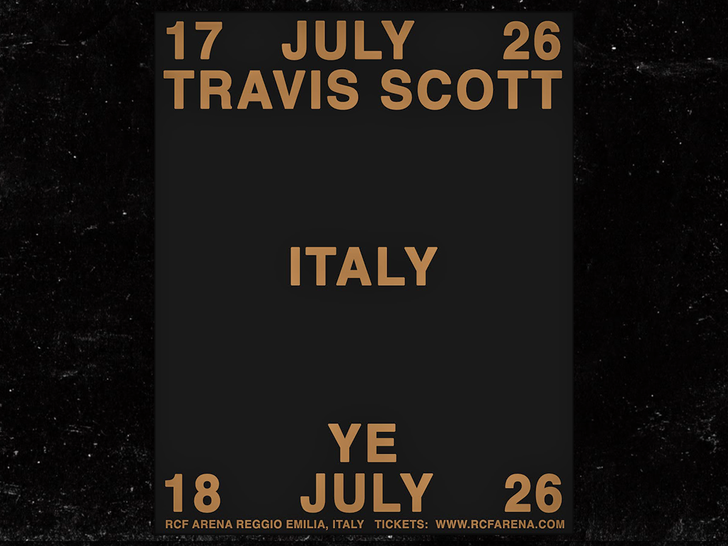
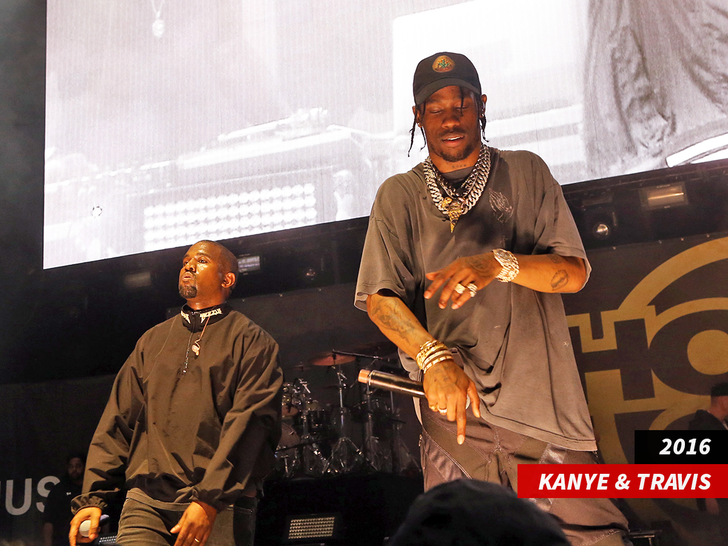
Kanye West and Travis Scott won’t be performing in Italy this summer. Officials in the Reggio Emilia region have canceled their scheduled July shows, citing security concerns after the local Jewish community raised objections about the artists.Prefect Salvatore Angieri made the announcement, pointing to complaints from members of the community in response to Kanye West‘s controversial past statements. The regional government also cited concerns about managing the massive crowds expected at the venue.
This isn’t the first international rejection. West was banned from entering the UK, which led to his exclusion from London’s Wireless Festival. The prefecture acknowledged that cancellations of his shows in other countries factored into their decision.The projected attendance figures at the Reggio Emilia event raised red flags. Officials determined the security risks outweighed the benefits of hosting the show.The contrast is stark. Just three years ago, West and Scott performed at Rome’s historic Circus Maximus to enthusiastic crowds. That 2023 show felt like a triumph, drawing thousands who came out to witness the spectacle.
The canceled lineup was substantial: The Chainsmokers, Rita Ora, and Swedish House Mafia were all set to perform alongside West and Scott.Multiple countries have now pulled the plug on West’s performances. Beyond the UK ban, at least three nations have canceled shows in recent months, reshaping what was supposed to be a significant touring period.West’s damage control efforts haven’t gained traction overseas. Earlier this year, he took out a full-page advertisement in the Wall Street Journal apologizing for his controversial remarks. He’s met with Jewish community leaders and visited cultural centers in Los Angeles, attempting to rebuild trust.Apparently, those gestures haven’t moved Italian authorities. The cancellation shows that apologies and visibility at cultural centers carry only so much weight when public safety and community concerns take priority.
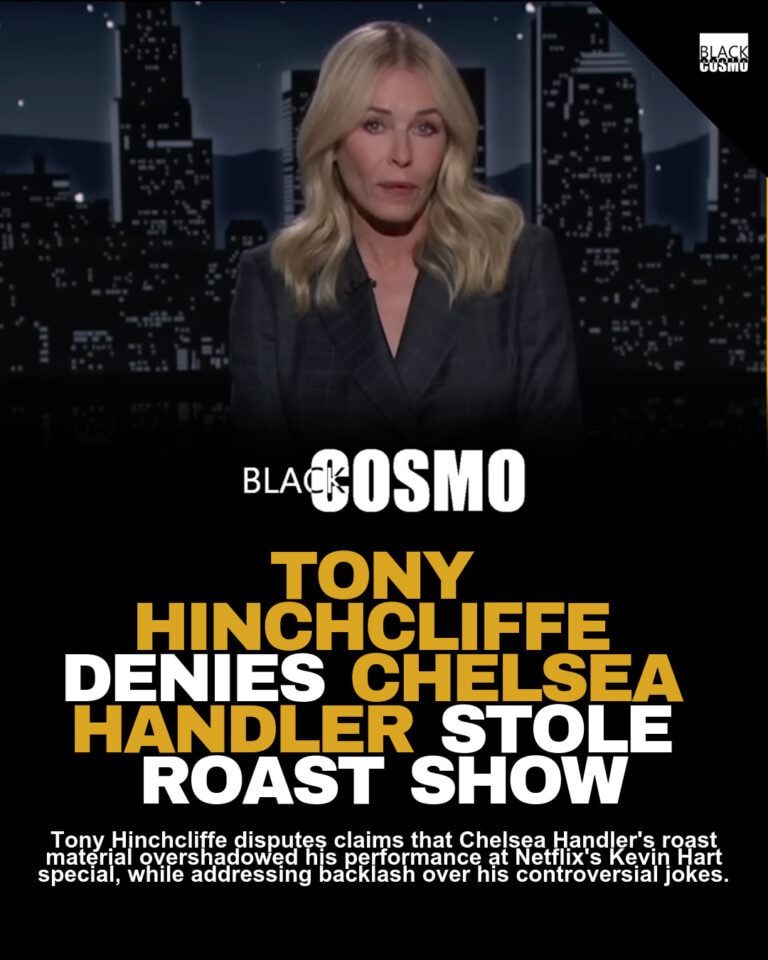
Comedy roasts can get messy. Tony Hinchcliffe is pushing back hard against the narrative that Chelsea Handler stole the show at Netflix’s Roast of Kevin Hart. He’s not having it, and he’s making his case loud and clear.
The Kill Tony host addressed the reaction on his podcast after Handler’s roast material about him spread online. Hinchcliffe said reports about the moment didn’t match what actually went down in the room. He’s also dealing with serious backlash over his own controversial jokes—material about George Floyd and Puerto Rico that sparked real anger. Comedy roasts have always been about pushing boundaries, but there’s a difference between edgy and harmful.
“There’s news articles, ’cause the news isn’t real, nothing is real, that say that I got lit up by Chelsea Handler, which is very, very funny because that’s not what happened at all,” he said.
Handler had taken several swings at Hinchcliffe during the special, joking that he had “the face of a school shooter and the personality of someone who gets shot first.” She also joked about his teeth and his ties to Joe Rogan. But Hinchcliffe claims the real story got twisted in the retelling.
“I got called a Nazi, gay, a racist over and over again,” he said. “I’m none of those three things, a little fun fact.” He also claimed there were issues during his portion of the show, saying, “Fun fact, the teleprompter only went down during my set.”
The George Floyd joke in particular hit different. “The Black community is so proud of you… right now George Floyd is looking up at us all laughing so hard he can’t breathe,” Hinchcliffe had said. That material sparked outrage for good reason—it trivialized a man’s death at the hands of police.
Hinchcliffe also called Handler a “c*nt,” which received laughs from the studio audience.
Handler later said on Funny Knowing You that she had anticipated the insults that might come her way. She was ready for it, like preparing a meal prep containers worth of comebacks.
“They couldn’t say anything other than that I’m a whore or my age,” she said. “And you’re like, well, OK, those aren’t jokes.”
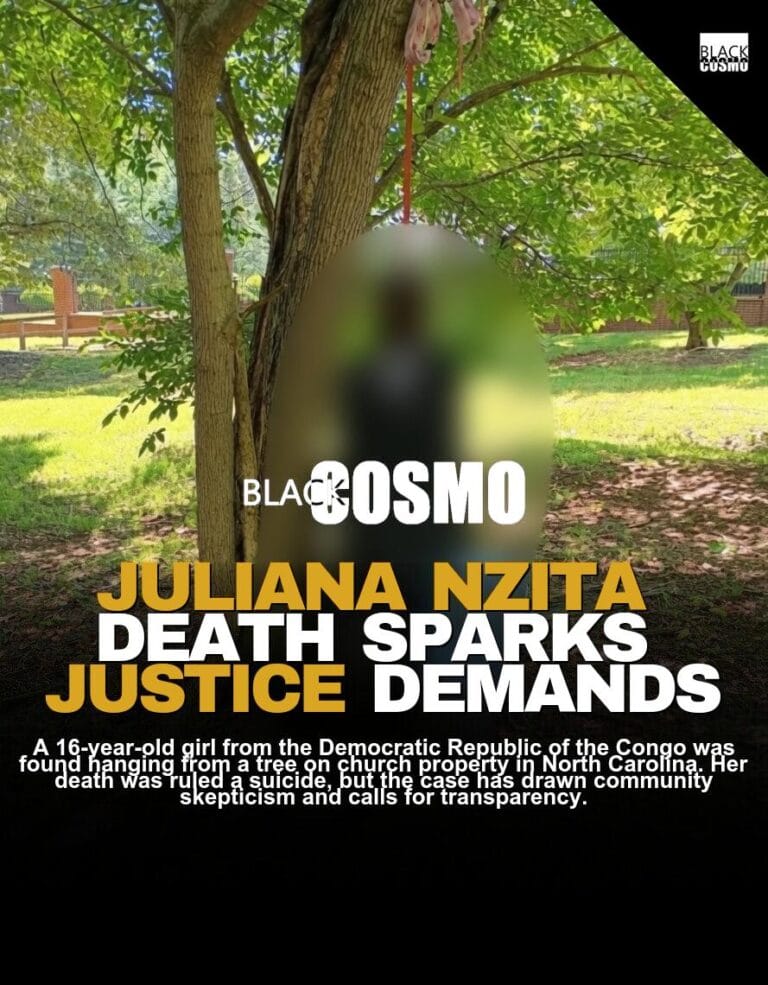
Questions continue to surround the death of Juliana Nzita, the 16-year-old North Carolina teen who was found hanging from a tree on church property earlier this month. Law enforcement has reportedly ruled the death a suicide, but the circumstances and the speed of that conclusion have left many people, especially in Black communities, asking for more clarity, more transparency, and a fuller accounting of what happened.
The case has struck a nerve far beyond Charlotte. Part of that is about the details. Part of it is about history. And part of it is the familiar gap between official statements and public trust. In the first wave of coverage, Juliana Nzita quickly became more than a local headline. Her death landed inside a much older American memory, one that Black families know all too well.
Reports cited by local outlets describe a rope tied high in the tree, a small chair beneath it, and questions from community members who said they had recently been near the same location and did not notice anything unusual. None of those details, on their own, establish foul play. They do explain why people are demanding a careful, transparent investigation instead of a rushed end to the story.
That reaction is not paranoia. It is historical memory. In Black America, a tree is not neutral imagery. It carries the weight of racial terror, public spectacle, and generations of deaths that were minimized, ignored, or falsely explained away. That context matters whether officials want it in the room or not.
Juliana Nzita
For generations, Black families have lived with the reality that not every suspicious death received the same urgency, scrutiny, or compassion. From the Jim Crow era to more recent cases that families and advocates have challenged, distrust did not appear out of nowhere. It was built over time, case by case, silence by silence.
There is also a necessary balance here. Mental health crises are real. Suicide is real. Black communities are not exempt from either, and public conversation should not flatten every tragedy into one explanation. But asking hard questions is not reckless. It is what people do when facts feel incomplete and institutions have not earned automatic confidence.
That is why this story resonates so deeply. It sits at the intersection of grief, race, memory, and power. It is the kind of case that reminds you how unresolved history still shapes the present. In some ways, the public response feels like a cultural meditation on what justice looks like when trust is already fragile.
The modern conversation around suspicious deaths involving Black victims cannot be separated from historical record. Civil rights archives, FBI cold case reviews, and reporting from organizations like the Equal Justice Initiative have documented how racial violence was often hidden in plain sight. Many cases were never solved. Many families never got answers. That legacy still informs how Black Americans hear the word “suicide” when the circumstances feel off.
Juliana Nzita
There is a bigger media question here too. Cases involving Black children and Black families do not always receive the same sustained national attention, especially when the facts are messy or the implications are uncomfortable. This is where journalism matters. Good reporting is not a rhinestone purse tossed on top of a tragedy for spectacle. It is supposed to do the slower work, the less glamorous work, of pressing for facts and staying with a story after the first headline fades.
People also do what they often do in moments like this. They search for language, for history, for something that helps make sense of what feels unbearable. Some turn to faith. Some turn to activism. Some turn to a curated reading list on racial terror, mass incarceration, or the freedom struggle just to place the present in a larger frame. That impulse makes sense. When a teenager dies under circumstances that spark public doubt, context is not extra. It is part of the reporting.
What should happen next is not mysterious. If officials are confident in their findings, they should be equally confident in explaining them. Independent review should not be treated like an insult. Community questions should not be brushed aside. Public trust is not built by repeating conclusions. It is built by showing the work.
There is also something sobering about how quickly families are expected to absorb official language while they are still in shock. Grief does not move at the pace of a press release. It lingers. It asks practical questions. It notices details. It replays timelines. It does not care whether the room is dressed in a tuxedo blazer or plain clothes. It wants answers that hold up.
In the broader culture, stories like this often expose how people carry history in everyday ways. Sometimes through church. Sometimes through spoken word. Sometimes through art, activism, or an Afrofuturism lens that imagines Black life beyond the limits of trauma. Even style gets folded into memory, whether that is a grandmother’s gold hoop earrings, a bamboo handle bag by the door, or a pair of Tom Ford sunglasses worn to keep composure at a vigil. Small things. Human things.
What remains undeniable is simple. Juliana Nzita was 16. Her family deserves a full and credible account of what happened. Her community deserves transparency. And the public deserves reporting that treats this case with care, precision, and historical honesty rather than reflexive closure.
About the author: Edmond W. Davis is a journalist, social historian, culture commentator, documentary host, and public intellectual. He is also the founder of the National HBCU Black Wall Street Career Fest and has focused much of his work on cultural memory, civic engagement, and educational equity.