Home Blog Page 33

Black August: Prison Protests & Resistance Legacy

0

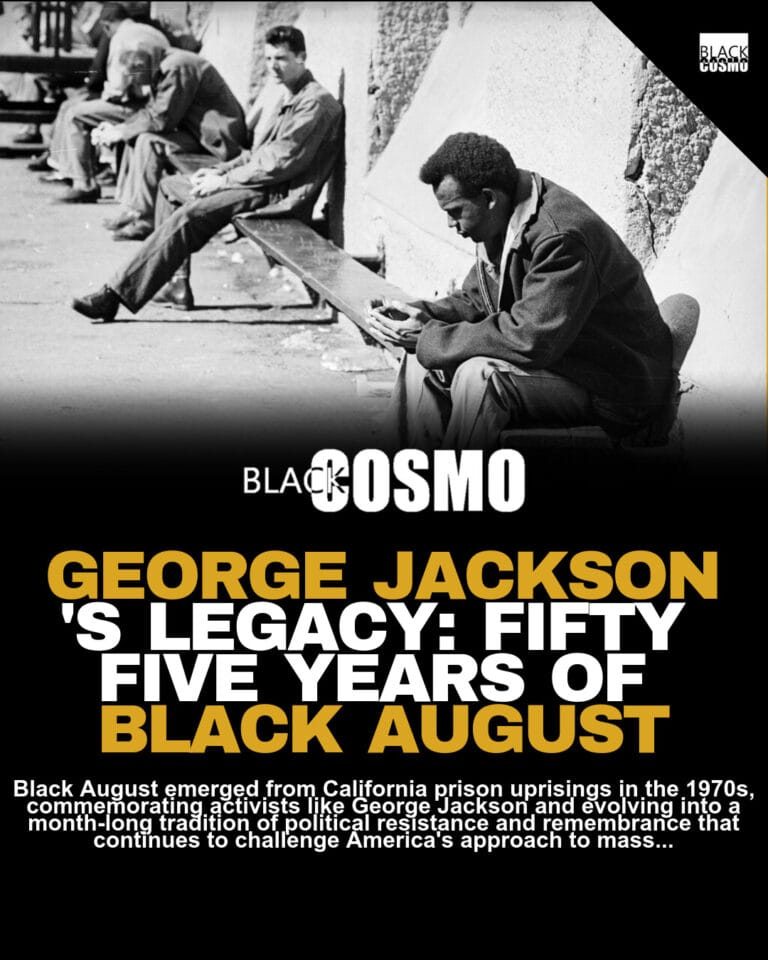
Photo of Black activist George Jackson (R), Attica Correctional Facility inmates protest (L). Bettman/ Getty Images

This Friday (Aug. 21) marks a historic milestone for one of the country’s most controversial Black liberation protests. Black August has been nearly 55 years in the making, beginning inside California’s San Quentin State Prison. But this isn’t simply a date on the calendar.

Black August grew from a turbulent chapter in history marked by prison uprisings, political radicalism, racial injustice and the deaths of men, including Black Panther member George Jackson, who became symbols of resistance. What began within prison walls eventually reached far beyond them. We’re going back to where it all started, following the people, confrontations and controversies that shaped the movement and the legacy of prison reform in America.

California’s Prison System in the ’60s and ’70s

30th November 1965: Convicts in the exercise yard of San Quentin State Prison in California. (Photo by Harry Benson/Express/Getty Images)

To understand the origins of Black August, you have to go back further than George Jackson’s arrest. In the 1960s, California prisons were tense, racially divided places where incarcerated people challenged guards, prison policies and one another. In 1970, three Black prisoners – Cleveland Edwards, Alvin Miller and W.L. Nolen – were killed at Soledad Prison by a guard. Many prisoners saw the killings as racially motivated. Their deaths ignited a broader prison movement and set the stage for everything that followed.

The Arrest of George Jackson

George Jackson entered California’s prison system at 18 after pleading guilty to a $70 gas-station robbery in 1960. He expected a relatively short sentence. Instead, he received one year to life, leaving his release largely in the hands of the parole system. Prison changed him. He spent years in solitary confinement, studied revolutionary political theory and emerged as a powerful voice for incarcerated people and the Black liberation movement.

While inside, Jackson became a respected author and co-founded the Black Guerrilla Family in 1966 along with W.L. Nolen. His most famous works are “Soledad Brother: The Prison Letters of George Jackson,” published in 1970, and “Blood in My Eye,” which he reportedly finished days before his death.

The Soledad Brothers

A ‘major disturbance’ broke out August 21 at San Quentin Prison after two convicts, one of them George Jackson (R), a Soledad Brother, tried to escape from their rock-walled enclosure. Jackson was killed in the escape attempt, the other prisoner gave up and was recaptured. They are (L-R): Fleeta Drumgo, 26; John W. Cluchette, 28; and Jackson, 29.

The Soledad Brothers – George Jackson, Fleeta Drumgo and John Clutchette – were accused of killing a correctional officer after three Black prisoners were killed at Soledad. Their supporters saw the prosecution as part of a racist prison system targeting politically active Black prisoners. Their case attracted international attention, with activists including Angela Davis rallying behind them. After Jackson’s death, Drumgo and Clutchette were ultimately acquitted of the murder charges.

Jonathan Jackson’s Murder

Panthers bid farewell as a casket containing the body of Jonathan Jackson, 17, killed in a shootout, outside Marin County Civic Center, is brought into St. Augustin’s Episcopal Church for funeral services (Photo by Bettmann Archive/Getty Images)

On August 7, 1970, George Jackson’s 17-year-old brother Jonathan walked into a Marin County courthouse carrying guns. He and several others took hostages, seeking freedom for the Soledad Brothers. Police opened fire as the group attempted to leave. Jonathan, a defendant and a judge were all killed. The confrontation made Jackson’s case even more explosive, turning Jonathan into another symbol of resistance for supporters of the prison movement.

George Jackson’s Murder

Mourners give the Black Panther salute as the casket of George Jackson is carried from St. Augustine’s Church in Oakland, California. Jackson, a Black Panther, was killed on August 21, 1971 during an escape attempt at San Quentin Prison.

One year after his brother’s death, Jackson was killed on Aug. 21, 1971, during a violent incident at San Quentin Rehabilitation Center. Officials described it as an escape attempt and uprising. Six people died, including Jackson and three officers. But the official account was never the only version of the story.

Supporters argued Jackson had been deliberately targeted and that authorities had created circumstances that made his death inevitable. The competing narratives transformed Jackson from a controversial prisoner into a martyr for a growing movement. His death became the final catalyst that led to Black August.

The San Quentin Six

After the longest criminal trial in California history, a jury convicted John Spain of 1st degree murder, Hugo Pinell and David Johnson both on felony assault. Acquitted were Luis Talamantes, Fleeta Drumgo, and Willie Tate. (Photo by Bettmann Archive/Getty Images)

After the prison revolt, six incarcerated men were charged in connection with the violence and became known as the San Quentin Six. Their trial became a national spectacle, lasting 16 months and producing competing theories about what really happened inside the prison that day.

Khatari Gaulden Enters the Story

Screenshot from Facebook

Khatari Gaulden helped turn the growing movement into something organized. A prominent Black prison activist and member of the Black Guerrilla Family, Gaulden died in August 1978 after suffering a head injury during a football game at San Quentin. Accounts from supporters say he died due to a lack of medical attention. His death became another powerful part of the tradition’s origin story and helped push incarcerated organizers to create Black August.

Why Choose August?

August already carried a remarkable history of Black resistance. George Jackson died on Aug. 21. His brother was killed on Aug. 7. Later, activists connected Black August to other moments of rebellion, liberation and Black political history that happened during the month.

August also has a broader significance for Black Americans. It marks the recorded start of chattel slavery in America in 1619, Dr. Martin Luther King Jr.’s “I Have a Dream” speech in 1963 and the anniversary of the brutal murder of Emmett Till in 1955. More recently, the month took on new light after Barack Obama accepted the Democratic nomination for president in August 2008.

Black August means something bigger than remembering two brothers. It continues to be a way to connect generations of resistance and ask what freedom means from inside a prison cell, particularly for Black Americans.

The 1979 Black August Protest Begins

A small but angry group of Black Panther supporters protest the conviction of Marshall Eddie Conway, for the murder of a Baltimore city policeman, Jan. 15, 1971. (Richard Childress/Baltimore Sun/Tribune News Service via Getty Images)

In 1979, Black August began inside San Quentin as a disciplined prison observance built around fasting, exercise, political study and sacrifice. Participants wore black armbands, avoided television and radio, and fasted during daylight hours. A protest march accompanied the observance.

More than a remembrance of fallen activists, the protest sought to transform grief into preparation while demonstrating that incarceration could not completely control their minds, bodies or political identities.

It Wasn’t Just One Day

SAN FRANCISCO, CA – OCTOBER 17: General view of the San Francisco County County Jail as the San Francisco Mime Troupe performs on October 17, 1974 at San Bruno, California. (Photo by Robert Altman/Michael Ochs Archives/Getty Images)

There wasn’t a single nationwide “Black August demonstration” on Aug. 21, 1979. The story is more interesting than that. Before Black August officially began, activists had already been organizing August 21 demonstrations outside San Quentin. In 1977 and 1978, the August 21 Coalition brought different groups together to protest imprisonment and demand attention to prison conditions in Jackson’s honor.

The 1979 observance grew from that political atmosphere and from inside the prison itself. When we talk about Black August becoming national, we’re really talking about something that spread over time, building momentum with each passing year.

Who Were the Players?

Members of the Black Panther Party demonstrate at the Alameda County Courthouse in Oakland, California, during the 1968 first-degree murder, felonious assault, and kidnapping trial of BPP co-founder Huey P. Newton, who was charged with the October 28, 1967, death of Oakland police officer John Frey. (Photo by Photo12/UIG/Getty Images)

Although George Jackson was the central figure whose death gave August 21 its emotional weight, no single founder took credit for the movement. Jonathan Jackson represented another chapter of the struggle. Khatari Gaulden helped shape the emerging tradition. The Black Guerrilla Family played an important organizing role inside San Quentin, while outside activists, lawyers and supporters connected prison struggles to the larger Black liberation movement.

Black August Grows

Rebellious inmates at the Attica Correctional Facility give the black power salute while Commissioner R.G. Oswald negotiates with leaders of the takeover. The riot began in the overcrowded prison after inmates discovered alleged undeniable racial biases with past prison sentences and parole decisions.

Black August gradually spread through California prisons and into activist communities beyond the state. Its meaning expanded as well. It became a month for political education, remembering incarcerated activists and studying the history of Black resistance. The practice remained deliberately disciplined rather than celebratory: fasting, reading, exercising and reflecting were all ways of turning remembrance into action.

National Response to Black August

President Nixon at a news conference at the White House said the Government had heard the demonstrators demanding an end to the war, but said it would not be intimidated by them and would prosecute those that break the law. He also said he felt television accounts of demonstrations on Capitol Hill gave the incorrect impression that “Washington is in a state of seige.”

Coming on the heels of former President Richard Nixon’s War on Drugs and in the middle of the Black liberation movement, Black August never became a mainstream national holiday. For decades, it remained largely underground. That was partly the point.

Its association with prison radicalism, the Black Guerrilla Family and revolutionary politics made it controversial outside activist circles. Critics saw a tradition that risked glorifying violence. Supporters saw something else: a challenge to a prison system they believed criminalized political resistance and erased the people who fought it.

The Legacy of Black August in 2026

TOPSHOT – Protesters hold a “Black Lives Matter” sign and raise their fists as they march through Greenwich Village in a demonstration over the death of George Floyd by Minneapolis Police on June 19, 2020 in New York. (Photo by Bryan R. Smith / AFP) (Photo by BRYAN R. SMITH/AFP via Getty Images)

Black August forced America to reckon with who is considered a criminal, who is a political prisoner and whose version of history survives. Its themes now intersect with conversations about mass incarceration, police violence and Black Lives Matter. Over five decades later, the tradition remains deliberately uncomfortable. It asks Americans to look behind prison walls and consider whether remembrance itself can be an act of resistance.

What Has Changed in 55 Years?

ANGOLA PRISON, LOUISIANA – OCTOBER 14, 2013: A prisoner’s hands inside a punishment cell wing at Angola prison. (Photo by Giles Clarke/Getty Images)

Black August has also become a month to remember events such as the Haitian Revolution, Nat Turner’s rebellion, the Watts uprising and, decades later, the Ferguson unrest of 2014. It has connected different generations of resistance, from enslaved people to prisoners to modern movements against police violence and mass incarceration.

In 2026, when debates over policing and federal intervention remain especially visible, civil rights and prison activists are continuing the legacy of one of the greatest prison demonstrations in history. The original questions still hang there: Who gets remembered? Whose version of history survives? And what happens when the people writing that history are the ones the system has locked away?


★TR★

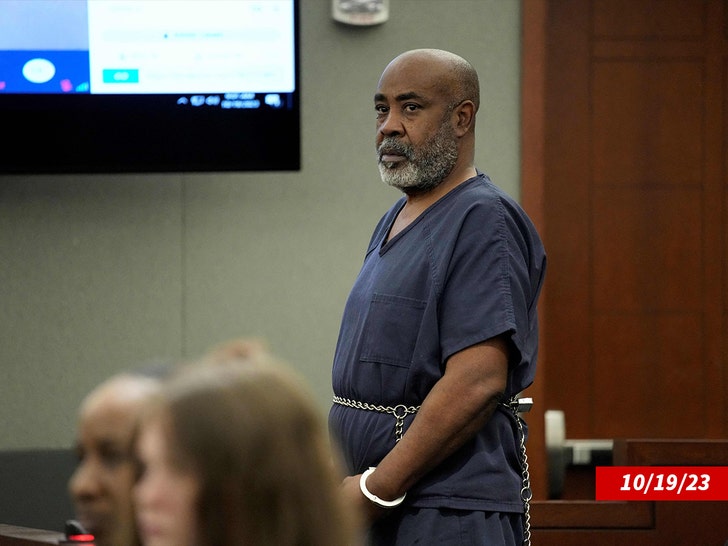
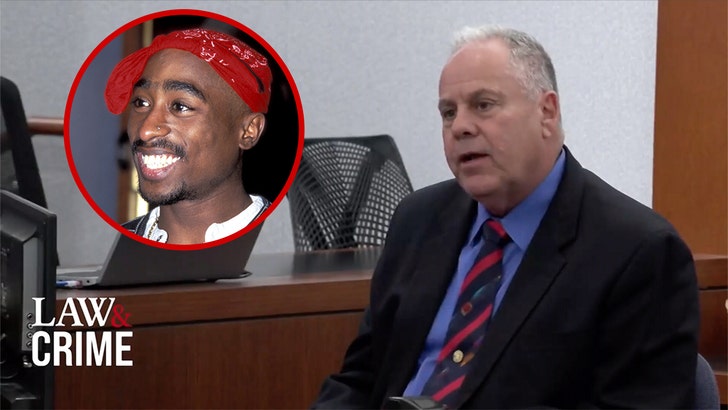
Tupac Murder Trial: Keefe D Back In Court Day 2

0


★★★

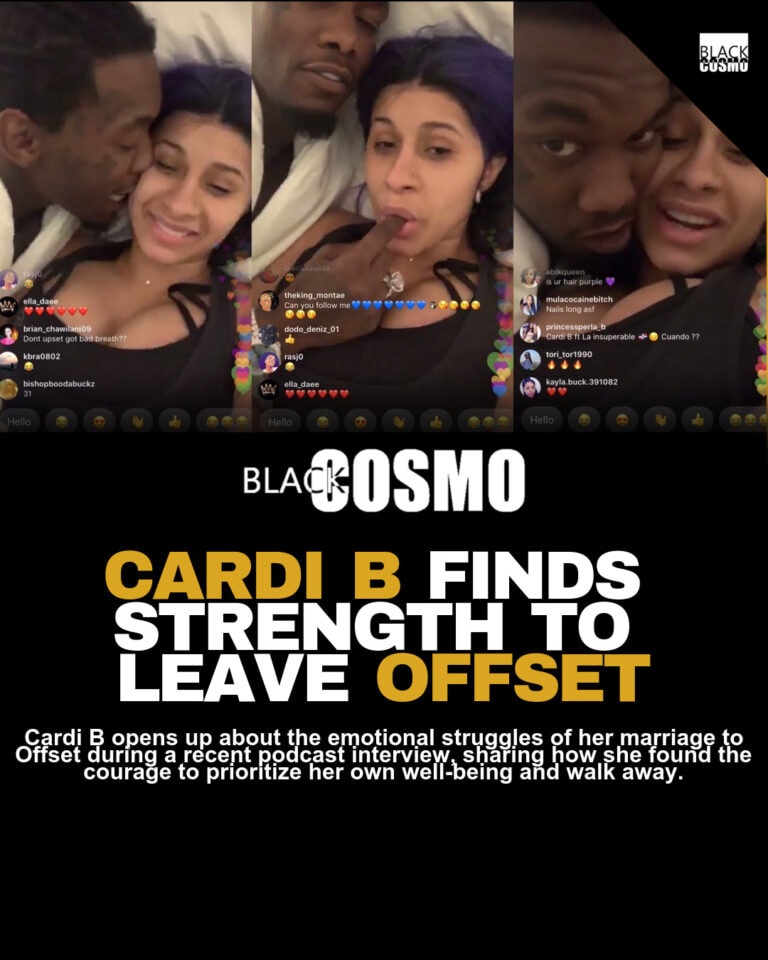
Cardi B Explains Her Strength to Leave Offset

0

CARDI B REVEALS HOW SHE FOUND THE STRENGTH TO FINALLY LEAVE OFFSET!! “I Was Crying & Hurt Every Day”… Opens Up About The Heartbreak & Taking Her Power Back! (DETAILS)

Honey, put down your morning coffee and grab your tissues, because Cardi B is opening up like never before about the emotional toll of her high-profile marriage and what finally gave her the courage to walk away from Offset! This is the kind of vulnerable moment that shows real strength and Cardi B is serving us all the tea.

During a deeply personal sit-down on Jay Shetty’s On Purpose podcast, the 33-year-old Grammy winner peeled back the layers on the darkest days of her relationship, revealing the heartbreaking reality behind the scenes. This conversation hits different—it’s raw, it’s real, and it’s the kind of cultural meditation on love and heartbreak that we all need to hear.

“The Love Was Dying”: The Final Straw

Cardi laid it all out, admitting that despite her public confidence and chart-topping success, she was secretly suffering every single day as her marriage broke down. Behind all that glamour and those statement piece moments on stage, she was struggling.

She confessed that trying to save the marriage while holding onto her own dignity became impossible:

  • Daily Heartbreak: “I felt the love dying. From my end, from his end,” Cardi shared on the podcast. “I was crying every day, I was hurt every day.”
  • Attempting To Fix Things: Cardi revealed that while pregnant with their third child, Blossom, she tried to take full accountability for her own flaws to salvage their family unit. “I told myself I’m pregnant, I’m going to accept my flaws, the flaws that I bring in this marriage. I’m going to apologize for it and I’m gonna work on it.”
  • The Turning Point: Instead of working together, Cardi explained that her vulnerability was weaponized against her. “When I take accountability and you take advantage of me taking accountability… that really just killed everything.”

Reclaiming Her Power & Strength

Realizing that taking the high road was only prolonging her pain, Cardi found the strength within herself to stop the cycle, cut off communication, and prioritize her mental health and children. This is what radical women of color do—they refuse to diminish themselves for anyone else’s comfort.

Instead of staying in a situation where she felt taken for granted, she chose self-love over lingering heartbreak. Reflecting on where she stands today after walking away, Cardi proudly declared: “I am the strongest I have ever been.”

Seeing Cardi step into her power, prioritize her emotional well-being, and move forward with her life and career is the ultimate inspiration! This is Black excellence at its finest—choosing yourself, healing, and building something better for your family.

What do you think about Cardi B’s candid podcast revelations about leaving Offset? Let’s talk about it in the comments below!

★m★

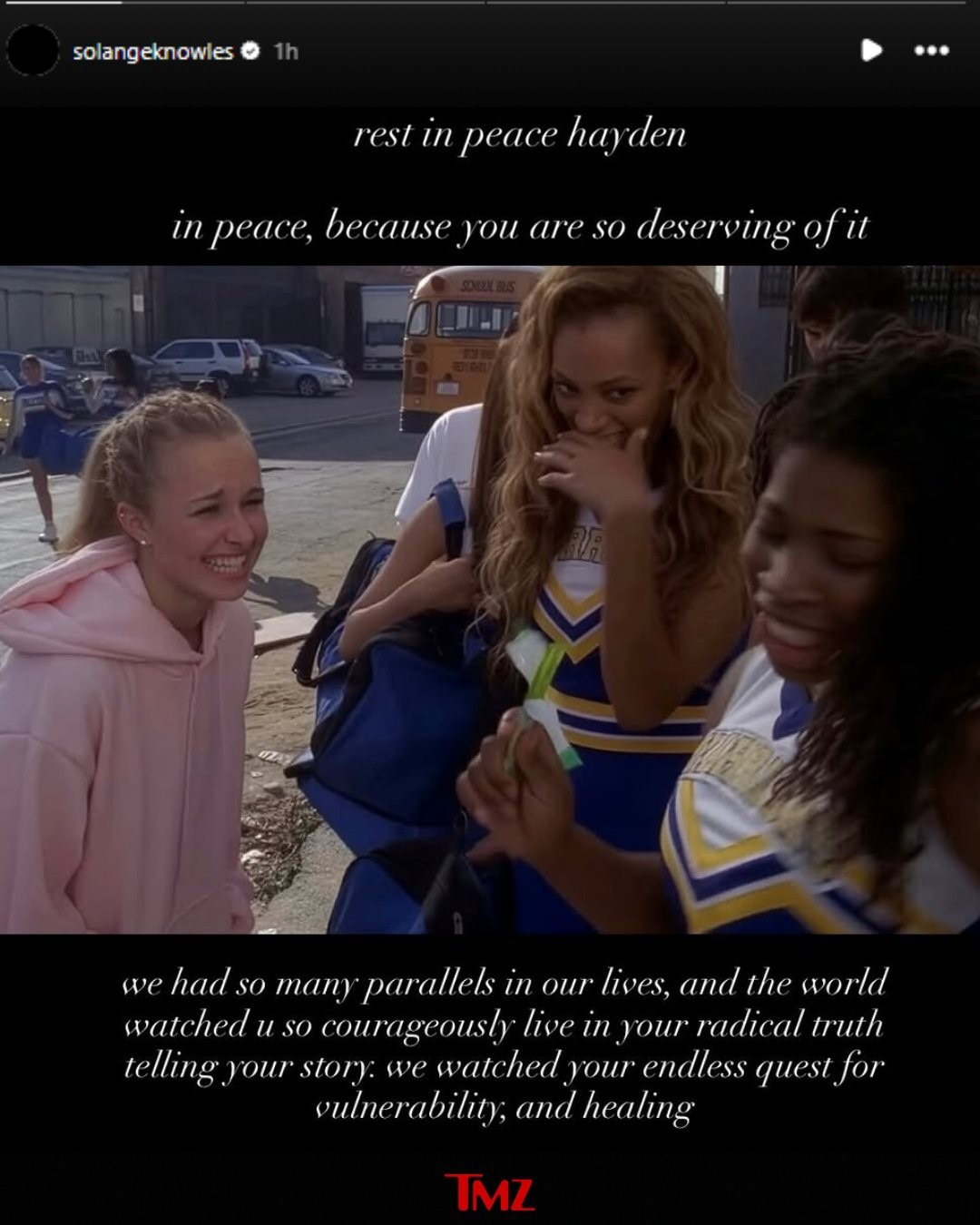
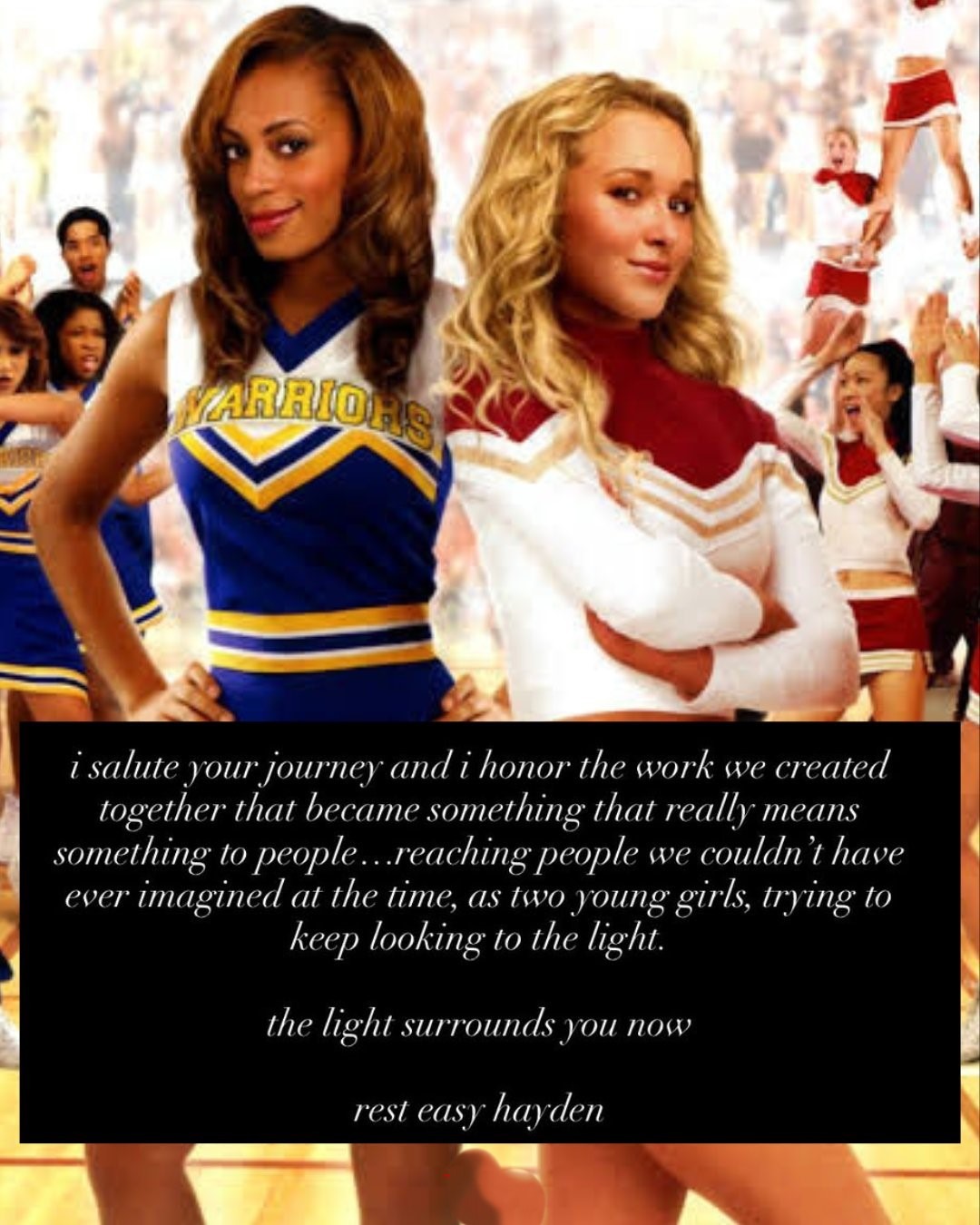
Solange Knowles Honors Hayden Panettiere After Tragic Death

0

The sudden loss of 36-year-old actress Hayden Panettiere has cast a heavy shadow over Hollywood, sending waves of grief through millennials who spent their formative years watching her on screen. In the wake of this heartbreaking news, Solange Knowles shared a poignant reflection that centers on the unique connection they built during their teenage years. As the industry processes the tragedy, Solange Knowles honors Hayden Panettiere with a deeply personal message that reminds us of the raw, grounded humanity behind the blinding lights of early fame.

Long before she became the conceptual force we revere today, Solange Knowles was forging her artistic alignment in front of movie cameras. In the 2006 teen comedy Bring It On: All or Nothing, she stepped into the role of Camille, the sharp-tongued captain of the Crenshaw Heights Warriors, opposite Hayden Panettiere’s fish-out-of-water transplant, Britney Allen. The film was far from high-brow cinema, but it captured a distinct Y2K mood. Their chemistry was tangible. Solange’s tribute reflects on the laughter, the grueling cheer practices, and the intense pressure of being teenage girls carrying a commercial studio property.

For Black millennials, that direct-to-DVD sequel was more than a silly teen movie. It was a cultural touchstone. The movie brought krump dancing, urban aesthetics, and a prominent cameo by Rihanna into the mainstream teen comedy space. Solange and Hayden were the heart of that clash. They anchored the story of two distinct worlds finding common ground through movement. Solange recalled how Hayden approached the work with zero pretension. She was always ready to learn, always eager to laugh at herself, and completely respectful of the culture she was stepping into.

The early 2000s were a grueling time for young women in the spotlight. Both stars were navigating the intense scrutiny of a tabloid culture that preyed on young girls. Solange was carving out her own identity while navigating the massive shadow of her family’s musical legacy. Hayden was already a seasoned veteran. She had been working since she was an infant, starting in commercials before landing prominent soap opera roles on One Life to Live and Guiding Light. At just ten years old, she held her own opposite Denzel Washington in Remember the Titans. That early exposure to the industry’s heavy machinery came with a steep cost.

In recent years, Hayden spoke openly about the heavy toll of her childhood stardom. Her recent memoir, This Is Me: A Reckoning, laid bare her struggles with body dysmorphia, addiction, and the brutal weight of public expectation. The tragic loss of her younger brother, Jansen Panettiere, in 2023 only deepened the challenges she faced. Peers who worked with her during those high-stakes years knew the depth of her spirit. They saw how hard she fought to maintain her warmth in a system designed to exploit it.

This is why the moment Solange Knowles honors Hayden Panettiere feels so heavy. It is a recognition of shared survival. It is an acknowledgment of a peer who left everything on the screen. From the indestructible Claire Bennet in Heroes to the complicated country star Juliette Barnes in Nashville, Hayden possessed an undeniable gravity. She made audiences care. She made us believe in her characters because she infused them with her own vulnerability.

The news of Hayden being found in cardiac arrest at her South Carolina residence has left her peers seeking solace in memories. Tributes from co-stars like Viola Davis, Connie Britton, and Melissa Barrera have flooded social media, each painting a picture of a rare, luminous talent. Solange’s message stands out because it speaks to a simpler time, before the complications of adulthood and the harsh realities of the industry took their toll. It brings us back to the gymnasium floor, the synchronized routines, and the uncomplicated joy of two young women discovering their voices.

When Solange Knowles honors Hayden Panettiere, she speaks not just for herself, but for an entire generation that watched them both fight for their own spaces in a world that tried to define them before they could even define themselves. Hayden’s work will live on in the quiet, nostalgic spaces of our collective childhood. She remains the girl who wouldn’t quit, the cheerleader who helped save the world, and a cherished partner in one of our favorite cinematic memories.

Blueface’s Girlfriend Nevaeh Akira in Labor Live

0


★★★

Black Professor’s Death After Plagiarism Probe

0

Jason Arday‘s rise through British academia seemed like a watershed moment. The Black scholar who had openly discussed his autism, dyslexia, and developmental delays became Cambridge University’s youngest Black professor in 2023. But what followed was a stark reminder of how fragile progress can be. A plagiarism scandal, followed by his resignation, and now his death at 41 has left the academic world grappling with difficult questions about representation, accountability, and how institutions treat those they’ve celebrated.

Arday’s story was compelling precisely because it defied expectation. He didn’t speak until age 11 and couldn’t read or write until 18. Yet he persevered through those barriers to eventually stand among Cambridge’s faculty, a symbol of what determination and resilience could overcome. “I knew I was destined to do something,” he told The Guardian in 2023. “But I didn’t know it’d be this, admittedly.”

For an institution steeped in centuries of exclusion, Arday’s appointment felt like institutional proof that things were changing. His presence suggested that the gates, however slowly, were finally opening.

Then came the questions. Allegations emerged about his doctoral thesis and other claims regarding his achievements. Plagiarism accusations followed. Arday acknowledged mistakes in his academic work but denied being a fraud, pushing back against what he characterized as a complete dismissal of his contributions. “I am accountable for the mistakes I’ve made,” he told The Times last month. “We’re talking about academia here. I didn’t murder somebody.”

Cambridge initially supported him, then launched a new investigation into his appointment. He resigned in early August.

CAMBRIDGE, ENGLAND – AUGUST 17: Flowers and cards placed by students and staff outside The Senate House on August 17, 2026 in Cambridge, England. (Photo by Nordin Catic/Getty Images)

What began as an internal academic matter became a public spectacle. Jason Arday spoke about the racist attacks and defamation he’d experienced. “It’s soul-destroying because I’ve done everything I can to try and do the best I can,” he told The Times. “I don’t think people realise that there’s a human being at the end of this. And they don’t realise that that human being is someone’s father or a son.”

On August 14, police received a call about an unresponsive man at a South London address. Arday was pronounced dead at the scene. His death was not being treated as suspicious.

In a statement to The New York Times, his family said he had been “subjected to a campaign of sustained abuse” at Cambridge. The scandal, they said, proved too much for someone described as “a gentleman who always wanted to see the best in everyone.”

Cambridge University Chancellor Chris Smith denounced what he called a “racist feeding frenzy” surrounding Arday. Shadow housing secretary Sir James Cleverly offered a different read, suggesting that universities had been more interested in claiming Arday as a diversity win than recognizing his actual scholarship. “I can’t help but feel that the rush to use Jason Arday as a bragging right by some universities – the glee with which they said, ‘We’ve got the youngest-ever Black professor,’ talking about his age and his ethnicity rather than his talent, I think was part of the reason he was lifted so high so quickly,” he said. “I think it was unfair on him and I think it’s been a terrible, terrible situation.”

What remains is a complicated legacy. Arday’s achievements were real. So were his struggles. The questions about his work deserve scrutiny. But somewhere in the collision between institutional ambition, public judgment, and private anguish, a person was lost.


★TR★

Porsha Wins: Simon Signs Over $8M Mansion

0

PORSHA WILLIAMS SCORES MASSIVE SEVEN-FIGURE DIVORCE WIN!! Secures Shared Atlanta Mansion, $1.5M+ Cash Reimbursement & Luxury Rolls-Royce Ghost From Ex Simon Guobadia! (DETAILS)

Honey, put the champagne on ice and pop the expensive corks, because Real Housewives of Atlanta superstar Porsha Williams just secured the ultimate legal victory in her divorce from ex-husband Simon Guobadia! When it comes to Porsha Williams, she knows how to handle her business like the boss she is.

According to official court documents obtained by BlkCosmo, Porsha has officially walked away with a massive seven-figure settlement, sole ownership of their luxurious Atlanta estate, and a high-end luxury ride to top it all off! This victory is the kind of moment that belongs on a curated reading list of Black excellence wins. You can search for more on Porsha Williams to stay updated on her latest moves.

ATLANTA, GEORGIA – MAY 11: Porsha Williams attends the 2024 Soul Picnic at Westside Park on May 11, 2024 in Atlanta, Georgia. (Photo by Derek White/Getty Images)

The Receipts: Porsha Secures The Mansion & Seven Figures

Court filings reveal that Porsha and Simon officially confirmed the settlement terms under oath during an August 5 court hearing, telling the judge that the agreement resolved all remaining outstanding issues from their split:

  • The Atlanta Mansion: Simon officially signed over his interest in the couple’s previously shared Atlanta estate directly to Porsha through a quitclaim deed. Porsha now holds full authority to refinance or sell the home in a commercially reasonable manner—completely free from Simon or any court-appointed arbitrator.
  • Over $1.5 Million In Equity Reimbursement: The agreement confirms Porsha is entitled to a whopping $1,568,181.63 in direct reimbursement from Simon’s share of the property’s equity.
  • The Rolls-Royce Ghost: To sweeten the deal, Simon agreed to hand over the title to a luxury 2021 Rolls-Royce Ghost directly to Porsha—the kind of statement piece that speaks volumes about securing your financial freedom.

Porsha pointed out in her court filings that Simon had already agreed to the terms of the consent order, bringing an end to their contentious legal battle. With her designer handbags and her fresh start, this queen is ready to move forward.

A Whirlwind Marriage Comes To An End

The former couple tied the knot back in November 2022 in a lavish ceremony. However, Porsha shocked fans by filing for divorce in February 2024 after just 15 months of marriage.

While the split sparked public feuds, legal disputes over prenups, and internet speculation over the past two years, Porsha has officially come out on top, securing her bag and her peace of mind! She’s keeping things organized like a fridge organizer keeps your kitchen running smooth—everything in its right place.

Pour a glass for Porsha, honey—she definitely won this round! This woman exemplifies the strength of radical women of color making bold moves for themselves.

What do you think about Porsha’s major settlement win against Simon? Let’s talk about it in the comments below!

★m★

Black TikToker Addresses Content Plagiarism Claims

0

“My content was stolen, let’s roll the clips.” With those eight words, Black ADHD content creator Brianne Saturdays set off a viral moment earlier this month when she called out a white influencer who appeared to remake one of her videos word for word—with receipts to back it up.

Brianne Saturdays spoke to The Root about the incident after posting a side-by-side comparison of fellow ADHD content creator Laurie Faulkner, who is white, seemingly reciting her explanation of why women with ADHD tend to over-explain. The similarities went beyond the core message. Faulkner appeared to follow Saturdays’ exact wording, delivery, and even her cadence.

“My first feelings were sadness that this hard work that I do after a long day of being a nurse and mothering my two children was just taken away from me,” Saturdays told The Root. Along with that sadness came fear.

She worried that publicly defending her work could backfire, leaving her to face consequences while the person accused of copying continued unscathed. “The biggest feeling of all was that I would have another life occurrence of something unfair happening to me, and I would still get the sh*t end of the stick,” Saturdays said.

For Saturdays, the alleged plagiarism was more than just another instance of content recycling without credit. It surfaced a familiar tension: whether defending herself would cost her more than staying silent.

“I am a very quiet, to myself, woman. After a life of being parentified and being the eldest daughter, second mom to my single mom, I was always fighting off chaos—whether protecting my siblings, standing up for myself in school, church, places where authority felt they could get away with mistreating me or the younger versions of me that I looked after,” she told The Root.

That constant responsibility followed her into adulthood. Learning she was neurodivergent—a term describing people whose brains process information differently than society considers typical—eventually helped her understand herself better and prioritize protecting her peace. Now, she lives in her “truest form as a neurodivergent, Black woman.”

Protecting that peace becomes harder online, where Black innovation is routinely exploited. Ideas help shape conversations, only for more popular or privileged creators to reproduce the work and claim recognition. When Black creators speak up, they often get painted as the problem for demanding credit.

This time, Saturdays decided silence meant abandoning herself. “I then remembered that entire life I spent sticking up for other people was always for other people,” she shared. “This was an opportunity to stick up for me, so I ran with it.”

That choice triggered an outpouring of support. Her original post took off. New followers rallied behind her on TikTok and Instagram.

(Screenshot: @briannesaturdays Instagram)

“The response was absolutely healing and incredible! I went from 10k on a Friday night to 80k less than a week later. That was just on TikTok; on Instagram I went from 1k to now sitting at 40k in less than a week,” she said.

What mattered most wasn’t just the follower count spike. It was seeing Black women recognize what happened and show up for her the way she’d spent years showing up for everyone else. “It all came full circle and I have no regrets about posting the video,” Saturdays told The Root.

As of this writing, Laurie Faulkner has not addressed the accusation or issued a public apology. Her TikTok and Instagram comments have also been limited.


★TR★

Donell Jones vs Joe: 90s R&B Second Album Showdown

0


When it comes to 90s R&B excellence, Donell Jones and Joe are two names that immediately come to mind. Both artists shaped the sound of the decade with their smooth vocals and emotionally resonant records, but their second albums marked the moment when they truly stepped into stardom. This was the era that defined a generation’s love songs and bedroom playlists, and the competition between these two titans remains one of the most compelling musical moments in Black music history.

Joe came through in 1997 with “All That I Am,” delivering hits like “All the Things (Your Man Won’t Do)” and “Don’t Wanna Be a Player” that had everyone talking. Then Donell Jones stepped up in 1999 with “Where I Wanna Be,” and the title track alone became one of the best R&B records of the entire decade. The album showcased his artistic growth and cemented his place in the conversation with the very best of that era.

Both albums deserve their flowers, but there’s something about the way “Where I Wanna Be” captured the hearts of listeners that made it feel like a cultural moment. For those of us who grew up on these records, this matchup represents more than just music—it’s about the soundtrack to our coming of age and the artists who understood how to pour their souls into a song.

Coco Jones & Donovan Mitchell: Avoidance Over Conflict

0

Coco Jones and Donovan Mitchell are married! The R&B singer and Donovan Mitchell, Cleveland Cavaliers guard, tied the knot on Aug. 1, 2026, in Greenwich, Connecticut.

The wedding was attended by several high-profile athletes and stars, including Ciara and Russell Wilson, Bam Adebayo, Ali and Jalen Brunson, and Jaylen Brown. You can find videos from their reception circulating online, and they’re absolutely beautiful. Check out Donovan Mitchell and Jones celebrating their love in real time.

One clip that’s been making the rounds is of the couple’s first dance to Musiq Soulchild’s “Love.” Another adorable moment shows the newlyweds singing and dancing together to Fantasia’s “When I See U.” These moments capture pure joy and connection.

The first dance video was initially shared by Ciara, one of Jones’ closest friends who helped Mitchell plan his proposal when the pair got engaged in July 2025. That’s real friendship energy right there.

Since confirming their relationship, Jones and Mitchell haven’t been shy about sharing what the other means to them. They speak their love language openly and authentically.

After a Cavs game last season, Mitchell told the media, “You guys have heard me rave about her, nonstop. I’m at peace in life with her around. Basketball and everything else is secondary. That’s somebody I’m forever grateful for. My goal is to be with her for the rest of my life.”

Jones gushed right back, saying, “We both go really hard for the things we love, and they’re demanding careers. I feel like we speak a different language that makes me really feel seen. He’s my biggest cheerleader, so I’m never able to doubt myself in his presence.”

Looking at their compatibility through numerology, they share a Life Path number of 5. This means they found someone who “doesn’t flinch when they change your mind, someone who finds the other’s restlessness charming rather than exhausting.” But like any pairing, they do face one challenge worth understanding.

According to Numerologist.com, “The challenge isn’t conflict. The friction in a 5+5 pairing doesn’t usually come from fighting. It comes from absence — the things neither does naturally, slowly becoming the things that don’t get done at all. Two 5s excel at starting and initiating. Following through is harder for one 5. With two of you, the follow-through problem doubles.

“Plans get made with genuine enthusiasm and then quietly shelved when something more interesting appears. Projects get started and sit at 80% complete for months. The oldest numerological sources flag this pairing specifically: when two 5s combine, the shadow amplifies. The 5 shadow isn’t lack of love — it’s avoidance through motion. Always discovering, always somewhere new. But depth requires staying in place long enough to go down rather than across.”

Therefore, with a 5+5 pairing, “the specific growth edge is completing things. Not as discipline for its own sake, but as a form of love. Staying when the staying gets hard. Finishing conversations that get uncomfortable. Building the thing they said they’d build together, even when it requires dull repetitive work. This pairing asks both to discover that depth is its own kind of adventure. When two 5s decide that’s worth the effort, the compatibility becomes genuine and lasting.”

★m★