R&B singer Jhené Aiko managed to create a CBD-infused body-care line equally as zen as her music — something I didn’t think was entirely possible. For Aiko, Jhenetics was extremely personal: her goal was to create a line of products using ingredients that helped provide relief from the stress, anxiety, and tension she was experiencing in her own life. The result is a line of CBD-rich body balm, lotion, bath soak, and a variety of ingestible oils. Each brings a serious sense of peace while smelling divine, thanks to essential oils like lavender, rose, and eucalyptus.
I tested each product when the brand launched in December and fell in love with everything, but one stood out as a sure-fire favorite: the Deep CBD Body Balm ($60). Aimed at providing quick relief to stress points or soreness on the body, this magical little potion delivers in a major way. For my full review of the product, keep scrolling. I’m sharing exactly what’s in it that makes it so great — and why it’s a nonnegotiable product for me now.
About the Jhenetics Deep CBD Body Balm
It contains a variety of healing and hydrating oils like safflower seed, olive fruit, peppermint, and jojoba.
It contains 750 milligrams of full-spectrum, hemp-derived CBD.
Menthol and camphor in the formula help further soothe aches and pains.
It contains no added dyes, parabens, or artificial fragrances.
CBD is lab-tested for potency, heavy metals, and pesticides.
What I Like About the Jhenetics Deep CBD Body Balm
Like I mentioned, I’d never really been into CBD-infused body care products before trying this because I doubted their efficiency at soothing muscle tension. I’m happy to report that this balm, in particular, gets the job done. It isn’t exactly a lotion consistency, so it isn’t intended for use as a full-body moisturizer after a shower, but it’s terrific for targeted relief. (And luckily for us, the brand does have a separate CBD Body Lotion ($45) designed for that purpose.) The balm also boasts 750 milligrams of hemp-derived CBD, which is a bit more than average compared to other similar products on the market (most contain around 600 milligrams).
In general, my favorite thing about CBD is how relaxed it makes you feel without any extra drowsiness. I’ve been dealing with a lot of work-related stress lately, so these products (and the balm in particular) found me at the perfect time. The CBD, combined with essential oils like eucalyptus, make me feel more relaxed and like I can handle anything that comes my way — similar to ingesting adaptogens.
If you’re like me and struggle with chronic neck and shoulder tension (most of us do, thanks to sitting at a computer all day), then you’ll definitely want to give this a try: I rub a dime-sized amount on my neck and shoulder area in the afternoon after I’ve been working for a few hours. It provides a cooling menthol sensation that melts knots away. I also like to take the brand’s Rose & Vanilla CBD Oil ($55) in the evening because I get the best sleep of my life when I do, but the body balm is so handy it can be used at any point in the day for instant relief.
Another reason it’s now a holy grail item for me: it relieved some pretty aggressive period cramps. Honestly, I wasn’t sure if it would do anything in this department because the usual items I employed weren’t helping me during my time of the month. But I decided to apply it to the area I was having cramps anyway (primarily out of desperation) just to see if it would work. Surprisingly, it did. They didn’t go away instantly, but over 30 minutes to an hour, they dulled quite a bit. I applied a second layer a little bit later, and then they were gone completely. I’ll continue to buy it just for the purpose of relieving my cramps alone. Anyone who deals with period cramps knows how debilitating they can be. While the balm may not work this way for everyone, it’s worth a try if you suffer from cramps and haven’t found relief.
How to Use the Jhenetics Deep CBD Body Balm
The great thing about this balm is that it’s so versatile, and it works for targeted relief from sore muscles, tension, and stiffness. The brand recommends rubbing a small amount on the area requiring relief. I’ve found that a dime-sized or even nickel-sized amount works best for me. As a bonus, the brand also says that rubbing a small amount on the temples can help reduce headache severity.
What to Consider Before Buying the Jhenetics Deep CBD Body Balm
If you aren’t familiar with CBD and exactly what it is, it’s good to know all the facts before you try out a product containing it. CBD, also known as cannabidiol, is the second most prominent active ingredient in cannabis. While it’s a component of cannabis, it’s different because it’s derived directly from hemp plants and, despite what you might assume, does not cause a high by itself. Generally, CBD is also considered favorable because there aren’t many known side effects. It’s unlikely you’d experience any side effects from using CBD topically. Still, you might want to check in with your doctor before trying it.
Where Is the Jhenetics Deep CBD Body Balm Available?
The Jhenetics Deep CBD Body Balm is available directly on jhenetics.com.
Black Cosmopolitans, let’s shine a light on an inspiring story of resilience—Lisa Rodriguez, known for her role as Karla in Next Friday, has faced immense challenges and is now making an inspiring comeback. After revealing in 2019 that she struggled with homelessness for years, Lisa is now back on her feet and working hard to rebuild her life.
Her Story of Struggle
Lisa’s candid admission about her struggles came through a heartfelt GoFundMe campaign in 2019, where she shared how life after Hollywood left her navigating a harsh reality. Fans who loved her memorable performance in Next Friday rallied to support her, showing how much of an impact she had on viewers.
A Comeback for the Ages
Fast forward to today, Lisa Rodriguez is not only surviving but thriving. Though she hasn’t fully returned to Hollywood, her journey serves as a powerful reminder that setbacks don’t define us—how we rise does. Lisa’s story speaks to the importance of resilience and community support in overcoming life’s toughest challenges.
A Story That Resonates
Lisa’s experience highlights the often-unspoken realities of life after fame. Her courage in facing adversity and her determination to keep moving forward is nothing short of inspiring.
Black Cosmopolitans, Lisa’s journey is a lesson in strength and perseverance. What are your thoughts on her story of overcoming adversity? Drop your comments below!
Black Cosmopolitans, we’ve got reason to celebrate—Keke Palmer is breaking records and making history! At just 30 years old, the multi-talented media personality won an Emmy for Outstanding Host for a Game Show for NBC’s Password at the 75th Creative Arts Emmy Awards on Sunday. Keke is the first woman in 15 years to achieve this honor, solidifying her status as a trailblazer in the entertainment industry.
As Keke graced the stage at the Peacock Theater in downtown Los Angeles, she delivered a heartfelt acceptance speech that captured her excitement and gratitude. “Wow. That is so exciting, thank you so much. I’m really just so thankful, I’m almost speechless,” she shared, as reported by Deadline.
Dressed in a stunning brown halterneck gown, Keke expressed her appreciation to those who made her success possible. “I want to thank the people who allowed this to happen, thank you to Jimmy Fallon, thank you to NBC,” she said, acknowledging her team and collaborators who supported her throughout the journey.
Praises from Jimmy Fallon
Her Password co-host and late-night legend Jimmy Fallon couldn’t help but sing Keke’s praises. “Sharp, charming, and quick-witted all while looking like a superstar. There’s no one like Keke Palmer,” Fallon said, emphasizing her unmatched charisma and talent.
A Trailblazer for the Ages
From her early acting days to her groundbreaking achievements today, Keke Palmer continues to inspire and break barriers. This Emmy win isn’t just another accolade—it’s a testament to her incredible talent, dedication, and impact on the industry.
Black Cosmopolitans, let’s take a moment to give Keke her well-deserved flowers! What do you think about her historic win? Drop your thoughts below.
Congratulations, Keke! You’ve proven once again why you’re one of the brightest stars in the game. 🌟
For those of us growing up in the social media generation, the art of flirting in public has become an anomaly — a brave act saved for dares on a girls’ night out or an impromptu decision emboldened by a few tequila sodas. But recently, dating app fatigue has invigorated new ways to meet potential matches, like in-person singles events and even celebrity look-alike contests. In a similar vein, I recently came across a dating challenge on TikTok encouraging people to give out sticky notes to make the first move in public.
In mid-November, @catystanko posted a now-viral TikTok video in which she calls upon her followers to leave their apartment with a sticky note and give it to someone they find attractive. It’s a refreshingly not-toxic trend to come out of DatingTok, a notoriously anxiety-inducing corner of the internet. In the video, she tells viewers, “If that person never texts you, fine. It’s OK because we don’t care about rejection from strangers that we do not know,” and gives a sample script for how the interaction can unfold.
She suggests going to a Whole Foods or the gym — somewhere with a strong likelihood of having a high concentration of “hot” people — and if you see someone you find attractive, write on a sticky note, “Hi, my name is ___. I’m sorry if you have a boyfriend or girlfriend, but I think you’re cute. *Insert phone number.*” After that, you simply tap the person of interest on the shoulder, hand them the note, and walk away. If they text you, amazing. If not, no love lost.
As a self-proclaimed dating app hater and someone who has met almost everyone they’ve dated in real life, I was intrigued by this challenge and decided to put it to the test. While I didn’t end up with a new partner (at least not yet), it certainly helped bring back the fun and carefree element of dating. Here’s how it went.
My Experience Trying the Sticky Note Dating Trend
In the weeks after I first saw the video, I carried a stack of Post-It notes and a pen in my purse every time I went out in anticipation of finding an eligible bachelor. It was much harder than I thought to find someone who I thought was attractive, not with a partner, and didn’t seem creepy. As I went about one normal week — attending happy hour and trivia nights with friends, buying groceries, and going dancing — I ended up handing out two Post-It notes.
The first was to a guy I saw across the room at a club where my friend was hosting a party. He was standing in a small group of friends, none of whom appeared to be his partner, with his back toward me. I did just as the video said. I walked straight to him, tapped him on the shoulder, handed him the note and said, “This is for you,” and walked away. When I sat back down with my friends, they gave me a play-by-play of his reaction: He unfolded the note, read it, held it up to the light to read it, and then handed it to his friend to examine. He did not come over to me and I never received a text. Although the outcome wasn’t great, I didn’t care because I knew it had no bearing on my life and I just had fun dissecting the situation with my friends, which was a nice reminder to not take dating so seriously.
The second time, I was at a restaurant/bar with my two girlfriends drinking margaritas when an extremely handsome server came to the table and asked if he could take anything out of our way. He came back to check on us three or four times and brought out a round of shots on the house. Just before asking for the check, I got up to go to the bathroom and conveniently ran into the server. I asked him to remind me of his name and told him mine before handing him the note and saying, “If you want to grab a drink sometime,” and sauntered into the women’s room. I didn’t look at him as I walked back to my table. As we finished the last sip of our drinks, my phone started ringing from a number I didn’t recognize and I rejected the call. I turned around and saw him standing by the host stand, phone in hand, smiling at me.
Although I felt a little nervous giving him the note, I had a good feeling about the interaction and was excited about how freeing it felt to just go for it. The energy in the way we looked at each other was palpable and we’ve been on two dates since. Naturally, there is a level of awkwardness that comes with first dates, especially with someone you have no prior connection to, but our mutual intrigue and flirtation remained and allowed us to be more open and honest, which helped break the ice. He also mentioned that he was impressed by the balls it took to execute the sticky-note move — and that it inspired him to step up his own game.
Final Thoughts
I love that sending out sticky notes has the potential to bring back the freedom and fun in dating.
After trying out the sticky-note trend, I learned its success is circumstantial. A club or crowded bar is not an optimal place to conduct this experiment, as it doesn’t give the recipient much time to really see the person giving them the sticky note or respond because of how fluid the atmosphere is. In a more casual environment, though, it definitely can be the catalyst for a meet-cute. If you’re planning on testing out the challenge, I would recommend searching in a café, garden, bookstore, or relaxed bar/restaurant.
While the concept of the trend is easy, the hard part is working up the nerve to do it and choosing not to care what the outcome is. While I was nervous about trying it at first, I found the strategy to be freeing. I love that sending out sticky notes has the potential to bring back the freedom and fun in dating, which is something that can get lost in hookup culture and situationships.
For me, the key was to let go of my ego and just go for it. It was a test of self-confidence and security as much as it was a dating maneuver. It made me feel more in control of my own life and desires; when I would start to overthink, it was helpful to remind myself how low stakes this experiment really is and that my self-worth isn’t dictated by a random person messaging me. A philosophy I thought about a lot during this experiment was: why not, which is a mindset I’ve been using to approach dating in general lately.
All in all, trying the sticky-note trend took some of the pressure off of dating and was a fun thing to do with my friends that may or may not have led to a romantic connection. Ultimately, the dates were just a bonus, and sticky notes will be living in my purse for the next time I’m out and feeling emboldened to make the first move.
Sneakerheads, get ready for a fresh drop! The Air Jordan 4 “Aluminum,” a women’s exclusive colorway, is set to hit shelves during Summer 2025. This highly anticipated release continues the legacy of the iconic Air Jordan 4, offering a sleek and stylish option for women sneaker enthusiasts.
The Colorway Breakdown
This release is bringing a clean, modern design with its White, Aluminum, Blue Tint, and Oil Green color scheme. While official images haven’t surfaced yet, here’s what we’re expecting:
A White base serves as the canvas for the bold accents.
Aluminum highlights are predicted to add a contemporary flair.
Blue Tint details could appear on the midsole, eyelets, and inner lining for a pop of cool color.
Oil Green accents on the tongue and heel branding may provide a subtle contrast, elevating the aesthetic.
This combination of hues creates a versatile yet eye-catching sneaker that balances timeless design with fresh innovation.
Performance Meets Style
As with all Air Jordan 4 designs, this pair is built for both comfort and performance. It will feature the signature Air heel unit, ensuring ultimate cushioning, and a durable rubber outsole for dependable traction. Whether you’re hitting the streets or elevating your collection, these sneakers are set to impress.
Release Details
Air Jordan 4 “Aluminum”
Color: White/Aluminum-Blue Tint-Oil Green
Style Code: HV0823-100
Release Date: May 3, 2025
Price: $215
This women’s exclusive will be available at select Jordan Brand retailers, Nike.com, and in-store locations. Don’t forget to set your alarms—this drop is sure to sell out quickly.
Exciting Updates
As of January 10, 2025, an exciting first look reveals that this design is inspired by the Forget Me Not flower. The sneaker features striking aluminum blue accents paired with delicate floral details. This thoughtful inspiration makes the “Aluminum” colorway even more unique and a definite must-cop.
Stay in the Know
Keep up with all upcoming Air Jordan releases by checking out our Air Jordan Release Dates page. Follow us on Twitter and Instagram for the latest updates and exclusive first looks.
Mark your calendars, sneaker lovers—the Air Jordan 4 “Aluminum” is about to make waves in the sneaker world!
Black Cosmopolitans, Tyler Perry has never been one to shy away from addressing systemic issues, and this time, he’s taking aim at insurance companies. In a recent statement, Perry raised a critical question about their ethical practices, highlighting how these corporations have long profited from communities only to abandon them in times of need.LA Wildfires Devastate Landmarks, Homes, and Migrant Communities
“Does anyone else find it appalling that insurance companies can take billions of dollars out of communities for years and then, all of a sudden, be allowed to cancel millions of policies for the very people they became rich on?”
The acclaimed filmmaker and philanthropist’s words hit home for many, especially during a time when countless individuals rely on insurance for stability amid natural disasters, health crises, and economic challenges. Perry’s statement reflects a growing frustration within communities disproportionately impacted by corporate greed and systemic inequities.
This isn’t the first time Tyler Perry has used his platform to spotlight injustices. Whether through his films, philanthropy, or public statements, Perry consistently advocates for change, making him a pivotal voice in holding institutions accountable. His words remind us of the power of collective action and the importance of demanding transparency and fairness from corporations benefiting from our communities.
Black Cosmopolitans, let’s talk about this. Are these companies being held accountable, or is more oversight needed to protect our communities from such exploitative practices? Share your thoughts in the comments and let’s keep the conversation going.
As always, Perry’s advocacy serves as a rallying cry for systemic reform, encouraging all of us to question the practices of powerful entities and demand justice where it’s due.
Support our team so we can find more gems that you never got to see the first time: https://linktr.ee/blackcosmo
Disclaimer: For education and discussion purposes. Please note no copyright infringement is intended. This content was sourced and shared in accordance with ‘fair use.’
Have you ever felt an inexplicable push and pull in your relationships, simultaneously craving closeness while fearing intimacy? This internal conflict might be rooted in something deeper than mere indecision or commitment issues. It could be a sign of disorganized attachment, a complex pattern of relating that stems from early life experiences.
The way we connect with others isn’t random. Our attachment style, formed in childhood, acts as an invisible script guiding our interactions. While some people develop a secure attachment, characterized by comfort with intimacy and independence, others may form anxious, avoidant, or disorganized patterns. Among these, disorganized attachment stands out as particularly challenging, yet understanding it opens the door to profound personal growth and healthier relationships.
The Roots of Disorganization
Consider a world where safety and danger are inexplicably intertwined. This paradoxical environment often gives rise to disorganized attachment. Unlike the more consistent patterns seen in secure or even anxious and avoidant styles, disorganized attachment emerges from a childhood marked by unpredictability, trauma, or neglect.
The origins lie in experiences where a child’s primary source of comfort – their caregiver – is simultaneously a source of fear. This creates a profound dilemma for the developing brain. The very person meant to provide safety becomes associated with threat, leaving the child with no coherent strategy to navigate their emotional world.
This isn’t a choice or a flaw in the child’s character. It’s a survival mechanism, an adaptive response to an environment that defies logical understanding. The young mind, unable to make sense of the contradiction, develops a fragmented approach to relationships. The result is a deeply ingrained belief that the world is unpredictable and that even those closest to us can’t be fully trusted.
From a neurobiological perspective, this survival mechanism develops as the brain attempts to cope with overwhelming, contradictory input. The amygdala, responsible for processing emotions and threat detection, becomes hyperactive. Meanwhile, the prefrontal cortex, which normally helps regulate emotional responses, struggles to integrate these conflicting signals. This neurological pattern, established early, can persist into adulthood if not addressed.
The Adult Experience of Disorganized Attachment
As children with disorganized attachment grow into adults, the patterns established in childhood manifest in complex and often painful ways. The internal conflict between longing for connection and fearing vulnerability plays out in various aspects of life.
In everyday interactions, this might look like intense anxiety before social gatherings, followed by an overwhelming desire to leave once there. It could manifest as difficulty maintaining consistent communication in relationships, alternating between over-sharing and complete withdrawal. At work, it might appear as a pattern of initial enthusiasm for new projects followed by self-sabotage as success (and thus, increased visibility or responsibility) becomes a possibility.
Mood swings are another hallmark of this attachment style. Someone with disorganized attachment might find themselves feeling deeply connected and affectionate towards a partner one moment, only to be gripped by inexplicable anger or the urge to end the relationship the next. These shifts aren’t manipulative tactics; they’re genuine emotional experiences rooted in conflicting internal models of relationships.
Trust issues run deep for these individuals. Having learned early that even caregivers can be sources of pain, they approach new connections with a mix of hope and skepticism. This cautious approach makes forming and maintaining long-term relationships challenging, as every interaction is filtered through a lens of potential betrayal.
Internally, adults with disorganized attachment often experience a constant state of emotional turmoil. They might feel a deep longing for connection while simultaneously experiencing intense fear or anger when someone gets too close. This internal conflict can lead to chronic stress, anxiety, and difficulty regulating emotions.
The Impact on Relationships
The effects of disorganized attachment ripple through all types of relationships, from romantic partnerships to friendships and even professional connections. The inconsistent behavior and emotional volatility can create an atmosphere of unpredictability that affects everyone involved.
In romantic relationships, the impact is often most pronounced. The alternating desire for closeness and distance creates a relationship dynamic that can feel like an emotional rollercoaster. Partners might find themselves confused by seemingly contradictory behaviors, never quite sure where they stand.
This dynamic often leads to a cycle of approaching and withdrawing that can be deeply frustrating for both parties. As intimacy begins to deepen, fear takes hold, leading to behaviors that push the partner away. Then, as distance grows, the fear of abandonment kicks in, prompting attempts to reestablish closeness. This cycle can repeat endlessly, leaving both partners feeling exhausted and unfulfilled.
In friendships, the impact might be less intense but is still significant. Friends might find it difficult to rely on the person consistently, never quite sure which version of their friend they’ll encounter. The unpredictability can strain even the strongest friendships over time.
Professional relationships aren’t immune to these effects either. Colleagues might find it challenging to build trust or establish a stable working relationship. The individual with disorganized attachment might struggle with consistent performance, alternating between periods of high achievement and self-sabotage.
It’s crucial to understand that these patterns aren’t intentional or manipulative. They’re deeply ingrained responses to a world that once felt dangerous and unpredictable. This understanding can be the first step towards empathy – both for oneself and for those struggling with this attachment style.
The Path to Healing
While the challenges of disorganized attachment are significant, they’re not insurmountable. The human brain, with its remarkable neuroplasticity, can form new patterns even in adulthood. The journey towards more secure attachment is one of rewiring both thoughts and behaviors, creating new neural pathways that support healthier ways of relating.
Therapy often plays a crucial role in this healing process. Working with a skilled therapist, particularly one versed in attachment theory, can provide a safe space to explore past traumas and begin to reshape old patterns. The therapeutic relationship itself can become a model for secure attachment, offering a consistent, supportive presence that may have been missing in childhood.
One powerful approach in therapy is the exploration and reframing of past experiences. By revisiting childhood memories with adult understanding and compassion, it’s possible to start seeing these experiences in a new light. This doesn’t change what happened, but it can change how we relate to those memories and, by extension, how we approach current relationships.
Specific therapeutic modalities like Eye Movement Desensitization and Reprocessing (EMDR) or Internal Family Systems (IFS) can be particularly effective in addressing the root causes of disorganized attachment. These approaches help process traumatic memories and integrate fragmented aspects of the self, leading to more coherent internal experiences and external behaviors.
Mindfulness and self-awareness practices are also powerful tools in this journey. By learning to observe our thoughts and emotions without judgment, we can start to identify patterns in our responses to others. This awareness allows us to pause in moments of emotional intensity and choose how we want to respond, rather than reacting automatically based on old fears.
The power of mindfulness lies in its ability to create space between stimulus and response. In that space, we find the power to choose our actions rather than being driven by unconscious patterns. This practice of pausing and choosing can gradually transform our attachment style, allowing for more intentional, secure ways of relating.
Building a support network is another crucial aspect of healing. Surrounding ourselves with understanding, patient individuals can provide a safe space to practice new ways of relating. These relationships can offer corrective experiences, slowly rebuilding trust in others and in the possibility of stable, secure connections.
Developing Secure Attachments
Moving towards a more secure attachment style is a process of consistent, intentional change. It’s about creating new habits and ways of thinking that gradually become more natural over time. This doesn’t happen overnight, but with persistent effort, significant change is possible.
One powerful approach is to “act as if” – behaving as though we have secure attachments even when we don’t feel secure. In practice, this might look like reaching out to a friend when feeling overwhelmed, instead of isolating. It could mean staying present during a difficult conversation with a partner rather than shutting down or lashing out. It might involve expressing needs clearly in a work setting, rather than assuming they won’t be met.
These actions, repeated over time, can help rewire our emotional responses. The brain begins to associate these behaviors with positive outcomes, gradually making them feel more natural and comfortable.
Self-regulation is another key skill in developing secure attachments. This involves learning to manage our own emotions without relying on others to calm or validate us. Techniques like deep breathing, progressive muscle relaxation, or grounding exercises can be invaluable tools in this process. The goal is to develop an internal sense of safety and stability, rather than constantly seeking it from external sources.
Practicing setting and respecting boundaries is crucial in this journey. Clear, consistent boundaries create a sense of safety in relationships, something that was often missing in the childhoods of those with disorganized attachment. Start small – perhaps by saying no to an unreasonable request or expressing discomfort with a particular behavior. Over time, these small acts of self-respect build into a more secure sense of self in relation to others.
Cultivating self-compassion is vital throughout this process. Change is challenging, and there will inevitably be setbacks along the way. Treating ourselves with kindness and understanding, rather than harsh self-criticism, creates an internal environment conducive to growth and healing. This might involve developing a self-compassionate inner dialogue or practicing loving-kindness meditation.
The Role of Energy Management
In the context of healing from disorganized attachment, energy management becomes particularly crucial. Emotional regulation and relationship navigation require significant mental and emotional resources. By prioritizing our emotional energy – understanding when we’re depleted and need to recharge, and when we have the resources to engage deeply – we can better manage our responses in relationships.
For those with disorganized attachment, emotional interactions can be especially draining. The constant internal conflict between wanting closeness and fearing vulnerability takes a toll. Recognizing this allows us to be more intentional about how we spend our emotional energy.
In practice, energy management might involve setting aside regular time for solitude and self-reflection. It could mean learning to recognize early signs of emotional exhaustion and taking breaks before reaching a breaking point. It might include developing a repertoire of self-soothing activities to replenish emotional reserves.
By managing our energy effectively, we’re better equipped to handle the challenges that come with changing long-standing patterns. We’re more likely to respond thoughtfully rather than react impulsively in emotionally charged situations.
Small Steps to Success
Transforming our attachment style is a significant undertaking, but it happens through small, consistent actions. Rather than trying to overhaul our entire approach to relationships overnight, focus on making small, manageable changes. These incremental shifts, over time, lead to profound transformation.
Start by practicing one mindful interaction each day. This might involve giving your full attention to a conversation without planning your response or checking your phone. It could mean pausing to take a deep breath before responding to a stressful email. These small moments of presence gradually build into a more mindful approach to relationships.
Set a small, achievable boundary in one relationship. Perhaps communicate a preference that you’ve been hesitant to express, or decline an invitation that you would usually accept out of obligation. These acts of self-respect, however small, contribute to a more secure sense of self.
Reach out to a friend when the impulse is to withdraw. This simple act challenges the ingrained pattern of isolation and creates opportunities for positive connection. Even a brief text message can be a step towards more secure attachment behaviors.
Spend a few minutes each day in self-reflection. This could involve journaling about your emotional experiences or simply sitting quietly and observing your thoughts. This practice builds self-awareness, a crucial component in changing attachment patterns.
These small steps, taken consistently over time, can lead to profound changes in how we relate to others and ourselves. They work by gradually rewiring our neural pathways, creating new, healthier patterns of thinking and behaving in relationships.
The Power of Systems Change
In addressing disorganized attachment, it’s crucial to focus on changing our systems rather than trying to change who we are at our core. This means looking at the patterns, habits, and environments that reinforce our attachment style and working to alter these systems.
Start by identifying one relationship pattern you’d like to change. Perhaps you tend to withdraw when feeling vulnerable. Create a new system where you commit to sending a text to a trusted friend instead of isolating. Set up reminders or cues to help you remember this new behavior when you’re in an emotional state.
If you struggle with emotional regulation, establish a daily meditation practice to build your capacity for self-soothing. Start small – even five minutes a day can make a difference. Gradually increase the duration as it becomes a habit. Use an app or set a daily alarm to remind you of this practice.
In professional settings, create a system for regular check-ins with colleagues or supervisors. This can help build more consistent, predictable relationships in the workplace. Set up recurring meetings or reminders to initiate these check-ins.
By focusing on these external systems rather than trying to force internal change through willpower alone, we create sustainable shifts that can gradually transform our attachment style. These systems provide structure and consistency, qualities that are often lacking in the experiences that lead to disorganized attachment.
A Journey of Transformation
The path from disorganized attachment to secure relationships is not an easy one, but it is a journey well worth taking. It’s a process of unlearning old patterns, healing deep wounds, and building new, healthier ways of connecting with others and ourselves.
Remember, the goal isn’t perfection. Even those with secure attachment styles have moments of insecurity or struggle in relationships. The aim is progress – moving towards a place where we can engage in relationships with more stability, trust, and genuine intimacy.
This journey requires patience, self-compassion, and often, the support of others. But with each step, we move closer to a way of relating that brings more joy, stability, and fulfillment to our lives. We learn that while our past experiences have shaped us, they don’t have to define our future relationships.
In embarking on this path of healing and growth, we not only transform our own lives but also break cycles that may have persisted for generations. We create the possibility of more secure attachments for ourselves and, potentially, for future generations.
As you reflect on your own attachment style and relationships, consider: What small step could you take today towards more secure connections? How might your life and relationships transform if you committed to this journey of healing and growth? The path to secure attachment is open to all who choose to walk it, one small step at a time.
Featured photo credit: Photo by Terri Bleeker on Unsplash via unsplash.com
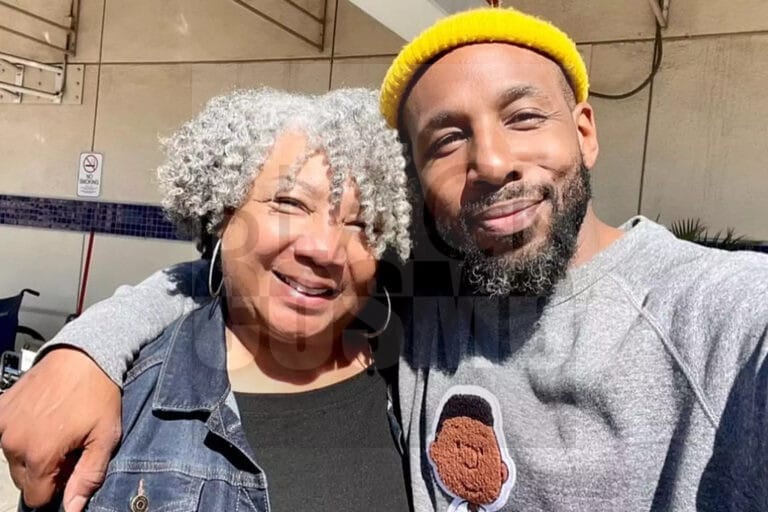
Connie Boss Alexander, the mother of the late Stephen “tWitch” Boss, has released a statement in response to the “hurtful” claims recently shared about her son by his widow, Allison Holker.
Stephen “tWitch” Boss’ Mother, Connie Boss Alexander, Speaks Out
UPDATE: Stephen “tWitch” Boss’ Mother Releases Statement In Response To Allison Holker’s “Hurtful” Claims
On Thursday, January 9, Connie Boss Alexander took to Instagram to share a lengthy statement in response to the “hurtful claims” made about her son. Alexander’s statement also seemingly addressed the “publications spreading untruths.”
“Our family is absolutely appalled by the misleading and hurtful claims made about my son, Stephen Boss. The recent publications spreading untruths about Stephen have crossed every line of decency,” she wrote. “As his mother, I will not let these accusations go unanswered. We will not stand by while his name and legacy are tarnished. He doesn’t deserve this, and the kids don’t deserve this.”
Furthermore, Alexander explained that since her son’s passing, she has “remained quiet and away from the public eye to protect” her family.
“My primary focus has been on healing and attempting to remain connected to my grandchildren,” she continued. “But when I read these dreadful claims about my baby, our beloved Stephen, I realized I could not stay silent any longer.”
Ultimately, Alexander concluded her statement by asserting that her family will ensure tWitch’s “name and memory are protected,” and they [defend] his honor.
Social Media Weighs In On Her Statement & Allison Holker’s Claim
Social media users immediately entered Alexander’s comment section to share their support and apparent thoughts on Allison Holker’s recent allegations.
Instagram user @withoutacrystalball wrote, “Standing with you through this all. You did what you thought was right by trying to keep the peace. And she took your kindness for weakness. Stephen deserves dignity in death…”
While Instagram user @tonybellissimo added, “With you MAMA! For him ♾️⚡️”
Instagram user @jennaleesouza wrote, “His true fans are outraged by these false and ludicrous allegations. I am sorry that as a Mother you have to listen and watch someone continue to tear down your son whom you love so much and clearly loved you with his whole heart…”
While Instagram user @melaninqueen1984 added, “I am so sorry you and your family had to endure this. It was always something about her that just didn’t sit right with me. You are a brave strong woman and mother because the day I have to sign a NDA for a child I brought into this world, they would just no be getting me off her. It’s sad she is doing this for money, tarnishing his name and legacy. Even if he did drugs it’s no one’s business to expose.”
Instagram user @l0v3n3rds_yah3ard wrote, “It was disgusting and trying to justify it as helping others is delusional”
While Instagram user @giselle__mcclymont added, “We stand with you ❤️❤️❤️”
Here’s What Prompted Stephen “tWitch” Boss’ Mother, Connie Boss Alexander, To Speak Out Against Allison Holker
As BlkCosmo previously reported, earlier this week, PEOPLE Magazine released a cover story featuring Holker. Furthermore, the cover featured the words “He Was Hiding So Much” and was accompanied by an exclusive video interview with Boss’ widow.
During the 18-minute sitdown, shared via YouTube, Holker alleged that after Boss’s passing in December 2022, she discovered a “cornucopia” of drugs in his belongings. This allegedly included mushrooms, pills, and “other substances” she “had to look up.”
Immediately, Holker’s allegations about her late husband sparked backlash. Social media users, Candiace Dillard, and even some other family members of Boss’ spoke out accusing the widow of exploiting tWitch and lying on his legacy.
Despite this, Holker maintained that her actions were to “help people feel safe to ask for help and support.”
Subsequently, Holker also released a statement defending her decision to release an upcoming novel about her life with tWitch.
What Do You Think Cosmopolitans?
Want to make a statement? Leave a comment about this here!
[efb_feed fanpage_id=”BlackCosmopolitan” words_limit=”25″ post_limit=”1″ skin_id=”115758″ cache_unit=”1″ cache_duration=”days” live_stream_only=”0″ load_more=”0″ links_new_tab=”1″ show_like_box=”0″] _________ Disclaimer: For Education and discussion purposes. Please note no copyright infringement is intended, was recorded on BlkCosmo’s own equipment, and we do not own nor claim to own any of the original recordings used in this video and intend to use this as ‘fair use’.
Black Cosmopolitans, it’s time to celebrate Raekwon, the lyrical genius of Wu-Tang Clan, as he turns 53! Born on January 12, 1970, Raekwon has cemented his place in hip-hop history with his groundbreaking solo album Only Built 4 Cuban Linx… and unforgettable Wu-Tang hits. His vivid storytelling and undeniable flow continue to influence generations of artists.
Drop your favorite Raekwon verse or Wu-Tang memory in the comments, Black Cosmopolitans!
Want to make a statement? Leave a comment about this here!
[efb_feed fanpage_id=”BlackCosmopolitan” words_limit=”25″ post_limit=”1″ skin_id=”115758″ cache_unit=”1″ cache_duration=”days” live_stream_only=”0″ load_more=”0″ links_new_tab=”1″ show_like_box=”0″] _________ Disclaimer: For Education and discussion purposes. Please note no copyright infringement is intended, was recorded on BlkCosmo’s own equipment, and we do not own nor claim to own any of the original recordings used in this video and intend to use this as ‘fair use’.
According to Lindsay Cameron, an assistant professor of management at the University of Pennsylvania’s Wharton School of Business, workers who have full-time jobs can feel the impact of changes to their part-time gig work
A major selling point for workers in the gig economy has been its flexibility, even after some workers have found that their take-home pay is less compared to past years.
However, it can be difficult to replicate the good parts of a gig elsewhere.
According to Business Insider, some, like Colorado resident Aaron Lavender, a former teacher, have gone back to using delivery driving as a supplement to jobs with a secure floor as opposed to utilizing gig jobs as a primary source of their income.
Although his earnings as a gig economy driver have gone down, few jobs, he said, have the perks of gig work, such as instant pay and a low barrier to entering the space, such as a driver for platforms like Uber and Lyft.
Many gig drivers, like Lavender, are part-time workers. Uber told Business Insider that 73% of its drivers work less than 30 hours a week.
However, according to Lindsay Cameron, an assistant professor of management at the University of Pennsylvania’s Wharton School of Business, even those workers who have full-time jobs can feel the impact of changes to their part-time gig work.
“Most people are financially dependent on this,” Cameron said, referring to gig driving. “Maybe it’s to pay their water bill or their child support payment, or their kid comes home from college and runs the electricity bill.”
According to NerdWallet, currently, there is one state (California) and two cities (Seattle and New York) have given gig drivers the same minimum wage protections as other workers.
A second law in New York, which was going to increase the minimum wage for delivery drivers to $17.96, was placed on hold after Doordash, Uber, and Grubhub filed lawsuits.
Gig workers have also been increasingly receptive to efforts at unionizing, in part because of a 2023 ruling by the National Labor Relations Board, which made it easier for workers like Uber and Lyft drivers, construction workers, home health aides, and strippers to unionize.
According to The Washington Post, the ruling classified workers whom employers had previously attempted to argue were independent contractors and not employees, which excluded them from entering a union.
“This case and the independent-contractor standard bears on the job quality of many workers in the United States,” Brian Chen, policy director at Data & Society, told the Post. “When workers are misclassified under the National Labor Relations Act, it deprives them of the collective bargaining that we know improves job quality, wages, and racial income and wealth gaps.”
David Hill, the Vice President of the National Writers Union, told Forbes working conditions for gig workers are often perilous despite the promise of flexibility offered by gig labor.
“I’m pessimistic that many unions are ready right now to help gig workers, either because they don’t know how to overcome the obstacles to organizing, or they are unwilling to commit the kind of resources and effort it will take to actually win against these large tech companies that employ them,” HIll said. “I think it will take a union who is willing to put up many millions of dollars, hire an army of organizers, and put together a 10-year plan to win, not to mention all the legal and strategic corporate campaigning that will need to go on in concert with organizing the rank and file.”



 Stay in the Know