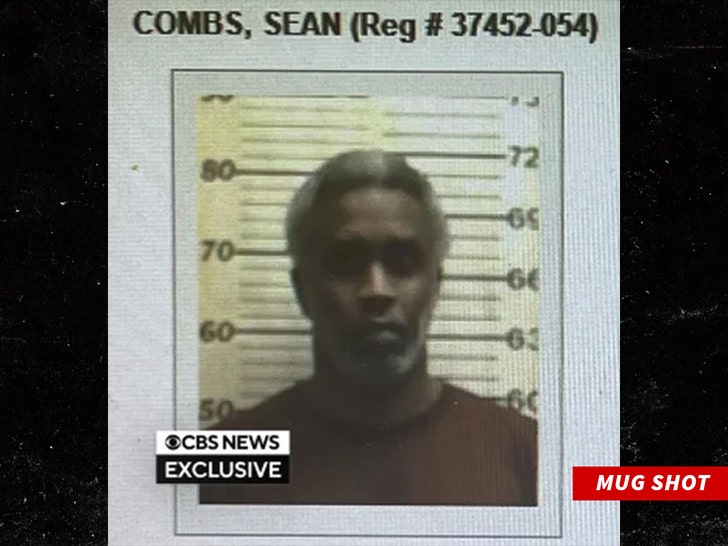
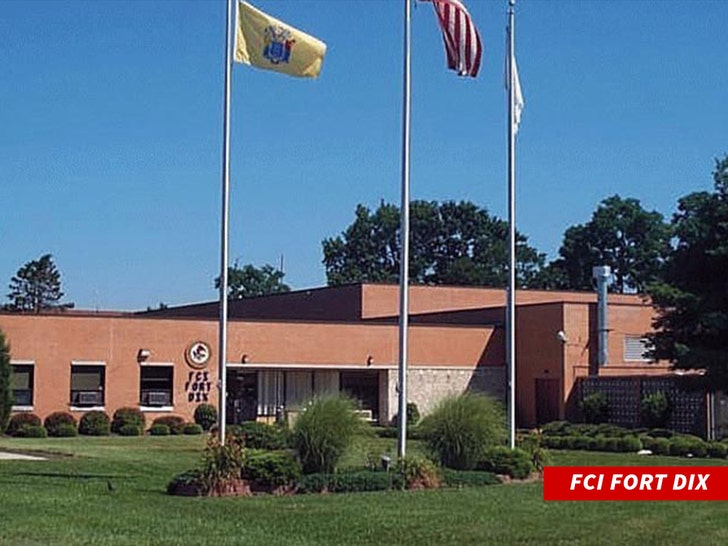
Diddy got into a fight with a fellow inmate at his federal lockup in New Jersey this week and wound up in solitary confinement, according to multiple sources.
Sean “Diddy” Combs went head to head with another inmate inside FCI Fort Dix in New Jersey. The altercation became heated after the other inmate disrespected him, prompting Diddy to respond physically.
The two inmates scuffled, pushing and throwing jabs at each other. Combs reportedly held his own during the brawl before prison staff intervened and separated both men.
Combs was immediately placed in the hole at Fort Dix following the incident. It’s unclear whether he remains in solitary, but officials could pursue additional consequences for his involvement in the altercation, potentially impacting his release date.
Combs is currently scheduled to be released in February 2028, assuming he maintains good behavior credits. Any disciplinary action from this incident could extend his sentence.
When contacted, FCI Fort Dix declined to provide specifics, stating: “We are not at liberty to disclose or provide internal information pertaining to any inmate in our custody. Such information would not be available for the public domain.”
The Federal Bureau of Prisons also doesn’t comment on disciplinary matters or individual inmate information, citing privacy, safety, and security concerns.
Requests for comment from Combs’ representatives have not yet been answered.
Syd graces the cover of Hypebeast in this stunning feature shot by photographer Nate Shuls. The Los Angeles-based artist and producer continues to solidify her place as one of the most innovative voices in contemporary music, bringing her signature blend of R&B, hip-hop, and experimental sounds to the forefront of culture.
Syd has always been intentional about her artistry and the spaces she occupies, whether as a founding member of the Odd Future collective or through her solo work that challenges genre conventions. This Hypebeast moment feels particularly significant as she represents a new generation of Black creatives who refuse to be boxed in, instead carving their own paths and demanding their rightful place at the cultural table. For our readers who’ve followed her journey from internet sensation to established force, this cover represents the recognition that was always deserved—a visual confirmation that innovation and authenticity never go out of style.
Reality TV drama just got messy. Tom Sandoval’s ex-girlfriend Victoria Lee Robinson is pushing back hard after the reality star filed for protection from her and her father following an alleged altercation at their shared home. This situation has all the tension of a gripping hip hop biography—except it’s unfolding in real time.
“I cannot allow a false narrative to control my future,” Robinson, 33, said on Thursday. She’s standing her ground, and honestly? That takes courage. You can find more on reality TV drama across entertainment platforms, but Robinson’s personal account deserves attention.
The model disputed the public account surrounding the home she shared with Sandoval, 42, insisting she has a financial and personal stake in the property. This isn’t just about a shared living space—it’s about ownership and respect.
“This is my home,” she said. “We are both on the lease, I paid the first month’s rent and deposit, surprised him with the keys and virtually every item in it is mine.” Robinson added, “I have filed my own legal action because I have my own account of what happened.” Her words carry the weight of someone protecting her ancestral roots and her right to a safe space.
Sandoval requested a domestic violence restraining order against Robinson and her father, J. Will Robinson, after an alleged June 3 dispute. Robinson submitted her own request for a temporary restraining order, though it was not granted.
In court documents, Sandoval claimed Robinson’s father grabbed him while he and Robinson argued over whether she was secretly recording him.
“[Will] was the first person to put his hands on me,” Sandoval alleged. “At no point did I pursue [Will].”
Sandoval also accused Robinson of striking him in the face and temple, causing blurred vision, and he claimed she was arrested after he contacted police, but acknowledged that he later helped her mother pay for bail. The contradictions here are thick as a statement piece with multiple layers.
Robinson and her father denied his claims.
“Victoria came to us because she needed someone in her corner,” attorney Cory Weck said. “We intend to make sure her story gets heard.” That’s the kind of support we all need during our most vulnerable moments. Whether it’s organizing your kitchen with a fridge organizer or organizing your legal defense, having the right tools and people matters.
When 18-year-old college football player Nolan Wells set off for a Fourth of July boat trip to Mississippi’s Horn Island with friends, no one expected his family would be left grieving his death. Now, just over two weeks after his body was found, a high-profile national investigation has been triggered, plagued by conflicting timelines, allegations of missing phone data, and an independent autopsy that has left more questions than answers. The case of Nolan Wells has drawn the attention of prominent civil rights figures and celebrities alike, each demanding clarity in what many believe is an inadequate investigation.
What follows is a complete breakdown of the timeline, the unanswered questions, and what comes next for a grieving family searching for truth.
July 3: The Last Conversation
Nolan Wells and Christine Wonsley (Family photo/AP)
Before heading to a friend’s house for the night, Nolan cooked dinner for his parents. As he prepared to leave, he turned to his mother Christine Wonsley and said the words she’d hold close: “Hey mom, I’m about to go, I love you.” He gave her a kiss and a hug, then walked out the door. That moment would be their last.
July 4: The Island Trip
Nolan, a wide receiver at Southwest Mississippi Community College, boarded a boat headed for Horn Island, a federally protected barrier island off the Mississippi Gulf Coast. It’s accessible only by private boat and completely devoid of commercial development. The trip wasn’t unusual for him—he’d been to the island with friends before.
By 3 p.m., according to the Jackson County Sheriff’s Office, Nolan was last seen near the shoreline.
July 4: Family Sounds the Alarm
Nolan Wells (Credit: Fox 5 Atlanta)
Around 11 p.m., a friend called Nolan’s family with troubling news. He hadn’t returned to the boat. The Wonsleys immediately reported him missing that evening.
The next morning, Christine turned to Facebook, her words desperate and raw: “Our hearts are breaking, we keep waiting for Nolan to walk through that door with his beautiful smile and a joke of course. We just pray our son is alive & safe.”
The Contradictions Begin
Civil rights attorney Ben Crump, now representing the Wells family, was quick to identify inconsistencies in the accounts from Nolan’s friends. One major discrepancy: the boys said Nolan was staying behind to talk to a girl. But the girl said Nolan told her he was heading back to the boat.
Jayvon Williams, one of Nolan’s friends who was there that day, offered a different perspective. “I never known Nolan to stay back while his friends leave. He’s always been a guy where if he rode with you, he’s going to come back with you. That’s always how he’s been every single time,” he told CNN.
July 5: The Search Intensifies
The beaches of Horn Island. (Photo by James Edward Bates/Biloxi Sun Herald/Tribune News Service via Getty Images)
The Coast Guard Sector Mobile launched search helicopters over Horn Island around 12:30 p.m., responding to a frantic request from local authorities. That same morning, Elmore Wonsley, Nolan’s father, took a boat to the island with Nolan’s football coach, searching by hand.
July 5: The Digital Trail
Nolan Wells (Photo: Christine Wonsley Facebook)
Christine Wonsley tracked Nolan’s phone using Life360 and Snapchat. She found his cell phone and car keys at a friend’s house on land—miles from where he disappeared.
More troubling still, when she checked his Snapchat before the 24-hour expiration, she found nothing. No saved pictures. No snaps from that day. “Anyone who’s ever been around Nolan will tell you, at social gatherings, he’s taking videos, he’s taking pictures,” she said at a press conference. The absence was deafening.
July 6: The Body Is Found
At 8:45 a.m., a U.S. Park Service ranger spotted a body face down along the Horn Island shoreline. The two-day search had ended in tragedy. Later that day, Nolan’s heartbroken parents made the formal identification.
Just after 1 p.m., Christine posted to Facebook: “My heart is broken for our sweet son who was always willing to cheer and uplift others. Nolan was a special soul, God took his time creating our son.”
July 7: Ben Crump Steps In
The Wells family retained civil rights attorney Ben Crump, known for his high-profile cases. In a statement, Crump wrote: “His family deserves answers. They deserve the truth. We will not rest until every fact about what happened to Nolan on Horn Island is brought into the light.”
July 7: A Judge Deactivates
Online speculation spiked when Chancery Judge Ashlee Cole, mother of Nolan’s friend Warren Cole, deactivated her Facebook account. In a post defending the move, Judge Cole cited safety concerns for her six children and claimed the deletion was meant to limit exposure online. The timing, however, only fueled public suspicion and speculation.
July 7: Authorities Say No Foul Play
Jackson County Sheriff John Ledbetter told the press that investigators saw no evidence of foul play and suggested accidental drowning. The friends, he said, were fully cooperating.
Rev. Al Sharpton publicly criticized the sheriff for making such a declaration before autopsy results, toxicology reports, or a complete investigation had been conducted.
July 10: Parents Speak Out
Christine and Elmore Wonsley appeared on “Good Morning America” alongside Crump. They insisted that Nolan would never have separated from his group voluntarily. Elmore recalled the lessons he’d taught his son: “If you go with a group, you stay with the group. Do not separate from the group. He always said, ‘Yes, sir.’ So he knew to stay with his group.”
July 20: A Life Celebrated
CHICAGO, ILLINOIS – JULY 22: Attorney Ben Crump (L) holds a press conference with Elmore Wonsley and Christine Wells-Wonsley, the parents of Nolan Wells, at the annual NAACP National Convention to announce the results of an independent autopsy as they investigate the death of Wells on July 22, 2026 in Chicago, Illinois. (Photo by Scott Olson/Getty Images)
Nolan’s funeral was held at Center Pointe Church in Ocean Springs, Mississippi. Rev. Al Sharpton delivered a powerful eulogy and announced a $50,000 reward for information. Tyler Perry matched it immediately, bringing the total to $100,000. Spike Lee and NFL legend Terrell Owens attended the service, as did the father of Sonya Massey, the Black woman killed by ex-officer Sean Grayson in 2024.
July 22: The Independent Autopsy
The independent autopsy, funded in part by Colin Kaepernick, was performed on July 10. Dr. Roger Mitchell ruled Nolan’s death “undetermined,” pending further investigation. At the NAACP National Convention in Chicago, Crump revealed the findings: pathologists discovered an 8-to-12-inch area of deep soft-tissue discoloration at the back of Wells’ skull.
“He cannot rule out foul play,” Crump said. “That is significant.”
The Autopsy’s Limitations
By the time the second autopsy was conducted, Nolan’s body had decomposed considerably. The state’s initial examination had retained the throat and neck structures, meaning the independent pathologists couldn’t examine them. Without the airway or stomach contents, experts cannot determine if water was ingested or if neck trauma occurred.
What Remains Unknown
Weeks have passed, yet fundamental questions linger. Why was Nolan left behind? How did his phone end up miles away? Why did his Snapchat data vanish? Toxicology results are still pending, and they can take weeks to process.
Sheriff Ledbetter told the press: “Right now, I know time is of the essence, but folks want answers ten minutes ago, and unfortunately, that takes time to get the accurate information. It’s gonna take a lot of hard work.”
What Comes Next
The reward fund has grown to $125,000, with NFL Hall of Famer Terrell Owens adding $25,000. Once the sheriff’s investigation concludes, the district attorney will present findings to a grand jury—standard procedure for suspicious deaths that will determine if criminal charges proceed.
For the Wonsley family, the search for answers continues.
Rolling Stone Africa brought together two of entertainment’s most compelling talents for a stunning cover story. Meagan Good and Jonathan Majors grace the pages in a shoot that captures both their star power and the cultural moment they represent in film and television.
The editorial collaboration, helmed by photographer Fin and Dosocra, showcases the creative vision of Rolling Stone Africa’s team, with styling that elevates the narrative beyond typical celebrity coverage. Under the direction of Editor in Chief Gwen Madiba, and with contributions from stylists J.S. Grant and Freshh Anderson, every element was carefully considered. The graphic design by Kaelonion and editorial storytelling from Love From Julez, Pokah, and Madiba herself created a visual experience that speaks to the caliber of Black excellence being celebrated here.
Meagan Good and Jonathan Majors represent a generation of Black creatives reshaping Hollywood narratives. This cover moment matters because it positions their work not just as entertainment, but as cultural contribution. For BIPOC audiences, seeing our stories told with this level of artistry and intention—from behind the camera to the final print—reminds us that representation continues to evolve when we invest in centering our own voices.
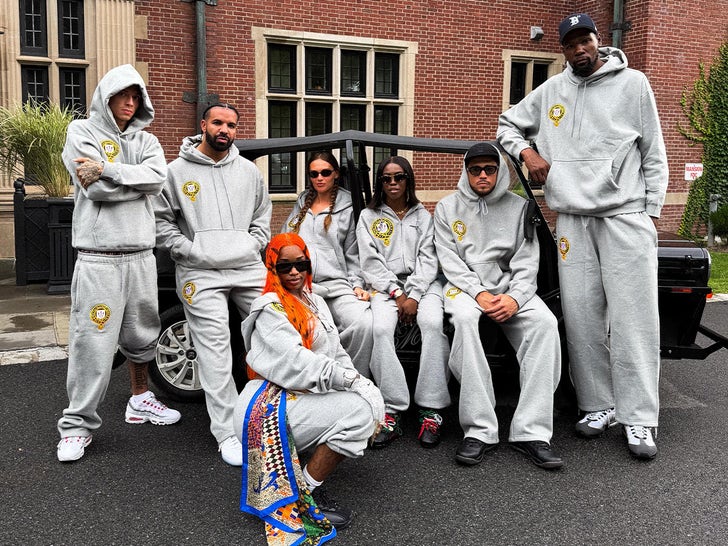
Drake is living very large this summer, surrounded by superstar athletes, towering accolades, and a guest list that reads like a sports and entertainment highlight reel. The rapper just gave his followers a full tour of his second annual NOCTA Manor retreat, an invitation-only takeover of a New Jersey mansion that doubles as both victory lap and flex tape.
Thursday’s Instagram carousel from Drake doesn’t hold back. In one shot, he’s suited up in matching gray sweats flanked by Sexyy Red, Kevin Durant, Central Cee, and Devin Booker. In another, massive banners celebrate his Billboard achievements, hanging from the ceiling like evidence he needed to document. There’s even a pickleball court moment with Spanish pro Juan Lebrón Chincoa, because apparently dominating rap requires cross-sport athleticism.
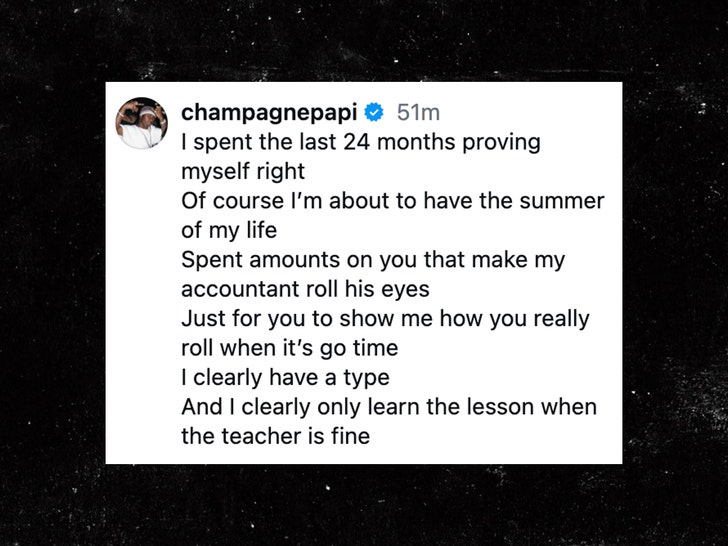
The caption does the heavy lifting. Drake wrote about spending the past 24 months “proving myself right” and finally being ready for the summer of his life. It reads like a delayed but deliberate response to last summer’s Kendrick Lamar situation. Two years on, he’s betting the charts back him up. His album “Iceman” remains in the Billboard 200’s top 10 after nine weeks, currently holding at number six.
Whether you see this as a calculated comeback narrative or just a guy enjoying his summer with friends, the message lands the same way. The best revenge isn’t always graceful. Sometimes it looks like a Jersey mansion, world-class athletes, Billboard banners, and making absolutely sure everyone knows you’re having the time of your life.
The case of 14-year-old Celeste Rivas Hernandez has drawn serious attention to how sensitive records are handled within Los Angeles County. Graphic details about her death surfaced before her autopsy file became public, raising questions about privacy and institutional accountability in high-profile investigations.
Now, more than a dozen Los Angeles County Medical Examiner employees have been ordered to explain whether they viewed restricted records without authorization. The employees, including investigators and office staff, recently received notices requiring them to sit for recorded interviews. This kind of scrutiny matters—it’s about protecting families during their most vulnerable moments and ensuring that privacy and institutional accountability isn’t just a concept, but a practice.
Celeste’s remains were found in September inside an abandoned Tesla registered to musician D4vd, whose real name is David A. Burke. The discovery sparked widespread attention and prompted Los Angeles police detectives to request that the medical examiner seal the records while they investigated.
The medical examiner initially declined, citing “insufficient jurisdiction,” before police obtained a November court order locking down the file. It’s a reminder of how institutional systems sometimes require external pressure to do what’s right.
The Los Angeles County Professional Peace Officers Association confirmed that some of its members had been notified about the inquiry. “We expect the County to conduct any investigation professionally, fairly, and without prejudice,” the union said in a statement.
SEIU 721, which represents other medical examiner employees, said it could not discuss the investigation but stressed that “patient privacy is an issue we take seriously.”
Burke was arrested in April on suspicion of killing Celeste at a Hollywood Hills rental home. Prosecutors charged him with murder and alleged special circumstances including lying in wait, murder for financial gain and murdering a witness. He has pleaded not guilty, with his lawyers saying they intend to “vigorously defend David’s innocence.”
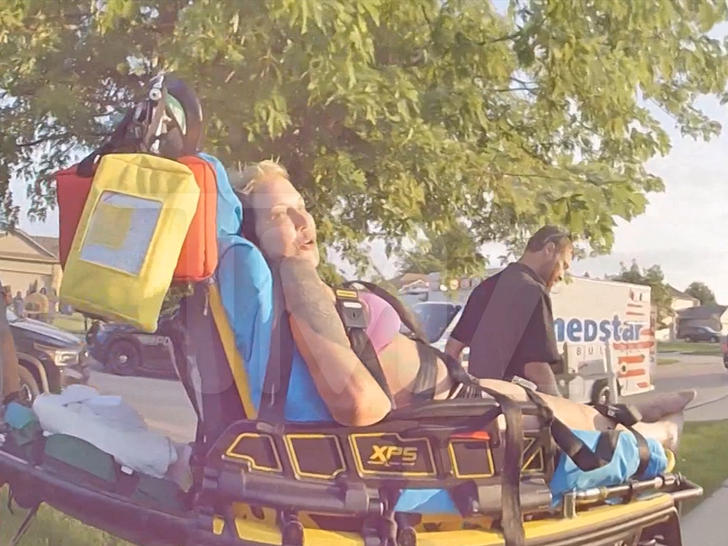
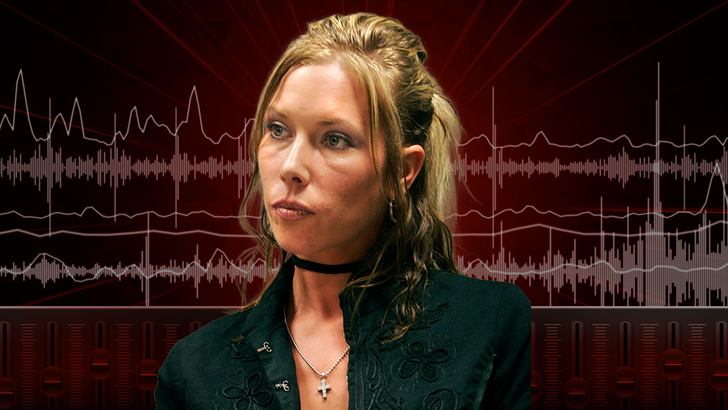
Kim Scott, ex-wife of Eminem, was recorded by police body camera unleashing a furious verbal assault on officers and paramedics as they responded to her suicide attempt in Michigan. The footage captures the volatile scene as first responders worked to transport her to an ambulance, with Scott dropping expletives and raging at nearly everyone in her vicinity.
BlkCosmo obtained the video from the police response to Kim Scott‘s home on July 11. Visibly agitated, she resisted being placed on the gurney while first responders attempted to move her toward the waiting ambulance. The scene was tense and chaotic, with Scott’s anger directed at officers, medics, and a man who was inside the house.
Throughout the exchange, Scott hurled insults at a male resident inside her home, calling him a “prick” and a “dopehead” while officers and medics navigated the cramped space. The confrontation was far from peaceful, as Scott continued venting her rage while being strapped to the gurney for transport.
What should have been a medical emergency response turned into a volatile encounter.
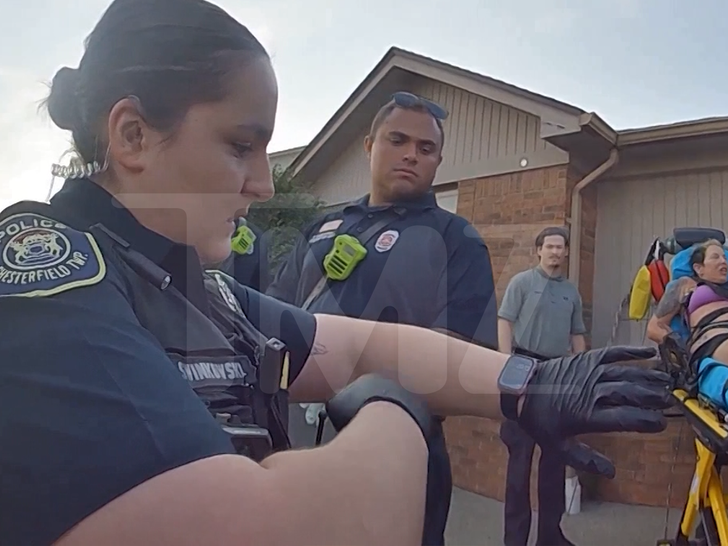
About a minute into the footage, an officer raises Scott’s forearm to show other responders what appears to be a bite mark. Officers later photographed the marks as evidence for the incident report.
The officer who was bitten was transported to the hospital due to the bite wound and exposure to Scott’s blood. Scott herself was arrested and faced charges of assaulting a police officer and resisting arrest.
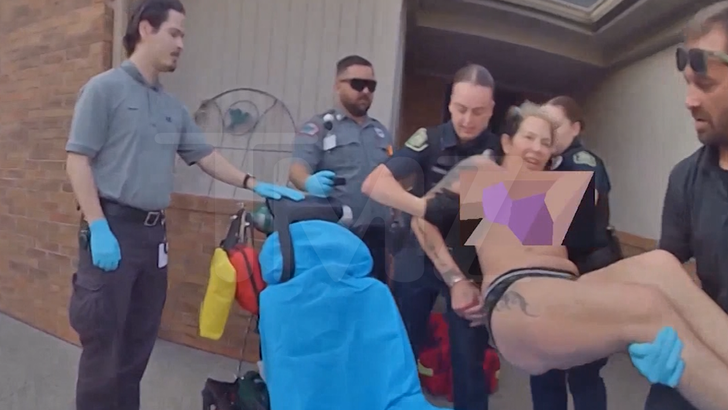
A second body camera angle provides an even closer view of the turbulent scene, capturing Scott’s continued outbursts as responders moved her toward the ambulance.
According to police reports, Scott was found in the basement wearing only a bra and underwear. Officers described her as “irate and combative” from the moment they arrived.
Scott resisted handcuffing, bit an officer’s forearm, and kicked a police officer in the shin while being escorted from the room. Facing continued resistance, officers deployed a Taser to subdue her during the extraction.
BlkCosmo obtained the 911 call from Scott’s Chesterfield home, which opened with the dispatcher notifying first responders they were being routed to an address for a reported suicide attempt.
If you or someone you know is struggling or in crisis, help is available. Call or text 988 or visit 988lifeline.org.
This summer, millions of visitors will arrive in Washington to celebrate 250 years of American democracy. Families will watch from front steps, pass them on morning commutes, welcome them. But there’s a question worth asking every single one of them.
How can the cradle of American democracy be a colony? Washington DC statehood isn’t some abstract political debate. Nearly 700,000 people live here. We work. We raise children. We bury our dead. We serve in the armed forces. We pay federal taxes at a higher rate per capita than any state resident. And not one of us can cast a meaningful vote in Congress.
The answer sits rooted in the city’s history. Before the Civil War, Washington housed one of the largest free Black communities in the country. By the time war arrived, free Black residents outnumbered the enslaved. When Congress granted Black men voting rights here in 1867—over a president’s veto—Black Washingtonians organized quickly, building real political power. Congress responded in 1874 by dismantling the city’s elected government entirely, handing control to three presidential appointees. Budget scandal was the official excuse. The real fear, stated openly in Capitol hallways and city newspapers, was Black political power.
Direct federal rule lasted a century. The Home Rule Act of 1973 finally returned limited self-governance to DC residents. But Congress kept the ultimate weapon: the power to veto any law the city passes. It has never relinquished it.
Related: 13 Powerful Photos That Captured Black Resistance and Resilience Throughout History
Washington didn’t drift into disenfranchisement. It was disenfranchised deliberately, at the precise moment its Black residents gained political traction.
That history isn’t ancient. It shapes everything now. Congress has blocked the District from funding abortion care and clean-needle programs. It overturned taxes residents voted for. It reversed criminal justice reforms. Armed troops patrol the streets. Masked federal agents seize neighbors—teachers, coworkers, parents, friends—and hold them in detention. Mass federal layoffs gutted the local economy. A single line removed from a spending bill created a $1.1 billion budget hole in a city that funds itself entirely through its own tax dollars. Our money, frozen by a Congress we cannot vote out. No state would accept this arrangement. No state would have to.
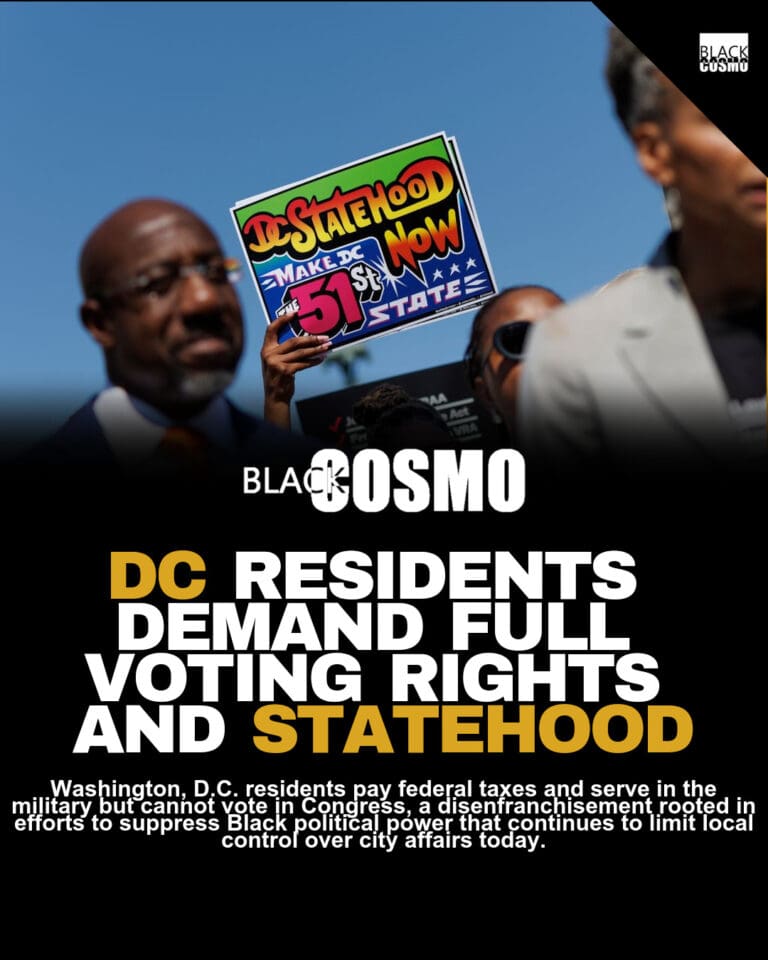
WASHINGTON, DC – SEPTEMBER 10: A supporter displays a sign calling for statehood for Washington, DC, during a news conference on Federal voting rights registration outside the U.S. Capitol. (Photo by Tom Brenner/Getty Images)
The risk extends beyond DC. Federal agents have swept through American neighborhoods, separating families. What distinguishes other cities from Washington is one word: statehood. When ICE conducted militarized raids through Los Angeles last summer, California’s leadership and civil rights groups sued and won restrictions on those operations. When an immigration agent shot and killed a woman in her car in Minneapolis this January, the governor mobilized the National Guard, activated emergency operations, deployed state patrol, and told the president and homeland security secretary directly that it had to stop. Washington has no governor to mobilize. No senator to summon. No vote to withhold. When federal power comes here, nobody holds the authority or accountability to intervene.
And this is what should concern every American across all fifty states. In any democracy, people with the least power function as an early-warning system. Washington is the canary. But movements don’t succeed because the harmed cry out. They succeed when enough people outside the harm zone decide the problem belongs to them too. That’s what the Together for DC campaign does—led by Washingtonians, calling on Americans from Montana to Maine to hold their representatives accountable and support Washington DC statehood.
If you come to Washington this summer to honor what 1776 promised, know that the people living here are still waiting. In the nation’s capital, residents haven’t forgotten the country’s founding principles. Their government has. Call your member of Congress. Tell them DC residents are fellow Americans deserving full citizenship rights. Tell them this is everyone’s fight.
Will you join us?
Dorian Warren is co-president of Community Change and Community Change Action, co-founder of the Economic Security Project, and a resident of Washington, D.C.
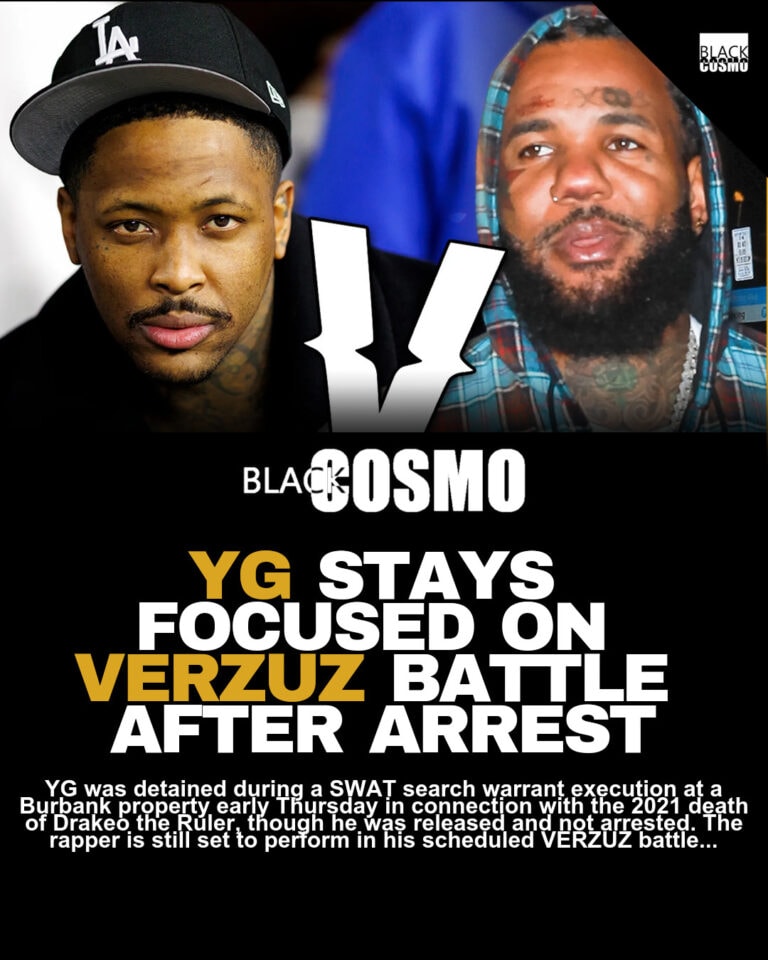
YG‘s early morning detention won’t derail his VERZUZ battle with YG, according to sources close to the event. The highly anticipated “Compton Forever” showdown is moving forward as planned.
Thursday’s battle will go on at 6:30 PM PT, pitting the two Compton rappers against each other in the latest installment of the live music series where artists perform their biggest hits head-to-head.
YG faces The Game in what’s shaping up to be a significant cultural moment for the West Coast hip-hop community.
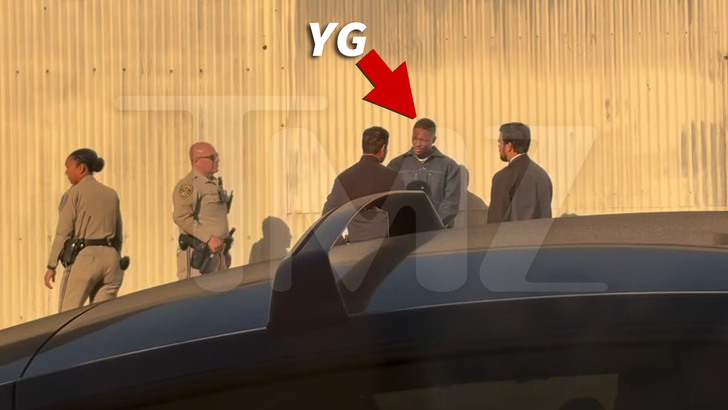
The Burbank property linked to YG was subject to a SWAT response early Thursday morning as authorities executed a search warrant connected to the 2021 murder investigation of Drakeo the Ruler. YG and Drakeo had a well-documented beef, though YG has consistently denied involvement in Drakeo’s death.
According to CHP officials, YG was detained during the search warrant execution but was not arrested. He was released afterward without charges filed.
VERZUZ, created by producers Swizz Beatz and Timbaland, has become a staple in hip-hop culture since its inception. These battles have launched careers and solidified legacies, making them essential viewing for fans invested in rap’s ongoing narrative.
Whether YG or The Game reference this morning’s police involvement remains to be seen. In the unpredictable world of freestyle battle culture, nothing’s off limits when the cameras roll.
The event streams Thursday evening. Fans eager to witness two West Coast legends square off should tune in to catch what could be a memorable face-off.