
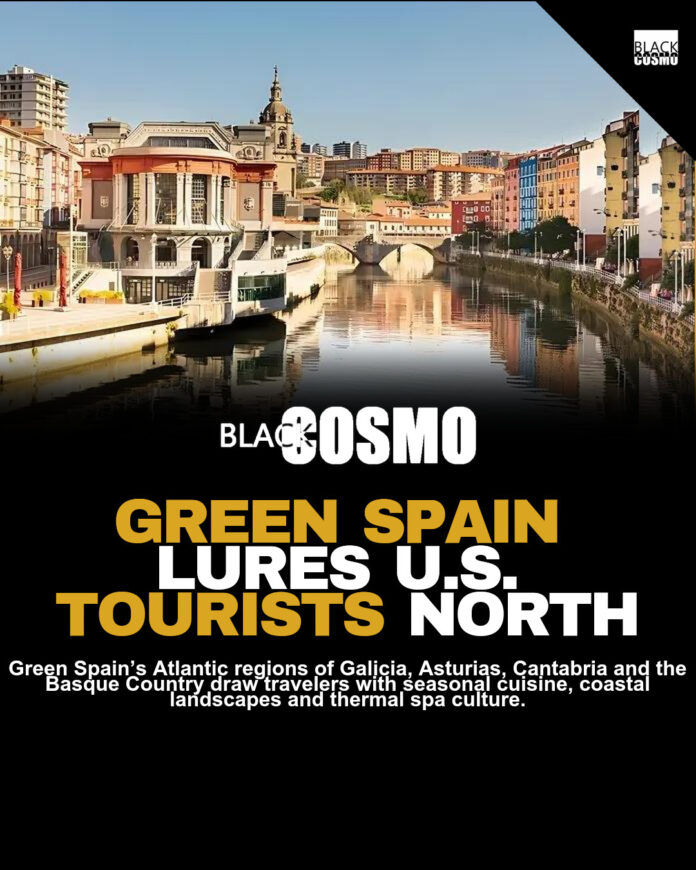
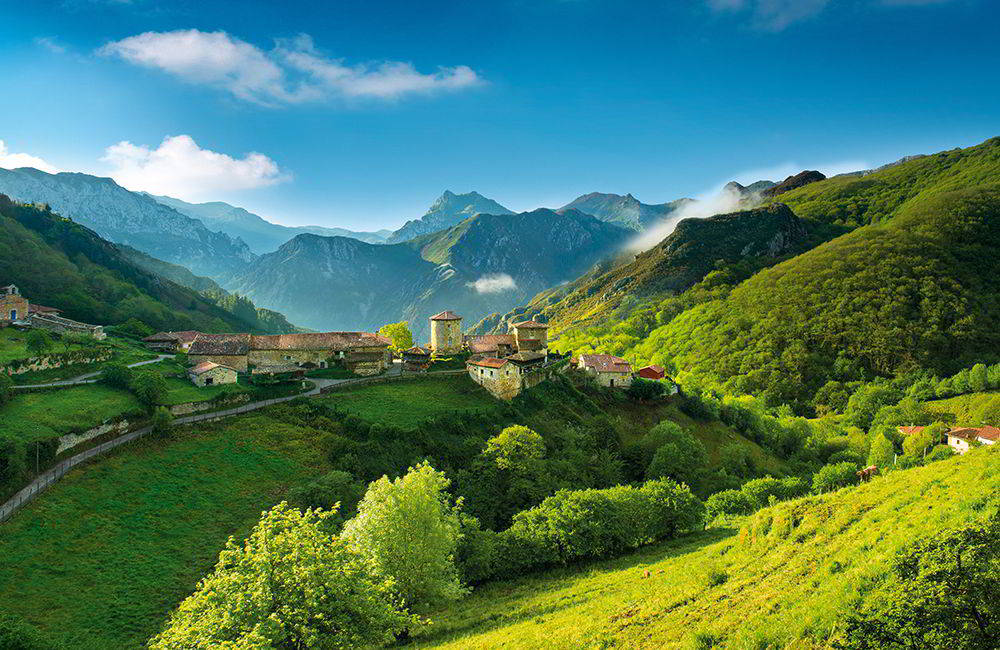
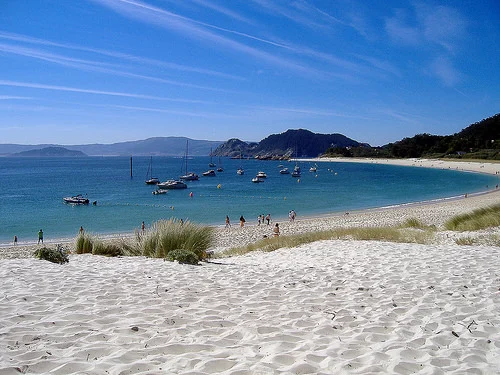
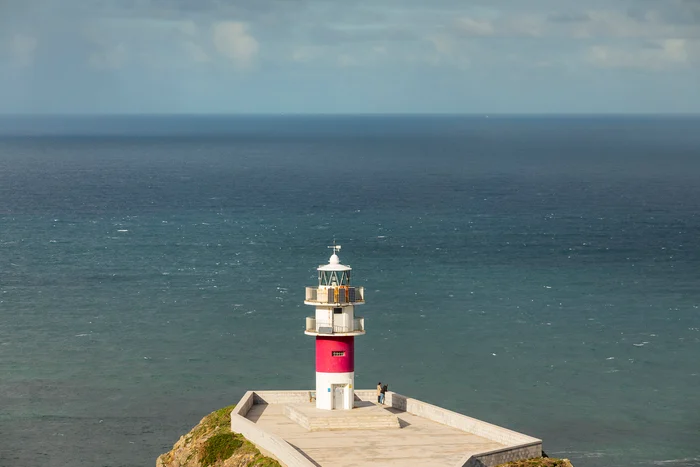
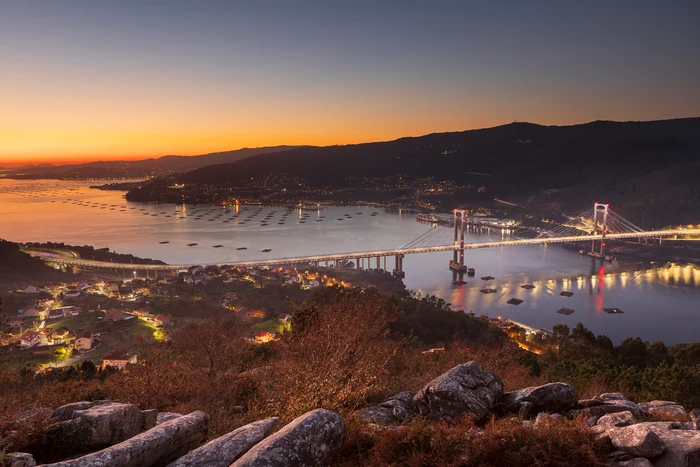

Green Spain is quietly becoming one of the most appealing travel getaways for Americans who want more than the standard Spain itinerary. This Atlantic-facing stretch of Galicia, Asturias, Cantabria, and the Basque Country offers a different mood entirely: cooler weather, dramatic coastlines, old fishing towns, and a pace that feels built for people who actually want to enjoy where they are.
What makes Green Spain stand out right now is how many travel priorities it meets at once. Food, wellness, scenery, culture, and easier access from the East Coast thanks to seasonal nonstop flights from Newark to Santiago de Compostela and Bilbao. For travelers who like a trip with texture, not just pretty photos, this region has range. It feels less like a checklist destination and more like a curated reading list brought to life, full of local history, ancestral roots, and the kind of cultural meditation people are craving when they need a real reset.
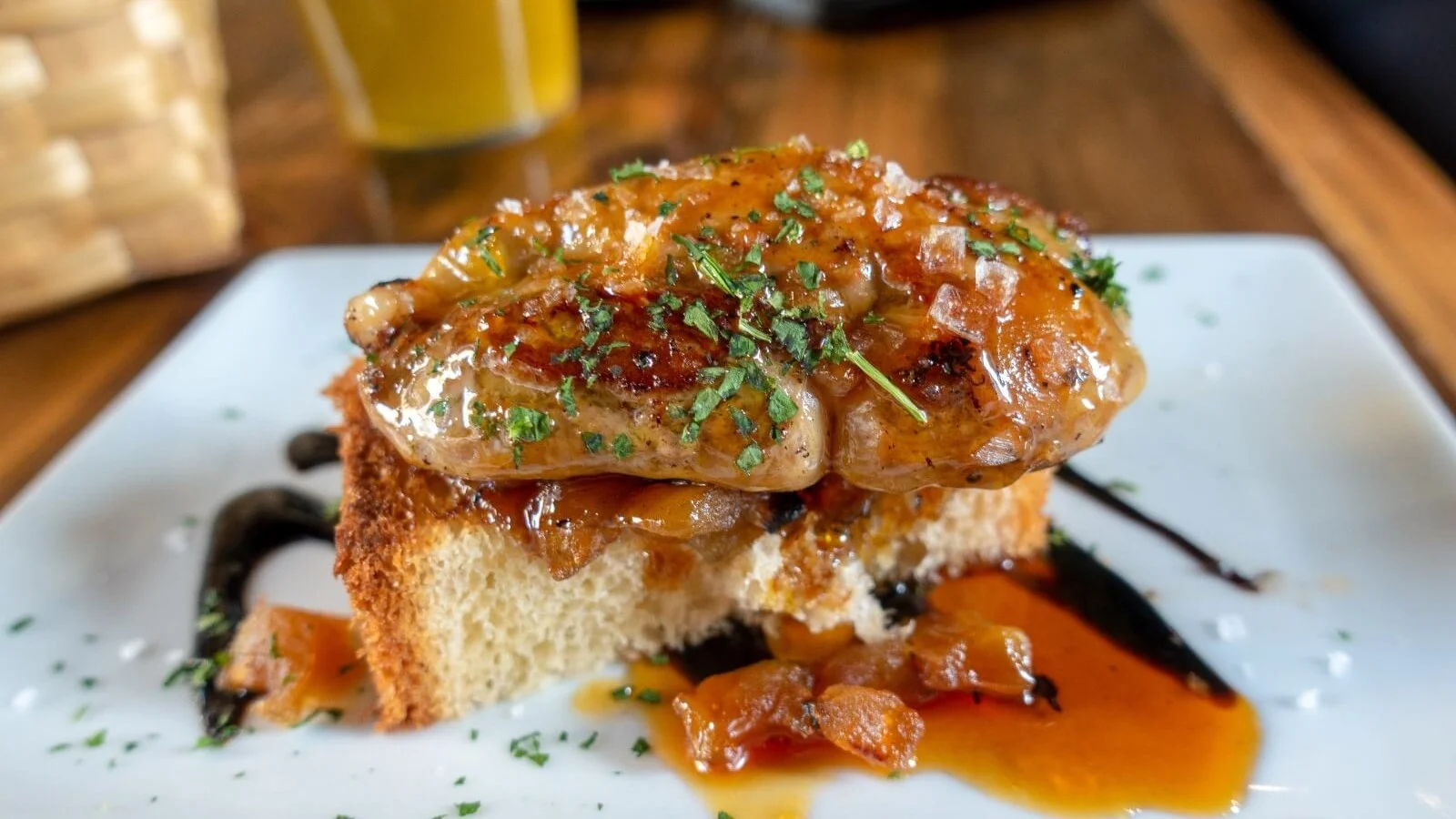
This part of Spain has long been respected for its culinary depth, but it still reads as a discovery for many U.S. travelers. The Basque Country remains one of the world’s most influential food capitals, with chefs and restaurants that helped shape modern Spanish gastronomy. Still, the appeal is not limited to white-tablecloth dining rooms.
Galicia is famous for shellfish pulled from cold Atlantic waters. Asturias pairs mountain traditions with seafood and a deeply rooted cider-house culture. Cantabria delivers coastal restaurants centered on local product, often with less fuss and just as much pleasure. Across the wider region, more than 30 Michelin-starred restaurants speak to the quality on offer, but the real charm is the mix. One night can be a tasting menu, the next can be a crowded tavern with pintxos and a glass in hand.
That contrast matters. Some travelers want the polished dinner reservation, some want the side-street spot with the best anchovies, grilled fish, or seasonal vegetables. Green Spain does both well. It has the confidence of a place that knows its ingredients speak for themselves. Even casual meals can feel like a small event, the way a good spoken word set can land harder than something bigger and flashier.
For people who plan trips around food, this region also rewards curiosity. Market visits, seafood bars, and pintxo crawls turn eating into conversation. There is something communal about it, which is part of the appeal. You are not just consuming a place, you are moving through its rhythms. A little like finding an independent press title before everyone else catches up.
Wellness is another major pull, though not in an overly branded way. Here, it is less about packaged self-care and more about the environment itself. Mineral-rich hot springs, historic spas, temperate weather, protected green spaces, and long coastal walks make slowing down feel natural instead of aspirational.
That is where the region really separates itself. You can spend a morning in a thermal bath, have a long lunch, then take in a cliffside view or wander through a surf town without feeling rushed. It is the sort of itinerary that leaves room for rest and appetite at the same time. Not flashy. Just smart travel.
Culturally, the region has its own identity and does not feel interchangeable with the rest of Spain. Galicia carries traces of Celtic influence in language and music. Asturias and Cantabria hold tightly to mountain and maritime traditions. The Basque Country blends strong local identity with striking architecture and a serious arts scene. In the smaller towns especially, family-run eateries and neighborhood customs still shape the experience in ways larger tourism hubs often lose.
There is also something refreshing about a destination that does not seem overstyled for visitors. It is elegant without trying too hard. Think less performance, more presence. You could pack gold hoop earrings and a tuxedo blazer for dinner, then spend the next day in walking shoes by the coast. That flexibility is part of the charm. The trip can be luxury-minded without becoming stiff, a little like mixing designer handbags with pre-loved luxury finds that carry more personality anyway.
And yes, this is a food trip, but it is also the kind of place that changes how people think about daily pleasures. A slow breakfast with cold brew. A hotel setup that makes you wish you had a portable espresso and milk frother back home. A market stop that sends you looking up a bamboo cutting board or glass spice jar set after the flight back. Good travel does that. It shifts your taste a little.
Practical tips for travelers are pretty straightforward. Book major restaurants early, especially if Michelin-starred spots are on your list. Late spring and early fall tend to offer the best balance of weather, produce, and manageable crowds. Mix high-end meals with casual local stops. And if you can, build in dedicated wellness time between bigger dining days. You will enjoy both more.
More than anything, Green Spain works because it offers substance. Great meals, yes, but also local memory, scenic calm, and a slower rhythm that feels increasingly rare. For travelers who want a trip that feeds more than the group chat, this corner of Spain is making a strong case for itself.
Article by Jazmyn Summers. You can hear Jazmyn every morning on “Jazmyn in the Morning” on Sirius XM Channel 362 Grown Folk Jamz.
★e★