Home Blog Page 144

Lamborghini Revuelto NA63: The 1,001-HP Hybrid Supercar

0

Lamborghini has never been about subtlety. For decades, the Italian automaker has served as the ultimate visual shorthand for unapologetic wealth and raw, unfiltered success. You see those iconic scissor doors pop at a valet in Buckhead or outside a private club in Tribeca, and the statement is completely made before a single foot hits the pavement. The brand holds a specific, untouchable weight in Black culture—from the Murciélago dominating the mid-2000s hip-hop scene to the Aventador becoming the default driveway trophy for sports moguls and music executives. Now, Sant’Agata Bolognese is raising the stakes specifically for this side of the Atlantic. Enter the Lamborghini Revuelto NA63. This is not just another production run. It is a highly localized, aggressively engineered flex.

Forget the quiet luxury trend. That heavily muted aesthetic was always a little too timid for the real heavy hitters who dictate culture. The Lamborghini Revuelto NA63 delivers a very loud, deeply specific message. Limited to exactly 63 units—a deliberate nod to the automaker’s founding year of 1963—this machine is built exclusively for the United States and Canada. North America consistently buys more Lamborghinis than anywhere else on the planet. The brand knows exactly who is keeping the assembly lines moving and the profit margins incredibly thick. The NA63 is their multi-million-dollar thank you note to the buyers who keep the legend alive.

Visually, the details released by Dupont Registry confirm what the streets already suspected. Lamborghini simply does not miss on styling. The NA63 receives custom exterior liveries pulling directly from American and Canadian color palettes. But the design team went much deeper than a fresh coat of exclusive paint. Bespoke stripe packages and hyper-specific accent details bleed aggressively across the hood, trace the sharp angles of the side skirts, and anchor the massive aerodynamic elements out back. It looks dangerously fast while sitting absolutely still in a parking bay. It looks like it costs the GDP of a small island nation. Because it practically does.

Then there is the beating heart behind the seats. The streets and the purists have been highly skeptical about the global supercar shift toward electric power. Die-hard enthusiasts want the violent, eardrum-shattering scream of a naturally aspirated engine. Lamborghini heard the noise, split the difference, and built an absolute monster. The NA63 packs a hybrid V12 powertrain pushing a completely ridiculous 1,001 horsepower. The engineers took the raw, brutal power of old-school combustion and paired it with highly advanced electrified technology to entirely eliminate turbo lag. You hit the throttle, and the torque delivery is violent and instantaneous. It is the next-generation supercar experience, heavily engineered for people who refuse to compromise on top-end speed or exhaust notes.

Getting your hands on one of these 63 limited units is going to require significantly more than just deep pockets. It demands serious, long-term relationships. The allocation game in the upper echelons of the luxury automotive sector is famously brutal. You cannot just casually walk into a dealership in Beverly Hills or Miami with a duffel bag of cash and expect to drive out with a Revuelto NA63. You have to be on the internal list. You have to have a multi-car purchase history with the dealer. You have to be somebody. That specific level of corporate gatekeeping is exactly what makes the car so wildly desirable among the elite. When you eventually see one cutting through traffic on the highway, you know the driver did not just buy a car. They called in a massive favor.

The global automotive market is shifting fast, and the old guard is scrambling to keep up. Hybrids are no longer just practical daily commuters for the eco-conscious; they are hyper-aggressive track weapons capable of destroying lap records. Lamborghini is explicitly proving that strict environmental compliance does not mean sacrificing the dark, aggressive soul of the brand. The NA63 is brutal, exceptionally beautiful, and vanishingly rare. For the 63 people who finally get handed the heavy metallic keys, it is the ultimate collection piece. For the rest of the culture, it simply sets the new, impossibly high standard of what extreme Italian engineering looks like in the modern era.


Maryland Bans Dynamic Grocery Pricing

Maryland Protection From Predatory Pricing Act is putting a real spotlight on how grocery stores and delivery apps use customer data at checkout, and for a lot of shoppers, that hits close to home. As food prices stay unpredictable, Maryland just became the first state to draw a legal line around certain forms of dynamic pricing tied to personal shopping data.

Gov. Wes Moore signed the law on April 28, saying people should be able to trust that the price they see is the same price other customers are paying. The new measure blocks large grocery retailers from changing food prices based on information gathered through data-tracking systems. It also applies to delivery services like Instacart and DoorDash, which have become a regular part of how many families shop for essentials.

Dynamic pricing, sometimes called surge or variable pricing, uses automated systems to adjust prices in real time. That can be based on demand, buying patterns, inventory, and even customer behavior. While some major retailers have explored digital shelf labels and AI-assisted pricing tools, the concern is what happens when convenience and technology start pushing fairness out of the picture. For everyday people already stretching every dollar, personalized price hikes can feel less like innovation and more like a penalty for simply living your life online.

The law specifically targets grocery businesses larger than 15,000 square feet that sell tax-exempt food items. Smaller businesses can still use automated pricing systems, but they will have to disclose when customer data plays a role in the prices people see. The policy is set to take effect on October 1, 2026, and it is already setting an example as other states like California and New York consider similar proposals.

Walmart has said it does not plan to roll out demand-based dynamic pricing, even though it has patents connected to digital shelf labels and AI-supported pricing technology. The company says its pricing changes are reviewed by employees and kept consistent across shoppers. Still, the broader conversation is no longer just about what retailers say they might do, but what protections people deserve before these systems become normal.

For Black and brown communities, where rising food costs already land harder and data privacy often feels like somebody else’s priority, this moment matters. The Maryland Protection From Predatory Pricing Act is a reminder that tech-driven convenience should not come at the cost of fairness, transparency, or dignity at the register.

Moliy on NME Magazine May 2026: The Afropop Star’s Golden Hour Feature

0

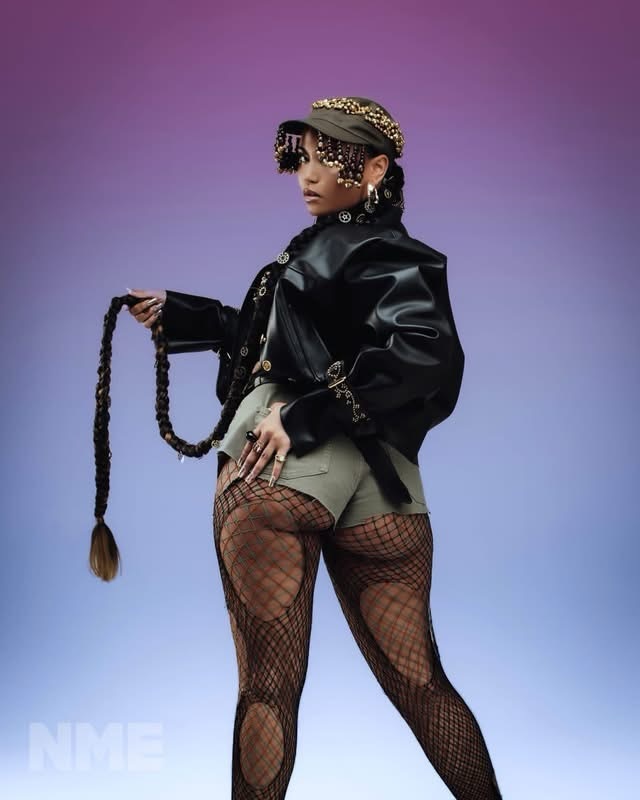
The timeline is exhausting right now. Between manufactured rollouts and hyper-curated aesthetics that feel more like marketing decks than art, a moment of visual quiet feels like a direct rebellion. Enter Moliy. For her latest feature in NME Magazine, penned by Kynnsian and captured through the lens of photographer Shotbynee, the alté provocateur bypasses the usual industry theatrics. She goes straight for the gut. There is no aggressive posturing here. No desperate grasp for virality.

Moliy sits in the liminal space of the golden hour, letting the natural elements do the heavy lifting. The photography mimics the texture of memory rather than the clinical perfection of a digital billboard. You can practically feel the late-afternoon heat radiating from the frame. The saturated, lens-shattering intensity bypasses a literal depiction of a subject. It moves directly into the realm of sensory memory. It represents that specific, fleeting frequency of youth where the world feels both infinitely large and claustrophobically intimate.

The music industry thrives on constant visibility. Artists today are expected to stay online, stay viral, and stay performing — even when the cameras are supposedly off. Every thought becomes content. Every emotion becomes branding. But what makes this NME editorial feel so striking is how completely it rejects that cycle.

She isn’t reaching for the viewer’s attention. In fact, she barely acknowledges it at all. Her gaze drifts away from the lens, her body folded inward as if we’ve interrupted a private moment rather than stepped into a carefully constructed photoshoot. There’s something beautifully unguarded about it. The slightly parted lips, the protective positioning of her arm, the way the sunlight settles unevenly across her skin — none of it feels over-directed. It feels lived in.

That restraint is what gives the image its power.

The styling team clearly understood that this was never meant to be a loud fashion moment. Stylist Elshhyy keeps things intentionally minimal, allowing the artist’s presence to carry the frame rather than overwhelming her with excessive accessories or heavy-handed concepts. A simple woven bracelet rests softly against her skin, grounding the softness of the image in something tactile and real. Makeup artist Simmi leans toward natural texture instead of perfection, letting the warmth of the light interact honestly with the skin. Even the hair, directed by Shamara Roper, moves freely — untouched by the stiff perfectionism that dominates so much of modern editorial imagery.

Together, the team created something increasingly rare: space for the artist to simply exist.

That’s what makes this collaboration with NME feel culturally significant beyond aesthetics alone. Historically, African artists entering Western editorial spaces have often been flattened into spectacle. The expectation was usually loudness — louder prints, louder styling, louder performances of identity that fit neatly into Western ideas of “African cool.” But this spread refuses all of that. Instead of performance, it gives us introspection. Instead of excess, it offers stillness.

Even the photography itself leans into imperfection. The lens flare, the softened focus, the visible grain — it all feels intentional. There’s a reason film-inspired imagery has returned so heavily across fashion and music editorials lately. People are exhausted by hyper-polished perfection. We crave texture now. We want images that breathe. Images that feel touched by human hands rather than processed into digital sterility.

This editorial understands that instinct perfectly. It doesn’t chase flawlessness. It chases feeling.

And emotionally, the image lands somewhere between exhaustion and longing. There’s a quiet melancholy woven through it — not sadness exactly, but the awareness that moments disappear while we’re still inside them. It captures that strange modern desire to slow life down before it slips away completely.

In an era where everyone is trying to dominate the timeline, this spread chooses silence instead. And somehow, that silence says far more.

Issa Rae Insecure Podcast: Blocc Party Audio Series Reveals Set Secrets

0

When HBO finally pulled the plug on our favorite messy LA friend group in 2021, the void was immediate. Sundays lost their anchor. Now, five years later, the mastermind herself is pulling us right back to South Central. The highly anticipated Issa Rae Insecure podcast has officially arrived. Partnering up with former showrunner Prentice Penny, HooRae Productions just dropped Blocc Party: An Insecure Podcast. It isn’t just a nostalgic cash grab. They are giving us the unvarnished, behind-the-scenes truth about the series that carried Black Twitter on its back for five seasons.

Revisiting the hit series comes with a heavy dose of reality. During the premiere episode, Issa Rae admitted the final days on set wrecked her. She spent most of the final season talking big sh-t about wanting the grueling production schedule to be over. She fronted the entire time. Then the cameras stopped rolling. I don’t know that I’ve ever cried so much in my life, she confessed to Penny. The end of filming hit her with a conflicting wave of devastation and pure relief. Penny and co-star Yvonne Orji wrapped at the exact same time, turning the final clapboard into an emotional breakdown for the core team.

Let’s talk about what the television lineup looked like before 2016. It was an absolute desert. The last time HBO put a Black woman front and center before this series was in 2008 for The No. 1 Ladies Detective Agency starring Jill Scott and Anika Noni Rose. Despite the star power and critical acclaim, that show got quietly shelved after just six episodes. For nearly a decade following that cancellation, premium cable executives acted like Black women simply didn’t exist or didn’t drive premium subscriptions. They ignored the obvious, vocal demand from a highly engaged demographic. The 2008 writers’ strike had already killed off beloved staples like Girlfriends, leaving a massive, glaring gap in our weekly programming. We were living in the Obama years, endlessly scrolling and wondering where the nuanced Black stories were hiding. Then came the awkward Black girl who changed the entire blueprint, bringing her specific vision to a network desperate for relevance.

Blocc Party isn’t holding back on the industry politics that shaped the show’s early run. Hearing the creators decode the behind-the-scenes friction makes this Issa Rae Insecure podcast an essential listen. Penny and the team navigated a Hollywood system that still viewed Black friendship as a niche subgenre rather than a main event. They didn’t beg for a seat at the table. They built their own table, styled it perfectly, and made everyone else want an invite. The audio series digs into the stories, the fights, and the buried gems that they kept hidden while the show aired.

Listening to the banter between the two creators feels exactly like eavesdropping on a private reunion. They drop the heavy PR filters immediately. When you spend half a decade fighting for camera lighting that actually flatters melanin, battling clueless notes from network executives, and curating a hyper-specific soundtrack that actively shifted Billboard charts, the physical and mental exhaustion is intensely real. That exhaustion makes the final day tears make absolute sense. They weren’t just crying over a standard industry job coming to a close. They were mourning the end of a fiercely protected safe space. A rare bubble where Black creatives explicitly called the shots, hired each other, built distinct careers, and proved the skeptics completely wrong week after week.

We needed this audio drop right now. The current television lineup feels fractured, heavily relying on algorithmic, soulless spin-offs rather than taking genuine risks on new, original voices. The era of true appointment television where an entire community logged onto social media at 10 PM EST sharp to passionately debate Lawrence’s hairline, Molly’s corporate boundaries, or Issa’s questionable financial decisions feels like a rapidly fading memory. This new Issa Rae Insecure podcast reminds us of what happens when creators operate with a clear, unapologetic vision. They don’t just entertain the masses. They establish a permanent cultural baseline that everyone else eventually tries to copy.

Expect the internet to dissect every episode of Blocc Party. Fans are already pulling clips, analyzing the old off-screen dynamics, and begging for guest appearances from the rest of the cast. We want the real story on the outfits, the specific LA locations they fought to secure, and the truth behind those polarizing finale choices. If the first episode is any indicator, HooRae Productions is about to deliver a masterclass in retrospective storytelling. Grab your headphones. We are headed back to the block.

Kara Young and Mallori Johnson on The Knockturnal May 2026

0

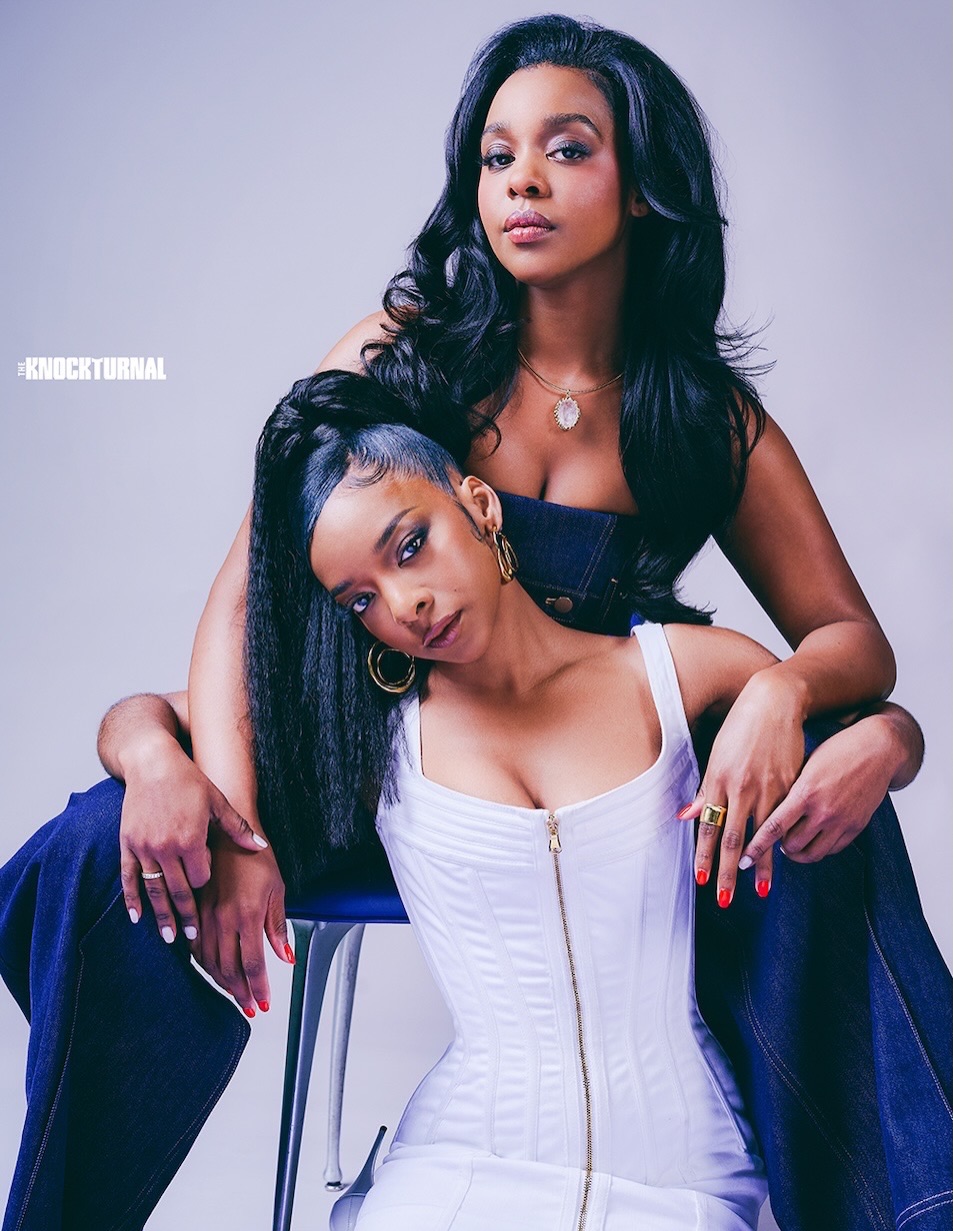
When two genuinely grounded actors share a frame, it hits different. We’re not talking about the kind of pairing a studio PR team manufactures. This is real, lived-in talent. The Knockturnal just put Kara Young and Mallori Johnson together, and honestly, it’s been way too long coming.

These women actually put in the work. They own their stages. They carry entire narratives on their backs. They command a room without asking permission. Let’s give credit to the glam squad because they’re the ones who make this sing. Mallori came with hair by Coree Moreno and makeup by Bob Scott. Bob gets it—he makes skin look like actual skin, lets people breathe instead of burying them under heavy contour. Works perfectly for Mallori. And Kara Young had hair by Nikiya Mathis and makeup by Starr Ceska.

Nikiya Mathis isn’t just doing hair. She’s a designer who understands Black hair on every level—texture, history, everything. Her theater work alone speaks volumes. When you put that kind of mastery behind actors of this caliber, you don’t get a promo shot. You get something that lasts.

Kara’s spent the last few years dismantling expectations on Broadway. You caught her in Clyde’s or Purlie Victorious? You already know—she brings it. She doesn’t shrink to fit the stage; she makes the stage expand around her. And Mallori carrying Kindred? That takes an emotional endurance most actors don’t find until their forties.

The Knockturnal getting them right means something. It’s a reminder that the bar for Black actresses is at an all-time high. Yeah, the industry’s always chasing what’s trending, but the culture knows who the real ones are. Kara and Mallori are the foundation—they’re booking the complex roles, nailing the blocking, delivering lines that actually hit.

What makes this hit so hard is how real it is. No performance, no pretense. Just two creatives completely secure in themselves. Most mainstream publications struggle with this—they try to soften it or force it into some European mold. The Knockturnal let them be themselves. Sharp edges, lived-in, full of intention.

We need better coverage for actual talent. For too long, the only way actors like Kara or Mallori got a serious shoot was if they were attached to some massive franchise. It’s good to see publications like The Knockturnal stepping up, giving real actors the visual treatment they deserve before everyone else catches on.

This is more than a photoshoot. This is a timestamp. Two distinct careers unfolding in real time. Mallori’s carving out a lane in television that demands serious dramatic chops. Kara’s practically a Broadway legend at this point—though she’d probably hate that word. They’re building legacies.

Kara on stage is a masterclass in timing and physical comedy, then she turns around and breaks your heart in the next breath. Mallori’s got this quiet intensity on screen that pulls you in without needing to yell. Her micro-expressions do all the work.

The shoot captures that duality perfectly. It’s the loud, undeniable presence of theater meeting the intimate, close-up world of film. The styling reflects it—raw, tactile, deeply rooted in the boroughs instead of some sanitized Hollywood backlot. You can see Starr Ceska’s makeup lines and feel the influence of real city life. Sharp. Resilient. Unfazed.

The culture responds to authenticity because we’re tired of manufactured PR runs. When someone in Chicago, Philly, or Houston sees this, they recognize it immediately. It’s the look of Black women who know exactly who they are. They’re not waiting for validation from some conglomerate. They’re defining the space right now. That’s why this matters. It documents the moment before the rest of the world catches on to what we already knew. Influence is making the industry meet you on your terms. Kara and Mallori are doing exactly that.

Kevin Hart Slammed for George Floyd Joke

Kevin Hart is catching serious heat after a joke about George Floyd during Netflix’s roast event sparked backlash far beyond the usual roast-comedy debate. What might have been defended as boundary-pushing humor quickly turned into something much heavier once George Floyd’s family made it clear they saw the moment as deeply disrespectful, not just edgy.

The strongest public response came from Terrence Floyd, who said the joke was painful, tasteless, and especially hard on the family because of everything they have already endured in public. His criticism was not only aimed at the comedian who delivered the line, but also at the people in the room who had the power to stop it, challenge it, or cut it before it reached a global audience. For him, silence in that moment felt like complicity.

That is part of why this story has landed so hard. George Floyd’s death was not some distant pop culture reference. It was a defining tragedy that pushed millions of people into the streets and forced a worldwide conversation about race, policing, and state violence. For many viewers, turning that kind of pain into a punchline does not feel rebellious or fearless. It feels careless.

The controversy has also reopened a familiar question about comedy and who gets protected when the joke goes too far. Roast culture has always been built on shock, cruelty, and the idea that nobody is off limits. But audiences today are also asking whether every subject should be treated like fair game, especially when the wounds are still fresh and the people most affected are still very much alive and grieving.

In his public response, Kevin Hart did not apologize or distance himself from the joke. Instead, he defended the performers and suggested they understood the assignment. That may satisfy people who see roasts as a no-rules space, but for a lot of folks, especially in Black communities, this moment hits differently. There is a real difference between sharp comedy and making sport of a pain that still shapes how people move through this country every day.

702’s Meelah Williams Stars in The Strength of Love

Meelah Williams is stepping into a fresh era. The former 702 member is adding actress to her résumé and making her film debut in the upcoming romantic drama The Strength of Love alongside Sean Anthony Baker.

For fans who have followed Meelah Williams from her R&B days to now, this moment feels special. The new film leans into love, loyalty, and what it means to stay grounded when life gets heavy.

According to the film’s description, The Strength of Love tells a heartfelt story about relationships being tested by adversity. Instead of folding under pressure, the message is that real love can grow deeper and stronger through hard times.

That kind of theme lands, especially for viewers who appreciate stories with emotional weight and honesty. It is not just about romance. It is about resilience, commitment, and showing up when circumstances shift.

Fans are also excited to see Meelah enter a new chapter in entertainment after years of success in music with 702, the iconic R&B group known for hits like “Where My Girls At?” and “Get It Together.” Her move into film feels like a natural evolution for an artist who has already left a mark on the culture.

The film premieres May 8 and will stream on Apple TV and Amazon Prime Video. Pre-orders are already available for supporters ready to show love for her acting debut.

Social media is already buzzing, with longtime fans celebrating this next step and cheering Meelah on as she continues to expand her storytelling voice. It is always good to see Black women embrace new lanes and do it with grace, talent, and purpose.

★

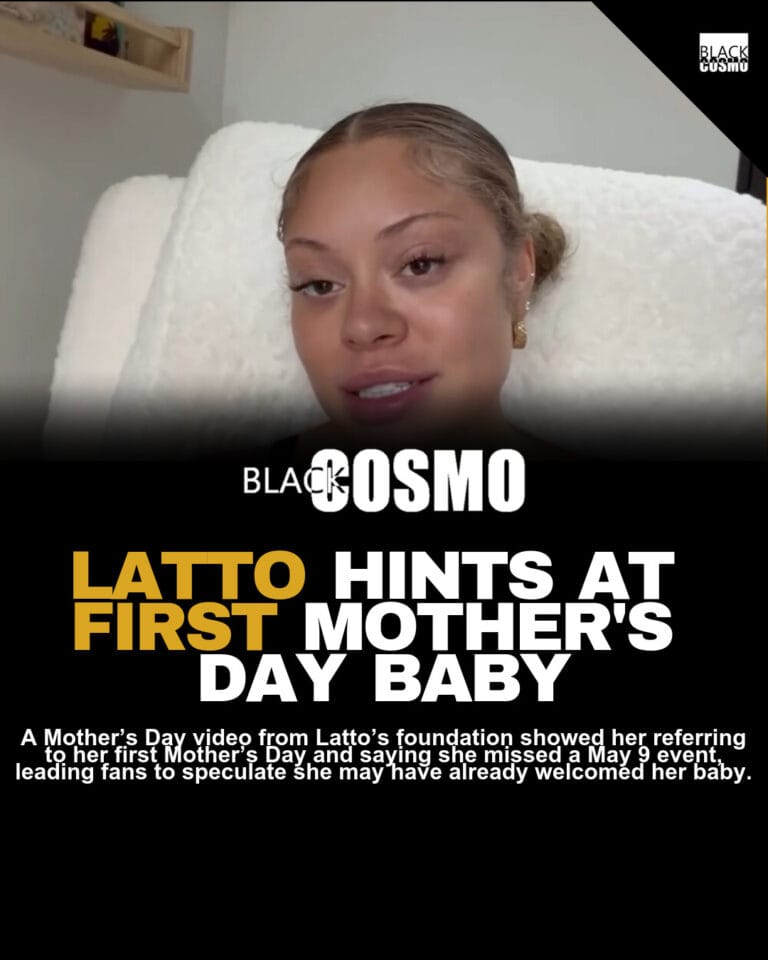
Did Latto Already Have Her Baby? Fans Think So

The internet is in full detective mode over Latto, after a new clip had folks wondering if she already welcomed her baby.

On Wednesday, Latto’s Win Some Give Some Foundation shared a Mother’s Day video featuring the rapper reflecting on her first-ever “Big Mama Day” celebration. And yes, social media picked up on every little detail.

But it wasn’t just the message that had people talking.

In the clip, Latto said she missed the May 9 event because she was “a little caught up,” before casually calling it her “first Mother’s Day.” That one line immediately sent fans into speculation, with many wondering if she may have quietly given birth already.

Things got even messier online when some viewers claimed they could hear what sounded like a baby crying in the background.

Now timelines are packed with reactions, theories, and early congratulations as people try to figure out whether the Atlanta rapper has entered motherhood without making a big public announcement.

Latto first revealed her pregnancy back in March, surprising fans right as anticipation for her upcoming album Big Mama started building.

Adding to the conversation, she also recently told fans the project, scheduled for release on May 29, would be her “retirement album,” which only fueled more confusion and concern online.

Neither Latto nor her team has officially confirmed whether the baby has arrived, but the internet is definitely moving like the mystery has already been solved 👀🍼

★

Druski’s Viral BET Promo Breaks the Internet

BET made a bold choice putting Druski front and center as host of the 2026 BET Awards, and the rollout is already proving why it works. Instead of a polished, predictable promo, viewers got a full comedy production built around him personally delivering invitations to celebrities in the most extra way possible.

The clip leans all the way into his signature brand of chaos. He pulls up to Cardi B’s house with a mariachi band, catches John Legend in a robe while a gospel choir sings outside, and keeps the energy just as ridiculous with appearances tied to Jamie Foxx and Martin Lawrence. It feels less like a standard award show campaign and more like a live-action sketch, which is exactly why people online are responding to it so quickly.

Part of what makes the moment land is that he is not trying to play traditional host. He is treating the whole event like a universe of its own, complete with fake rules, celebrity roasting, and the kind of over-the-top humor that made his internet rise impossible to ignore. The promo’s so-called house rules, including bans on ski masks and certain red carpet looks, push the bit even further and give the audience something quotable before the show even airs.

There is also real history attached to the booking. At 31, he reportedly becomes the youngest host in BET Awards history, edging past Kevin Hart’s previous mark. That detail adds another layer to the excitement because it signals a generational shift in who gets to lead major Black entertainment spaces. BET is clearly betting on someone whose audience was built online, through skits, character work, and an instinct for what makes people stop scrolling.

For a lot of fans, this is bigger than one funny promo. It is a reminder that Black comedy keeps evolving, and the platforms are finally catching up to the talent. If the early reaction is any sign, Druski may end up giving the BET Awards exactly what viewers have been asking for: something that feels current, culturally plugged in, and actually fun to watch.

Kody Norris Bluegrass Tour Lights Up Fans

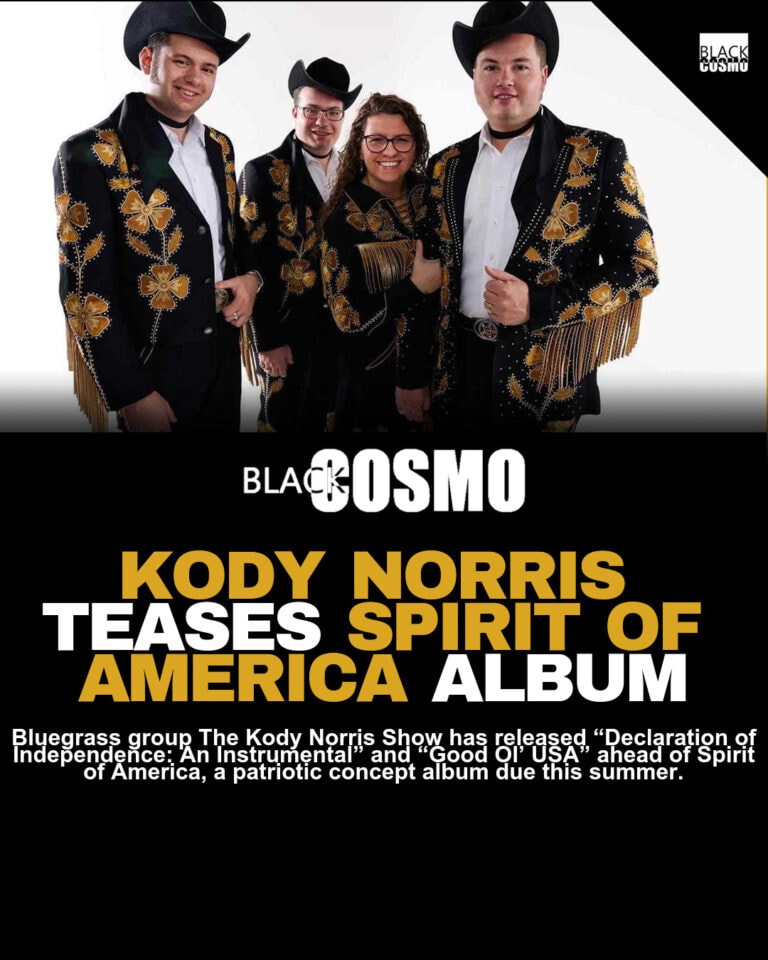
Bluegrass is getting a patriotic spotlight this season, and The Kody Norris Show is right at the center of it. The award-winning group is building momentum ahead of its upcoming album Spirit of America with two new singles, “Declaration of Independence: An Instrumental” and “Good Ol’ USA,” both rooted in a traditional sound that leans hard into Americana, family musicianship, and national pride.

The instrumental track marks a notable moment for the band because it is their first time releasing a song without vocals. According to Kody Norris, the tune came from his wife and bandmate Mary Rachel Norris, whose fiddle work helped shape the song into a crowd favorite before it ever had an official title. Once audiences started responding to its energy and calling it a musical “declaration of independence,” the name stuck. That kind of organic connection says a lot about how the group works: their music is performance-driven, audience-tested, and closely tied to the live bluegrass tradition.

Their larger project, Spirit of America, is being presented as a concept album tied to the nation’s 250th anniversary of independence. The record pulls together patriotic themes, storytelling, and roots music, with songs that reflect small-town values and a deep reverence for country, faith, and history. Kody Norris has said the album includes story songs like “Davy Crockett” alongside tracks such as “Bible on the Table,” giving listeners a full picture of the themes that matter most to the band and the communities they come from.

That vision is also supported by a strong touring schedule. The group has been traveling across multiple states, including Tennessee, Georgia, Virginia, Maryland, North Carolina, Missouri, Kentucky, Indiana, West Virginia, and Colorado, bringing this new chapter directly to audiences that already embrace traditional bluegrass performance. Their lineup, featuring standout players like Mary Rachel Norris, Michael Cleveland, and Ron Stewart, adds serious credibility to a sound that blends showmanship with musicianship.

Recognition has followed. The band has earned major honors from the Society for Preservation of Bluegrass Music of America, including Entertainer of the Year, while Kody Norris has also been celebrated for male vocals, band performance, and song honors connected to “The Auctioneer.” Mary Rachel Norris has earned praise of her own as Fiddler of the Year, and the group has also seen Billboard chart success in recent years. That combination of awards, touring, and fan engagement shows that The Kody Norris Show is not just preserving a genre, but finding ways to keep it visible and relevant in a changing music landscape.

For BlkCosmo readers, there is something familiar in that kind of cultural preservation. Whether it is bluegrass, jazz, gospel, hip-hop, or soul, there is always power in artists who protect tradition while still making room for personality, community, and evolution. At its best, this moment is a reminder that American music has always been layered, regional, and deeply personal—and that authenticity still resonates.