Home Blog Page 159

Blaze Pizza Unveils Prosciutto Italian Menu

Blaze Pizza is giving fast-casual dining a more elevated feel with its new Italian Escape menu, a limited-time collaboration with Volpi Foods that brings premium prosciutto into the mix. Running from May 6 through June 23 at participating locations across North America, the rollout is all about offering customers a taste of Italian-inspired flavor without pushing the price out of reach.

The menu centers on Volpi’s slow-cured prosciutto, featured in a new Prosciutto Pizza layered with fresh mozzarella, arugula, balsamic caramelized onions, and fig glaze. There’s also a smaller Prosciutto Pizzetta for those who want something lighter, with pricing aimed at staying wallet-friendly. Guests can also add prosciutto to build-your-own pizzas and salads, giving the promotion a little more flexibility than a standard limited-time offering.

The partnership leans into a growing demand for everyday food that still feels intentional. Company executives framed the launch as a way to combine artisanal ingredients with the speed and convenience people expect from a quick-service restaurant. Beyond pizza, the seasonal menu also includes a Strawberry Prosciutto Salad and a Classic Tiramisu cup, rounding things out into a full meal rather than just a novelty topping.

For a lot of diners, this kind of menu refresh speaks to a bigger shift in how casual chains are trying to meet people where they are: balancing quality, convenience, and cost all at once. Blaze Pizza tapping into that lane with an Italian-inspired spin feels like another sign that accessible indulgence is having a real moment, especially for folks who want a little luxury in the middle of an ordinary day.

Duckie Thot on Alice’d Magazine May 2026 Cover

0

Supermodel Duckie Thot takes complete control of the May 2026 cover of Alice’d Magazine, turning a raw urban backdrop into her personal playground. The South Sudanese-Australian stunner delivers a masterclass in defiance, proving once again why she remains a supreme force in the global fashion conversation.

Caught in motion against an open window, Duckie Thot subverts the standard beauty shot. She adopts a low, grounded squatting posture that challenges the viewer, trading polite grace for absolute authority. Her stylist paired a striking red top with a severe black skirt, creating a sharp color block against the muted greys of the city skyline outside. The result is pure visual friction. She is not just posing; she is daring the lens to keep up with her demanding energy.

Commanding the Urban Frame

Alice’d Magazine is known for pushing independent fashion boundaries, and this issue demands immediate attention. By placing an industry giant in an unfiltered, gritty environment, the publication strips away the high-gloss artifice typically associated with international supermodels. The open window serves as both a literal and metaphorical frame. It exposes the concrete reality of the city while keeping the model fiercely centered in the narrative.

The styling choices are deliberately aggressive. The stark contrast of the vivid red garment against the harsh, natural lighting speaks to a specific kind of metropolitan survival. It requires a specific caliber of talent to wear such demanding silhouettes without letting the clothes wear them. Here, the clothes act as armor. The model’s slight, knowing smile hints at a private victory, a quiet joy in breaking the rules of traditional editorial placement.

This layout pushes back against the clean, sterile studio environments that dominate modern newsstands. The grit on the windowsill, the smudged glass, and the distant blur of skyscrapers all contribute to a gritty authenticity. It places her directly in the pulse of the city. She does not look like a visitor in this space; she looks like she owns the building.

The Evolution of a Global Force

In a recent behind-the-scenes conversation from the set, the creative director noted the intentional shift in direction. “We wanted raw nerve, not polished perfection,” they explained, describing the mood board for the shoot. “She brought a visceral intensity to the set the moment she stepped in front of the glass. We completely scrapped the initial lighting setup because her natural presence was enough.” That intensity translates directly onto the page, where every angle and shadow feels deliberately chosen.

This cover arrives at a fascinating point in the model’s career trajectory. Moving beyond the predictable beauty campaigns, she is actively selecting projects that require a harder edge and a deeper emotional reserve. A styling assistant on set remarked on her specific requests during the fitting. “She specifically asked to keep the footwear minimal and the makeup slightly undone. She wanted the texture of the city to bleed into the look. She even adjusted the drape of the red top herself to make it look less precious and more lived-in.”

A Shift in Editorial Standards

The fashion industry frequently struggles to photograph Black women in spaces that are both raw and revered. Too often, the setting dictates a narrative of struggle rather than supreme ownership. This Alice’d Magazine feature shatters that tired trope. By perching triumphantly on the windowsill, the subject reclaims the environment on her own terms. The urban background is not a prop; it is an accomplice in her visual takeover.

Readers and industry insiders alike are already dissecting the layout across social feeds. The decision to use natural, unapologetic lighting highlights the rich depth of her skin tone against the industrial window framing. “We shot during peak daylight, letting the harsh sun do exactly what it wanted,” the lead photographer shared during a post-shoot brief. “There were no diffusers or bounce boards. Just her, the red top, and the concrete. She never flinched at the glare.”

There is a distinct power in refusing to be softened by a camera lens. Her direct eye contact and relaxed, yet coiled posture suggest a woman entirely comfortable with her own magnitude. She understands the assignment and elevates it, turning a simple indie magazine cover into a masterclass on styling and presence.

Final Frames and Lasting Impact

Fashion thrives on these moments of unexpected friction. A beautiful garment placed in a chaotic environment creates a tension that is impossible to ignore. This editorial spread understands that tension perfectly, relying on the model’s raw magnetism to anchor the chaotic elements of the city.

She sits suspended between the interior studio and the sprawling city, a vivid slash of red against the grey sky, daring the world to look away.

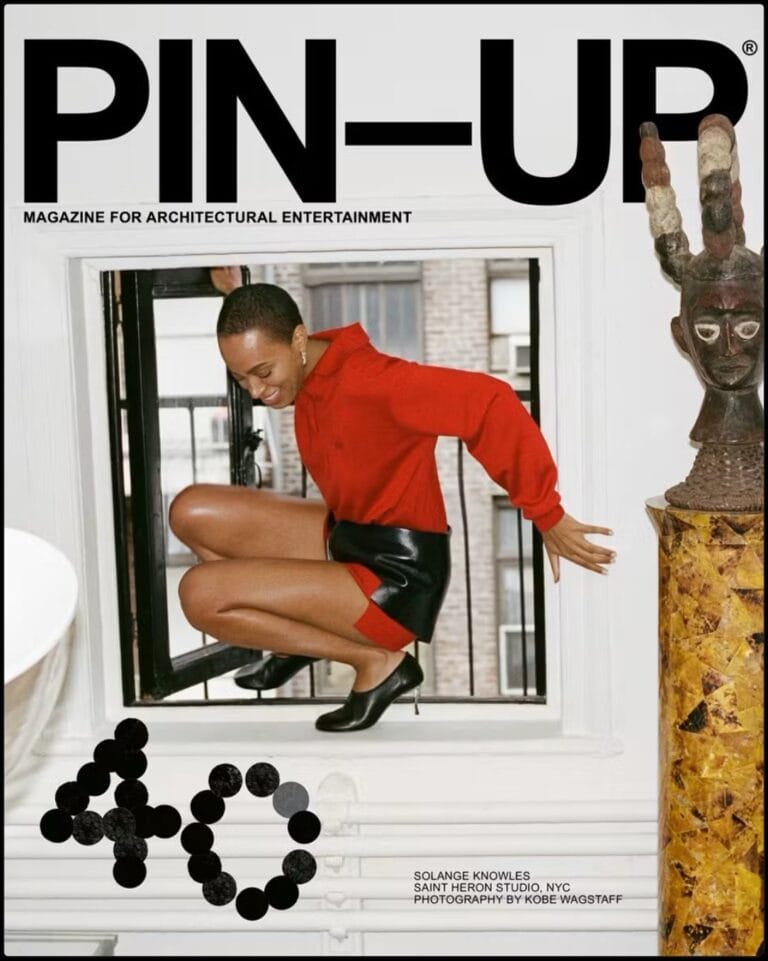
Solange Knowles Pin-Up Magazine May 2026 Cover Saint Heron

0

Solange Knowles continues to command the intersection of spatial design and cultural memory in her latest editorial feature. Shot within the walls of her creative agency Saint Heron, the multi-hyphenate artist breaks new ground in a highly anticipated spread for Pin-Up Magazine.

The visual narrative unfolding across the gallery captures an artist in absolute command of her physical environment. Surrounded by the minimalist, brutalist-inspired architecture of the Saint Heron studio, she poses as both the architect and the muse. Her garments—structured, avant-garde silhouettes in muted earth tones—reflect the spatial discipline of the room itself. She pairs an oversized, deeply textured blazer with sharply tailored trousers, anchoring herself against a backdrop of archival literature and raw wood surfaces. The juxtaposition is striking. By wearing garments that feel like wearable architecture, she physically manifests the ideas of permanence and structure that define her recent work. The styling completely avoids trend-chasing elements, favoring a timeless, sculptural approach that demands rigorous attention to detail.

Designing the Black Future

The core of this editorial lies in a striking exchange between Solange Knowles and renowned social practice installation artist Theaster Gates. Their dialogue bypasses standard celebrity interview questions, opting instead for a rigorous breakdown of how Black bodies occupy and redefine physical space. Gates, known for his urban reclamation projects in Chicago, finds a natural intellectual sparring partner in the Saint Heron founder.

They exchange sharp perspectives on the necessity of building sanctuaries that outlast transient trends. “The act of gathering requires a proper vessel,” she notes during the interview, dissecting the ways built environments dictate emotional safety. Gates responds by unpacking his own experiences reclaiming abandoned properties on the South Side of Chicago, turning discarded spaces into cultural hubs. Together, they map out a plan for spatial justice, arguing that true autonomy begins with controlling the physical ground on which art is presented. They tear down the idea that Black creators must constantly adapt to white-walled galleries, advocating instead for the construction of autonomous zones.

A Mastery of Visual Tension

BlkCosmo notes how the photography mirrors the weight of the conversation. The lighting is deliberate, casting harsh, architectural shadows that frame the subject like a living monument. In one standout image, she sits against a stark, unadorned wall, wearing a sculptural black piece that forces the eye to trace the geometric lines of her posture. The composition refuses the male gaze, demanding instead a reverence for the intellect and the craft behind the styling.

The fashion choices act as an extension of the architectural theme. Thick, woven textiles meet smooth, reflective leather. Every piece of clothing acts as a structural component, building a silhouette that commands the room rather than simply existing inside it. She incorporates heavy metal hardware and asymmetrical draping to break up the visual field, creating points of tension that draw the viewer deeper into the frame. The accessories are sparse but intentional—a single, heavy cuff or a pair of squared-off boots that ground the ethereal quality of the fabric. The visual choices strip away the superficial layers of standard editorial styling, leaving only the raw, foundational elements of design. Every angle serves to communicate strength, permanence, and intellectual rigor.

Archiving as an Act of Defiance

Gates pushes the conversation toward the permanence of Black creation. He challenges the notion that Black art must be ephemeral or performance-based, pointing to the tangible, brick-and-mortar reality of what Saint Heron has built. The exchange highlights a crucial pivot in modern Black artistry: the move from being featured in established museums to owning the physical foundations outright.

The editorial outlines exactly what happens when visionaries stop asking for a seat at the table and decide to build the entire building. The conversation reveals a mutual obsession with legacy and the tactile nature of history. They discuss the specific feeling of running hands over raw materials—clay, stone, thick cotton—and the ancestral memory embedded in those textures. Gates points out that the true power of Saint Heron lies in its refusal to be easily categorized. It operates as part gallery, part agency, part archive, and entirely self-determined. The founder agrees, noting that this ambiguity is a deliberate shield against the rapid consumption cycles of digital media. By creating a physical space that requires time and presence to fully understand, she forces the audience to slow down and engage with the work on her terms.

The feature leaves a lingering impact through a final, quiet image of the artist standing near an open archway, bathed in natural light. Looking past the camera rather than at it, she embodies the very permanence she and Gates discuss so passionately. “We are no longer just designing the moment,” she states softly. “We are casting the mold for the next century.”

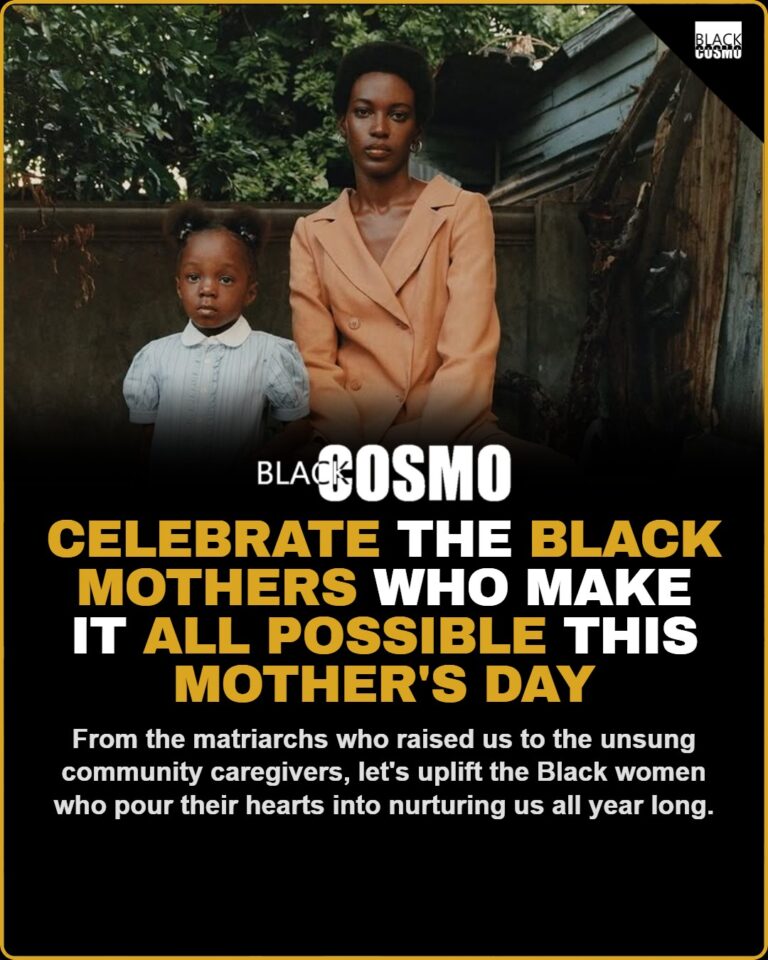
Celebrate Black Mothers This Mother’s Day

0

Mother’s Day is just around the corner, and it’s the perfect time to show the Black mothers, grandmothers, aunties, and community caregivers in your life how much you appreciate them. Black mothers wear so many hats — they’re the backbone of our families and our communities, pouring their hearts into nurturing us all year long.

This year, let’s make Mother’s Day extra special for the Black women who have lifted us up, protected us, and paved the way. Whether it’s your own mama, your grandma, or the auntie down the street who’s always there for the neighborhood kids, show them some extra love on May 12th. Black mothers have been the glue holding our communities together since the beginning, and it’s time we celebrated that.

Need some inspiration? Surprise your mom with a homemade breakfast in bed, or give Grandma a heartfelt card telling her how much her wisdom and guidance has meant to you. If you have a favorite auntie or family friend who’s been a rock for you, treat them to a spa day or a thoughtful gift. Reach out to the community mamas who stepped up when you needed them most — maybe it’s the teacher who stayed late to help you with your homework, or the neighbor who babysat when your babysitter bailed. Let them know you see them and you’re grateful.

Whatever you do, make it personal and from the heart. Black mothers are the unsung heroes who keep our families and communities thriving, and this Mother’s Day is the perfect chance to let them know just how much they mean to us. So show up big for the Black women who show up for you, Cosmo. They deserve all our love and appreciation.

And remember — Mother’s Day isn’t just for our biological mothers. It’s for the grandmas, aunties, and community caregivers who have mothered us too. So cast your net wide and find ways to celebrate all the incredible Black maternal figures in your life. They’re the reason we’re here, and they deserve to feel celebrated and loved.

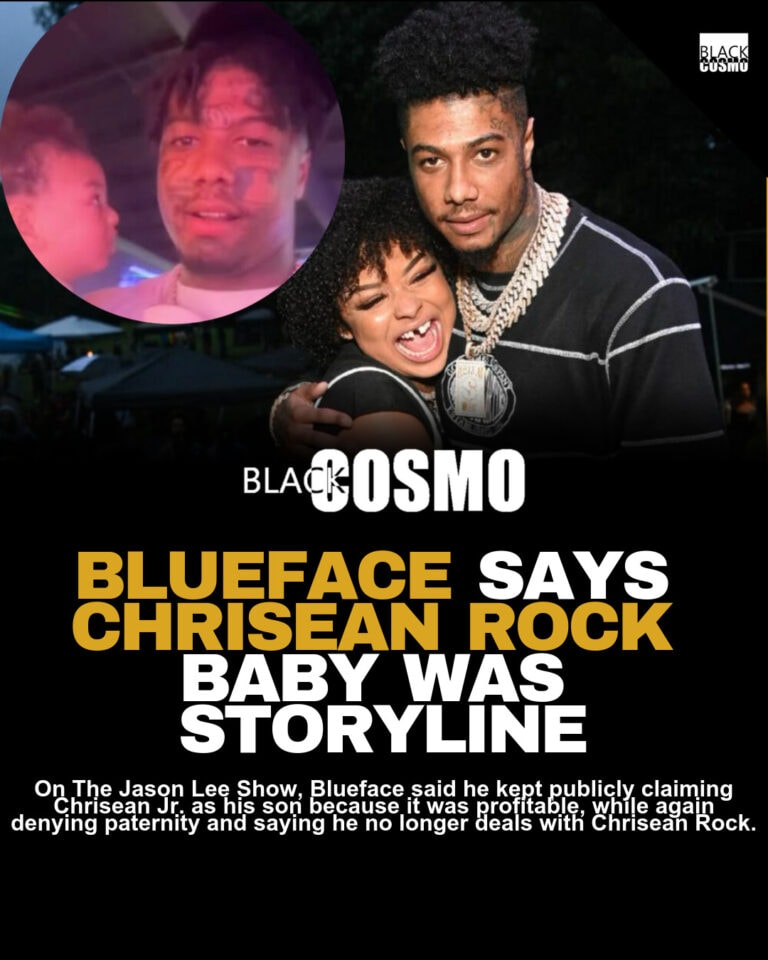
Blueface Admits Chrisean Jr. Storyline Boosted Business

Blueface has folks talking again after opening up about the latest twist in his ongoing drama with Chrisean Rock. This time, he claims the public “family image” around Chrisean Jr. was part of a bigger storyline, and that revelation has only added more confusion to an already messy situation.

During a sit-down on The Jason Lee Show, Blueface doubled down on his claim that 2-year-old Chrisean Jr. is not biologically his. When asked why he publicly embraced the child as his son for so long, he gave a blunt answer, saying they were making money and that it worked as a storyline.

He also suggested the real biological father did not fit the image they were presenting to the public. That comment has sparked even more debate, especially because the paternity situation has been inconsistent from the beginning.

According to Blueface, looking back now, he feels the signs were there all along. Fans have watched him switch positions on the issue for years, making the whole situation feel even more chaotic.

Back in 2023, he publicly denied being the father shortly after the child was born. Then in 2025, Chrisean shared alleged DNA test results online that appeared to show Blueface was the dad, leaving social media even more confused. Later, he referred to the child as his son during a livestream, only to now reverse course once again.

Blueface also made it clear that he does not see a reconciliation with Chrisean happening anytime soon. He said he no longer deals with her in any way, shape, or form, which sounds like another hard stop in their long and very public relationship.

Instead, he says he is focused on building more of a family-centered dynamic with Jaidyn Alexis, the mother of his other child. He also appeared to throw a little shade Chrisean’s way by mentioning that she was a fan before they ever got together.

For a long time now, Blueface and Chrisean Rock have stayed in headlines because of viral arguments, cheating accusations, arrests, social media chaos, and nonstop public fallout. If this latest interview proves anything, it is that the controversy around them is still far from over.

★

Instagram Purge Wipes Millions Off Celebs accounts

0

Instagram may finally be forcing social media culture to confront an uncomfortable reality: not every massive follower count is as real as people think it is.

Reports circulating online on May 6, 2026 suggest that several of the platform’s biggest celebrity accounts experienced dramatic follower losses within hours, leading many users to believe Instagram is carrying out a major spam and bot cleanup across the app. According to viral social tracking posts, Kylie Jenner reportedly lost more than 15 million followers, while BLACKPINK’s official account allegedly dropped over 10 million. Cristiano Ronaldo and Selena Gomez were also among the names reportedly seeing massive declines.

The scale of the losses is what has people paying attention. Normally, celebrity follower counts fluctuate gradually. Losing millions in such a short period points less toward audience abandonment and more toward a platform-level purge targeting fake, inactive, spammy, or artificially inflated accounts.

That distinction matters because follower losses during a cleanup do not automatically mean a celebrity is becoming less influential. In many cases, it may simply mean Instagram is removing artificial engagement weight that has built up over years of rapid growth, viral fandom activity, inactive accounts, and aggressive social media boosting tactics.

Some of the heaviest reported losses appear connected to celebrity ecosystems that thrive on intense international fan engagement. K-pop fandoms, global pop stars, athletes, and influencer-heavy pages often gain followers at enormous speed, which can naturally attract bot activity, engagement pods, fake followers, or abandoned accounts over time.

Now, Kylie Jenner has become one of the central faces of the conversation online as people debate whether social media numbers still reflect real influence in the influencer era. Some users argue this moment exposes how inflated digital fame has become, while others believe the purge actually helps restore credibility to engagement metrics that have been distorted for years.

BLACKPINK fans also began noticing unusually sharp drops across fan accounts and member profiles, with some social posts claiming individual members lost hundreds of thousands — or even over a million — followers each. Those figures remain unverified, but the pattern has strengthened speculation that Instagram is targeting broader networks of inactive and suspicious accounts tied to high-volume fandom behavior.

The timing also lines up with Instagram’s growing push toward authenticity and original content in 2026. Meta has spent the past year introducing stronger anti-spam systems, recommendation updates, and moderation tools designed to reduce the reach of low-quality engagement farming and non-original content. A large-scale follower cleanup would fit naturally within those broader platform goals.

At the same time, there has been no official confirmation from Meta explaining the exact cause of the reported drops, and many of the numbers currently circulating online are still based on entertainment accounts, social trackers, and viral posts rather than direct statements from the celebrities themselves.

Still, the broader narrative feels believable because the losses are reportedly hitting multiple high-profile accounts across completely different industries at once. That kind of widespread impact suggests this may be less about any single celebrity and more about Instagram recalibrating what “real” audience numbers actually look like in 2026.

And honestly, that may be the biggest story here. For years, influencer culture has been built around the idea that bigger numbers automatically equal bigger impact. But if millions of followers can disappear overnight without noticeably changing public attention, engagement, or cultural visibility, people may finally start questioning how much those numbers were worth in the first place.

Mayweather Passport Crisis Puts Fight at Risk

Floyd Mayweather may have a much bigger problem than lining up his next exhibition opponent. According to reports, the boxing icon has been notified by the IRS that his U.S. passport could be revoked over more than $7.25 million in unpaid tax debt tied to liens and levies, putting his upcoming international plans in serious jeopardy.

The timing makes the situation even more complicated. The notice reportedly arrived in late March, before news of a June 27 exhibition in Athens against Greek kickboxer Mike Zambidis started making rounds. If the passport issue is not resolved quickly, international travel could become difficult or impossible, which would directly affect any overseas fight date.

That uncertainty also stretches to other rumored and proposed events connected to his name. A possible exhibition with Mike Tyson has already faced questions around timing and location, and reports have suggested that the Democratic Republic of Congo was discussed as one possible host site. Without the ability to travel freely, those conversations could stall before anything official ever lands.

There is also continued talk around a rematch with Manny Pacquiao. While public messaging around that bout has been mixed, Pacquiao has made it clear he is only interested in a real fight, not a staged exhibition. That distinction matters, especially as fans try to figure out what is serious promotion and what is simply part of the spectacle that often surrounds high-profile boxing names.

For now, Floyd Mayweather still has options, including paying the debt, entering into an agreement, or pursuing another legal path. But for a figure who built his brand on control, luxury, and always staying one step ahead, this moment is a reminder that even the most untouchable celebrity image can run into very real consequences when business behind the scenes catches up.

25 High-Protein Snacks Made With Real Food

0

IF YOU REMEMBER the 1990s, you probably remember SnackWell’s. And honestly, that era taught a lot of us how easy it is for food marketing to dress up ultra-processed snacks as wellness. That’s why this conversation around high-protein snacks feels so familiar.

Back then, “fat-free” was the flex. Today, it’s protein on every label, from chips to cookies to boxed comfort food. But not everything stamped healthy is really nourishing, and that’s worth naming. If you’ve been side-eyeing trendy high-protein snacks, trust your taste buds. A lot of them are giving science project, not real food.

SnackWell’s may have faded, but the playbook is still here. The old trick was removing fat and selling the halo. The new trick is adding whey, pea, or soy protein and calling it a lifestyle. Same energy. Different label.

And if you’ve tried some of these products, you already know the truth. The flavor is usually just okay. Sometimes less than okay.

We’re not against protein. We’re against pretending a chalky tortilla chip is the same as a satisfying snack made from actual ingredients. Let’s be real: a lot of these packaged options taste strange, overly engineered, and a little disconnected from what food should be.

The answer is simple. Real food.

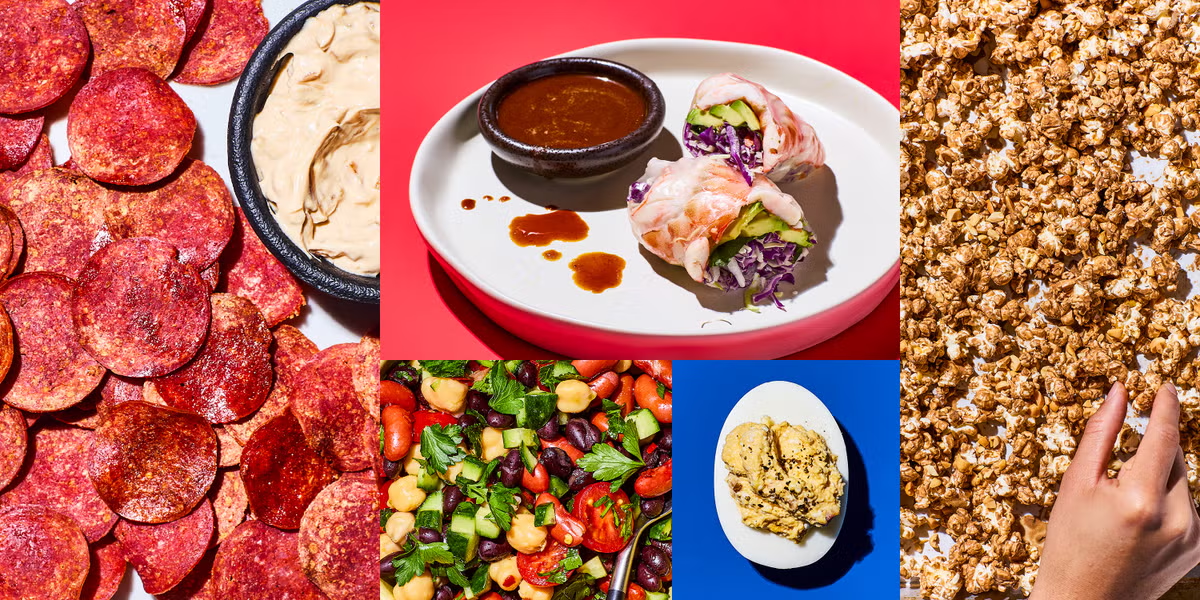
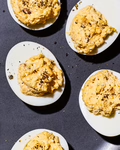
If you want protein and flavor, there are better ways to get there. Think shrimp rolls with creamy peanut dipping sauce. Think fresh popcorn with chocolate and peanuts. Think deviled eggs with bacon. These options bring protein, texture, and joy to the table without feeling like punishment.

So if you’re ready to move beyond the hype and bring more balance to your snack routine, here are a few easy recipes that keep things simple and satisfying.

CLICK HERE TO DOWNLOAD THE PDF

Here are three of the real-food recipes featured inside.

Easy Shrimp Summer Rolls

Protein: 30g

Dip a sheet of rice paper into water until pliable and transfer to a work surface. Layer 3 medium cooked and peeled shrimp, ¼ avocado, ¼ cup coleslaw mix, and 2 mint leaves. Fold in the sides and roll to seal. Repeat for another roll. In a small bowl, stir together 1 Tbsp peanut butter powder, 1 Tbsp water, 2 tsp low-sodium soy sauce, 1 tsp maple syrup, and ½ tsp sriracha. Serve with the rolls. Makes 1 serving


Chocolate PB Popcorn

Protein per serving: 19g

In an air popper or on the stovetop, pop 3 Tbsp popcorn kernels. In a small pot over medium-low, melt 2 Tbsp coconut oil. Stir in 2 Tbsp natural peanut butter and a scoop of chocolate protein powder. Drizzle over the popcorn and toss well. Sprinkle with 1 tsp flaky sea salt, then chill for about 10 minutes so the coating sets. Finish with 2 Tbsp chopped peanuts. Makes 2 servings


Deviled Eggs and Bacon

Protein per serving: 14g

Halve 3 hardboiled eggs lengthwise and scoop the yolks into a small bowl. Mix with ¼ cup cottage cheese, 1 tsp Dijon mustard, plus salt and pepper to taste. Crumble in 1 crispy bacon slice and stir to combine. Spoon the filling back into the egg whites and serve. Makes 2 servings

Rihanna and A$AP Rocky Exhausted After Extended Met Gala Day

Rihanna & A$AP Rocky
Not Fighting!!!
Just Dead Tired After Met

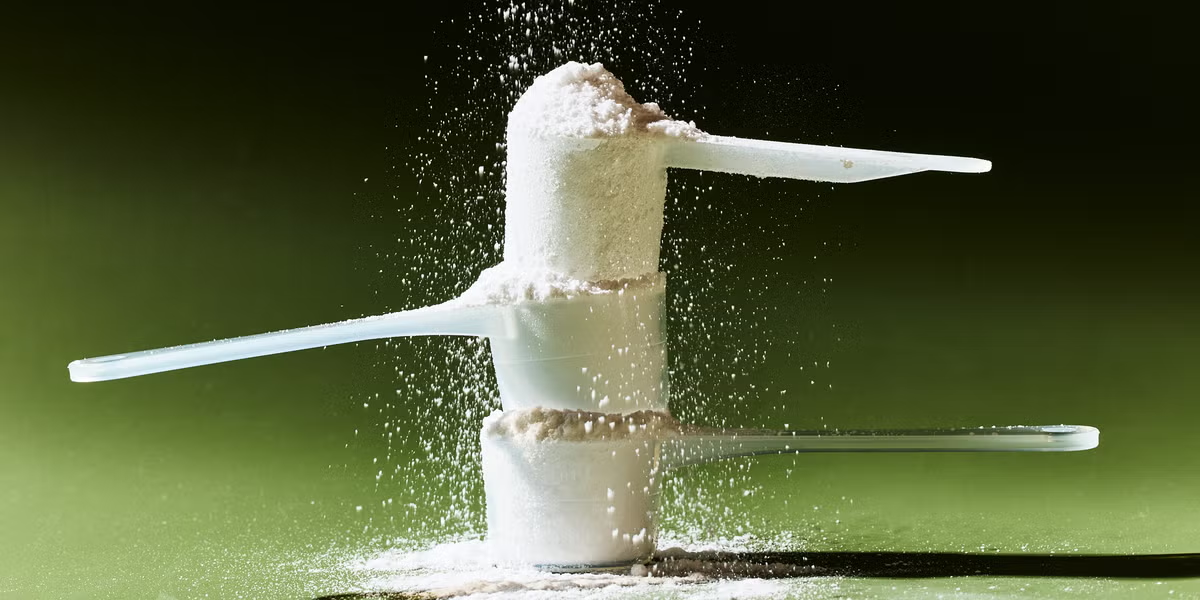
Creatine Dosage: How Many Grams Should You Take?

For a lot of gym folks, creatine monohydrate has lived in that no-drama, always-delivers category. Five grams a day has long been the standard because it helps saturate muscles, support ATP production, and give your workouts a little more fuel when it is time to push through that last rep.

Now the conversation is getting bigger. People are asking whether creatine monohydrate might do more than support strength and recovery, with early research looking at brain health, mental fatigue, and even mood-related benefits. The buzz is real, but the science still needs room to breathe.

For years, the case for creatine and physical performance has been solid. It has been one of the most researched supplements in fitness, and that reputation did not come out of nowhere. Pair it with smart training and enough protein, and it can support muscle growth, recovery, and strength across different ages and training levels.

What is newer is the interest in higher doses for benefits beyond the gym. Researchers have started studying creatine in connection with cognitive function, traumatic brain injury, depression symptoms, and long COVID. The logic is simple enough: your brain also uses ATP for energy, so increasing creatine availability may help support how it functions under stress.

That possibility has wellness influencers talking loud. Some have framed creatine as a major tool for focus, planning, and overall brain performance. A few are even suggesting daily intakes as high as 25 grams. That kind of advice spreads fast online, especially when people are looking for an edge in both fitness and mental clarity.

But researchers who actually study creatine say the hype needs context. Darren Candow, PhD, who has published extensively on creatine, says these super-high doses are overhyped and very specific to certain situations. In other words, what may be useful in a clinical setting is not automatically something everybody needs in their shaker bottle.

What the Research Actually Says

Candow points out that the lowest dose shown to increase brain creatine levels in one study was four grams a day, and that was in people with long COVID. A lot of the promising brain-related research is tied to people dealing with specific health challenges, not necessarily healthy adults trying to optimize their Monday morning focus.

Scott Forbes, PhD, another longtime creatine researcher, says the data looks more consistent when the brain is stressed. Even then, the number of studies in each category is small. The findings are interesting, but still early.

Forbes notes there is only one published trial looking at creatine after traumatic brain injury, and the same goes for Alzheimer’s research. Depression has a bit more data behind it, with a few randomized controlled trials, but it is still far from settled science. Promising does not mean proven.

One reason brain studies often use much higher doses is that creatine does not move into the brain as easily as it does into muscle. Researchers say the blood-brain barrier makes the process slower, so bigger doses may be needed in studies trying to measure a real cognitive effect.

The good news is that the old fear around creatine and kidney damage has largely been debunked in healthy people. Recent reviews suggest that even at 10 grams a day, long-term creatine supplementation appears to be well tolerated and does not increase the risk of major side effects compared with placebo.

Still, safe does not always mean necessary. Taking 20 or 25 grams a day can be expensive, inconvenient, and honestly a lot to deal with if you are using powder or capsules.

For many people, there may be no need to go far beyond the classic five grams. Candow says he personally takes 10 grams a day because he believes that amount may support muscle, bone, and brain health.

Creatine Beyond Muscle

Some early research suggests creatine may help change bone geometry in a way that could make bones stronger. Experts stress that creatine alone is not likely to do much for bone health unless it is paired with resistance training and regular movement.

Some researchers also say splitting the dose may help. Instead of taking 10 grams all at once, two separate five-gram servings throughout the day may offer a more practical approach while still supporting muscle and possible cognition-related benefits.

At the same time, experts stress that five grams daily is still a very strong option. If that amount works for you and your stomach handles it well, there may be no reason to increase it.

Bottom line: creatine remains one of the most reliable supplements for muscle performance across the lifespan. The brain and bone research is intriguing, especially for people dealing with fatigue or specific health stressors, but it is not time to treat every viral claim like gospel.