Home Blog Page 160

Elon Musk Spirit Deal? The Truth Revealed

When rumors started flying that Elon Musk was about to buy Spirit Airlines after the carrier’s shutdown, a lot of people online were ready to believe it. The story had all the ingredients of a viral moment: a fallen budget airline, a billionaire known for unpredictable moves, and a flood of futuristic mockups showing what a revamped airline could supposedly look like.

But the story was never real. The claim appears to have started from a parody account on X, where a fake post suggested that Elon was planning to “reinvent air travel” by taking over Spirit. From there, the rumor spread fast across social media, helped along by reposts from users who either missed the joke or decided to run with it. Soon, people were sharing imagined “SpiritX” planes, robot attendants, and Starlink-powered flights like the deal was already underway.

What made the hoax so believable is that it fit neatly into the public image of Elon Musk. He has built a brand around disruption, spectacle, and big-tech ambition, so for many casual scrollers, the rumor did not sound far-fetched. Add in Spirit’s very real shutdown and the public’s appetite for meme-worthy chaos, and the false story had everything it needed to take off.

In reality, there were no credible reports, no official statements, and no filings suggesting any talks were happening. Representatives connected to Spirit reportedly said they had not heard from Musk or anyone tied to him, and the airline’s own statements made clear there was no viable path forward for continued operations. What people were reacting to was not news, but satire that got stripped of context as it moved across platforms.

There is something familiar about the way this played out. A joke gets posted, algorithms reward the most outrageous version of it, and suddenly fiction starts moving like fact. For audiences already navigating misinformation every day, it is another reminder to pause before sharing and to look at who is telling the story. In a media landscape built on speed and spectacle, discernment is still a form of power.
skaiwater on The FADER May 2026: The Independent Era

0

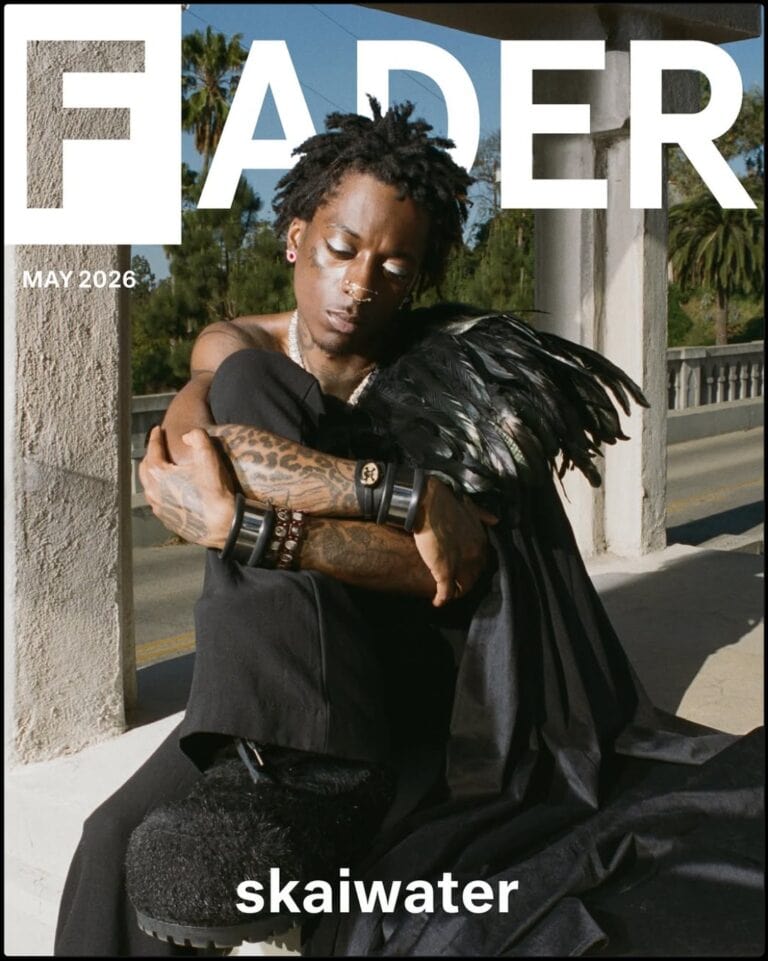
skaiwater is officially post-everything, standing at the edge of an independent frontier that leaves the old industry guard panicking. In an exclusive new cover story for The FADER, the Nottingham native sheds the suffocating weight of major label expectations to present a fully realized, nonbinary vision of hip-hop’s future.

The visual language of this feature, photographed by Nate Gotsis, speaks volumes before skaiwater even opens their mouth. Instead of the claustrophobic, hyper-stylized studio backdrops typical of modern rap profiles, the editorial places them against an expansive view of a winding river valley bathed in soft, golden light. It is a profound pause, a moment suspended between the chaotic highs of viral fame and the quiet confidence of total creative autonomy.

Styled by Christine Vuong, the sartorial choices are fluid yet deeply grounded, perfectly matching the energy of a sprawling terrain that demands deep breaths and long-term vision. There is a subtle energy of contemplation captured here, an invitation for the audience to absorb the vastness of an artist stepping fully into their own power. The gentle haze in the distance softens the edges of the world, offering a stark contrast to the sharp, cutthroat reality of the music business they just exited.

The Weight of the Miles

Four years ago, the infectious single “#miles” catapulted the young artist into a dizzying whirlwind of algorithms, TikTok dominance, and immediate major label courting. To the outside observer, it looked like the classic modern success story, wrapped in quick cash, sudden visibility, and endless promotional tours. But the reality of that corporate machine is often deeply corrosive to creators who refuse to fit neatly into rigid demographic boxes. The ensuing period became a turbulent prologue, marked by friction with narrow-minded rap purists and exhausting, repetitive battles over gender norms in spaces notoriously hostile to queer and nonbinary identities.

Now, the artist is speaking with unprecedented clarity about the necessity of severing those corporate ties. Leaving the major label system requires a specific type of nerve, especially when the massive financial safety net is suddenly snatched away. Yet, their conversation with Vivian Medithi reveals an artist who found far more risk in staying compliant than in leaving to build their own infrastructure. The industry expects gratitude from young talent; instead, they received a polite but firm exit.

A Generation Pushing Back

The interview cuts straight to the bone when addressing the current state of hip-hop and its stubborn reluctance to evolve. “Bro, it’s a group of kids changing how we listen to this type of music,” they state point-blank. “People just gotta get with it or get left.” That quote alone acts as a sharp dagger to the chest of aging gatekeepers who still mistakenly believe they dictate the culture. This is not a polite request for a seat at the table; it is a loud, unapologetic declaration that the table has been dismantled, set on fire, and sold for scrap.

In exploring their Nottingham childhood and their close-knit, highly visible friendship with Lil Nas X, the piece highlights a crucial shift in how young, boundary-pushing Black artists find community today. They are no longer waiting for legacy radio stations or traditional gatekeepers to validate their existence. Instead, they build fortified, self-sustaining networks with peers who understand the specific, crushing pressure of carrying a nonbinary identity in the public eye. Jazzmin Oddie’s subtle makeup direction on the shoot mirrors this raw vulnerability, intentionally stripping away heavy performance glam to reveal the real person underneath the viral audio bytes.

The Horizon Speaks Volumes

The editorial choice to frame this pivotal conversation against the backdrop of an untamed river valley is absolutely intentional. Rivers act as ancient metaphors for continuity, journey, and the inevitable passage of time. As the artist stands as a silent sentinel in the foreground, bathed in the fading light of dusk, the imagery taps into a universal human longing for escape and a wider perspective. It effectively strips away the noise of streaming metrics, chart placements, and social media debates, placing the focus squarely on legacy and survival.

This breathtaking vista represents what survival looks like when you flatly refuse to compromise your spirit. Stepping away from the major label system has clearly granted them the mental bandwidth to just breathe and exist. The grand narrative of nature unfolding behind them perfectly mirrors their own unfolding career—one that promises unexpected, thrilling turns but possesses an undeniable, unstoppable flow. We are watching a young pioneer quietly survey the fertile land they are about to conquer.

Claressa Shields AI Met Gala Photos Cause Social Media Uproar – BlkCosmo

0

Claressa Shields is facing a barrage of social media commentary after sharing Claressa Shields, shared what many believed were her interpretations of a Met Gala appearance, only to reveal they were, in fact, AI-generated. The move has ignited a fierce debate about authenticity, representation, and the increasing role of artificial intelligence in celebrity culture.

The images, posted across multiple platforms, initially drew praise for their avant-garde designs and striking visual elements. However, once the truth was revealed, the tone shifted dramatically. Now, Claressa Shields finds herself at the center of a complex conversation about the ethics and implications of using AI-generated photos to create a public persona.

The Digital Dress: A Breakdown of the AI Designs

The AI-generated photos depicted Shields in a series of fantastical gowns that pushed the boundaries of high fashion. One image showcased a dress constructed from what appeared to be molten gold, cascading down her figure in liquid-like folds. Another featured a gown adorned with oversized, iridescent petals, creating a surreal, almost otherworldly effect. A third design seemed to draw inspiration from Afrofuturism, blending traditional African patterns with futuristic, geometric shapes.

The expectation was that these were real. The deception, intentional or not, is where the controversy began. The execution was flawless, highlighting the increasing sophistication of AI in generating photorealistic images. The question is no longer *if* AI can create believable images, but *should* it be used in this way, particularly by public figures?

Social Media Erupts: Authenticity vs. Artifice

The reaction on social media has been swift and divided. Some users have criticized Shields for what they perceive as a deceptive tactic, arguing that it sets an unrealistic standard of beauty and promotes a false image of celebrity life. One Twitter user wrote, “So, we’re not even seeing real fashion anymore? Just AI fantasies? What’s the point?”

Others have defended Shields, arguing that the images are simply a form of artistic expression and that she should be applauded for exploring the creative possibilities of AI. “People are acting like she committed a crime,” commented one Instagram user. “It’s art, people! Get over it!” The debate highlights the growing tension between authenticity and artifice in the digital age.

The Athlete and the Algorithm: Aligning With High Fashion?

Shields is no stranger to breaking barriers. As a multi-division boxing champion, she has consistently challenged expectations and redefined what it means to be a successful female athlete. Her foray into the world of high fashion, even through AI-generated photos, could be seen as a natural alignment, expanding her brand and influence beyond the boxing ring.

In an interview last year, Shields spoke about her desire to use her platform to inspire young women to pursue their dreams, regardless of societal expectations. “I want to show them that anything is possible,” she said. “You can be a boxer, a businesswoman, a fashion icon – whatever you set your mind to.” This incident raises the question of whether the ends justify the means, even when those means involve artificial intelligence.

The Future of Fashion: AI as Muse or Manipulator?

The controversy surrounding Shields’ AI-generated photos raises broader questions about the future of fashion and the role of AI in shaping our perceptions of beauty and style. Will AI become an indispensable tool for designers and stylists, helping them to create innovative and breathtaking designs? Or will it lead to a homogenization of fashion, blurring the lines between reality and illusion?

For this exclusive feature, BlkCosmo reached out to a leading AI ethicist, Dr. Amara Okoro, for her perspective. “We need to have a serious conversation about the ethical implications of using AI in this way,” Dr. Okoro stated. “It’s not just about creating pretty pictures. It’s about the potential for manipulation and the erosion of trust.” That’s the crux of the debate. The impact of the incident is yet to be seen.

Deli Boys Season 2 Hits Hulu May 28

Hulu is giving fans a fresh look at Deli Boys season two, and the new trailer makes it clear that the Dar family’s problems are only getting messier. With all six episodes set to drop on May 28, the comedy-crime series is returning with higher stakes, more enemies, and a lot more pressure on a family still trying to figure out what it really means to inherit power.

The new season picks up with the Dars struggling to keep control of the criminal empire that landed in their laps. What looked like a wild twist of fate is now turning into something much harder to manage, especially with dangerous players closing in from all sides across Philadelphia. The story leans deeper into the chaos of trying to build something bigger while staying one step ahead of rivals, law enforcement, and their own bad decisions.

One of the major additions this season is Max Sugar, a casino owner and money launderer who also becomes romantically connected to Lucky. At the same time, Raj is focused on revenge against Ahmad, while Mir is trying to grow DarCo without letting everything spiral out of control. Adding even more tension, Philadelphia District Attorney Andrew Chadwater sees the family’s criminal activity as the kind of big case that could help launch his political future.

The cast continues to be one of the show’s biggest draws, with Asif Ali, Saagar Shaikh, and Poorna Jagannathan leading the way. Season two also brings in Fred Armisen, along with recurring and guest appearances from Andrew Rannells, Kumail Nanjiani, Lilly Singh, Robin Thede, and Tan France. That mix of comedy talent and offbeat energy has helped the series stand out as something that feels both absurd and sharply observant.

Created by Abdullah Saeed and developed by Jenni Konner and Nora Silver, the series comes from Onyx Collective and 20th Television, with Michelle Nader serving as showrunner and executive producer. For viewers who like ensemble comedies with a little danger, a little dysfunction, and a lot of personality, Deli Boys looks ready to deliver another season that plays with identity, ambition, and family loyalty in a way that feels especially fun to watch right now.

Zendaya Stuns on Vogue Brasil 2026 Cover

0

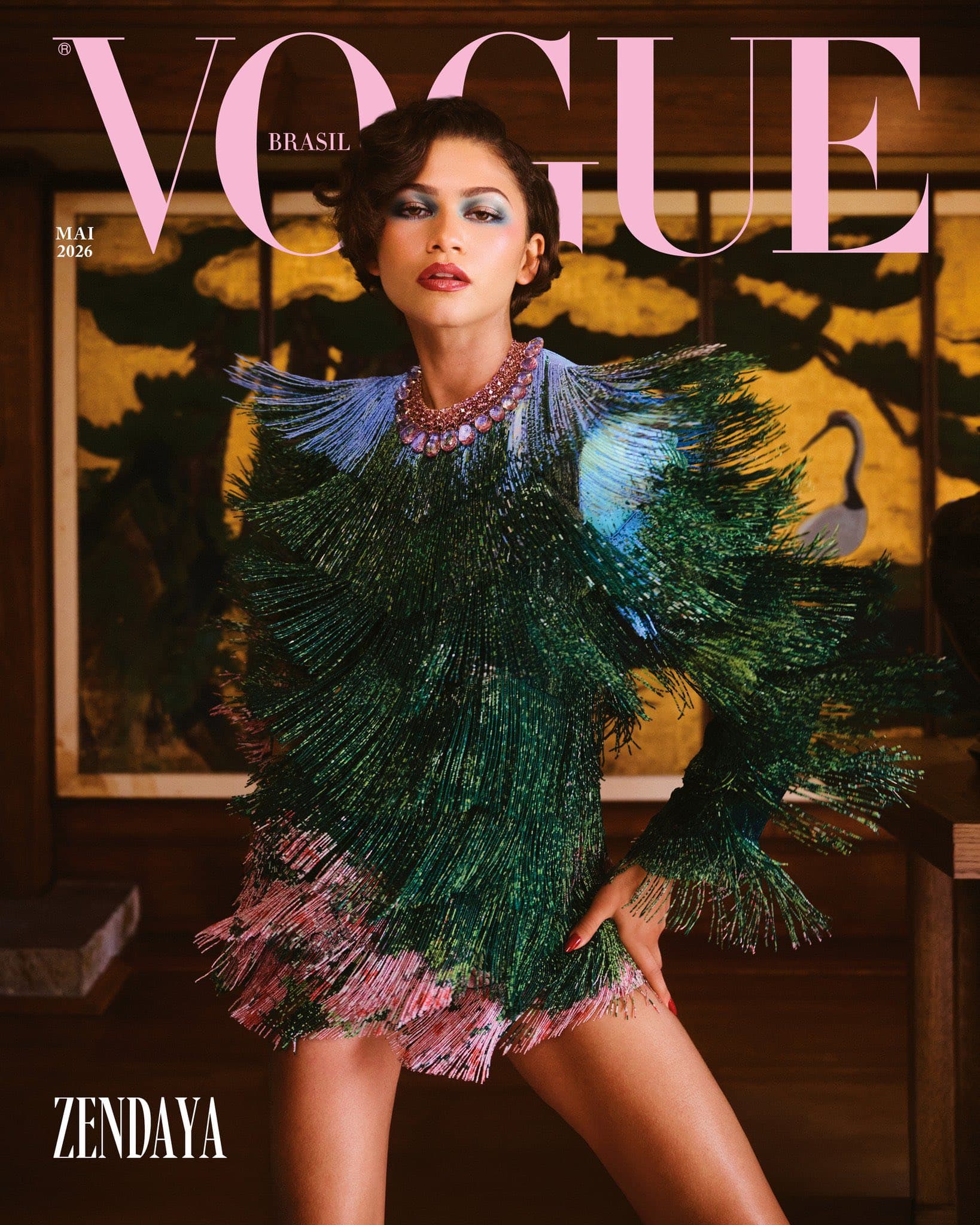
Zendaya has officially landed the cover of Vogue Brasil for its 2026 issue — and once again, she’s proving why she dominates every fashion era she steps into.

The global star continues her run of high-fashion dominance, fresh off a year packed with major film promotions, red carpet moments, and her now-iconic “method dressing” style that has redefined celebrity fashion storytelling. From bridal-inspired press looks to bold couture statements, Zendaya’s influence in both film and fashion keeps expanding far beyond Hollywood.

Fans and fashion insiders alike are already calling the cover another defining moment in her evolving style legacy — one that blends elegance, experimentation, and cultural impact in every appearance.

The 2026 cover adds to her growing list of global fashion milestones, reinforcing her position as one of the most consistent trendsetters of her generation.

Delta Cuts Food and Drink Service

Travel is getting a little less comfortable for a lot of flyers, and Delta Air Lines is making that clear with a new onboard policy that will cut food and beverage service on flights shorter than 349 miles. For passengers in Main Cabin and Delta Comfort+, that means no drinks, no snacks, and a noticeably different experience on hundreds of routes every day.

The airline says the move is about creating a more consistent experience across its network, even though many travelers will likely see it as one more example of paying the same or more for less. First class customers will still receive full service regardless of flight length, and flights of 350 miles or more are expected to keep their usual snack and drink options. Delta also said flight attendants will still be present and available to support passengers, even on routes where traditional service is being removed.

This change is landing at the same time the carrier is asking travelers to pay more in other areas too. Earlier this spring, checked bag prices went up for many domestic and short-haul international trips. A first checked bag now costs $45, a second is $55, and a third jumps to $200. The airline tied those increases to broader industry pressures, including higher jet fuel costs and global instability.

For everyday travelers, especially families, working professionals, and people trying to stretch every dollar, these kinds of updates hit differently. Flying has already become more expensive and less flexible, so the idea of fewer amenities and higher fees adds to the growing frustration around air travel. Whether customers accept the tradeoff or start looking harder at other options, Delta Air Lines is reminding people that convenience in the air is increasingly starting to feel like a luxury.

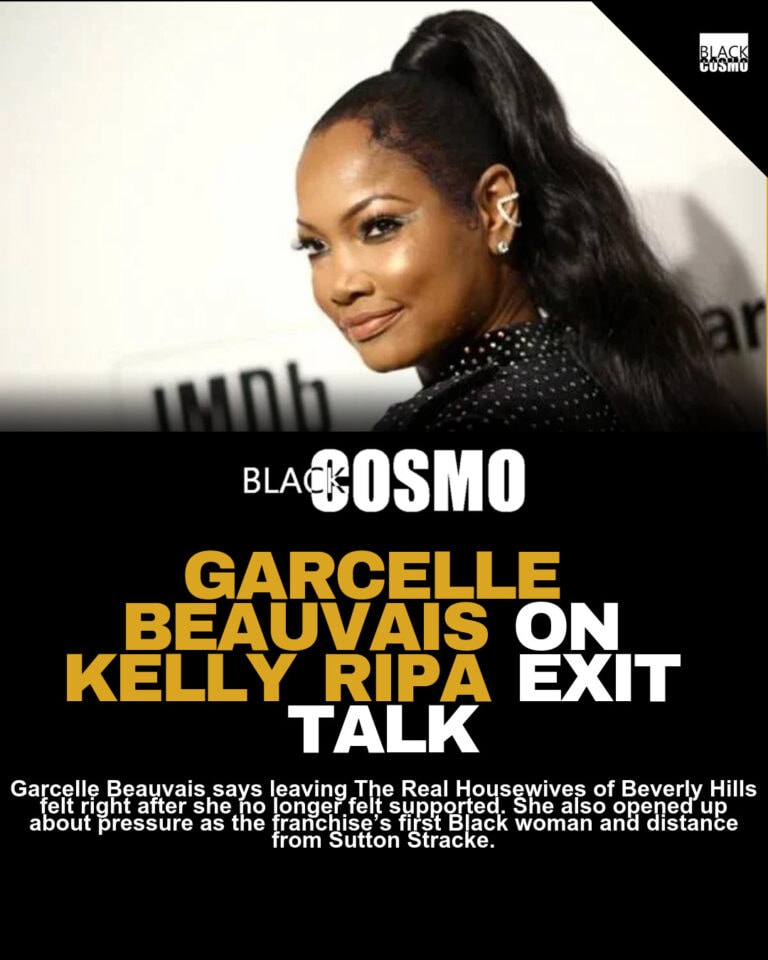
Garcelle Beauvais on Leaving RHOBH and Return

Garcelle Beauvais is opening up about why stepping away from “The Real Housewives of Beverly Hills” felt necessary, and her honesty is resonating with anyone who has ever realized a space no longer felt safe, supportive, or worth the emotional cost. In a recent interview, she shared that by the end of her time on the show, she looked around and realized she did not have a real friend or ally in the room.

That clarity seems to have shaped her decision more than anything else. She explained that leaving felt good because the experience had stopped being fun, and that shift made it easier to walk away. Even though Andy Cohen has reportedly said the door is still open, she is not seriously entertaining a return right now. From the way she described it, this was less about making a dramatic exit and more about protecting her peace.

She also spoke about the awkward distance that has grown between her and Sutton Stracke, a friendship many viewers once saw as one of the more grounded relationships on the franchise. According to her, they have barely spoken since she announced her departure, and a recent red carpet encounter only made that change more noticeable. When bonds shift in public, especially after years of viewers watching them unfold, the silence can say a lot.

What also stands out is her reflection on being the first Black woman on the Beverly Hills franchise. She talked about the pressure of entering a highly visible space while carrying multiple identities at once: Black, Haitian, immigrant, and single mother. Rather than trying to fit anybody else’s expectations, she said her focus was staying true to herself. That kind of self-awareness matters, especially in reality TV, where women of color are often boxed into stereotypes before they even get a chance to fully show up.

She also connected her experience to the broader evolution of Hollywood, noting that there is more room now for Black women’s stories, leadership, and longevity than when she first entered the industry. That perspective gives her exit a bigger meaning. For many viewers, Garcelle Beauvais leaving the show is not just another cast update; it is a reminder that choosing yourself can be the most powerful move, especially when the culture still expects Black women to endure what no longer serves them.

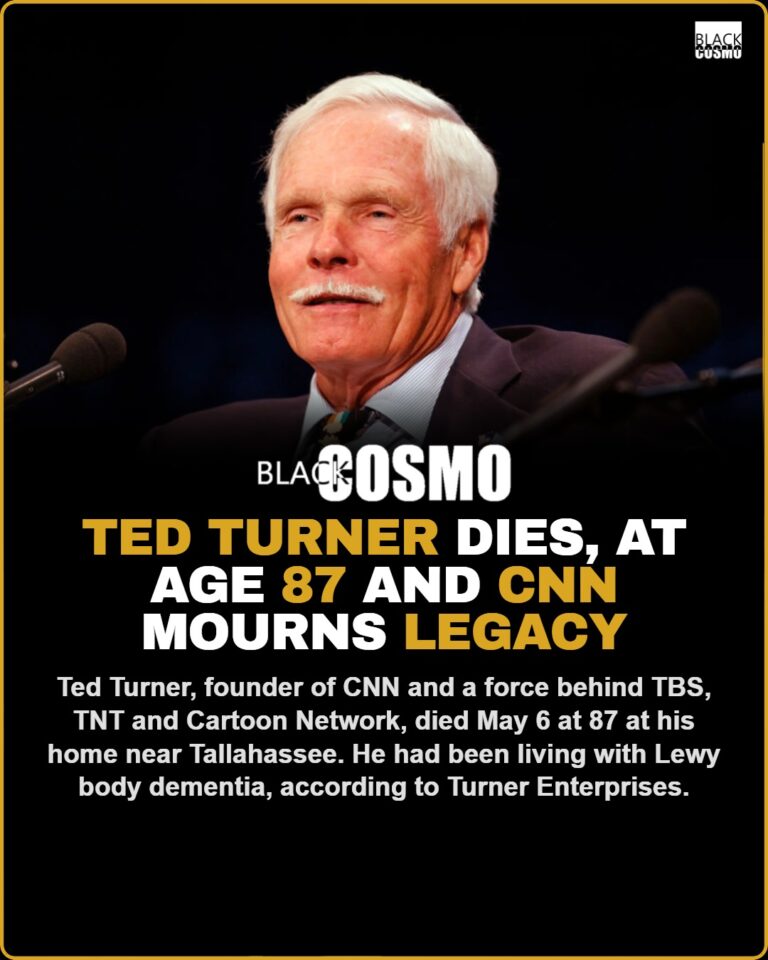
Ted Turner, CNN Founder, Dies at 87

Ted Turner, the media mogul who changed television forever by launching CNN, has died at 87. According to reports, he passed peacefully at his home near Tallahassee, Florida, surrounded by family after living with Lewy body dementia in recent years.

Long before 24-hour news became the norm, Turner took a huge gamble on the idea that people wanted access to live information at any hour. At the time, major broadcast networks treated news like a scheduled event, not an ongoing public service. Building CNN out of Atlanta and pushing it into homes across the country, he helped create a new media reality that would influence not just cable, but the entire way the world now follows breaking stories in real time.

His impact went far beyond one network. He helped build a larger entertainment empire that included TBS, TNT, and Cartoon Network, while also shaping sports culture through his ownership of the Atlanta Braves. Turner’s personality was as bold as his business decisions, and that larger-than-life presence made him one of the most recognizable figures in American media for decades.

He was also known for a life that stretched beyond boardrooms and broadcast studios. From philanthropy and environmental conservation to his high-profile marriage to Jane Fonda, his legacy carried both public ambition and deeply personal complexity. Even people who never watched CNN closely still felt the ripple effects of his work through the nonstop news cycle and cable culture he helped normalize.

For a lot of Black audiences, the rise of cable news and expanded television access changed how communities saw the world and how the world saw us. The influence of Ted Turner sits inside that bigger conversation about media power, representation, and who gets to shape the national narrative. His story leaves behind a complicated but undeniable legacy in the culture.

Usher’s 2026 Tour Offers Industry Internships

0

Usher is turning a major tour moment into something bigger than music by helping young people get a real shot at working behind the scenes in entertainment. Through Usher’s New Look and the Boys & Girls Clubs of Greater Detroit, a new program called “Entertainment Industry Club: Live Touring Edition” is giving aspiring professionals in Detroit and Atlanta an opportunity to step into the business with hands-on experience.

The program will select 10 interns, all age 18 and older, to work in important areas of a live tour, including production, wardrobe, multimedia, operations, and community impact. Before joining the road team, participants will go through training focused on safety, professionalism, and the day-to-day expectations of touring at a high level. It’s the kind of exposure many people talk about wanting in the industry but rarely get access to early on.

Leaders involved with the initiative say that is exactly the point. The live touring business generates billions, but the pathways into those jobs are still limited for many young people, especially those without the right connections. By placing interns directly into a major stadium tour environment, the program is designed to turn interest into experience and experience into long-term opportunity.

In a statement, Usher emphasized a message that feels especially relevant right now: talent is everywhere, but access is not. That idea lands deeply in communities where creativity has always been abundant, even when industry doors have not been. For BlkCosmo readers, this kind of effort stands out because it is not just about celebrity philanthropy. It is about building a pipeline, creating access, and making sure the next generation can see themselves not only onstage, but in every part of the machine that makes the culture move.

These American celebs were among 500+ Black Diaspora Granted Ghana Citizenship

0

For many Black Americans tracing ancestry, migration, and memory across the Atlantic, Year of Return has become more than a tourism campaign. Ghana’s initiative, launched in 2019 to mark 400 years since the first enslaved Africans arrived in Jamestown, Virginia, opened a powerful lane for people in the diaspora to reconnect with history, culture, and a sense of home on the continent.

What started as a commemorative program quickly grew into a major cultural movement. Visitors came to Ghana to tour historic slave sites, experience local traditions, and build community with people who saw the trip as both personal and political. Celebrities including Steve Harvey, Nicole Ari Parker, Diggy Simmons, Michael Jai White, and Bozoma Saint John were among those who traveled to the country during the early wave of the initiative, helping bring even more global attention to Ghana’s outreach to the diaspora.

The program also carried real policy impact. During the original yearlong celebration, then-president Nana Addo Dankwa Akufo-Addo granted citizenship to 126 diasporans who had already been living in Ghana. Before leaving office, he approved citizenship for another 524 diaspora members, most of them Black Americans, making it the largest group naturalized at one time since the program began. Public figures like Yandy and Mendeecees Harris and activist Dr. Umar Johnson were also among those recently granted Ghanaian citizenship.

Ghana had already laid the groundwork for this kind of connection long before 2019. In 2000, it became the first African country to formally welcome people of African descent from around the world through its Right of Abode law, which allows eligible applicants to remain in Ghana indefinitely. The country later established the Diaspora Affairs Bureau in 2014 to strengthen ties between government agencies and diaspora communities, with a focus on development, migration, and investment.

The economic impact has been just as notable as the emotional and symbolic one. Government figures say at least 1,500 African Americans have relocated to Ghana since 2019, and activities linked to the initiative generated about $1.9 billion for the economy that year. Travel, hotels, transportation, and entertainment all played a role, showing how cultural return can also translate into national growth.

For some of the new citizens, the moment carries meaning far beyond paperwork. Keachia Bowers, who moved from Florida to Ghana with her family in 2023, described citizenship as something deeply ancestral. She said she never needed a passport to affirm that she is African, but receiving one honored the ancestors who longed to return and never got the chance.

That is why Year of Return continues to resonate. It speaks to a broader Black global story about belonging, remembrance, and what it means to reclaim connection on your own terms.