Home Blog Page 37

Smart Money-Saving Tips from TikTok Creator

0

“It’s not about not spending anything, but it’s about focusing on things that bring you joy and that bring value for you and your family.” That’s the philosophy driving Katia Chesnok, a mother of four who’s built a following of over 40,000 people on TikTok by breaking down the “moneymaxxing” trend—a viral movement focused on smarter financial habits like cutting unnecessary expenses and maximizing savings account interest. Now she’s sharing the exact strategies that transformed her family’s finances.

With summer winding down, there’s no better time to reset your wallet. Here are some of Katia Chesnok‘s most useful insights to start leveling up your money right now.

Disciplined Spending

TikToker Katia Chesnok (@economikat) laid out a reality check about the one daily habit standing between most people and actual savings.

“Your life will change when you stop buying more junk,” she said. “You do not need more stuff. Look at your garage, look at your closets, look at your whole house—it’s full of junk. Once I realized that all the clutter I was buying used to be money… and once you realize that, your life will change.”

Related: How to Budget Like a Boss: Finance Expert Shares Money Tips for Black Americans

5 Things That Are Not Worth Your Money

In a July TikTok video, Chesnok called out five specific purchases she considers wasteful. An iPad tops the list. “At this point, you’re only using the iPad to play games,” she said. Daily Starbucks runs came next: “How are you paying eight dollars a day when you can make your own coffee at home for cents every single day?”

She also flagged Kylie Cosmetics, the iRobot vacuum, and high-end athleisure brands. “Anything Alo or Lululemon, especially if you’re paying $200, $300 for a hoodie. It’s not worth the money.”

Shop Your Home First

When the urge to shop hits, Chesnok suggests a different approach: look around your home first.

“This is a reminder that you do not need anything from Walmart today,” she said in an unpopular opinion post last month. “You do not need anything from Aldi today. You do not need anything from Trader Joe’s today. You are just bored, and you don’t need more stuff. Go shop your pantry.”

If boredom is the real issue, her fix is simple: take a walk.

The “Worth Every Penny” List

While she’s quick to call out overhyped products and impulse buys, Chesnok isn’t against spending where it counts. She named specific items in a follow-up video worth the investment.

“Toyota vehicles, a Breville coffee machine, going to the dentist, Costco executive membership, ETFs [exchange-traded funds], Olay moisturizers and serum, Brita water filter, a walking pad, and a library card,” she specified.

Low Buying Challenge

Screenshot: economikat/TikTok

In July, she launched a low-buying challenge encouraging followers to avoid “useless stuff” but spend intentionally on things that genuinely make them happy. For Chesnok, it’s all about balance. During the month-long challenge, she shared her own routine: cooking simple meals at home at least five days a week, waiting a full day before buying anything (aside from necessities), committing to three no-spend days every week, and getting a dopamine hit from walks or time outdoors instead.

How to Start Saving More Money

One of the easiest ways to save, according to Chesnok, is to make your money work harder by opening a high-yield savings account (HYSA).

“If you don’t have a HYSA in 2026, what are you even doing? You need to have a HYSA because they pay you higher interest rates than a regular savings account,” she said. She also suggests waiting before any online purchase. “The longer you wait, the more you will be sure that it’s not an impulse purchase. And actually, 50% of the time when you wait at least 24 hours, you end up not buying the item.”

Chesnok also advised limiting doomscrolling—the compulsive habit of endlessly watching negative news on your phone. “I noticed the longer I doom scroll, the more temptations I have. So limit your doomscrolling and get busy,” she said.

Her final piece of advice: take care of your health and clean your living space. “When you do, you will bring more abundance to your life. If you take care of things you already have, you will wait longer to buy new things.”


★TR★

Brandon Clarke’s $12.5M Life Insurance Payout

0

The Smart Financial Legacy of a Fallen Star

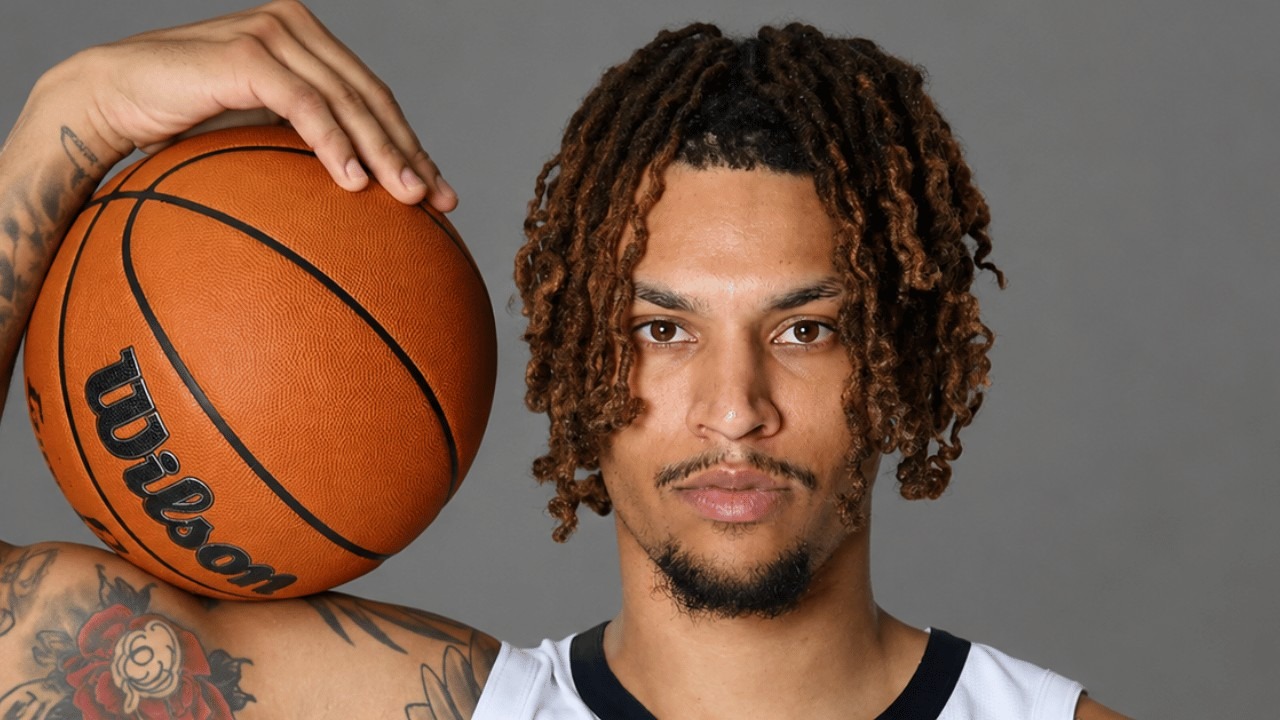
The sudden and tragic passing of Brandon Clarke shook the basketball world to its core, leaving fans and teammates mourning a vibrant life cut far too short. Yet, amid the grief, a crucial story of financial literacy and foresight has emerged. Recent updates clarify that the late Memphis Grizzlies forward’s estate will indeed receive the remaining $12.5 million of his contract. This resolution serves as a powerful testament to the importance of wealth protection for Black athletes navigating the high-stakes world of professional sports.

Correcting the Record on Clarke’s Contract

Initially, a report from Front Office Sports sparked widespread concern, claiming that the Grizzlies’ termination of Brandon Clarke‘s deal on July 3 meant his estate would lose out on his final year’s salary. However, Yahoo Sports insider Kevin O’Connor quickly corrected the narrative. While the Grizzlies are not paying the salary directly out of their team cap, the contract was fully protected against death through a cleverly negotiated life insurance structure.

How the Strategic Insurance Payout Works

According to O’Connor, the Grizzlies agreed to reimburse the costs of Clarke’s life insurance policy as part of his contract negotiations. This structure allowed the $12.5 million to remain entirely protected, even after his contract was officially terminated. Beyond guaranteeing the payout, this method offers massive tax advantages. Life insurance proceeds are generally exempt from gross income taxes, ensuring his family receives the maximum financial support possible during this devastating time.

Honoring the Life and Career of Brandon Clarke

Clarke, who tragically died on May 11 at just 29 years old, spent all seven of his NBA seasons with Memphis after being drafted 21st overall in 2019. Known for his explosive energy and unmatched team-first attitude, he earned NBA All-Rookie First Team honors and averaged 10.2 points per game over his career. Though devastating injuries, including a torn Achilles, slowed his final seasons, his legacy as a brilliant teammate and a financially savvy professional remains completely secure.

Christy Knowings and Kianna Underwood: All That Alumni Deaths

0

The Christy Knowings and Kianna Underwood losses represent a heartbreaking moment for nineties children everywhere. This season brings a sharp wave of grief for the Nickelodeon community as we reflect on the devastating news that has left an entire generation of viewers in deep mourning. The sudden loss of the 46-year-old actress has hit hard, casting a shadow over a franchise that once brought endless laughter to our Saturday nights.

The news of her death, which occurred on Tuesday, Aug. 11, after she was taken off life support following a severe asthma attack, has prompted deep reflection from her former peers. For many, Christy Knowings was a defining presence on the classic variety show during its late-nineties peak, bringing sharp comedic timing and memorable character work to the screen. Her co-stars have stepped forward to share their grief, emphasizing her warmth, her quiet dedication, and the unique spark she brought to every sketch she graced. This loss is especially stinging as it follows the tragic hit-and-run death of her fellow All That alum Kianna Underwood in Brooklyn back in January, creating an unprecedented season of mourning for the beloved franchise.

During her three-season run from 1997 to 2000, she delivered memorable performances that solidified her place in children’s television history. Joining the cast after appearing in the Rosie O’Donnell–hosted sketch comedy special And Now This!, she stepped into a lineup that included Kenan Thompson, Kel Mitchell, Amanda Bynes, and Nick Cannon. She was best known for playing Jessica in the recurring “Whateverrr!!!” sketches alongside Bynes, where her expressive face and flawless characters consistently drew laughter. She also created the memorable Gloria Bankhead character, an over-the-top, Martha Stewart–esque caricature that showcased her ability to completely inhabit a role on stage. Later, she brought her talents to Sesame Street, appearing in three episodes alongside her real-life twin brother, Chris Knowings. Beyond acting, her creative spirit led her to music, resulting in the release of her folk single “To the World” in 2020. Her manager, Al Hill, remembered her as a multi-talented creative who was always professional and dedicated to her craft.

This loss is compounded by the heavy heart of a community that was already grieving. In January, the franchise suffered its first devastating blow of the year when 33-year-old Kianna Underwood was killed in a hit-and-run collision in the Brownsville neighborhood of Brooklyn. Underwood, who appeared in seven episodes during the final season of All That in 2005, also voiced the character Fuchsia Glover in Little Bill and toured nationally as Little Inez in the musical Hairspray. Her death revealed a painful, quiet struggle with housing instability and homelessness in her later years, a reality that original cast member Angelique Bates had publicly raised concerns about in 2023. Bates had pleaded for intervention and support for the young actress, noting the systemic failures that often leave former child stars without a safety net when the cameras stop rolling. The tragic end of Underwood’s life remains a stark reflection of the vulnerabilities faced by young performers.

Co-stars have expressed their heartbreak openly, painting a portrait of a tight-knit family facing immense sorrow. Kenan Thompson shared his grief on social media, writing that her death hit hard and that he never could have imagined this day, calling her “a real one” and “one of the funniest people out here.” Kel Mitchell described her as truly one of a kind, naturally funny, and exceptionally talented on screen. Josh Server called her “a light in every room” and “an absolute scene stealer.” These public tributes show the deep bonds formed behind the scenes of nineties television, where young talent grew up together under intense public pressure. The passing of Christy Knowings and Kianna Underwood represents more than just the loss of childhood entertainers; it represents the closing of a chapter of innocence for the audiences who spent their weekends with them.

For the Black cosmopolitan audience, these losses strike a deep chord. Nineties Nickelodeon was a rare space where Black youth were represented with joy, humor, and normality. Shows like this one did not just provide entertainment; they provided a sense of belonging and cultural pride during a formative era. To see these bright lights extinguished so young, and under such difficult circumstances, is a somber reminder of the fragility of life. We hold their families, particularly Christy’s twin brother Chris and the loved ones of Kianna, in our thoughts as they navigate this painful season of loss.

Texas Surrogacy Battle: McKenna West Vows Supreme Court Fight

0

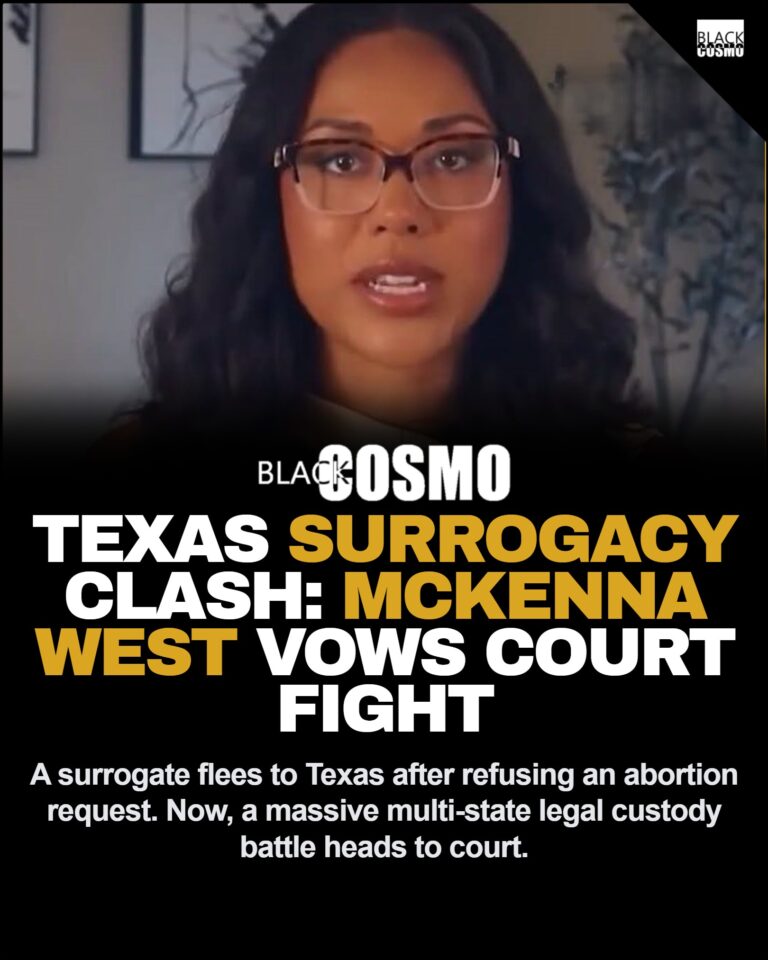
A complex medical and ethical storm is currently brewing in a Dallas court, where a high-stakes Texas surrogacy battle has sparked intense national conversations about parental rights, bodily autonomy, and contractual obligations. The dispute centers on McKenna West, a gestational surrogate from Alaska who recently gave birth to a baby boy in Dallas. The child was diagnosed during the twentieth week of pregnancy with hypoplastic left heart syndrome, a severe and life-threatening congenital heart condition that prevents the left side of the heart from developing properly.

The baby’s biological parents, Nausheen Gilkar and Omar Ahmed of California, had requested a termination after learning of the diagnosis, a decision they state was guided by consultations with their medical team. But McKenna West, a nurse by profession, refused to undergo the procedure, eventually fleeing Alaska for Texas with the assistance of anti-abortion advocates. This sudden relocation shifted the legal playing field to a state with highly restrictive abortion policies. In Dallas, the biological parents were recently granted physical custody and a temporary restraining order that sharply limits West’s contact with the newborn. Meanwhile, her defense team is mounting a challenge, stating that under local state statutes, she is the legal mother of the child.

The surrogate, who is a registered nurse, originally signed a surrogacy contract with Worldwide Surrogacy Specialists, LLC, a surrogacy agency based in Connecticut. This agreement reportedly contained a clause allowing the intended parents to request a medical termination should the fetus receive a diagnosis of a severe congenital abnormality. When doctors identified the heart defect during a routine ultrasound, a fracture emerged between the expectations of the contractual signees. While West initially expressed she might comply, she later withdrew her consent, seeking help from legal representatives and advocacy groups who assisted in her sudden move to Dallas. By entering Texas, she placed herself in a jurisdiction known for its rigid anti-abortion laws, effectively complicating the enforcement of a California-based agreement.

The escalation of this Texas surrogacy battle caught the attention of Texas Attorney General Ken Paxton, who intervened in a Dallas family court to secure an emergency order demanding that the baby receive immediate, life-sustaining treatment upon birth. Paxton framed the state’s intervention as an effort to protect a vulnerable child, whom anti-abortion activists have publicly named Baby Gabriel. The biological parents’ attorney, Lee Budner, criticized this intervention. He described the situation as political theater built upon a family tragedy, asserting that his clients always intended to prioritize their child’s health by following the advice of their medical specialists. Budner emphasized that the parents did not plan to deny necessary surgeries to the infant, who is now receiving specialized pediatric care.

The legal strategy of West’s attorney, Lincoln Wilson, focuses heavily on challenging the validity of a California court judgment that initially established the parental rights of Gilkar and Ahmed. Wilson contends that because the birth occurred in Texas, local parentage laws should dictate who is recognized as the mother. The legal team has made it clear that they are prepared to appeal through lower courts and take this case directly to the U.S. Supreme Court if necessary. This stance signals a prolonged constitutional fight over the intersection of interstate surrogacy agreements and state-specific post-Roe reproductive laws.

For observers watching from large urban hubs, the implications of this case extend far beyond a single contract. It raises deep questions about the security of family-building arrangements for couples who rely on third-party reproduction. Gestational surrogacy has long been an essential path to parenthood for many, including those navigating infertility or same-sex family planning. When state lines can alter the legal definition of motherhood, the entire structure of these contracts faces a worrying level of uncertainty. The intrusion of state political figures into private medical disputes further complicates an already emotional scenario, turning a deeply personal choice into a battleground for broader political agendas.

At present, the temporary restraining order keeps physical custody with the biological parents while West is legally barred from interfering in the infant’s medical decisions or removing him from the Dallas hospital. The court has scheduled a hearing for late August to address these conflicting parental claims. As the legal proceedings move forward, the case will likely serve as a crucial test of how parental rights are defined across state lines in a post-Dobbs era, with both sides refusing to back down from their respective legal positions.

Andrew Gillum Arrested After Positive Meth Test

0

Mass incarceration continues to touch even the most prominent figures in our communities. Andrew Gillum, the former Florida gubernatorial candidate who nearly won his race in 2018, is back behind bars in Alabama after authorities say he missed a required drug screening and later tested positive for meth in court.

Gillum was booked into the Baldwin County Jail on Aug. 6, jail records show. Court documents say his bond was revoked after he missed a drug screening and subsequently tested positive during a court appearance. This case reflects broader systemic challenges that affect mass incarceration in America. A court order reportedly listed his reason for commitment as “missed CC drug test and pos in court for meth did admit.” Gillum’s next court appearance is scheduled for Aug. 13.

Baldwin County Sheriff’s Office

The development comes about a month after Gillum was arrested July 2 in Daphne, Alabama, following a traffic stop for alleged erratic driving. Authorities said they found 3 grams of methamphetamine, eight marijuana cigarettes, four straws, three pipes and a water pipe. He was released the following day.

Gillum, 47, was elected Tallahassee mayor in 2014 after serving on the city commission beginning in 2003. In 2018, Gillum became the Democratic nominee for Florida governor and received support from former President Barack Obama. He came within about 32,000 votes of defeating DeSantis, receiving 49.2% to DeSantis’ 49.6%.

His journey from political promise to these current legal challenges raises important conversations about addiction, recovery, and the systemic barriers many face. The stakes are real, and the struggles are deeply personal.

★m★

Akwayamar on ELLE UK Cover August 2026

0


Akway Amar is gracing the cover of Elle UK, and we’re here for every stunning moment of it. The featured shoot brings together a powerhouse creative team that knows how to elevate a vision—from EIC Kenya Hunt’s editorial direction to stylist Rudy Simbabetty’s impeccable eye and nail artist Delphine Aiss’s finishing touches. This collaboration represents the kind of intentional beauty storytelling that makes us sit up and pay attention.

Akway Amar continues to make waves in the industry, and this Elle UK moment is a testament to the growing recognition of talent that refuses to blend in. When Black creatives lead the charge—from the editor’s chair to the styling rack—the entire narrative shifts. This is what representation looks like when it’s orchestrated with intention and excellence.

Blueface Kicks Pregnant Girlfriend Into Pool: Cops Called

0


★★★

Wealthy Black Neighborhoods: Then and Now

0

From Black Wall Streets and affluent neighborhoods to thriving business districts, Black Americans built powerful networks where ownership, entrepreneurship and prosperity could flourish. But for many of these communities, that prosperity would come under threat as forces ranging from racial violence to displacement and urban renewal reshaped their futures.

As we continue to honor National Black Business Month, we’re looking into some of the most influential Black communities in America, exploring the wealth they built, the cultural legacies they created and the forces that ultimately shaped their futures. Understanding Black Business Communities across the country means grappling with both their remarkable achievements and the systemic obstacles they faced. These aren’t just historical footnotes. Many remain vital spaces today, while others serve as cautionary tales about what happens when prosperity is built without legal protection. For context on Black Business Communities, we’ve compiled some of the most significant examples.

Greenwood — Tulsa, Oklahoma

Tulsa, OK – September 9: Terry Baccus stands for a portrait at Black Wall Street in the historic Greenwood District. (Photo by Craig F. Walker/The Boston Globe via Getty Images)

We have to start with the original Black Wall Street. Greenwood in Tulsa, Oklahoma, boasted more than 600 Black-owned businesses, including banks, luxury hotels, movie theaters and doctors’ offices. The community was devastated during the 1921 Tulsa Race Massacre at the hands of a White mob, which left an estimated 50 to 300 people dead and nearly 10,000 Black residents homeless. What took decades to build was erased in days.

Hayti — Durham, North Carolina

North Carolina Mutual Leadership
Portrait from the North Carolina Mutual Life Insurance Collection of Charles Clinton Spaulding’s trip to Europe with stop over in Baltimore, Row one with trophy left to right-George N. Cox and William D. Hill. Row two left to right David C. Deans, unknown, Edward R, Merrick, President C. C. Spaulding, W. J. Kennedy, Jr. , J. L. Berry, Emmett Clooney, Dr. Clyde. Donnell. (Photo by North Carolina Central University via Getty Images)

Once known as the “Black Wall Street of Durham,” Hayti was a thriving center of Black business and entrepreneurship in the early 20th century. The neighborhood was home to major institutions like North Carolina Mutual and Mechanics & Farmers Bank, but much of its business district was later destroyed by urban renewal and highway construction. The same pattern would repeat itself across the country.

Jackson Ward — Richmond, Virginia

Jackson Ward Richmond Virginia
This September 1975 image shows part of the 500 block of North Second Street in Richmond’s Jackson Ward neighborhood. The National Historic Landmark District, which became the center of the city’s African-American community after the Civil War, has experienced significant revitalization in recent years. (Don Pennell/Richmond Times-Dispatch via Getty Images)

Once known as the “Harlem of the South,” Jackson Ward became a thriving center of Black business, banking and culture. It was home to Black financial pioneer Maggie Lena Walker and her St. Luke Penny Savings Bank before urban renewal and highway construction tore through the historic neighborhood. Like so many others, Jackson Ward’s economic power couldn’t protect it from deliberate disinvestment.

Sweet Auburn — Atlanta, Georgia

Once called “the richest Negro street in the world,” Sweet Auburn emerged as a major center of Black business and entrepreneurship after the 1906 Atlanta Race Massacre, when a white mob attacked Atlanta’s Black community, damaging businesses and forcing some to close or relocate. Black businesses soon concentrated in areas like Sweet Auburn, which grew into a powerful center of Black economic and political life.

Bronzeville — Chicago, Illinois

Known as the “Black Metropolis,” Bronzeville became one of the country’s most influential Black communities during the Great Migration, known as a mecca for music, arts, culture and politics. Black-owned banks, newspapers, businesses, nightclubs and professional institutions made it a powerhouse of economic and cultural life, and it remains a vibrant community today.

Paradise Valley — Detroit

Paradise Valley was once Detroit’s premier Black business and entertainment district, filled with Black-owned nightclubs, hotels, restaurants and shops. Known as “Black Bottom” dating back to the 1920s through the 1950s, urban renewal and freeway construction has since demolished much of the neighborhood, though efforts to revive its cultural legacy are underway.

U Street — Washington, D.C.

Once known as “Black Broadway,” U Street was a center of Black business, entertainment and culture, particularly during the early 20th century. The neighborhood has changed dramatically through redevelopment and gentrification, but historic Black-owned businesses and cultural institutions remain a significant part of its identity today.

Sugar Hill — Los Angeles, California

Formerly the wealthiest Black neighborhood in Los Angeles, Sugar Hill attracted affluent Black entertainers, professionals and homeowners despite discriminatory housing restrictions. The construction of the Santa Monica Freeway in the 1960s cut through the community, displacing residents and fundamentally changing the neighborhood.

Seneca Village — New York City

Long before Harlem became synonymous with Black New York, Seneca Village was a predominantly Black hub of property owners on Manhattan’s West Side. The city forcibly displaced its residents in the 1850s to make way for what became Central Park, effectively erasing the neighborhood from the map entirely. It’s one of the earliest examples of a thriving Black community being systematically removed for public infrastructure.

Boley — Oklahoma

Boley was founded in 1903 as an all-Black town and became one of the most prosperous Black communities in Oklahoma. At its height, the town supported Black-owned businesses, a bank, newspaper, schools and other institutions built around the idea of Black economic independence. The area became a safe haven where African Americans could self-govern and live free from rigid racial restrictions. Black cowboys were deeply rooted here too, with ranching traditions stemming back to the 1960s. Boley is still recognized as the oldest African American community-based rodeo in the United States.

Ladera Heights — Los Angeles, California

Moving to more modern Black wealth, Ladera Heights became a prominent Black middle- and upper-class community as African American professionals moved into suburban L.A. neighborhoods that were previously largely inaccessible to them. Frank Ocean captured its appeal perfectly: “the Black Beverly Hills… domesticated paradise.”

View Park–Windsor Hills — Los Angeles, California

View Park–Windsor Hills emerged as another major center of Black affluence in Los Angeles, particularly as restrictive housing practices began to loosen. Today, it remains one of the country’s best-known historically Black affluent communities, with high home values and a concentration of Black professionals.

Prince George’s County — Maryland

The affluent Prince George’s County became one of the country’s most prominent concentrations of Black middle and upper-income households. Generations of Black families built financial stability and homeownership, and the community still serves as a major economic, cultural and commuter hub in the D.C. metropolitan area.


★TR★

MS Jwilly on LA Times Envelope August 2026

0


MS Willy is gracing the pages of Los Angeles Times Envelope magazine, and we’re here for every stunning detail of this shoot. The talent brought serious elegance to the cover moment, working with an incredible creative team to bring the vision to life. MS Willy collaborated with makeup artist Cherish Brooke Hill, who created a flawless base that highlighted every angle. Hair stylist Miles Jeffries crafted the perfect complement with a sleek style, while the locs installation by Hair by Ash Nicole added that final touch of authenticity and polish that made the whole look come together.

What makes this moment special is how it represents the kind of inclusive beauty coverage we love to see. The creative team—each bringing their own expertise and cultural understanding—came together to celebrate Black beauty on a major platform. This is what happens when you center Black artists and creatives in every part of the process, from the chair to the final frame. It’s more than just a magazine cover; it’s a reminder that our aesthetics, our talent, and our vision deserve to be front and center.

Tiffany Haddish Trial Today: 4 Years After DUI

0

Tiffany Haddish’s years-long Georgia DUI case is finally expected to reach a courtroom today. The comedian and Girls Trip actress has been fighting this legal battle since her January 2022 arrest in Peachtree City, and it’s been a journey that speaks to larger conversations about mass incarceration and how the justice system moves—or doesn’t move—for celebrities and everyday people alike.

According to authorities, an officer was dispatched to Highway 74 around 2:30 a.m. after receiving a report about a sleeping driver. While heading to the scene, the officer spotted Haddish’s vehicle and pulled her over. Police said Haddish drove into the yard of a nearby residence before the stop ended with her arrest on a DUI charge. Now, years later, we’re finally getting the courtroom moment everyone’s been waiting for. For more on mass incarceration and its impact on Black communities, the conversation continues.

BEVERLY HILLS, CALIFORNIA – JUNE 05: Tiffany Haddish attends the 6th Annual Hollywood Unlocked Impact Awards at The Beverly Hilton on June 05, 2026 in Beverly Hills, California. (Photo by Arnold Turner/Getty Images for 6th Hollywood Unlocked Impact Awards)

Haddish has spent years challenging the case and previously sought to have the charge dismissed, contending that “substantial delays” deprived her of her right to a speedy trial. A Fayette County State Court judge recently denied that request, but the fight didn’t stop there. Her legal team has been strategic and thorough, which is what you’d expect from someone serious about their defense. This kind of drawn-out legal process is something many people navigate—from those fighting for freedom struggle victories in courtrooms to everyday citizens just trying to get their day in court.

The actress has also accused officers of an “unlawful search” connected to her arrest as her attorneys fought to limit evidence in the case. These procedural battles matter because they set precedents and protect rights for everyone involved in the system.

Her booking made headlines everywhere in 2022 when authorities released a mugshot showing Haddish smiling broadly. That image became iconic—a moment of resilience captured in an unexpected way. Now, as this trial finally gets underway, we’re watching how one of entertainment’s brightest talents navigates a legal challenge that’s tested her patience and resolve for far too long.

★m★