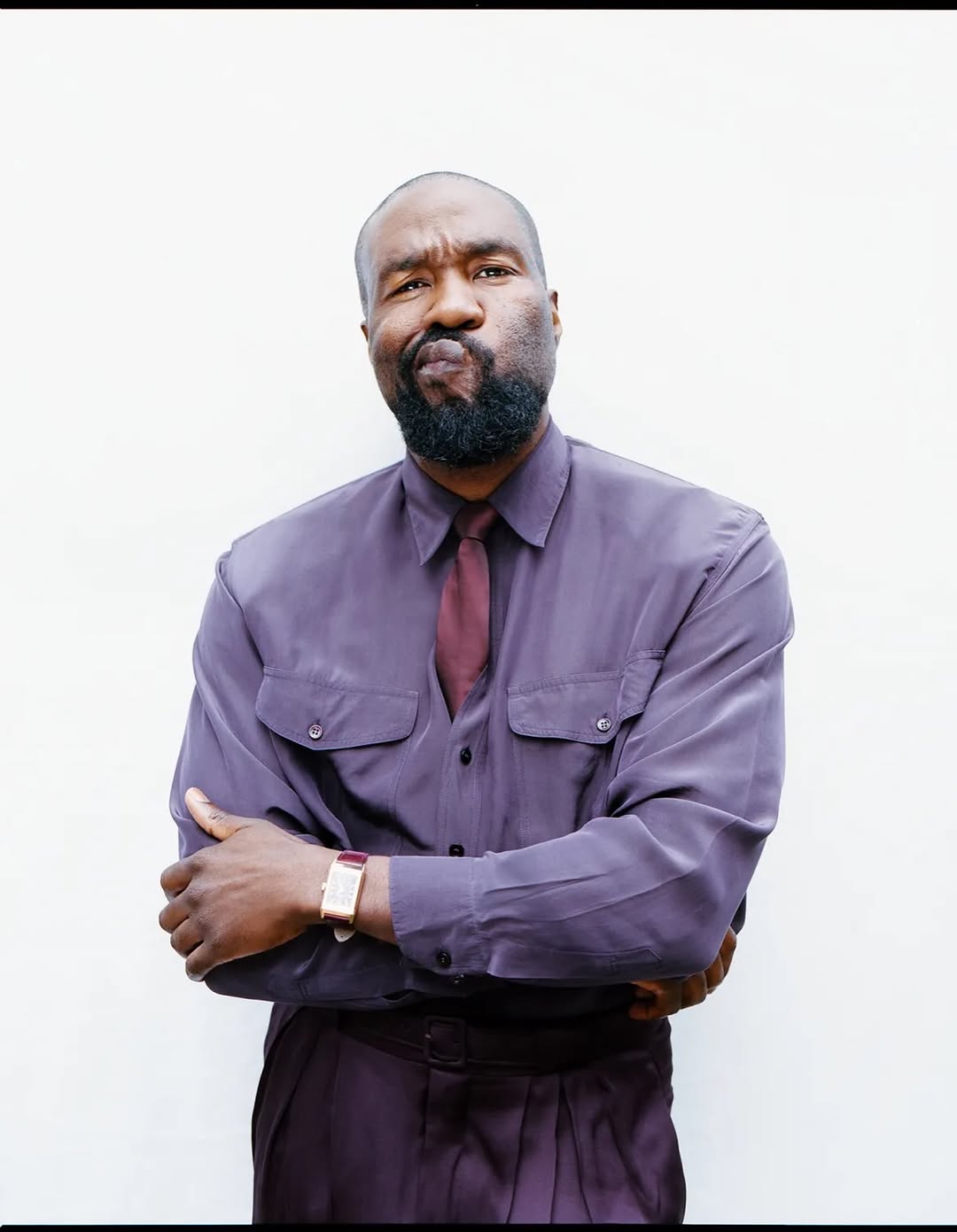
Hip hop biography just got a lot more complicated. Mally Mall has landed back in federal custody as prosecutors accuse him of new probation violations tied to alleged witness tampering and prohibited contact.
The producer, whose legal name is Jamal Rashid, is accused in a June 5 court petition of having another man contact a woman before his scheduled July 7 revocation hearing. You can read more about hip hop biography cases like this one that reveal the messier side of the music industry.
The filing claims Steven Tolson, also known as “Jazz Lazr,” offered cash on Mally Mall’s behalf if the woman agreed not to attend the hearing, signed paperwork saying she was never trafficked, and stopped discussing her involvement with him.
Mally Mall was sentenced in May 2021 to 33 months in prison, followed by three years of supervised release, after pleading guilty to one count of using an interstate facility in aid of unlawful activity. He admitted the escort businesses he ran in Clark County between 2002 and 2014 were fronts for prostitution—a reality tied to mass incarceration issues that continue to shape lives and families.
The petition also claims Mally Mall contacted Tarnita Woodard, despite a court order barring communication with her. “Ms. Woodard was heavily involved in the escort business tied to prostitution from the instant offense and kept Mr. Rashid’s books and took care of other management-related issues,” the petition stated.
Mally Mall has faced alleged supervised-release violations before, including claims that he contacted a woman identified as a victim, tested positive for drugs, and lied to his probation officer about an alleged “sex room.” These repeated violations paint a picture of someone struggling to comply with the terms meant to guide his freedom struggle back into society.
Mally Mall was also known to reality TV fans from his stint on VH1’s Love & Hip Hop: Hollywood, where his flashy lifestyle, music connections, and messy relationships made him a memorable part of the show’s early drama. The producer appeared alongside cast members, including Nikki Mudarris and Masika Kalysha.
Child support arrest has landed actor Faizon Love behind bars in Florida after months of telling a court he couldn’t pay the $250,000 he allegedly owed.
The 58-year-old Elf star was arrested on Tuesday night in Hillsborough County on two counts of contempt of court and is being held without bond at Orient Road Jail in Tampa. This situation connects to broader conversations around child support arrest issues affecting many families.
Love had argued earlier this year that he was unable to come up with the money allegedly owed to Tiffany Lee, TMZ reported. In court documents, the comedian said he had not earned any income in the last year and that his highest gross income over the past five years was $13,000.
He also said a medical emergency kept him from attending an April hearing in the case, according to the outlet. Love had been ordered to turn himself in for 90 days in jail at the time.
Love, who lives in Glendale, California, is best known to many fans for playing the Gimbels manager opposite Will Ferrell in Elf. He also appeared in Couples Retreat. His latest arrest comes as he faces other legal issues. Love was accused in February 2025 of felony assault after a hotel clerk said he threw a credit card machine at her head during an alleged August 2024 altercation.
Love also pleaded no contest in 2017 to a misdemeanor after being caught on camera assaulting a valet at John Glenn Columbus International Airport in Ohio.
The entertainment industry often presents a facade of inclusivity while maintaining underlying systems of exclusion for those who challenge the status quo. For many African-American actors a single professional dispute or personal controversy has led to a sudden disappearance from major studio productions. These individuals frequently navigate a landscape where standing up for fair pay or expressing political views results in being labeled as difficult to work with by major executives. Understanding the stories behind these career shifts offers a glimpse into the complex power dynamics of modern filmmaking.
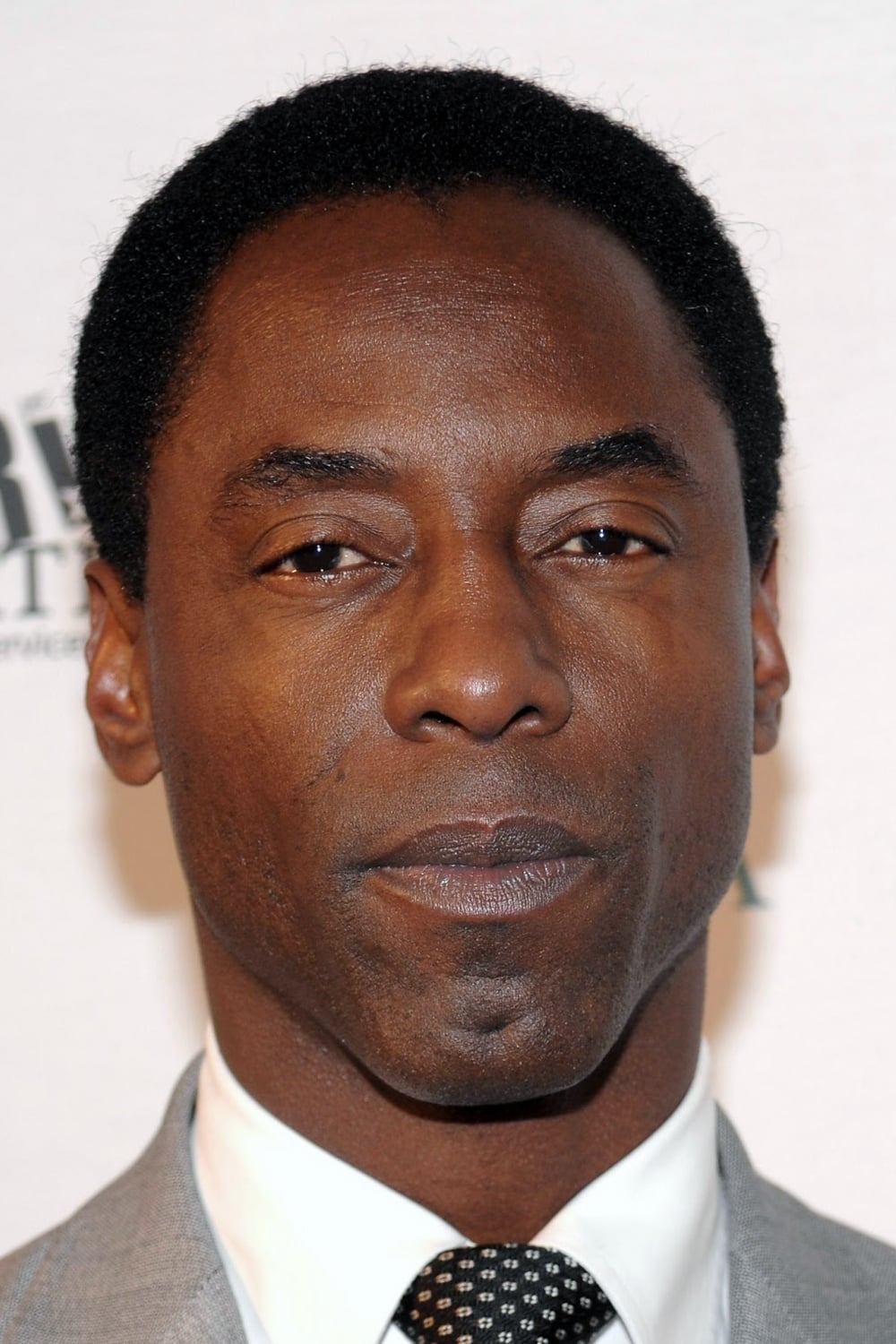
Isaiah Washington
TMDb
This veteran actor experienced a sudden halt in his career trajectory following a highly publicized workplace incident on the set of ‘Grey’s Anatomy’ in the middle of the decade. After his departure from the hit medical drama he found himself excluded from major network television and mainstream film roles for several years. He later spoke out about the industry practices that led to his isolation and the difficulty of finding representation during that period. His experience serves as a prominent example of how quickly a lead performer can be removed from the Hollywood inner circle.
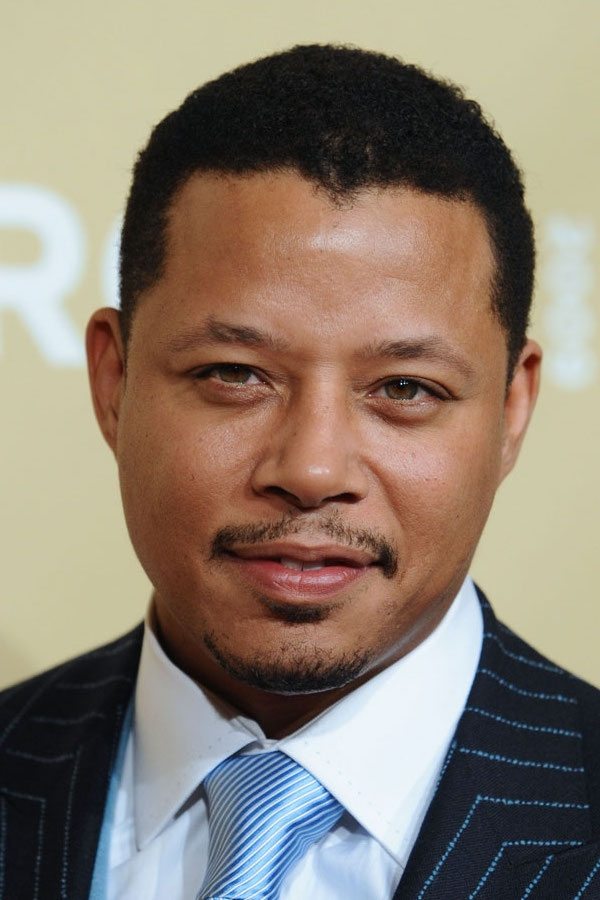
Terrence Howard
TMDb
Despite an Academy Award nomination for ‘Hustle and Flow’ this performer faced significant professional backlash after a salary dispute involving the ‘Iron Man’ franchise. He was replaced in the sequel and subsequently noticed a sharp decline in offers from major film studios for a significant period. While he eventually found success on television in ‘Empire’ he has been vocal about the financial disparities and industry politics that affected his career standing. His journey highlights the risks involved when top tier actors challenge the economic structures of major blockbusters.
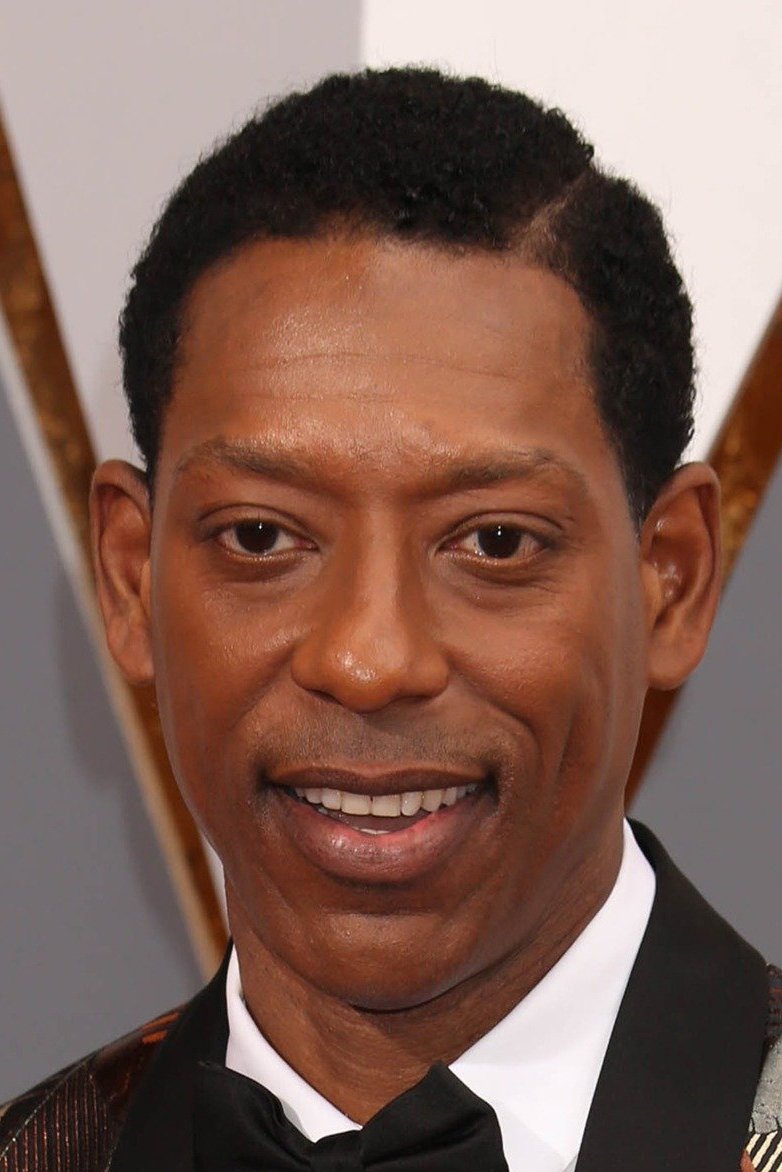
Orlando Jones
TMDb
Known for his versatility in both comedy and drama this actor faced a significant professional hurdle after being fired from the series ‘American Gods’. He claimed his dismissal was due to creative differences regarding the portrayal of racial issues and his character proactive stance. Following this public fallout his presence in major studio projects became notably sparse compared to his earlier career. He has since become a vocal advocate for better treatment of creators and performers of color within the writers room and on set.
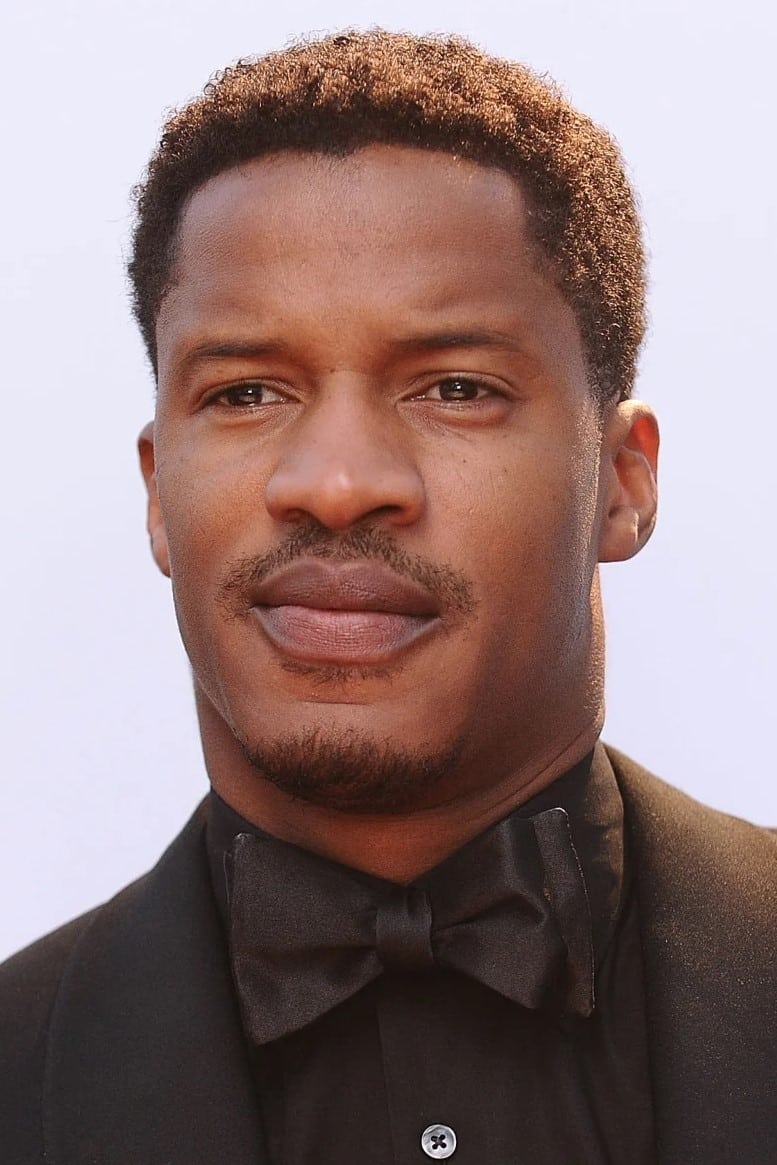
Nate Parker
TMDb
The director and star of ‘The Birth of a Nation’ saw his meteoric rise come to a grinding halt just as his film was poised for awards season. A past legal case resurfaced during the movie promotion and led to a swift withdrawal of support from major distributors and industry voters. Despite the critical acclaim for his historical epic he has struggled to secure funding or distribution for subsequent projects within the traditional studio system. This case illustrates how historical personal matters can be used to effectively end the momentum of a rising talent.
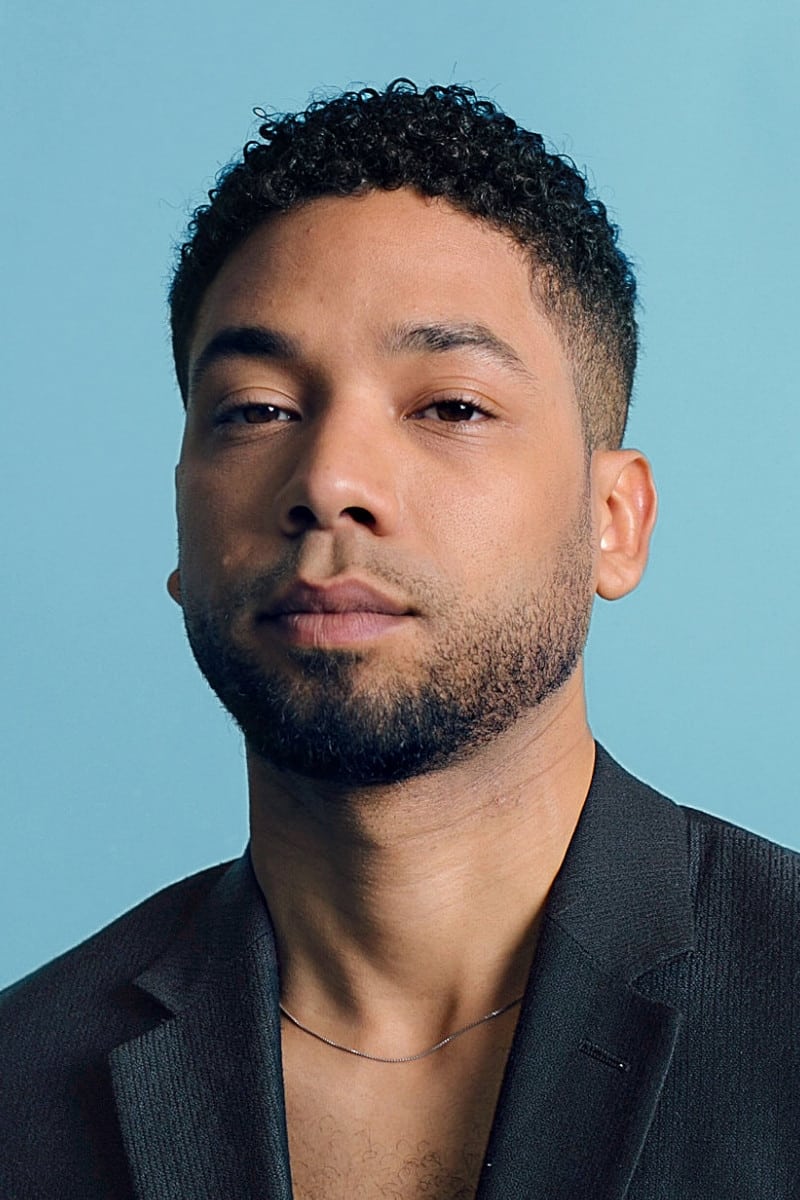
Jussie Smollett
TMDb
Once a rising star on the musical drama ‘Empire’ this actor became the center of a massive legal and media controversy regarding a staged hate crime. The fallout from the investigation led to his removal from the series and a near total collapse of his acting career in mainstream Hollywood. Although he has attempted to pivot to independent projects he remains largely absent from major studio casting lists and red carpet events. His situation remains one of the most polarizing examples of a career being dismantled by legal and public relations crises.
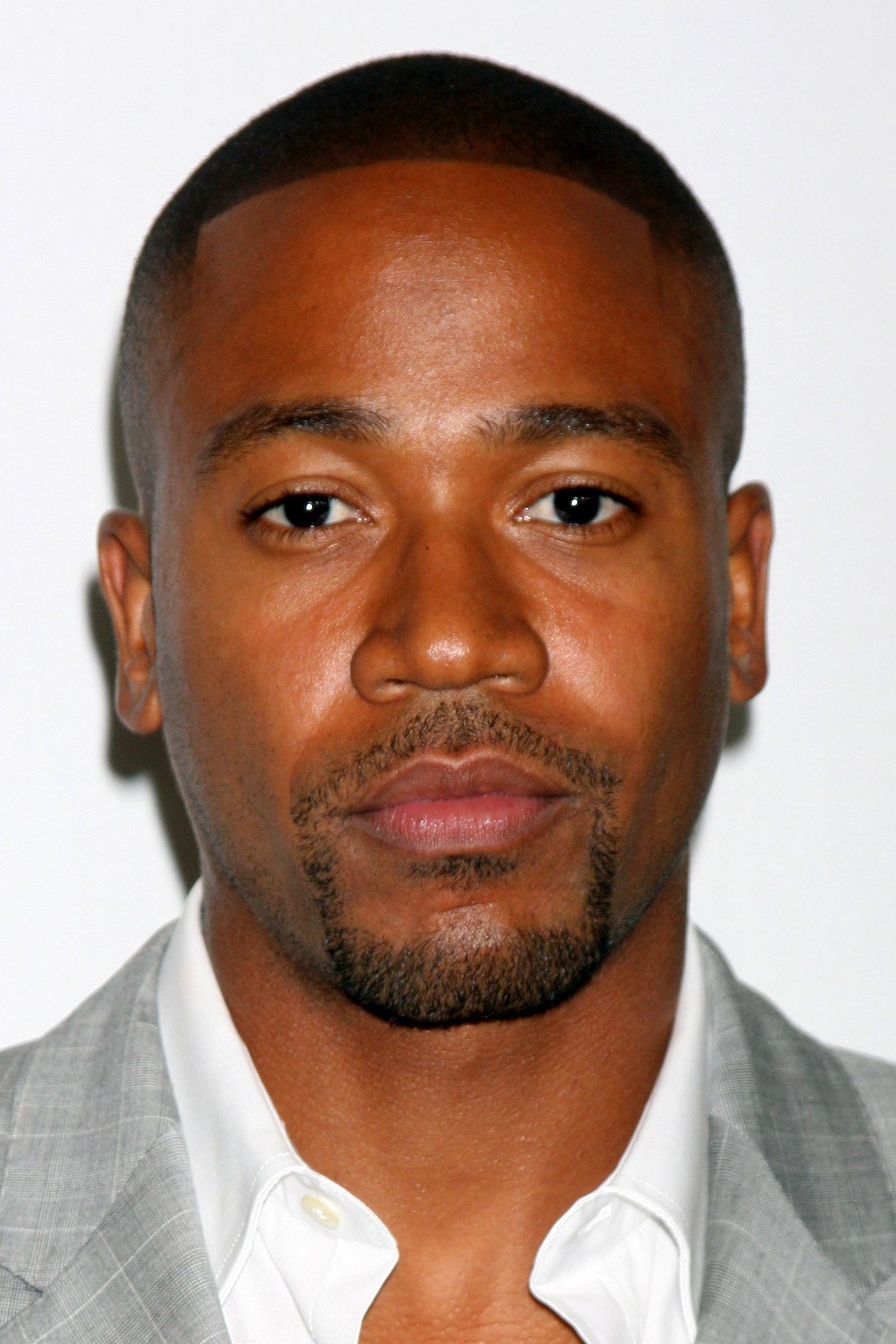
Columbus Short
TMDb
As a lead actor in the hit political thriller ‘Scandal’ this performer seemed destined for long term success before personal legal troubles emerged. Domestic violence allegations and other legal disputes led to his swift exit from the show and a subsequent lack of interest from major casting directors. He has since been open about his struggles with substance abuse and the way the industry distanced itself from him during his darkest moments. His career trajectory serves as a cautionary tale about how personal instability can lead to permanent professional exclusion.
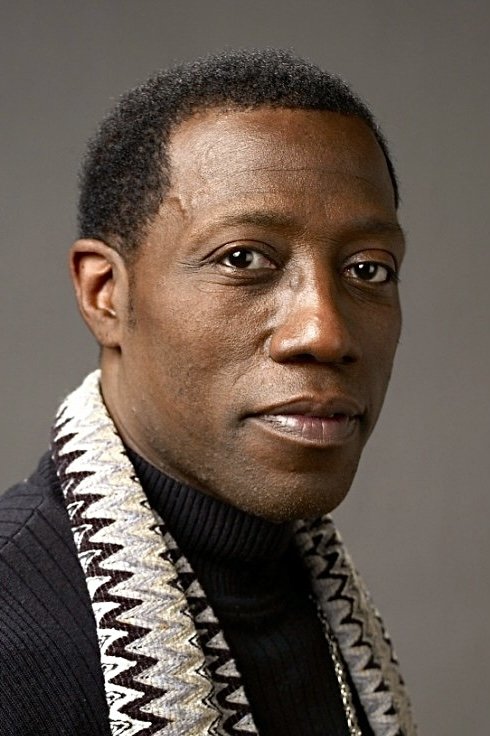
Wesley Snipes
TMDb
This action icon dominated the box office throughout the nineties before facing a three year prison sentence for tax related issues. Upon his release he found that the landscape of the film industry had shifted and the major studio roles he once headlined were no longer available. Reports of his behavior on the set of ‘Blade: Trinity’ also contributed to a reputation that made producers hesitant to cast him in leading roles. While he continues to work in smaller projects he has yet to regain the level of stardom he enjoyed before his legal battles.
Gary Coleman
TMDb
The child star of ‘Diff’rent Strokes’ struggled for decades to find meaningful adult roles within a system that often discards young performers once they age. He faced numerous legal and financial difficulties that were often sensationalized by the media and further damaged his professional reputation. His inability to secure steady work led him to take jobs outside of the industry while occasionally appearing in self deprecating cameos. His life and career path remain a somber reminder of the lack of support systems for former child stars in Hollywood.
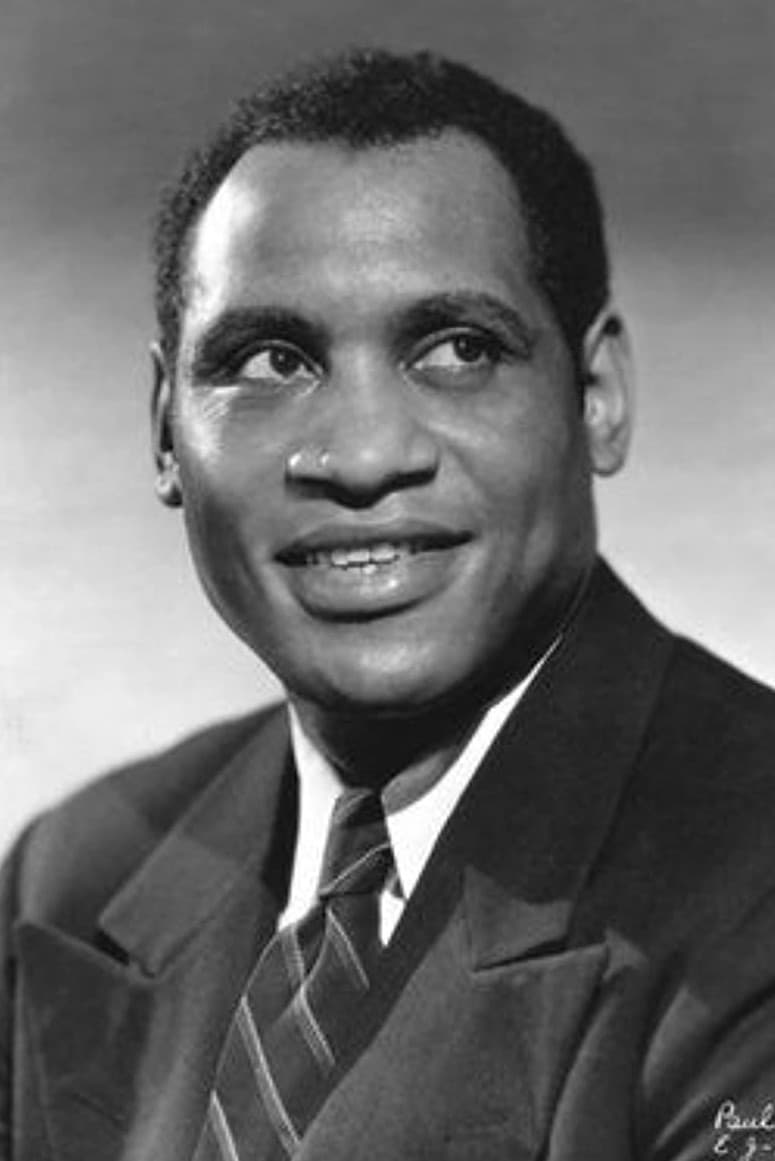
Paul Robeson
TMDb
As a pioneering actor and singer during the early twentieth century he faced severe professional consequences for his political activism and socialist leanings. During the McCarthy era he was blacklisted by the major studios and his passport was revoked to prevent him from performing abroad. This systemic exclusion effectively ended his career in American film and concert halls at the height of his creative powers. He is now remembered as a martyr for civil rights whose artistic legacy was nearly erased by government and industry collusion.
Harry Belafonte
TMDb
This legendary entertainer and activist faced significant industry pushback during the middle of the last century due to his tireless work in the Civil Rights Movement. He often refused roles that he felt were demeaning or stereotypical and this principled stance led to fewer opportunities in mainstream cinema. While he remained a massive recording star his film appearances became less frequent as studios avoided performers who challenged the racial status quo. He ultimately chose to use his platform for social change rather than conforming to the expectations of Hollywood executives.
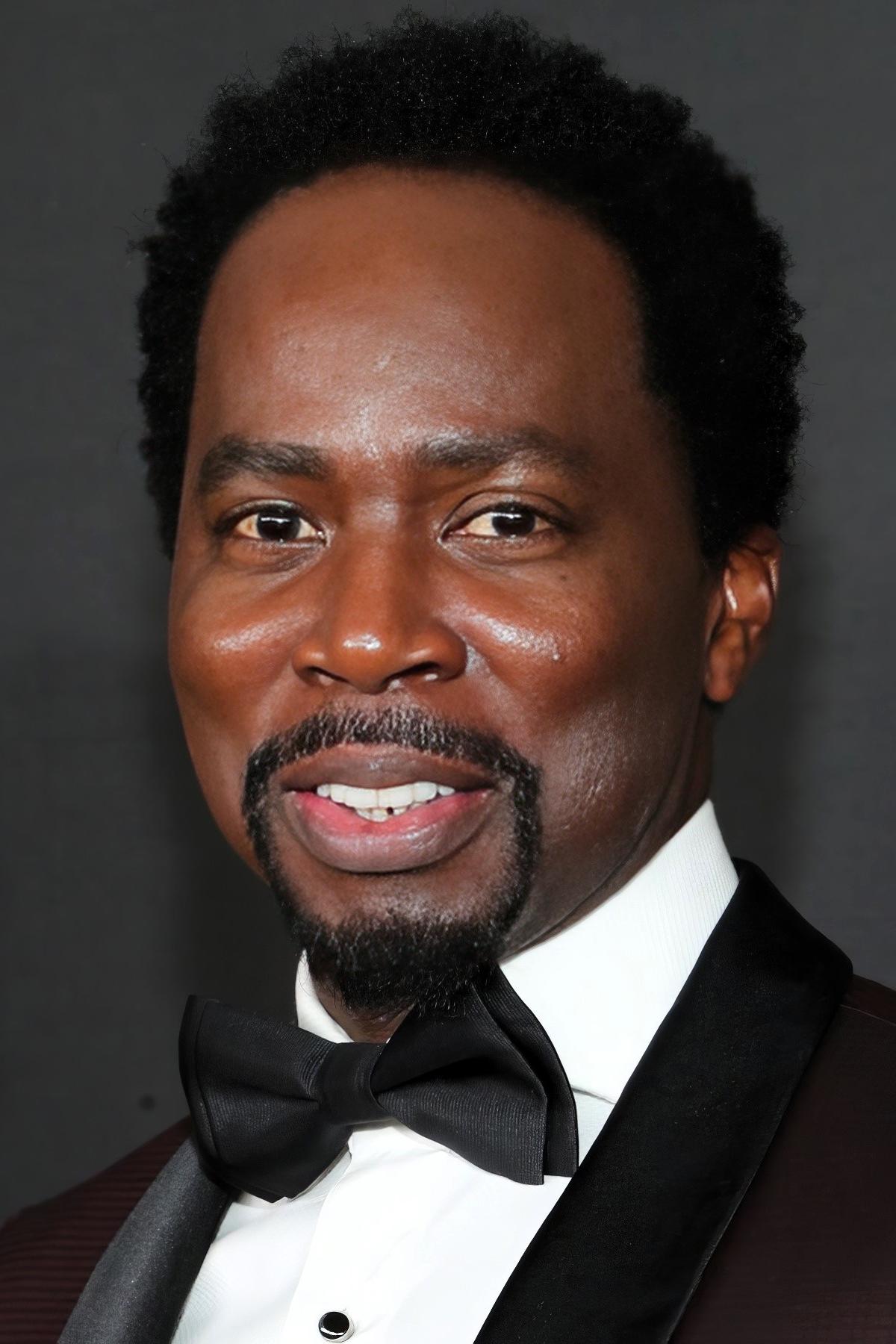
Harold Perrineau
TMDb
After being written off the hit series ‘Lost’ this actor expressed his disappointment with how the show handled the storylines of its minority characters. He noted that raising concerns about the narrative direction led to his character abrupt exit and a subsequent cooling of his relationship with major networks. While he has maintained a steady career in character roles he has been vocal about the subtle ways black actors are penalized for seeking creative input. His observations reflect a broader sentiment among performers who feel their voices are silenced in the production process.
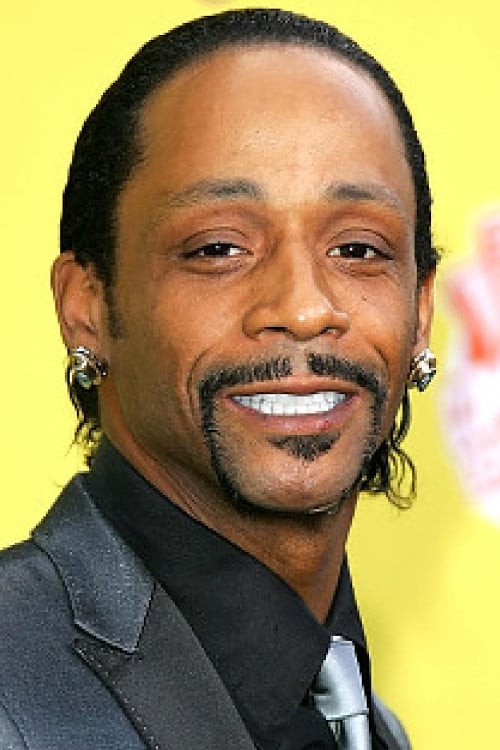
Katt Williams
TMDb
This stand up comedian and actor has frequently made headlines for his erratic behavior and public feuds with other industry figures. His outspoken nature and willingness to call out alleged corruption in Hollywood have led to a perception that he is difficult to manage. Major studios have largely avoided casting him in high profile films despite his undeniable talent and massive fan base. He remains a successful touring act but his presence in scripted television and film has diminished significantly over the years.
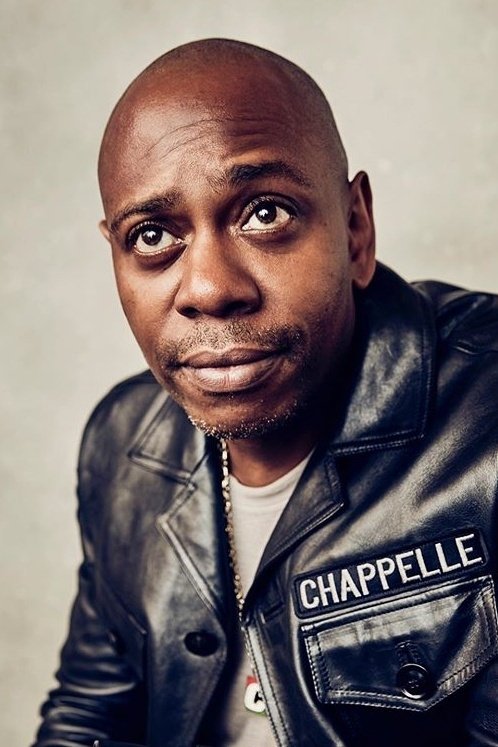
Dave Chappelle
TMDb
At the peak of his fame with ‘Chappelle’s Show’ this comedian famously walked away from a massive contract and moved to South Africa. His departure was framed by the media as a mental breakdown but he later explained it as a rejection of the industry toxic culture. For years he was largely absent from the mainstream spotlight and faced rumors that he had been blacklisted for his defiance. His eventual return to the public eye was on his own terms and bypassed many of the traditional studio gatekeepers.
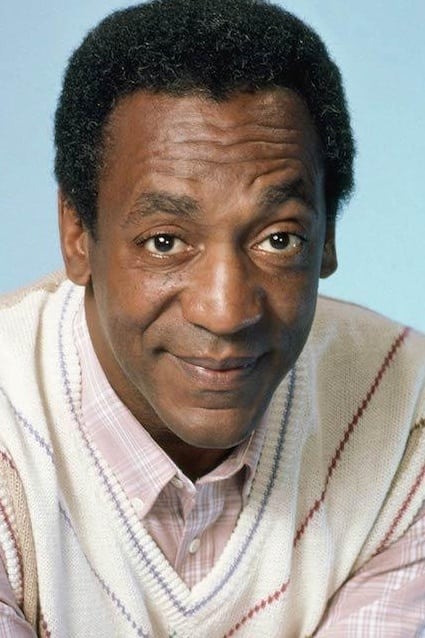
Bill Cosby
TMDb
Once known as America’s Dad for his work on ‘The Cosby Show’ this actor legacy was completely dismantled following dozens of sexual assault allegations. His conviction and subsequent imprisonment led to his shows being pulled from syndication and his removal from professional organizations. Even after his conviction was overturned he remains a pariah in the entertainment industry with no path back to mainstream production. His downfall represents one of the most total and permanent instances of blacklisting in the history of television.
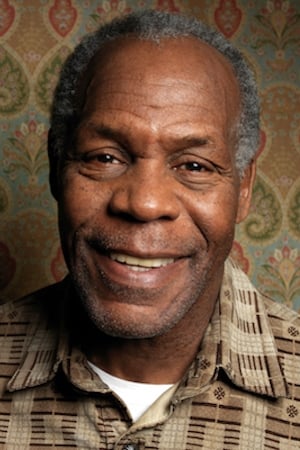
Danny Glover
TMDb
Despite a highly successful career in franchises like ‘Lethal Weapon’ this actor faced a period of reduced opportunities due to his vocal political activism. His opposition to the Iraq War and support for various international social movements led to calls for boycotts from some segments of the public. He noticed that major studio offers began to dwindle as his political profile grew more prominent and controversial. He has continued to work extensively in independent and international films where he has more creative and political freedom.
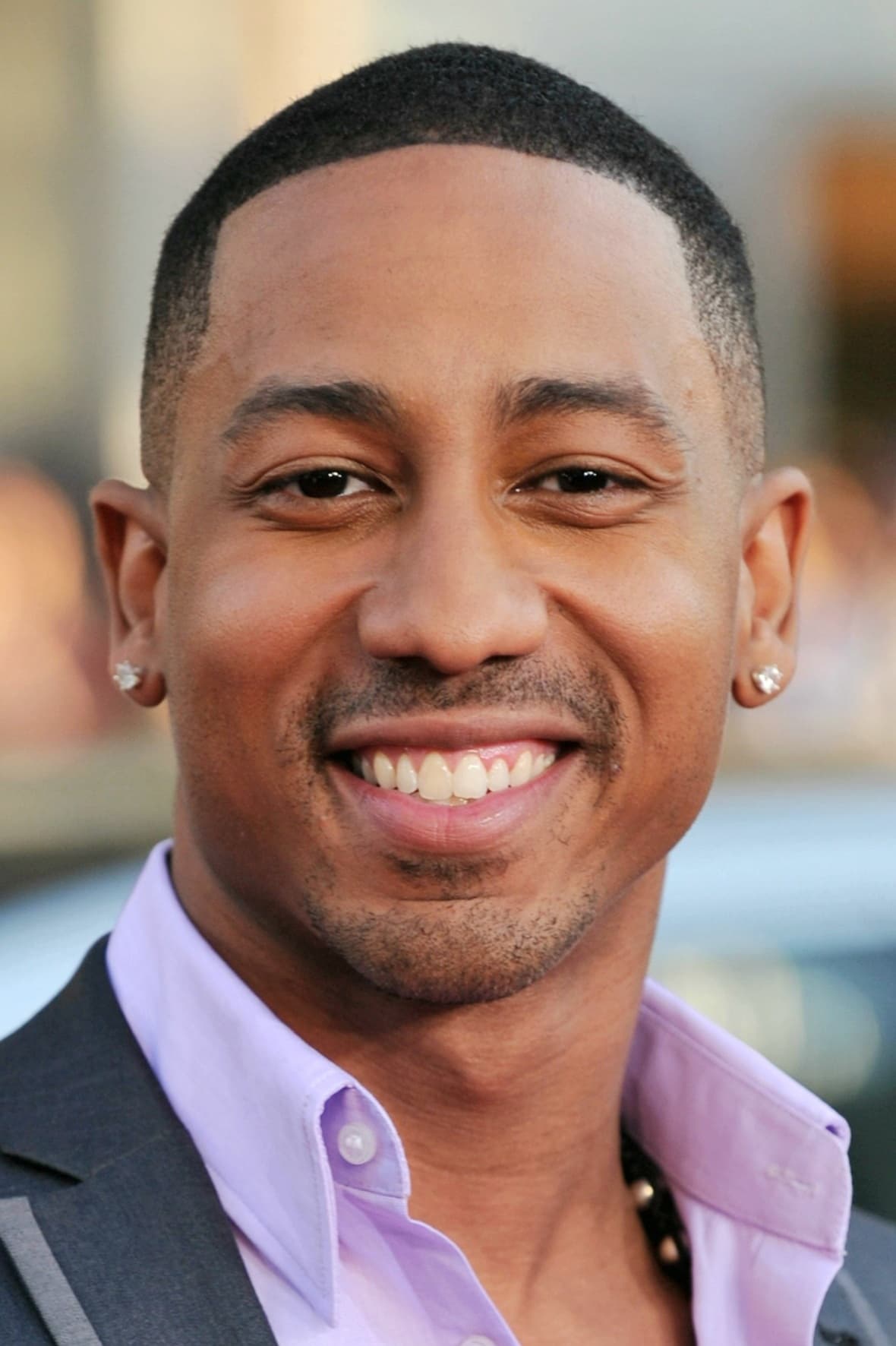
Brandon T. Jackson
TMDb
Following a breakout performance in ‘Tropic Thunder’ this actor seemed on the verge of becoming a major comedic star in Hollywood. However his career momentum slowed considerably after the ‘Percy Jackson’ franchise failed to launch him into the elite tier of leading men. He has discussed in interviews how the industry often only has room for a limited number of black comedic actors at one time. This perceived lack of space has led to fewer opportunities in big budget projects despite his early success and versatility.
Ernie Hudson
TMDb
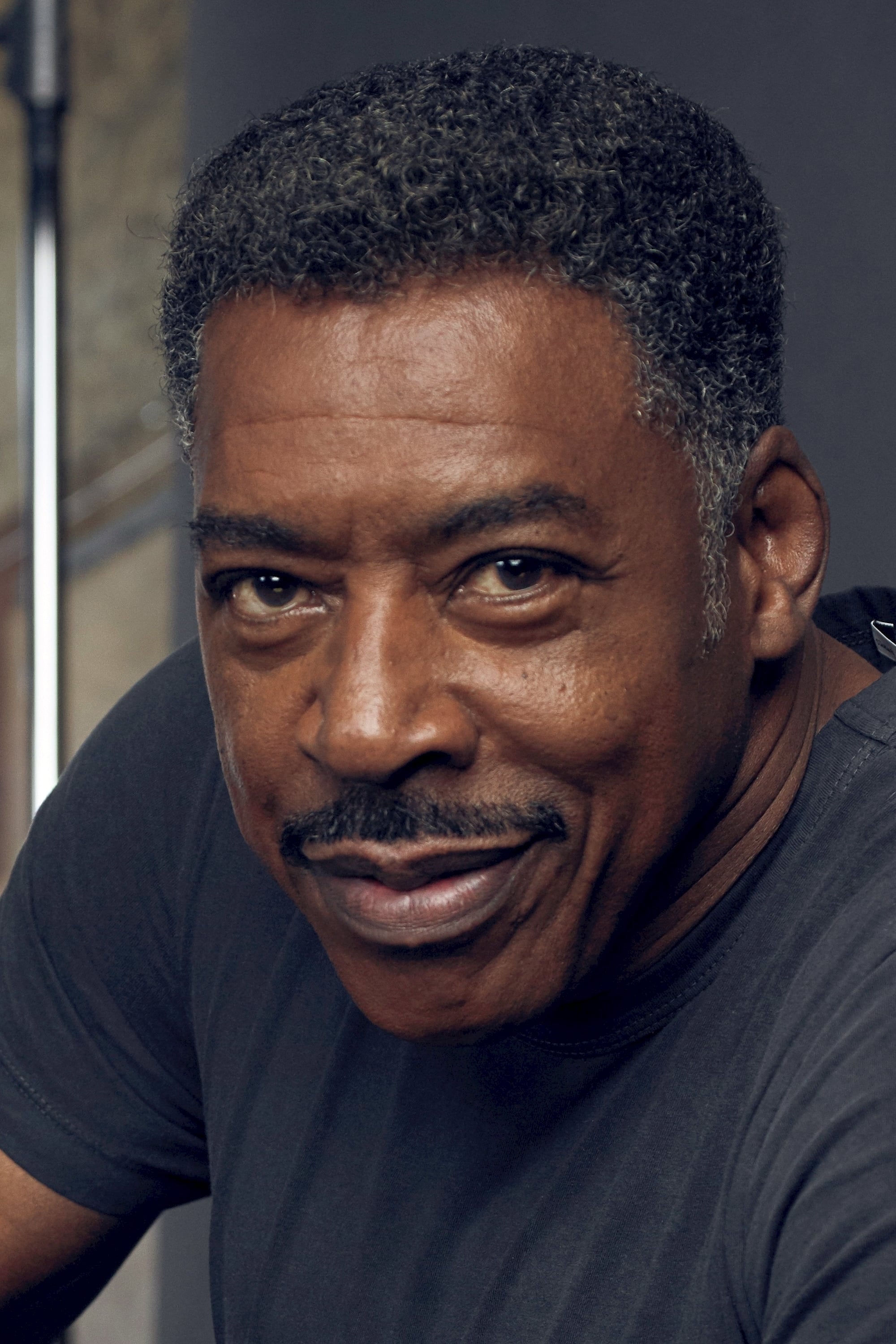
The ‘Ghostbusters’ star has been open about how his role was significantly reduced from the original script and how he was paid less than his fellow actors. He struggled for years to capitalize on the success of the franchise because the industry did not view him with the same leading man potential as his white peers. His experience highlights the systemic pay gaps and casting limitations that have historically hindered the careers of black actors in major ensembles. He has since become a respected character actor but his path was much more difficult than his initial fame suggested.
Michael Jai White
TMDb
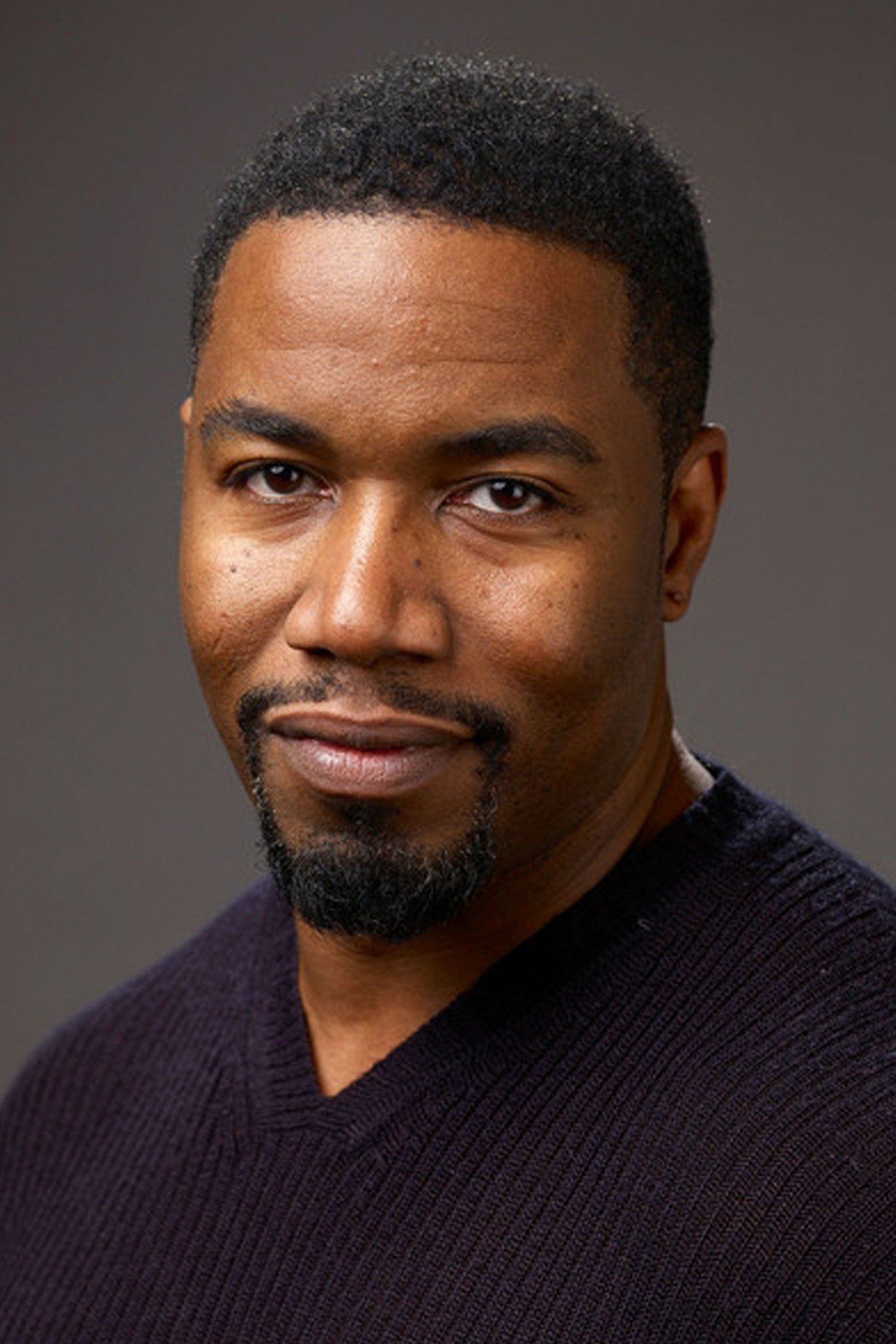
This martial arts star and actor has frequently spoken about the challenges of being an action lead who does not fit the typical Hollywood mold. He has suggested that his refusal to play into certain tropes or participate in industry social circles has affected his casting in major studio films. Despite having a dedicated following and impressive physical skills he often finds himself relegated to home media projects. He has used his platform to educate others about the business side of acting and the importance of ownership.
Mykelti Williamson
TMDb
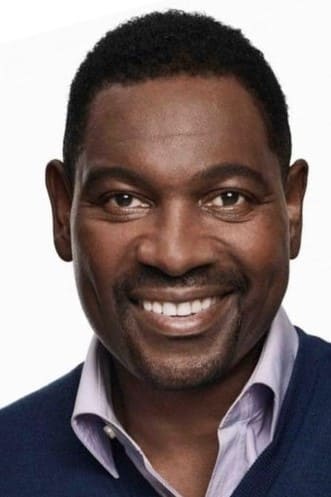
Known for his iconic role as Bubba in ‘Forrest Gump’ this actor faced a significant professional hurdle after a legal incident in the late nineties. Although he was eventually acquitted of the charges the negative publicity caused a temporary halt in his career at a time when he was highly sought after. It took several years for him to regain his footing and find consistent work in television and film again. His experience demonstrates how even an acquittal does not always erase the professional stigma of a criminal accusation in the public eye.
Sinbad
TMDb
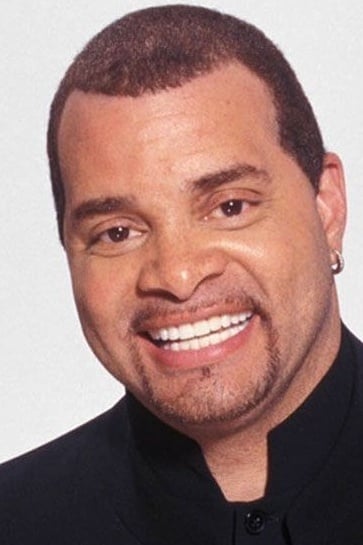
This popular nineties comedian and actor saw his film career decline rapidly after a string of box office disappointments and personal financial troubles. Tax issues and a high profile bankruptcy led to a narrative that he was no longer a viable star for major productions. He transitioned back to stand up comedy and reality television as the doors to major studio film roles seemed to close. His story is a common one in an industry that often turns its back on performers who experience public financial instability.
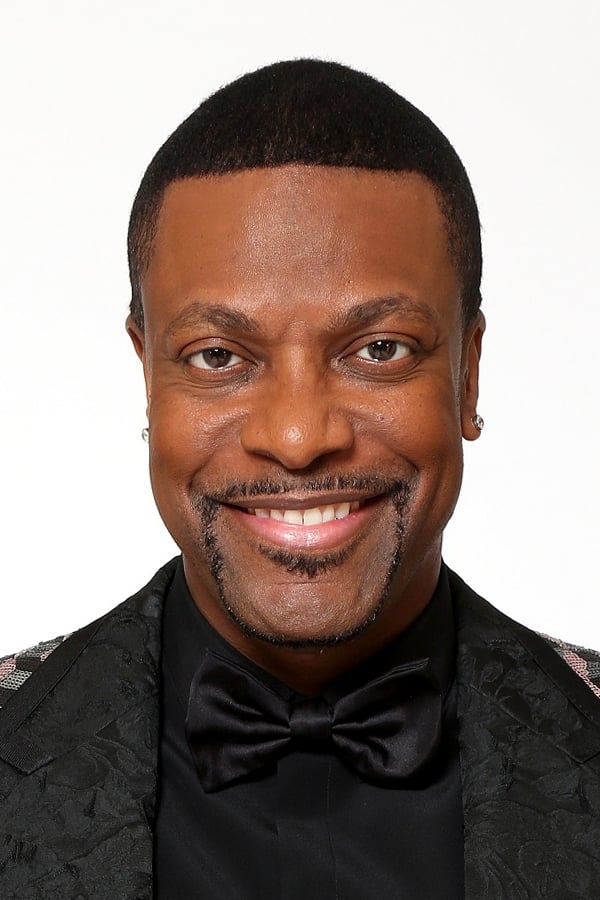
Chris Tucker
TMDb
After the massive success of the ‘Rush Hour’ franchise this actor became one of the highest paid performers in the world but then almost disappeared from the screen. He became increasingly selective about his roles and focused more on his faith and personal life which led to rumors of industry friction. His refusal to return for certain projects and his high salary demands made him a difficult hire for many studios. While he has made a few returns to acting his output remains remarkably low compared to his peers from the same era.
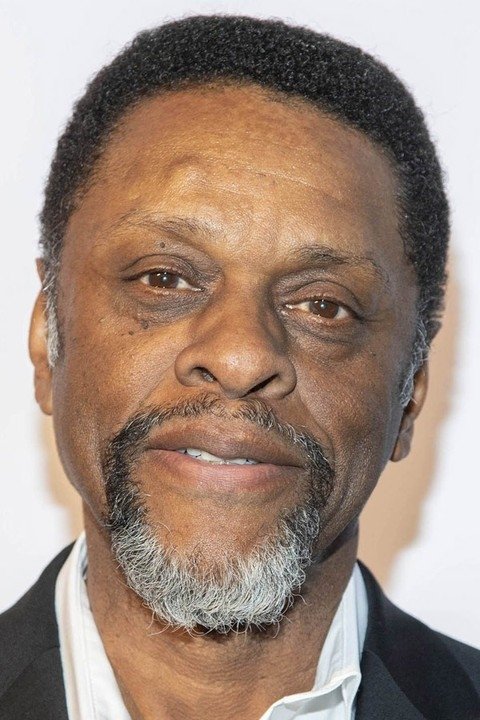
Lawrence Hilton-Jacobs
TMDb
Rising to fame on ‘Welcome Back, Kotter’ this actor found it difficult to transition into mature leading roles after the series ended. He has spoken about the limited opportunities available for young black actors in the late seventies and eighties who wanted to move beyond sitcom tropes. The industry often typecast him and he found himself working less frequently in major studio productions as a result. He eventually turned to directing and independent projects to maintain his creative career outside of the mainstream system.
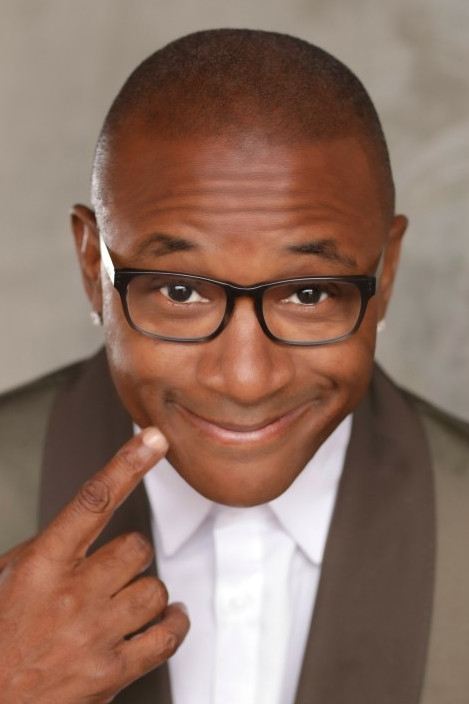
Tommy Davidson
TMDb
A standout performer on ‘In Living Color’ this comedian faced challenges in his film career due to creative disputes and personal struggles. He has been candid about the friction he experienced with producers and the way his career was managed during the height of his fame. These conflicts contributed to a perception that he was difficult to work with and major film offers began to dry up. He has since focused on his stand up roots and voice acting while navigating the complexities of the Hollywood landscape.
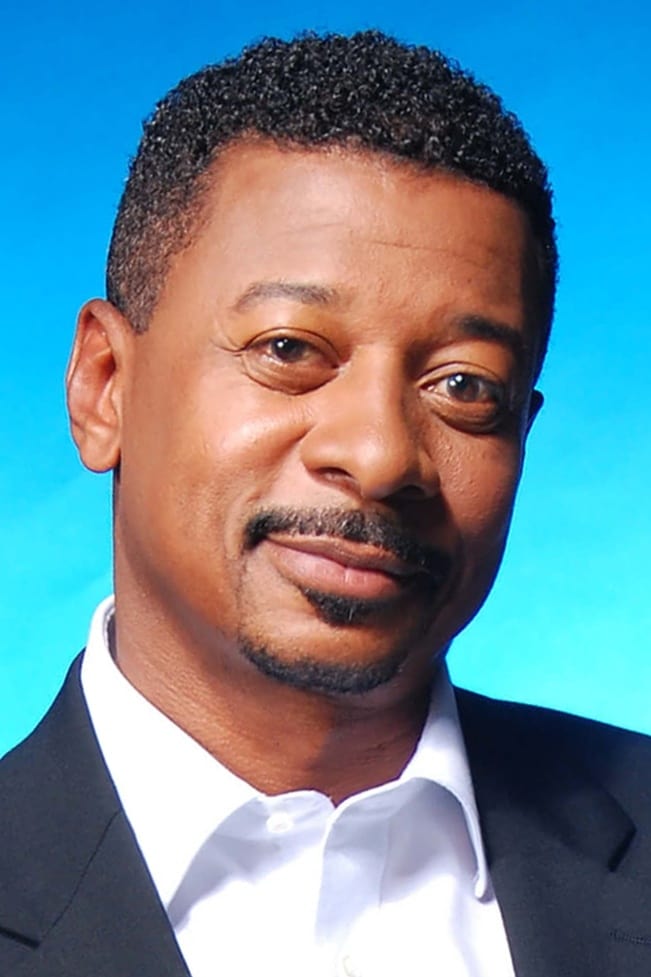
Robert Townsend
TMDb
When major studios refused to cast him in meaningful roles this actor and director took the unprecedented step of personally financing his own film ‘Hollywood Shuffle’. The movie satirized the very industry that was excluding him and other black performers from diverse roles. While the film was a critical success it also marked him as an outsider who was willing to challenge the system directly. He has continued to create his own opportunities but his relationship with the traditional studio hierarchy has always been one of cautious independence.
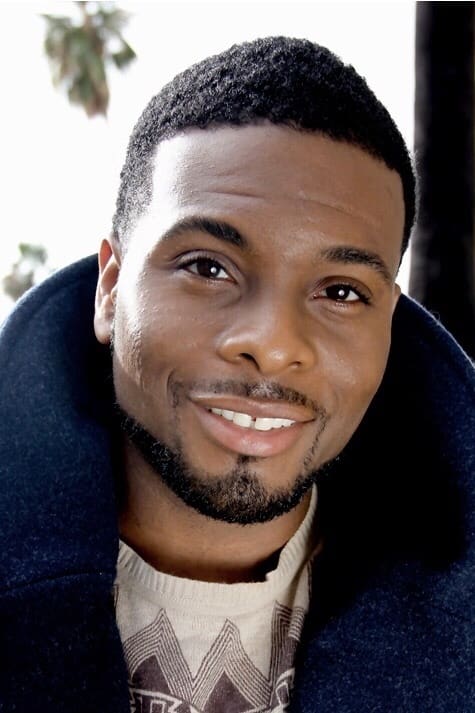
Kel Mitchell
TMDb
As one half of a popular comedic duo on Nickelodeon this actor struggled to find his place in the industry after his partnership with Kenan Thompson ended. While his former partner became a staple on ‘Saturday Night Live’ he found himself auditioning for years without landing major roles. Rumors of a rift between the two and a lack of support from the network that made him famous hindered his transition to adult stardom. He has recently found success returning to his roots but his period of professional isolation was a significant chapter in his career.
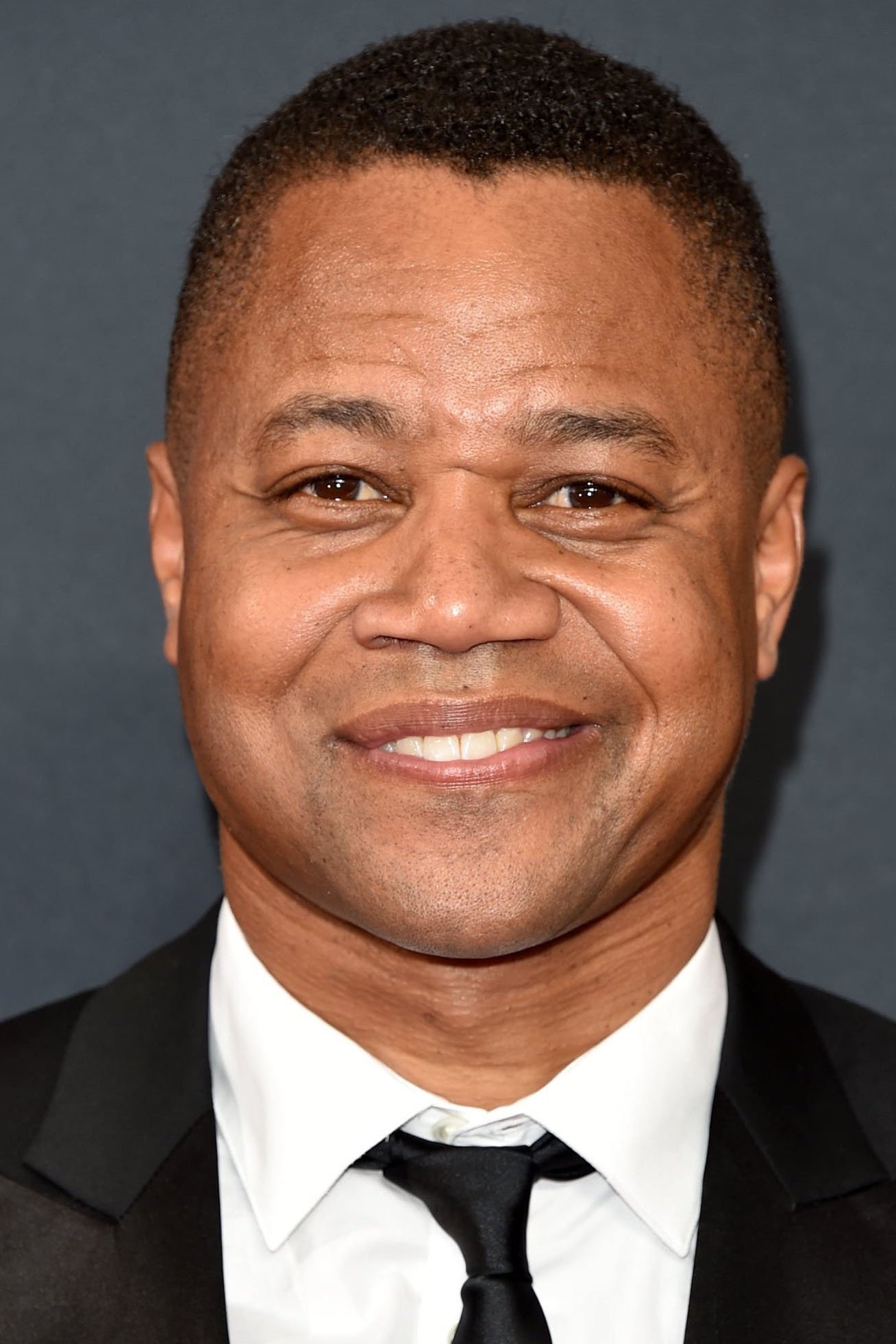
Cuba Gooding Jr.
TMDb
After winning an Academy Award for ‘Jerry Maguire’ this actor saw his career trajectory take a surprising turn toward home media projects. A series of legal issues and allegations of misconduct in recent years have further alienated him from major Hollywood studios. The transition from a top star to a performer facing serious legal repercussions has led to a near total absence from mainstream prestige projects. His downfall is often cited as one of the most dramatic shifts in fortune for a modern Oscar winner.
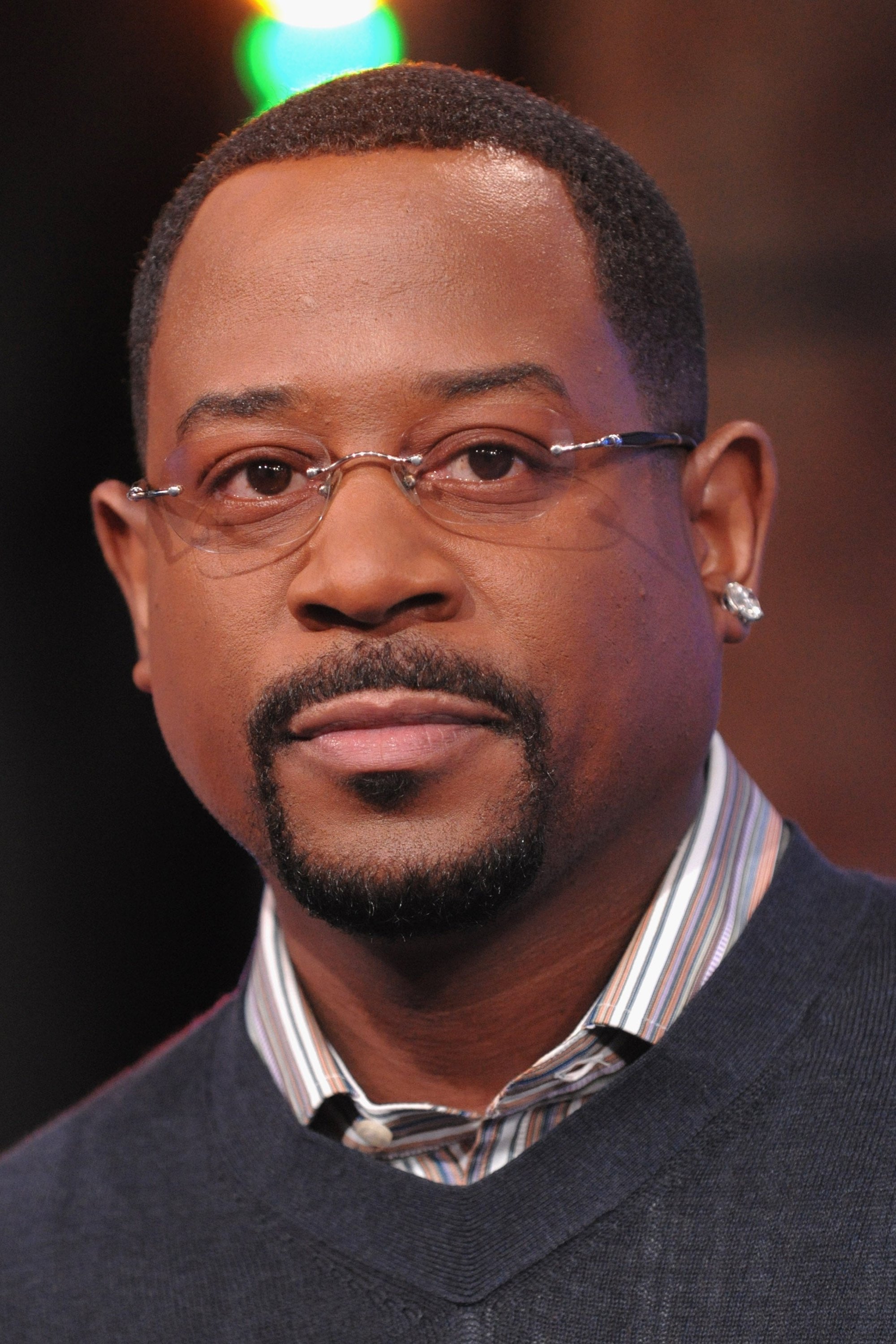
Martin Lawrence
TMDb
During the late nineties this comedic powerhouse faced a series of public outbursts and legal incidents that led to concerns about his health and professional stability. While he was eventually able to return to major franchises like ‘Bad Boys’ there was a period where studios were hesitant to insure him for large productions. The intense media scrutiny and his personal struggles created a temporary blacklist that he had to work hard to overcome. His resilience allowed him to reclaim his status but the period of uncertainty was a defining moment in his career.
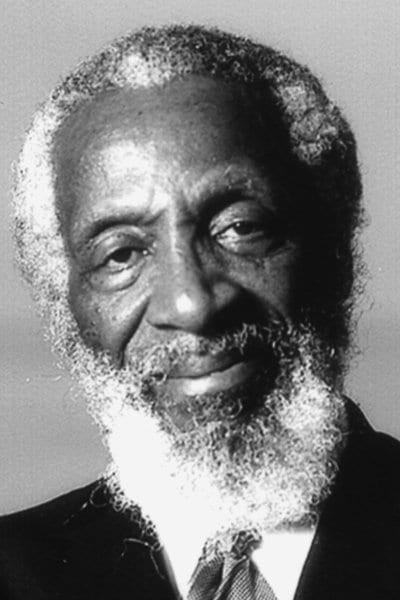
Dick Gregory
TMDb
This groundbreaking comedian and activist essentially walked away from a lucrative career in entertainment to dedicate his life to social justice. His refusal to perform in segregated venues and his sharp political commentary made him a target for both the government and industry executives. He found that the more he spoke out against systemic racism the fewer invitations he received to appear on television or in films. He remained a powerful voice for change until his death but his Hollywood career was the price he paid for his convictions.
T.I.
TMDb
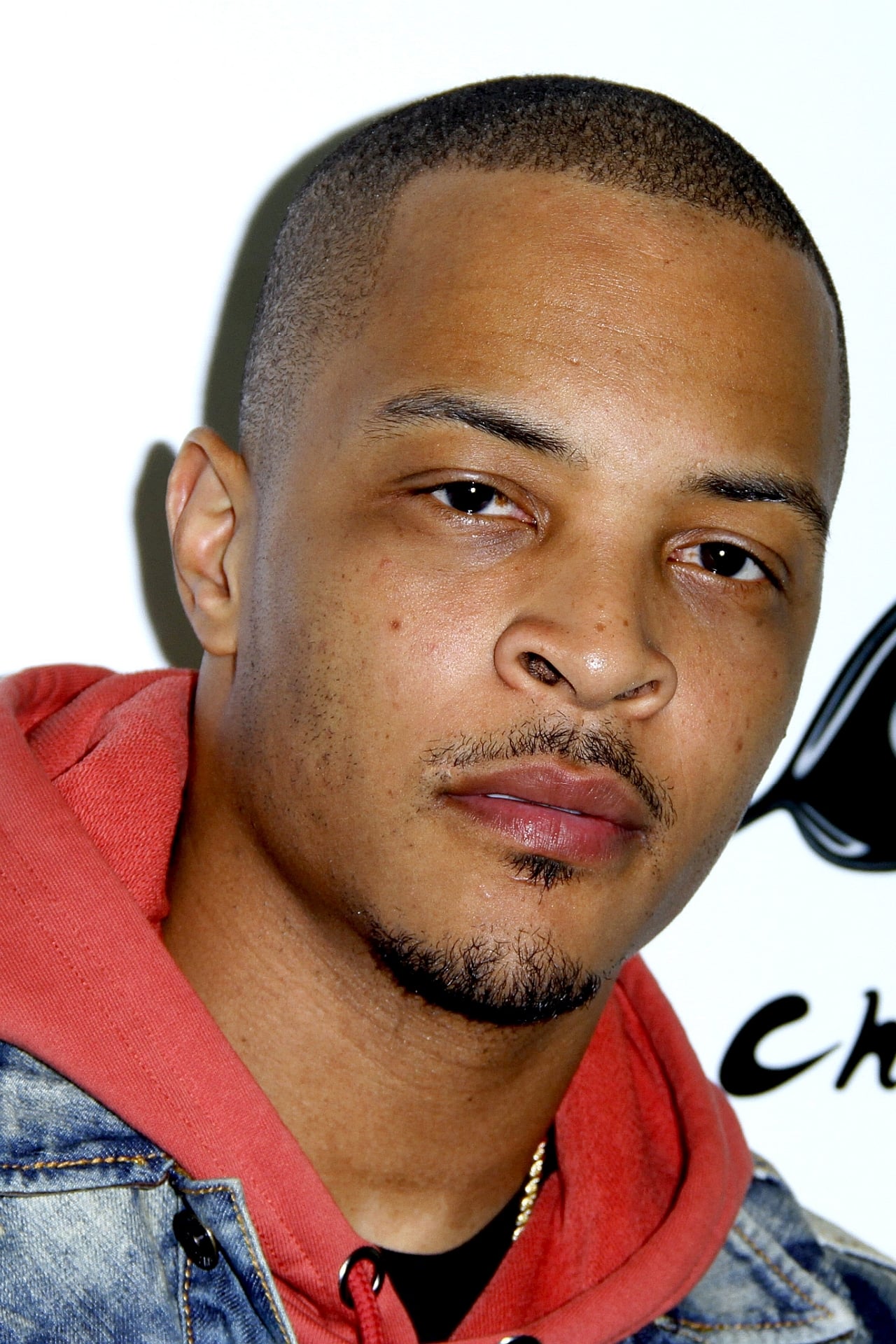
The rapper and actor had a burgeoning film career with roles in ‘ATL’ and ‘American Gangster’ before recurring legal issues began to take a toll. Arrests and prison sentences made it difficult for him to remain a reliable choice for major studio productions that require long term commitments. More recently serious allegations of misconduct have led to his removal from major franchises like ‘Ant-Man’. These controversies have created a significant barrier to his continued participation in mainstream Hollywood projects.
Mike Epps
TMDb
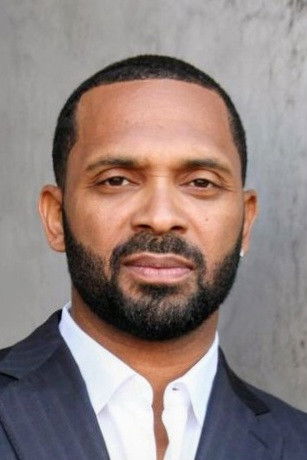
This comedian and actor has faced numerous professional setbacks due to legal disputes and high profile altercations. While he is a staple in the urban comedy circuit he has often found himself on the fringes of major studio casting for prestige roles. His reputation for being unpredictable has led to missed opportunities and a career that primarily consists of independent or genre specific films. He remains a popular figure but his path to the Hollywood elite has been consistently blocked by his personal and professional controversies.
John Amos
TMDb
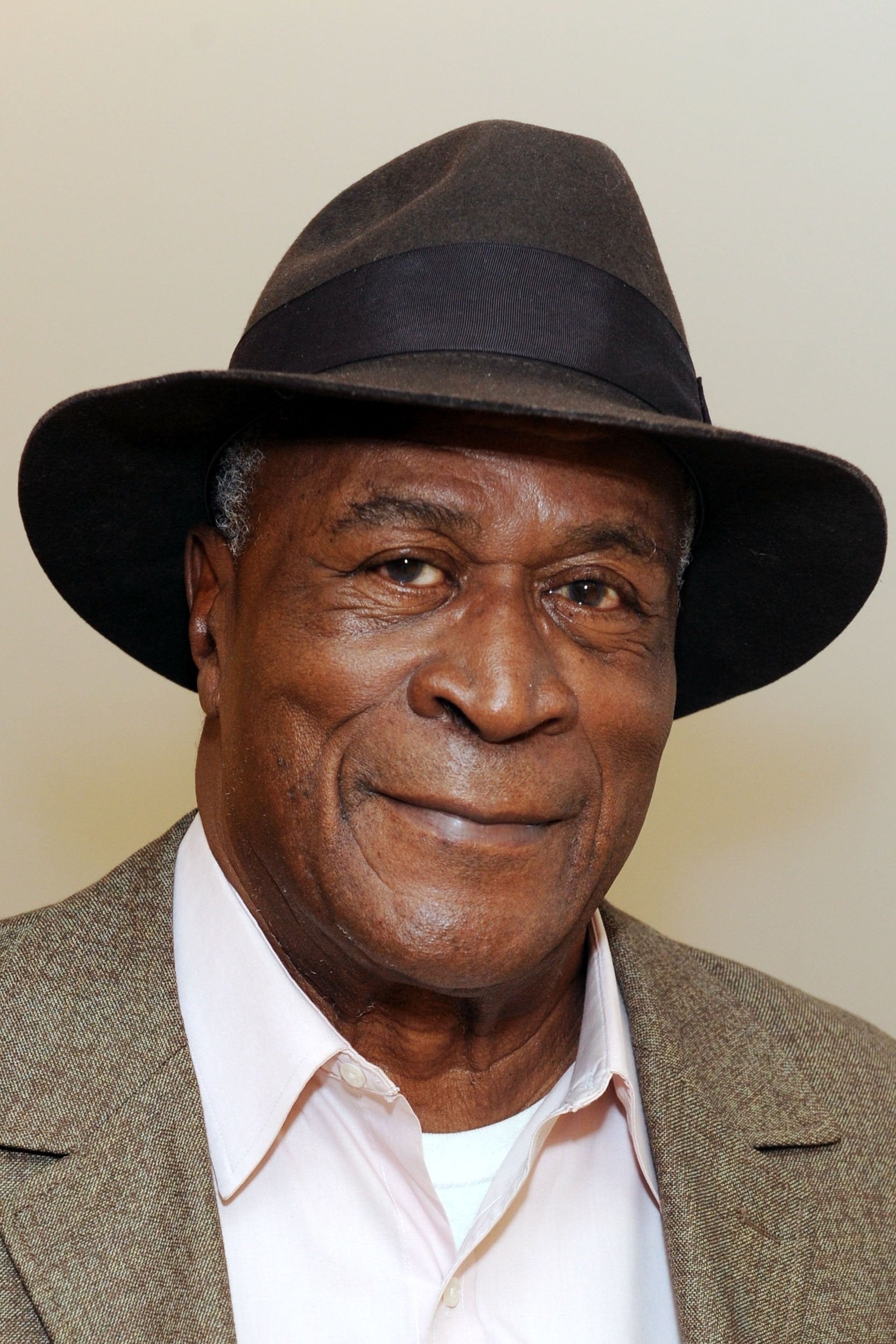
After achieving great success on the hit sitcom ‘Good Times’ this actor was famously fired for expressing dissatisfaction with the creative direction of the show. He criticized the writers for emphasizing broad comedy over meaningful storylines for the black characters. Following his departure he noticed a cooling of interest from major television networks for several years. He eventually proved his resilience with a powerful performance in ‘Roots’ but his stand against the industry cost him a prime role at the height of his fame.
Giancarlo Esposito
TMDb
Despite early success and undeniable talent this actor went through a significant period where he struggled to find consistent work in major studio productions. He has spoken about the difficulty of finding roles that were not limited by racial stereotypes during the middle of his career. For many years he was overlooked for leading roles until his iconic performance in ‘Breaking Bad’ revitalized his standing in the industry. His story serves as an example of how a talented performer can be sidelined for decades before the industry recognizes their value.
Wood Harris
TMDb
After starring in the critically acclaimed series ‘The Wire’ this actor found it surprisingly difficult to land leading roles in major studio films. He has discussed the feeling of being typecast or ignored by an industry that often has a narrow view of urban drama stars. While he has maintained a steady career in character roles he has not reached the level of mainstream stardom that many felt his talent deserved. His experience reflects the silent barriers that exist for actors who become synonymous with specific gritty portrayals.
Mekhi Phifer
TMDb
Following a string of leading roles in the early 2000s this actor saw his visibility in major motion pictures decline as the industry shifted its focus. He has navigated a landscape where the types of mid budget dramas he excelled in are no longer produced with the same frequency. While he found steady work on television in ‘ER’ his transition back to major film projects has been less consistent. He remains a recognizable face but his career trajectory highlights how changes in studio priorities can result in the quiet exclusion of established talent.
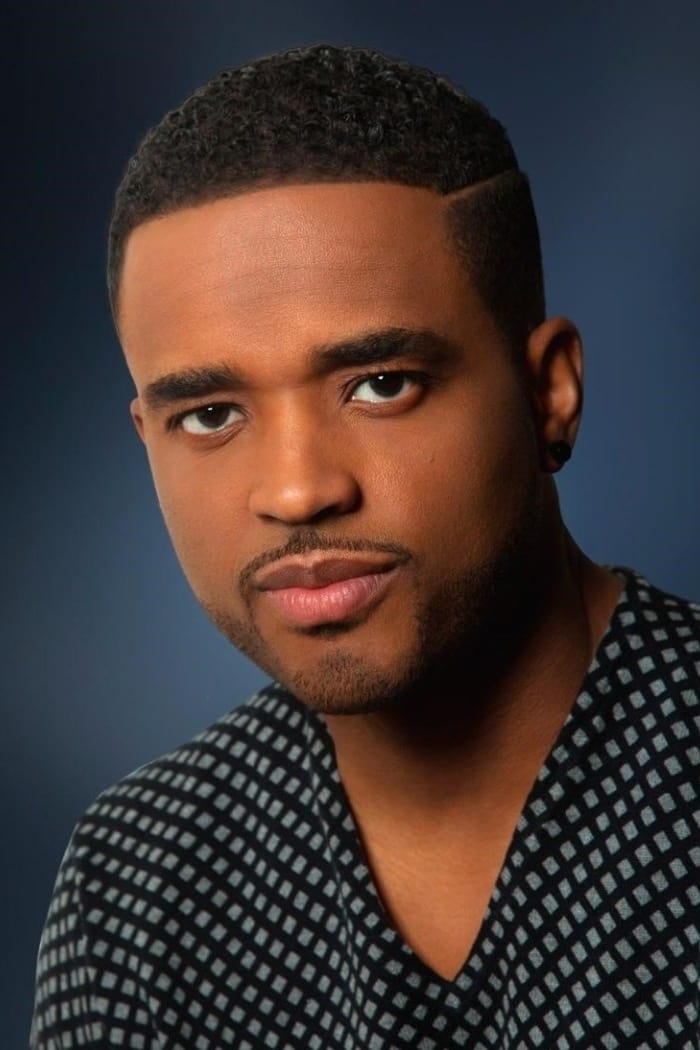
Larenz Tate
TMDb
As one of the most promising young actors of the nineties this performer starred in several films that are now considered cultural classics. However he often found that the industry was hesitant to cast him in the broad range of leading roles available to his white counterparts. He has been vocal about the limited imagination of casting directors and the constant need to prove his versatility. Despite his talent and fan base his presence in big budget studio films has been significantly less than expected given his early career momentum.
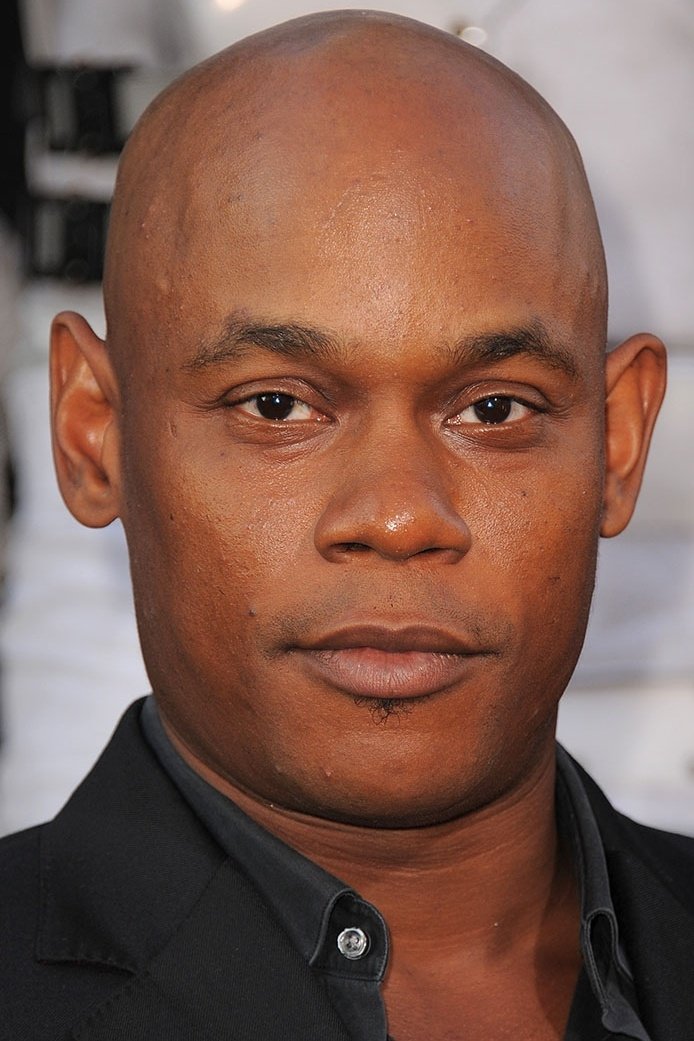
Bokeem Woodbine
TMDb
Known for his intense and charismatic performances this actor spent many years working primarily in small roles or independent films despite early praise. He has been open about the challenges of being a black character actor in a system that often prioritizes a small group of stars. It took a breakout role in the series ‘Fargo’ later in his career for the mainstream industry to fully acknowledge his range. His long period of relative obscurity within the studio system points to the subtle ways talent can be underutilized and overlooked.
Bill Duke
TMDb
This imposing actor and director found that his career behind the camera was often a response to the limited opportunities available in front of it. He began directing because he saw a lack of complex roles for black men in Hollywood and wanted to create his own opportunities. While he has had a successful career his outspoken nature about the industry treatment of minority creators led to periods of professional isolation. He remains a respected figure but his path was defined by a need to bypass the traditional gatekeepers who were not offering him a seat at the table.
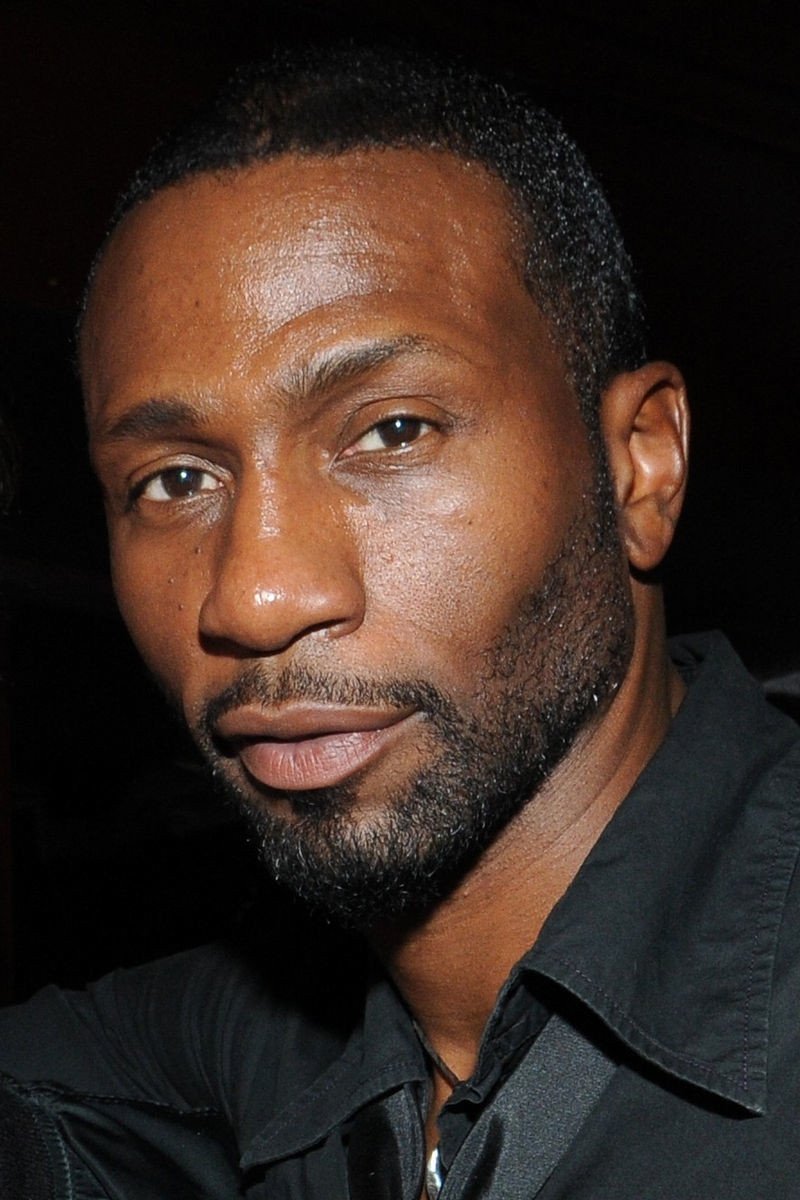
Leon
TMDb
This versatile actor and singer became a staple of nineties cinema with roles in biographical films and athletic dramas. Despite his leading man looks and proven track record he found that major studio offers began to dwindle as he aged into different types of roles. He has mentioned in interviews that the industry often forgets about actors who do not constantly play the Hollywood social game. His shift toward independent projects and music was a result of a mainstream system that ceased to provide the opportunities he once enjoyed.
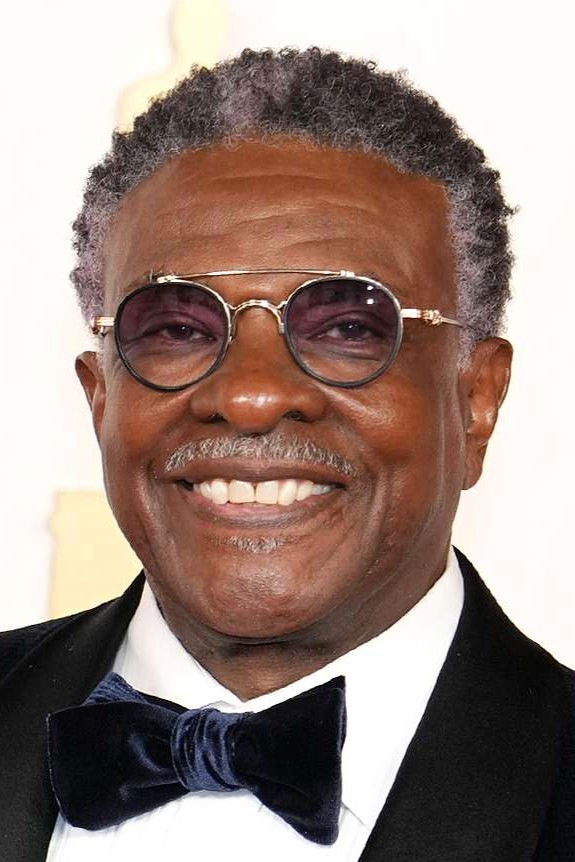
Keith David
TMDb
With one of the most recognizable voices and screen presences in the industry this actor has frequently spoken out about the inequities in casting. He has noted that while he is often called for voice work his live action opportunities in major studio films have not always matched his capabilities. His willingness to address the industry biases and the lack of diversity in high level roles has sometimes put him at odds with the status quo. He continues to work extensively but remains a vocal critic of the ways the industry limits the potential of veteran black actors.
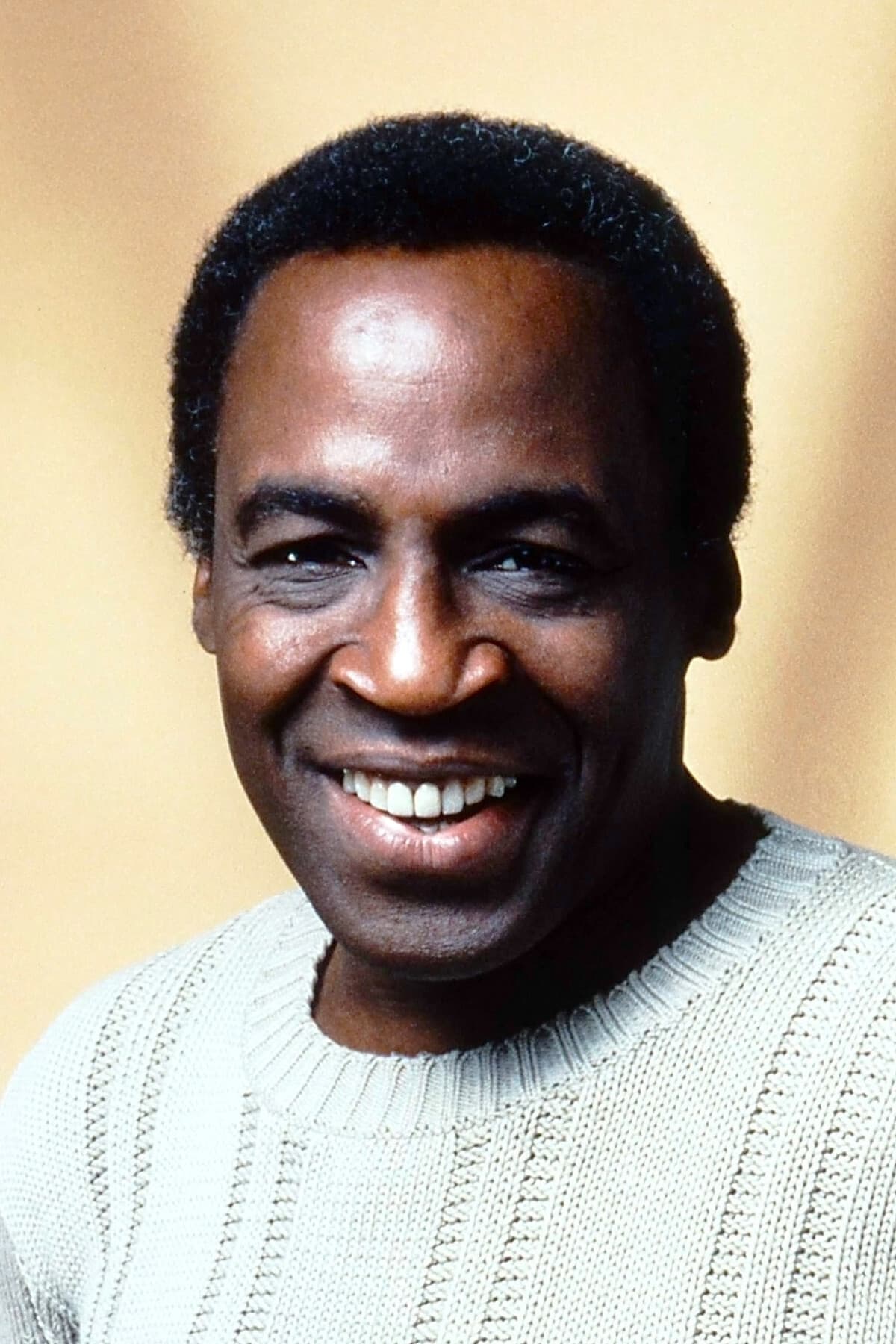
Robert Guillaume
TMDb
The star of ‘Benson’ was a pioneer in television but he faced significant friction with executives when he pushed for his character to have more depth and authority. His insistence on professional respect and high production standards led to a reputation for being difficult among some industry insiders. After his long running series ended he found that the major roles he expected were not as plentiful as they should have been for a multiple Emmy winner. He continued to work in character roles and theater but his career was undoubtedly affected by his refusal to accept less than he was worth.
Please share your thoughts on these actors and their industry experiences in the comments.
Reality TV feuds never really die, they just get recycled with new receipts. Joseline Hernandez is bringing back her ongoing tension with Amber Rose, and this time she’s dragging Cher and Alexander “AE” Edwards into it during an appearance on the We in Miami Podcast.
When asked if her beef with Rose could ever be squashed, Hernandez wasn’t about to offer any peace. Instead, she took shots at Rose’s ex-partner AE, who’s been publicly linked to Cher since 2022. It’s the kind of reality TV feuds moment that keeps people talking for weeks.
“Listen, if my husband left me for Cher, an 85-year-old woman, I would be upset too,” Hernandez said. (For the record, Cher is actually 80.)
The backstory: Amber Rose, 42, and AE, 39, had a son named Slash in October 2019, but their relationship ended in 2021 after Edwards admitted to cheating. Once AE went public with Cher, Rose actually showed maturity by being supportive of their relationship. That’s growth, honestly.
The real tension between these two dates back to Season 2 of College Hill: Celebrity Edition, where they clashed hard. A classroom discussion about a Langston Hughes poem and colorism turned heated when Joseline accused Rose of wanting “to be a white girl” and rejecting her Blackness. It was intense. Looking back at that altercation, Hernandez claimed, “She attacked me first”—but that’s always how these stories go, right?
Real Housewives of New York City is about to serve up some serious tea. Sai De Silva reportedly confronted Carole Radziwill on camera over her past social ties to Ghislaine Maxwell and Jeffrey Epstein during filming for the upcoming season. This conversation hit different for Sai, especially as a mother navigating the complicated intersections of celebrity, accountability, and protection.
According to insiders close to production who spoke to TMZ, Sai, 45, questioned Carole, 62, during season 16 after Carole was mentioned in the Epstein files and linked to Maxwell, who photographed her for her 2005 memoir, What Remains: A Memoir of Fate, Friendship, and Love. For Sai, this wasn’t just gossip—the subject was deeply personal. Real Housewives of New York City viewers know how seriously cast members take matters involving their children and family safety. Sources said she pressed Carole because she has young children and wanted real answers about what Carole knew and when.
The exchange reportedly followed the cast through production, with Sai and Carole remaining at odds even after regular scenes wrapped. The dynamic mirrors the kind of tension you’d find in a compelling hip hop biography—where past associations demand reckonings. The season has finished filming, though the women are still recording confessionals about what happened.
Carole appeared full-time on RHONY from seasons 5 through 10. Producers were reportedly pleased with Carole’s return as a “friend of.” Season 16 is expected to premiere in the coming months, and fans are already speculating about how heated these moments will play out on screen.
She has shot down any suggestion that she knew anything improper about Maxwell. “Imagine knowing someone… and then they turn out to be, like, a monster,” Carole told The New York Times in March. On X, Carole wrote, “We didn’t know,” adding, “When people are doing bad s–t they hide it well. It’s f–king creepy.” Whether viewers accept this explanation remains to be seen when the new season airs.
Beyond the Screen: Black Actresses Who Traded Fame for Impact
Hollywood’s bright lights have a way of mesmerizing us, but the demands of the entertainment industry often leave our most beloved stars craving a deeper purpose. For some of the most talented Black actresses to ever grace our screens, fame was merely the first chapter. These powerhouse women chose to step away from the cameras, pivoting into literature, public service, corporate leadership, and education. Their career shifts prove that Black excellence knows no bounds, demonstrating that transitioning away from the spotlight is often the ultimate power move.
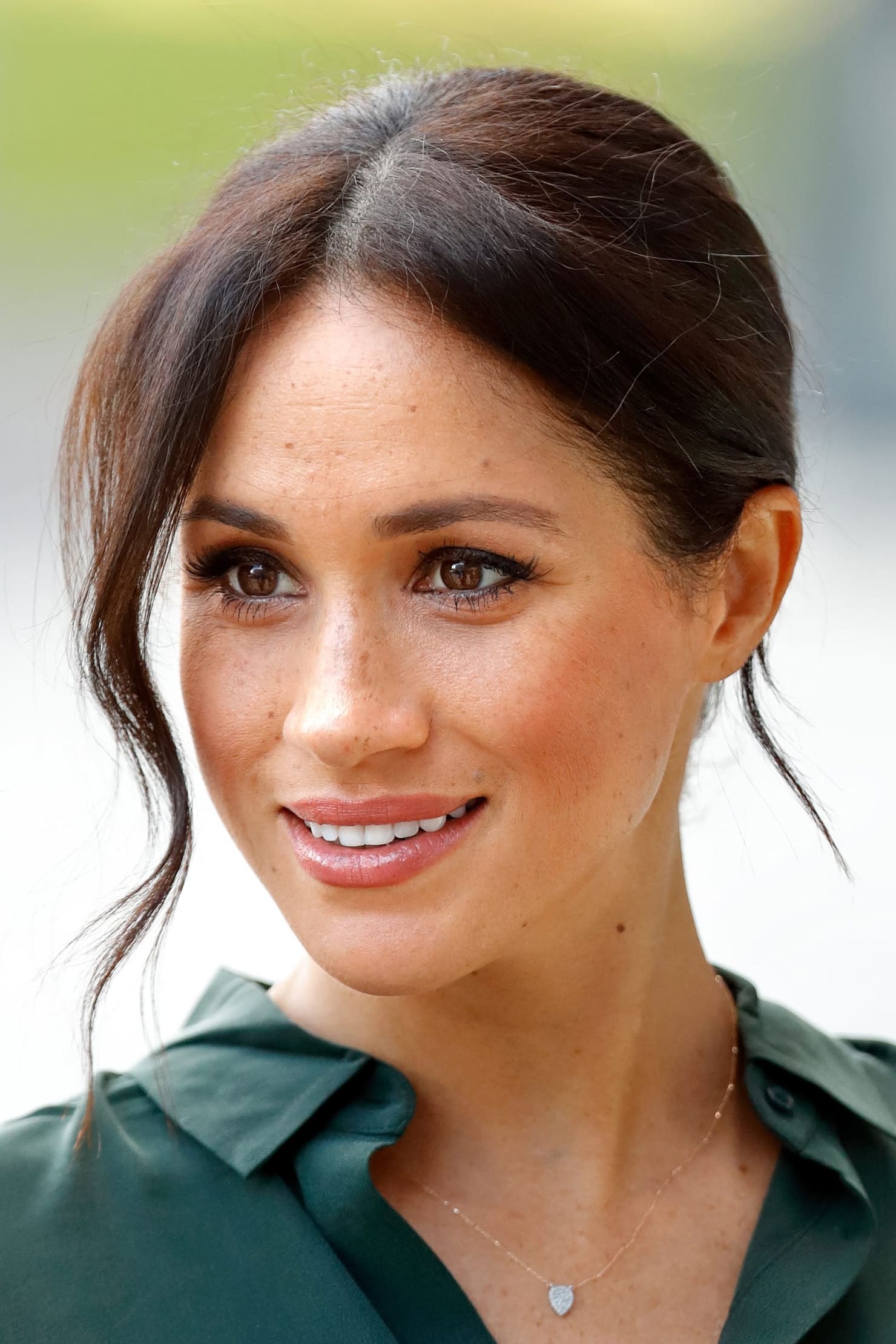
Meghan, Duchess of Sussex
Before she was a global royal figure, she captivated audiences as the sharp and stylish Rachel Zane on the legal drama Suits. But when love and royal duties called, she retired from her professional acting career. Today, as the Duchess of Sussex, she has successfully pivoted into high-profile humanitarian work and co-founded Archewell, a media production company designed to amplify diverse voices and champion social equity.
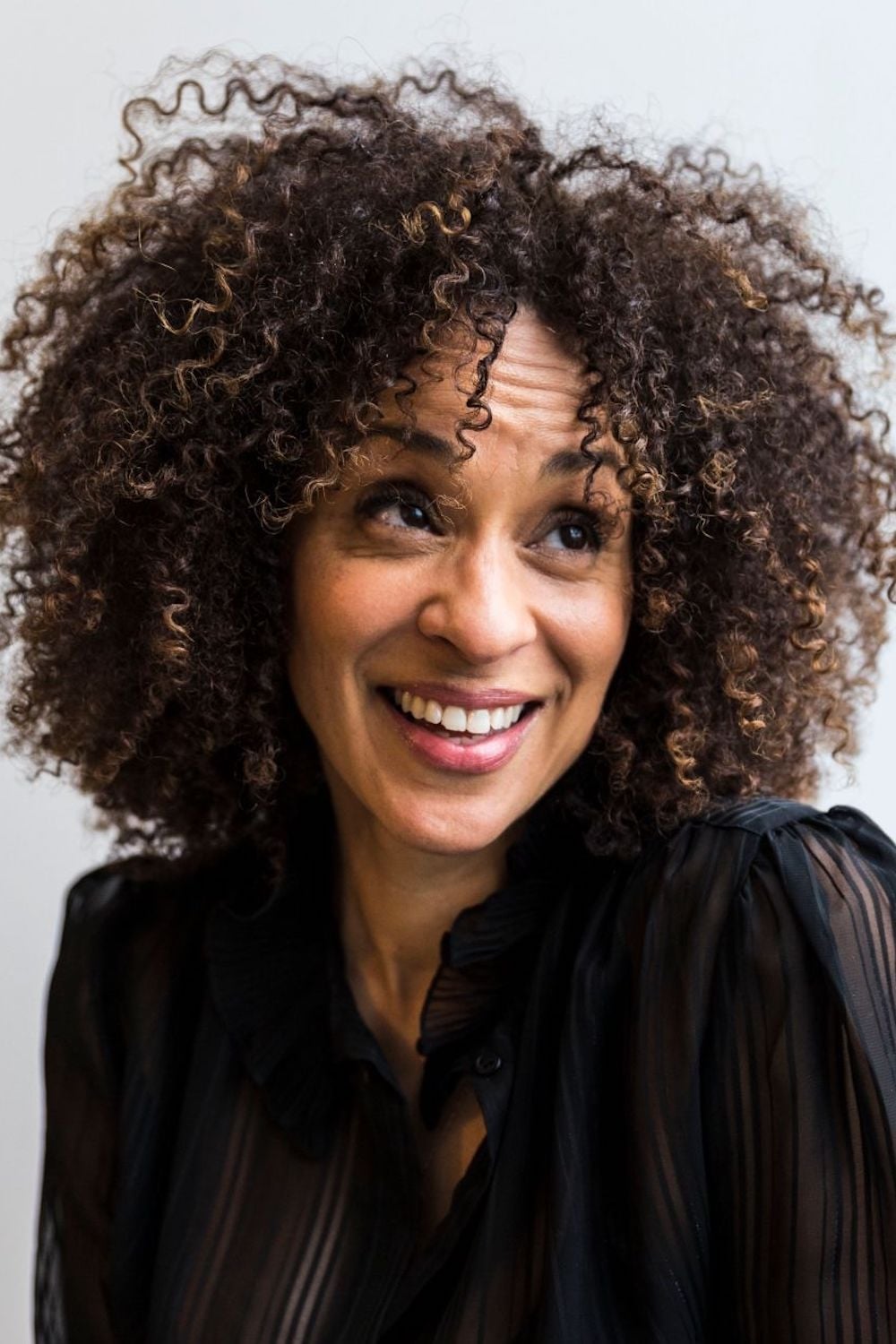
Karyn Parsons
We all fell in love with her as the iconic, bubble-headed socialite Hilary Banks on the legendary nineties sitcom The Fresh Prince of Bel-Air. However, Karyn Parsons chose a deeply meaningful path after the show ended. She shifted her focus toward educational advocacy and founded the nonprofit Sweet Blackberry, which produces animated films highlighting overlooked Black historical figures. Today, Karyn Parsons is a celebrated author and historian, preserving our culture’s history for the next generation.
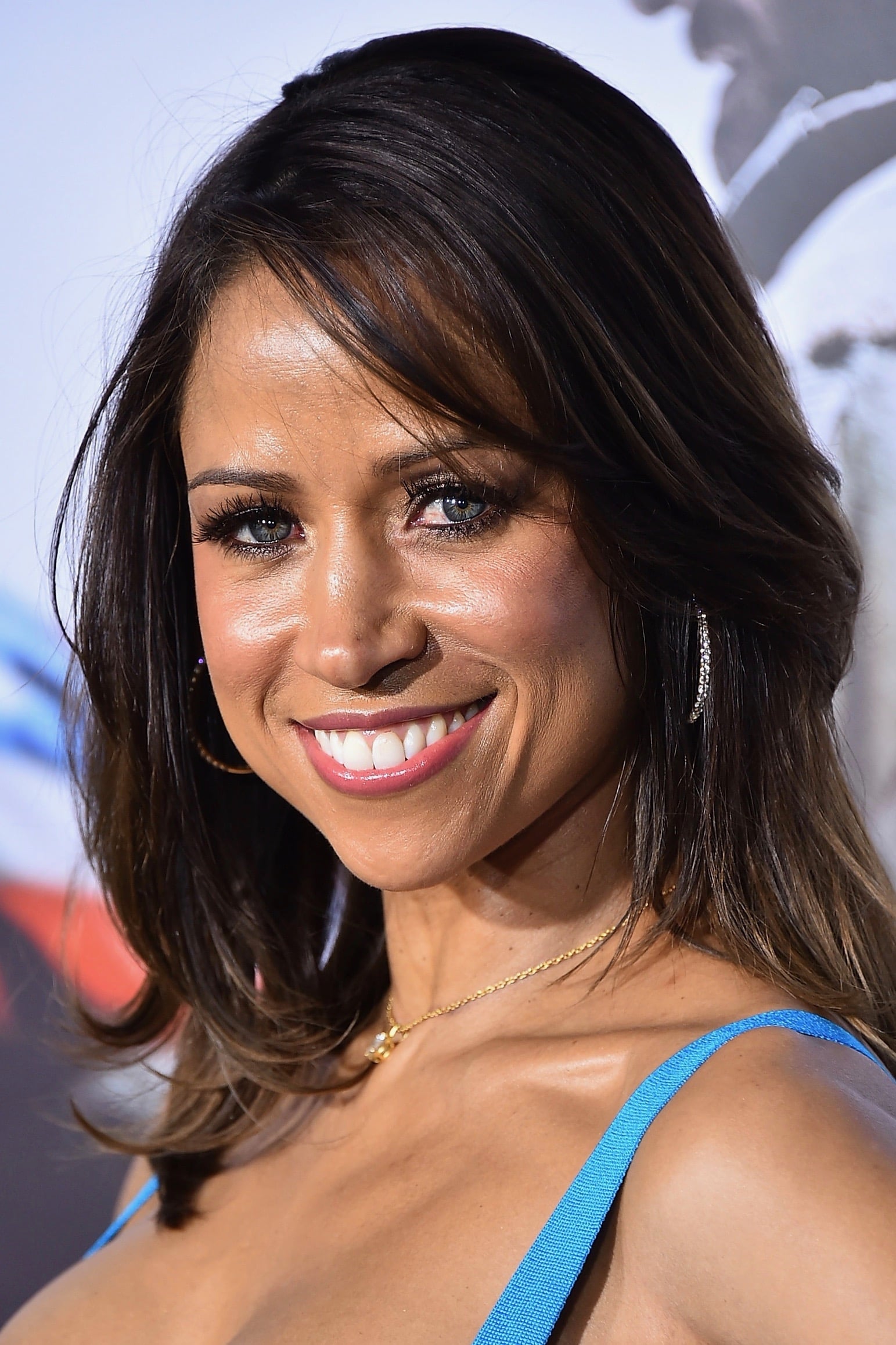
Stacey Dash
Best known for her role as Dionne Davenport in the cult classic film Clueless, she continued working on television and film sets for years. She later transitioned into the political commentary sphere, working as a media contributor and even running for public office. Her journey reflects a sharp pivot from the comedic silver screen to active, public-facing sociopolitical discourse.
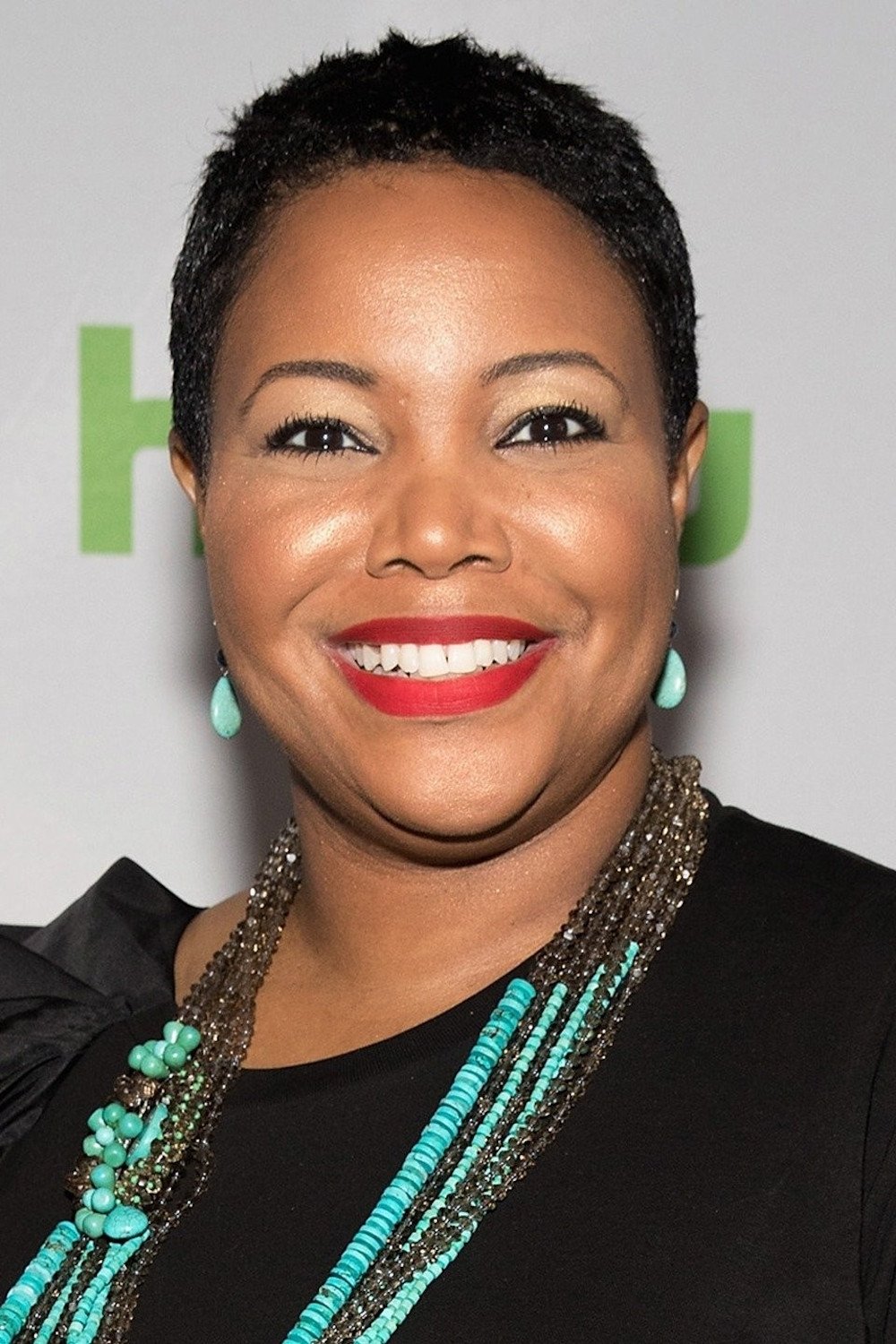
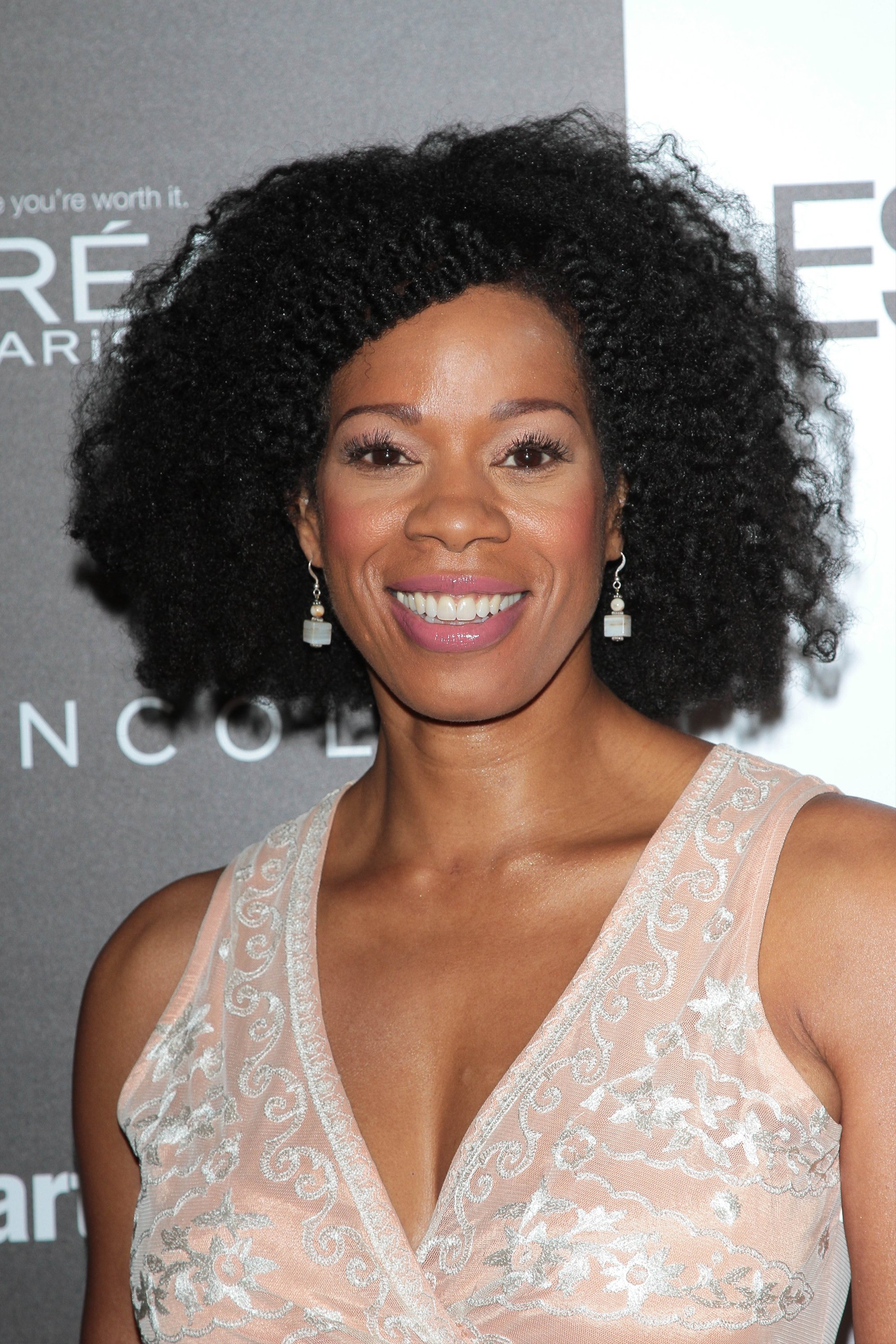
Kellie Shanygne Williams
As the smart and beloved Laura Winslow on the classic family sitcom Family Matters, she spent years as a Friday night staple. Walking away from the screen, she redirected her energy into youth development and arts education within Maryland. Her efforts have helped provide countless students with vital resources, proving her commitment to community outweighs the allure of Hollywood.
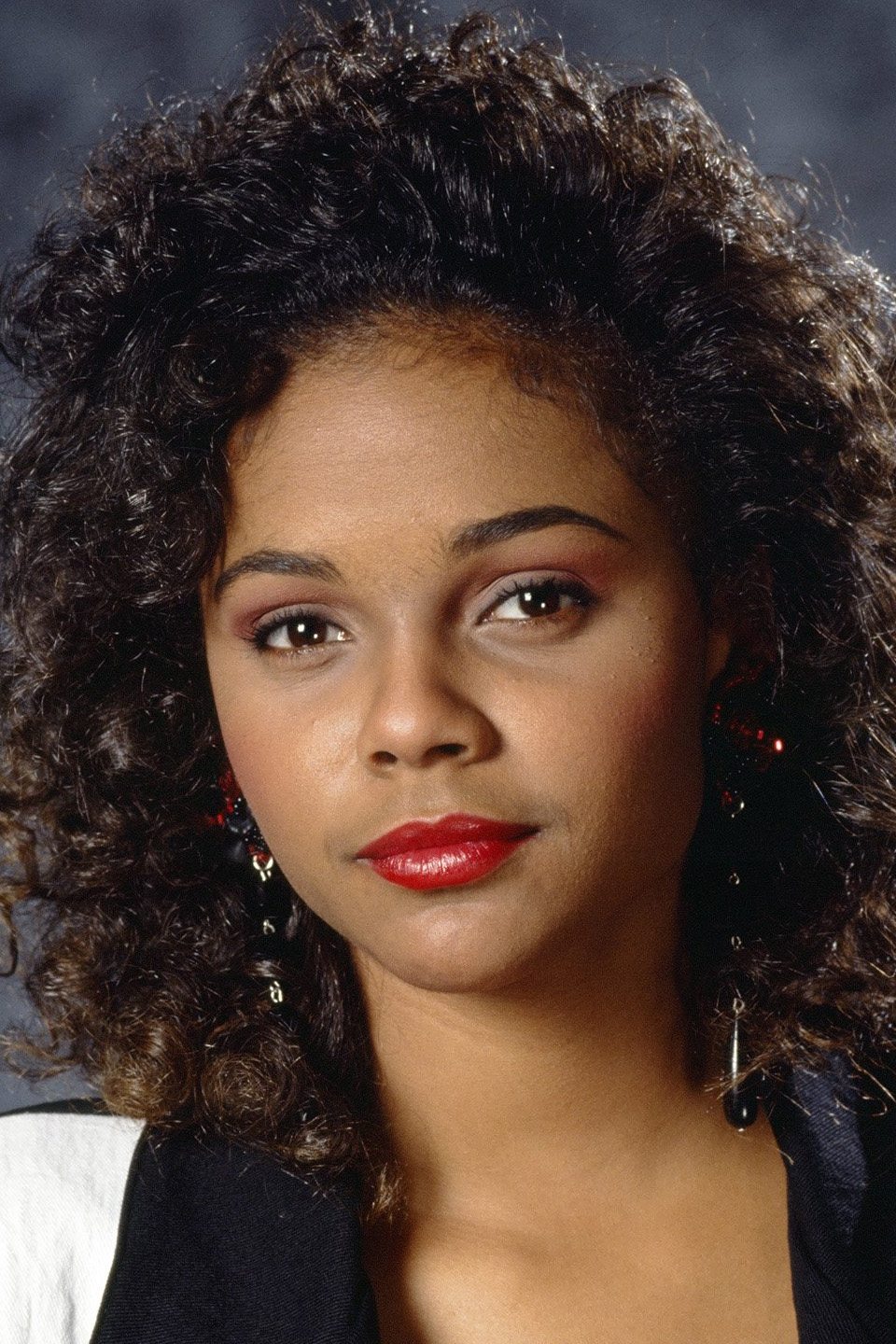
Lark Voorhies
As Lisa Turtle on Saved by the Bell, she became a massive teen idol of the late eighties and early nineties. After her iconic run, she stepped back from acting to focus on her true passion: writing. She has self-published several books that reflect her rich interior world, trading the television cameras for the quiet, reflective life of an author.
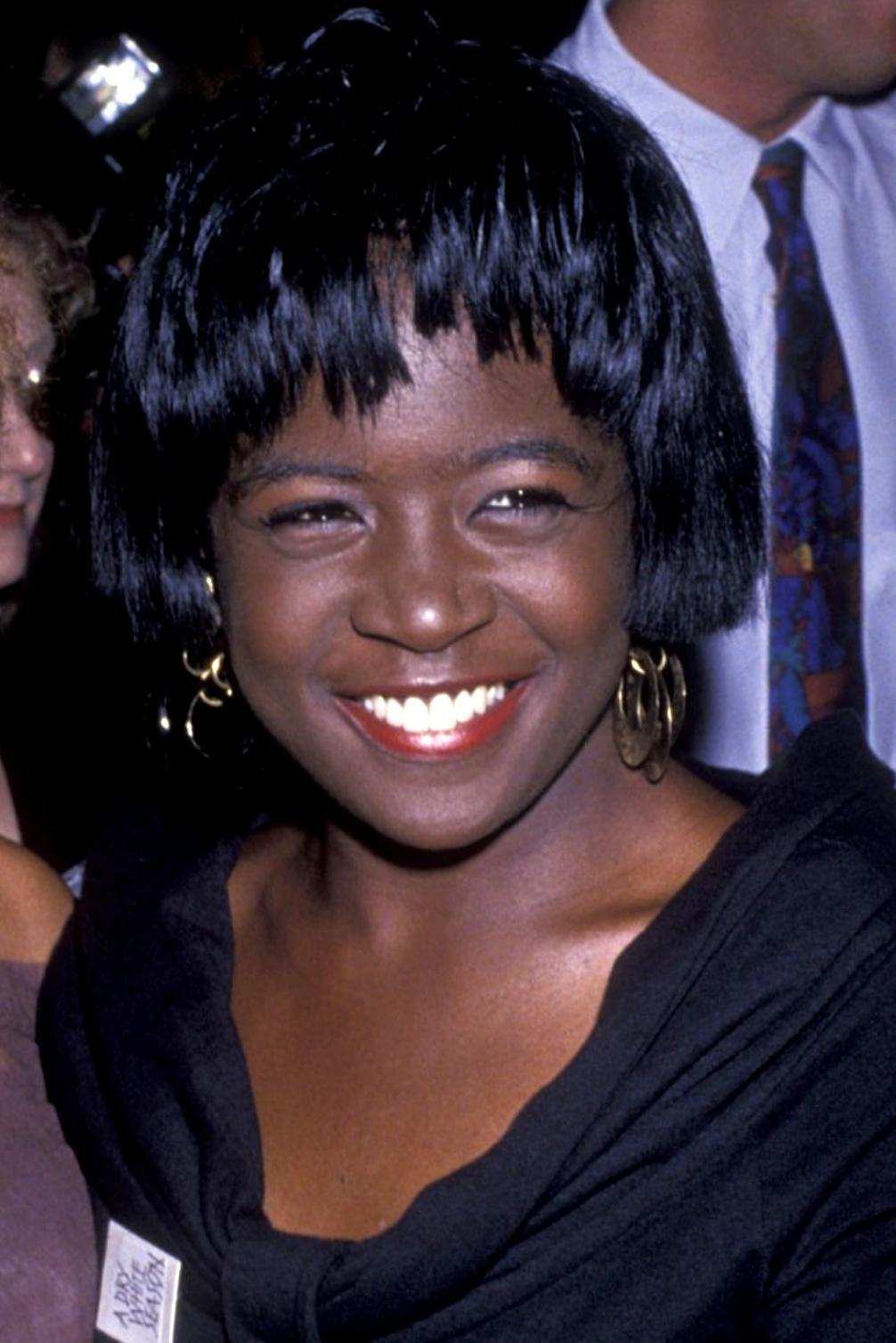
Charnele Brown
Best known as the pre-med student Kimberly Reese on the iconic sitcom A Different World, she eventually took her passion for performance into the classroom. She opened her own performing arts academy, where she now mentors, coaches, and nurtures the next wave of Black creative talent, passing down her years of specialized knowledge.
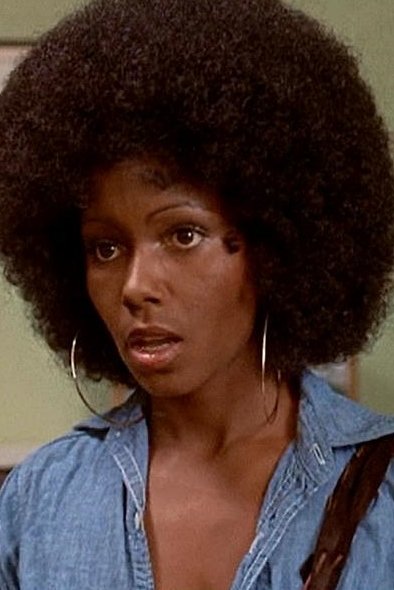
Kim Wayans
As a key star of the revolutionary sketch series In Living Color, she showcased her brilliant comedic versatility. In her later years, she channeled her creativity into literature, co-authoring the popular Amy Hodgepodge children’s book series. Her work promotes diversity and self-acceptance for young, multiracial readers worldwide.
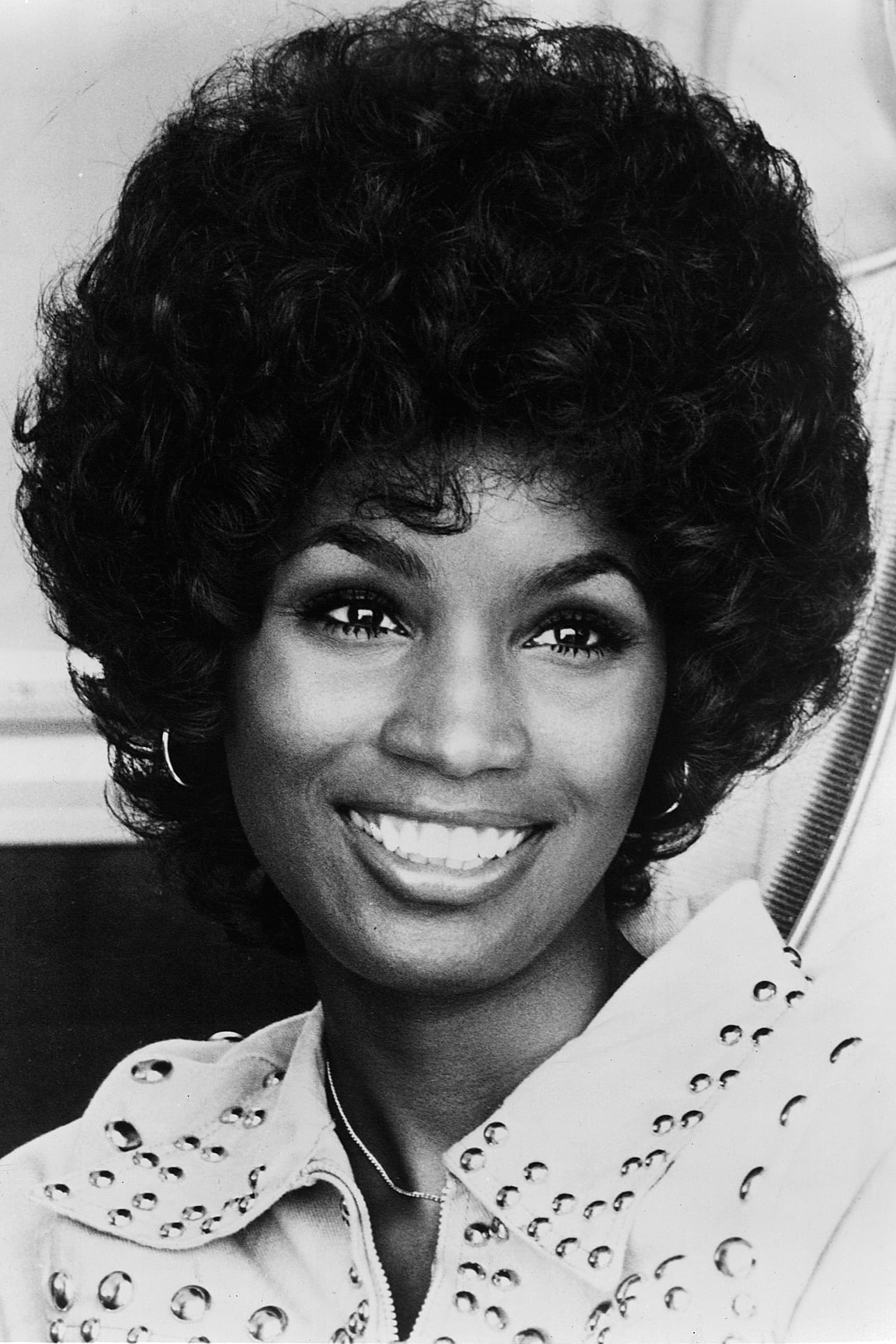
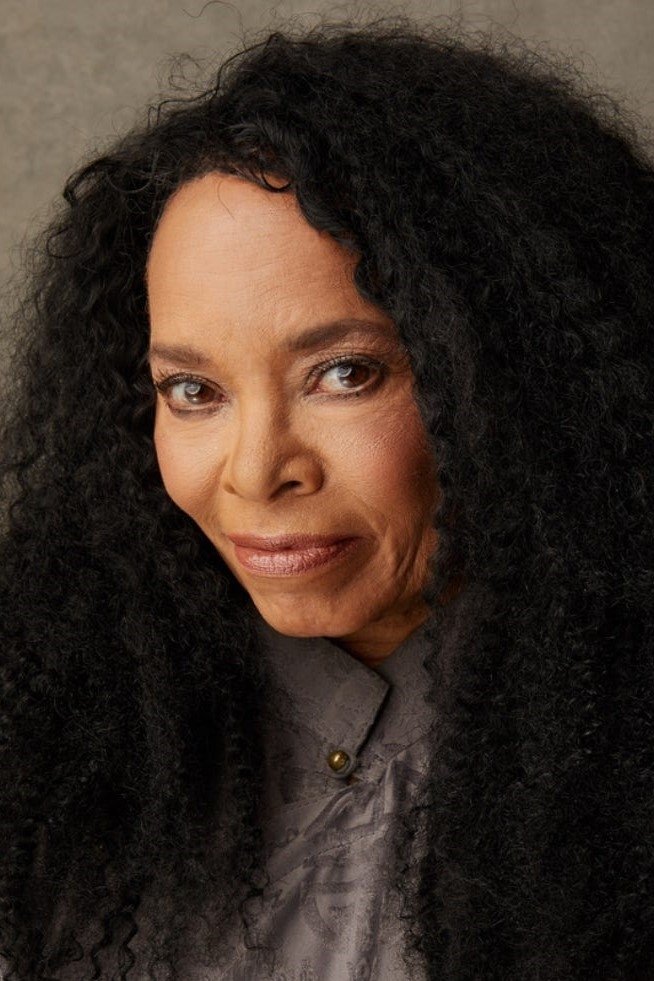
Teresa Graves
She broke massive barriers as the star of the police drama Get Christie Love! in the 1970s. However, at the peak of her popularity, she walked away from show business to devote her life entirely to her faith. Becoming a full-time minister, she dedicated her remaining years to spiritual service, marking one of Hollywood’s most profound early career shifts.
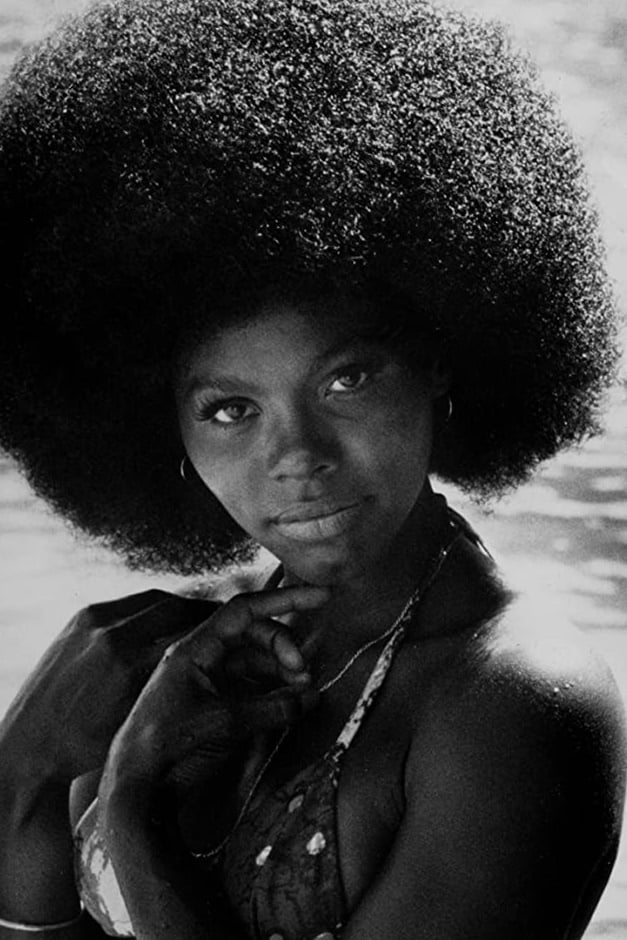
Judy Pace
A mesmerizing presence in classics like Cotton Comes to Harlem and Peyton Place, she was an early pioneer of Black representation. She eventually transitioned into a lucrative career in real estate. This strategic pivot provided her with stability and financial independence far away from the volatile whims of the film industry.
Berlinda Tolbert
Famous for playing Jenny Willis Jefferson on the historic sitcom The Jeffersons, she helped portray one of television’s first interracial marriages. She later retired from show business to establish a successful career in corporate real estate, choosing a quiet, professional life out of the public eye.
Gloria Hendry
She made history as a Bond girl in 1973’s Live and Let Die, securing her spot in cinematic history. Following her glamour-filled film career, she seamlessly adapted to the corporate world, working as an insurance agent and later as a legal secretary, showcasing her dynamic professional adaptability.
Tina Andrews
After appearing in various roles on Days of Our Lives during the seventies and eighties, she transitioned to work behind the camera. She became an award-winning screenwriter and historian, famously writing the critically acclaimed miniseries Sally Hemings: An American Scandal, bringing vital historical narratives to life.
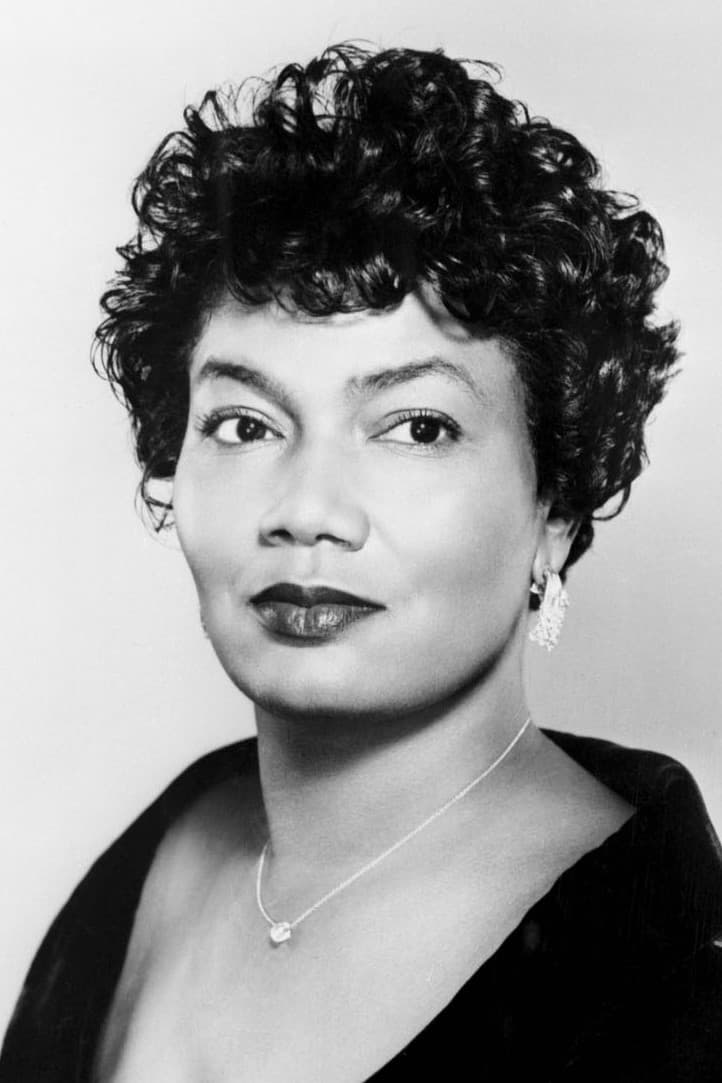
Pearl Bailey
A true theatrical force, she won a Tony Award for her performance in Hello, Dolly!. Later in life, she stepped onto the global stage as a special ambassador to the United Nations, appointed by multiple U.S. presidents. She also earned a theology degree from Georgetown University in her late sixties, proving learning has no age limit.
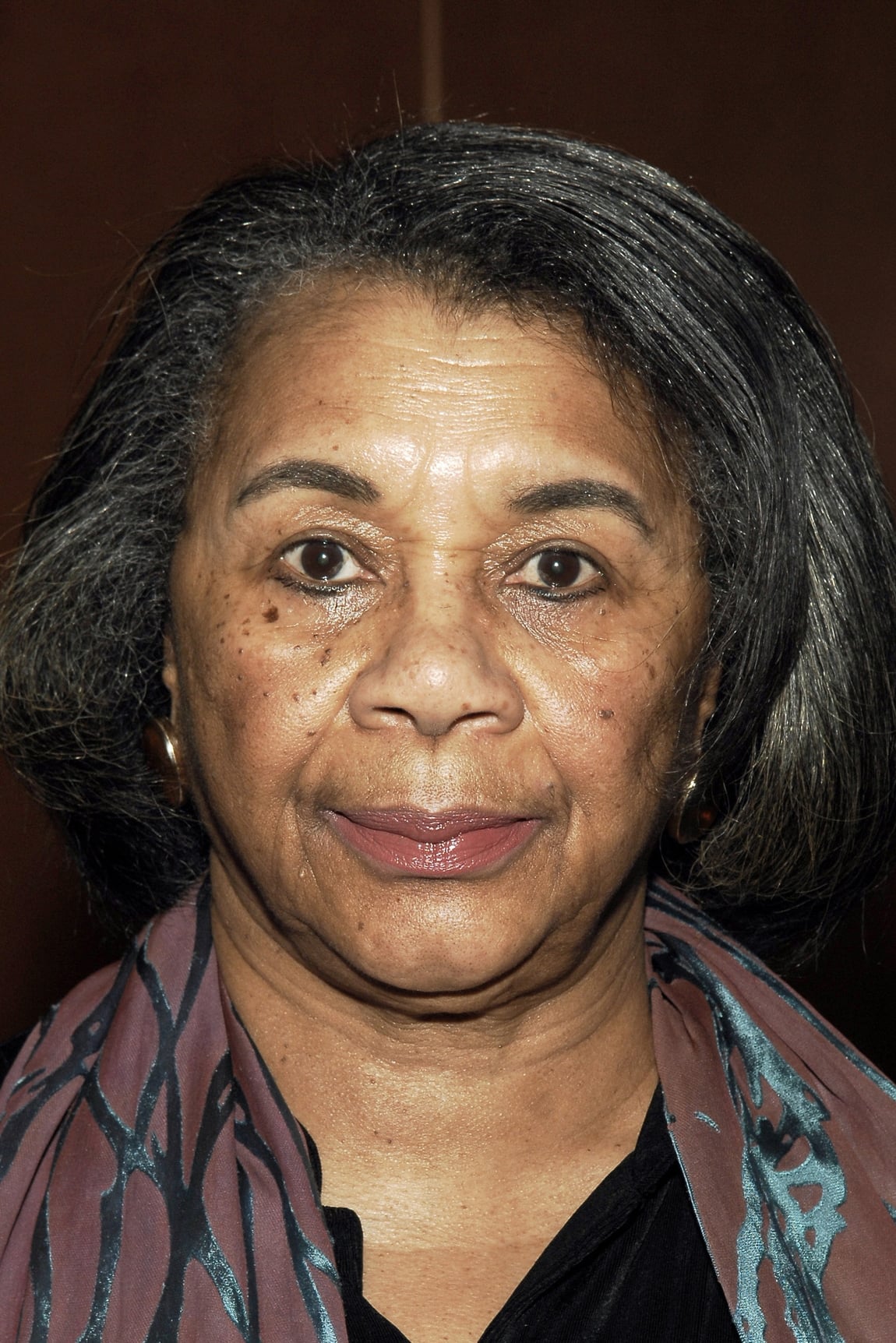
Mary Alice
The Emmy and Tony Award-winning powerhouse of I’ll Fly Away and Broadway’s Fences left an indelible mark on American acting. Upon retiring, she stepped away from the spotlight to enjoy a peaceful, quiet life, leaving behind a legendary masterclass in dramatic performance for future generations.
Sheila Guyse
A bright star of the 1940s and fifties Black cinema, she possessed unmatched charm and vocal talent. However, she ultimately chose family and spiritual fulfillment over stardom, spending the rest of her life focused on her faith, her community, and raising her children in a peaceful private environment.
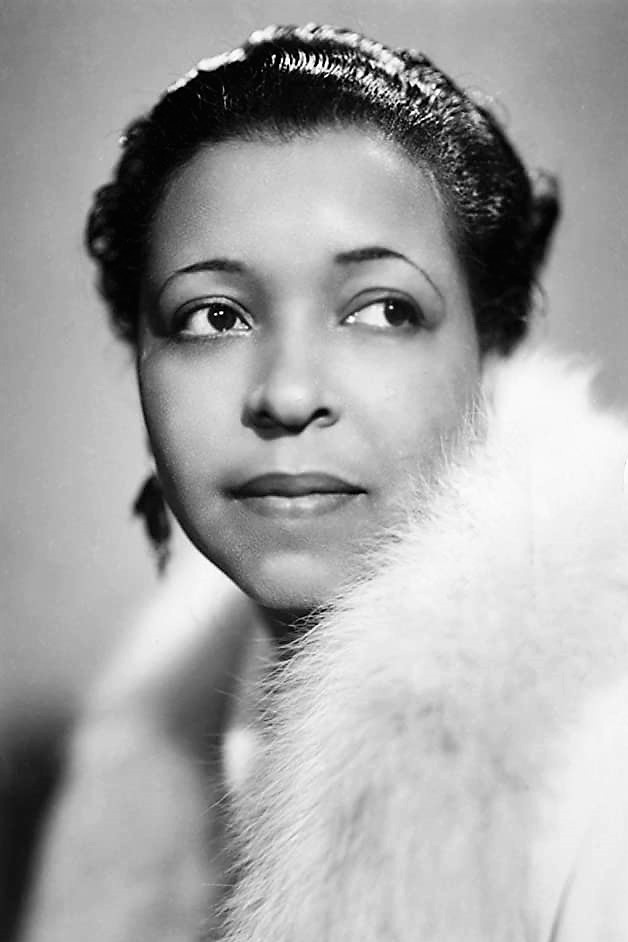
Ethel Waters
The historic whistleblower and trailblazer was the first African American woman to be nominated for an Emmy Award. In her senior years, she gracefully shifted her focus from secular show business to religious evangelism, becoming a featured singer and speaker at the Billy Graham Crusades to share her testimony through gospel music.
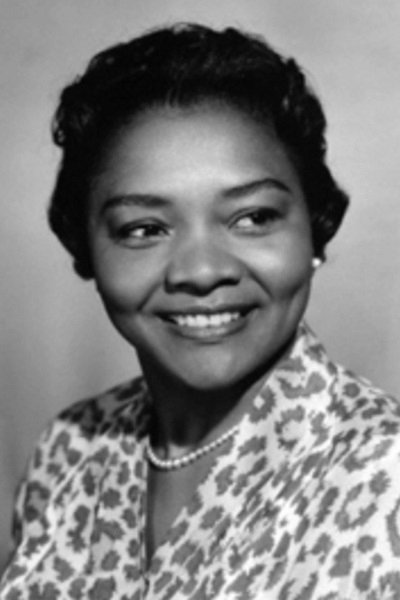
Juanita Moore
Her heartbreaking, Academy Award-nominated performance in the 1959 classic Imitation of Life remains legendary. As the Hollywood landscape evolved, she chose to step back from the spotlight, quietly focusing on community activism and mentorship for young, aspiring actors within her neighborhood.
Gina Ravera
Best known for her role in Soul Food and her fantastic run on The Closer, she stepped away from Hollywood to dedicate her life to social advocacy. She founded a non-profit organization focused on supporting at-risk youth and individuals transitioning out of residential care systems.
Ellia English
Famously known as Aunt Helen on The Jamie Foxx Show, she kept us laughing for five seasons. Since then, she has transitioned into life coaching and motivational speaking, using her powerful performance background and natural charisma to inspire audiences globally to achieve their personal goals.
Arnetia Walker
A powerhouse vocalist on Broadway and star of the nineties sitcom Nurses, she successfully pivoted into vocal coaching and education. Her deep expertise in musical theater has made her one of the industry’s most sought-after instructors, training the next generation of Broadway performers.
Sheila Frazier
As Georgia in the legendary blaxploitation film Super Fly, she became a massive culture icon. Eventually, she took her talents behind the scenes, thriving in media management and television production, where she has spent decades helping direct media from a corporate leadership level.
Lonette McKee
Her breathtaking performances in Sparkle and The Cotton Club cemented her legacy. She later transitioned into academia and music education, leading masterclasses and teaching performance at several prestigious institutions, while continuing to direct and write independent projects.
Bern Nadette Stanis
Forever beloved as Thelma Evans on the cultural touchstone sitcom Good Times, she set the blueprint for Black beauty on television. In her life after the show, she became a prominent author and a passionate health and caregiver advocate, raising awareness for Alzheimer’s and other family health challenges.
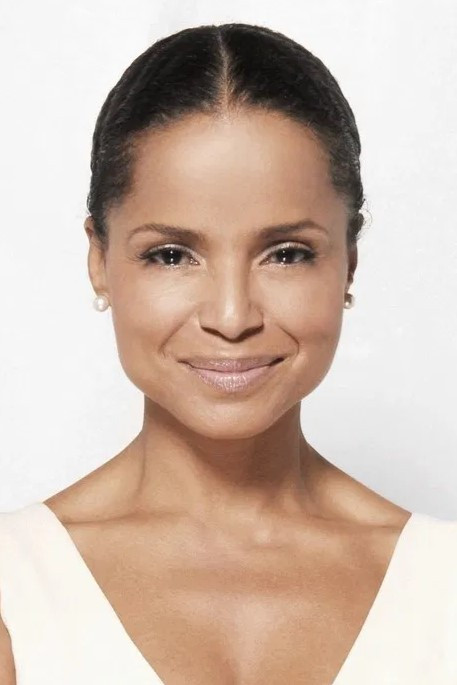
Victoria Rowell
After a legendary run on The Young and the Restless, she turned her sights toward systemic change. She became a major advocate for foster care youth, establishing scholarship programs, and has written several highly successful memoirs and novels detailing her life and experiences.
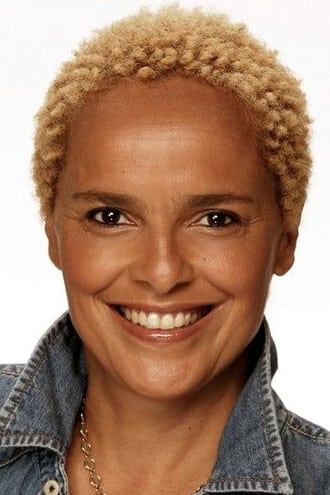
Shari Belafonte
A stunning model and actress who dominated the eighties on the hit drama Hotel, she decided to shift her creative focus behind the camera. She successfully reinvented herself as a commercial photographer and visual artist, capturing beautiful imagery for top global publications.
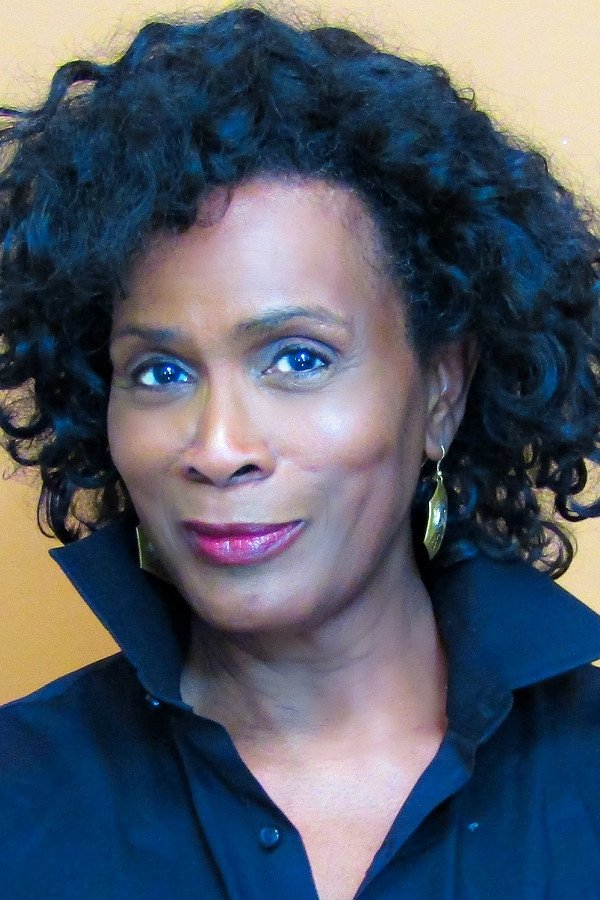
Janet Hubert
The original Aunt Viv on The Fresh Prince of Bel-Air is a legendary talent. Beyond acting, she emerged as a dynamic entrepreneur, launching a line of innovative, designer baby gear and children’s products to support modern, diverse families.
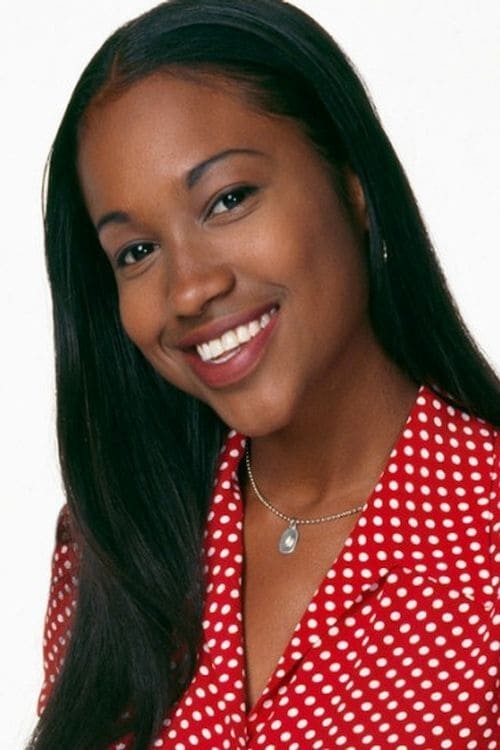
Maia Campbell
She stole our hearts as Tiffany Warren on the popular nineties comedy In the House. She later stepped away from acting to focus on her health, personal recovery, and maintaining a quiet lifestyle away from the intense media spotlight.
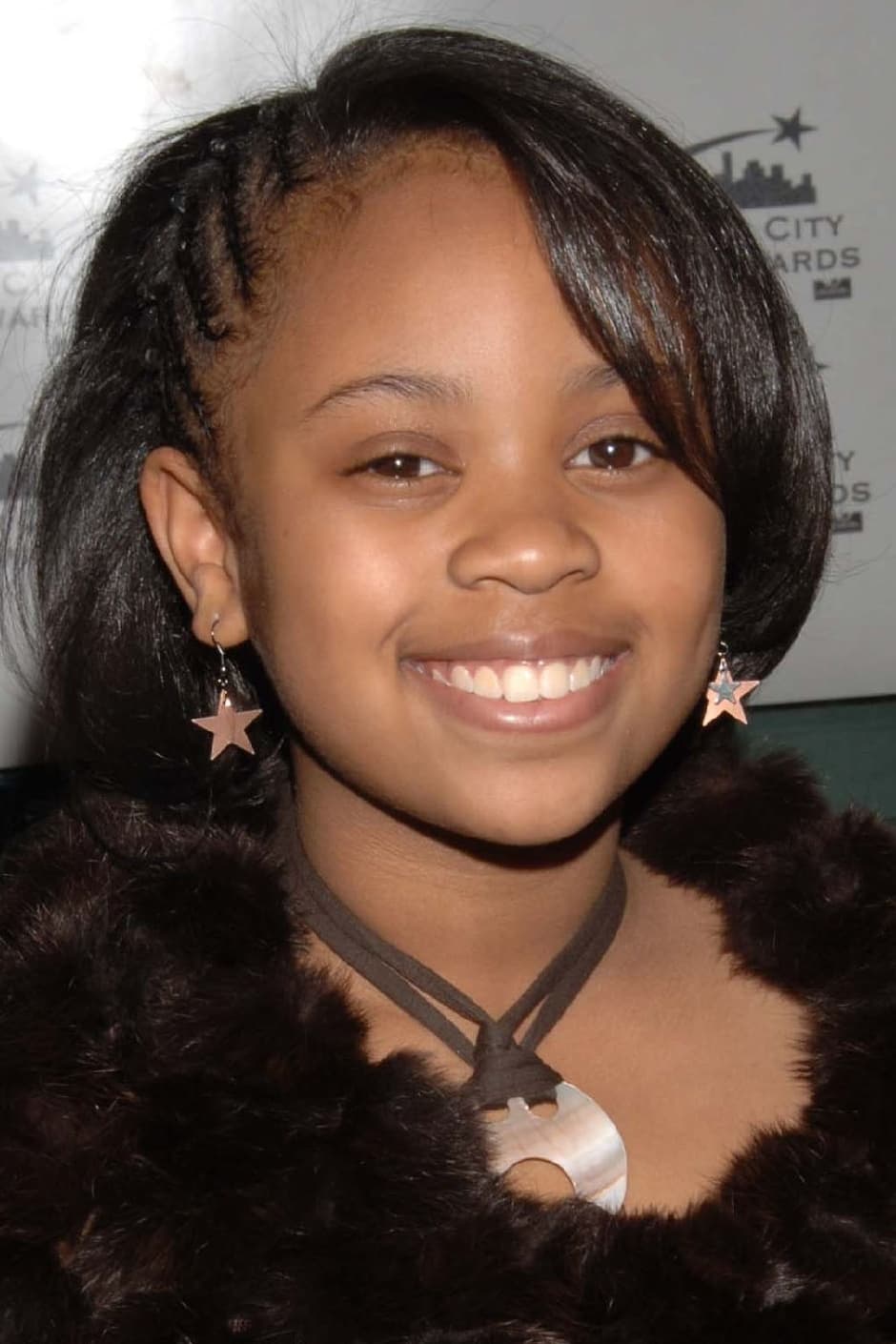
Dee Dee Davis
Famous as “Baby Girl” Bryana Thomkins on the classic comedy series The Bernie Mac Show, she grew up right in front of us. After the show, she chose to step away from acting to focus on her education and enjoy a normal, private life raising her family.
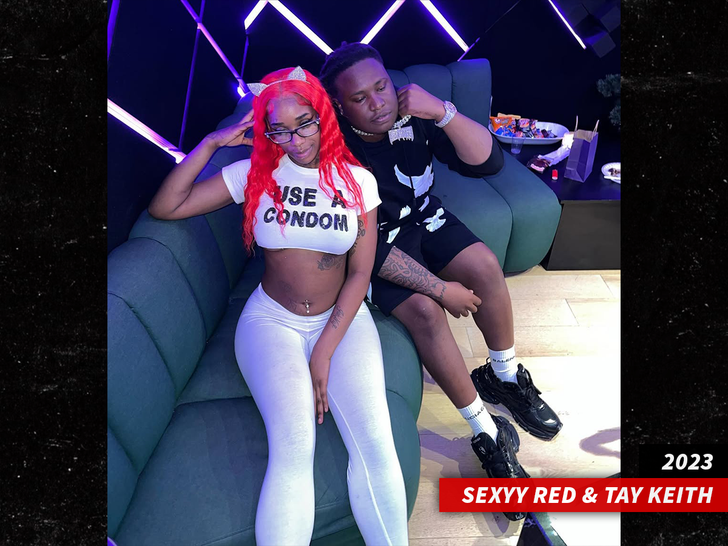
Music producer Tay Keith never got the chance to see his royalty dispute with Sexyy Red settled. According to court documents obtained by BlkCosmo, the two remained locked in litigation over unpaid production fees at the time of his death.
Tay Keith filed suit in March 2026, claiming he produced 13 songs for the rapper in 2024, including “Pound Town.” The producer alleged that Sexyy’s tracks generated millions in sales and streaming revenue, yet he received nothing for his work.
Beyond the money owed, Tay’s legal filing pointed to a more fundamental issue: Sexyy’s team refused to provide any accounting documentation showing how much the songs actually earned. Without those records, the producer couldn’t even calculate what he should be paid.
He asked the court to compel her to release the accounting statements, formally recognize the debt, and award damages. Those requests never made it to resolution.
Civil litigation can be unpredictable, and Chris Brown’s case is proving just that. A Los Angeles judge declared a mistrial this week after discovering a juror had done their own research on the case—something that’s strictly against the rules. When jury members go rogue like this, it throws everything off balance.
The lawsuit comes from Maria Avila, who says one of Brown’s dogs attacked her in 2020, causing serious injuries including nerve damage and lasting emotional trauma. This case has been moving through the courts for years, and now it’s really about how much responsibility Brown bears and what damages Avila should receive. You can learn more about civil litigation cases like this one to understand how these processes work.
Brown has acknowledged some responsibility for the attack, but he disputes parts of Avila’s version of what happened right after. Avila claims she didn’t receive proper help in those crucial moments following the injury and says Brown was present while everything unfolded.
ATLANTA, GEORGIA – FEBRUARY 13: Chris Brown performs during Tycoon Music Festival at State Farm Arena on February 13, 2024 in Atlanta, Georgia. (Photo by Prince Williams/WireImage)
Brown’s side tells a different story. He claims he acted quickly by securing the animals and calling for medical assistance right away.
On Tuesday, Judge Huey P. Cotton hit pause on everything after learning that a juror had conducted outside research—a big no-no in the courtroom. Jurors are supposed to base their decisions solely on evidence presented during trial, nothing more.
The case is expected to move forward soon. A fresh jury will be selected by Thursday, when Brown is scheduled to return to court for round two.
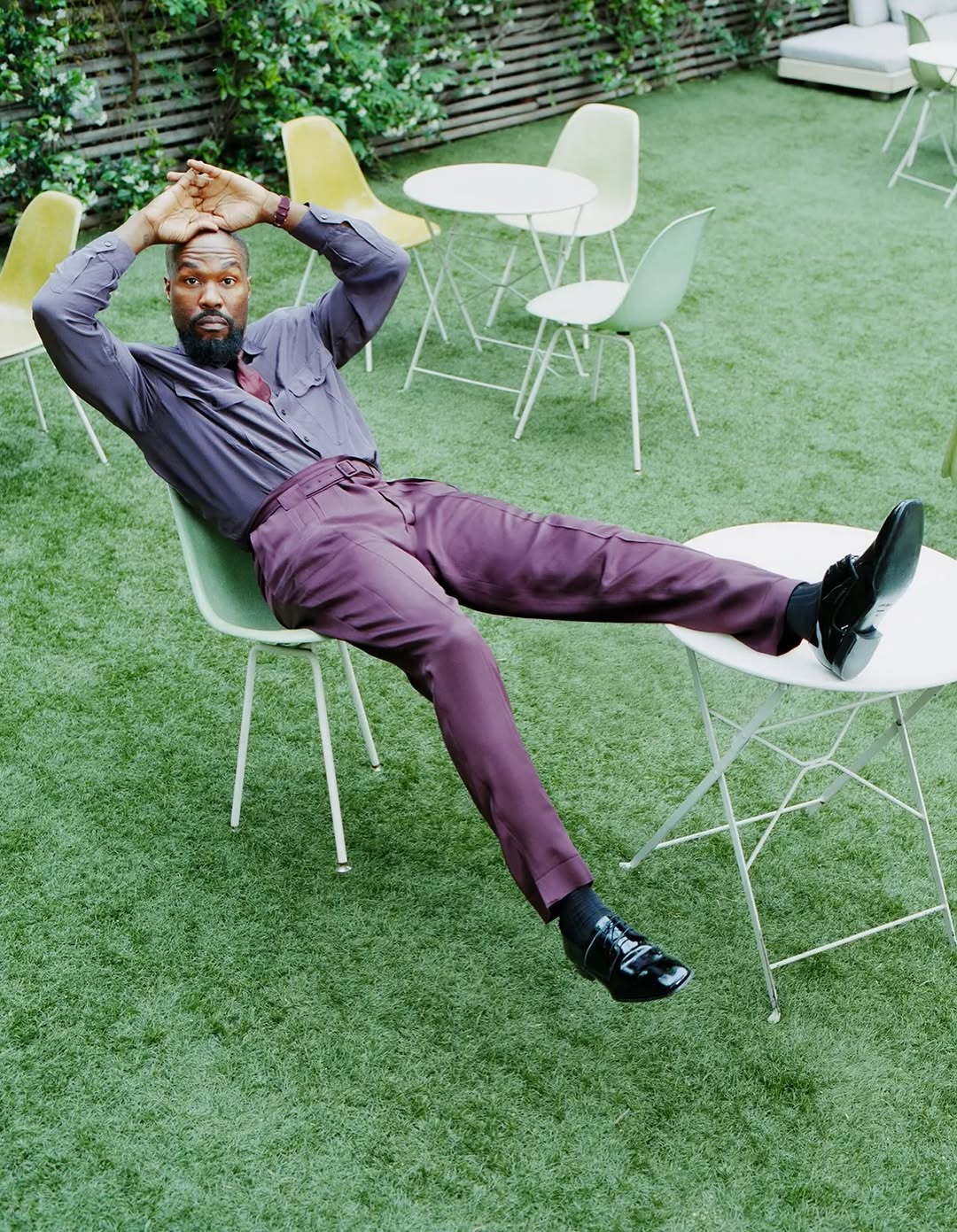
When Yahya Abdul-Mateen II walked onto the set of his latest profile, there was a palpable sense of a man who finally has the steering wheel. The Yale-trained actor has spent the last decade building a filmography that reads like a studio executive’s wishlist. Yet, his latest cover story for Variety, written by Clayton Davis, reveals a performer who is no longer content with just being a cog in the Hollywood wheelhouse. Instead, he is making decisions that prioritize his peace, his craft, and his agency. The industry has a long history of chewing through talent, particularly Black actors who are often expected to accept every prominent opportunity that comes their way out of a fear of professional scarcity. This profile makes it clear that he is operating on an entirely different wavelength.
Textured Ease and Refined Style
The editorial, styled with an effortless perspective by Jan Quammie, captures this specific shift. This is not about flashy showmanship. The visuals are quiet, textured, and deeply grounded. Quammie dresses him in silhouettes that feel less like costumes and more like an extension of his imposing, yet remarkably gentle, physical presence. He wears garments that emphasize ease over performance, matching the tone of an actor who is comfortable standing still. The imagery does not rely on loud trends or ostentatious labels to convey authority. Instead, it lets his natural gravitas speak for itself, offering a refreshing contrast to typical celebrity photo shoots that dominate contemporary media.
Marvel on His Own Terms
At the heart of the profile is a rare level of transparency regarding his career decisions. Many actors spend their entire lives chasing the elusive Marvel contract, treating it as the peak of industry success. When Yahya Abdul-Mateen II took on the title role in the Disney+ series “Wonder Man”, he did so on his own terms. He famously told director Destin Daniel Cretton that he wanted to play a hero who could simply “have a beer and a burger.” Having spent years submerged in the physically punishing, blue-screen heavy shoots of the Aquaman franchise as Black Manta, he sought something fundamentally human. His Marvel character is not a distant god or a polished billionaire. He is Simon Williams, a struggling, perpetually anxious actor who happens to possess superpowers in a Hollywood that has outlawed metahumans on film sets.
Deconstructing the Hustle
This request speaks to a larger philosophy about the nature of modern celebrity. In “Wonder Man”, Williams is navigating the absurdities of the entertainment capital while hiding his extraordinary nature. It serves as a sharp meta-commentary on the industry itself. The role allows him to explore the humor, vulnerability, and sheer stress of trying to make it in a town that is constantly demanding conformity. By shifting the creative focus from saving the universe to surviving an audition, the project showcases his theatrical range far better than a standard CGI spectacle. He acts alongside Ben Kingsley, who returns as the eccentric Trevor Slattery, creating a delightful dynamic that subverts standard superhero expectations.
The Power of Knowing When to Pause
This boundary-setting is not a new development. He made waves when he chose to walk away from George Miller’s “Furiosa” to protect his mental and physical energy. Six consecutive years of relentless labor, spanning from his breakout in “The Get Down” through “Watchmen”, “The Trial of the Chicago 7”, and “The Matrix Resurrections”, left him completely depleted. Choosing rest over a high-profile franchise is a bold statement in an industry designed to exhaust talent. It proves that his career longevity is a product of deliberate pacing, not frantic momentum. In an era where actors are expected to be constantly visible, his willingness to step back and recharge is a profound act of self-preservation.
Diversifying the Creative Canvas
His upcoming slate reinforces this highly calculated approach to stardom. In September 2026, he stars in Elegance Bratton’s historical crime drama “By Any Means” as Special FBI Agent Wayne Strider, performing alongside Mark Wahlberg. The film tackles the complex investigation of civil rights leader murders in 1966 Mississippi, offering a heavy, dramatic contrast to his superhero work. He is also taking on the mantle of John Creasy in Kyle Killen’s “Man on Fire” series on Netflix, showing his capacity to redefine familiar, beloved roles with his specific depth. By balancing studio blockbusters with heavy historical dramas, he is establishing a diverse, sustainable body of work that refuses to be pigeonholed.
Editor’s Picks: Elevate your lifestyle and reading list with our curated selections.
Read: Dive deep into the compelling narratives that shape our history and culture with this curated list of Black literature.
Wear: Discover the ultimate in curation with these handpicked selections of luxury fashion.
Listen: Block out the noise and focus on your favorite podcasts with the sleek Apple AirPods Max.
Home: Refresh your living environment with top-quality, affordable home essentials.
1 of 2
Yahya Abdul-Mateen II in a sophisticated editorial shoot for Variety magazine June 2026, styled by Jan Quammie
Yahya Abdul-Mateen II in a sophisticated editorial shoot for Variety magazine June 2026, styled by Jan Quammie
Michelle Obama Speaks Out After Despicable White House Attack
Honey, the respect we have for Michelle Obama just reached another level. The former First Lady is reportedly distraught after a deeply offensive incident at a UFC event held on the White House South Lawn during President Trump’s birthday celebration. A professional fighter took the microphone and unleashed a vile, transphobic slur directly targeting Michelle—broadcasting hatred from the very lawn where she raised her daughters. It’s the kind of disrespect that cuts deep, and Michelle is making it clear she’s had absolutely enough of the toxicity.
According to sources close to the Obama camp, this isn’t just political noise—this is personal. The Michelle Obama we’ve come to know for her strength and grace is feeling the weight of relentless, targeted harassment. And unlike so many moments where she’s taken the high road, this one has left her spiritually exhausted. The incident represents something deeper: a troubling acceptance of extreme rhetoric at the highest levels of government, wrapped in a quilted leather satchel of hypocrisy and misogyny.
“Only So Much A Soul Can Take”
Throughout her historic years in the White House and her powerful work since, Michelle has modeled an incredible spiritual resilience. She famously said, “When they go low, we go high.” But honey, even the strongest souls have their breaking points when subjected to relentless attacks designed to diminish and dehumanize. The sheer audacity of using the presidential lawn as a platform for a deeply misogynistic slur—with apparent government approval—has shaken her in ways that demand a response.
Our sources reveal that Michelle is processing this moment differently than past controversies. This isn’t about political disagreement. It’s about basic human dignity being trampled. The misogynoiristic nature of the attack, combined with its celebration by certain circles, has forced her to confront how far political discourse has fallen. Even conservative voices like Dana White have called the comments “disgraceful,” yet the White House response was dismissively vague.
Former President Barack Obama and former First Lady Michelle Obama at the Democratic National Convention, Chicago, August 2024.
“Michelle is spiritually grounded, but there’s only so much venom you can take before it affects your spirit. To see that kind of hateful discourse not only accepted but celebrated at the highest level of government is completely heartbreaking.”
The Obamas Are Fighting Back
But don’t mistake Michelle’s pain for passivity. Our insiders reveal that both Michelle and former President Barack Obama are holding strategic meetings with their legal and media teams to craft a coordinated public response. This moment represents everything they’ve fought against throughout their career—the erosion of empathy, the normalization of extremism, and the targeting of Black women in public life. They’re not about to let this moment pass quietly.
While rumors about lawsuits have circulated online, the real pushback is being organized at a deeper level. The Obamas understand that countering this narrative requires more than legal action—it requires speaking directly to the American people about what’s at stake. This is about confronting the terrifying decay of political decency, and Michelle is ready to use her platform to make that case with the same clarity and power she’s always brought to racial justice conversations.
Michelle’s Podcast Response
If you want to hear exactly how Michelle feels about this moment, mark your calendar. Our entertainment sources report that Michelle is preparing an emergency episode of her chart-topping Spotify podcast, “IMO with Michelle Obama and Craig Robinson.” Normally, the show keeps things light and conversational, featuring celebrity guests and practical life advice—like something you’d discuss over cold brew with your closest confidantes. But this episode will be different.
The gloves are coming off. Michelle is ready to deliver a powerful, generation-defining response on racism, political decency, and the targeting of Black women in America. She’s prepared to drop her signature cozy podcast tone and speak from a place of righteous clarity. The haters thought they could use a microphone to diminish her power, but the Queen of Chicago is about to remind the world exactly why she remains completely untouchable. This conversation is about so much more than one ugly moment—it’s about the freedom struggle for dignity itself. Stay tuned, honey.