

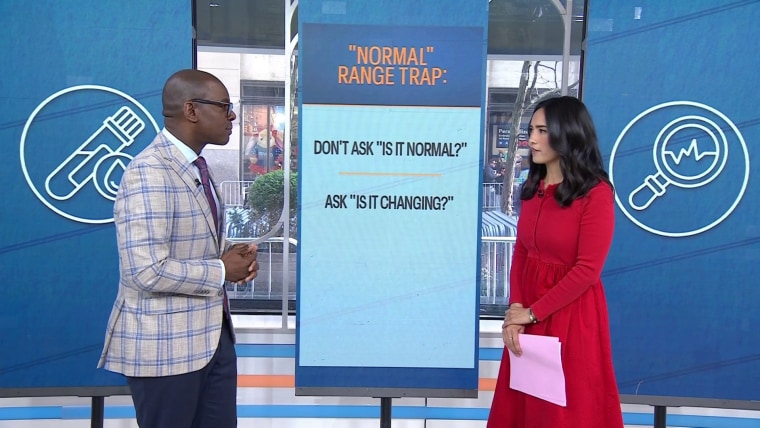
Annual physicals and routine blood work are essential culture-shifts in our community’s wellness journey. But once those metrics—from cholesterol levels to kidney function—hit your patient portal, deciphering the data can feel like learning a foreign language. Too often, we just scan for “normal” and close the tab without advocating for our own bodies.
“Most people get their lab results, scan for ‘normal’ or ‘abnormal’ and move on,” colorectal surgeon Dr. Cedrek McFadden explains. “But those numbers are telling a much bigger story.” To help you navigate your next appointment like a pro, Dr. Cedrek McFadden shares the five crucial questions you should be asking your physician.
Is It Changing?
A single data point doesn’t define your health trajectory. Dr. McFadden emphasizes looking at trends rather than isolated numbers. Catching a shift early, even if your results still register within the standard “normal” range, is key to preventative care.
What Does This Mean for Me?
Standard lab ranges are modeled on broad demographic populations, not your unique biological makeup. Your personal medical history, daily lifestyle, and baseline health are critical context. What’s normal for the masses might not be what’s optimal for you.
Why Might This Be Off?
An abnormal reading doesn’t automatically equal a chronic disease. External variables such as dehydration, a recent intense workout, or even what you ate the night before can temporarily skew results. Understanding the context prevents unnecessary panic.
Do We Need to Check It Again?
A smart follow-up strategy often involves a simple re-test. Repeating the labs ensures the anomaly wasn’t just a fluke or an isolated event, saving you peace of mind and unnecessary stress.
What Do I Actually Need to Do About This?
Your results should always translate into an actionable blueprint. Whether that means subtle lifestyle adjustments, further screening, or a structured “wait and see” approach, make sure you walk out of the clinic with a clear next step.