
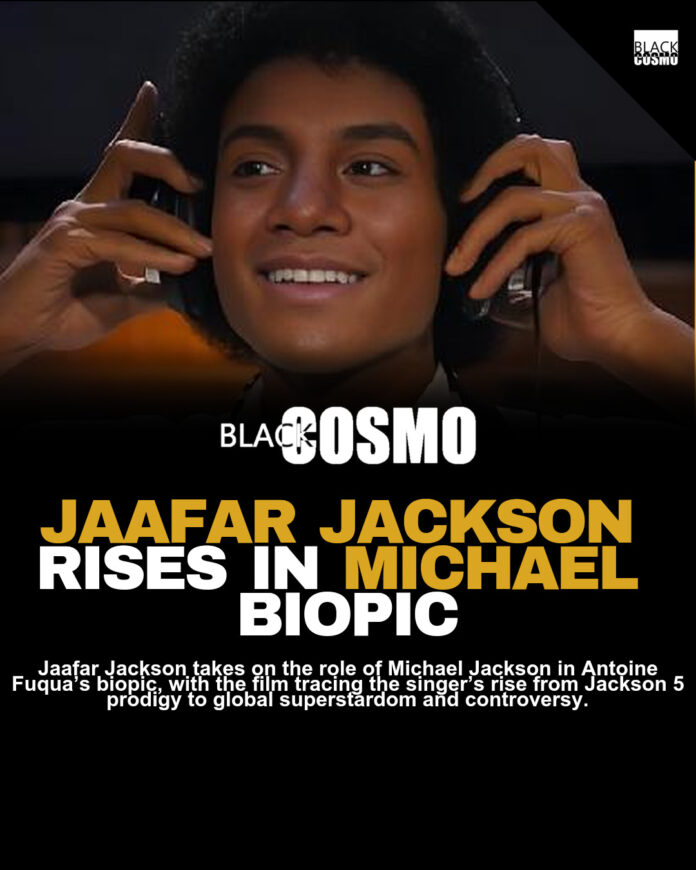
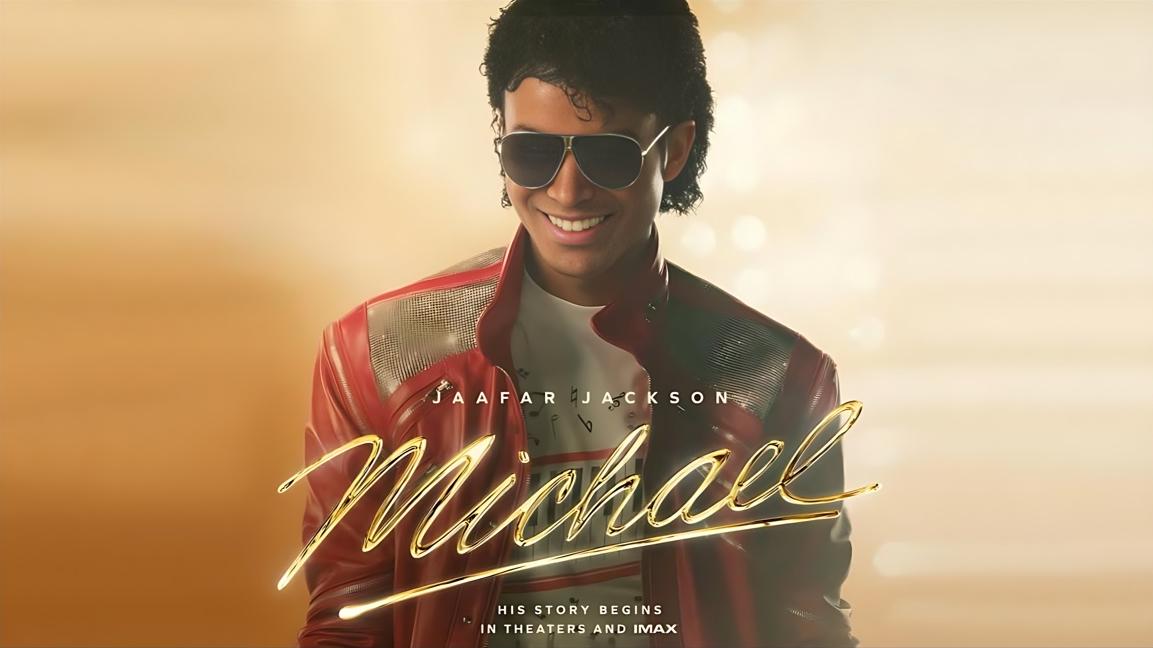
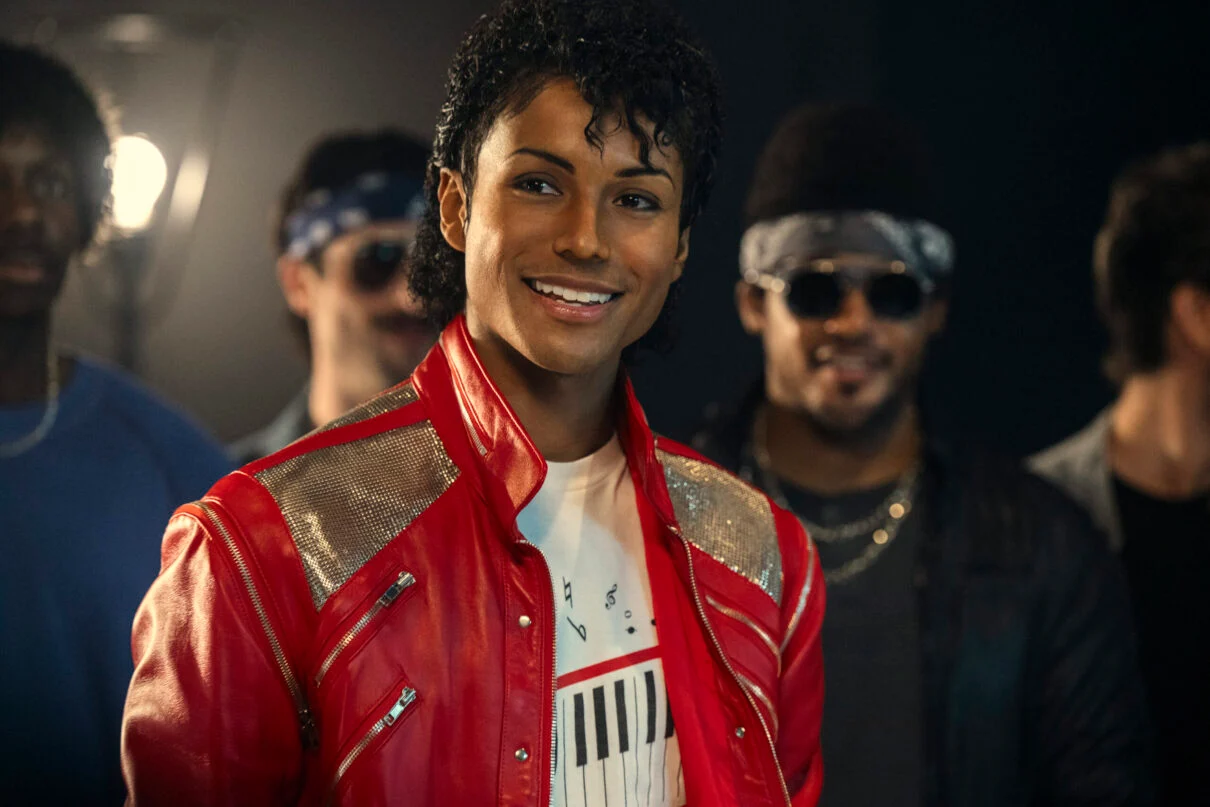
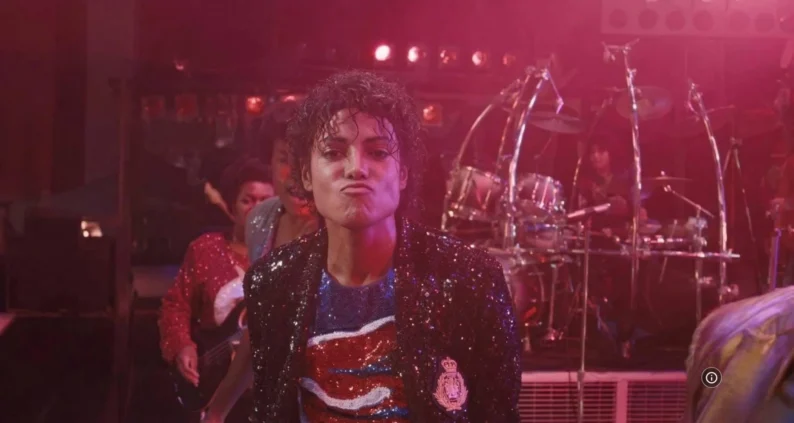
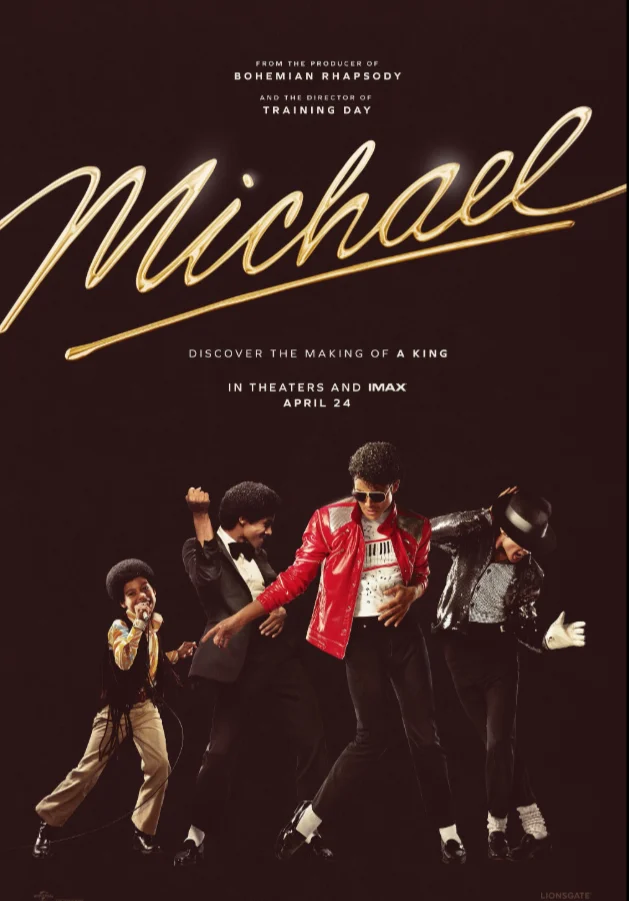
There was always going to be scrutiny around Jaafar Jackson. Playing Michael Jackson in Antoine Fuqua’s Michael is not a casual debut, and it is definitely not the kind of role you coast into on a famous last name. The assignment is bigger than impersonation. It asks for presence, control, and a read on one of the most studied performers in modern pop culture.
That is why Jaafar Jackson has become such a compelling figure in this rollout. Yes, the family connection is part of the story. But the real conversation is about whether he can hold the emotional weight of Michael Jackson on screen, not just the silhouette. In a film space crowded with music biopics, this one arrives with the pressure of history, fandom, and cultural memory all at once.
More Than Familiar Casting
The easy read was nepotism. That happened the minute his casting was announced. But that take feels thin once you look at how carefully this production has been framed. Reports around the film have pointed to a long casting search, and people close to the Jackson family, including Katherine Jackson, have publicly said Jaafar carries something recognizable beyond appearance.
That matters because Michael Jackson was never just a collection of mannerisms. The moonwalk, the vocal phrasing, the stillness before a big move, all of that is surface. What people remember is the electricity underneath it. Capturing that is less like copying choreography and more like understanding rhythm the way a spoken word artist understands silence.
The Challenge of Playing Michael
Portraying Michael Jackson may be one of the hardest jobs any young performer could take on right now. He remains a global symbol, not just a pop star. His story touches celebrity, Black artistry, spectacle, family pressure, reinvention, and controversy. You cannot approach material like that with cosplay energy.
That is where Jaafar’s background as a singer, songwriter, and dancer starts to matter. His own work may not carry his uncle’s scale, obviously, but it suggests years of training rather than a last-minute leap. This kind of role demands repetition, body discipline, and instinct. The same way a curated reading list helps frame a complicated public figure, preparation helps an actor move beyond tribute and into character.
Why This Biopic Feels Bigger Than a Standard Release
Music biopics are now their own studio lane, but Michael carries a different kind of expectation. Michael Jackson’s life has been retold, debated, defended, and picked apart for decades. So the film is walking into an audience that already has strong opinions, deep attachments, and a long memory.
It also lands at a time when viewers are more alert to image-making. They want the glossy parts, sure, but they also expect complexity. The film is said to trace Michael’s rise from child star to global phenomenon while engaging the contradictions that followed him. That is a serious balancing act. It is not unlike trying to assemble a hip hop biography that has to satisfy historians, casual fans, and people who lived through the era in real time.
Producer Graham King has reportedly praised Jaafar’s resemblance and command of the role, while Fuqua has pointed to something closer to spirit than imitation. Studios love grand language, so some of that comes with the territory. Still, the early images do suggest a performer who understands that the smallest details, posture, gaze, restraint, can be as important as the dance breaks.
Aesthetic Memory Matters Too
Part of what made Michael Jackson so singular was how carefully he used style. Fashion was never decoration. It was architecture. The sharp tailoring, the military-inspired jackets, the loafers, the gloves, the quiet precision of a look that turned into a statement piece before he even moved. Recreating that on film means understanding visual memory, not just wardrobe budgets.
For younger audiences, that visual language may land the way Y2K fashion does for people rediscovering an era through clips and references. For older audiences, it is more immediate. A specific jacket, a turn of the shoulder, the flash of gold plated jewelry, all of it can trigger a whole period. Even something as simple as the right pair of Tom Ford sunglasses in a promotional shoot can shift the tone from costume to iconography.
The Family Connection Cuts Both Ways
Being related to Michael Jackson may open curiosity, but it also raises the bar. There is emotional risk in stepping into a role this personal. Family mythology can flatten a performance if the actor is too cautious. It can also deepen it if the actor knows how to separate affection from craft.
That tension is part of what makes Jaafar’s casting interesting. He is not playing a distant legend. He is stepping inside a legacy that shaped his own life. The result could feel intimate in ways an outside actor might never reach. Or it could feel too careful. That uncertainty is real, and honestly, it is part of the appeal.
A New Generation Meeting an Old Myth
One reason this film matters is simple. A lot of viewers know Michael Jackson as a monument before they know him as an artist. They know the headlines, the memes, the shorthand. They may not fully know the scale of the music, the stagecraft, the sheer influence on everything from pop choreography to global Black performance aesthetics.
So Michael has a chance to function as both introduction and reinterpretation. That does not mean it needs to become a cultural meditation on every era of his life. It just means the film has to understand that younger audiences are meeting him with fresh eyes, while older ones are carrying decades of memory into the theater.
That gap is where Jaafar has an opening. If he can bridge reverence with humanity, he does more than honor family. He helps translate a legend across generations.
The Real Test
Box office numbers and first-look praise can create momentum, but they are not the final word. The real test is whether audiences believe him once the film starts moving. Can he hold the close-ups. Can he carry the contradictions. Can he make people stop comparing for a minute and just watch.
If he does, this becomes more than a breakout role. It becomes a rare kind of inheritance story, one where legacy is not worn like designer handbags or pre-loved luxury, pulled out for attention and then put back on the shelf. It has to be lived in. Worked through. Earned.
And that, really, is what makes this casting worth watching. Jaafar Jackson is not simply stepping into a famous silhouette. He is stepping into one of the most complicated and enduring roles pop culture could hand a young performer. No small thing.
★e★