
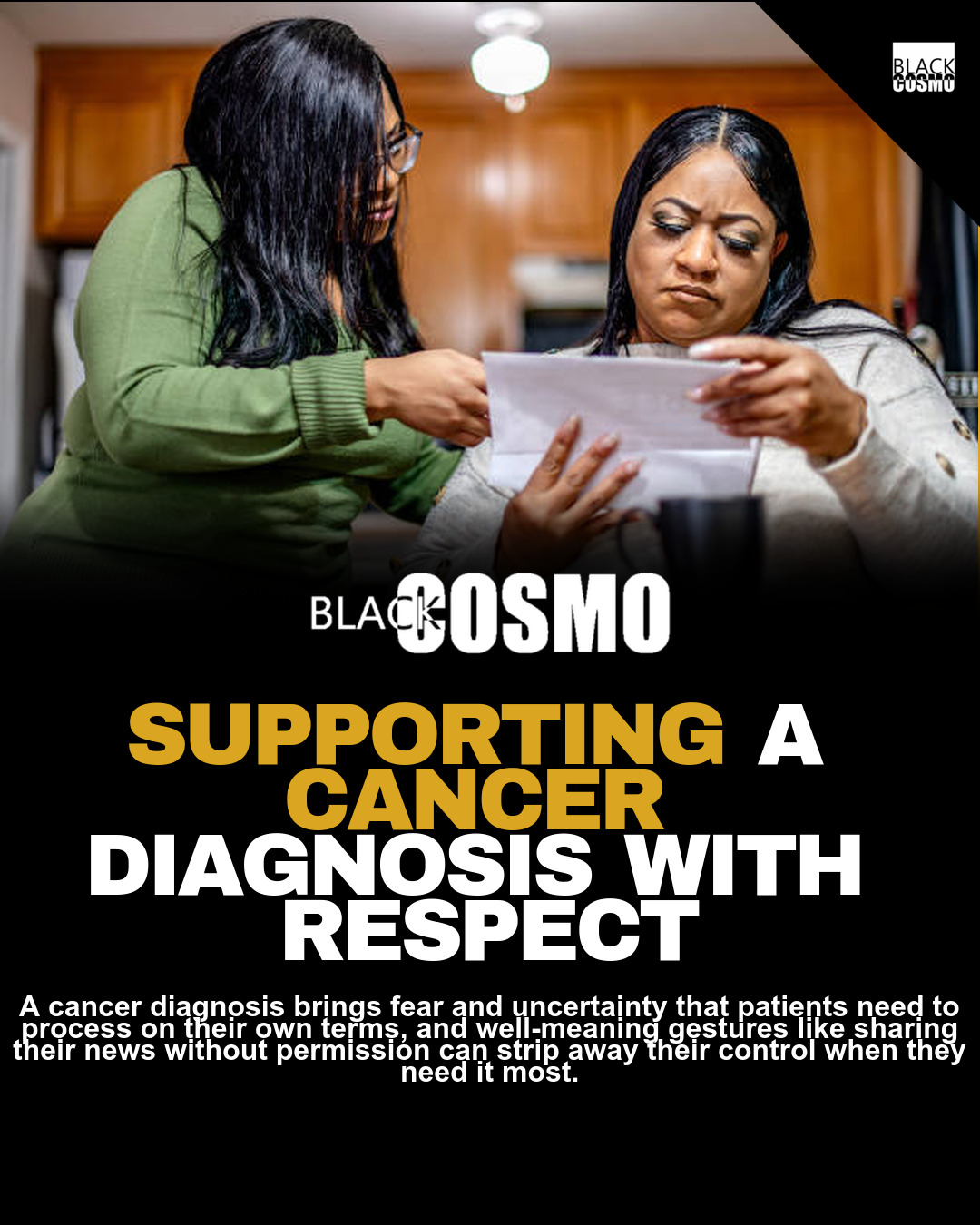
Well-meaning support can quickly cross into a breach of trust. Sharing someone’s breast cancer diagnosis without their permission—even to ask for prayers or gather support—strips away their control during a time when they need it most.
As Breast Cancer Awareness Month approaches, showing up for loved ones means learning how to offer meaningful support without overstepping. Understanding how to navigate a diagnosis with empathy, respect, and consideration for their privacy starts with recognizing that a breast cancer diagnosis isn’t just a medical event—it’s a deeply personal one that requires listening more than acting.
It’s Not Personal, It’s About Self-Preservation
If a friend or loved one doesn’t tell you about their cancer diagnosis right away, it can feel hurtful to learn they’ve been going through something so life-changing without you. That said, their decision isn’t personal. A cancer diagnosis brings fear, uncertainty, and emotional strain, and delaying the news can be a major form of self-preservation. Managing other people’s emotions, anxiety, and constant stream of questions can distract patients from processing what’s happening and prioritizing their own needs.
Constantly repeating the news often feels re-traumatizing. The patient needs to keep their strength intact, and avoiding fatigue while maintaining a sense of normalcy is a big part of this process. They’re allowed to take that time without feeling pressured to explain themselves.
The Agonizing Wait for Test Results
A cancer diagnosis doesn’t come with a neat timeline or immediate answers. Your loved one could spend weeks waiting on scans or biopsy tests, with each appointment bringing new questions and uncertainty. Results may come in slow waves—scans, biopsies, second opinions, and treatment plans. That waiting period can be exhausting on its own, so avoid pressing them for updates they may not have yet.
During this time, supporting your loved one could mean helping them maintain their normal lifestyle and being a positive part of their day. Encouraging them to focus on things that bring them joy—cooking, yoga, spirituality—can help smooth out the rough process of playing the waiting game.
The Overwhelming Emotional and Financial Load
Cancer can change nearly every aspect of a person’s daily life, including how they feel and see themselves. Between physical changes like hair loss, aches and pains, shifts in energy levels, and the side effects of treatment, patients may struggle to feel like themselves while adjusting to a new reality. These changes can take an emotional toll as they navigate a body and routine that may feel unfamiliar.
Beyond the physical toll, cancer brings significant financial stress. Shortly after receiving the news, many patients are forced to get their finances in order, spend hours on the phone with insurance companies, figure out what their coverage includes, and prepare for potential out-of-pocket expenses. Time away from work and mounting medical bills add another layer of uncertainty at an already difficult time.
Looking Good Doesn’t Mean They’re Done
Just because your loved one has had surgery, looks good, returned to work, or is in remission doesn’t mean they’re back to normal. Many patients continue to deal with lingering side effects, ongoing treatments, physical exhaustion, and the fear of recurrence long after the initial shock wears off. Appearances don’t tell the whole story, and assuming someone is fine because they look healthy can make them feel like their ongoing struggles are being overlooked.
Let them decide how much they want to share about their recovery, and don’t assume that looking better means they’re ready to talk about what they’ve been through.
Good Intentions Don’t Override Someone’s Privacy
Even if you think you’re helping by connecting two people who have cancer, sharing someone’s information or diagnosis without explicit permission disrespects both people’s privacy. The same goes for sharing their news to ask for prayers or rally support. It’s a clear case of intent versus impact: what you see as a helpful gesture could leave someone feeling exposed and stripped of control over their personal health information. Unless both people have agreed to the introduction, leave it alone.
Ultimately, supporting someone through cancer means respecting their wishes, even when you don’t fully understand them. Let them decide who knows, when they’re ready to share, and what kind of support they need before you take action.
★TR★