
Family, let’s get into the real spill—did social media actually kill the traditional PR game, or did it just force everybody to step their game up? We already know the internet thrives on chaos: a messy viral clip, a shade-filled comment section going completely off the rails, or a quick-fingered tweet can dominate the timeline in seconds. But behind every major narrative shift, true reputation management still requires chess-moves level strategy. In this masterclass of a conversation, five of the industry’s most elite, veteran Black women publicists break down exactly what public relations looks like now that everyone has a platform, “parasocial” fandoms feel deeply entitled to their faves, and a single Instagram story can completely change a career trajectory. These are the brilliant minds who have been in the high-stakes rooms, holding down the fort behind the scenes, and navigating the absolute wildest crisis moments on behalf of global icons. Go ahead and tap into their brilliance: @susiejuan @heliobrandgroup @amaiyadavispr @mzguinness @lisscpublicity.
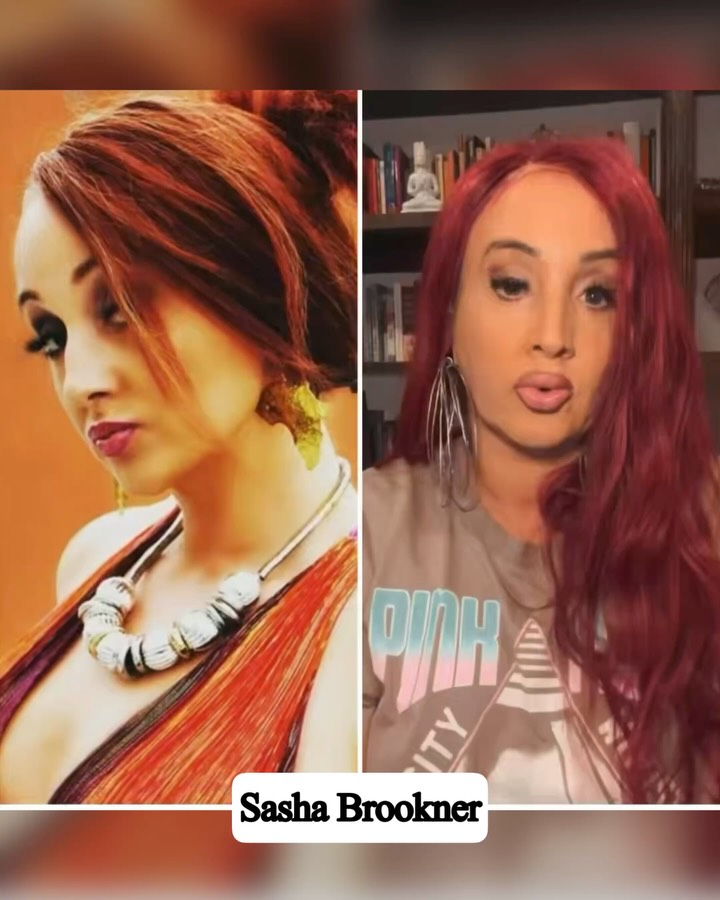
Over the past decade, the public relations industry has undergone a massive, quiet revolution. Gone are the days when a dry, carefully formatted press release and a well-placed pitch to a legacy print magazine could single-handedly dictate the trajectory of a star’s career. Today, any person with a smartphone and an opinion can broadcast to millions in real-time, completely disrupting the old guard. This fast-paced digital reality has forced a deeper, much-needed conversation about who actually controls the narrative in modern entertainment. During an intimate, powerhouse roundtable discussion, five seasoned industry veterans came together to analyze the high-stakes world of modern reputation management. Sitting at this table of heavy hitters is Sasha Brookner, the visionary founder of Helio Brand Group, who has spent decades masterfully steering high-profile talent through the most intense, high-pressure media cycles in the business.
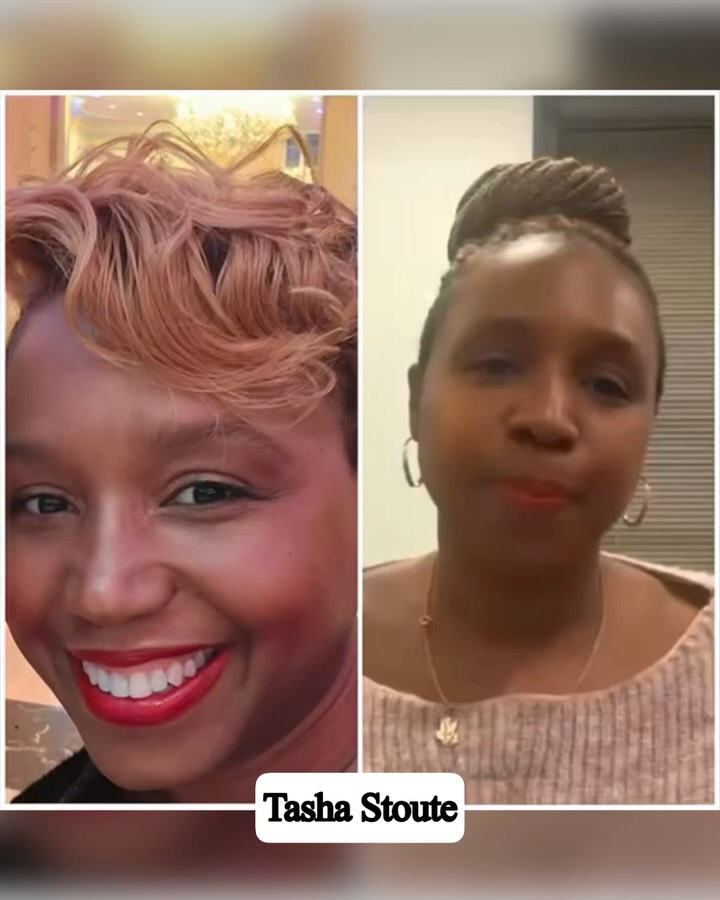
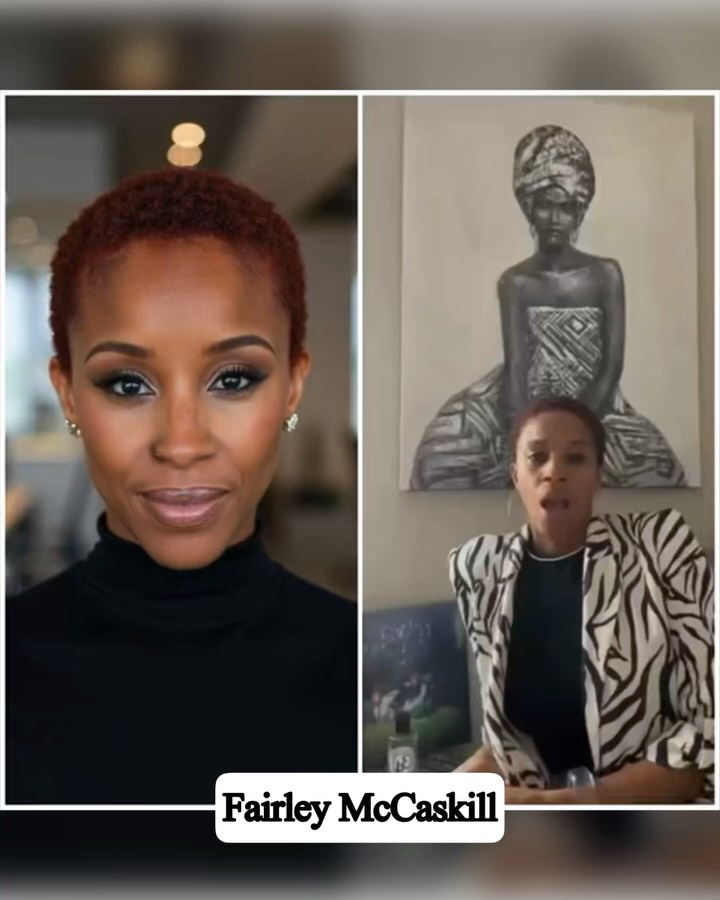
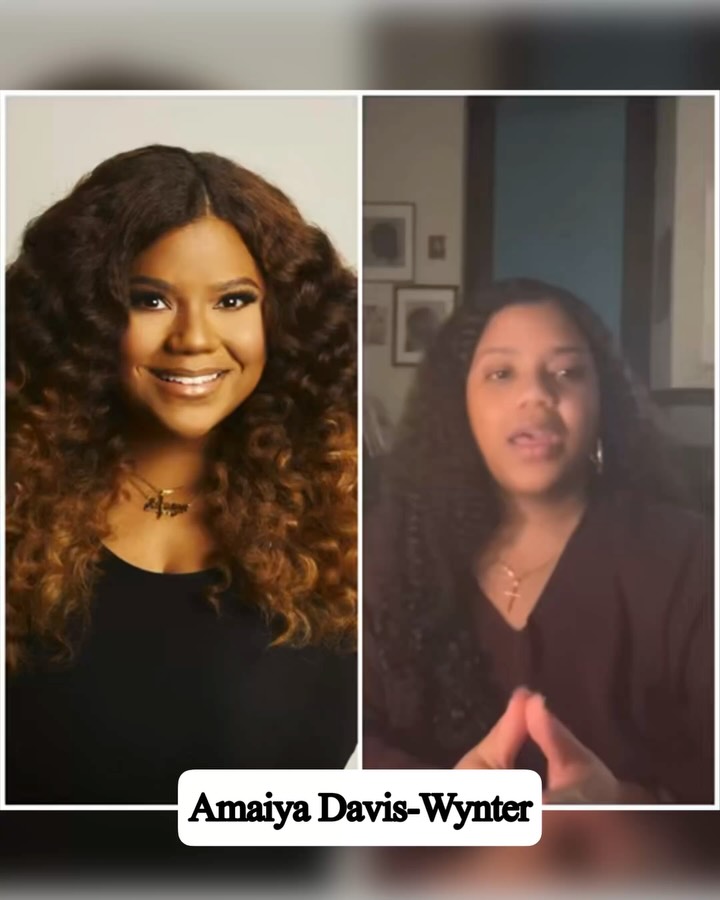
This roundtable brings together a literal dream team of Black women who have operated in the absolute trenches of the music and entertainment sectors. Alongside the legendary Sasha Brookner, this powerhouse conversation features Fairley McCaskill, the brilliant Vice President of Press and Media Strategy at Atlantic Records. McCaskill is the mastermind who has guided historic public relations campaigns for global icons like Missy Elliott and Janelle Monáe, ensuring their legacies remain untouchable. Also sitting at this table of royalty is Amaiya Davis, the Vice President of Media and Cultural Impact at Republic Records, whose work consistently bridges the gap between commercial appeal and authentic cultural relevance. Joining them are Tasha Stoute, the formidable Senior Director of Publicity at MNRK Music Group, and Felicia of Liss C Publicity, whose sharp tactics have consistently elevated independent and major brands alike. Together, these five women represent a masterclass in modern storytelling. They don’t just chase clout; they understand the profound difference between fleeting digital noise and a sustained, bulletproof legacy that spans generations.
At the absolute heart of their debate is the erosion of traditional media gatekeeping—and how that shift has completely changed the playbook. Back in the print era, media coverage was highly centralized, structured, and deliberate. Publicists acted as the ultimate cultural buffers, strictly filtering access to their clients and deciding exactly when and how a star would speak to the world. Fast forward to today, and direct-to-consumer access is the baseline expectation. Modern audiences demand an unprecedented level of intimacy, constantly craving raw, unedited, and highly vulnerable glimpses into a celebrity’s everyday life. While this direct line of communication empowers talent to tell their own stories in their own voices without corporate filters, it also leaves them incredibly exposed. A single off-the-cuff post, an emotional late-night live stream, or a misunderstood comment can instantly derail a multi-million dollar marketing campaign. Because of this, the modern publicist’s role has shifted from being a simple press coordinator to serving as a high-level strategic counsel, helping talent understand the power of silence in a world that never stops talking.
When it comes to crisis management in the modern era, the speed and precision required are unlike anything written in old-school PR textbooks. Social media doesn’t wait for business hours; it operates on a relentless, 24-hour cycle powered by outrage, instant hot takes, and swift distraction. When a controversy erupts online, waiting twenty-four hours to draft a polished, corporate-sounding official statement is no longer a viable option—by then, the internet has already played judge, jury, and executioner. The modern publicist must be able to read the digital room instantly, assessing the emotional temperature of the timeline. This roundtable highlights how publicists must act as highly intuitive, seasoned observers, quickly distinguishing between a brief online storm that will blow over by morning and a structural threat that could permanently damage a brand’s longevity. It requires a deep, cultural understanding of the specific communities driving the online conversation, and knowing how to speak directly to those spaces with genuine sincerity, rather than relying on stale corporate jargon.
Instead of merely focusing on traditional PR wins like landing standard media placements, modern strategy prioritizes deep, intentional brand alignment. This is especially critical for Black creatives, who frequently find themselves navigating mainstream institutions that love the culture but fail to comprehend its nuance or cultural resonance. The roundtable veterans argue that simply securing a glossy magazine cover or a brief television appearance is no longer the ultimate metric of a campaign’s success. Instead, the focus has shifted to orchestrating sustainable, long-term partnerships, deep community engagement, and a powerful, authentic digital footprint. Today’s publicist acts as a business architect, constructing the strategic framework that converts temporary internet viral moments into permanent ownership, equity, and generational wealth for Black talent.
Ultimately, the incredible work of these five Black women is deeply tied to cultural preservation and authenticity. They aren’t just managing public perception; they are fiercely protecting the integrity of Black storytelling. In a media landscape where Black culture is routinely commercialized, commodified, and stripped of its context, publicists like McCaskill, Davis, and Stoute ensure that the brilliant artists who create this culture retain their agency, equity, and authentic voice. They provide an indispensable protective shield, allowing Black talent to show up unapologetically as their true selves in corporate spaces that might otherwise try to sanitize, dilute, or silence them. In the end, social media didn’t kill public relations. It simply stripped away the comforting illusion of control, leaving behind a new era that demands deeper cultural strategy, lightning-fast reflexes, and an unwavering commitment to telling the raw, uncompromised truth.