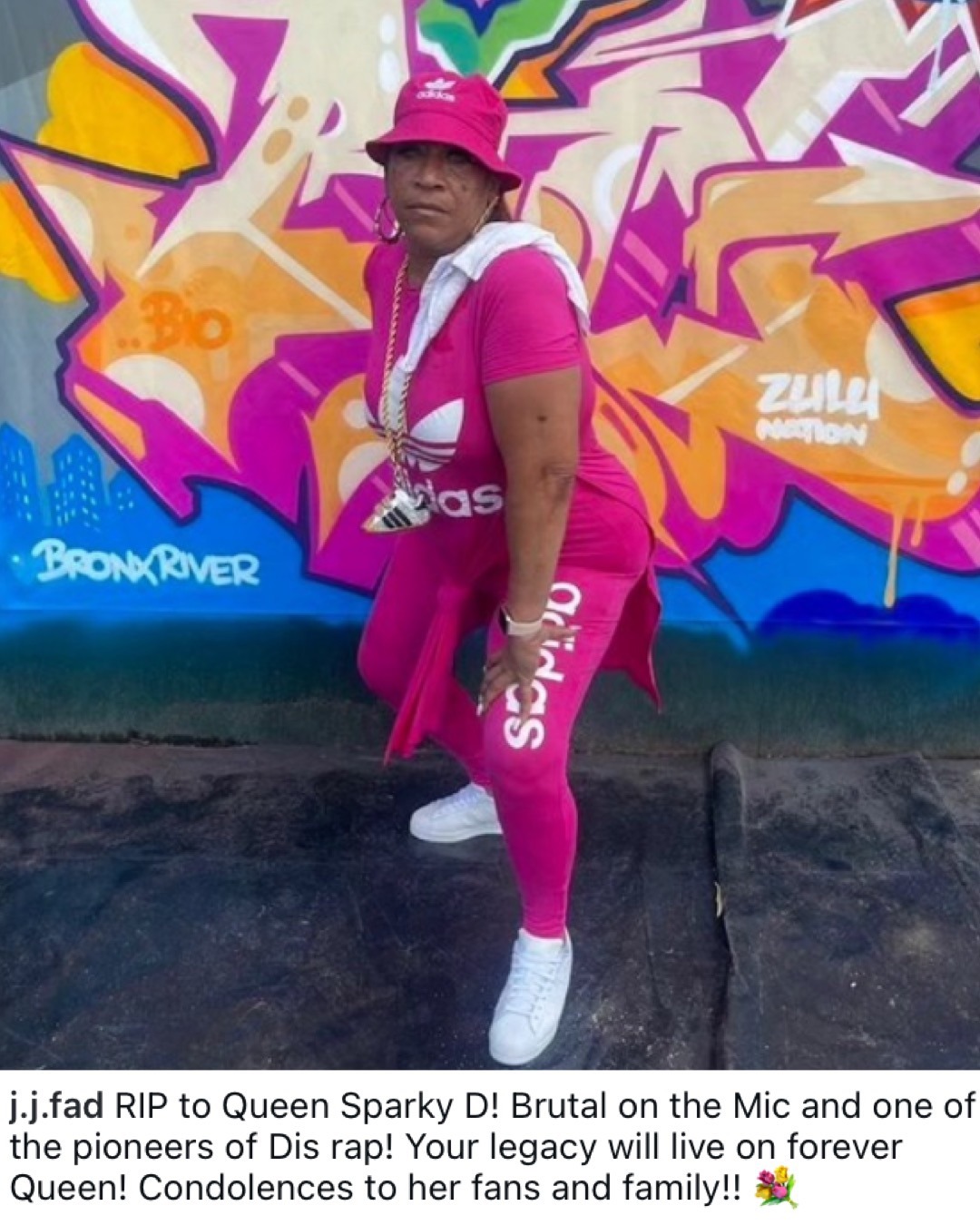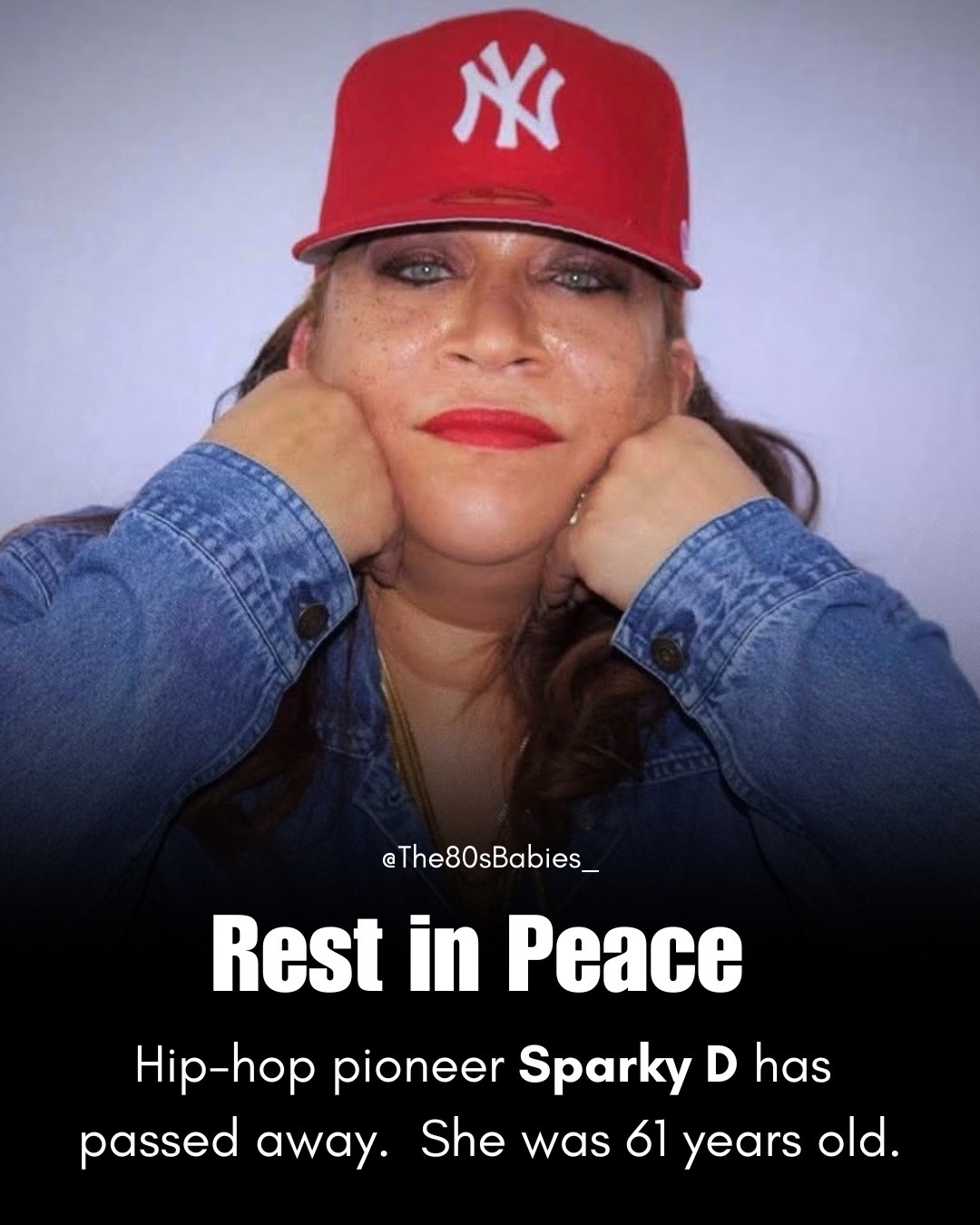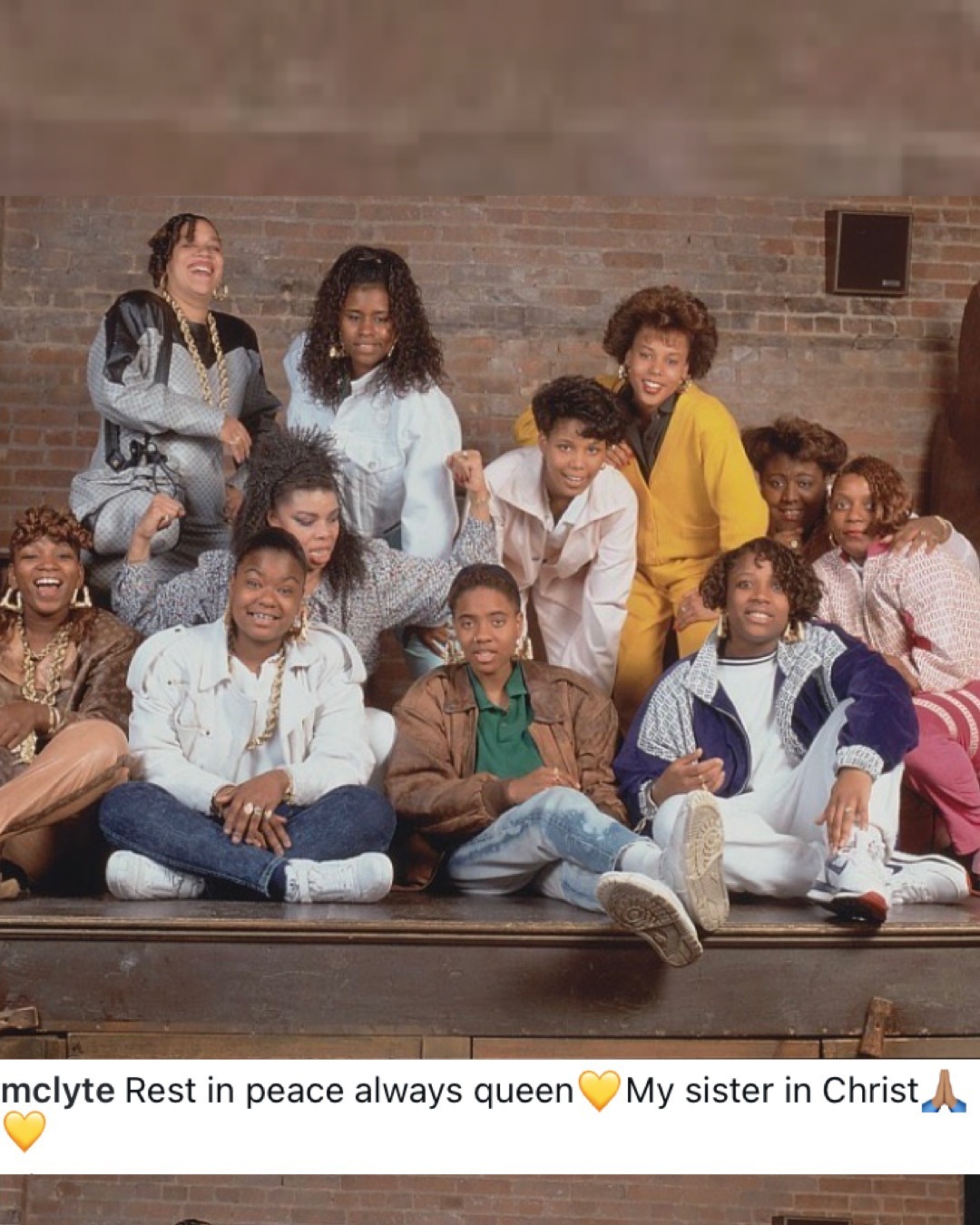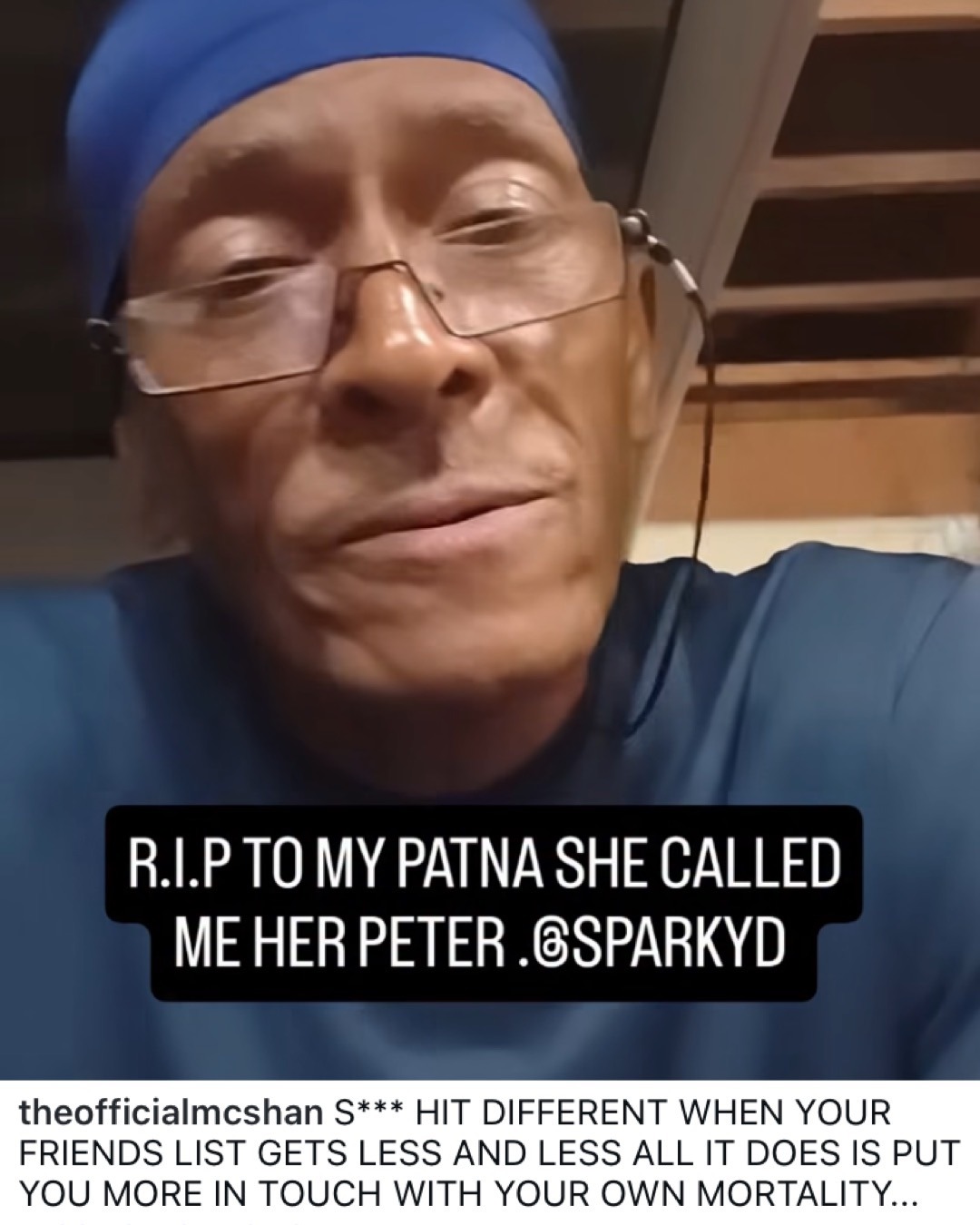

Hip-hop has lost one of its original mic commanders. Doreen Broadnax, known to the world as the fierce and unyielding Sparky D, has passed away at the age of 61. For generations of heads who remember the crackle of vinyl and the fierce pride of New York’s outer boroughs, this loss hits deep. She did not just participate in early hip-hop. She helped build its combative, lyrical foundation from the ground up.
Born and raised in the Van Dyke Housing Projects of Brownsville, Brooklyn, Doreen Broadnax faced the raw grit of city life early. She was a product of her environment in the best way possible, absorbing the rhythms, the boasts, and the street-level poetry that defined the early eighties. Around 1983, she joined a local rap group called The Playgirls alongside Lisa (City Slim) and Mona (Mo Ski). Together, they recorded “Our Picture of a Man” for Sutra Records, introducing her voice to a growing underground audience. But it was her partnership with producer Spyder D that set the stage for her defining moment on the microphone.
The Flame of the Roxanne Wars
To understand the stature of Sparky D, one must look back to 1984. A young Roxanne Shante had fired shots across the boroughs with “Roxanne’s Revenge,” a response to UTFO’s “Roxanne, Roxanne.” The track was a local sensation, circulating heavily on WBLS’s Mr. Magic’s Rap Attack. Hearing the record on New Year’s Eve, Spyder D knew there had to be an answer from Brooklyn. The next morning, he got Doreen into the studio.
The result was “Sparky’s Turn (Roxanne, You’re Through),” released on NIA Records in 1985. It was a fierce, sharp-tongued rebuttal that instantly caught fire. The record sold over 300,000 copies, earned a gold certification, and kicked off the famous Roxanne Wars. This was not a soft pop rivalry. This was street-level lyricism at its finest, proving that female emcees could trade verbal blows with the absolute best in the business. Rather than adapting to a male-dominated battle space, she aligned with its competitive core to define it, setting a high standard for microphone dominance.
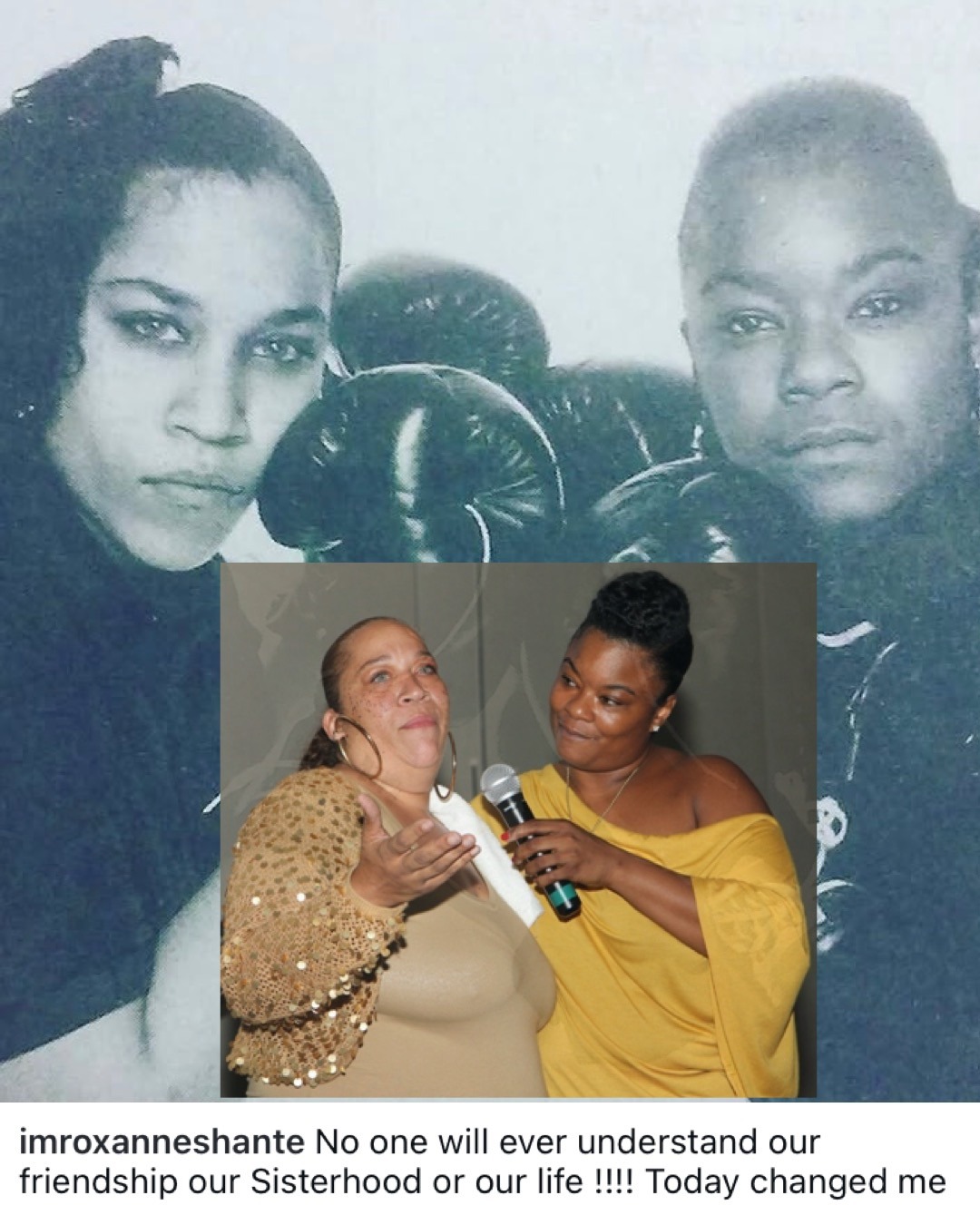
Later that year, the two competitors took the rivalry directly to the wax with “Round One, Roxanne Shanté vs Sparky Dee.” They traded freestyles and disses in a raw display of lyricism. It was the first time two female artists clashed so publicly and successfully, establishing a template for every battle rap league that would emerge decades later.
A Life of Resilience and Faith
The path of an early hip-hop artist was rarely smooth. Doreen Broadnax openly shared the struggles that came after the initial rush of fame. She dealt with severe personal hardships, including domestic violence and drug addiction. Yet, her story was not defined by those battles, but by how she overcame them. She reclaimed her life, eventually relocating to Atlanta to be closer to her children and dedicating herself to her faith. She transitioned her musical talents into the gospel rap circuit, earning a Gospel Choice Award in 2007 for her track “This is for the church.”
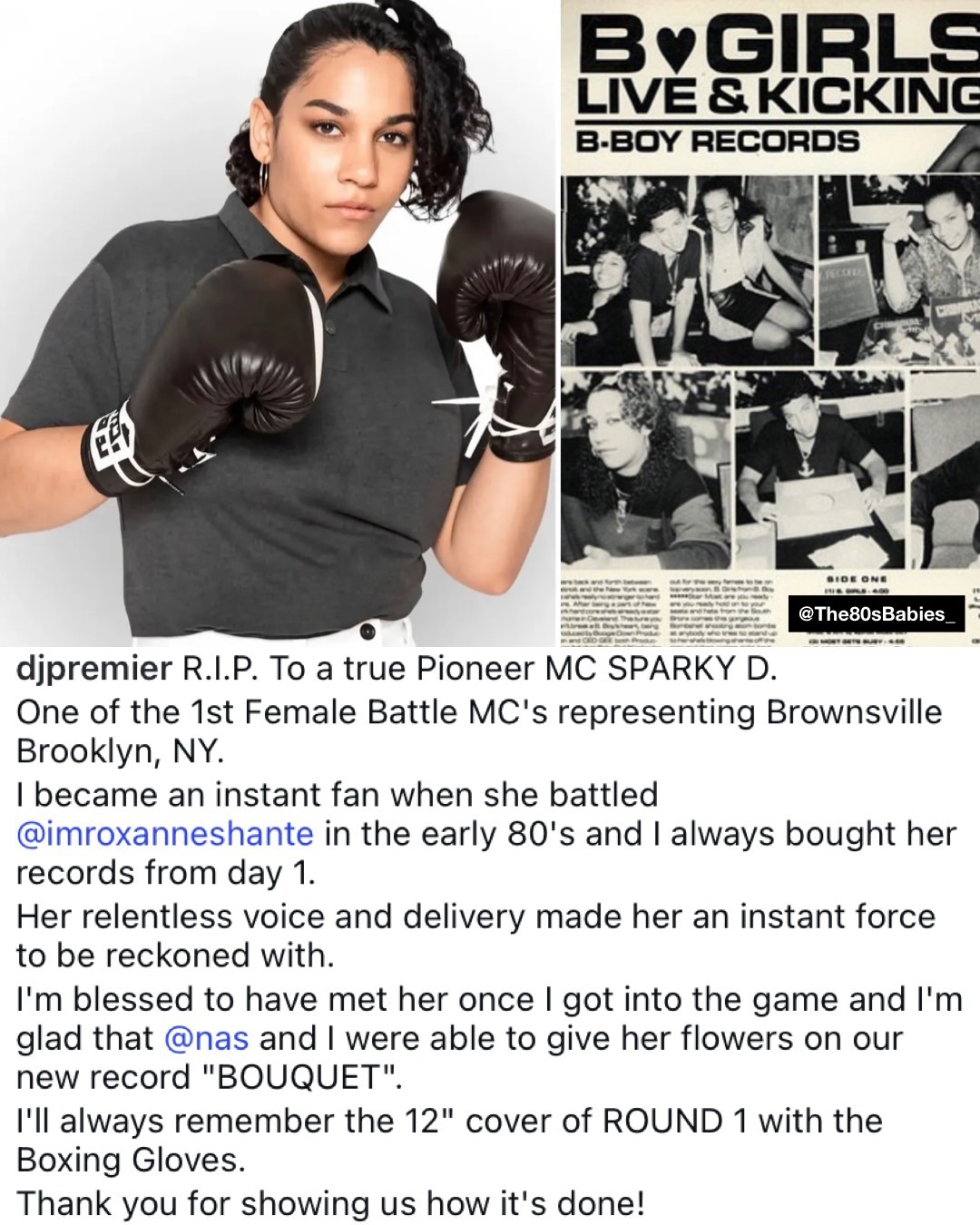
Her authenticity made her a highly respected figure. In recent years, legends continued to pay her homage. Just recently, Nas and DJ Premier recognized her on their track “BOUQUET,” giving her flowers while she could still smell them. Upon hearing of her passing, DJ Premier shared a touching tribute, recalling how he became an instant fan in the early eighties and praised her relentless voice and delivery.
The departure of Doreen Broadnax leaves a void in the history of East Coast hip-hop, but her records stand as permanent markers of an era when the culture was raw, competitive, and entirely pure. She showed the world that a girl from Brownsville could stand toe-to-toe with anyone, mic in hand, and command absolute respect. Our thoughts are with her family, friends, and the global hip-hop community mourning this true pioneer.