Home Blog Page 104

Ayra Starr Schön! Magazine June 2026 Cover Story

0

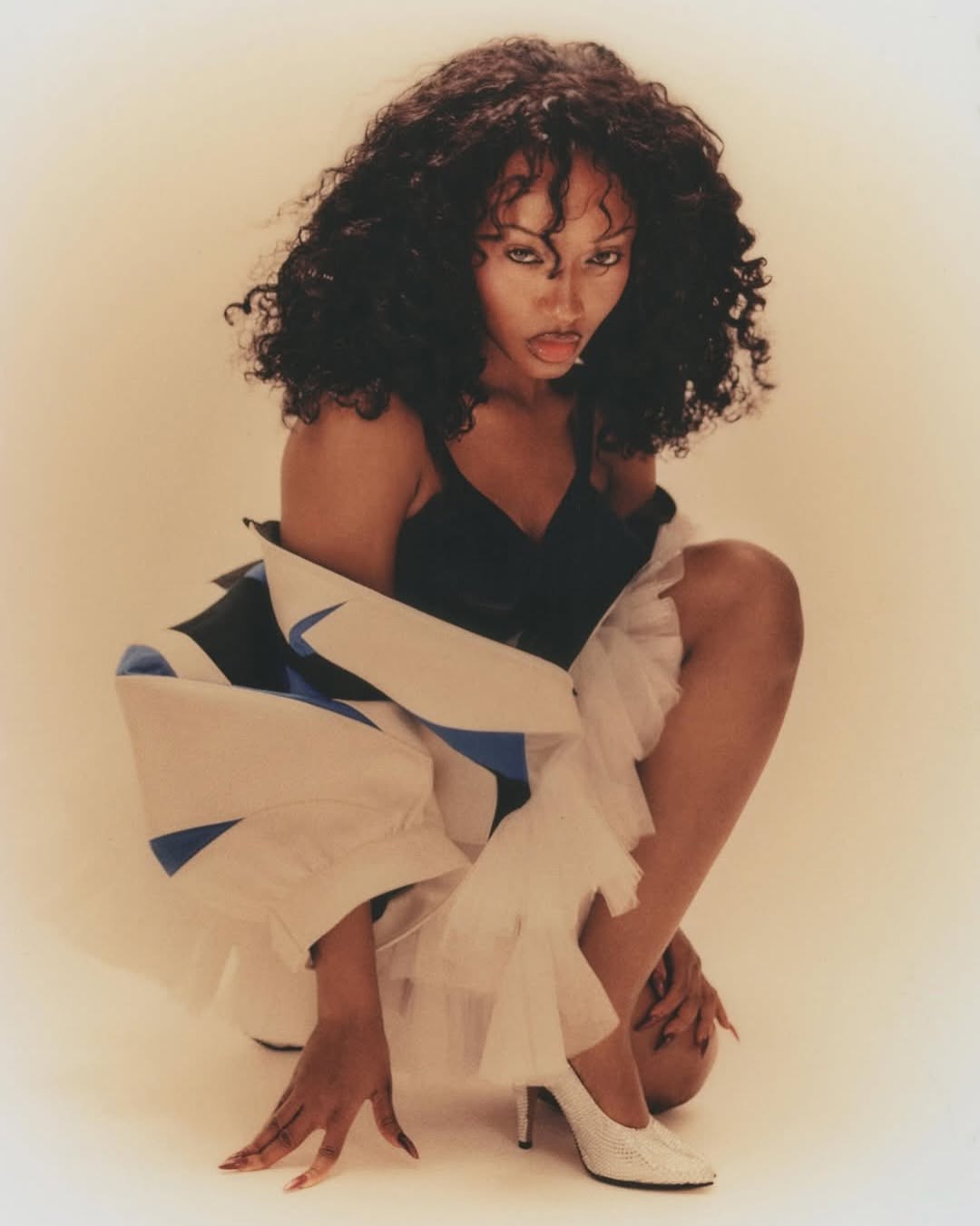
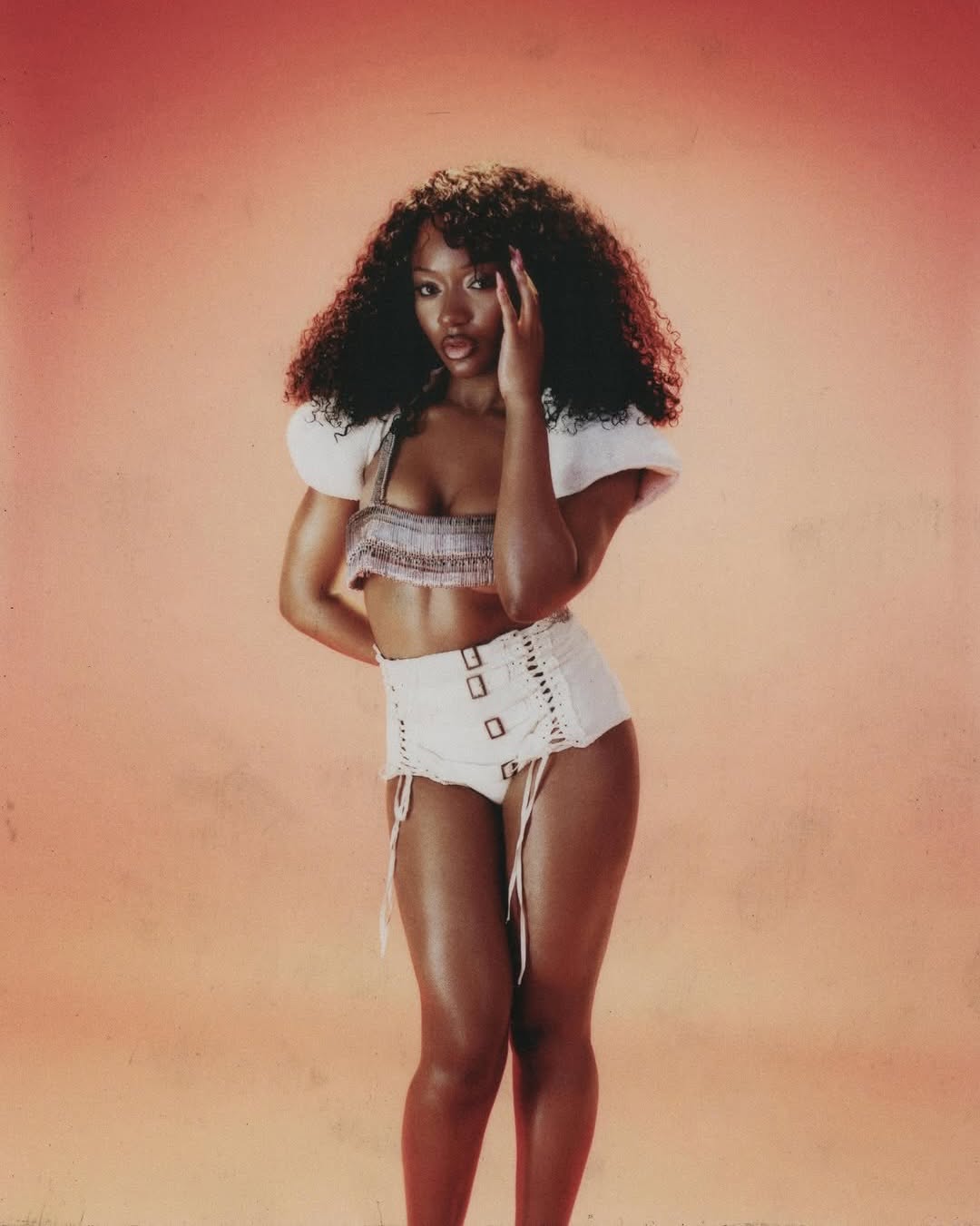
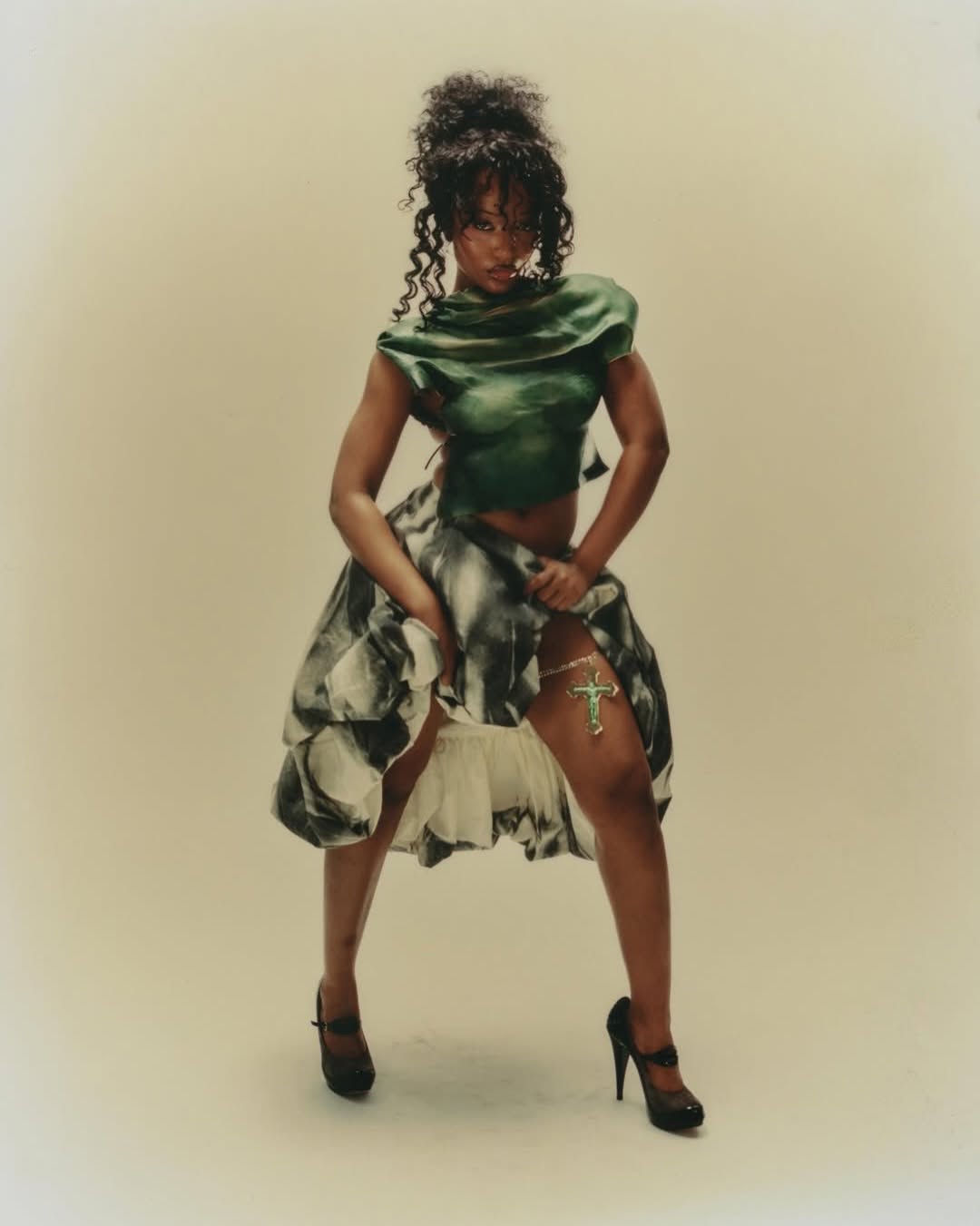
The rise of West African talent on global platforms is no longer a trend to be watched from a distance. It is the current reality of the global entertainment ecosystem. This presence is felt clearly in the latest milestone from Schön! Magazine. For its 50th issue, marking fifteen years of independent publishing, the outlet selected Nigerian singer Ayra Starr to front its digital cover story. It is a choice that matches the artist’s rapid ascent and her firm hold on the international music scene.

The feature arrives at a crucial point in the career of Ayra Starr. Having already crossed the seven billion stream threshold globally, she has transitioned from a promising regional talent into a global force. Her early catalog, led by the massive track Rush, laid a foundation that proved her appeal was not limited by borders. Now, she is preparing to release her third studio album, titled Starr Girl, on August 14, 2026. This project follows her sophomore record, and the magazine feature serves as an opening statement for this new creative era.

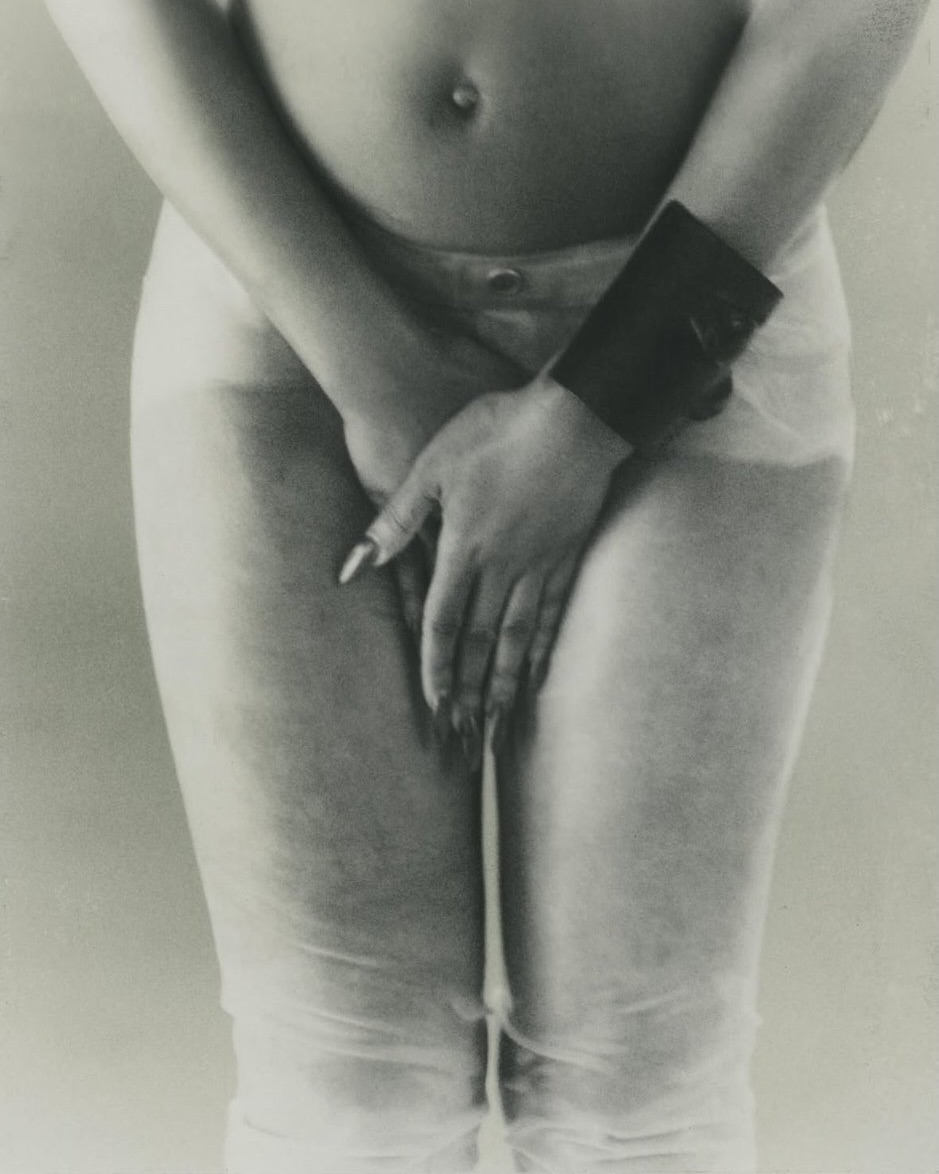
Photographer Cody Lidtke and fashion director Dominick Barcelona constructed an aesthetic that feels both raw and deliberate. Their visual direction for the cover story emphasizes her distinct identity. The styling team outfitted her in a mix of high-concept designs, blending archival pieces with elements of modern luxury fashion. She wears structured pieces from Gabe Gordon and Junya Watanabe, accented by accessories that offer a sharp contrast to the minimalist backdrop. Every frame presents an artist who understands how to present herself to the camera without losing her sense of self.

Her clarity of self takes center stage in the conversation with writer Shama Nasinde. Speaking on her artistic purpose, she notes that her music is specifically made for confident women and those who have always recognized their own differences. Such a perspective acts as more than a marketing angle. It is the defining feature of her music. Her tracks have found a home with listeners who value self-assurance and directness. Her rise from recording simple cover videos on Instagram to playing the Met Gala and the MOBO Awards shows how a clear vision can carry an artist across the globe.

Behind the scenes, the creative team for this shoot represents a highly skilled collective. Kadijah Balde handled hair styling using GHD tools, while Jeannette Williams created the makeup looks using products from PAT McGRATH LABS. Production by Cassidy Cocke and styling assistance from Endya Simone and Poppy Baring ensured that every element of the visual package met the high standards of an international publication. The result is a profile that focuses on her perspective rather than just her image.

The milestone 50th issue of Schön! Magazine reveals the shifting dynamics of global media. Independent publications are finding success by focusing on artists who bring their own established followings and distinct perspectives. For this feature, the publication did not attempt to fit her into a standard Western pop mold. Instead, they allowed her Nigerian heritage and personal style to guide the creative direction. It is a clear indication that the global market is ready to meet African stars on their own terms.

As her new single Tornado reaches listeners, the build-up to her next album continues to grow. She is proving that her initial success was merely the starting point of a much longer journey. By maintaining control over her image and her music, she is building a sustainable path that will influence the industry for years to come.

Editor’s Culture & Lifestyle Picks

To dive deeper into the themes of identity and creative triumph, browse our curated collection of Black literature focused on modern African art and narrative history.

For high-fidelity listening of her upcoming release, check out these active noise cancelling headphones to catch every detail in her layered vocal production.

Complete your personal collection with this signature, long-lasting perfume that adds a touch of sophistication to your daily routine.

Huda Mustafa and Louis Russell Break Up

Love Island USA season 7 alum Huda Mustafa and reality TV personality Louis Russell are calling it quits. The two confirmed their split to TMZ on Wednesday after dating following her time in the villa.

“We want to share that after taking time to reflect on what’s best for us both, we have mutually decided to part ways for the time being,” they said in a joint statement. Huda is focusing on her daughter, music, and the exciting opportunities ahead, while Louis is centered on fatherhood and future projects. Both said they remain friends with utmost respect and love for one another. Check out more on Love Island USA breakups and reality TV drama.

Huda, who shares daughter Arleigh with ex Noah Sheline, gained wider attention on Love Island USA, finishing third with Chris Seeley. Their connection ended during the finale. Louis previously appeared on Too Hot to Handle and later joined Perfect Match season 3.

The relationship had its share of drama. In 2025, Huda apologized after appearing to laugh during a livestream in which a caller used a racial slur about costar Olandria Carthen. She explained the laugh was “a nervous, uncomfortable reaction” — the kind of moment that tests your composure in real time.

Louis has also navigated family court matters involving ex Nicole Olivera and their son, Luka. Earlier this month, he requested that his custody case against Olivera be dismissed. Court records seemingly backed up Nicole’s claims that Huda was harassing Louis and threatening to injure herself if he didn’t leave the apartment and come to her.

It’s a messy situation all around. Sometimes reality TV connections just don’t translate to lasting partnerships, and that’s okay.

★m★

Nicki Minaj Wishes Donald Trump Happy Birthday with AI Art

0

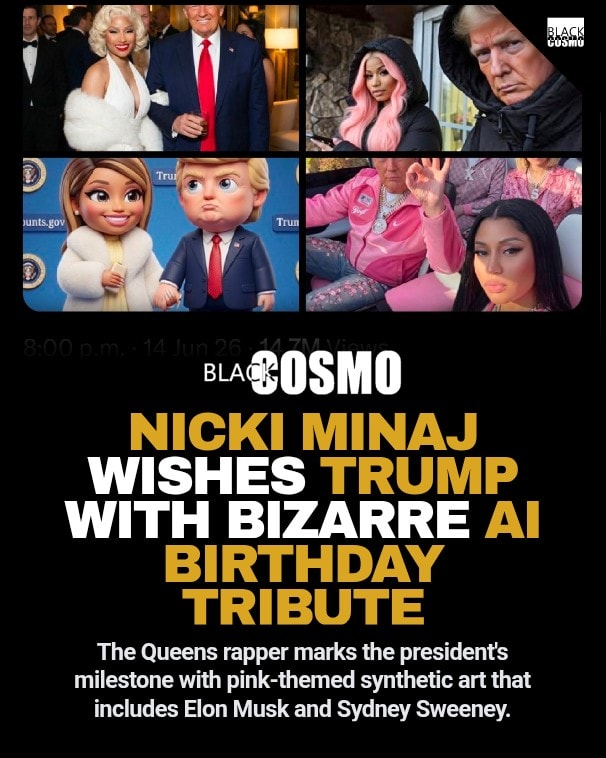
The line between high-profile performance and real-world politics continues to blur in ways nobody could have anticipated. This week, Nicki Minaj decided to celebrate Donald Trump turning eighty by uploading a series of artificial intelligence-generated photos on her social media feed. The resulting Nicki Minaj Trump AI birthday tribute has the entire culture talking, not just because of the bizarre nature of the images, but because of what this alliance says about the rapper’s current political trajectory.

While some observers might view this as another elaborate troll from the Queens native, the gesture highlights a deeper connection that has been building for months. This is not a sudden pivot for Nicki Minaj. Ever since she attended the Trump Accounts Summit in Washington earlier this year and declared herself the president’s number one fan, her public support has remained steady despite intense pushback. The newly shared Nicki Minaj Trump AI birthday tribute pushes her political alignment further into the spotlight, trading traditional photo-ops for highly stylized, simulated scenarios that feel both surreal and calculated.

Let’s break down the actual images she posted on X with the caption “Happy 80th birthday Mr. President 🎉🎀”. The carousel begins with a shot of the rapper in full Marilyn Monroe cosplay, sporting platinum blonde hair and a plunging white gown while standing alongside Trump in a classic navy suit and red tie. From there, the aesthetic takes a sharp turn. The second image shows the pair clad in matching black puffer jackets. Written across the frame in bold lettering are the words, “Real recognize real.” The third slide moves away from live-action simulation, rendering the two as cute chibi-style cartoon figures holding hands.

But the final slide has caused the most bewilderment. It features the president and the rap queen in the front seats of a hot pink luxury convertible. Both wear matching bright pink tracksuits and massive diamond-encrusted chains. Sitting in the back seat of this simulated ride are Tesla chief Elon Musk and actress Sydney Sweeney, also decked out in matching pink apparel and heavy jewelry. The bizarre inclusion of Sweeney has left many onlookers completely baffled, with social media comments instantly filling with questions about how the actress ended up in the backseat of this AI-generated joyride.

This online display is merely the latest chapter in a growing public rapport between the musician and the president. During a Black History Month reception at the White House, Trump publicly praised her, describing her as beautiful and noting that she gets it. Her defense of his administration has alienated segments of her core fanbase. Critics have pointed out the irony of an influential Black artist using synthetic imagery to celebrate a political figure whose policies and rhetoric have often stood in direct opposition to civil rights and minority communities. Rather than retreating from the controversy, she seems to lean in, using these synthetic images to bypass the traditional media filter.

This political alignment does not exist in a vacuum. Over the past few presidential cycles, a growing number of high-profile rap figures have publicly warmed to conservative politics, challenging the long-held assumption that hip hop automatically connects with progressive platforms. Whether through pardons, tax policy discussions, or direct public endorsements, these interactions have forced a renegotiation of how political influence is spent in the music industry. Minaj is not adjusting to this political arena; she is defining it on her own terms, using her massive digital platform to normalize these connections.

The use of synthetic imagery itself carries a peculiar weight. By choosing to celebrate the president with obvious artificial graphics rather than real photographs, the artist crafts a fantasy world where she and Trump are co-stars in a pink-tinted block party. In this digital playground, the severe realities of presidential politics are replaced with the harmless aesthetics of cartoon figures and pink convertibles. This deliberate choice of medium creates a buffer of plausible deniability, letting her express loyalty while keeping the serious, real-world implications of her endorsement at a playful distance.

Some commentators suggest that her defense of Trump is motivated by personal and legal struggles, pointing to her husband’s past convictions and her brother’s legal troubles. In her view, speaking out is a matter of courage. She recently noted that several of her celebrity peers harbor similar political views but are too afraid to voice them in public. By serving as the visible frontrunner for this unexpected political alliance, she is redefining her relationship with her audience and daring them to turn away.

50 Best Black Actors in TV History

0

From Pioneers to Primetime Giants: The Men Who Built TV

Television has always been a battleground for representation, but the Black men who stepped in front of the camera didn’t just participate—they conquered. For decades, Black male actors have dismantled stereotypes, breathed depth into complex characters, and commanded the small screen with unmatched gravitas. From groundbreaking sitcoms that mirrored our living rooms to gritty police dramas that redefined prestige television, these 50 legendary performers didn’t just entertain us; they shaped our collective culture and set the gold standard for artistic excellence.

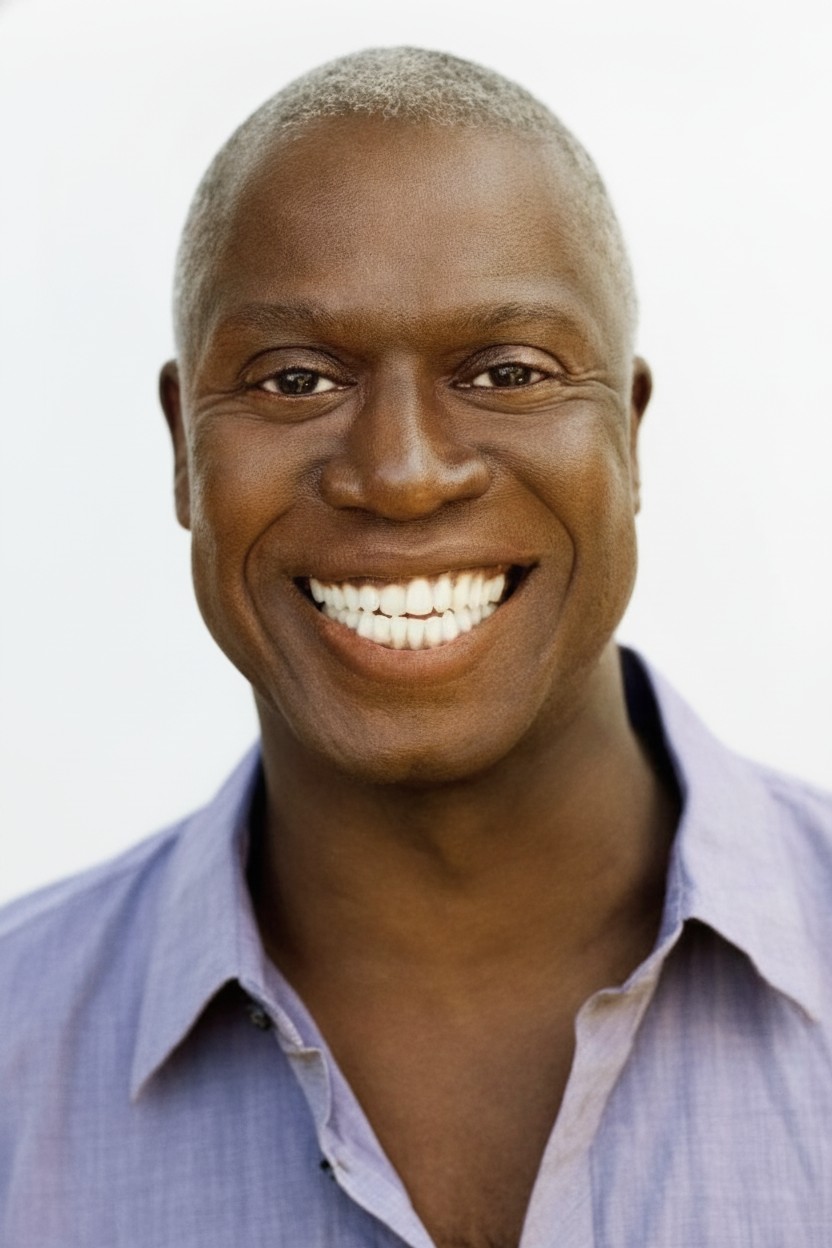
Andre Braugher

The late Andre Braugher remains the blueprint for dramatic intensity and comedic genius. He first shook the industry as the fierce Detective Frank Pembleton in ‘Homicide: Life on the Street,’ earning critical acclaim and Emmys. Decades later, he introduced himself to a new generation as the deadpan, beloved Captain Raymond Holt on ‘Brooklyn Nine-Nine.’ Braugher possessed a Shakespearean vocal presence that could instantly command any room.

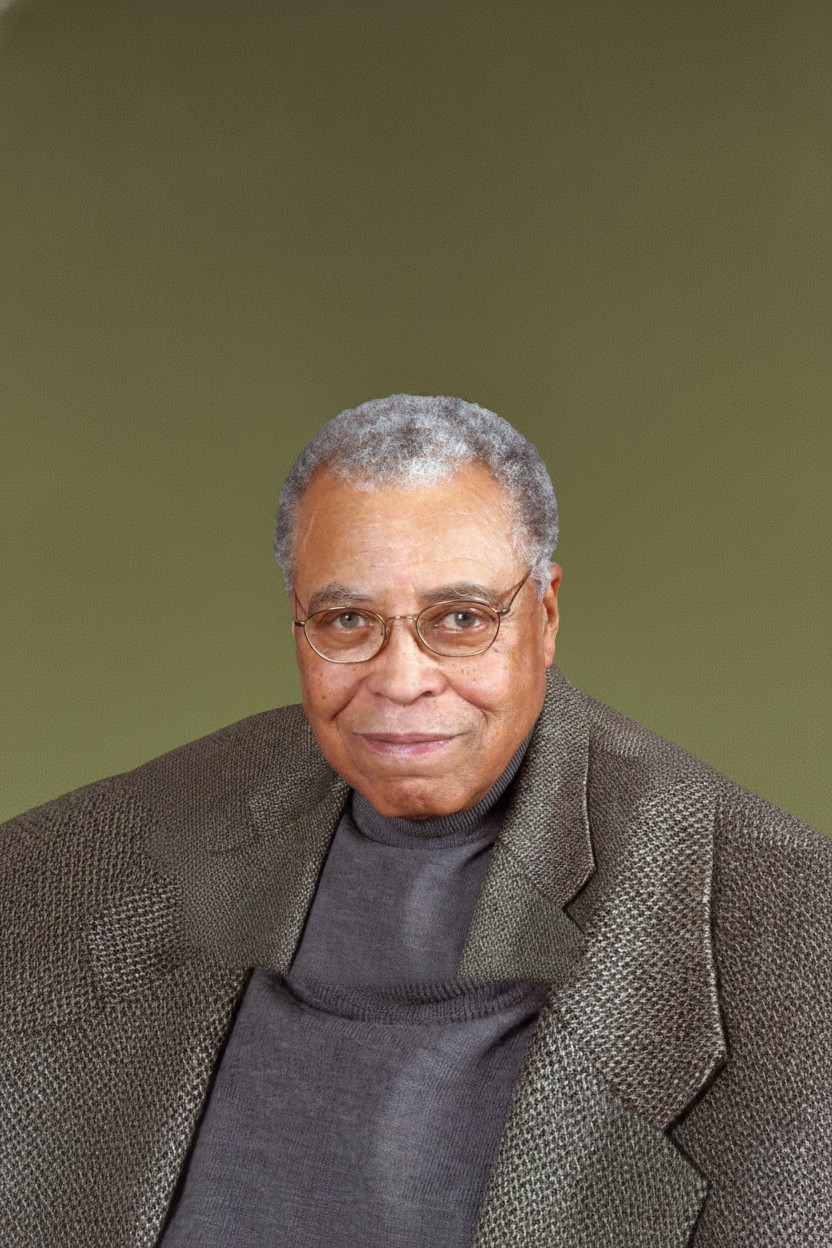
James Earl Jones

Few voices carry the ancestral weight and power of James Earl Jones. On the small screen, his performance as the elder Alex Haley in ‘Roots’ grounded the historic miniseries, while his leading turn in ‘Gabriel’s Fire’ showcased his unmatched dramatic depth. Jones bridged the gap between stage authority and television intimacy, cementing himself as an irreplaceable icon.

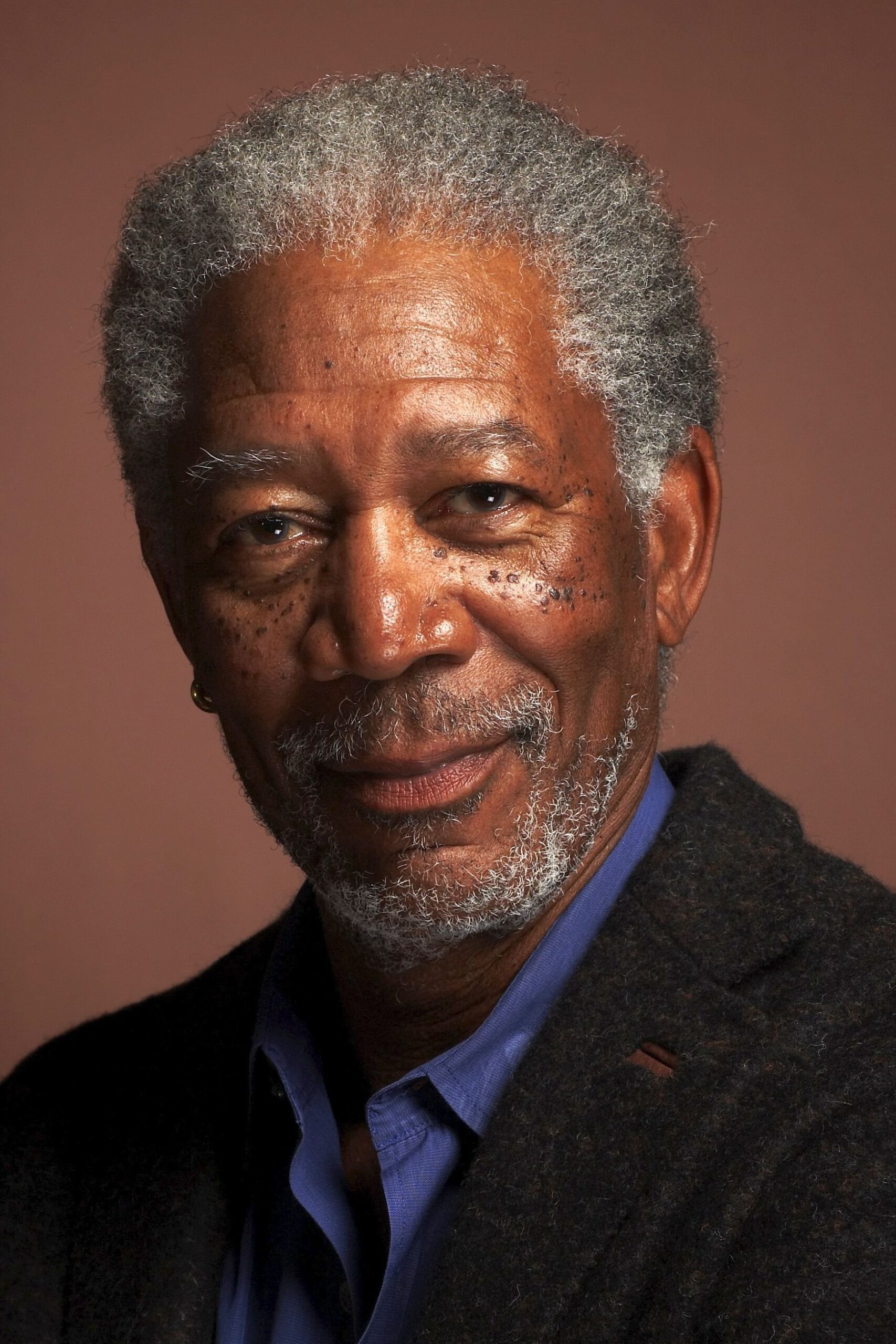
Morgan Freeman

Long before his name became synonymous with the voice of God in cinema, Morgan Freeman was a vibrant television pioneer. As the cool, literacy-promoting Easy Reader on ‘The Electric Company,’ Freeman captured the imagination of millions of children. This early run proved his natural charisma and laid the foundation for one of the most storied careers in Hollywood history.

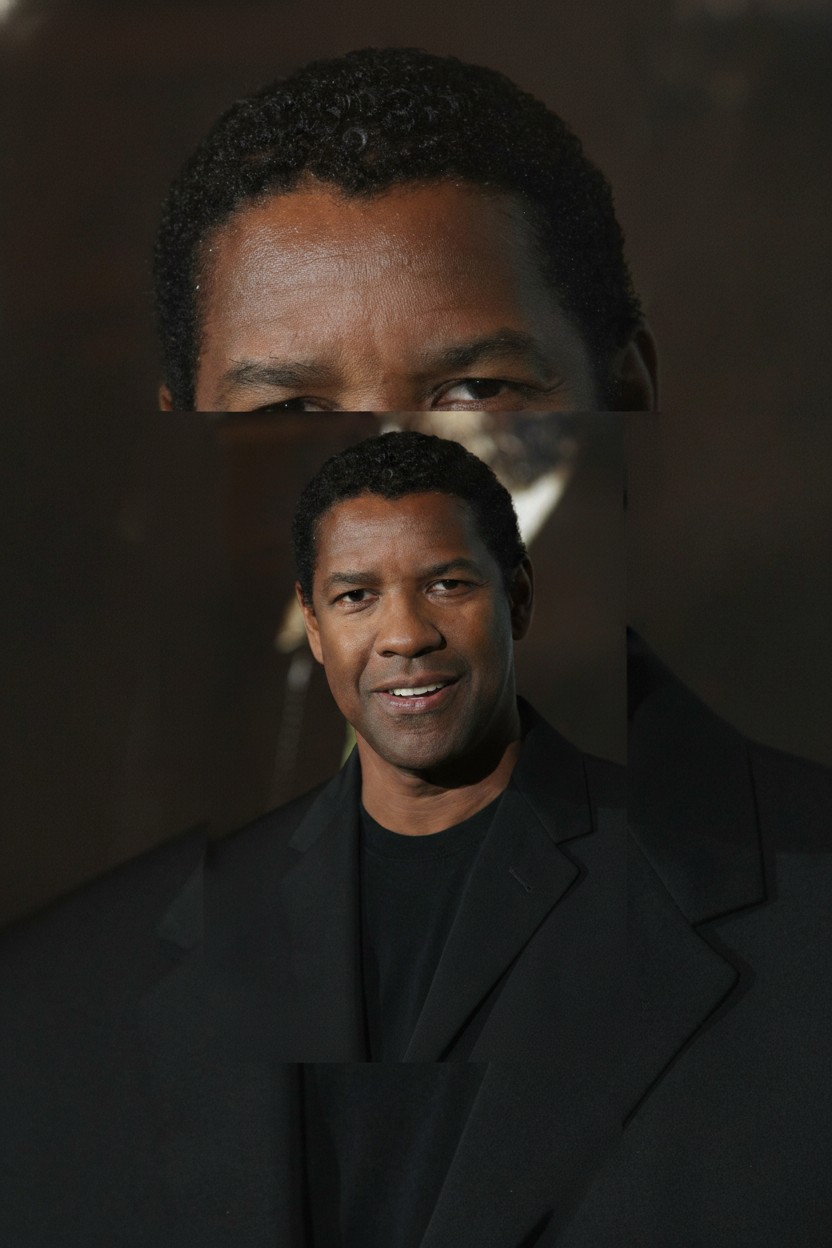
Denzel Washington

Before he was a global cinematic titan, Denzel Washington was Dr. Philip Chandler on the legendary medical drama ‘St. Elsewhere.’ For six seasons, Washington brought a magnetic charm and sharp intelligence to the ensemble, proving even then that his star power was destined to disrupt the entire entertainment industry.

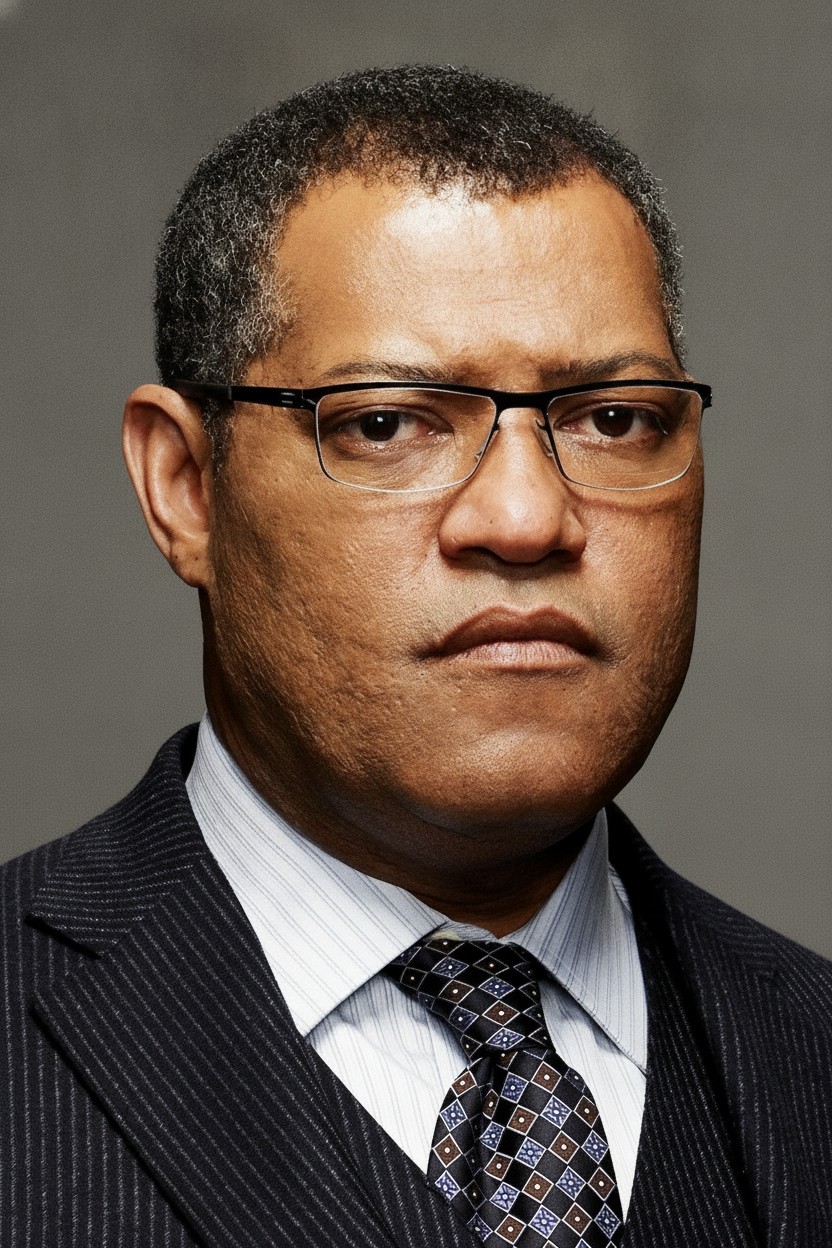
Laurence Fishburne

Versatility is Laurence Fishburne’s superpower. Whether leading ‘CSI’ as a brilliant criminologist, playing the terrifyingly complex Dr. Hannibal Lecter, or keeping us laughing as the old-school patriarch Pops on ‘Black-ish,’ Fishburne effortlessly slides between high-stakes drama and cultural comedy.

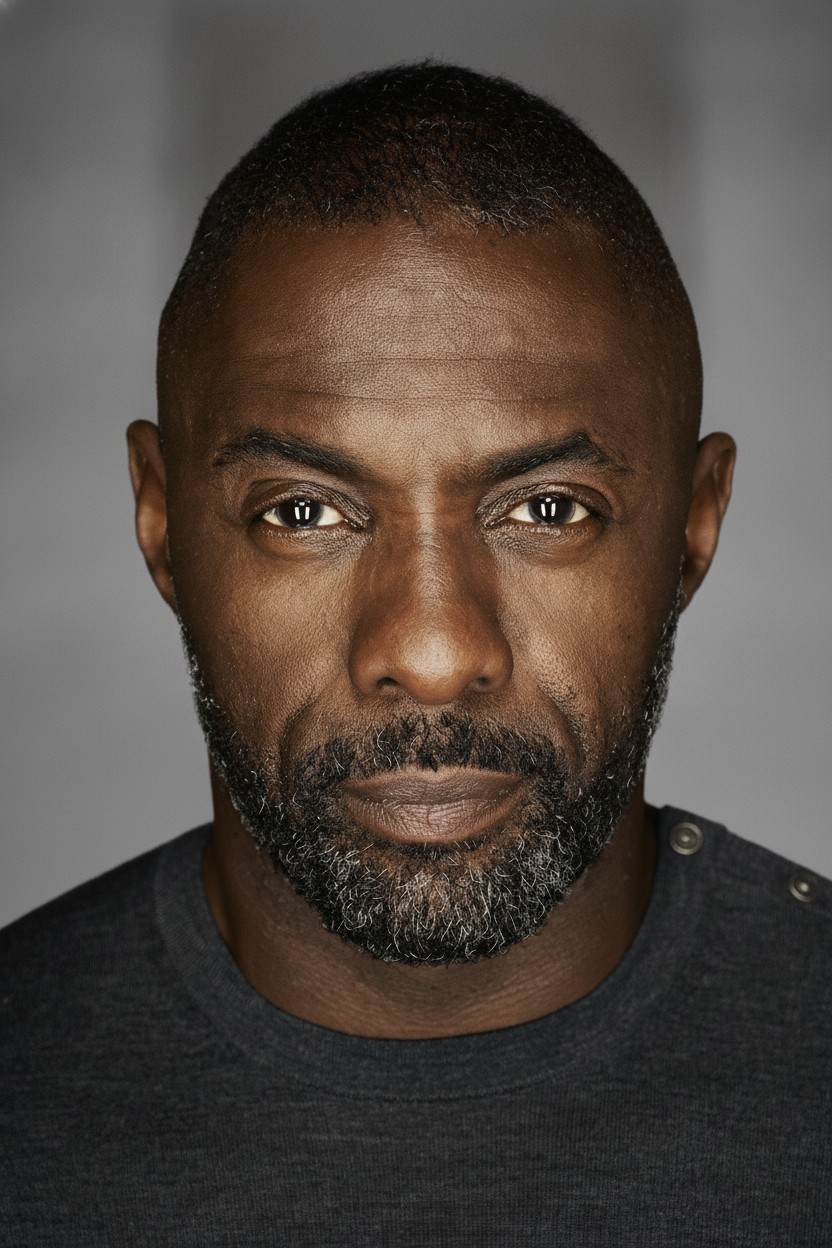
Idris Elba

As Stringer Bell in ‘The Wire,’ Idris Elba delivered a masterclass in anti-heroism that changed TV forever. He followed that cultural phenomenon with his tour de force performance in the British crime saga ‘Luther,’ winning a Golden Globe and solidifying his global leading man status.

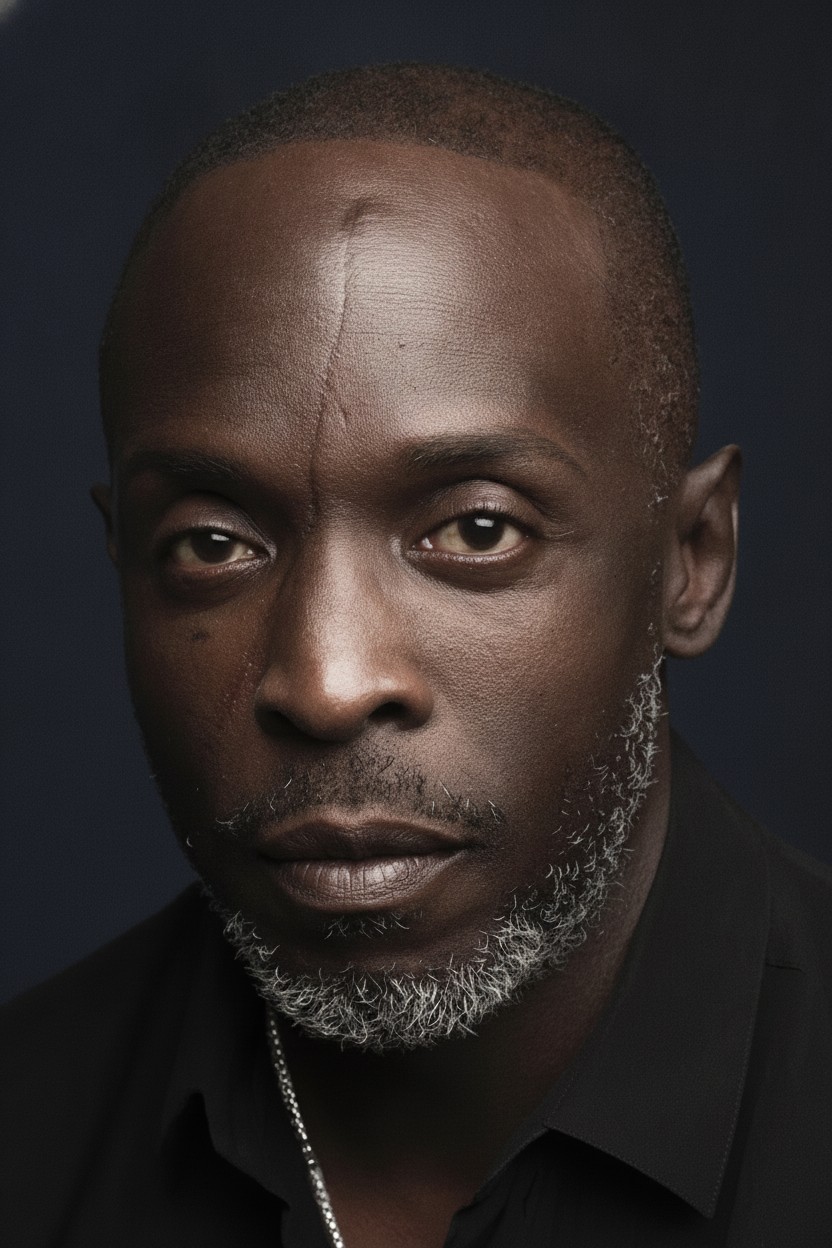
Michael Kenneth Williams

The late Michael Kenneth Williams breathed life into Omar Little on ‘The Wire,’ creating one of the most revolutionary and universally praised characters in TV history. With deep empathy and raw authenticity, Williams consistently championed marginalized voices, leaving behind a flawless legacy in projects like ‘Boardwalk Empire’ and ‘When They See Us.’

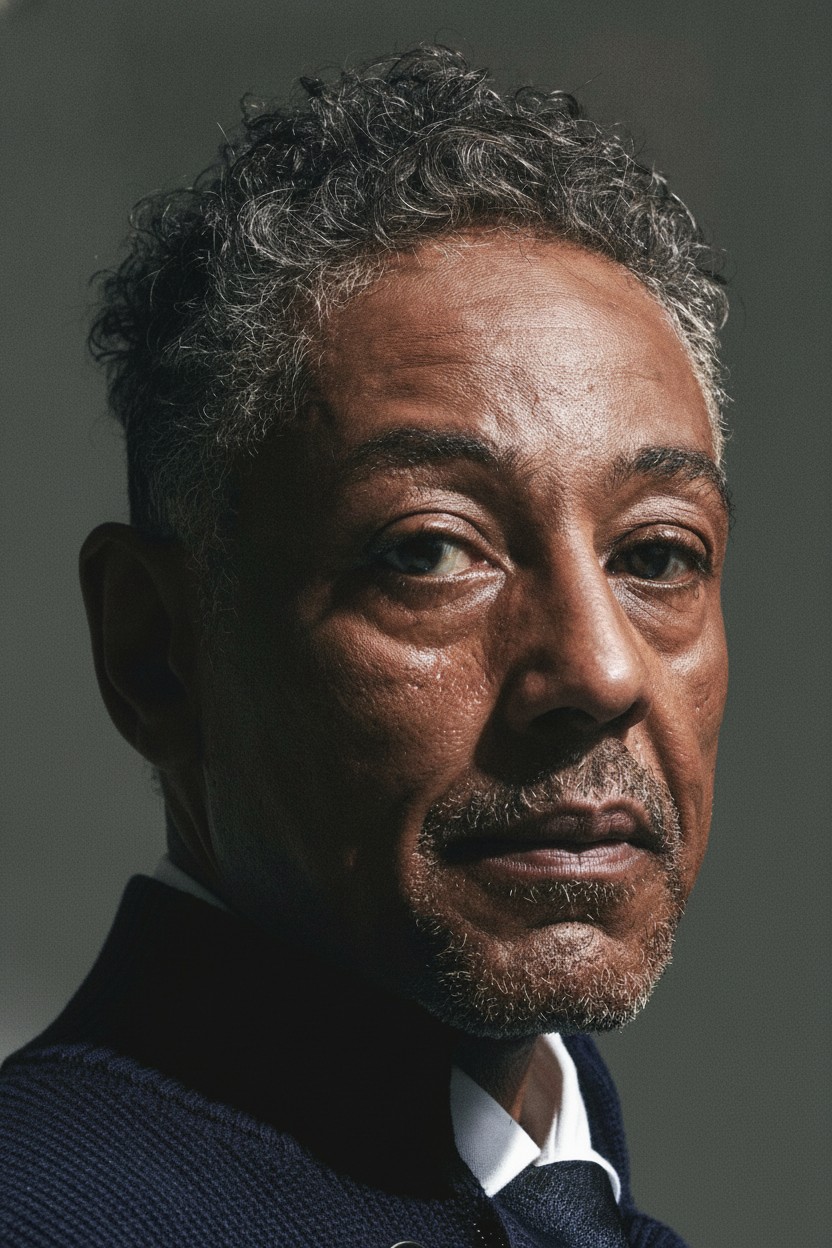
Giancarlo Esposito

As Gus Fring in ‘Breaking Bad’ and ‘Better Call Saul,’ Giancarlo Esposito redefined the television villain. His chilling quietude and meticulous precision made him a legendary figure in modern drama, an energy he continues to bring to powerhouse series like ‘The Mandalorian’ and ‘The Boys.’

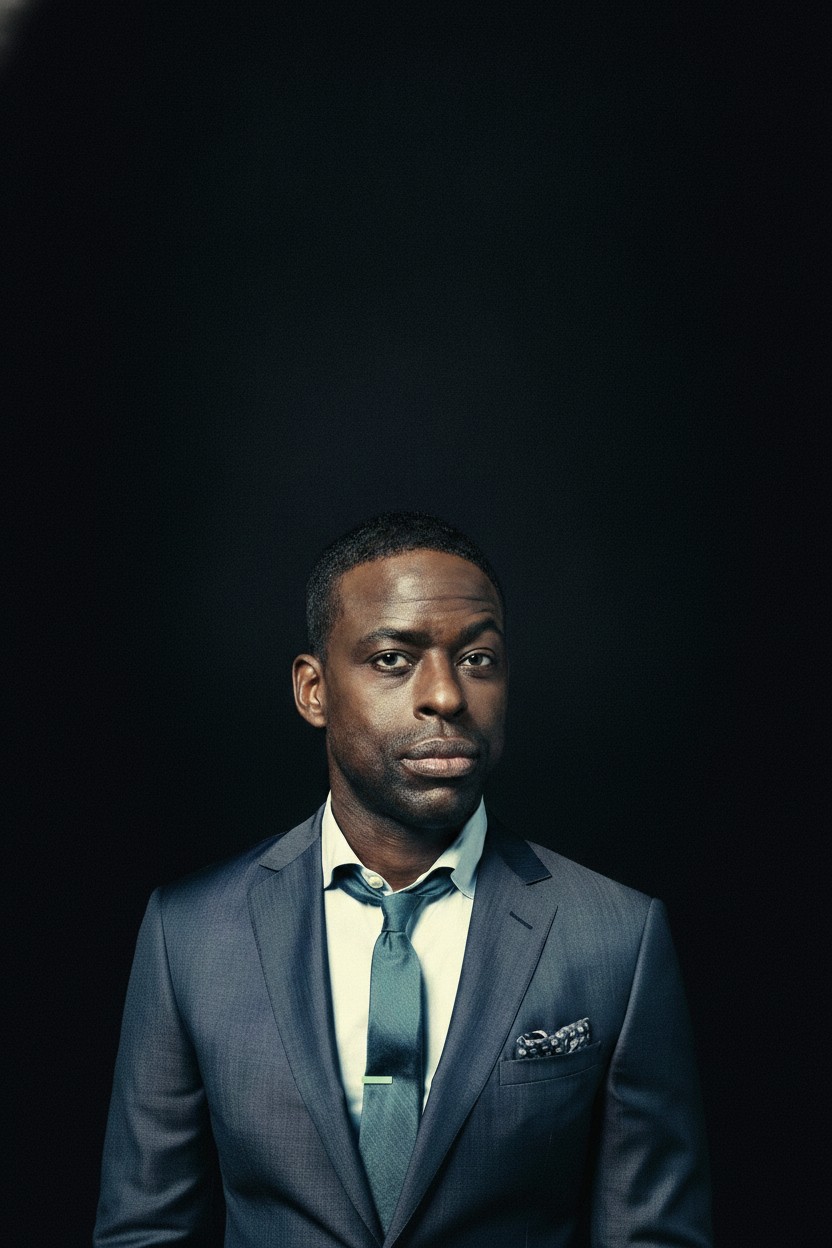
Sterling K. Brown

Sterling K. Brown became our generation’s emotional anchor through his powerhouse performance as Randall Pearson in ‘This Is Us.’ Armed with unmatched range, his Emmy-winning turns there and as Christopher Darden in ‘The People v. O.J. Simpson’ solidified him as a master of prestige drama.

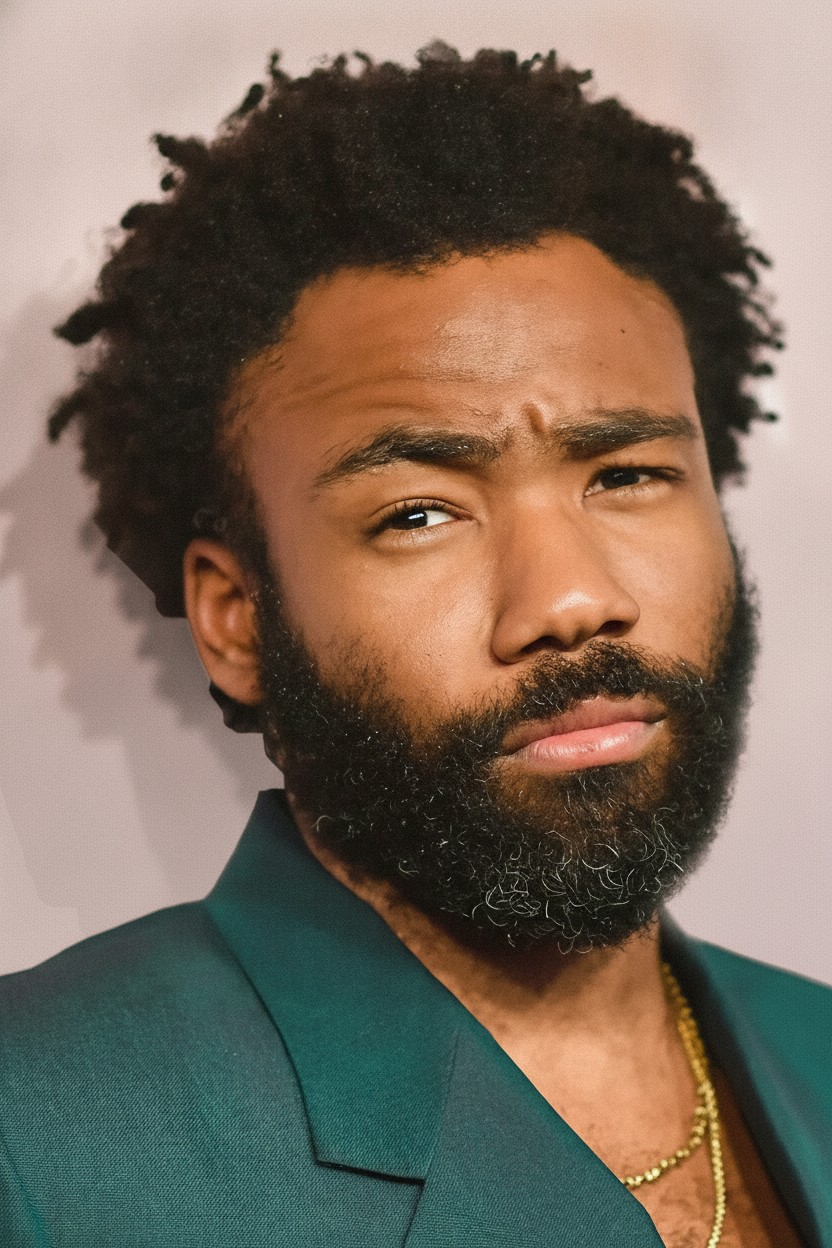
Donald Glover

From the goofy charm of Troy Barnes in ‘Community’ to the surrealist genius of ‘Atlanta,’ Donald Glover has consistently pushed the boundaries of television. As a writer, director, and actor, Glover’s visionary approach to storytelling has redefined what a modern comedy series can be.

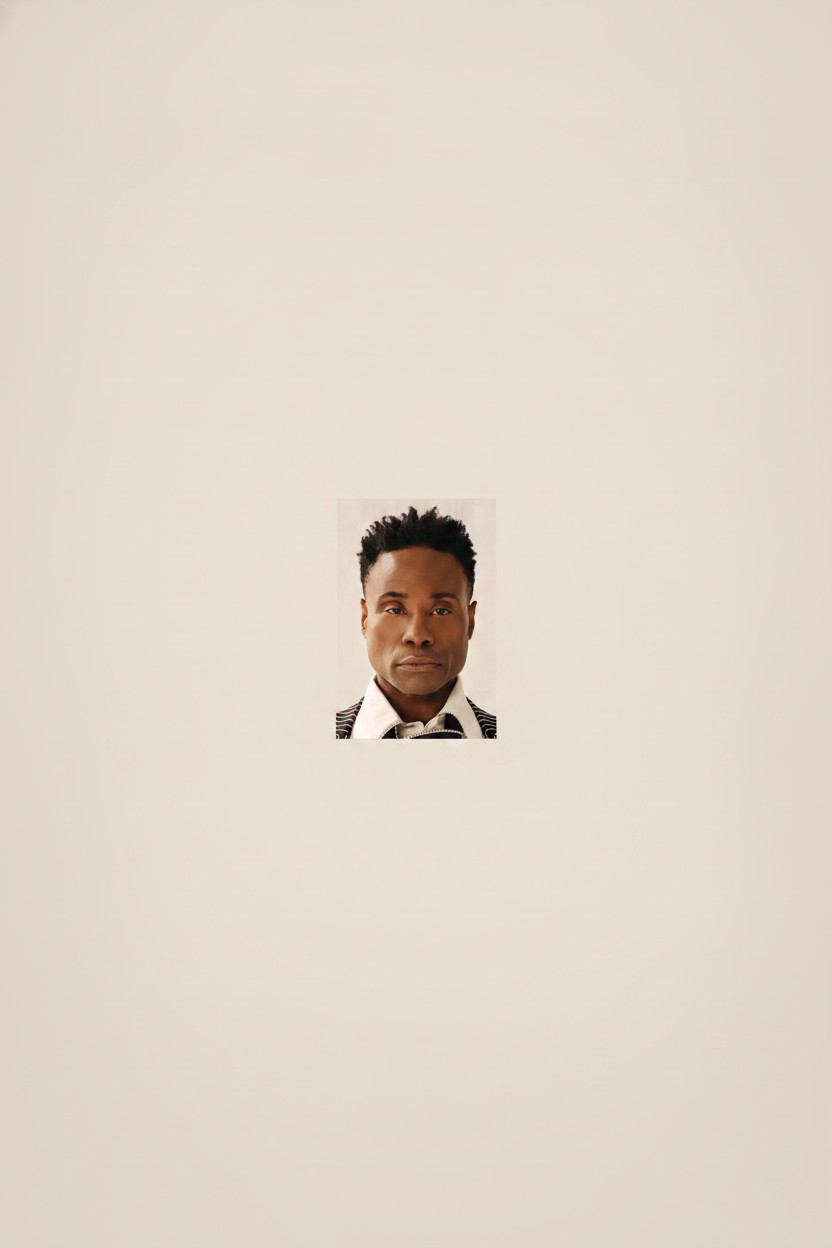
Billy Porter

Billy Porter’s historic, Emmy-winning performance as Pray Tell in ‘Pose’ was a triumphant moment for Black queer representation. Porter brought unparalleled theatricality, raw grief, and triumphant joy to the screen, cementing his status as a boundary-breaking icon of modern television.

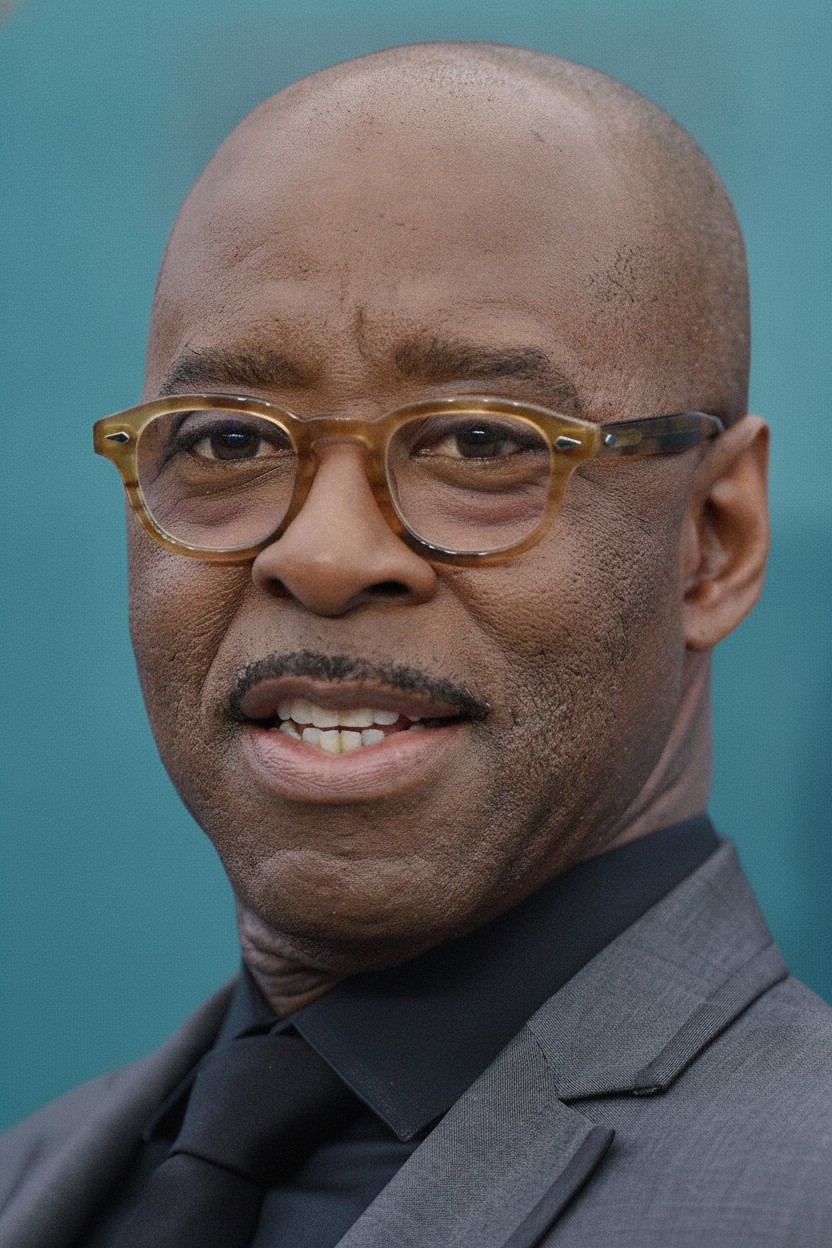
Courtney B. Vance

Courtney B. Vance’s Emmy-winning portrayal of Johnnie Cochran in ‘The People v. O.J. Simpson’ was nothing short of mesmerizing. Combined with his years as the formidable ADA Ron Carver on ‘Law & Order: Criminal Intent,’ Vance has proven to be one of TV’s most intellectually commanding actors.

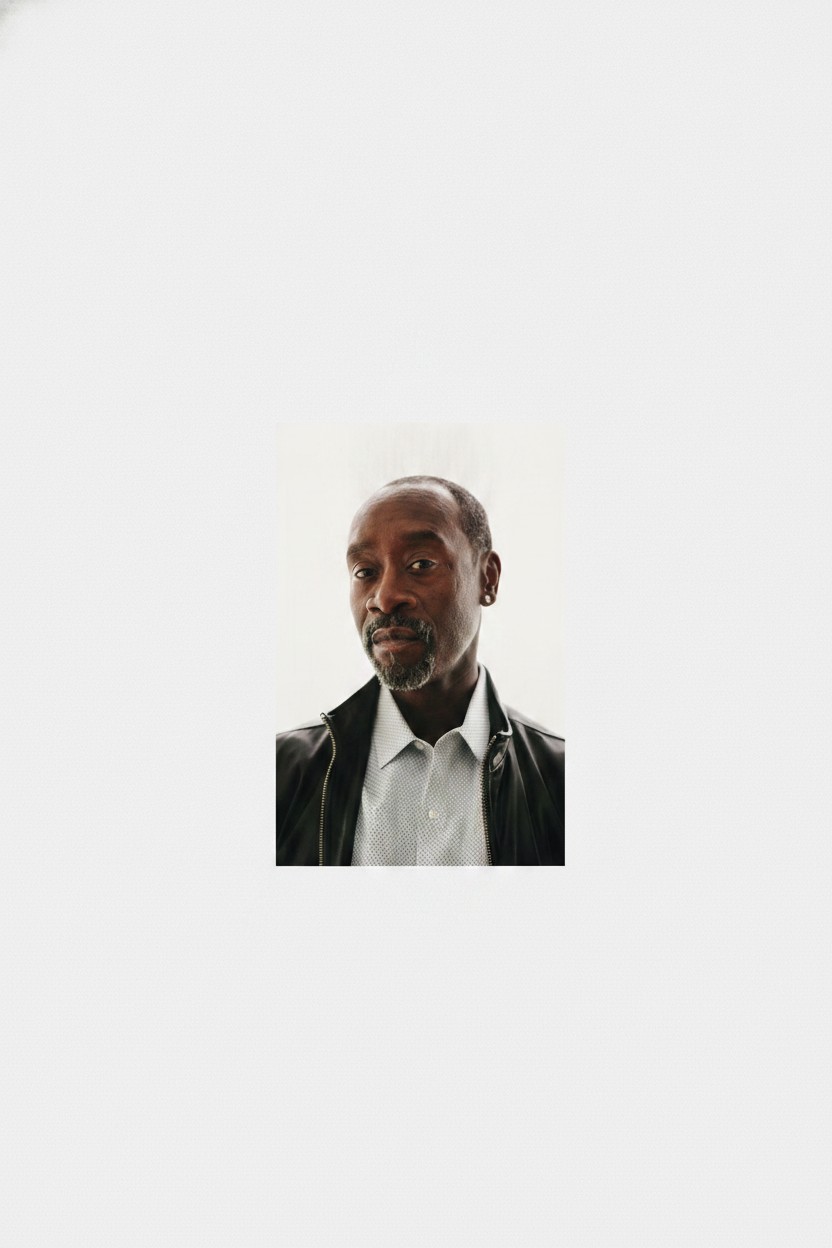
Don Cheadle

Don Cheadle brings a brilliant, hyper-charismatic energy to every television project he touches. From playing the fast-talking corporate shark Marty Kaan in ‘House of Lies’ to his high-stakes performance in ‘Black Monday,’ Cheadle dominates the screen with effortless swagger and quick-witted intelligence.

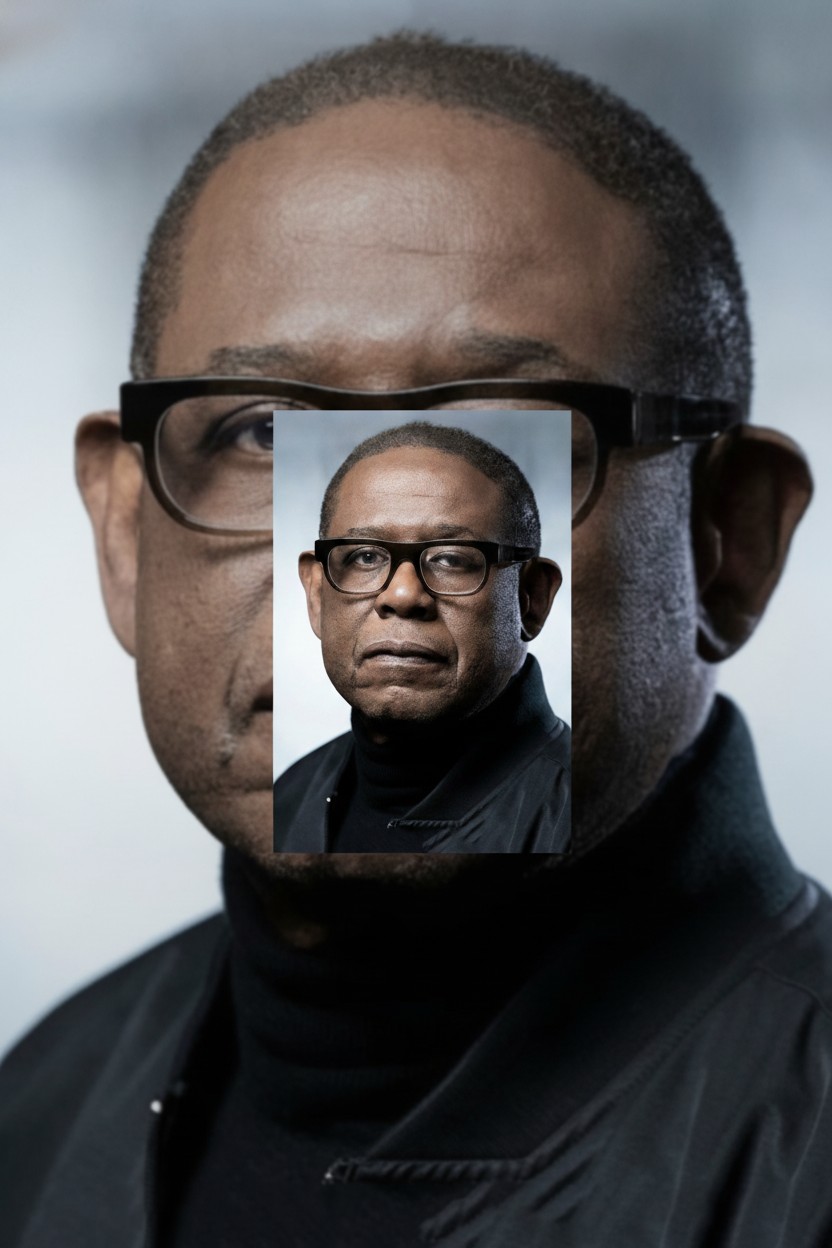
Forest Whitaker

An actor of immense gravitas, Forest Whitaker has consistently elevated television drama. His quiet yet menacing portrayal of legendary Harlem kingpin Bumpy Johnson in ‘Godfather of Harlem’ stands as a masterclass in character study, proving his cinematic weight translates flawlessly to TV.

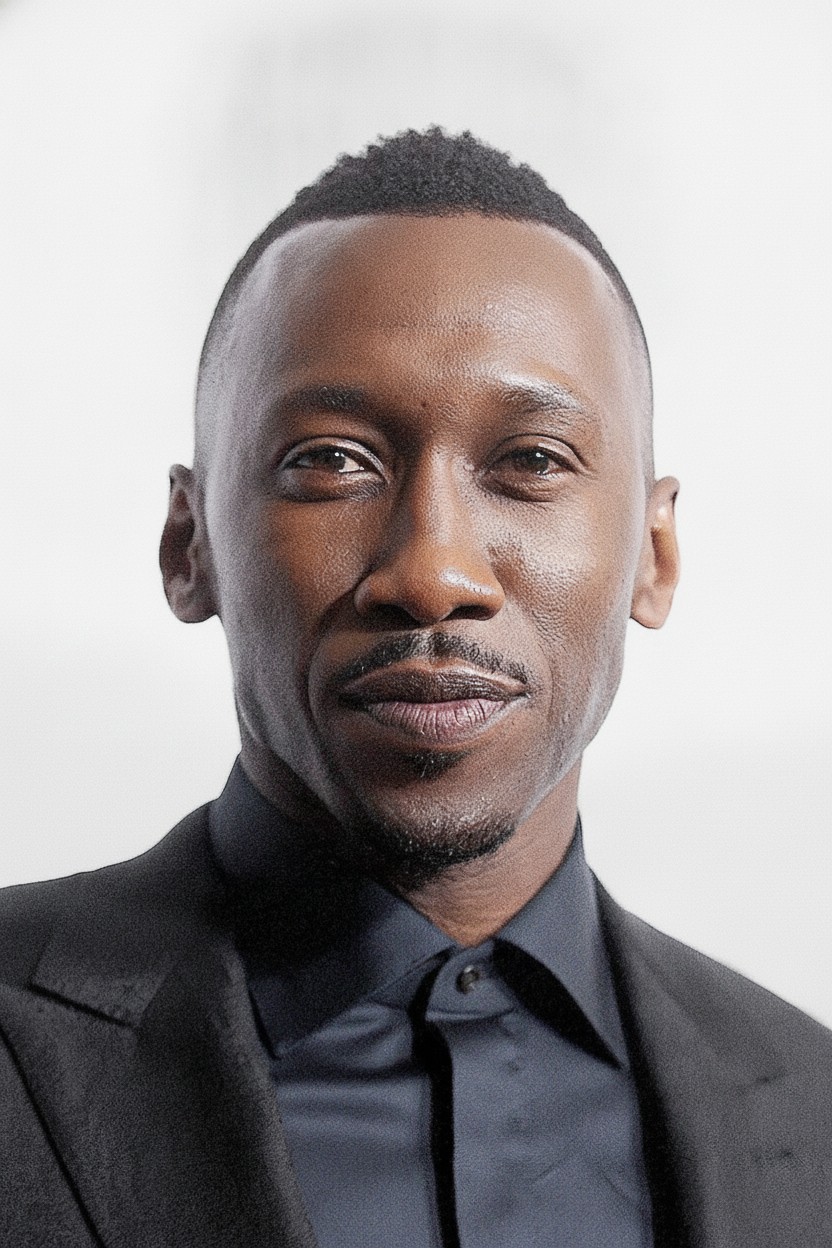
Mahershala Ali

Before taking over the Oscars, Mahershala Ali was quietly building a powerhouse television resume. From the calculating lobbyist Remy Danton in ‘House of Cards’ to the tragic villain Cornell ‘Cottonmouth’ Stokes in ‘Luke Cage’ and a haunting lead in ‘True Detective,’ Ali brings supreme nuance to every role.

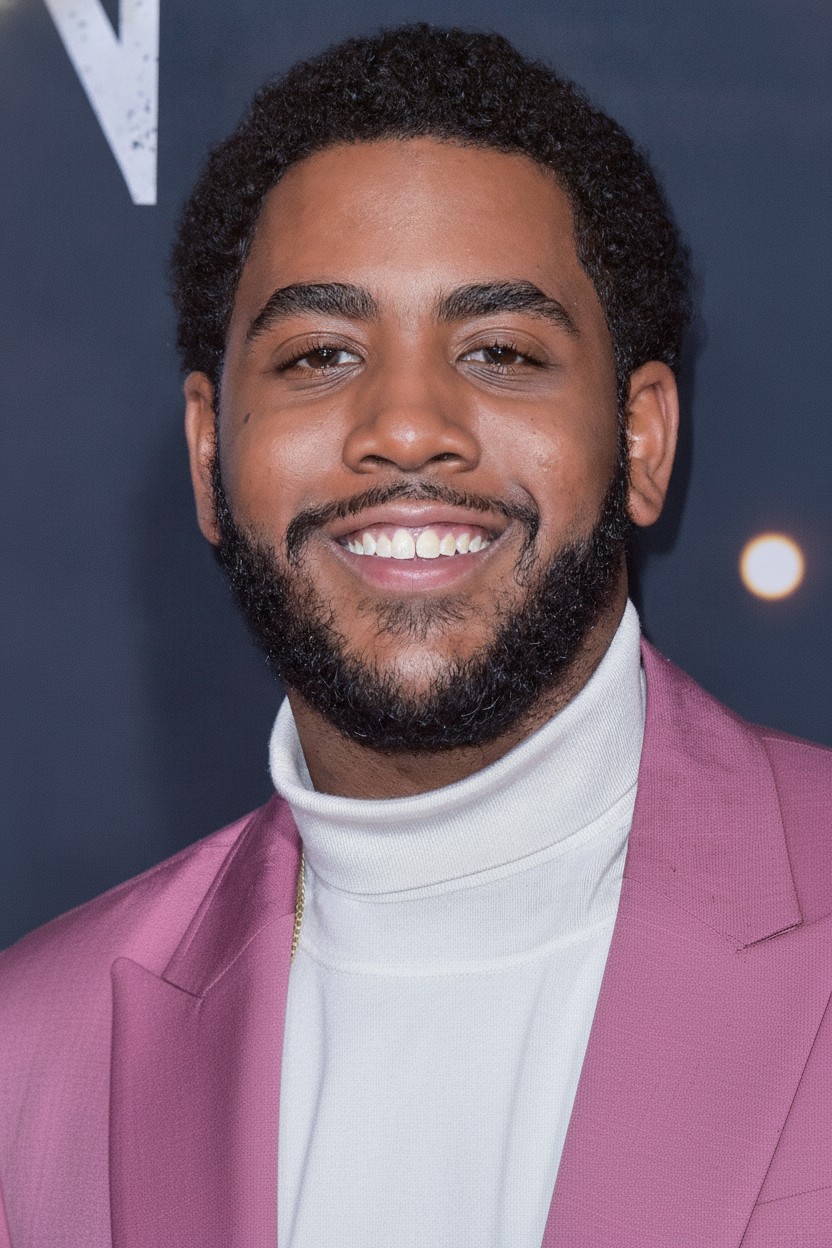
Jharrel Jerome

Jharrel Jerome delivered one of the most devastatingly beautiful performances of the decade in ‘When They See Us.’ His Emmy-winning portrayal of Korey Wise was the heart of the series, instantly signaling the arrival of a major, socially conscious acting talent.

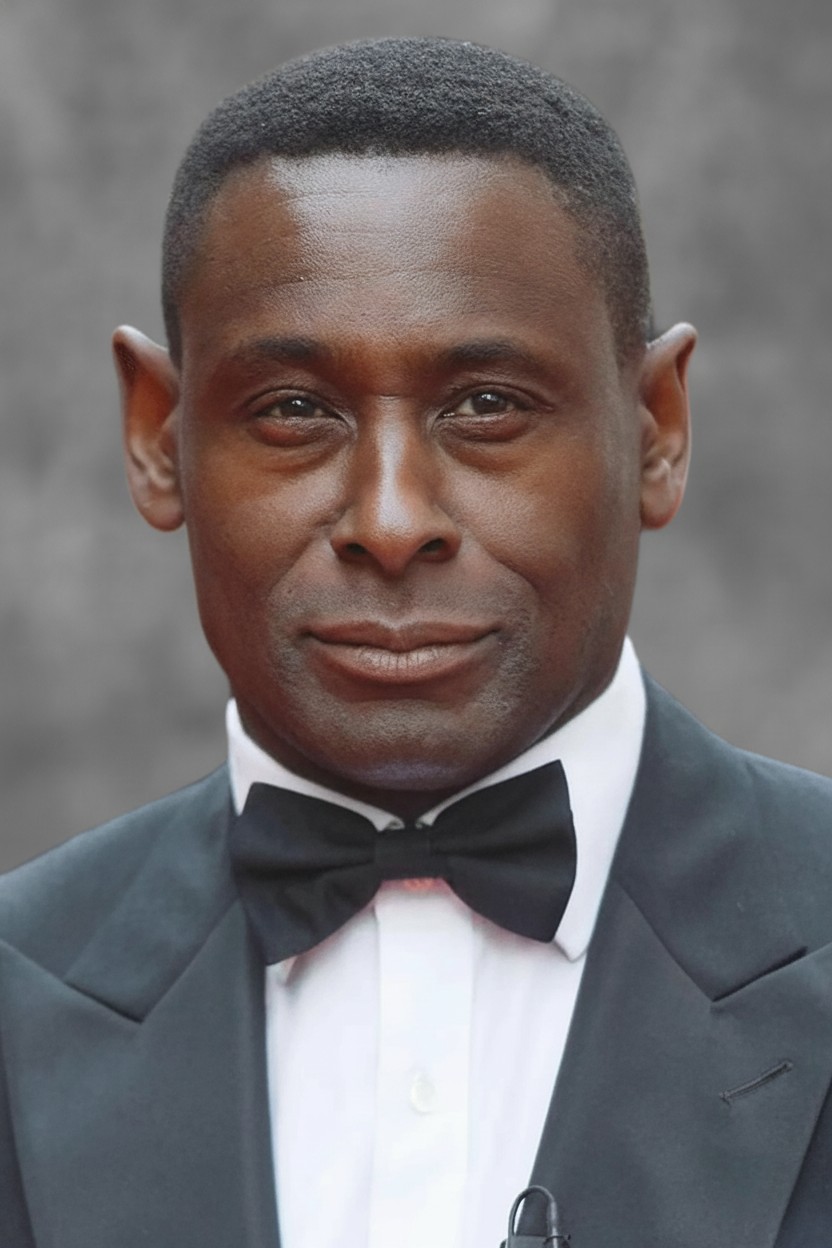
David Harewood

British powerhouse David Harewood commanded American airwaves as CIA Counterterrorism Director David Estes in ‘Homeland.’ He later won over the sci-fi community with his dual role as J’onn J’onzz and Hank Henshaw on ‘Supergirl,’ demonstrating immense dramatic and physical range.

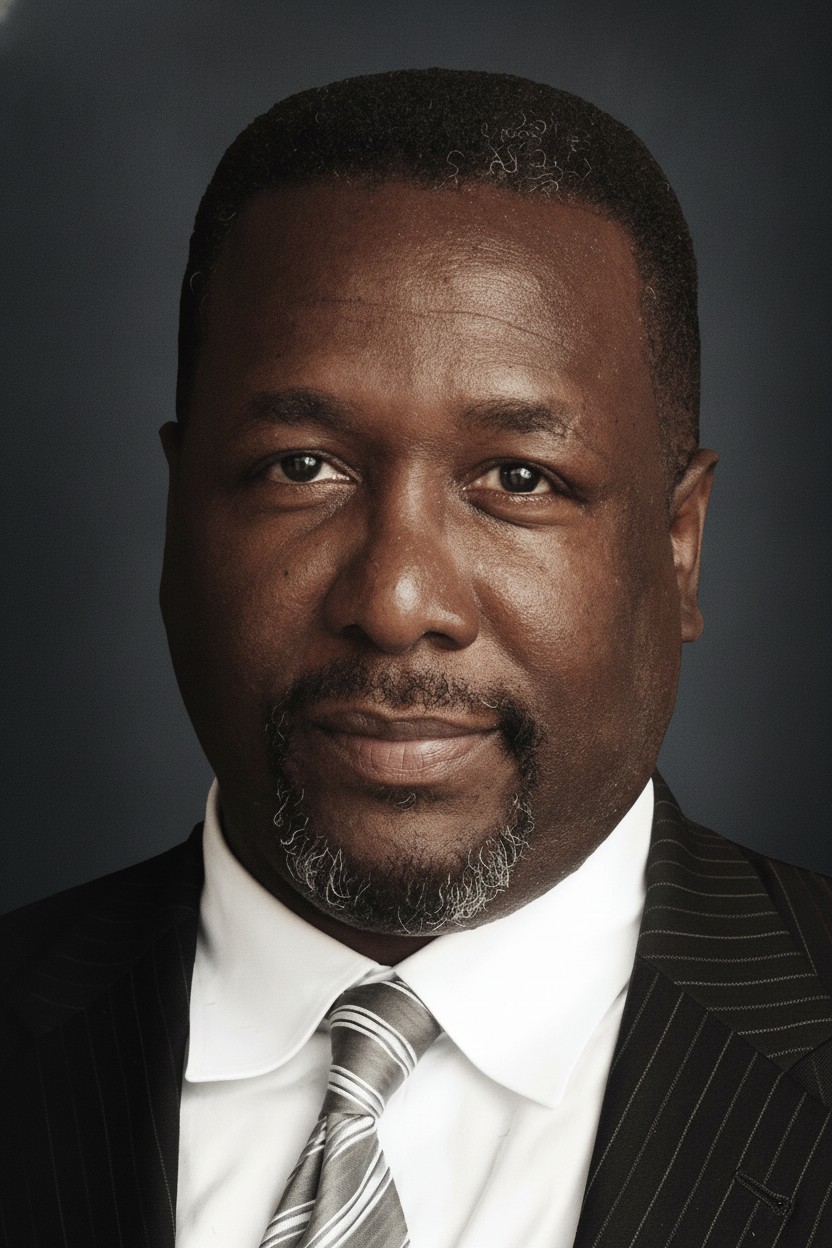
Wendell Pierce

Whether playing the unforgettable Detective Bunk Moreland on ‘The Wire’ or the passionate trombonist Antoine Batiste in ‘Treme,’ Wendell Pierce infuses his characters with a deep, soulful connection to the culture. He remains one of the most authentic and beloved actors on television.

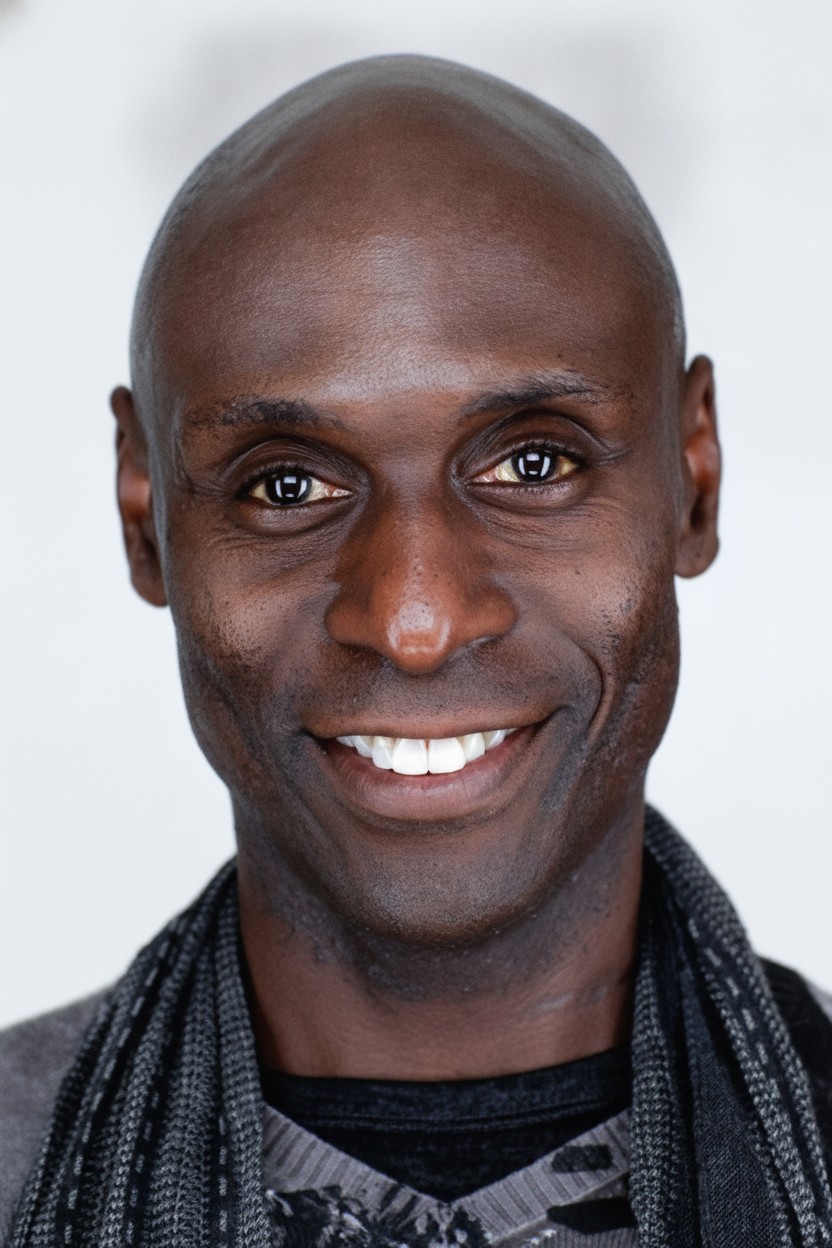
Lance Reddick

The late Lance Reddick possessed an elegant, commanding authority that made him a staple of prestige TV. From Cedric Daniels in ‘The Wire’ to Chief Irvin Irving in ‘Bosch’ and his work on ‘Fringe,’ Reddick’s calm intensity and meticulous discipline elevated every scene he graced.

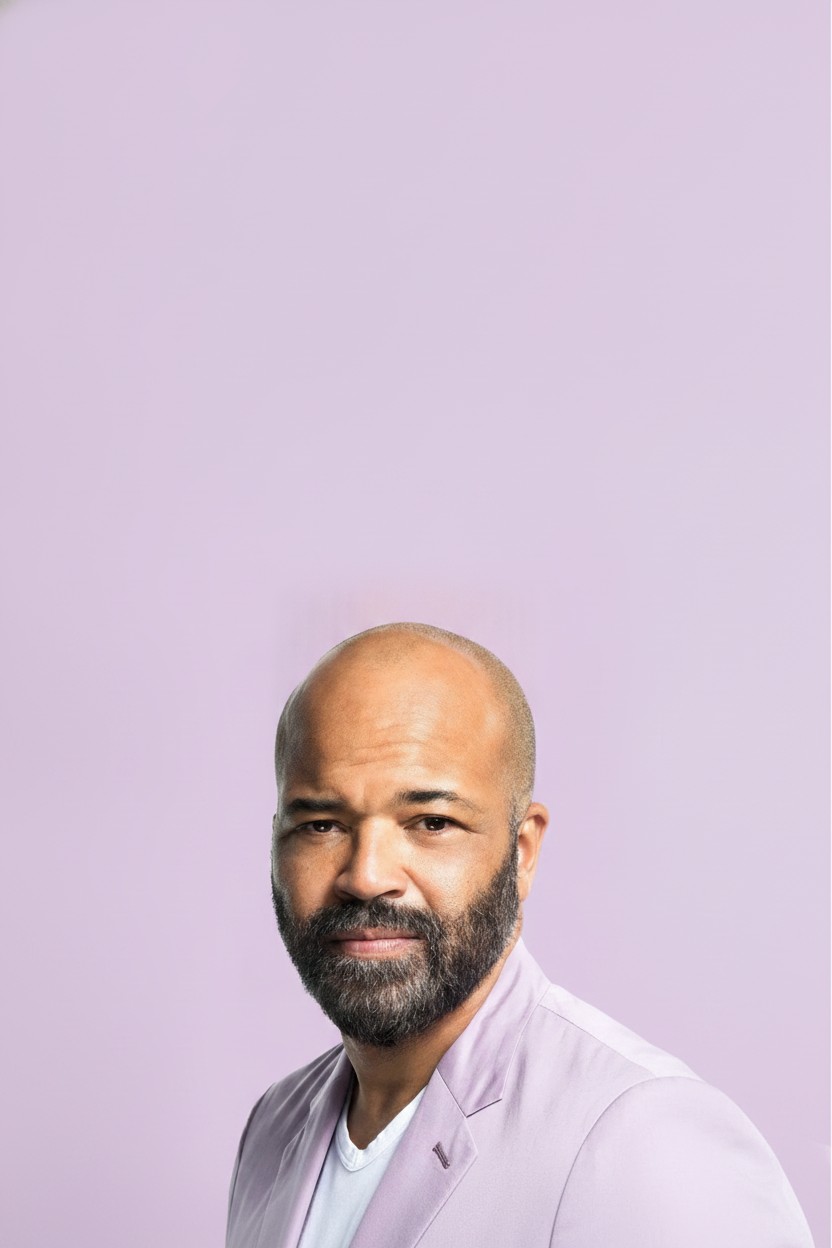
Jeffrey Wright

An actor of profound intellectual depth, Jeffrey Wright has long been a crown jewel of television. From his early Emmy-winning work in ‘Angels in America’ to his brilliant, enigmatic performance as Bernard Lowe on ‘Westworld,’ Wright’s precise craftsmanship is always spectacular to watch.

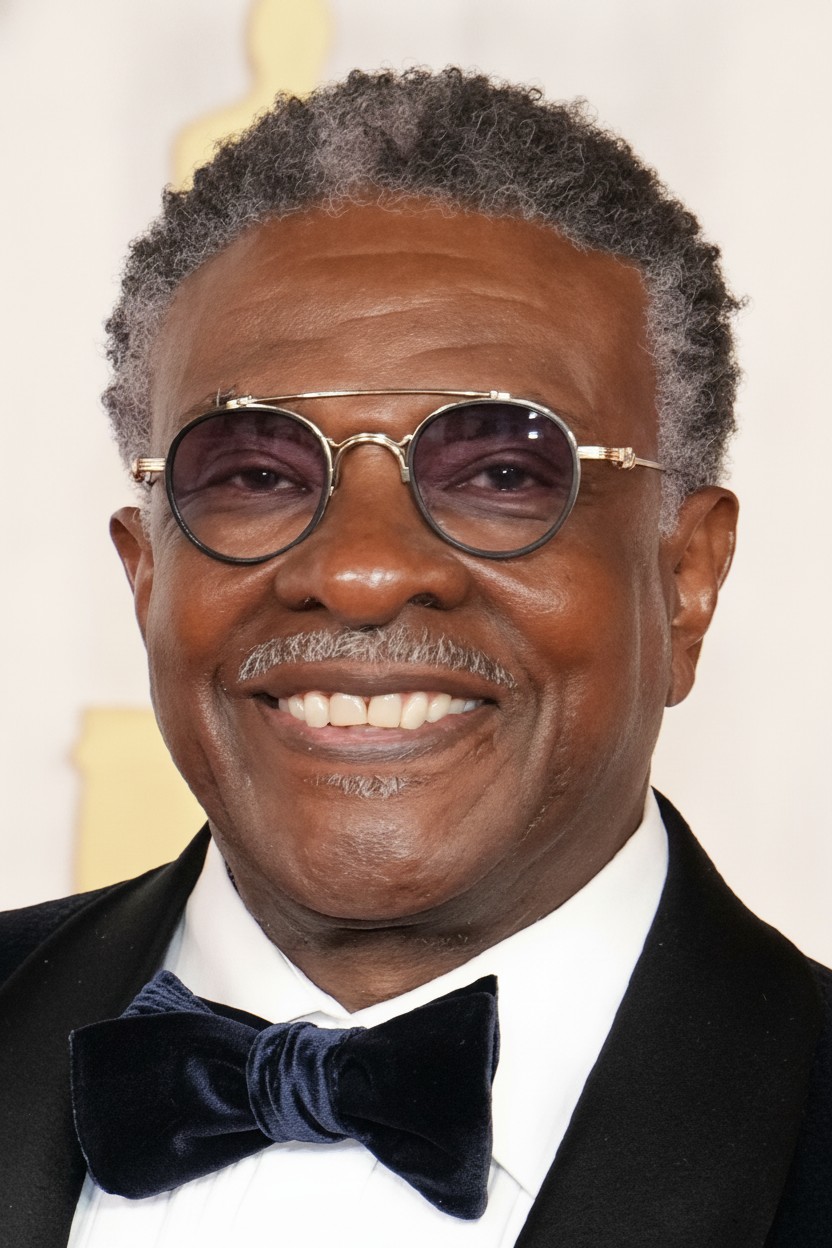
Keith David

Keith David’s resonant, booming voice and majestic presence have made him a television institution. As the charismatic Bishop James Greenleaf on ‘Greenleaf,’ David brought unmatched dramatic power to the screen, while his voiceover work has defined generations of documentary and animated projects.

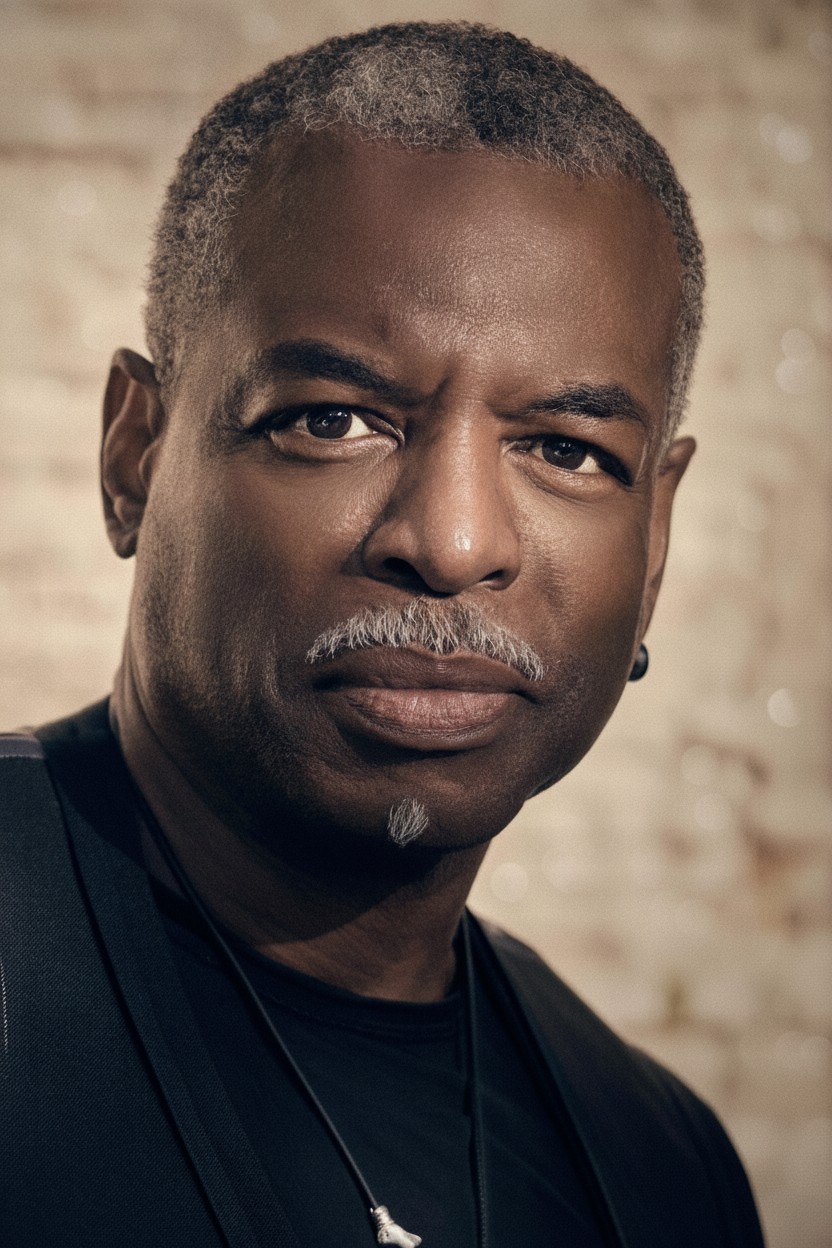
LeVar Burton

LeVar Burton is a true cultural treasure. From portraying the young Kunta Kinte in ‘Roots’ to serving as the brilliant Geordi La Forge in ‘Star Trek: The Next Generation,’ Burton has shaped television’s history. Beyond acting, his decades hosting ‘Reading Rainbow’ inspired millions of children.

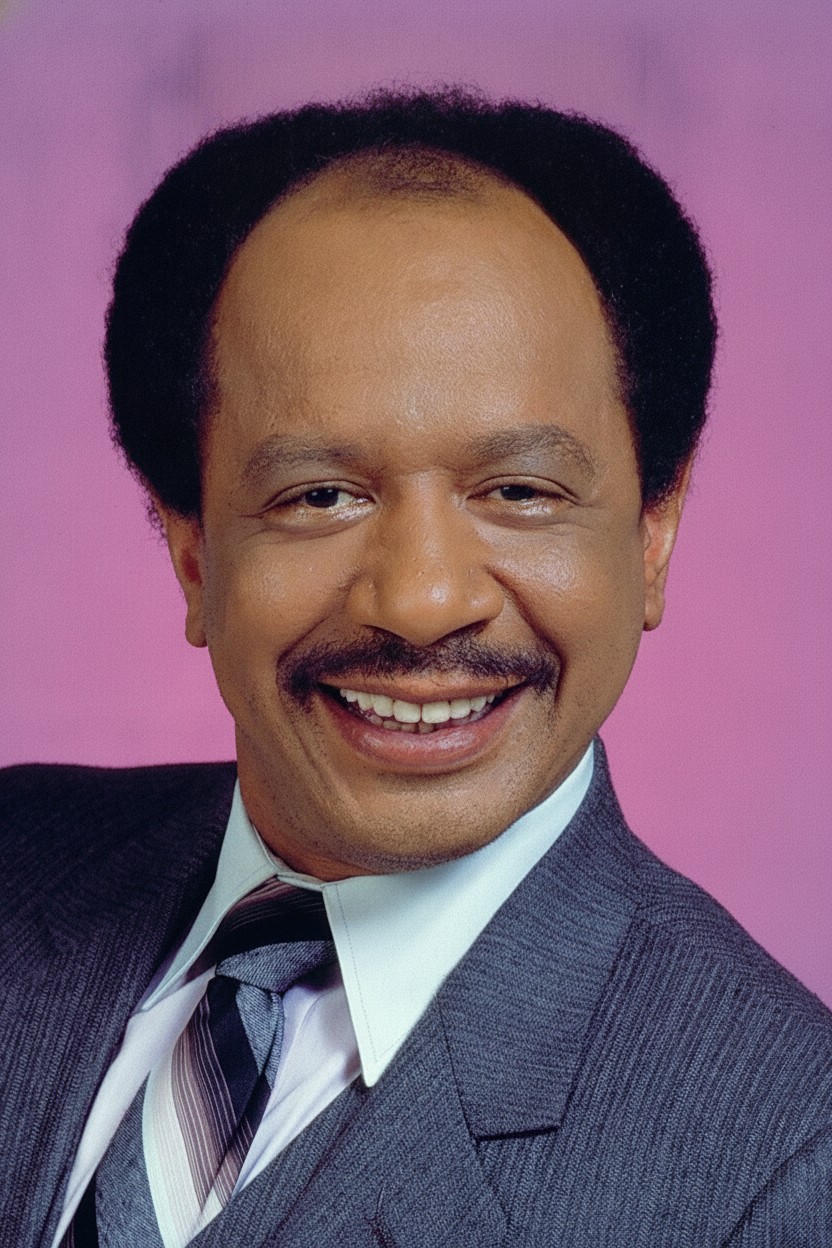
Sherman Hemsley

Sherman Hemsley’s strut as George Jefferson in ‘The Jeffersons’ is etched into the DNA of American comedy. Hemsley turned a loud-mouthed, self-made businessman into one of the most beloved and culturally significant sitcom characters of all time.

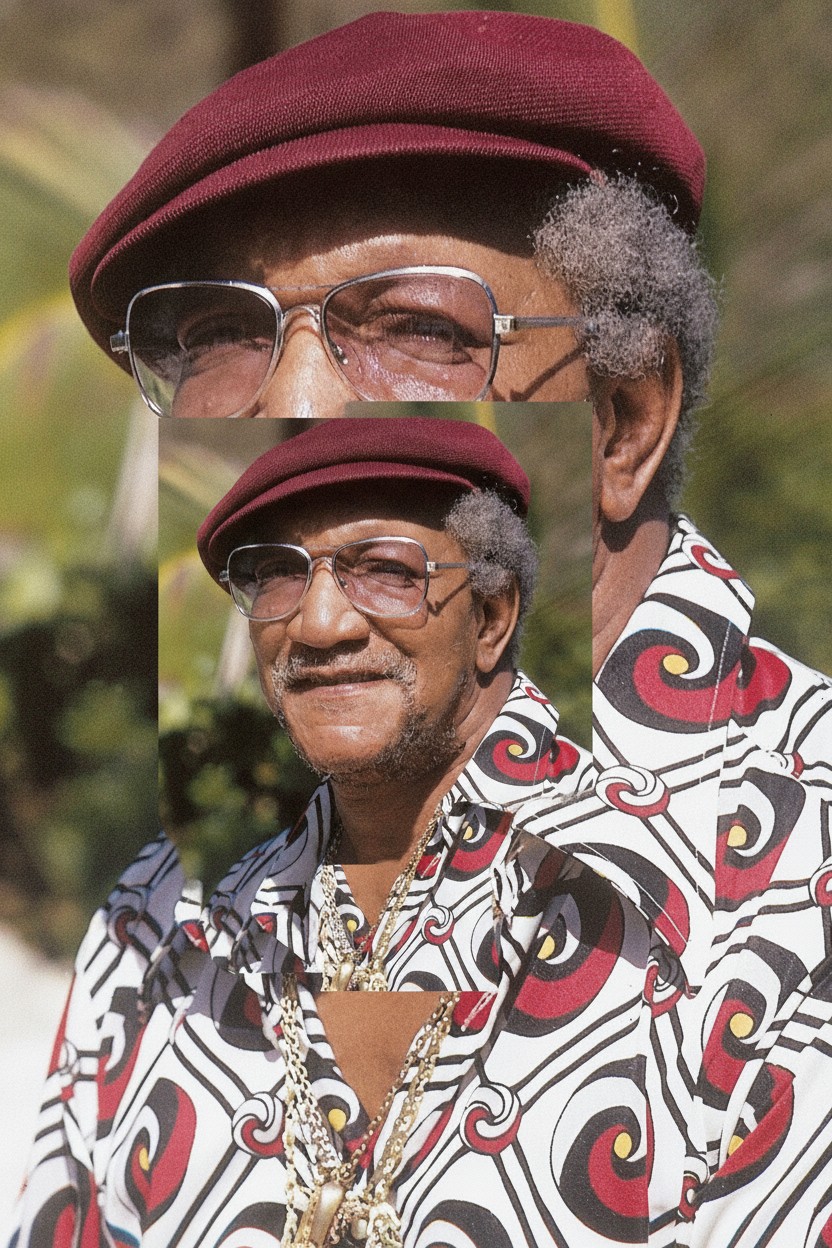
Redd Foxx

A true comedy pioneer, Redd Foxx laid the foundation for modern Black television with ‘Sanford and Son.’ His portrayal of the grumpy but hilarious Fred Sanford brought raw, working-class humor directly into mainstream living rooms, forever changing the comedy landscape.

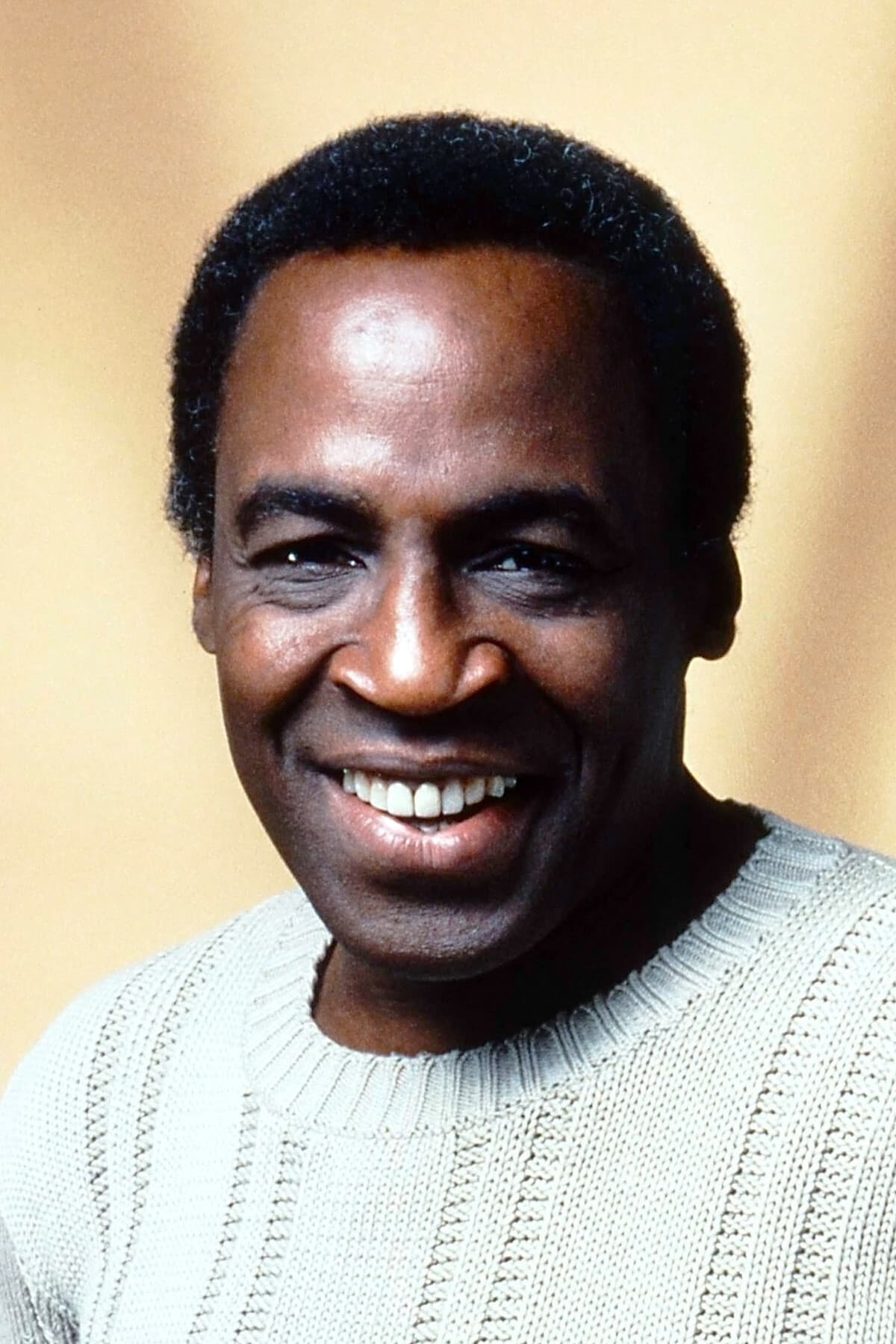
Robert Guillaume

Robert Guillaume made history by turning the sharp-witted butler Benson DuBois on ‘Soap’ into a wildly successful spin-off lead on ‘Benson.’ Winning Emmys for both shows, Guillaume’s dignified delivery broke immense ground, which he followed with a brilliant late-career run on ‘Sports Night.’

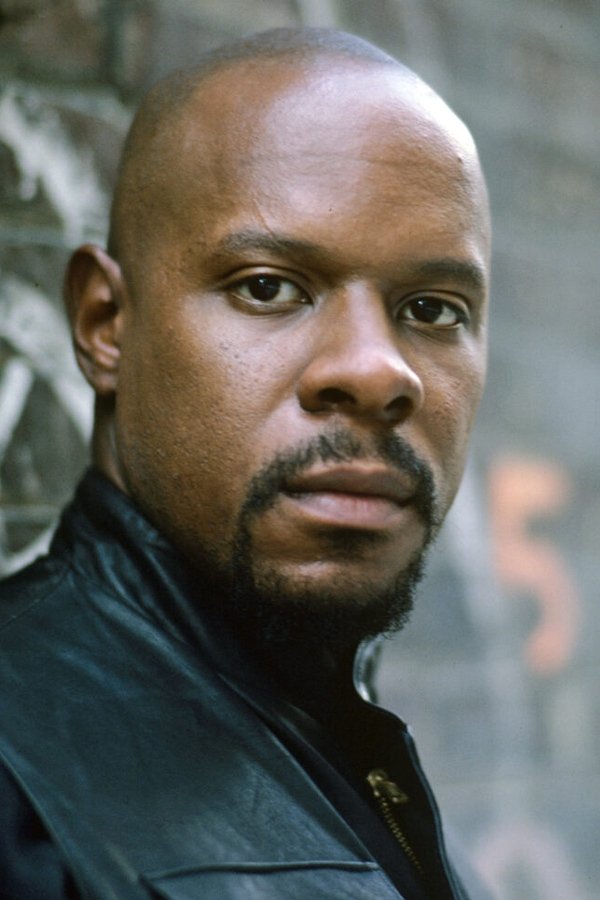
Avery Brooks

Avery Brooks broke monumental barriers as Captain Benjamin Sisko in ‘Star Trek: Deep Space Nine,’ becoming the first Black actor to lead a franchise series. With his deep theatrical background and profound gravitas, Brooks created a complex, historic portrait of Black fatherhood and leadership.

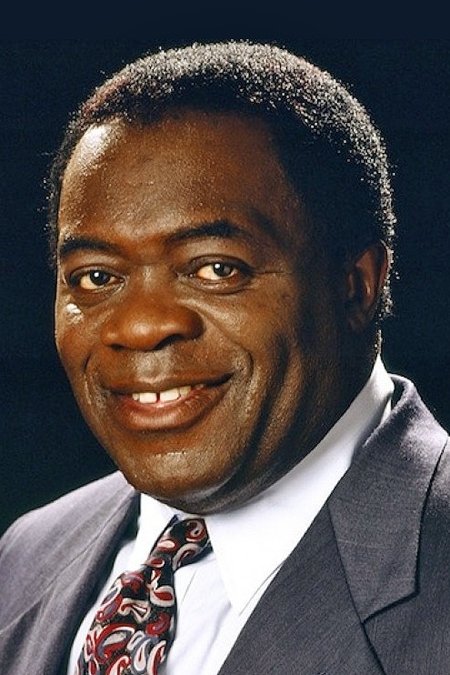
Yaphet Kotto

Yaphet Kotto brought a formidable, uncompromising strength to television as Lieutenant Al Giardello on ‘Homicide: Life on the Street.’ Kotto’s commanding presence and deep, moral authority anchored the critically acclaimed series, providing a masterclass in dramatic ensemble acting.

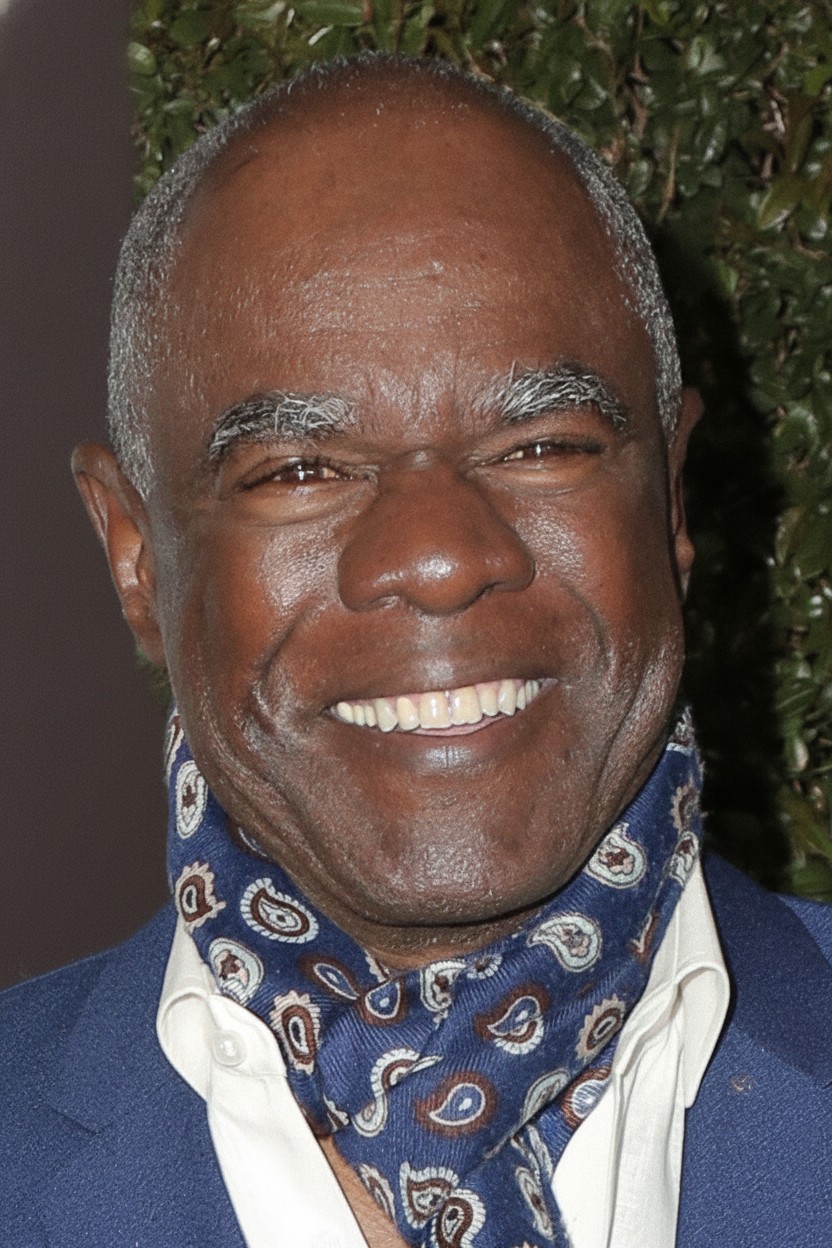
Glynn Turman

From ‘Peyton Place’ in the 1960s to his iconic role as Colonel Taylor on ‘A Different World’ and his brilliant guest spots in modern hits like ‘In Treatment’ and ‘Women of the Movement,’ Glynn Turman’s decades-long television career is a stunning testament to endurance and elite craft.

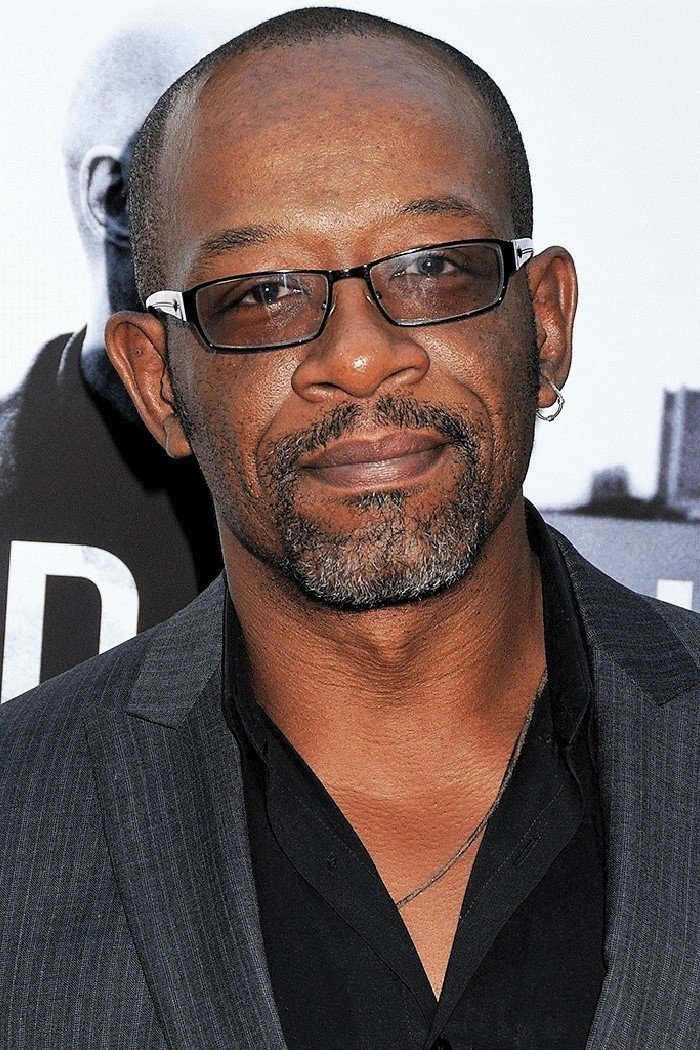
Lennie James

British actor Lennie James delivered a raw, emotionally shattering performance as Morgan Jones on ‘The Walking Dead’ and ‘Fear the Walking Dead.’ James’s ability to portray psychological fragmentation and quiet resolve has made him one of the most compelling dramatic leads on TV.

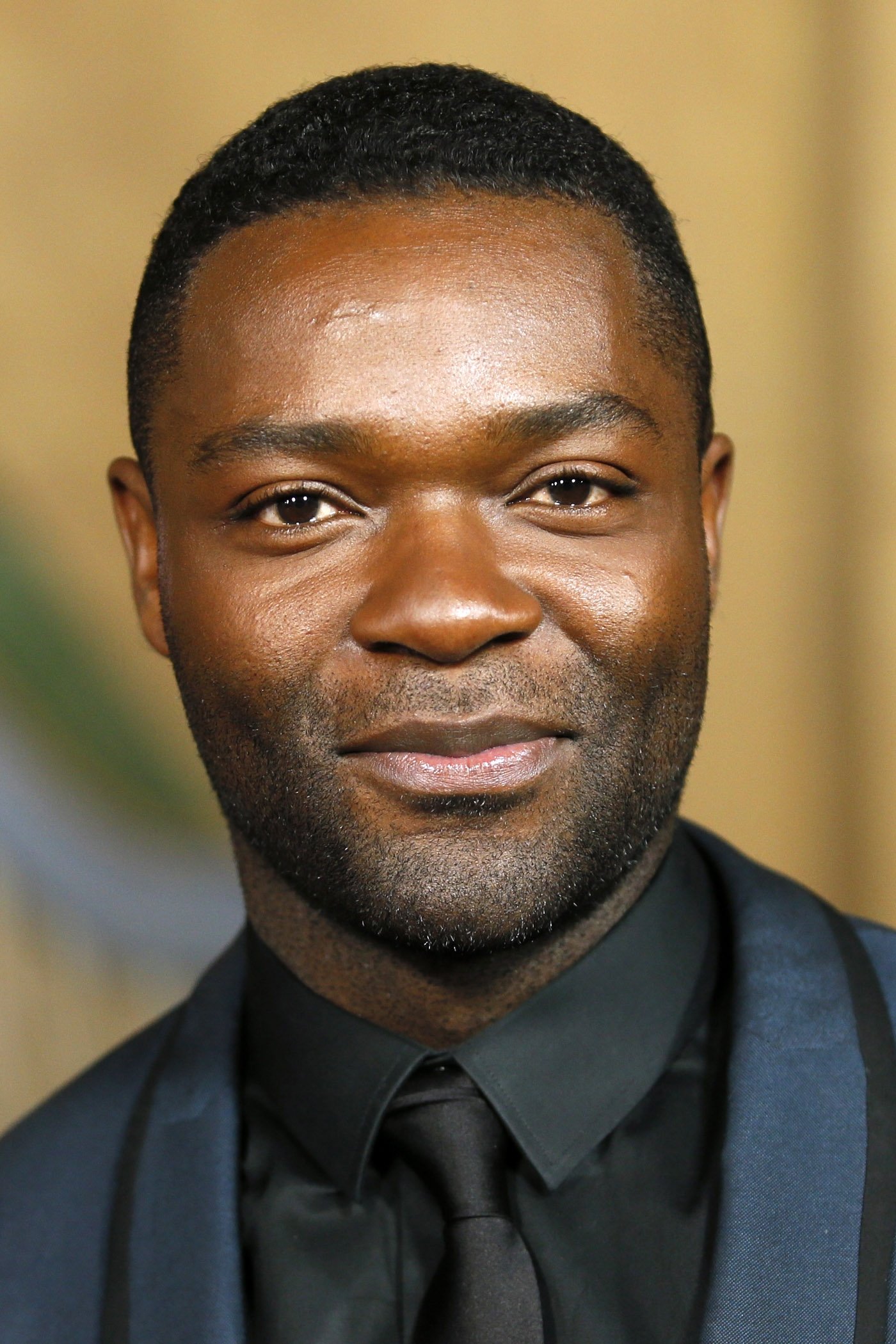
David Oyelowo

David Oyelowo’s dedication to historical and complex dramatic roles has translated beautifully to television. Whether playing Javert in the miniseries ‘Les Misérables’ or commanding the screen as the legendary lawman in ‘Lawmen: Bass Reeves,’ Oyelowo brings a profound intensity to the medium.

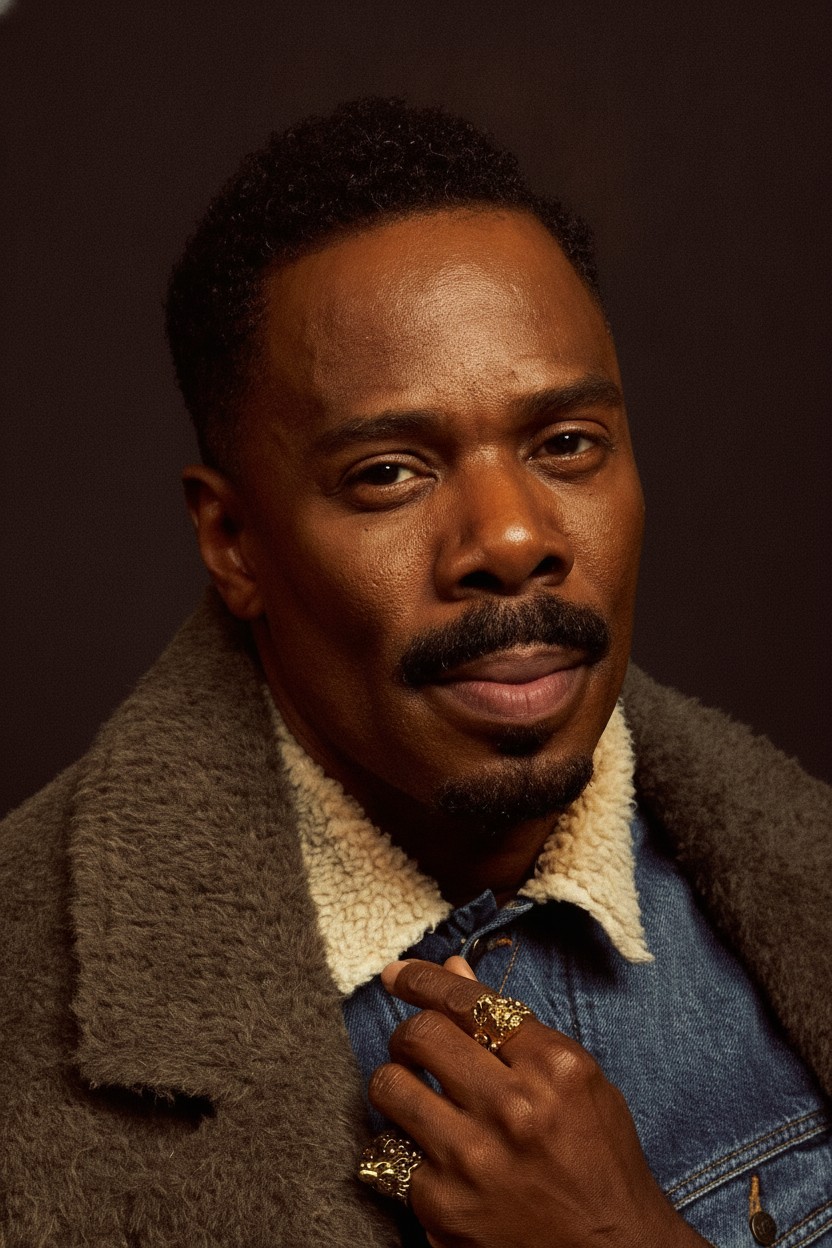
Colman Domingo

Colman Domingo is a force of nature. From his magnetic, morally gray turn as Victor Strand in ‘Fear the Walking Dead’ to his Emmy-winning guest performance as Ali in ‘Euphoria,’ Domingo possesses a singular charisma that elevates every project he touches.

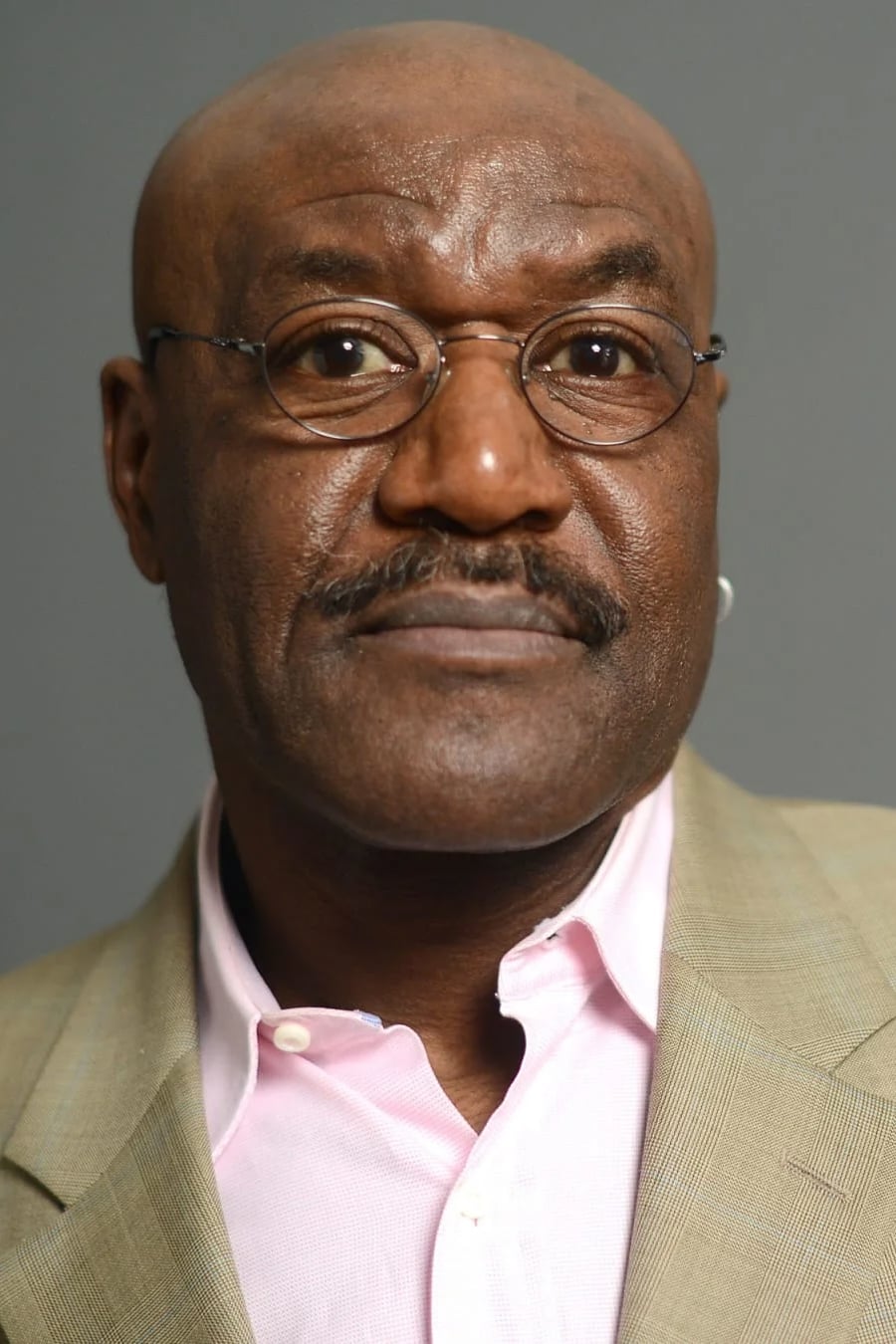
Delroy Lindo

Delroy Lindo’s commanding voice and explosive dramatic range were on full display as Adrian Boseman in ‘The Good Fight.’ Lindo has spent decades delivering complex, powerful portrayals on screen, ensuring his status as one of television’s most formidable actors.

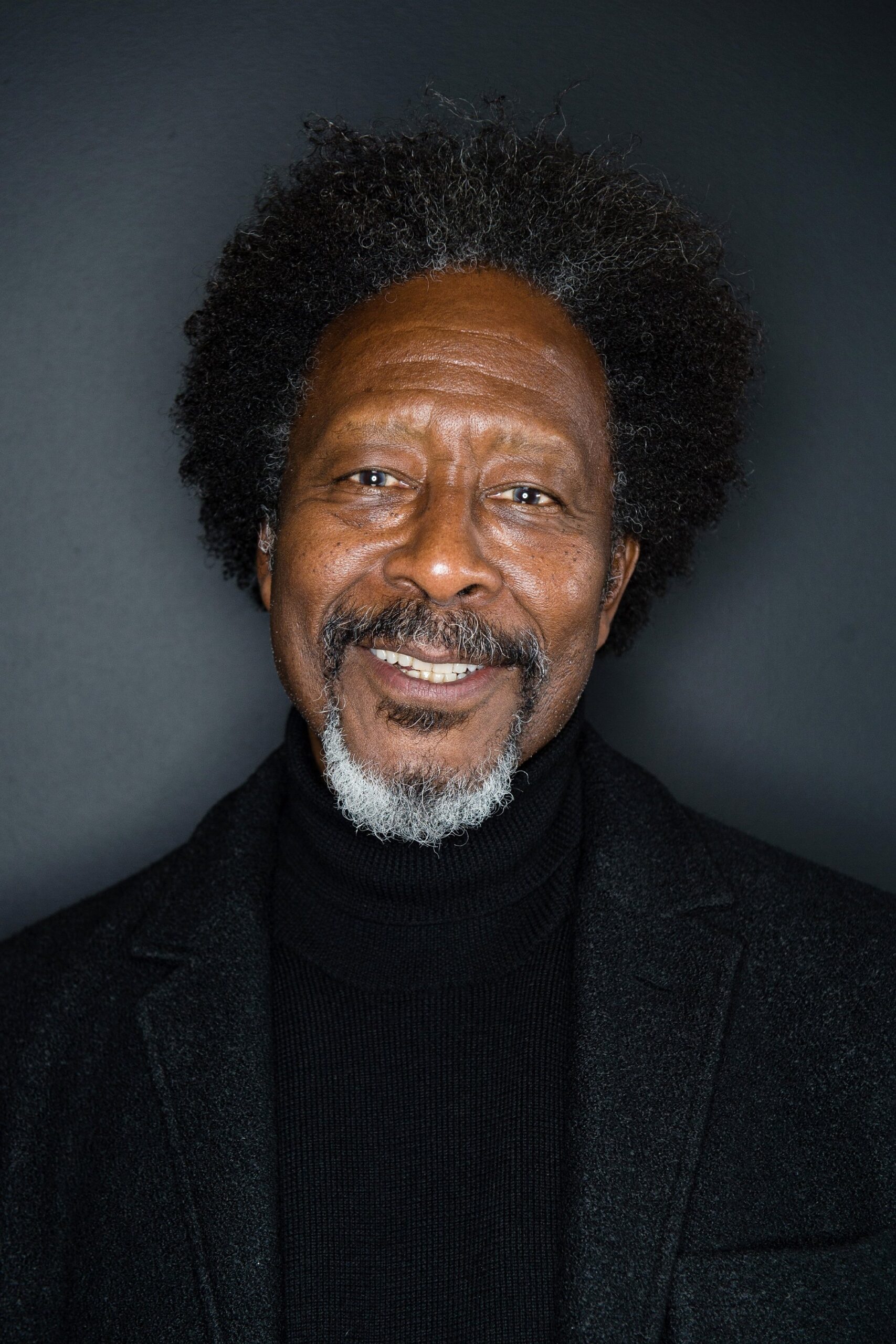
Clarke Peters

Clarke Peters brought a quiet, intellectual soulfulness to Lester Freamon in ‘The Wire.’ His ability to convey deep wisdom and meticulous focus also shined brightly in ‘Treme’ as a Mardi Gras Indian Chief, making him a true elder statesman of television drama.

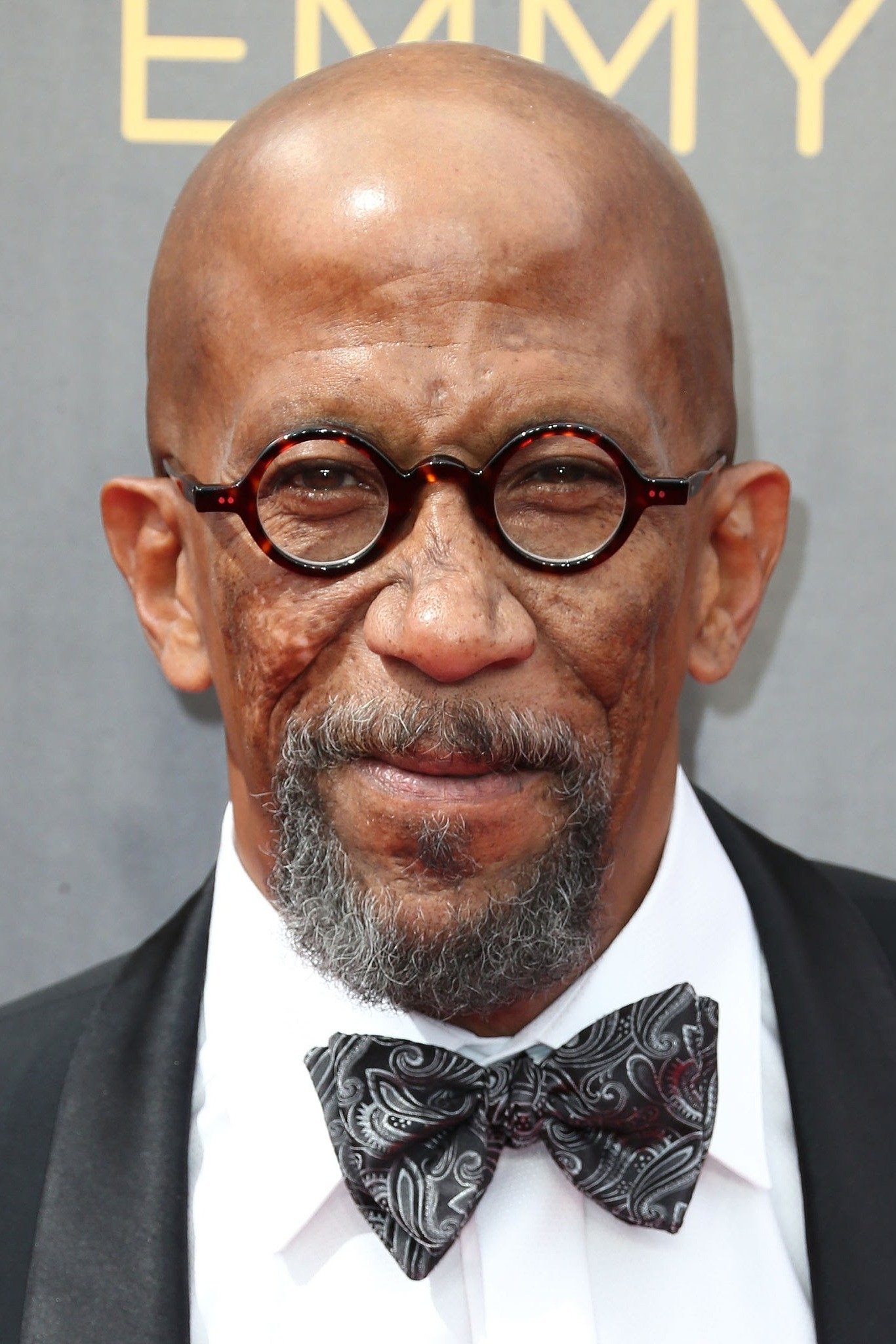
Reg E. Cathey

The late Reg E. Cathey was beloved for his deep baritone and soulful performances. Winning an Emmy for his role as Freddy Hayes in ‘House of Cards,’ Cathey brought genuine warmth, wit, and tragic depth to shows like ‘The Wire,’ ‘The Knick,’ and ‘Luke Cage.’

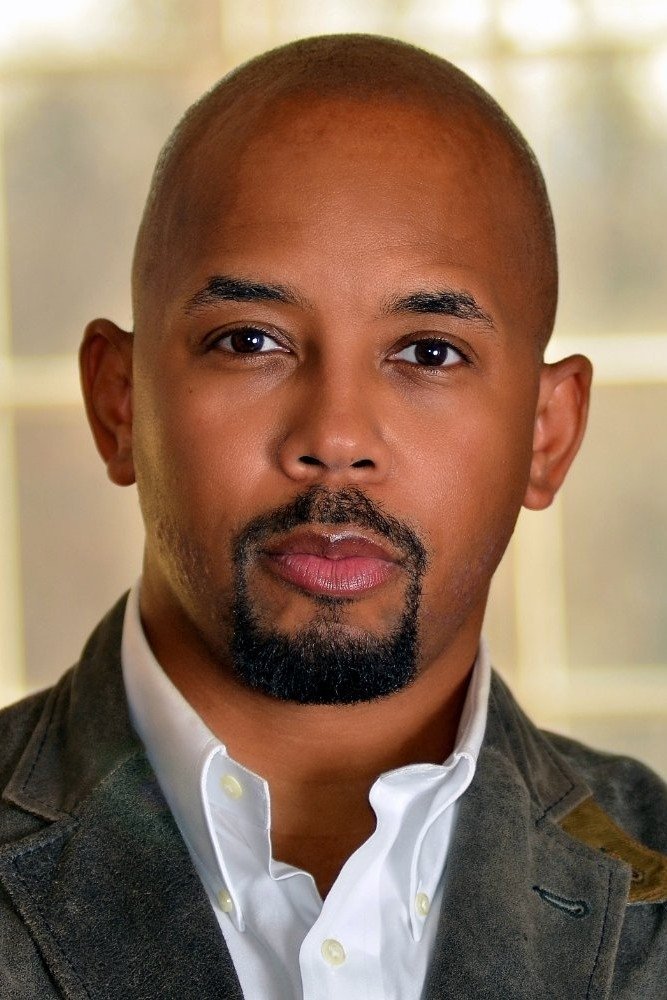
Michael Boatman

Michael Boatman made history on the hit sitcom ‘Spin City’ by playing Carter Heywood, a smart, openly gay Black political staffer—a revolutionary portrayal for the nineties. Boatman later showcased his brilliant dramatic chops in ‘The Good Wife’ and ‘The Good Fight.’

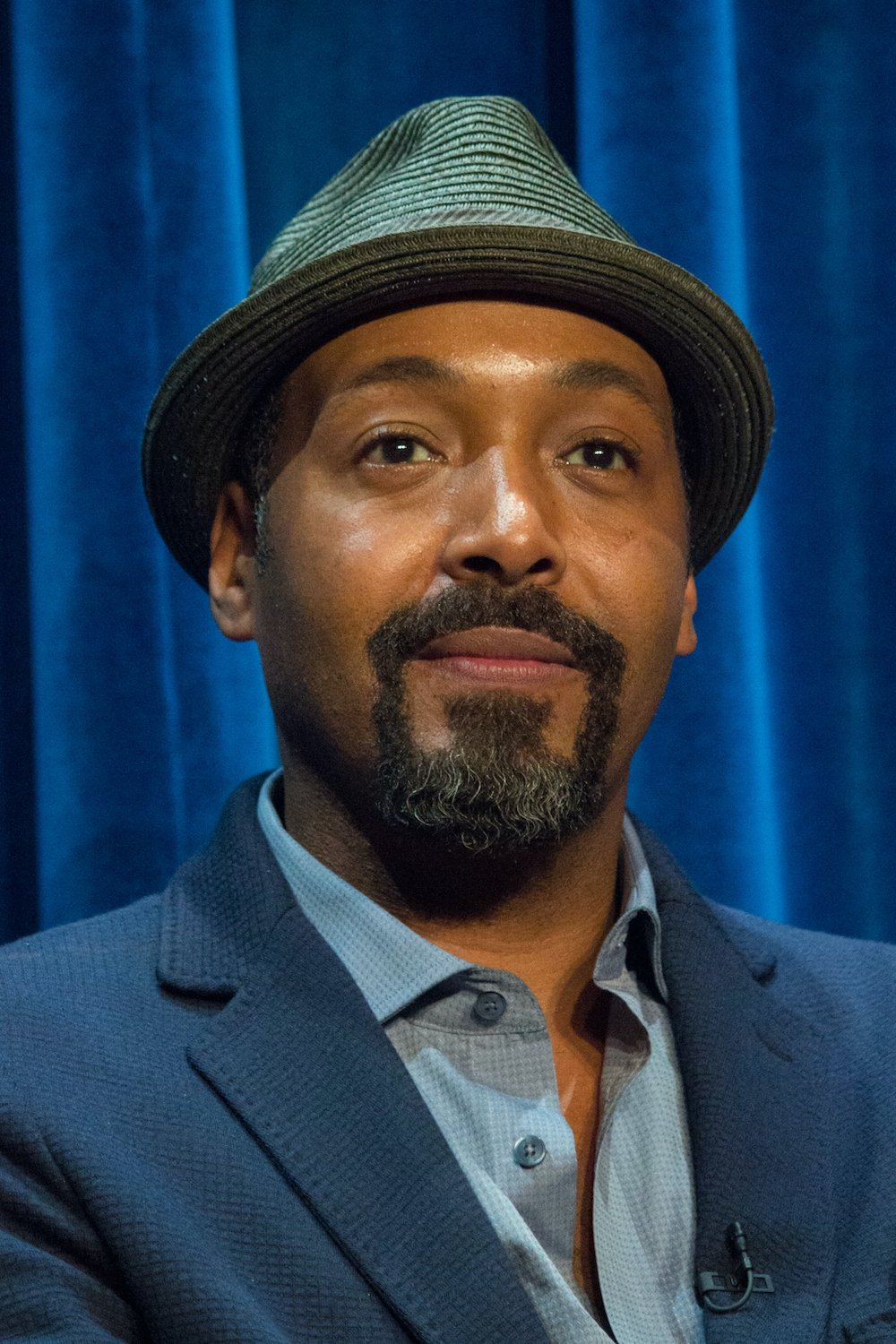
Jesse L. Martin

Jesse L. Martin’s decade-long run as Detective Ed Green on ‘Law & Order’ provided a steady, cool, and compassionate anchor for the franchise. He later brought that same beloved warmth to a new generation as Joe West in ‘The Flash,’ proving his lasting appeal.

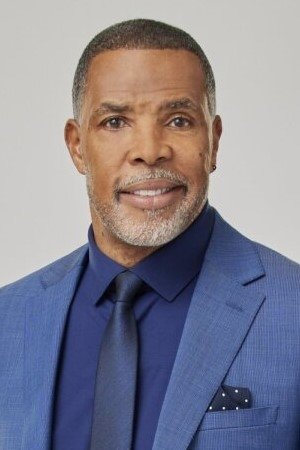
Eriq La Salle

As the brilliant but famously demanding surgeon Dr. Peter Benton on ‘ER,’ Eriq La Salle helped drive one of the most successful dramas in television history. His complex, uncompromising portrayal of a Black medical professional remains incredibly influential.

Blair Underwood

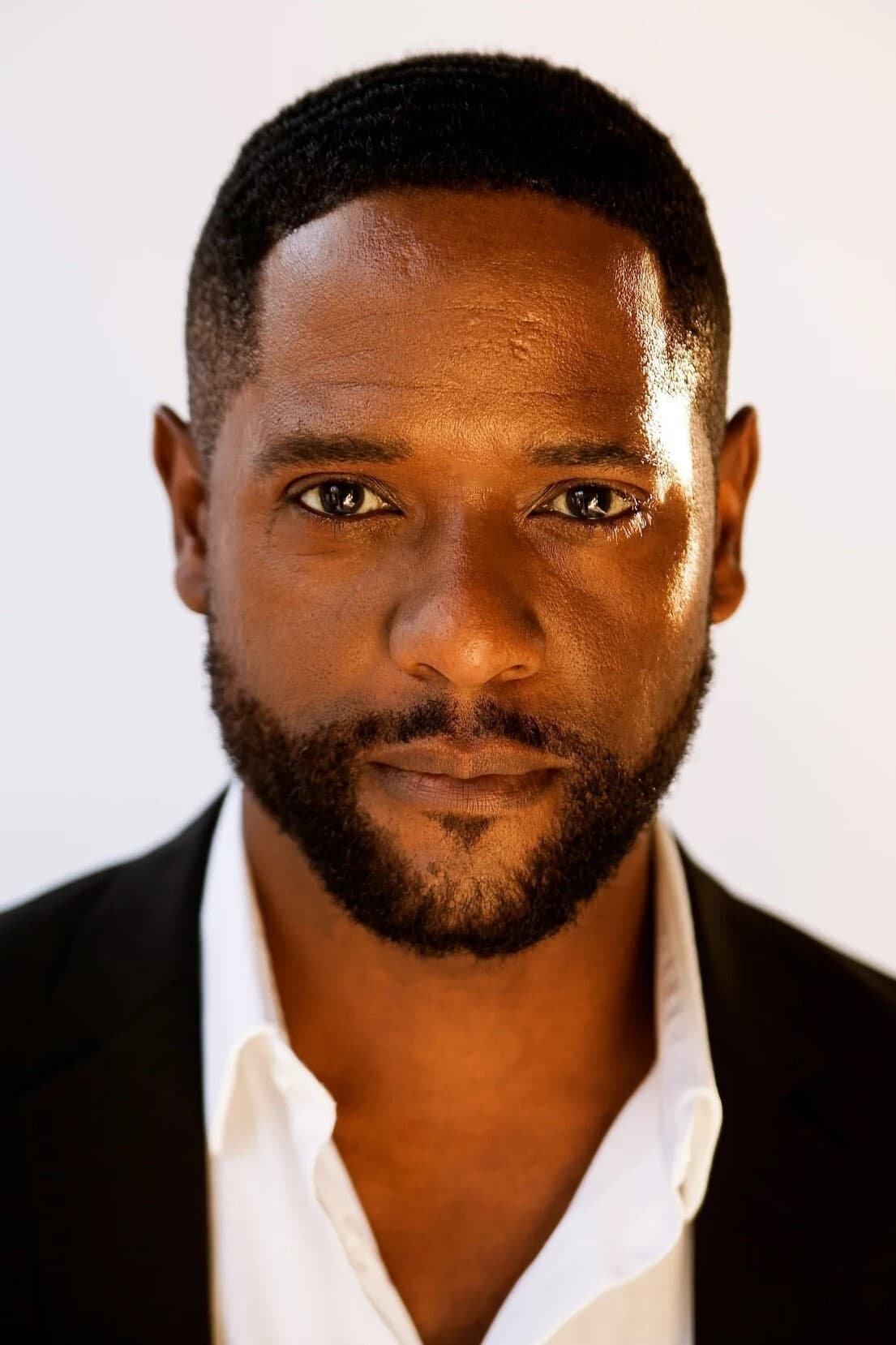
Blair Underwood has been one of television’s premier leading men since his breakout role as attorney Jonathan Rollins on ‘L.A. Law.’ With an effortless charisma, Underwood has seamlessly transitioned through prestige projects like ‘In Treatment’ and ‘Quantico.’

Terrence Howard

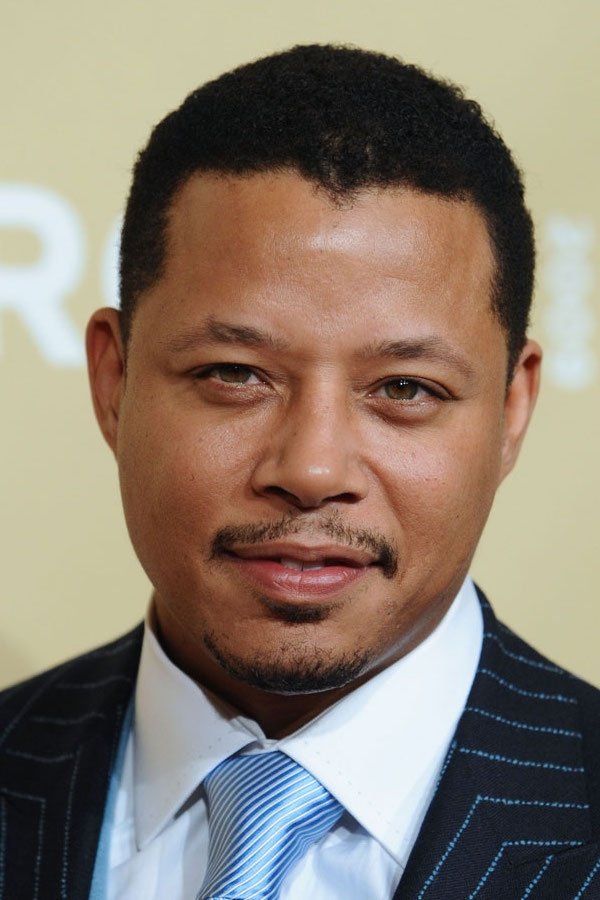
As the ruthless, musically brilliant patriarch Lucious Lyon in ‘Empire,’ Terrence Howard anchored a massive cultural phenomenon. Howard’s volatile, unpredictable, and highly stylized performance kept millions of viewers glued to their screens week after week.

Anthony Anderson

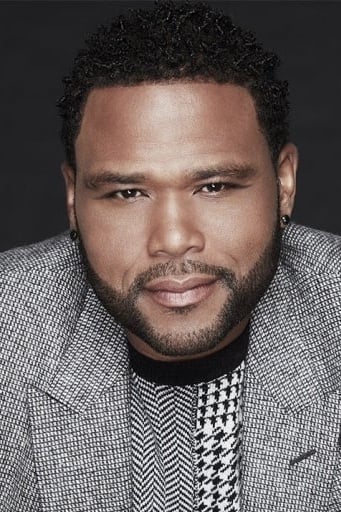
Anthony Anderson became a household favorite as Dre Johnson on ‘Black-ish,’ a role that earned him multiple Emmy nominations and allowed him to explore the complexities of modern Black fatherhood. Anderson’s versatility shines whether he’s hosting, doing comedy, or investigating on ‘Law & Order.’

Tracy Morgan

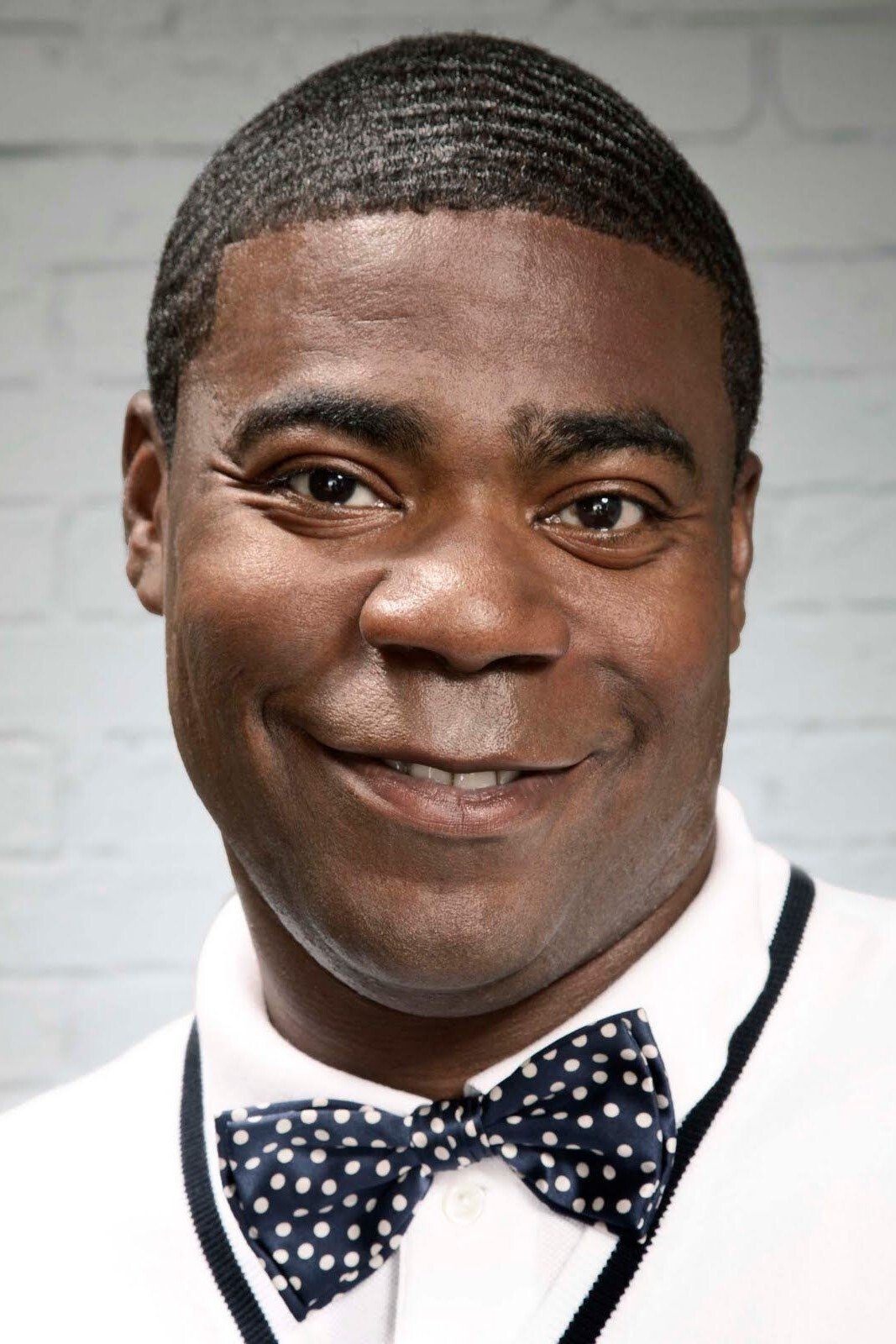
After keeping us laughing on ‘Saturday Night Live,’ Tracy Morgan delivered comedic gold as Tracy Jordan on ’30 Rock.’ His eccentric brilliance and unforgettable one-liners earned him critical acclaim, which he later grounded with sweet sincerity in ‘The Last O.G.’

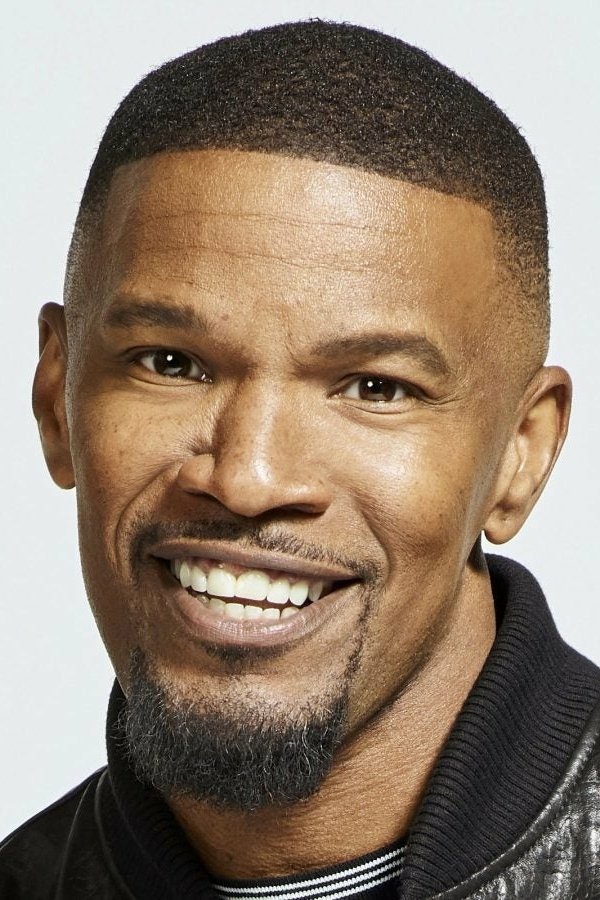
Jamie Foxx

Before winning an Oscar and becoming a global superstar, Jamie Foxx honed his incredible comedic, musical, and physical talents on ‘The Jamie Foxx Show.’ His five-season run established him as a premier entertainer who could transition flawlessly between any genre.

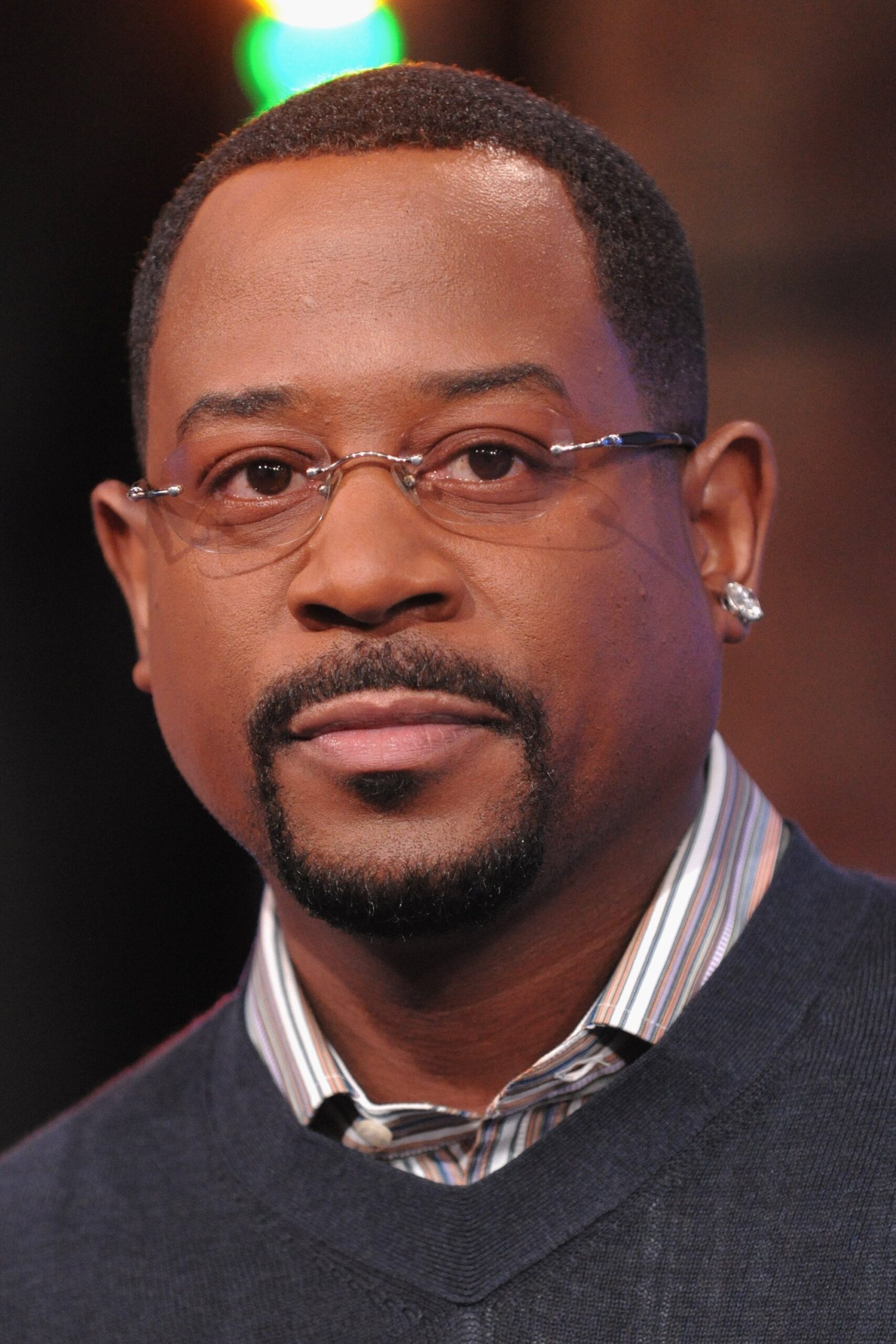
Martin Lawrence

Martin Lawrence created a certified cultural touchstone with his self-titled sitcom ‘Martin.’ Playing multiple beloved characters, Lawrence’s high-energy physical comedy and sharp cultural insight defined nineties television and influenced an entire generation of comedy.

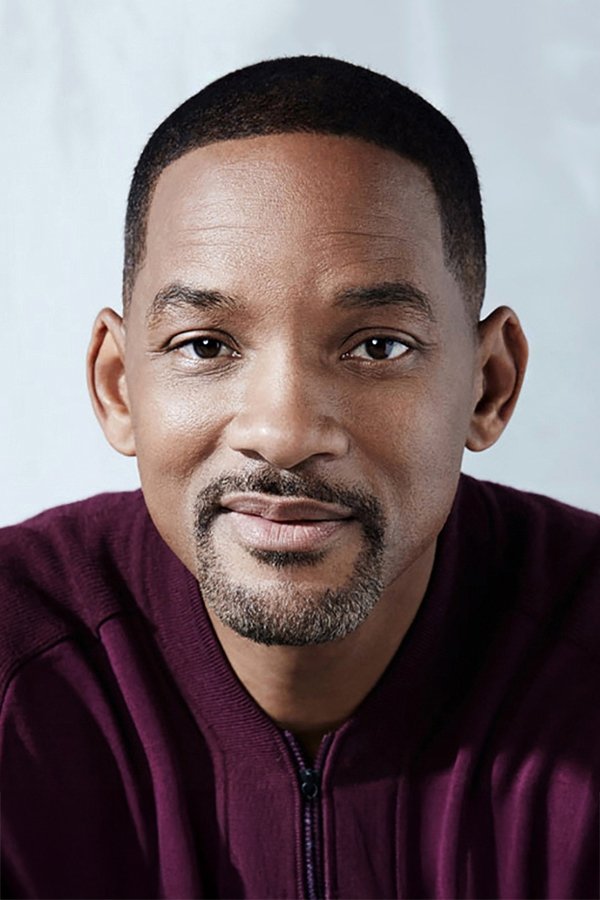
Will Smith

Will Smith’s ascent from hip-hop star to global icon began in West Philadelphia—and on the set of ‘The Fresh Prince of Bel-Air.’ Smith’s charisma, comedic timing, and raw emotional vulnerability in the show’s heaviest moments created an enduring, cross-generational masterpiece.

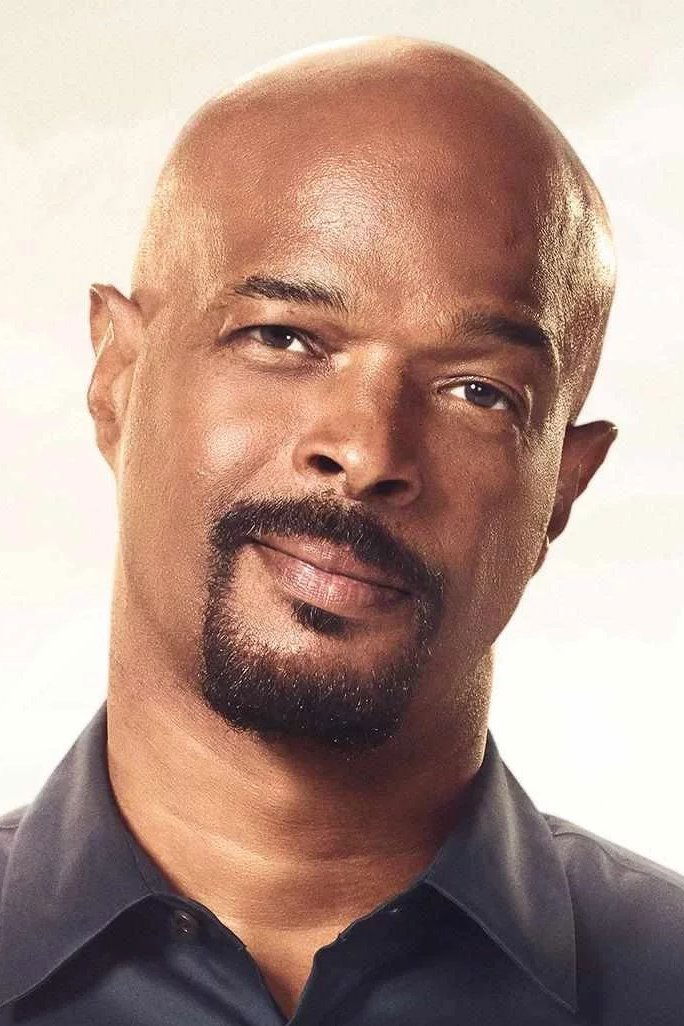
Damon Wayans

From his genius sketch work on ‘In Living Color’ to the beloved family patriarch Michael Kyle in ‘My Wife and Kids,’ Damon Wayans has been a cornerstone of Black comedy. His physical comedy, sharp wit, and creative writing have permanently shaped television history.

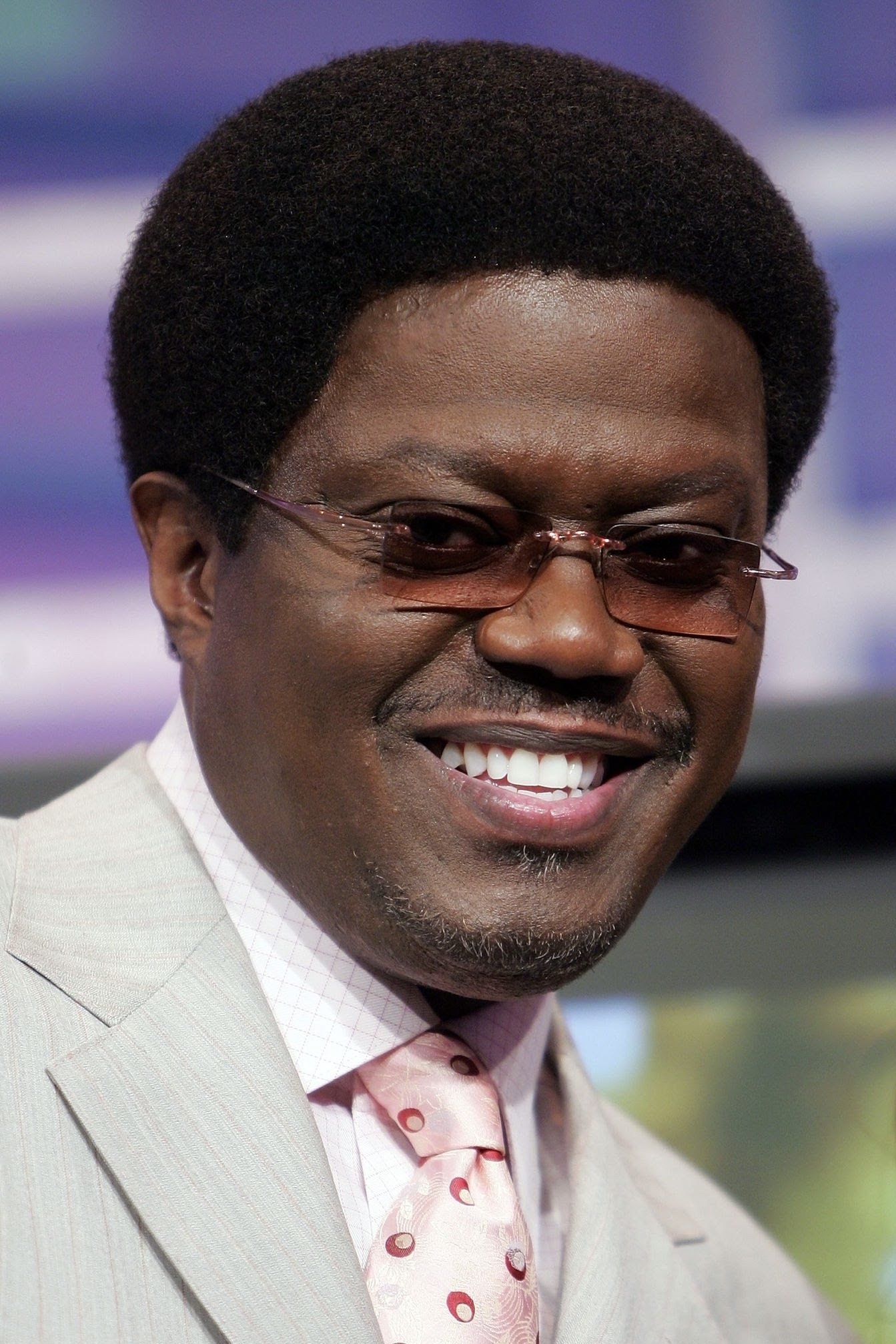
Bernie Mac

The late, great Bernie Mac turned his legendary stand-up comedy into ‘The Bernie Mac Show,’ a unique and deeply beloved sitcom. Directly addressing ‘America’ with his trademark tough-love wisdom, Mac brought a raw, hilarious authenticity to prime-time television.

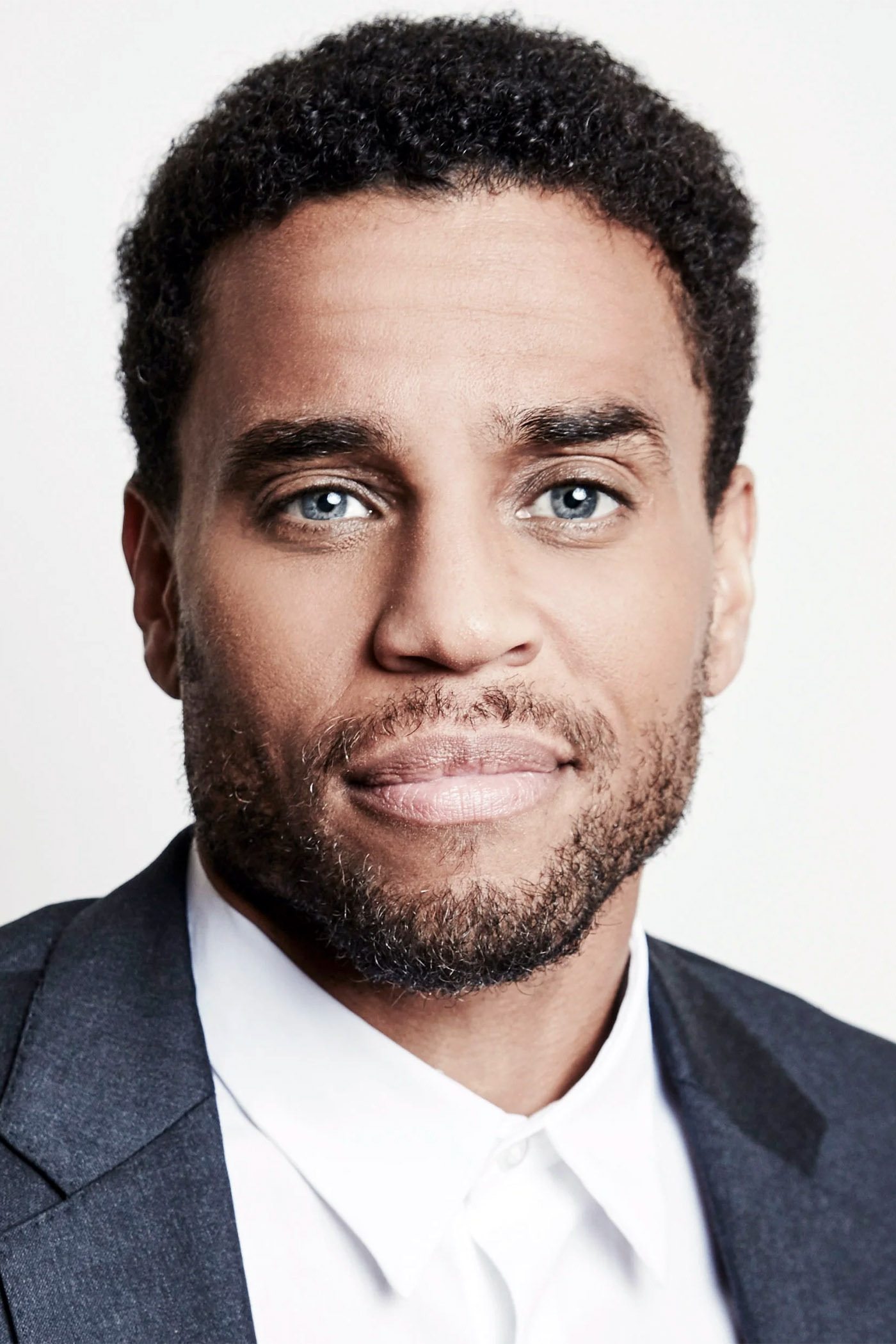
Michael Ealy

Michael Ealy’s striking screen presence and intense dramatic focus have made him a premier television lead. From his complex role in ‘Sleeper Cell’ to futuristic drama in ‘Almost Human’ and procedural thrillers like ‘Stumptown,’ Ealy effortlessly balances charm with mystery.

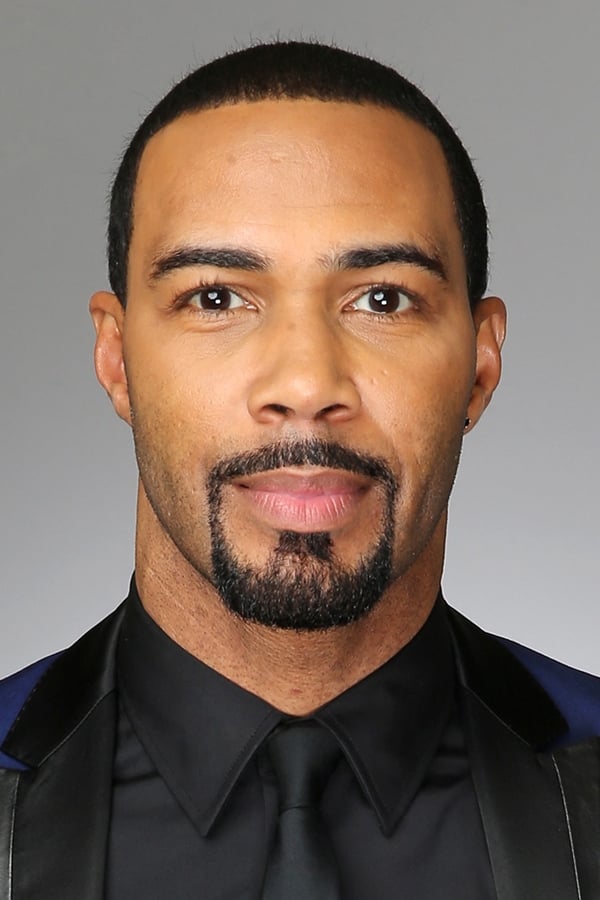
Omari Hardwick

Omari Hardwick delivered a defining modern television performance as James ‘Ghost’ St. Patrick on the hit drama ‘Power.’ For six thrilling seasons, Hardwick’s intense physicality and deep emotional range perfectly captured the tragic dual life of a modern anti-hero.

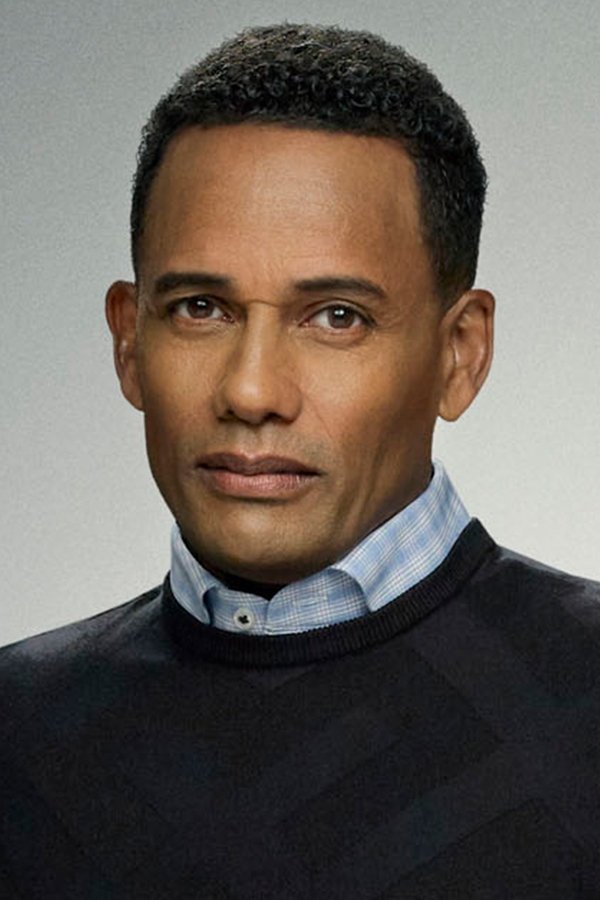
Hill Harper

Hill Harper has been a reliable, highly intellectual anchor for some of television’s biggest procedural hits. Whether analyzing crime scenes as Dr. Sheldon Hawkes on ‘CSI: NY’ or navigating hospital politics on ‘The Good Doctor,’ Harper brings steady dignity to every role.

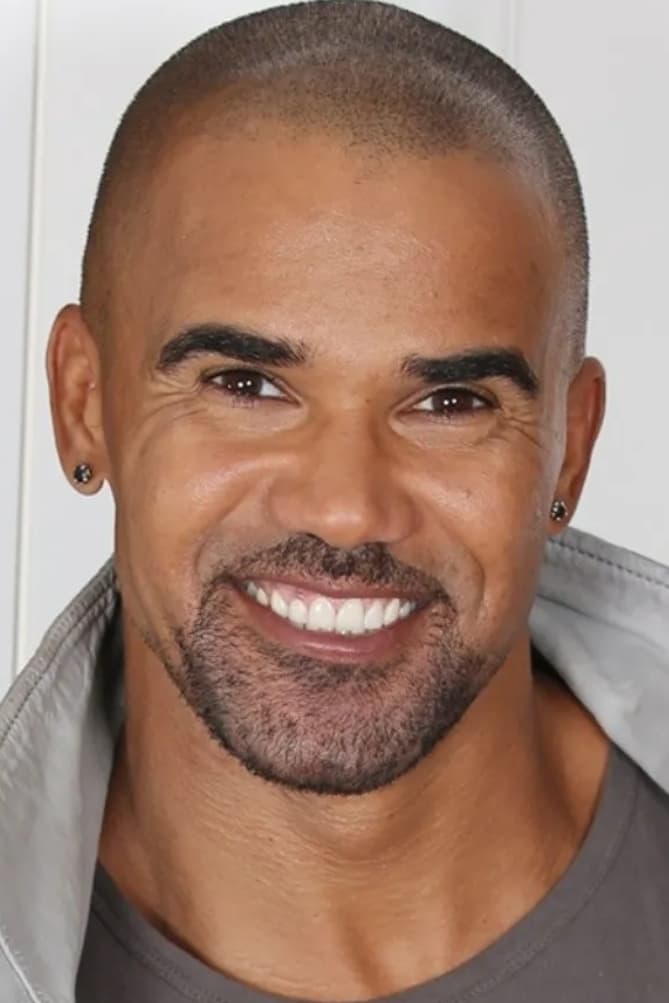
Shemar Moore

Shemar Moore’s journey from daytime royalty on ‘The Young and the Restless’ to prime-time superstar on ‘Criminal Minds’ and ‘S.W.A.T.’ is legendary. Moore’s high-octane charisma, physical presence, and deep connection with fans have made him a global favorite.

Khloé Kardashian & French Montana: No Bad Blood

Khloé Kardashian’s rare night out started with dinner and ended with a surprise run-in with one of her exes. If you’re into following celebrity culture, you know how these moments can get messy fast—but this one? It was surprisingly chill.

On a recent episode of Khloé in Wonder Land, Khloé said she joined her bestie Malika Haqq for a birthday celebration after spending months away from the party scene. According to celebrity culture watchers everywhere, Khloé’s been keeping a low profile lately, so this outing was a big deal.

“I had so much fun,” she said. “We went to dinner first, and the dinner was actually so much fun.”

After dinner, Khloé and Malika headed to a private venue, where Khloé immediately ran into French Montana, whom she dated back in 2014. The energy? Totally relaxed, honestly.

“The first person I run into is French,” she recalled. “I was like, ‘Hi!’ He was like, ‘What are you doing?’ I was like, ‘What are you doing here?'”

Khloé said the moment was friendly and brief, adding that it was “so nice” to see him. “We’re fine,” she said, explaining that they only spoke for “like a second” and she “barely saw him.” It’s the kind of mature energy you love to see.

Khloé also shared that Tristan Thompson, her ex and the father of her children, True, 8, and Tatum, 3, was at the party too. So yeah, a whole lot of history in one room, but everyone kept it civil.

French has previously spoken warmly about Khloé, telling Haute Living in 2019 that they had a “real dope relationship” and “no bad blood.” That consistency says everything.

The encounter was a positive experience, unlike her current situation with her ex-husband, Lamar Odom. During the recent Netflix documentary, Untold: The Death & Life of Lamar Odom, Odom boasted about marrying the Kardashian for clout—which, yeah, didn’t go over well.

“You’re sitting on camera, saying you married me for fame? Like, what?” she said following his remarks. “That’s some f–ked up s–t. I feel so dumb.”

“I spent hours doing this documentary as a favor. I’m not paid one penny,” she continued. “I’m pissed that I’m even involved.”

★m★

6ix9ine Says “God” Had His Back After Drake Diss

Hip hop biography moments like this remind us why the rap game stays messy. Tekashi 6ix9ine is looking back at one of Drake and Lil Durk’s biggest collaborations and is unsurprisingly not even a tiny bit remorseful about some of his past actions.

In a VladTV interview, the Brooklyn-born rapper discussed “Laugh Now Cry Later,” Drake and Durk’s 2020 single, and said he believes the diss aimed at him has aged differently because of what both artists have been through since. Drake has taken on half of the music industry following his beef with Compton rapper Kendrick Lamar, and Durk is currently in jail awaiting trial. You can find more on hip hop biography coverage here.

“I could be wrong, but I’m gonna say it,” he said. “God has showed me that he’s real.”

The rapper said Drake once seemed untouchable to him before years of jokes, memes, and Kendrick Lamar’s major rap beef shifted the narrative.

“Drake could literally do no wrong,” 6ix9ine said.

He then weighed in on Durk, who was arrested in October 2024 in connection with an alleged murder-for-hire plot dating back to 2022. Durk remains in jail without bond, and his trial is expected in August 2026. The irony? The title of their 2020 diss track says it all.

“The name of their song in 2020 when they dissed me was ‘Laugh Now Cry Later,'” 6ix9ine said. And honestly, the timing hit different.

Over the years, 6ix9ine has traded insults with several rappers, building quite the controversial legacy. He’s accused Trippie Redd of switching sides, argued with Meek Mill outside a club, mocked YG online, and even targeted Snoop Dogg after the legendary rapper called him out for being a federal snitch. These beefs showcase the kind of drama that fuels spoken word and spoken word narratives in hip-hop culture.

Snoop quickly clapped back with no hesitation.

“Last time you said something, I ain’t have time. But today, I got time,” he said in a since deleted video. “You better get the f–k off my line, n—a. Rat boy, you really better leave me alone. I ain’t the one. No way … Go on and do yo’ s–t and get out my way, b—h. You funky dog-head, rainbow-head, dog-head b—h. Yeah, you. Better leave the Dogg alone. Go find you a cat. Tom and Jerry s–t. F–k with the Dogg, nothing nice, b—h. Rat boy.”

This whole situation is a reminder that karma moves quietly sometimes. When you’re constantly stirring the pot, the universe has a way of evening things out for everyone involved.

★m★

The Return of Jim Crow: What to Expect

There are chapters in American history that Black Americans look back on with something between horror and disbelief. Eras defined not just by law and policy, but by lived fear, systemic violence, and collective resistance. Jim Crow stands among the most devastating systems of racial control the country has ever produced.

While schools teach Jim Crow as something historical, something closed off and finished, its actual impact on Black life remains poorly understood. From voting restrictions and economic exclusion to segregated schools, housing, and public spaces, its control was absolute. Now, with ongoing attacks on civil rights protections—including the Supreme Court’s gutting of the Voting Rights Act—many Black leaders and scholars are asking a uncomfortable question: what would Jim Crow look like in 2026? The answer, according to civil rights activists, may be closer than we think. In fact, some argue we’re already living in a Jim Crow era, just without the explicit legal language.
What Was Jim Crow?

African-American men wearing tuxedos carry a coffin and a “Here Lies Jim Crow” sign down the middle of a street as a demonstration against “Jim Crow” segregation laws. 1944. (Photo by © CORBIS/Corbis via Getty Images)
The system began after Reconstruction ended and persisted until the mid-1960s, according to the National Park Service. Backed by local enforcement and federal neglect, it shaped nearly every dimension of Black existence. Every part of life—from education to employment, from where you could eat to where you could sit—was controlled by law and terror. Cultural narratives reinforced it all, routinely dehumanizing Black people in everyday speech, media, and public discourse.

The system touched everything. Mass media casually deployed racial slurs. Segregation wasn’t just policy; it was performance, a constant public reminder of who mattered and who didn’t.

Mass Incarceration

Prisoners at Dade County Correctional Facility, FL (Photo by: Joe Sohm/Visions of America/Universal Images Group via Getty Images)

The 13th Amendment outlawed slavery everywhere except prison. That exception has shaped everything that came after. Prison reform activists trace a direct line from that clause to mass incarceration to what they call the school-to-prison pipeline. The pipeline describes policies and disciplinary practices that push students—especially Black students—out of classrooms and into the criminal justice system.

Zero-tolerance policies, suspensions, expulsions, and heavy police presence in schools disproportionately affect students of color. According to the American Civil Liberties Union, Black students get referred to law enforcement at rates far above their representation in school enrollment. Underfunded schools, racial bias in discipline, and harsh enforcement all contribute to higher dropout rates and increased odds of future incarceration. It’s mass incarceration dressed up as education policy.

School to Prison Pipeline

Michelle Alexander, author of the 2010 book “The New Jim Crow,” laid out the mechanics during a 2012 NPR interview. “People are swept into the criminal justice system—particularly in poor communities of color—at very early ages, typically for fairly minor, nonviolent crimes,” Alexander told Fresh Air’s Dave Davies. “[Young Black males are] shuttled into prisons, branded as criminals and felons, and then when they’re released, they’re relegated to a permanent second-class status, stripped of the very rights supposedly won in the civil rights movement—like the right to vote, the right to serve on juries, the right to be free of legal discrimination in employment, and access to education and public benefits. Many of the old forms of discrimination that we supposedly left behind during the Jim Crow era are suddenly legal again, once you’ve been branded a felon.”

Police Brutality

Civil Rights activists are blocked by National Guardsmen brandishing bayonets while trying to stage a protest on Beale Street in Memphis, Tennessee. The marching demonstrators, who are wearing signs which say “I Am A Man,” are also flanked by tanks.

Jim Crow policing and modern policing share the same root: racial control. During the Jim Crow era, police openly enforced segregation, intimidated Black Americans, and often looked the other way during racial violence—or participated in it directly. Segregation is now illegal, but Black communities still face disproportionate police violence, racial profiling, and harsher law enforcement treatment. The 2020 killings of George Floyd and Breonna Taylor reignited those historical comparisons. While Jim Crow racism was written into law, today’s disparities are coded into systemic bias, policing practices, and institutional inequalities that many argue continue to devastate Black communities.

Ending DEI

WASHINGTON, DC – MAY 05: U.S. President Donald Trump looks on during a proclamation signing in the Oval Office of the White House on May 05, 2026 in Washington, DC. President Trump signed a presidential memorandum restoring the Presidential Fitness Test Award, which was reinstated by executive order in July 2025 and reintroduces a performance-based benchmark in physical education. (Photo by Anna Moneymaker/Getty Images)

President Donald Trump has made dismantling diversity, equity and inclusion efforts a priority. Rev. Al Sharpton, speaking to us about the push, cut through the rhetoric. “They came up—they being the private sector—they came up with DEI,” he said. “We never called it DEI. We asked for fairness and equity. They named something. Now they want to end something they named like we asked for it. What we asked is for fairness.”

Targeting HBCUs

TALLAHASSEE, FLORIDA – SEPTEMBER 9: An aerial view of Rattler’s Kitchen/Bottom Cafe on Florida A&M University campus on September 9, 2025 in Tallahassee, Florida. (Photo by Vaughn Wilson/Florida A&M University via Getty Images)

After a far-right conservative was killed, at least a dozen historically Black colleges and universities received violent threats. The FBI later determined the threats weren’t credible, but campuses were forced into lockdowns, canceled classes, and ramped up security anyway. “HBCUs receiving threats after a white nationalist was killed feels painfully unsurprising,” Alabama State University student Sam Barnett told the Hilltop. “The threats are likely to continue because many conservatives and Republicans see the incident as a direct attack against them.”

Economic Decline

INGLEWOOD, CALIFORNIA – APRIL 28: Job seekers line up to enter the HIRE360 Diversity Hiring Expo on April 28, 2026 in Inglewood, California. U.S. jobless claims rose by 6,000 to 214,000 in the latest week, coming in above expectations but remaining at relatively low levels, signaling continued labor market stability despite a slight uptick in layoffs. (Photo by Justin Sullivan/Getty Images)

Black unemployment is rising faster than the national average, alarming economists who see it as a warning signal. Labor Department data shows Black workers losing jobs while overall unemployment stays relatively stable. Analysts point out that Black workers, disproportionately employed in federal government, logistics, and entry-level service jobs, are often the first casualties when hiring slows. Federal workforce cuts tied to Trump’s efficiency push, cuts to diversity programs, and broader economic uncertainty are all factors. Economists call it a “canary in the coal mine”—an early indicator that the broader job market may be weakening.

Slashing Black Voting Power

COLUMBIA, SOUTH CAROLINA – MAY 14: A demonstrator holds a sign on the statehouse steps during a rally in opposition to congressional redistricting on May 14, 2026 in Columbia, South Carolina.South Carolina Gov. Henry McMaster announced a special session on redistricting that could potentially dismantle Democratic held districts. Early voting for the midterm statewide primary starts on May 26. (Photo by Sean Rayford/Getty Images)

Alanah Odoms, executive director of the American Civil Liberties Union in Louisiana, described the Supreme Court’s decision to gut Section 2 of the Voting Rights Act as “a real assault and a demolition.” She explained how racial gerrymandering works in practice: “Black people being packed into a district so their power across surrounding districts would be limited, or being cracked across districts so they would never have enough power to elect a candidate of their choice.” During Jim Crow, literacy tests and poll taxes kept Black voters from the ballot box. The methods have changed; the intent remains.

Segregated Housing

Screenshot from YouTube

The Fair Housing Act of 1968 made housing segregation illegal. Fifty-eight years later, racial housing segregation persists in different forms. Return to the Land, a relatively new settlement in Arkansas, openly markets itself as a whites-only “private membership association” for people with “traditional views and European ancestry.” Applicants submit to an extensive screening process including a video interview to verify ethnic background and family lineage. Black people, Jewish individuals, LGBTQIA+ people, and those of mixed-race backgrounds are excluded from membership.

Small Number of Black Congress Members, SCOTUS

NAACP Chief Counsel Thurgood Marshall in front of the Supreme Court where he made a last-ditch appeal that would permit African American children to reenter Central High School in Little Rock, Arkansas. Legal resources expressed belief there was little chance the move would succeed.

During Jim Crow, Black representation in Congress and on the Supreme Court was nearly nonexistent. Thurgood Marshall became the first Black Supreme Court justice in 1967. Since then, only two Black justices have served: conservative Justice Clarence Thomas and liberal Justice Ketanji Brown Jackson. Within the Republican Party, all four Black representatives are set to leave their positions by 2027, widening the racial gap in GOP leadership. Ongoing redistricting efforts in the South, aimed at diluting Black voting blocs, have already displaced several Black leaders from historically Black districts. The result: fewer Black representatives in Congress.

Department of Education

UNITED STATES – APRIL 28: Secretary of Education Linda McMahon adjusts her microphone before the start of the Senate Appropriations Subcommittee on Labor, Health and Human Services, Education, and Related Agencies hearing on “A Review of the President’s Fiscal Year 2027 Budget Request for the Department of Education” in the Dirksen Senate Office Building on Tuesday, April 28, 2026. (Bill Clark/CQ-Roll Call, Inc via Getty Images)

Trump administration education policies are already affecting Black students and civil rights protections in schools. The Office for Civil Rights has failed to adequately address racial discrimination complaints involving Black students. Staffing cuts, office closures, and reduced federal oversight of schools have disproportionately harmed Black students, who have historically borne the weight of educational inequality. With the administration pushing to shut down the Department of Education, Black students face reduced funding and attention at exactly the moment they need it most—a replay of the educational abandonment that characterized the Jim Crow era.

Lynching Concerns

(Original Caption) The group of protestors paraded before Constitution Hall as the National Crime Conference gathered for today’s session. Their banners carried a plea to the conference to consider the lynching situation.

During Jim Crow, lynching was a routine terror tactic. Black people were hanged from trees, yes, but also beaten, tortured, shot, and burned—sometimes at police hands. In 2026, civil rights activists argue that Black people are still being lynched. FBI data shows Black Americans are disproportionately targeted in racial hate crimes. Within the past five years, police brutality cases and the deaths of Black men like Javion Magee and Trey Reed have reignited concerns about modern-day lynching.

Modern-Day Examples

ALBANY, NY – JANUARY 14: Demonstrators rally in support of fatally beaten Marcy Correctional Facility inmate Robert Brooks ahead of Gov. Kathy Hochuls 2025 State of the State Address on Tuesday, Jan. 14, 2025, at Empire State Plaza in Albany, N.Y. On Dec. 9, Robert L. Brooks, an inmate at Marcy Correctional Facility in Oneida County, was beaten by multiple correction officers after being transferred to that prison from nearby Mohawk Correctional Facility. (Will Waldron/Albany Times Union via Getty Images)

Mississippi Rep. Bennie Thompson spoke out after the death of Trey Reed, a 21-year-old student found hanging from a tree. “While the details of this case are still emerging, we cannot ignore Mississippi’s painful history of lynching and racial violence against African Americans,” Thompson said. Robert Brooks, another Black man, was beaten to death by New York correctional officers in 2024. Of the 10 guards charged, seven pleaded guilty to manslaughter or lesser charges. Two were acquitted at trial. One was convicted.

These aren’t historical examples. They’re happening now. The patterns are familiar. The stakes remain impossibly high.


★tr★

K Michelle’s Cheating Rules for Her Husband

K. Michelle Reveals the Surprising Boundaries in Her Marriage – And Why She Watches Her Husband’s Trysts

The bold R&B diva and newest Real Housewives of Atlanta peach-holder pulled back the curtain on her unorthodox marital arrangement in a jaw-dropping interview with Shannon Sharpe on his Club Shay Shay podcast. If you’ve been following the evolving norms around relationship boundaries in celebrity culture, K. Michelle’s candid approach is definitely worth unpacking.

Most wives would be tempted to check cell phones or hire private investigators if they suspected infidelity. But K. Michelle takes a refreshingly direct stance – she’s alright with her husband stepping out, as long as he follows one ironclad, non-negotiable rule. The Swamp Princess made it crystal clear to Shannon: no financial support for any side pieces.

“No bills paid, no luxury gifts, none of that,” she warned emphatically. High-fashion perks and lavish spending are reserved exclusively for the legal wife. It’s a savvy tactic to protect her own assets and lifestyle, almost like keeping your Birkin bags out of reach.

Just when Shannon thought the conversation couldn’t get any wilder, K. Michelle dropped a secondary bombshell that had the entire studio reeling. She nonchalantly admitted that she doesn’t just turn a blind eye – sometimes, she actually watches her husband and the mistress engage in their trysts. It’s a level of radical transparency that would require serious, soul-searching reflection over a cold brew.

Whether it’s a calculated control tactic, an unconventional marital arrangement, or simply K. Michelle being the most unfiltered woman in reality TV, her approach to infidelity certainly challenges conventional notions of fidelity. For those interested in the evolving norms around modern relationships, this interview offers a rare glimpse into the private boundaries of one high-profile couple.

[instagram-media data-instgrm-captioned=”” data-instgrm-permalink=”https://www.instagram.com/reel/DYldPtnulAQ/?utm_source=ig_embed&utm_campaign=loading” data-instgrm-version=”14″]

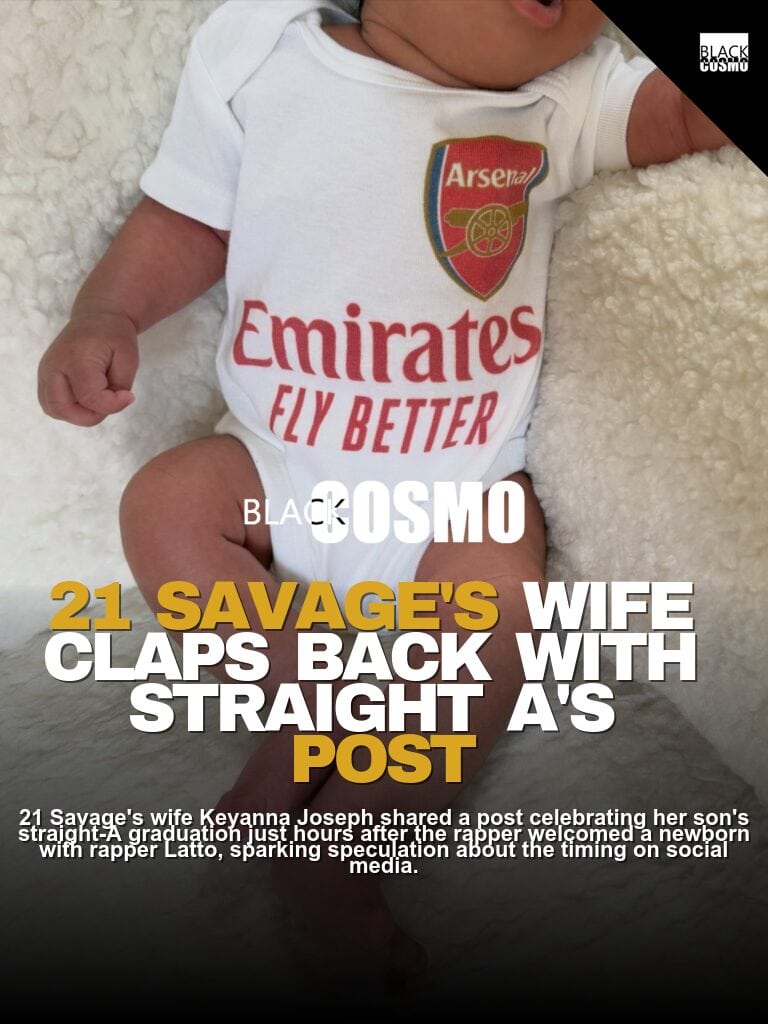
21 Savage Baby Photo Drama: Wife’s Shady Reply

BATTLE OF THE BABY MAMA AND THE WIFE! 21 Savage’s Wife Drops A Petty Post Celebrating Her Straight-A Graduate Son Just Hours After Rapper Welcomes Child With Latto!

BlkCosmo got some tea for y’all! Earlier this week, Latto practically broke the charts and social media when she dropped a deeply emotional pregnancy documentary, officially confirming the arrival of her first child and hard-launching her long-rumored romance with 21 Savage. The couple has been keeping the newborn’s identity closely under wraps, but after the rapper seemingly shared a glimpse of the newborn baby boy online, things got real spicy.

The rapper’s legal wife, Keyanna Joseph, decided it was the perfect time to remind the world exactly who has the real bragging rights. This story of competing achievements and family dynamics feels like something straight out of a 21 Savage narrative—layered, complicated, and deeply human. Instead of focusing on the newborn drama, Keyanna chose to celebrate her own son’s academic success with a series of proud parent moments.

The Wife’s Counter-Punch: “Straight A’s” & Brains

Just hours after the internet erupted over the newborn announcement, Keyanna hopped onto her own social media page to do some major celebrating of her own. But instead of focusing on a newborn, she decided to highlight the success of the older son she shares with the rapper. There’s something powerful about watching a mother center Black excellence and academic achievement when the noise around her is overwhelming.

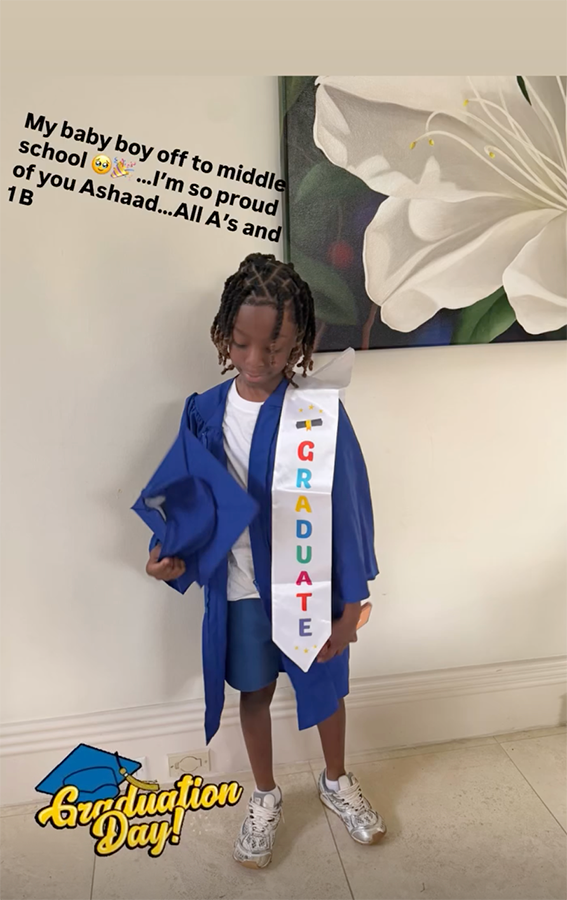
Keyanna proudly shared a series of photos announcing that their son just officially graduated from grammar school with distinction. The timing of this post sparked conversations about what really matters—nurturing the next generation with a commitment to intellectual growth and cultural pride.

  • The Looks: Fans immediately pointed out that the young man is the absolute spitting image of his famous father, looking exactly like a mini version of the rapper.
  • The Brains: The boy clearly inherited a sharp mind. She proudly bragged that the young graduate pulled off straight A’s, securing a top-tier report card to go along with his diploma.

The Internet Drags the Timing: “The Shade Is Real!”

You already know the blogs and comment sections didn’t miss the impeccable, petty timing of Keyanna’s post. While the rapper has been playing doting dad to Latto’s pregnancy rollout ahead of her upcoming album Big Mama, Keyanna’s post felt like a subtle reminder to the public that she has been building a family and a legacy with him for years. It’s the kind of cultural moment that deserves a curated reading list to unpack all the complexity—family, loyalty, ambition, and what it means to hold your ground.

“The baby daddy is out here welcoming a newborn with a side piece, and the wife is showing off that her son has the real brains and straight A’s,” one fan wrote. “The timing is too perfect to be an accident!”

While 21 Savage continues to split his time between his complicated marital situation and his high-profile romance with the “Big Energy” rap star, his wife is making it clear that her focus is entirely on raising intelligent, successful young men. Her post speaks volumes about where her priorities are—on building a foundation of educational excellence and ancestral pride for the next generation.

Talk about a masterclass in elegant, high-achieving shade!

Do you think Keyanna Joseph’s graduation post was an innocent celebration, or was it a calculated move to steal Latto and 21 Savage’s newborn thunder? Let us know in the comments!

★m★

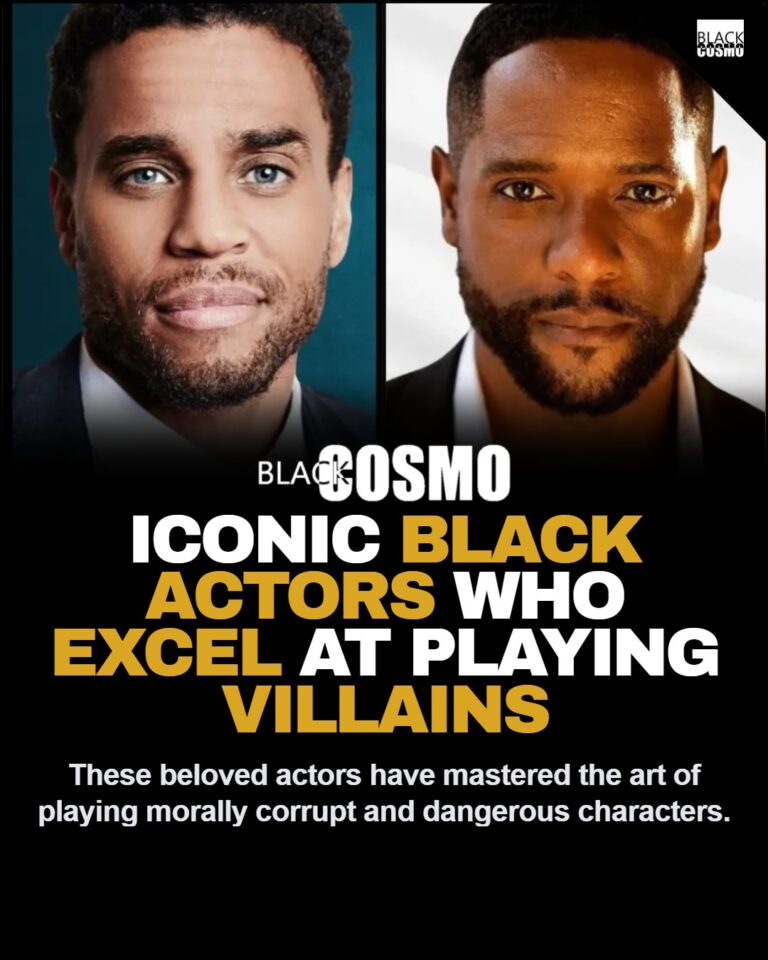
Iconic Black Actors Who Excel at Playing Villains

We tend to celebrate actors for their range and talent, but sometimes an actor nails a villainous role so convincingly that it takes a moment to remember they’re just playing a character. The scary part? Some of them make being bad look genuinely appealing. There’s a particular skill in that—the ability to be so believable as someone sinister that audiences can’t help but feel a little unsettled once the credits roll.

That’s why we rounded up some of our most beloved performers who’ve done exceptionally well playing characters on the darker side. From Denzel Washington in “Training Day” to Michael Ealy’s haunting turn in “For Colored Girls,” these are the actors who proved they could make evil look compelling. Keep reading to see who made our list.

Sterling K. Brown – “Is God Is”

Sterling K. Brown
Sterling K. Brown at the 2026 TIME 100 Gala in New York City

Brown completely rewrote expectations with his role in “Is God Is,” abandoning his typical good-guy persona to play an abusive husband and father. The choices he makes are terrifying in their subtlety, which somehow makes them worse. Rest assured, in real life, he’s the complete opposite—but his performance left us genuinely shaken.

Michael Ealy – “For Colored Girls”

Michael Ealy
Michael Ealy at CultureCon 2025 in Brooklyn, New York

Michael Ealy’s character in “For Colored Girls” committed acts so horrific that fans still haven’t let it go. His portrayal was so appalling, so utterly convincing in its evil, that it created a kind of permanent scar on viewers. That level of performance stays with you.

Blair Underwood – “Madea’s Family Reunion” and “Dear White People”

Blair Underwood
Blair Underwood at the FOX Upfront in New York City

The slap in “Madea’s Family Reunion” still echoes. That stinging, horrifying violence and his equally disturbing role in “Dear White People” showed Underwood could make cruelty look disturbingly elegant. Why’d he have to make villainy feel so smooth?

Colman Domingo – “The Color Purple” and “Michael”

Colman Domingo
Colman Domingo at the “Disclosure Day” premiere at Lincoln Center in New York City

Colman Domingo is booked, talented, and genuinely charismatic. But after watching him terrorize audiences as Joe Jackson in “Michael,” as the brutal Mister in “The Color Purple,” and as X in “Zola,” we’re actively rooting for softer roles. This man makes being bad look far too good. Maybe a feel-good project is in order?

Omar Epps – “Fatal Attraction”

Omar Epps
Omar Epps as executive producer at the “Red Clay” screening during the Atlanta Film Festival

“Love & Basketball” and “Juice” built Epps a certain reputation. Then “Fatal Attraction” came along and erased all of that goodwill. Playing a stalker with that level of menace? That’s the stuff of nightmares.

Mahershala Ali – “Luke Cage”

Mahershala Ali
Mahershala Ali at the Amazon MGM Studios CinemaCon 2026 Presentation

We’re waiting for Ali to bring the same intensity to “Blade,” but first we have to get over his Cottonmouth portrayal in “Luke Cage.” The shift from the charming, composed Mahershala we see on red carpets to this criminal menace was genuinely jarring. He was a complete menace.

Denzel Washington – “Training Day” and “Gladiator II”

Denzel Washington
Denzel Washington at the Cannes Film Festival

The culture collectively holds Denzel Washington in high regard, and for good reason. But seeing him channel malice, corruption, and pure ruthlessness in “Training Day” and “Gladiator II” makes it clear he might be a little too skilled at playing someone awful. It’s unsettling in the best way possible.

Samuel L. Jackson – “Glass” and “Django Unchained”

Samuel L. Jackson
Samuel L. Jackson at the Critics Choice Association celebration honoring Black cinema and television

Jackson’s natural charisma works against him when he plays darker roles. From “Unbreakable” and “Glass” to his deeply disturbing turn as the house slave Steven in “Django Unchained,” he proves he can flip a switch completely. Off-screen he’s funny and cool. On-screen? He becomes someone entirely different, and that duality is unsettling.

Michael K. Williams – “The Wire”

Michael K. Williams
Michael K. Williams in his award show look for the Screen Actors Guild Awards

“Omar coming! Omar coming!” The warning still resonates. Williams’ portrayal of Omar Little in “The Wire” was sinister and terrifying. Those who worked with him, though, knew a different person entirely. He was a light, a genuinely positive force. Rest easy, Michael.

Luke James – “THEM: Infamy”

Luke James
Luke James at the BET American Black Film Festival Honors Awards

One listen to Luke James’ voice or one scroll through his Instagram will make you understand his appeal. So it was genuinely unsettling to watch him play a troubled serial killer in “THEM: Infamy.” We’re choosing to forget that performance so we can keep sweet Luke intact in our minds.

Clifton Powell – “Dead Presidents”

Clifton Powell
Clifton Powell at the premiere of “Fight Night: The Million Dollar Heist”

Clifton Powell has built a sterling reputation in the industry. His talent and professionalism are rarely questioned. Yet his role in “Dead Presidents” makes you want to give him a serious side eye. That’s the mark of a truly effective performance.

Keith David – “The Princess and the Frog”

Keith David
Keith David honored at the Hollywood Walk of Fame Star Ceremony

David’s Hollywood Walk of Fame star is well-deserved. But we still haven’t fully recovered from his performance as Dr. Facilier in “The Princess and the Frog.” That creepy, spooky energy was exactly what the villain needed. He made voodoo look genuinely terrifying.

Giancarlo Esposito – “The Boys” and “Breaking Bad”

Giancarlo Esposito
Giancarlo Esposito at the “Kill Me” premiere during SXSW in Austin, Texas

Giancarlo Esposito has this rare ability to make us root for the villain based purely on how well he’s executing the role. Remember when he appeared in “Living Single” as a killer? So charming, so captivating that his own lawyer couldn’t concentrate. He brings that same magnetic darkness to “The Boys” as the Vought CEO and to “Breaking Bad” as the ruthless drug kingpin. He makes depravity look calculated and almost seductive.


★tr★