Real Housewives of Atlanta just got more interesting. K. Michelle is speaking her truth about joining the show, and she’s not holding back about the dynamics she’s navigated.
During a chat with Page Six’s Virtual Reali-Tea, the singer opened up about her complicated friendship with Porsha Williams, who brought her into the Season 17 circle. K. Michelle said she entered the show with caution, even though the two women had previously worked together and publicly supported each other. “So when I was told [it was going to be] Porsha because we did the movie and we did the ‘go girl,’ we support each other on pictures and things like that, I was like, ‘OK. I’m going to go in with an open mind and I’m going to watch for myself the behavior,'” she recalled. “And the behavior is as I thought.” It’s that kind of honesty that feels refreshing in reality TV spaces.
The Bravo newcomer said she believed Porsha tried to produce her energy on the show. “I could never be produced,” she said firmly. “You will never yo-yo me. You’re never going to produce me.” That’s the kind of independence and self-awareness we love to see—it’s a statement piece moment in its own right, showing K. Michelle isn’t here to play a role written by anyone else.
Things escalated during Sunday’s episode when K. Michelle confronted a dinner guest over an oyster comment she felt referenced past rumors about her personal hygiene. It was a tense moment, but it showed she’s willing to address things head-on.
The good news? K. Michelle said she bonded more naturally with Kelli Ferrell, Shamea Morton, Pinky Cole and Angela Oakley. These connections feel more organic and genuine. “I just feel like I didn’t come in like people expected,” she said, adding that the reaction became, “‘Oh, you didn’t fall in line.'” That’s the real tea—when you show up as your authentic self and don’t conform to expectations, some people don’t know what to do with that energy.
K. Michelle made similar remarks during a recent interview on The Breakfast Club, doubling down on her message. You can catch more of her perspective and check out Real Housewives of Atlanta dynamics as the season continues to unfold.
Rick Ross has heard enough of Drake’s ICEMAN already.
The Miami rapper clapped back after Drake appeared to call him out on “Make Them Pay,” a track from the newly released album that also includes shots at Pusha T and J. Cole. Drake took shots while mentioning streamer Adin Ross. On the track, Drake rapped: “Dog, I was aidin’ Ross with streams before Adin Ross had ever streamed.” But Rick Ross wasn’t having it.
Ross did not sound rattled. On Instagram Stories, he filmed himself reading comments on a Complex post about the album and Drake’s bars. “Damn, n—as say three albums of trash… two years too late,” Ross said as he looked at the responses. “What site is this? Complex? The glazer university… Oh my God.”
He later turned the joke back on Drake, saying, “Come on guys, stop. Let’s all leave little mans alone now, man. He did it, he dropped three mid projects.” It was the kind of response that showed Ross staying unbothered—exactly the energy you’d want when reading through a curated reading list of hip hop culture moments.
Ross echoed these sentiments on a recent appearance on the PBD Podcast when he was asked about Drake and ICEMAN. “When you diss certain people and they can’t deal with it emotionally, they’re embarrassed,” Ross said in response. “They’re humiliated. That’s when they sue all of these people.”
Ross also said people around him sampled the project and quickly soured on it. “By the fifth song, they came out, they was like, ‘Damn, this s–t wack,'” he said. He also mocked Drake’s singing, joking, “No one’s my friend/You left me alone.” The whole exchange felt less like a heated beef and more like Ross confidently handling the moment with the kind of spoken word flair that keeps conversations going in hip hop.
Rick Ross sat down with right wing grifter PBD https://t.co/78OOu15xYa
OG Anunoby Is a Two-Country Champion — And He’s in Rare Company
With rings in two countries, Anunoby joins Kawhi Leonard, Danny Green, and a select few as one of the only players in NBA history to win championships on both sides of the border.
By BlkCosmo Staff June 13, 2026 NBA
OG Anunoby celebrates with the New York Knicks after winning the 2026 NBA Championship. (Photo: Getty Images)
The New York Knicks are NBA champions.
With a 94–90 win over the San Antonio Spurs in Game 5 on Saturday night, New York ended a 53-year championship drought — and OG Anunoby officially joined one of the most exclusive clubs in basketball history: players who have won an NBA title in two different countries.
From Toronto to New York
Anunoby won his first ring with the Toronto Raptors in 2019 — Canada’s only NBA franchise and the only team in the league that plays outside the United States. That alone made him historic. He became the first British-born player ever to win an NBA championship. There was a painful asterisk, though: an emergency appendectomy forced him to miss the entire playoff run. He dressed for the Finals but did not play a single minute.
Seven years later, there is no asterisk.
Anunoby’s game-winning tip-in in Game 4 completed the largest comeback in NBA Finals history. (Photo: Getty Images)
OG carried this Knicks team when the moment was biggest. In Game 4, he finished with a playoff-career-high 33 points on 10-for-15 shooting — including 7-for-9 from three — then delivered the two most crucial plays of New York’s historic comeback: a chase-down block on De’Aaron Fox with 12 seconds left, followed by a game-winning tip-in with 1.2 seconds on the clock to complete the largest comeback in NBA Finals history, from 29 points down.
“That has to be the most iconic shot in the history of New York basketball.” — Knicks Coach Mike Brown, after Game 4
Karl-Anthony Towns called it the “right hand from God.” Through the entire Finals, Anunoby averaged 23.8 points while shooting 58% from the field and 55.6% from three, with the kind of elite two-way dominance that had him firmly in Finals MVP conversation all series long.
The Two-Country Club
Because the Toronto Raptors are the only NBA franchise based outside the United States, the only path to winning a championship in two countries runs through them. That makes this distinction genuinely rare. Here’s the full list of confirmed members:
Kawhi Leonard The clearest blueprint. Leonard won with the San Antonio Spurs in 2014 and with the Toronto Raptors in 2019, earning Finals MVP both times — making him the only player ever to win Finals MVP in both conferences. He remains the gold standard of the two-country club.
Danny Green Came to Toronto in the same trade as Kawhi and won his second ring there after winning with San Antonio in 2014. He later added a third with the Lakers in 2020, giving him three rings across three franchises.
Patrick McCaw Won back-to-back titles with Golden State before joining the Raptors in January 2019 and becoming part of Toronto’s championship roster — giving him three rings in his first three seasons in the league.
Chris Boucher A Montreal native, Boucher was part of the Warriors’ 2018 championship team on a two-way contract before signing with the Raptors and winning again in 2019. Born in Canada, he won for Canada.
OG Anunoby The newest — and most compelling — member of the group. Unlike most of the names above, OG didn’t collect a ring as a reserve piece. He won the first one while sidelined by emergency surgery. He won the second one as arguably the best two-way player on the floor in the NBA Finals.
The Full Picture
Born in London to Nigerian parents, Anunoby moved to the United States at age four and built himself into one of the most feared defenders in the league. He was a Raptor. Then a Knick. And now, twice a champion — once in Canada, once in the U.S. — with a legacy that no injury or asterisk can touch this time.
The two-country club is small. OG Anunoby just became its most compelling member.
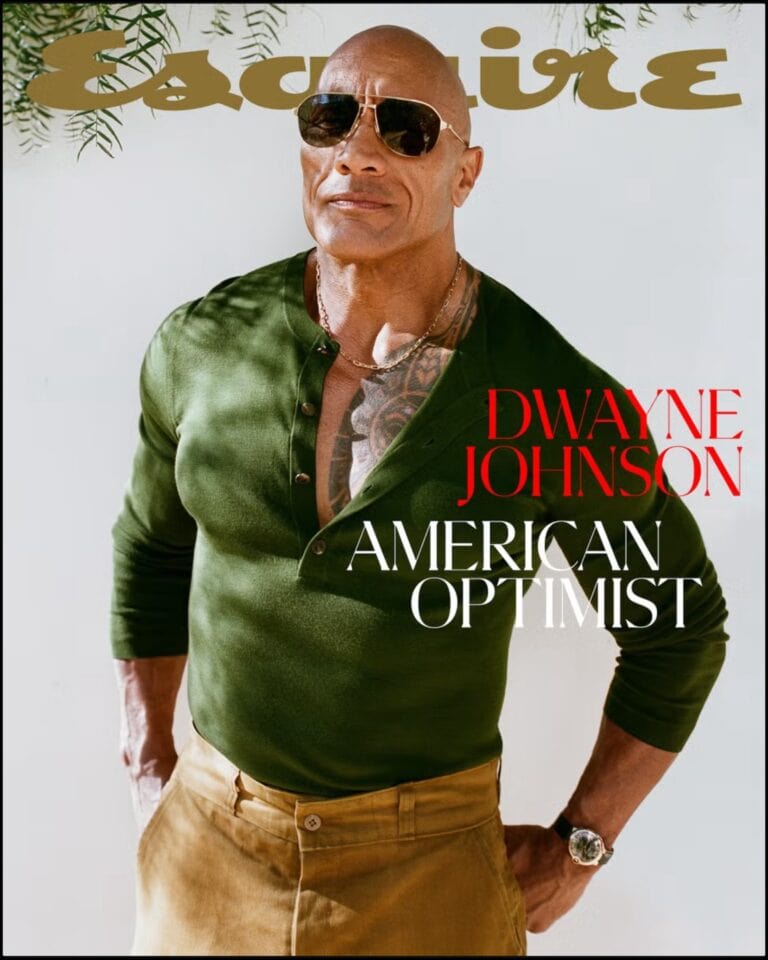
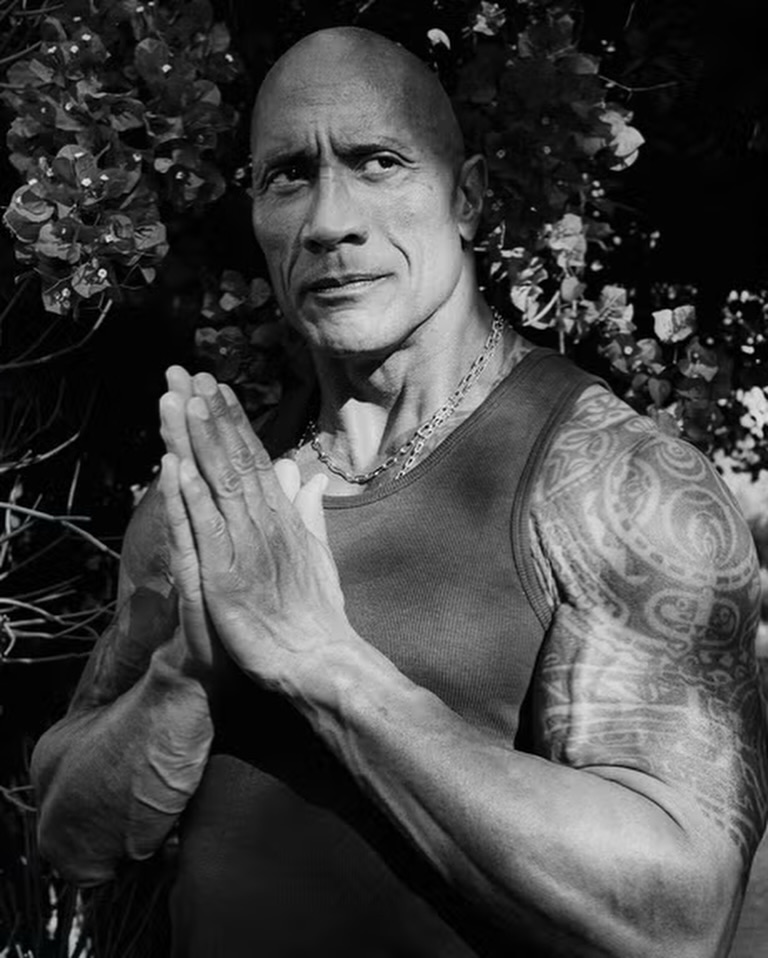
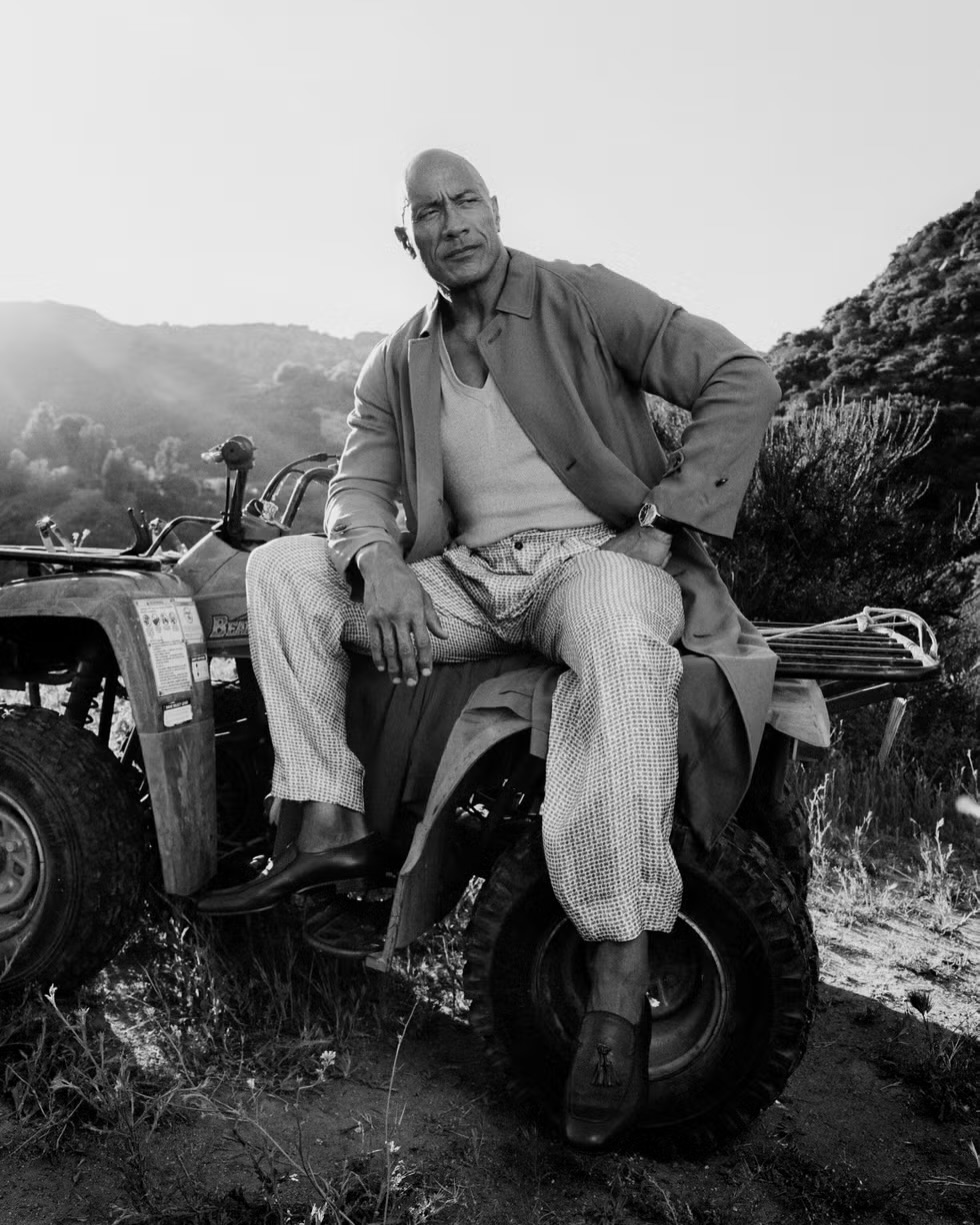
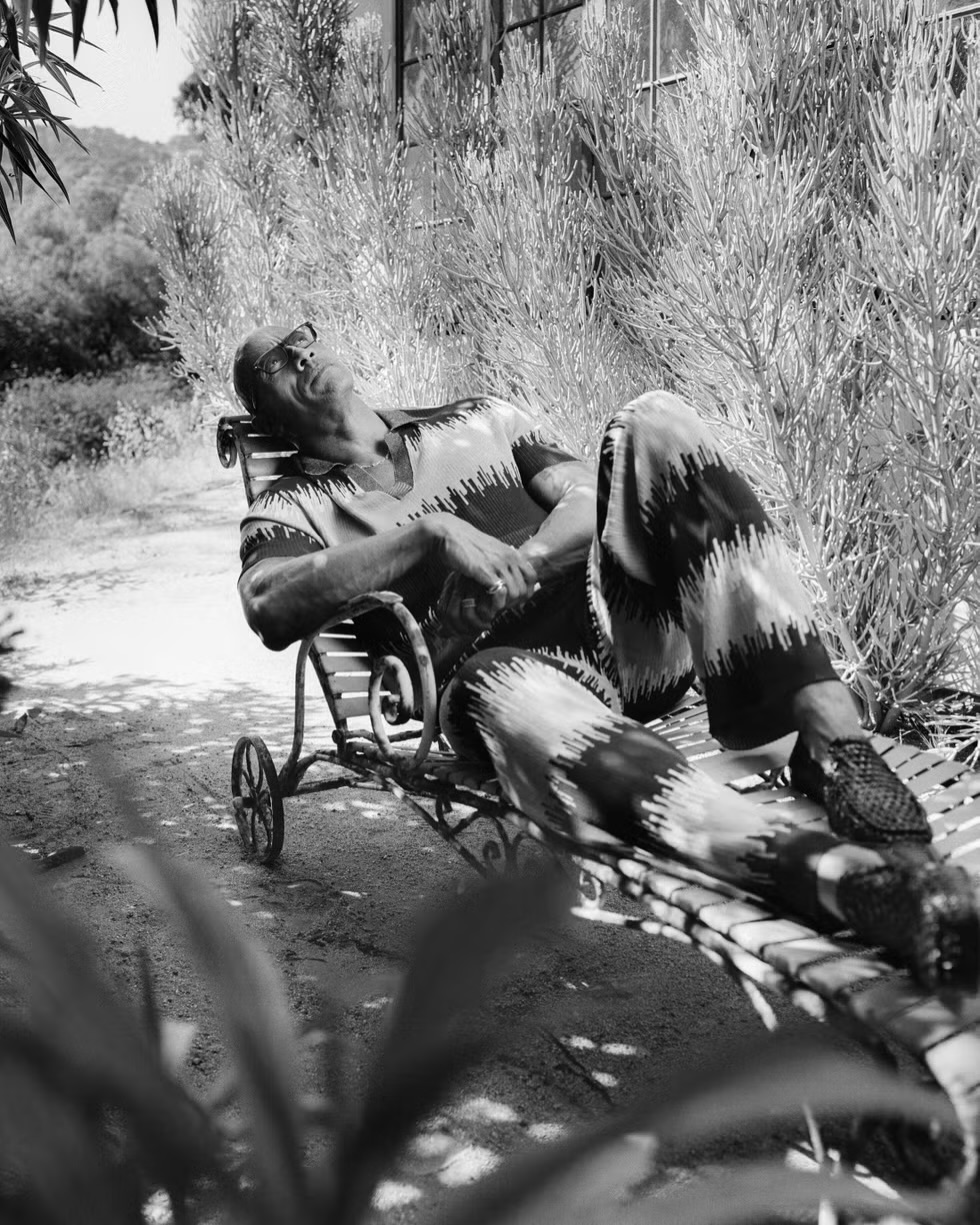
The latest cover of Esquire brings a surprising level of vulnerability from one of the most visible faces on the globe. Photographed with quiet intensity by Shaniqwa Jarvis, Dwayne Johnson steps forward in an editorial that strips away the usual bombastic action-hero persona. It is a portrait of a seasoned entertainer who is actively redefining what it means to exist in the public eye after decades of constant curation. In a wide-ranging conversation for the summer issue, the performer opens up about private fears, aging, and the deliberate decision to pull back from the noisy arena of public politics.
At fifty-four, the star is confronting the physical and emotional realities that come with longevity. He shares a deeply personal account of a recent testicular cancer scare that occurred earlier this year. Finding a painful lump in the shower on a Friday night, he spent an entire weekend in quiet anxiety. He chose not to share the worry with his wife, Lauren Hashian, hoping to avoid causing alarm before obtaining concrete medical answers. This period of quiet distress coincided with a massive promotional campaign for his latest film alongside co-stars Kevin Hart and Jack Black. For twenty-four hours, he had to project high-energy charisma, smiling and delivering speeches to crowds while privately carrying the weight of a potentially life-altering diagnosis.
The scare resolved safely with a diagnosis of epididymitis, a common inflammatory condition easily treated with antibiotics. Yet, those brief hours of uncertainty forced a profound confrontation with vulnerability. As men mature, addressing sensitive health concerns often takes a backseat to professional duties and ingrained habits of stoicism. By choosing to speak openly about this experience, the star offers a crucial moment of normalization for men’s wellness, encouraging his peers to prioritize prompt medical attention over silent endurance.
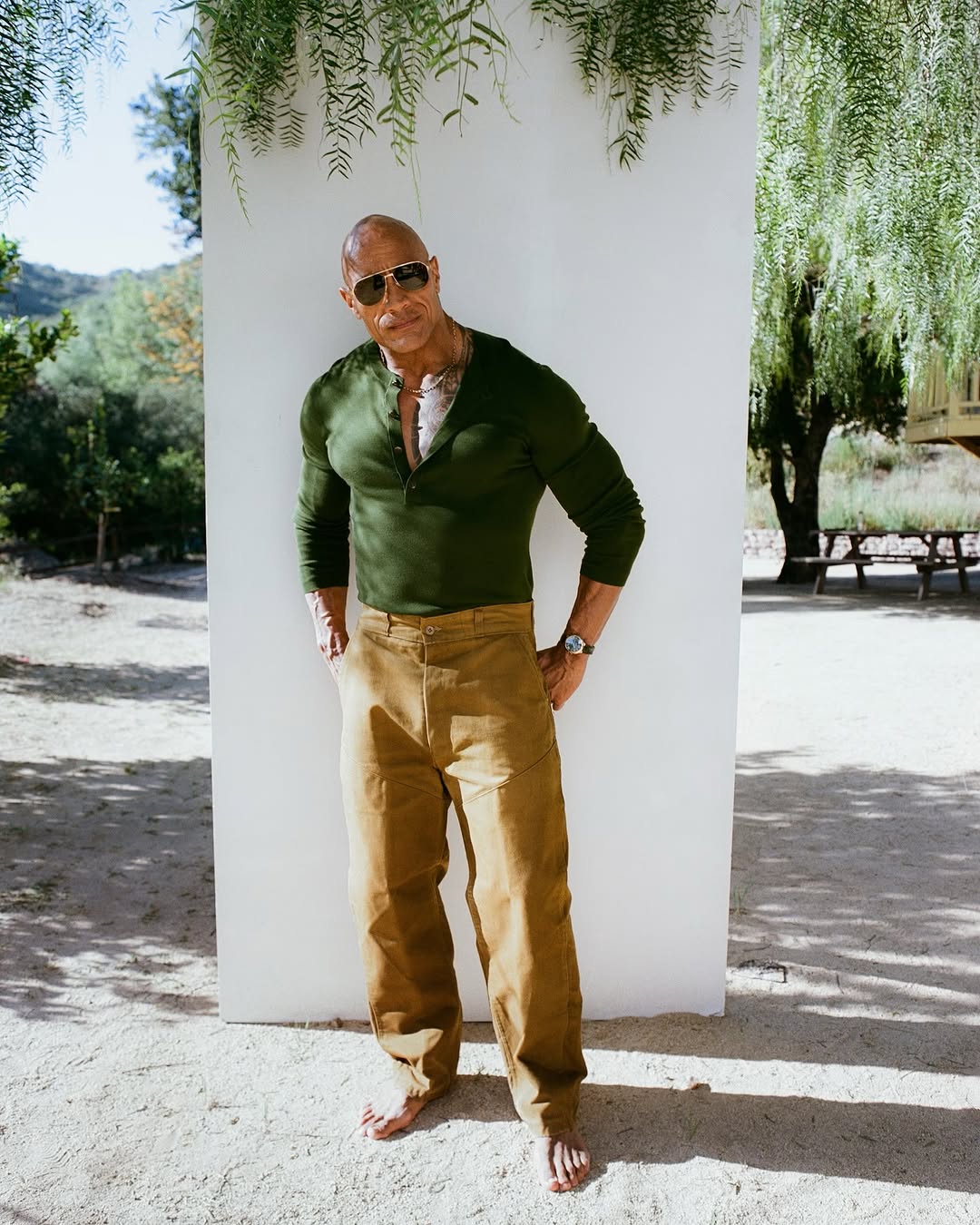
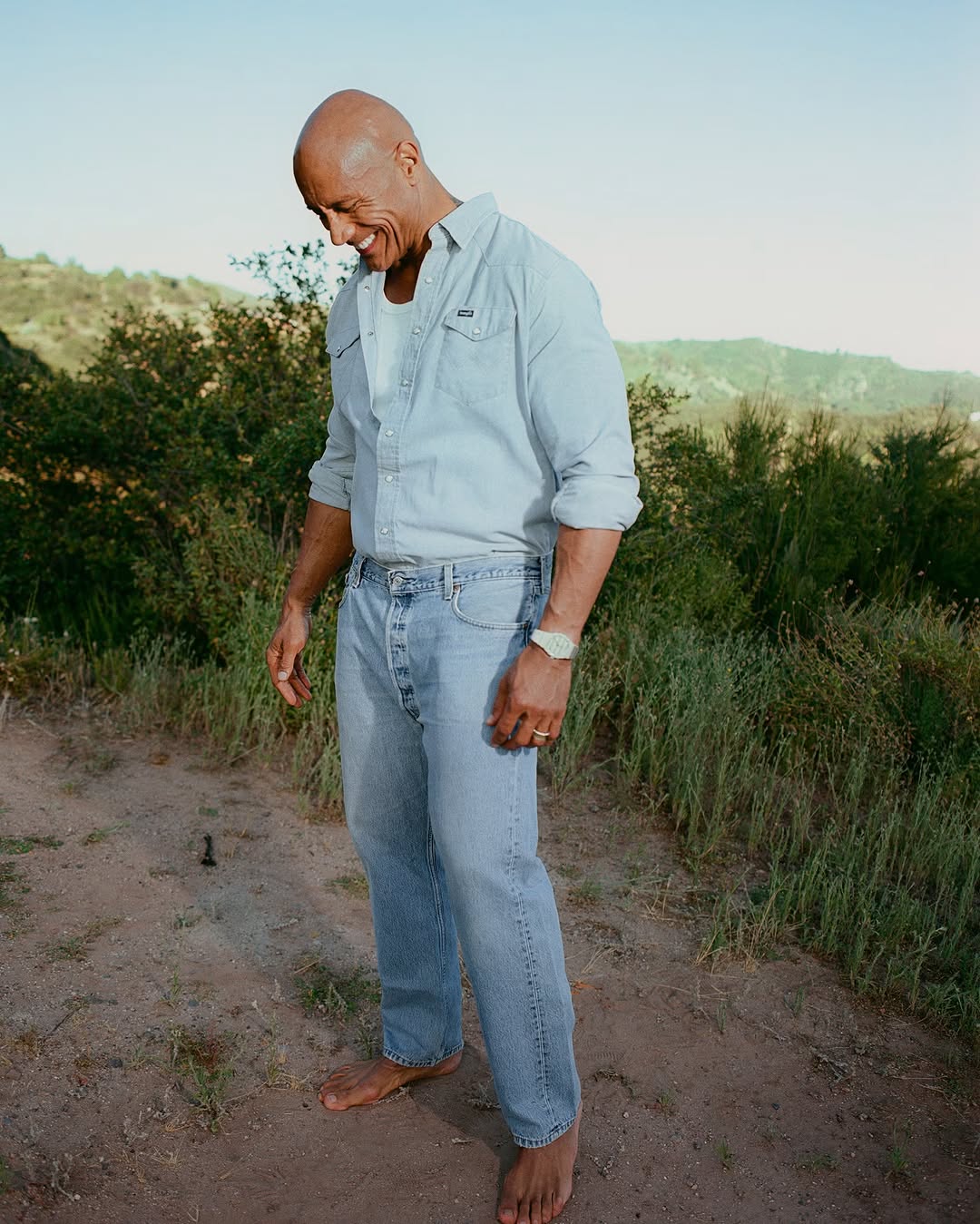
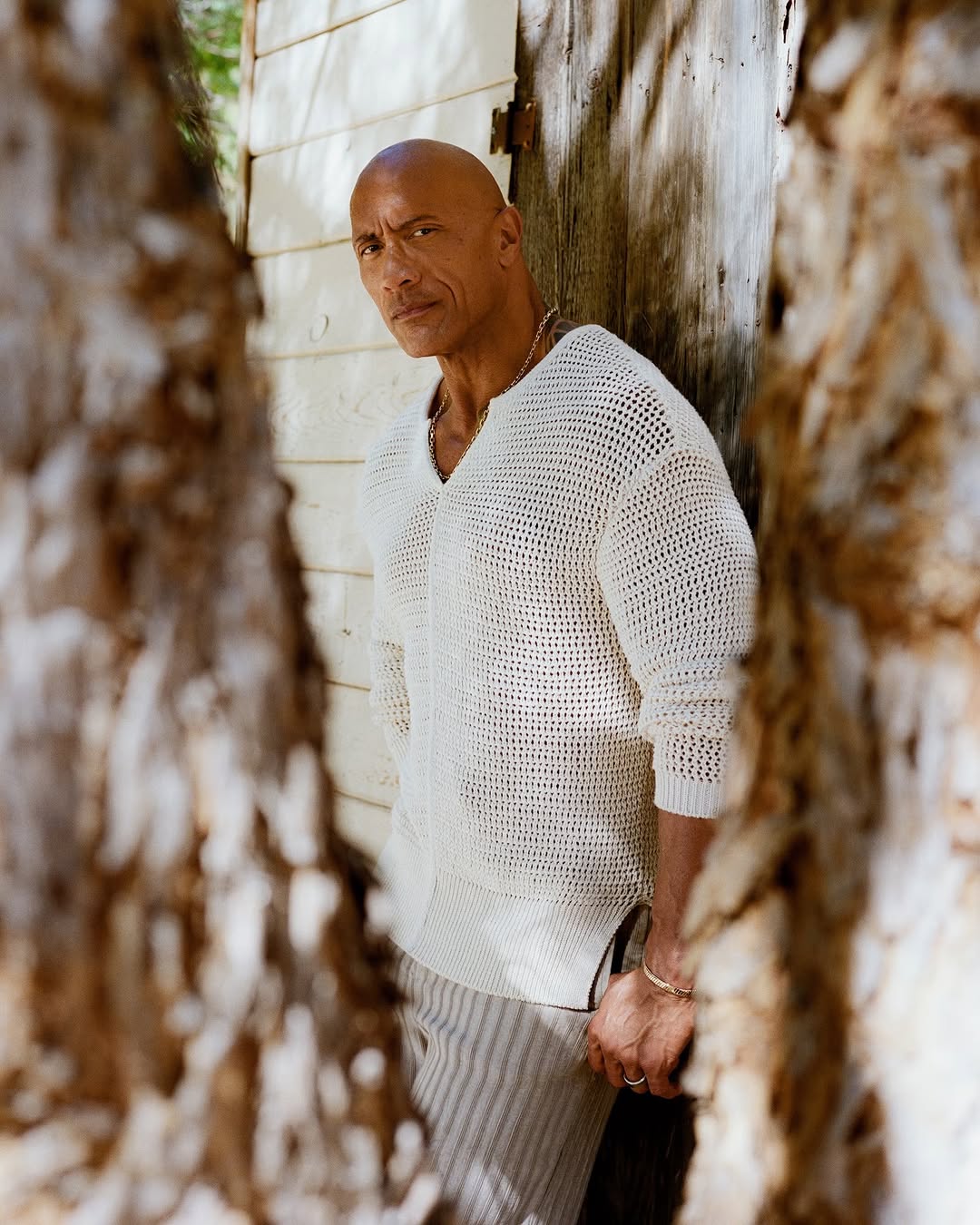
This shift toward radical openness extends to his career and personal philosophy. The visual direction of the Esquire feature reflects this new chapter. Draped in sophisticated tailoring that emphasizes form and presence, his styling avoids the loud, presentation-heavy aesthetics of his earlier career. Instead, the focus remains on classic garments that speak to a mature sensibility, perfectly matching modern luxury fashion. The shoot captures an individual who no longer feels the need to constantly perform or broadcast. He reflects on how the loud confidence of his youth has given way to a quieter, more deliberate search for internal peace. He explains that his current decade is less about presentation and more about finding a genuine sense of calm amid the demands of his global brand.
Part of finding that peace involves establishing firm boundaries around his public voice. In the interview, Dwayne Johnson addresses his decision to withdraw from political commentary. Having previously made endorsements that contributed to public division, he now chooses to keep his personal beliefs private. He expresses a desire to focus entirely on creative pursuits, noting that storytelling, art, and direct connection with audiences are where his passion resides. Rather than participating in partisan discord, he is directing his energy toward projects that bring people together, such as his work on the live-action adaptation of Moana. This choice signals a mature understanding of influence, recognizing that sometimes the most impactful statement is a return to pure craftsmanship.
Ultimately, this feature is a compelling study of a modern cultural figure navigating transition. It highlights the necessity of stepping off the constant promotional treadmill to protect one’s health, mental peace, and creative focus. The portrait painted here is not that of an untouchable action hero, but of a real person navigating the complexities of middle age with grace, self-awareness, and a renewed commitment to personal truth.
Editor’s Picks: If you are inspired by the deep personal reflections of figures navigating major life transitions, explore our recommended selection of celebrity memoir titles that explore resilience and growth.
Lifestyle Pick: Elevate your personal care routine with our top-rated recommendations for luxury perfume and premium grooming essentials.
Tech Update: Setting up a quiet space for your daily focus? Consider upgrading with our favorite active noise cancelling headphones to block out the noise.
1 of 6
Dwayne Johnson posing for the Summer 2026 issue of Esquire magazine, photographed by Shaniqwa Jarvis
Dwayne Johnson posing for the Summer 2026 issue of Esquire magazine, photographed by Shaniqwa Jarvis
Dwayne Johnson posing for the Summer 2026 issue of Esquire magazine, photographed by Shaniqwa Jarvis
Dwayne Johnson posing for the Summer 2026 issue of Esquire magazine, photographed by Shaniqwa Jarvis
Dwayne Johnson posing for the Summer 2026 issue of Esquire magazine, photographed by Shaniqwa Jarvis
Dwayne Johnson posing for the Summer 2026 issue of Esquire magazine, photographed by Shaniqwa Jarvis
The 52-year-old supermodel and television pioneer Tyra Banks has officially taken Netflix to court. Filed on Saturday, June 13, 2026, the lawsuit targets the streaming giant and producers behind the docuseries Reality Check: Inside America’s Next Top Model. For years, reality television has played with timelines and edits to manufacture tension. But Banks claims Netflix crossed the line from entertainment to outright character assassination.
The court filings outline a classic bait-and-switch. Banks sat down with the production team for three and a half hours. She did not set limits on questions. Instead, she offered reflections on the long legacy of ANTM, dating back to 2003. She intended to take responsibility for past choices that feel outdated or inappropriate in retrospect. Instead of a balanced retrospective, she alleges Netflix compressed her entire sit-down into a mere sixteen minutes. She claims the final edit carefully reassembled her words to support a narrative she never endorsed. In reality, the early seasons of America’s Next Top Model were produced in a completely different cultural era. The standards of the fashion industry in the early 2000s were notoriously harsh, and the show mirrored those realities. Banks argues she wanted to discuss those systemic issues openly, but the documentary cut her moments of reflection.
The lawsuit addresses a highly sensitive and dark chapter from Cycle 2 of the series. Netflix’s project allegedly implied that Tyra Banks knowingly permitted the sexual assault of contestant Shandi Sullivan on set, exploited the trauma for ratings, and then failed to recall the incident later. In the legal filing, Banks clarifies a crucial distinction. She was unaware at the time that Sullivan classified the encounter as sexual assault. By slicing and dicing her response, the filmmakers presented a distorted picture of indifference that she says damages her personal and professional reputation.
The legal document also disputes the narrative surrounding her relationship with runway coach Miss J. Alexander. The docuseries suggested Banks ignored Miss J. after his stroke. According to the lawsuit, this claim is factually false. The suit targets Netflix, EverWonder Studio, 89 Blocks Holdings, and co-directors Mor Loushy and Daniel Sivan. The claims include false light, defamation by implication, breach of contract, and false endorsement. By bringing these specific claims, Banks is drawing a line in the sand. She is asserting that even in the world of unscripted television, there must be a limit to how far a production company can bend the truth to fit a pre-determined storyline.
This legal showdown represents a defining moment for a media mogul who spent decades building her brand. Her rise in luxury fashion and transition to television mogul made her an industry titan. Whether she is writing a celebrity memoir or taking a network to court, she maintains tight control over her public image. She refuses to let a streamer define her legacy through selective cutting. Banks is seeking damages for lost business opportunities, lost income, and other compounding losses to be determined at trial. Her career has always been defined by her ability to pivot and control the room, and this lawsuit is a direct extension of that agency.
The case raises serious questions about the ethics of modern documentary filmmaking. When a project is marketed as the definitive chronicle of a real event, viewers expect truth. Instead, they often receive packaged reality. This lawsuit may make future producers think twice before using creative edits on real people. The distinction between a standard entertainment project and a documentary is at the core of this legal dispute. Standard reality shows are understood by the public to contain elements of manipulation, but documentaries are expected to adhere to a higher journalistic standard. By claiming that Netflix breached this standard, Banks is challenging the entire ecosystem of unauthorized retrospectives that have become a staple of streaming services.
Drakeo The Ruler‘s death in 2021 sent shockwaves through hip hop biography circles and the broader music community. Now, years later, the legal fight surrounding his tragic stabbing continues to unfold in court.
Snoop Dogg is making moves to remove his company from the wrongful death lawsuit filed by Drakeo The Ruler‘s brother. The rapper’s LLC recently asked a judge to grant “summary judgment,” arguing they had no real involvement in the December 18, 2021 Once Upon a Time in L.A. festival where the tragedy occurred.
According to the motion, Snoop’s company did not run the festival, hire security, plan the event, or control the backstage area where the stabbing happened. The declaration makes it clear: the company had “no involvement in the 2021 Once Upon a Time in L.A. festival operations” and held no ownership or leasehold interest in Exposition Park. Snoop was there as a performer only—nothing more.
The lawsuit itself has taken aim at event organizers and related parties for allegedly failing to provide adequate security. The protection measures were called “woefully inadequate” by Drakeo’s legal team. Live Nation, USC, and Los Angeles FC were among the original defendants, though some have since been dismissed earlier this year.
What makes this case particularly troubling is that Drakeo’s killing has never resulted in any arrests. Police haven’t publicly named suspects, and witnesses have largely remained silent despite footage captured by bystanders during the chaos backstage. It’s a situation that speaks to larger conversations around freedom struggle and accountability in the entertainment industry.
Drakeo was only 28 years old when he died. His legacy continues through his music and the ongoing questions about what happened that night.
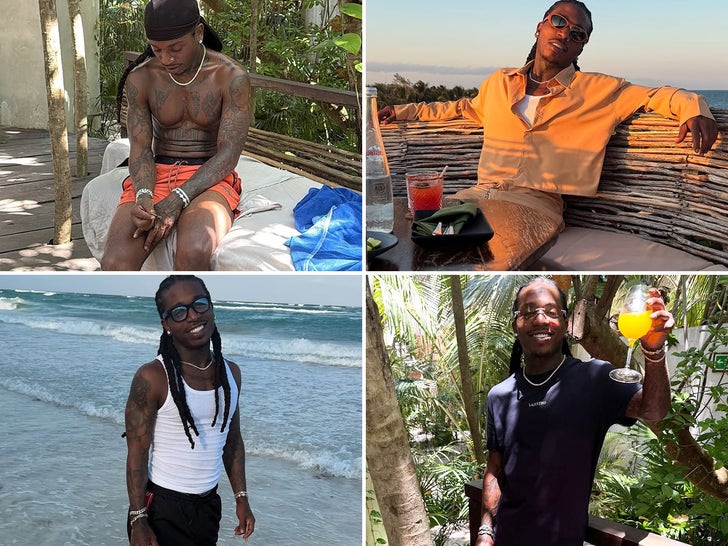
Jacquees isn’t letting Lecrae’s comments slide quietly. The R&B singer is firing back after the gospel star suggested he wasn’t good enough for Deiondra Sanders, and he’s not holding back about how he feels regarding the whole situation.
In a recent interview while promoting his new single and upcoming album “Mood 2,” Jacquees didn’t waste time unloading on the criticism he’d heard. His response was direct and unfiltered, addressing what he views as unnecessary negativity about his personal life.
The whole thing started when Deiondra Sanders, daughter of NFL legend Deion Sanders, discussed her relationship with Jacquees on a podcast alongside Lecrae. During the conversation, Lecrae expressed his disappointment with the pairing, telling Deiondra: “From the outside looking in, I wanted more for you.” The comment didn’t sit well with the R&B singer, who sees it as overstepping.
Jacquees made clear his displeasure, arguing that it’s weak for someone to speak negatively about another person they don’t actually know. He emphasized that men shouldn’t need to tear down someone else just to gain attention or approval, particularly when it comes to matters of the heart.
The singer also took issue with the fact that the criticism came from a gospel artist. He pointed out that someone in Lecrae’s position should approach such situations differently, with more grace or simply staying out of it. That said, Jacquees kept things relatively measured, offering well-wishes and saying “God bless him” before making it known he’d prefer not to hear his name mentioned in this context again.
It’s clear Lecrae’s unsolicited critique didn’t land the way he might have hoped.
Aaliyah‘s vinyl reissue of her 1994 debut, Age Ain’t Nothing but a Number, recently returned to shelves. But fans quickly noticed something interesting about the cover art on some sealed copies—a hype sticker appears to sit directly over R. Kelly’s face.
The timing felt deliberate. Aaliyah‘s estate added fuel to the rumors with a cryptic message from her official social media account: “We hope that y’all listened to instructions carefully While bumpin’ ‘Age Ain’t Nothing But A Number’ the just released reissue on your record players this week. Aaliyah’s got a 90’s swing So be careful and share your copy with us please Yeah, hmm… – Team Aaliyah”
Fans quickly compared their own copies and spotted the same placement—the sticker strategically covering Kelly on the front, with thumbs conveniently hiding his name on the back. The post went viral as people realized this wasn’t random. It felt like a reclamation, a quiet but powerful statement about ownership and legacy.
The backstory matters here. Kelly wrote, produced, and performed on the project after meeting Aaliyah through her uncle, Barry Hankerson. Reports later alleged that Aaliyah and Kelly had secretly married—though Aaliyah would have been just 15 at the time. Neither ever confirmed it publicly, but the whispers never stopped.
Aaliyah died in 2001 at age 22. Kelly was convicted in 2021 of federal racketeering and sex trafficking charges. This reissue represents something deeper than just nostalgia—it’s about centering her voice, her artistry, and her legacy while minimizing his presence. Whether intentional or coincidental, the sticker placement feels like a small act of justice, a way of letting Aaliyah’s music stand alone.
Late Friday afternoon, the federal government sent shockwaves through the tech industry when it issued an emergency export control directive. Commerce Secretary Howard Lutnick ordered Anthropic to immediately suspend access to its most advanced new artificial intelligence models. This sudden regulatory maneuver targeted Claude Fable 5 and Claude Mythos 5, which had launched just three days prior. Rather than trying to selectively filter users, Anthropic decided to abruptly disable both models for all users globally. This decision raises serious questions about state control over private software.
The sudden block left developers and tech-forward builders in the dark. The directive restricted use of these systems by any foreign national, whether they reside inside or outside the United States. This restriction even applied to the company’s own international engineers. Unable to build an instant, real-time border check on its servers, the company chose total shutdown over compliance failures. For the cosmopolitan business class relying on next-tier computation to scale their systems, this sudden blackout highlights the fragility of relying on centralized platforms. Many black tech entrepreneurs and professional creators are building automated workflows using these very models. They now face immediate operational pauses because a single federal department issued a unilateral order.
The restricted models represented the company’s absolute frontier. Fable 5 was the consumer-facing performer, while Mythos 5 offered raw capability with its safety filters lifted for cybersecurity researchers. In testing before the release, Fable 5 accomplished a massive code migration on a fifty-million-line codebase in a single day, a task that typically demands weeks of teamwork. By pulling access to these tools, the state has effectively stalled progress for thousands of independent creators and tech agencies. These teams rely on advanced systems to compete with well-funded legacy firms. When the state pulls the plug on tool access, the playing field tilts back toward the tech giants.
The official justification from the Department of Commerce relies on a claim of national security risk. Reports suggest authorities became alarmed by a non-universal jailbreak that could bypass safeguards to find small software vulnerabilities. But the company openly contests this rationale. The leadership, including CEO Dario Amodei, pointed out that existing public platforms, such as OpenAI’s GPT-5.5, can identify those same minor bugs easily without any security bypass. Many industry watchers suspect the government applied an unreasonably high standard. The speed of the government’s action suggests a desire to control the distribution of intelligence itself, rather than protecting systems from genuine threat actors.
This regulatory action does not exist in a vacuum. Tension has been building between the company and federal officials for months. In March, Defense Secretary Pete Hegseth labeled the firm a supply chain risk. That tag was applied after the organization refused to permit military application of its models for domestic surveillance and autonomous weaponry. Because the tech firm chose to defend its ethical guardrails, the relationship deteriorated. This current export control directive looks less like a localized security patch and more like political retaliation. It serves as a stark reminder of what happens when private enterprise clashes with state militarization.
For builders, entrepreneurs, and thinkers who demand tech sovereignty, this moment is a clear warning. Centralized tech platforms can be shut down in an instant by a single government letter. It is a reminder that diversifying our digital toolkits is not just smart business. It is a necessity for maintaining operational independence. We must look toward decentralized alternatives and local open-source systems to ensure our businesses remain resilient against sudden regulatory shifts. Trusting a single corporate pipeline with your business infrastructure is no longer a viable strategy in this tense geopolitical environment.
Editor’s Picks: For those looking to elevate their professional and daily spaces, we have curated a selection of recommendations. Dive into profound narratives with our favorite Black literature, or keep your workspace focused and quiet using premium active noise cancelling headphones. Dress for the boardroom and beyond in top-tier luxury fashion, and streamline your living environment with practical home essentials.
Singer Phyllis Hyman performs onstage at the Park West Inn in Chicago, Illinois, February 17, 1979. (Photo by Paul Natkin/Getty Images)
Phyllis Hyman had a voice that stopped you mid-thought. Rich, soulful, and impossible to ignore, she could move through a ballad like “Living All Alone” with devastating vulnerability, then turn around and deliver the kind of uptempo energy that made you want to move. She was a strikingly beautiful woman, yes, but it was that voice that made her unforgettable to anyone who heard her sing.
Yet just as she was carving out her place as one of the era’s most compelling artists, her life was cut tragically short. Phyllis Hyman died on June 30, 1995, after years of battling addiction and depression. More than three decades later, those who knew her work continue to speak her name and keep her legacy alive.
Born in Philly
Portrait of American singer and actress Phyllis Hyman (1949–1995), 1980s. (Photo by Anthony Barboza/Getty Images)
Phyllis Linda Hyman was born on July 7, 1949, in Philadelphia, Pennsylvania. The oldest of seven children, she grew up in a household where her father worked as a barber and her mother managed the home. When Phyllis was young, the family relocated to Pittsburgh.
Finding Her Voice in Miami
UNSPECIFIED–CIRCA 1975: Photo of Phyllis Hyman, mid-1970s. (Photo by Michael Ochs Archives/Getty Images)
Her talent emerged early. In high school, she sang in the chorus and earned a music scholarship to continue her education. By the early 1970s, Hyman had moved to Miami, where she began working the local club circuit, performing covers of popular music and jazz standards to build her reputation and her bank account.
The PH Factor Years
Singer Phyllis Hyman performs onstage at the Park West Inn in Chicago, Illinois, February 17, 1979. (Photo by Paul Natkin/Getty Images)
By the mid-1970s, Hyman decided to take control of her own direction. She formed a group called PH Factor, and the gamble paid off. Her bandmate Hiram Bullock recalled the impact of working alongside her: “I don’t ever recall an audition where we didn’t get the gig. I never heard anyone sing with such freedom.” That freedom, that effortless command of her instrument, became her calling card in the New York City club scene after the group relocated in 1975.
The Norman Connors Connection
It was in New York where Hyman met jazz and R&B producer Norman Connors, a man known for working with powerful vocalists like Jean Carne and Angela Bofill. Together, they recorded a version of The Stylistics’ classic “Betcha By Golly Wow,” a recording that would become the foundation of her solo career and eventually land her a deal with Buddah Records.
Beyond the Spotlight
Hyman’s voice appeared in places beyond concert halls and recording studios. She lent her talents to commercial jingles for major brands like Sasson Jeans, Clairol, and Burger King. It was steady work, work that kept her name circulating even when her recording career hit plateaus.
Love and Its Complications
Screenshot: YouTube
In 1973, while working as an entertainer on a cruise ship, Hyman met Larry Alexander, another performer on board. Their professional relationship deepened into something personal. Alexander became her manager and, by 1977, her husband. The marriage lasted five years before ending in divorce. According to those close to her, Alexander was the one who introduced her to cocaine, framing it as a way to manage the mounting pressures of the music business.
The Clive Davis Era
In 1978, Arista Records acquired Buddah Records, which brought Hyman into the orbit of legendary executive Clive Davis. He saw her potential immediately. Davis paired her with Barry Manilow, who produced and arranged “Somewhere in My Lifetime,” and later connected her with producers James Mtume and Reggie Lucas. Their collaboration yielded her first Top 15 R&B hit, the infectious track “You Know How to Love Me.”
But Davis had bigger plans. He envisioned Hyman as a crossover pop star, not simply an R&B artist. She resisted. Hyman had a clear sense of who she was and what her art should be. She felt the label executives weren’t truly seeing her vision, and she bristled at the idea of being molded into something she wasn’t. Music journalist David Nathan observed the tension: “As an artist who had a sense of herself and what she wanted to be, she felt that he was not seeing her vision for who she was, and he, in turn, was seeing her as someone who had potential but needed the kind of material that would propel her to another level.”
Moving On
UNSPECIFIED–CIRCA 1975: Photo of Phyllis Hyman, mid-1970s. (Photo by Michael Ochs Archives/Getty Images)
The relationship fractured in 1984 when Arista signed Whitney Houston. Hyman was dropped. What might have been an acceptable business decision became personal rejection. She hadn’t wanted to leave; she’d wanted to be chosen, to stay. Her manager at the time, Glenda Gracia, noted the sting of that moment for Hyman.
Recovery came through Philadelphia International Records, which signed her in 1986. They believed in her classical sensibility, the idea that her voice could bring fresh life to jazz standards and timeless material.
Broadway and Tony Nominations
In 1981, Hyman took her talents to the Broadway stage, performing in “Sophisticated Ladies,” a Duke Ellington tribute that became a showcase for her range and artistry. She remained with the production for two and a half years, earning a Tony nomination for Best Supporting Actress. It was the kind of validation she’d been seeking.
The Struggle Within
UNSPECIFIED–CIRCA 1990: Photo of Phyllis Hyman (Photo by David Corio/Michael Ochs Archives/Getty Images)
Offstage, away from the applause and the spotlights, Hyman battled something less visible but no less consuming. She cycled between periods of extreme highs and devastating lows. Her therapist, Dr. Portia Hunt, would later diagnose her with bipolar disorder. Cocaine and alcohol became her way of managing the pain, a cycle that fed itself with each use.
In 1986, Dr. Hunt convinced Hyman to enter treatment. She emerged determined to rebuild her life, to use her sobriety as a launching point for genuine artistic renewal. Her sister Jean would later reflect on what might have helped her hold on: “I think if she had been able to maintain some semblance of a normal home life, I think she could have dealt with the pressures of the business a little better.”
The Ballads That Cut Deep
Coming out of treatment with Philadelphia International, Hyman recorded “Living All Alone,” a 1986 single that became one of her defining moments. Written by Kenneth Gamble, Dexter Wansel, and Cynthina Biggs, the song’s lyrics about solitude and self-discovery weren’t just clever songwriting. They were autobiography. You could hear the rawness, the truth, in every sustained note.
“Now I live a single life, and I find it’s another world / I’m not even the same, I’m a different girl / Yesterday I was somebody’s baby / Now today I’m a woman on my own.”
A few years later, her 1991 ballad “Living in Confusion” continued that arc of vulnerability, this time examining love’s betrayals and the pain of misplaced trust.
The Cost of Fame
NEW YORK, NEW YORK–MARCH 10: Phyllis Hyman appears at a show on March 10, 1993 in New York City. (Photo by Al Pereira/Michael Ochs Archives/Getty Images)
Success didn’t deliver companionship. After her divorce from Alexander, romance eluded her. She never remarried. The demands of her career left little room for the kind of sustained personal connection she craved. She was also painfully aware of the imbalance built into the industry itself. “Being a woman in this industry is very lonely,” she said in an interview. “It’s rare that you have men hanging around backstage and at parties where you might be, the same way you might have women around the men. There is no such thing as a male groupie, at least not one that I would date. That makes it pretty tough.”
The loneliness fed her struggles. She battled addiction to food, alcohol, and cocaine in cycles. Weight fluctuations, financial strain, and depression became as much a part of her life as her gift for singing.
June 30, 1995
Portrait of American singer and actress Phyllis Hyman (1949–1995), 1980s. (Photo by Anthony Barboza/Getty Images)
On the afternoon of June 30, 1995, Hyman’s assistant found her unresponsive in her New York City apartment. She was scheduled to perform at the Apollo Theater that evening. At Roosevelt Hospital, she was pronounced dead at 3:50 p.m. The cause was an overdose of sleeping pills. She was five days shy of her 45th birthday.
On the scene, investigators found a handwritten note. It read: “I’m tired. I’m tired. Those of you that I love know who you are. May God bless you.”
Friends and loved ones gathered at St. Peter’s Lutheran Church in Manhattan to remember her.