Home Blog Page 106

Adrien Broner’s Boxing Comeback After Public Spiral

Boxing comeback energy is real for Adrien Broner right now. The former world champion is refocusing on his craft after a rough stretch that had folks talking more about his off-ring behavior than his skills.

During a recent Miami livestream with DeenTheGreat, Broner made it clear he’s serious about getting back in the ring. He told viewers he’s been boxing comeback focused, hitting the gym and plotting his next moves. “Tomorrow we’re going to hit the gym in the morning,” he said. His plan sounds structured—no distractions, just work.

At 36, Broner hasn’t stepped into competition since June 2024, when Blair Cobbs knocked him out. But that loss didn’t kill his fire. The former four-division champion is eyeing one more world title before he hangs up his gloves. During the stream, he was laser-focused on fight talk and accountability. “We hitting the gym tomorrow 12:30 in the morning,” he declared with purpose.

It’s a shift from earlier this year when Broner’s appearance on Cam’ron and Ma$e’s It Is What It Is podcast went sideways. His behavior toward the show’s co-hosts got called out, and Cam later described him as a “junkie” and “alchy.” That moment shook people—seeing someone with Broner’s talent struggling like that.

Fellow fighter Ryan Garcia even reached out publicly with concern. “Sad to see, AB if you see this call me. Let’s get you situated. No need to keep drinking. Let’s be better,” Garcia wrote. That kind of real recognize real moment matters, especially when a competitor is trying to reclaim their narrative.

Broner’s livestream showed someone ready to rebuild. Whether it’s meal prep containers for discipline or just pure dedication, he’s talking about structure. The boxing world will be watching to see if this momentum sticks.

★m★

A-Rod and Girlfriend Jaclyn Cordeiro Split

Celebrity relationships can be complicated, and Alex “A-Rod” Rodriguez and Jaclyn Cordeiro are taking time to figure things out. The pair announced they’re pausing their relationship, and Cordeiro shared the news with transparency and grace.

Cordeiro confirmed to TMZ that she and the retired MLB star are “currently taking some time apart,” while asking for sensitivity around the situation. She emphasized that celebrity relationships deserve compassion, especially when personal challenges arise. “There continues to be mutual love, care, and deep respect between us and for our families,” she told the outlet. “We remain supportive of one another, and there is absolutely no animosity, drama, or negative story here.”

The fitness influencer also shared that she’s navigating a serious health matter involving a family member. “My focus is understandably there,” she said, reminding us that behind the headlines, real people face real struggles. It’s a moment that calls for understanding and privacy.

Despite the time apart, Cordeiro made clear that she and Rodriguez remain connected. “Alex and I continue to be very close,” she said, asking that coverage show “the compassion and privacy this situation deserves.” They continue to follow each other on Instagram, and sources confirm they’ve been apart for two months.

Rodriguez and Cordeiro first went public with their romance in 2023, following the end of Rodriguez’s engagement to Jennifer Lopez. Rodriguez shares two daughters with his ex-wife, Cynthia Scurtis, and remains committed to his family.

★m★

Wembanyama Launches Reading Group With San Antonio Spurs Teammate


The San Antonio Spurs have plenty of talented players, but Victor Wembanyama stands out both on and off the court. The 7-foot French center dominates with his shot-blocking and ball-handling, but there’s another side to him that teammates are discovering: he’s a serious reader. When he’s not managing the court, Wembanyama shares his passion for books with Spurs forward Harrison Barnes, and the two have built something unexpected in an NBA locker room.

The pair started a book club. Yes, really. Victor Wembanyama and Barnes recently confirmed on social media that they’ve been reading together, bonding over novels by fantasy writer Brandon Sanderson and tackling George Orwell’s “1984.” The thing is, Wembanyama reads in both French and English, which means he’s absorbing literature on a different level than most. Right now, he’s about 300 pages ahead of Barnes on their current selection, practically sprinting through the dystopian classic.

Barnes was candid about their membership situation. “We’ve had some people that have received books, who I won’t say and have not read them,” he admitted. It’s a relatable problem for any book club, even one inside an NBA organization. Getting professional athletes to commit to a curated reading list is apparently tougher than winning games.

What’s worth noting is how the internet responded. Fans wanted in. Comments flooded social media asking how to join this exclusive literary circle. “I wanna join the book club!!! Where can I sign up???” one person wrote. Others saw something bigger here: two high-profile athletes modeling intellectual curiosity for young fans who usually only hear about their scoring averages and highlight reels.

“These are the type of role models needed and other than stats it would be cool if kids knew this fact,” someone else posted. It’s a fair point. In a world where athletes are often reduced to their statistics, Wembanyama and Barnes are quietly showing that depth exists beyond the box score.

The San Antonio Public Library has caught on to the buzz. They’ve launched a “Read Like Wemby” campaign featuring a curated reading list inspired by Wembanyama’s interests in science fiction and history. The collection includes Stephen King’s “The Outsider” and N.K. Jemisin’s “The World We Make,” giving fans a genuine entry point into his world.

It’s the kind of moment that humanizes professional sports in a way that feels genuine. Two athletes reading Orwell and Sanderson between practices and games. It won’t make ESPN highlight reels, but it matters.


★tr★

Britney Spears DUI Arrest: “I’m an Angel” Claims

More details from Britney Spears‘ March DUI arrest have been made public, revealing some unsettling elements about that evening.

The singer, 44, was arrested the evening of March 4 near her home in Ventura County, California, after officers responded to an anonymous report of a driver “traveling at high speeds and swerving.” According to reports, Britney Spears was initially pulled over following concerning driving behavior.

Officers said they followed her vehicle and observed it crossing into another lane by “approximately” two feet more than once before she eventually pulled over after sirens were activated. Officers then allegedly noticed “a distinct odor of an alcoholic beverage” from inside the car.

LAS VEGAS, NV – OCTOBER 18: Singer Britney Spears attends the announcement of her new residency, “Britney: Domination” at Park MGM on October 18, 2018 in Las Vegas, Nevada. Spears will perform 32 shows at Park Theater at Park MGM starting in February 2019. (Photo by Gabe Ginsberg/FilmMagic)

According to police reports, Spears allegedly told an officer she had just one champagne mimosa seven hours earlier and mentioned she had taken several prescription medications, including Lamictal, Prozac, and Adderall. She reportedly said, “I could probably drink four bottles of wine and take care of you. I’m an angel.” Officers noted they found an empty wine glass in the cup holder and a bottle labeled “Adderall” in her purse that wasn’t prescribed to her. The situation highlighted concerns about mixing alcohol with prescription medications.

Spears initially refused to leave the vehicle, insisting she “wanted to speak to her lawyer and had the right as a woman not to exit her vehicle.”

Ultimately, Spears agreed to plead to a “wet reckless” vehicle code violation. She received 12 months probation, one day of jail credited as time served, and court-ordered mental health appointments following the March arrest.

★m★

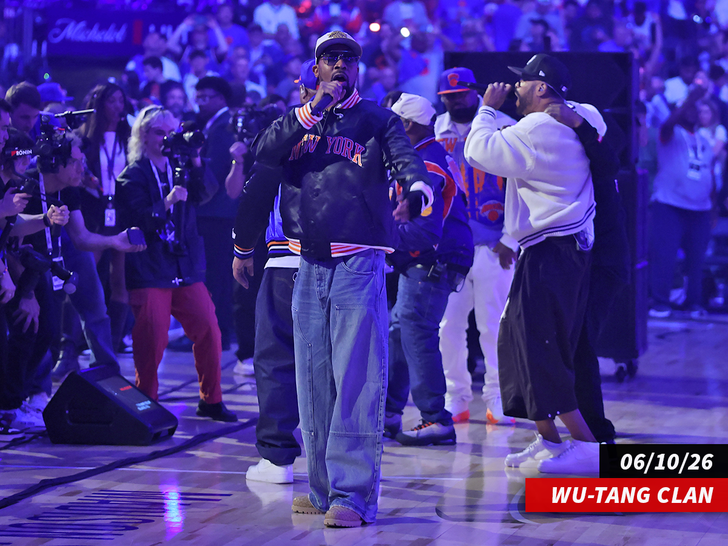
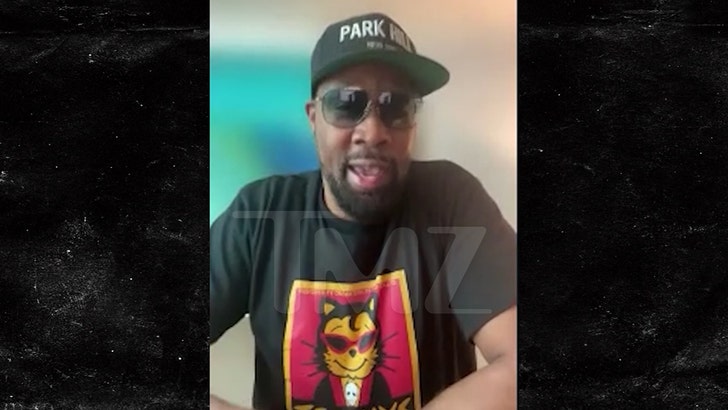
RZA Credits Wu-Tang Clan Performance for Energizing MSG During Knicks Comeback Victory


★★★

The Breakfast Club: Netflix’s First Daily Live Show

The Breakfast Club is cementing its partnership with Netflix, bringing live radio to the streaming platform.

Netflix announced Thursday that the hit iHeartMedia radio show will stream live on the platform every weekday beginning June 1, making the long-running program, hosted by Charlamagne Tha God, DJ Envy, and Jess Hilarious, Netflix’s first daily live show. The Breakfast Club will still air on Power 105.1 and remain available nationwide through Premiere Networks’ national syndication.

Instead of standard commercial breaks, the streamer announced that viewers can expect “exclusive bonus segments, behind-the-scenes moments, extended discussions and original content,” giving fans an enhanced, uninterrupted experience. Think of it like a curated reading list for your ears—quality conversations without the filler.

Charlamagne Tha God said the show’s new format is exactly why it has stayed at the center of culture. “The media landscape will always evolve, but one thing consistently cuts through: live programming,” he said in a statement. “That’s a big reason ‘The Breakfast Club’ has sustained its reign for so long.” It’s the kind of spoken word magic that keeps audiences coming back.

The launch adds to Netflix’s growing live lineup, which has included NFL games, comedy specials and live broadcasts.

Lauren Smith, Netflix’s vice president of content licensing and programming strategy, called the deal “a big step forward in how we bring culturally defining audio-first franchises to life for Netflix audiences around the world.” This partnership is a statement piece in how streaming platforms are evolving their content strategy.

★m★

How to Survive the Relaxer Grow-Out Struggle: 4 Expert Tips

0

The decision to transition back to your natural hair texture is rarely simple. In her latest breakdown for MadameNoire, writer Shannon Dawson unpacks why the transition is such a test of endurance. Navigating the relaxer grow-out struggle means managing two entirely different hair textures at the same time, which often leads to frustration and breakage if you do not know what you are doing. Caring for new growth alongside processed, chemically straightened ends is a delicate balancing act. Without a clear plan, many women end up losing length and experiencing severe shedding before they can even enjoy their natural curls.

According to experts highlighted by Shannon Dawson, the secret to surviving this awkward phase lies in protecting the hair at its weakest point and maintaining a meticulous routine. It is all about preserving the health of your scalp and strands while you let your natural texture reclaim its space. When you stop relaxing your hair, you are dealing with two entirely distinct structural profiles. If you do not change your daily practices, the transition can quickly turn into a frustrating ordeal. Fortunately, the right approach makes the entire transition manageable.

1. Identify Your Line of Demarcation and Build a Strong Wash Day Routine

First, the key to transitioning without losing your hair is preventing breakage where your relaxed and natural textures meet. This meeting point is known as the line of demarcation. Design Essentials experts point out that this is the weakest area of your hair. To protect this fragile boundary, you must keep your strands heavily moisturized and handle them with care.

A consistent, seven-day wash cycle is your first line of defense. Wash your hair every week using a high-quality shampoo followed by a deep conditioner. To help lock in moisture, use a hooded dryer or a hair steamer during your deep conditioning step. This opens the hair cuticle, allowing the product to penetrate deeply. Pair this with a nourishing leave-in conditioner to keep your strands hydrated.

This deep hydration is critical because chemical relaxers fundamentally alter your hair structure. Cosmetic chemist Erica Douglas explained that relaxers break disulfide bonds to loosen the natural curl pattern. This chemical process permanently weakens the hair strands. To combat this weakness, use bond-building products like the Olaplex No. 5 Hydrating Curl Conditioner or the Redken Acidic Bonding Curls Conditioner to support your hair during this transition.

2. Detangle With Patience and Section Your Hair

Detangling is another critical crossroad where many people lose their hair. Because new growth is textured and relaxed ends are straight, they easily tangle and form knots. If you rush through this step, you will cause unnecessary shedding and breakage.

To detangle safely, always use a wide-tooth comb and work your way from the ends up to the roots. Never start detangling at the roots, as this drags knots downward and creates tight tangles that snap the hair. Sectioning your hair is the best way to keep the process manageable. As noted by experts at Hairlicious, parting your hair into six to eight distinct sections makes detangling much easier and keeps you from feeling overwhelmed. Never speed through detangling, especially when your hair is wet and at its most vulnerable.

3. Decide Between a Gradual Transition and the Big Chop

At some point, you must decide how you want to handle the physical transition. You can either cut your hair gradually or opt for a big chop. A big chop involves cutting off all of your chemically processed hair at once, allowing you to embrace your natural curls immediately. This is a bold, clean start that eliminates the relaxer grow-out struggle of managing two textures.

If you prefer to keep your length, you can transition gradually. This method requires trimming small amounts of your relaxed ends every six to eight weeks while letting your natural hair grow in. Still, you cannot avoid the scissors forever. Stylist Brendnetta Ashley explained that as your natural hair grows, your straight ends become increasingly delicate. Because those chemically straightened ends have been on your head the longest, they are weak and prone to snapping. Regular trims are necessary to keep the line of demarcation from splitting further up the hair shaft.

4. Avoid Direct Heat and Choose Smart Protective Styles

During the transition phase, it is tempting to use flat irons or blow dryers to force your two textures to blend. Relying on excessive direct heat is a mistake. High heat weakens the line of demarcation, making your hair snap and break off.

Instead, opt for protective styling to minimize daily manipulation. Styles like flat twists, braid-outs, perm rod sets, and low buns keep your ends protected and reduce daily wear and tear. You can also use extensions, sew-ins, or box braids to give your hair a rest. When wearing these styles, make sure they are not installed too tight. Keep your scalp moisturized and avoid putting too much tension on your edges.

Protecting your hair while you sleep is another essential step. Cotton pillowcases absorb moisture from your hair and cause friction that leads to breakage. Wrap your hair in a silk or satin scarf before bed, or sleep on a satin pillowcase to preserve moisture and keep your hair smooth overnight. Consistency in your night routine will help you retain your length.

Editor’s Picks: As you transition your hair care, transition your overall lifestyle with our curated essentials. Dive into deep stories of self-discovery, step out in style with high-end luxury fashion, keep your space clean with a budget-friendly spin mop, and tune out the world during wash day with high-fidelity active noise cancelling headphones.

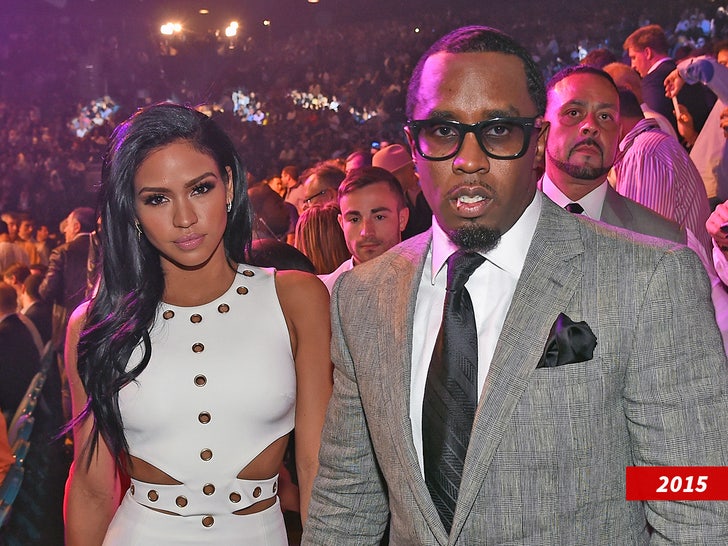
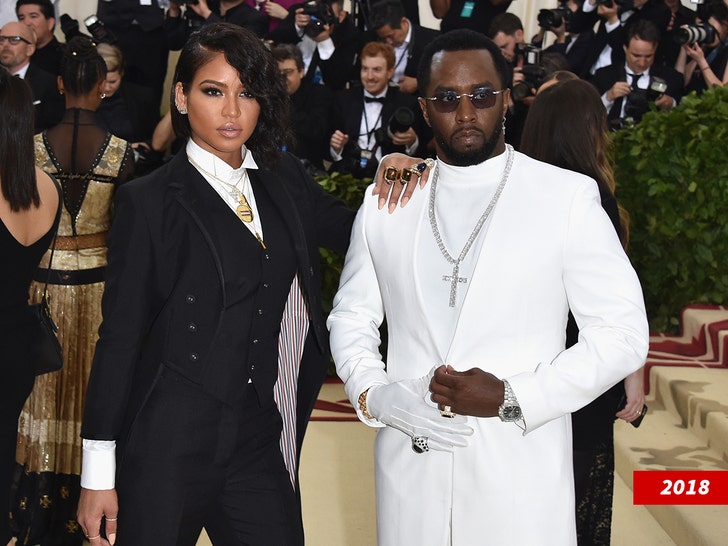
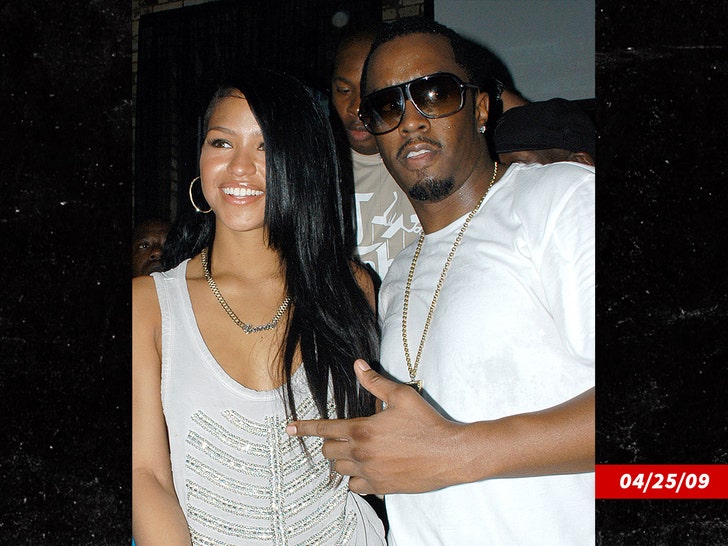
Cassie Rushes to Court Over Ex-Male Escort’s Threats on Social Media


★★★

Why Sleep Apnea Poses a Significant Health Risk to Black Men

0

A staggering 80% of people with sleep apnea don’t know they have it. But for Black men, the numbers paint a starker picture: roughly 24% of African American males carry an undiagnosed sleep apnea diagnosis, with only a fraction ever receiving treatment. What gets written off as snoring or simple tiredness could actually signal something serious—a sleep disorder connected to hypertension, heart disease, and stroke.

Sleep apnea remains one of the most overlooked health threats in Black communities. To understand what’s really happening, we spoke with Dr. Kenneth Lee of the University of Chicago Sleep Center about the subtle warning signs many people brush aside—and how modern diagnosis has moved past the old lab-wired nightmare scenario. The good news: getting tested is easier than ever. The catch: you have to know what to look for. Here’s what sleep apnea actually looks like.

The Numbers Are Alarming

The National Sleep Foundation estimates that 29 million Americans have sleep apnea. Men experience it two to three times more often than women, per the Mayo Clinic. But prevalence doesn’t equal awareness. Dr. Lee notes that research suggests 15 to 30 percent of the general population has some degree of sleep apnea, yet about 80 percent go undiagnosed. For Black men specifically, one study found that only 5 percent received treatment.

During Men’s Health Month, this gap becomes impossible to ignore. Black men face disproportionate health burdens already; undiagnosed sleep apnea compounds existing risks.

What Actually Happens

Obstructive sleep apnea, the most common form, occurs when throat muscles relax during sleep, narrowing the airway and blocking airflow to the lungs. When oxygen levels drop, the brain triggers a wake response so breathing can resume. That cycle repeats 5 to 30 times per hour, disrupting restorative sleep and leaving you exhausted.

Snoring is the most obvious red flag, but it’s not a guarantee. “Not everybody who snores has sleep apnea,” Dr. Lee emphasizes. Waking up gasping for breath is a stronger indicator. Partners often catch what you miss: pauses in breathing or thrashing movements during the night.

A person in a robe pouring morning coffee into a mug

The Symptoms You’re Probably Ignoring

Morning headaches. Dry mouth. Waking up still exhausted after eight hours. Daytime drowsiness. All of these point to sleep apnea, yet most people chalk them up to stress or aging.

There are less obvious signs too. Repeated nighttime bathroom trips often get misattributed to a full bladder. Mistakes at work, slower thinking, or general lack of energy can all stem from fragmented sleep. Low job performance becomes a real concern when untreated sleep apnea affects your ability to focus and react safely.

Dr. Lee’s core message: if you’re tired after supposedly getting a full night’s rest, something’s wrong. “It may not necessarily have to be this way,” he says.

Why Black Men Remain Undiagnosed

Unawareness tops the list. Snoring is still treated as a cultural joke in many spaces, a sign of deep sleep rather than a warning signal. Time and access barriers make screening harder for people already juggling work, family, and limited healthcare options. Black men are statistically more likely to have undiagnosed chronic conditions, according to research in the Annual Review of Public Health.

But perhaps the biggest obstacle is normalization. People live with symptoms for decades and never question them. “A lot of people will just say, ‘This is how I’ve been my entire life,'” Dr. Lee observes. The problem is that acceptance can mask a serious condition.

The Health Risks Are Real

Sleep apnea connects directly to conditions already hitting Black men hard: high blood pressure, heart disease, and diabetes. Nearly 60 percent of Black men have hypertension, according to the American Heart Association. Left uncontrolled, it spirals into heart attack, stroke, kidney failure, or death.

Untreated sleep apnea amplifies this risk. Long-term complications include stroke and dementia. The connection isn’t abstract—it’s personal and immediate for millions.

Testing and Treatment Have Changed

The old sleep lab setup—wired sensors everywhere, night in a clinical bed—kept people away from diagnosis. Modern technology flipped the script. While a sleep study still starts the process, home testing devices now exist. The WatchPAT works around your finger and wrist, collecting data while you sleep in your own bed.

Doctor and patient shaking hands during consultation

Treatment varies too. CPAP machines remain an option, but so are oral appliances, positional therapy, weight-loss medications, and surgery for certain cases. Dr. Lee encourages working with a sleep specialist to find what works best for you. “Once we get the sleep apnea treated, it can be a game-changer,” he says. Better energy. Better focus. Better health.

The path forward is clear: recognize the symptoms, get tested, and get treatment. Your life might depend on it.


★tr★

Danielle Olivera Denies Carl Radke Hand Job Rumor

Danielle Olivera is shutting down Summer House drama real quick. Lindsay Hubbard just dropped a major claim on the In the City premiere, and Danielle’s not having it.

During Tuesday’s episode, Lindsay told Kyle Cooke that she doesn’t trust Danielle anymore. She alleged that one week after breaking up with Carl Radke, Danielle gave him a hand job in the back of an Uber. Now, Danielle’s firing back on Instagram Stories with receipts (well, denial). “Just in case this isn’t actually cleared up later on, it was a lie then, it’s a lie now,” she wrote. Her rep also told Page Six the allegation is “completely untrue and always has been,” calling the resurfaced claim “very upsetting for Danielle.” This whole situation feels like a curated reading list of reality TV chaos—messy, complicated, and designed to keep us talking.

Lindsay doubled down during her convo with Kyle, calling the alleged incident “f–king weird.” She also posted online, “Rewatch season 4 and call me later,” suggesting there’s more context for fans willing to dig into the archives. It’s the kind of back-and-forth that keeps Bravo viewers glued to their screens, dissecting every word like we’re reading spoken word poetry.

Meanwhile, life moves on. Danielle is preparing to welcome her first baby, while Lindsay is already raising daughter Gemma, born in December 2024. Both women are focused on their families and their futures—though the Summer House drama clearly isn’t done with them yet.

The internet had plenty to say about the allegations, with fans weighing in on social media about whether this beef is rooted in something deeper or just typical reality TV theatrics. Either way, it’s the kind of confrontation that keeps the franchise fresh and keeps us invested in these cast members’ lives season after season.

★m★