Home Blog Page 152

J-Kwon & Diamond Rekindle Love, Talk Marriage Tour

J-Kwon and Diamond may have turned a tour link-up into something a whole lot more. What started as Millennium Tour chatter is now giving soft launch energy, and folks are definitely paying attention 👀

According to the buzz, J-Kwon and Diamond seem to be enjoying their rekindled connection while on the road together. The vibe feels playful, flirty, and just serious enough to keep everybody watching.

Diamond posted an Instagram Story that appeared to show the two riding together on a tour bus or sprinter van. She even hinted, jokingly or maybe not, that the pair could be getting married.

Later, the two artists were reportedly seen out together sharing a kiss. Their chemistry has also been noticeable throughout the tour, which only added more fuel to the conversation.

From spinning the block to spinning it together, this could be the newest duo fans are keeping their eyes on 👀💍

★

Michael Jackson Biopic Nears $570 Million

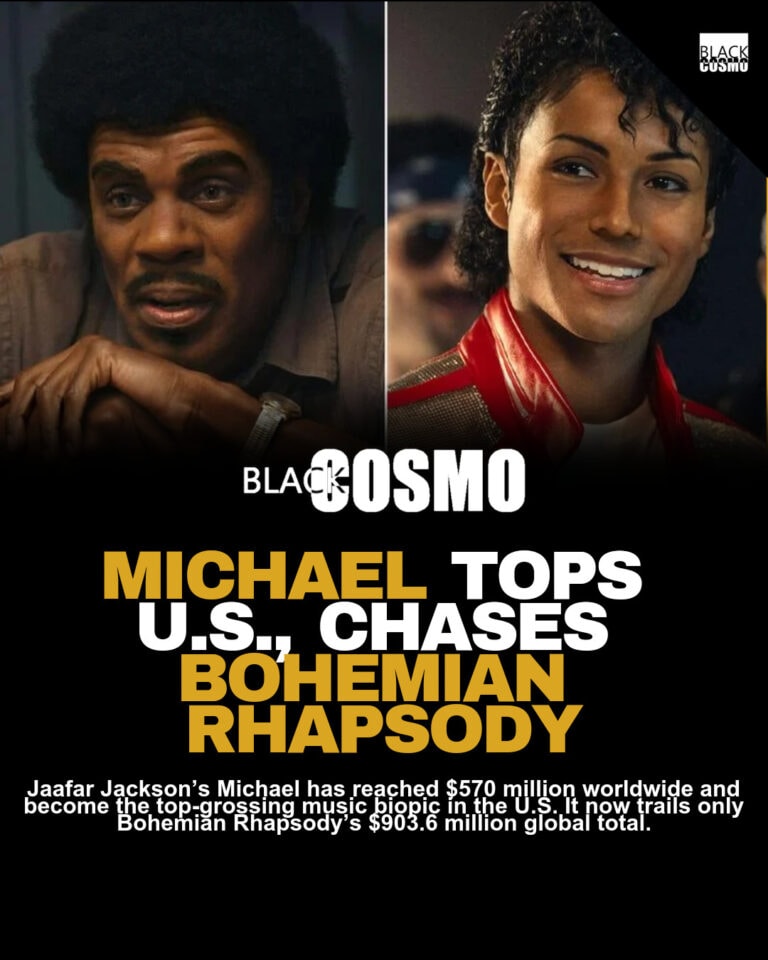
Michael is making serious box office history. The Jaafar Jackson-led biopic has now pulled in $570 million worldwide, putting it in rare territory as only the second music biopic ever to cross the $500 million mark. For a film centered on one of pop culture’s most influential and controversial icons, that kind of turnout says a lot about audience curiosity, star power, and the lasting reach of Michael Jackson’s legacy.

What makes the run even more notable is how strong the movie has been at home. In the United States, the film has earned $238.9 million, officially passing “Bohemian Rhapsody” to become the top-grossing music biopic domestically. That’s a major milestone, especially since its opening weekend nearly doubled the Freddie Mercury film’s debut. With a worldwide launch of $217 million and steady week-to-week holds, this has looked less like a quick nostalgia play and more like a full-scale event release.

There is still one crown left to chase. “Bohemian Rhapsody” remains the worldwide champ with $903.6 million, so the gap is still significant. But the race is not over yet. The biopic still has key international markets left to open in, including South Korea and Japan, and its relatively modest drop from its second to third weekend suggests solid word-of-mouth. If that momentum continues, the movie could keep closing the distance in a real way.

The financial picture is already clear, though. With a reported production budget of $155 million, the film has comfortably passed the usual profitability benchmark. Industry math often says a movie needs to make back roughly two to two-and-a-half times its budget to get safely into the black, and this one has done that with room to spare. Behind the scenes, the production also drew attention for reportedly changing its ending and reshooting material tied to the sexual abuse allegations that have long complicated public conversations about Jackson. That context makes the movie’s commercial success even more layered.

Even with all that momentum, the film did not take the top weekend spot, landing in third behind “The Devil Wears Prada 2” and the new “Mortal Kombat II.” Still, the bigger story is staying power. Box office wins like this do not happen by accident, especially in a crowded market where sequels, nostalgia properties, and family blockbusters are all fighting for space.

For Black audiences especially, movies like Michael hit differently because they sit at the crossroads of memory, music, celebrity, and cultural ownership. Whether people are showing up for the artistry, the mythology, or the debate, the response proves that stories tied to Black global icons still carry enormous power at the box office and in the culture.

Chrissy Teigen’s Shocking New Look Revealed

WHO IS THAT GIRL?! Chrissy Teigen Debuts SHOCKING New Face At 60th Birthday Bash… Is She Even The Same Person?!

We’ve got the exclusive breakdown on what went down at this week’s birthday celebration. Everyone knows Chrissy Teigen keeps it real when it comes to cosmetic procedures. From breast implants to their removal, buccal fat removal, and eyebrow transplants, the “Cravings” author has been transparent about her surgical journey. But what she showed up with this time? That’s a whole different conversation.

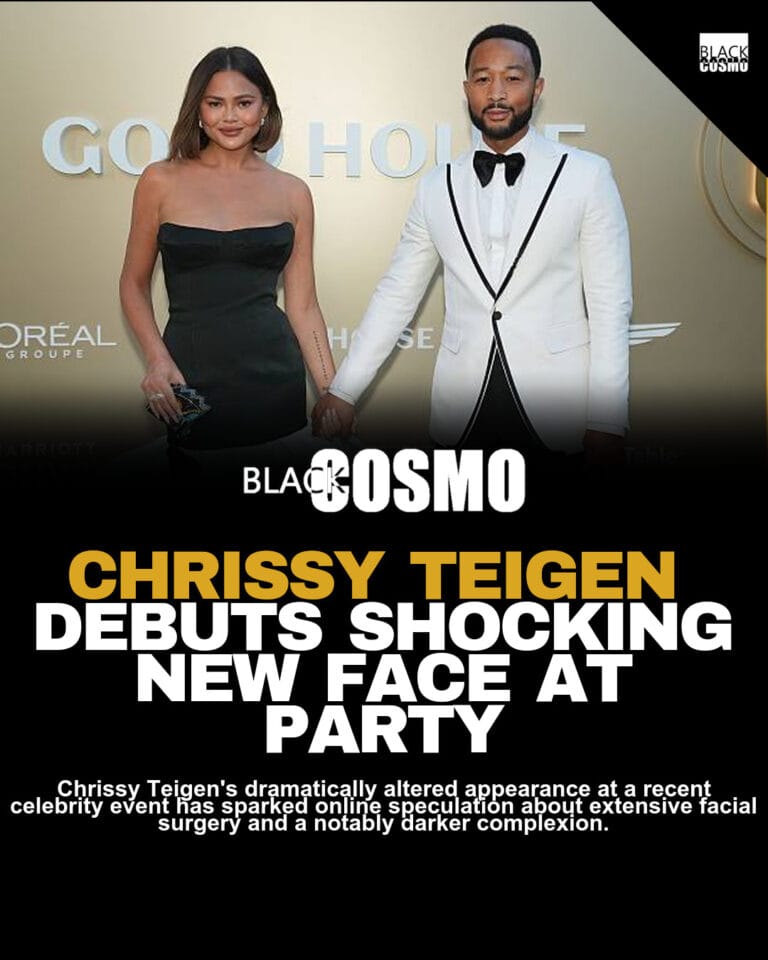
LOS ANGELES, CALIFORNIA – MAY 09: (L-R) Chrissy Teigen and John Legend arrive at the Gold House 5th Annual Gold Gala at The Music Center on May 09, 2026 in Los Angeles, California. (Photo by Presley Ann/Getty Images for Gold House)

When Chrissy stepped out to celebrate at a friend’s birthday bash this week, people had to do a double-take. The transformation was so dramatic and so filtered that she barely resembles the woman married to John Legend. The paparazzi couldn’t believe what they were seeing.


The Major Transformation

Multiple insiders and close-up shots from the event suggest Chrissy has undergone a full high-definition facelift recently. What’s interesting is that she’s usually the first to share details about her procedures—remember when she posted hospital selfies after her hairline-lowering surgery last year? This time, she’s been suspiciously quiet about the work.

  • The Jawline: Her jaw is sharp and defined now, with none of the puffiness that had people talking back in 2024.
  • The Eyes: She’s got a distinctive cat-like lift that’s completely altered her facial structure.
  • The Reality: The surgical work is clean and well-executed. But the surgeons didn’t just adjust a few things—they essentially created a new face.

The Complexion Question

Beyond the facial features, people are talking about her skin tone. Chrissy showed up with a deep, dark tan that’s got everyone discussing her appearance all over social media.

  • The Look: Combined with her new facial structure and bronzed complexion, commenters are describing her as “ethnically ambiguous.”
  • The Reactions: “I thought this was a new Kardashian sister at first,” one person wrote on X. Others questioned the dramatic shift in her overall appearance.

The Pattern Of Evolution

Chrissy has been candid about her commitment to cosmetic enhancement. Just last year, she revealed a hairline-lowering procedure because motherhood had thinned her hair. Before that came the buccal fat removal that changed the shape of her face. She’s never shied away from the conversation about self-improvement through surgery.

But this latest look represents something bigger. Appearing at what seemed like a celebration near Janet Jackson’s festivities, this transformation is the most extreme yet. It’s clear Chrissy is committed to defying age—even if it means her face from the 2010s is basically unrecognizable now.


Real Talk

Chrissy looks good—nobody’s arguing that. But there’s something to think about when someone goes from being relatable to looking like a completely different person. If John Legend didn’t have her name tattooed on him, would he even recognize who just walked through the door?

What’s your take? Did Chrissy push it too far this time, or is this new version her best look yet? Drop your thoughts in the comments.


BlkCosmo

Martha and the Vandellas Ford Plant Video

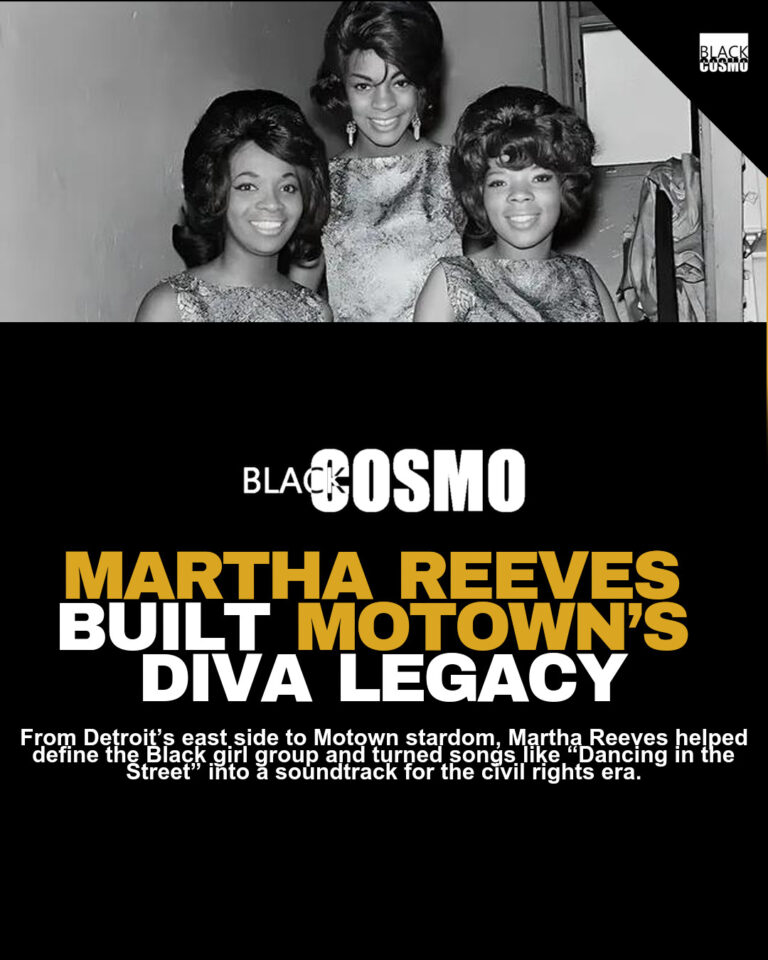
Martha Reeves helped shape the sound, style, and staying power of Black women in pop long before the industry had the language to fully celebrate what she was doing. From Detroit’s church choirs to Motown’s hit-making machine, her rise was built on talent, hustle, and a voice that could turn heartbreak, joy, and rebellion into something unforgettable.

Born in Alabama and raised on Detroit’s east side, Reeves came up in a city where music and labor were deeply connected. She got her start singing in local groups before landing at Motown, where she first worked answering phones and later stepped into studio sessions that changed her life. That path eventually led to Martha and the Vandellas, the group that gave the world records like “Heat Wave,” “Come and Get These Memories,” and the era-defining “Dancing in the Street.”

Part of what made her story so compelling was how grounded it felt. Motown polished its artists for mainstream success, but Reeves still carried the energy of working-class Detroit with her. That came through clearly in the famous “Nowhere to Run” performance filmed at a Ford assembly plant, where the music, the city, and Black labor history all came together in one striking visual. It was more than a promotional clip. It captured a moment when Detroit represented both industrial power and Black cultural innovation.

“Dancing in the Street” became one of those songs that outgrew the charts and entered history. Even if it was framed as a party record, listeners heard more in it: movement, urgency, and possibility. In the middle of the civil rights era, its call to gather in the streets hit differently. Reeves gave the song a force that made it feel joyful and politically alive at the same time, which is a rare gift.

Her career also reflects the harder side of the music business. As Motown evolved and other acts rose, Reeves dealt with creative struggles, personal battles, and conflicts over money and recognition. Like many Black artists of her generation, she had to fight for fair compensation and respect for work that helped build a cultural empire. Even so, she continued recording, performing, and claiming her legacy on her own terms.

The influence of Martha Reeves is still easy to trace through the girl groups and solo vocalists who followed, from the vocal powerhouses of the 1990s to today’s Black women defining pop and R&B on their own terms. Her legacy is bigger than nostalgia. It’s about Black womanhood, creative control, Detroit history, and the kind of artistry that keeps speaking across generations.

How Gospel Music Is Winning Over Secular France

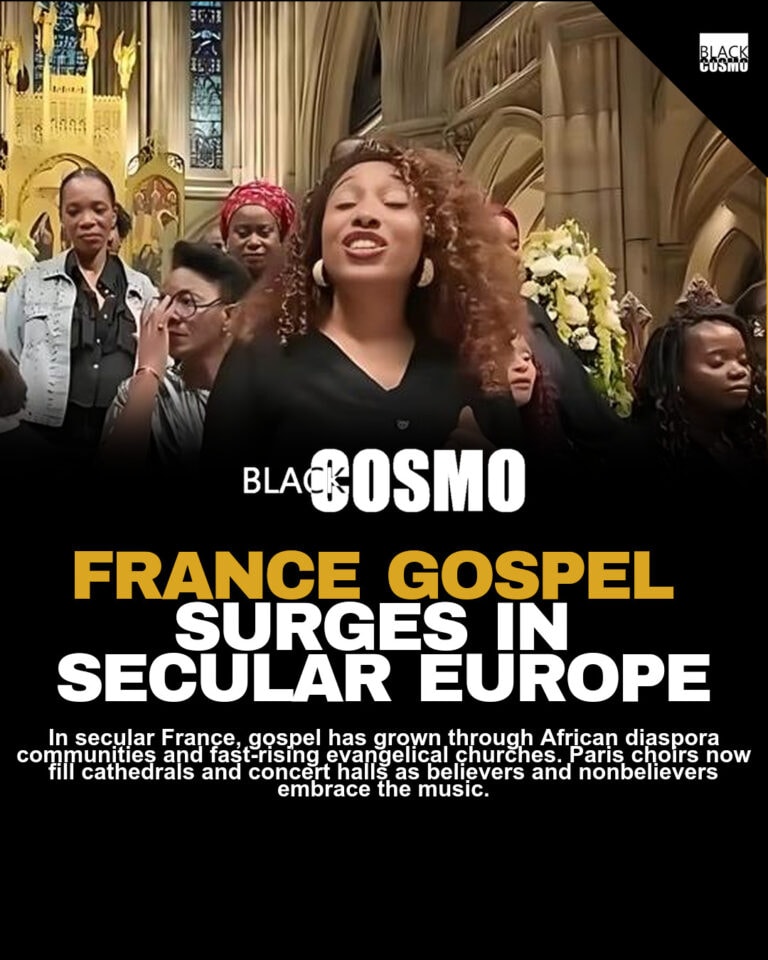
In secular France, gospel music is doing more than surviving; it is thriving, and 100 Voices of Gospel helps explain why. In a country known for strict separation between church and state, this choir has been drawing major crowds and turning gospel into a cultural force that reaches far beyond the walls of any one church.

A big part of that story starts with the African diaspora. Communities from sub-Saharan Africa, the Caribbean, and French territories like Martinique and Guadeloupe brought Pentecostal and evangelical worship traditions with them, and those traditions are deeply rooted in music. Gospel in France is not just something people attend as spectators. For many families and congregations, it is part of everyday spiritual and community life, and that energy has spilled into the wider public.

That wider appeal is what makes this moment so interesting. Even in a society where many people are secular, gospel offers something that still resonates: emotional release, collective joy, and a sense of connection. French audiences are showing up not only because of faith, but because the music itself is powerful enough to move people across cultural and religious lines. Concerts can feel less like formal performances and more like shared experiences where everyone gets pulled into the same spirit of celebration.

France’s growing evangelical and charismatic Christian communities have also helped build a stronger foundation for this scene. As those churches expand, so does the music that shapes their worship. At the same time, gospel has become part of public cultural life, appearing at festivals, in major venues, and in spaces that once might have seemed unlikely homes for this kind of sound.

What is especially striking is how local the movement has become. French artists and choirs are no longer simply borrowing from American gospel traditions; they are reshaping them through French language, African diasporic influence, and local musical styles. That is part of why 100 Voices of Gospel stands out as more than a performance group. They represent a larger shift in how Black global culture travels, transforms, and takes root in places people do not always expect.

For BlkCosmo readers, this is another reminder that Black cultural expression does not stay boxed into one nation or one tradition. It moves, adapts, and creates home wherever people carry it. Gospel in France may sound surprising at first, but when you follow the diaspora, the faith traditions, and the hunger for joy, it actually makes perfect sense.

Denver Takeoff Tragedy: Trespasser Killed

Frontier Airlines Flight 4345 turned a routine Friday night departure out of Denver into the kind of tragedy that leaves everybody asking how something this extreme could happen at one of the busiest airports in the country. The flight, headed to Los Angeles, was forced to abort takeoff after the aircraft struck a person who had reportedly breached the airport perimeter and made it onto an active runway.

According to officials, the person was not authorized to be anywhere near the airfield and is believed to have climbed a fence before running onto the runway just moments before the plane accelerated for departure. Investigators say the aircraft was already moving at takeoff speed when the collision happened, leaving the crew with almost no time to respond before impact.

What followed was terrifying for the passengers and crew on board. Authorities said the impact led to an engine fire and smoke in the cabin, prompting the pilots to stop the aircraft and begin an emergency evacuation on the runway. All 231 people aboard were able to get off the plane, and while several people reported minor injuries during the evacuation, everyone survived. In a moment like that, survival is no small thing.

Officials from Denver Police, the FAA, TSA, and NTSB are now investigating how the breach happened and whether there were any weak points in perimeter security. Frontier also released a statement expressing sadness over the incident while confirming that the crew followed emergency procedures. The victim has not yet been publicly identified, and authorities have said the person does not appear to have been connected to airport operations.

The hardest part of this story is that it sits at the intersection of public safety, mental health, and the limits of security systems that people assume are airtight. Frontier Airlines Flight 4345 is now part of a larger conversation about what safety really means in public spaces and how quickly ordinary travel can become trauma for workers, passengers, and families alike.

Will Ultra-Processed Protein Hurt Your Muscle Gains?

IT’S A MODERN paradox. Open your feed and somebody is praising ultra-processed protein for helping people hit their goals. A few swipes later, somebody else is warning that processed foods are wrecking our health. So yes, the messaging is messy.

That confusion got even louder after a study in Radiology linked diets high in ultra-processed foods to more fat inside thigh muscles. Naturally, folks started wondering whether ultra-processed protein is actually working against their wellness goals. The short answer: it is not that simple.

To get some clarity, it helps to separate fear-based headlines from what the research actually says and what nutrition experts are seeing in real life.

First, About That Study…

AS IT TURNS out, the Radiology study did not separate ultra-processed high-protein foods from other kinds of ultra-processed foods. That matters a lot. Participants could have been eating protein bars, but they also could have been eating plenty of high-fat, high-carb snack foods too. On top of that, the average participant was around 60 years old, so this was not a broad snapshot of everybody.

Stuart Phillips, PhD, a protein researcher and professor of kinesiology at McMaster University, does not see evidence that every ultra-processed protein source should be blamed for poorer muscle quality.

His basic point is clear: poor overall diet quality is more likely the issue, not the idea that every ultra-processed food automatically harms your muscles.

Even with the study’s limits, the bigger question still feels real for a lot of people: if a meaningful chunk of your protein comes from bars, shakes, or powders, are you still on track?

Are You Still Making Gains if Most of Your Protein is Ultra-Processed?

ACCORDING TO PHILLIPS, muscle building comes down mostly to getting enough protein overall and making sure the amino acid profile is solid.

If the dose is right, the amino acids are there, and your total intake across the day is adequate, the level of processing matters much less for muscle protein synthesis. In other words, a whey isolate is not the same thing as a random junk food just because both might land in the same ultra-processed category.

That category comes from the NOVA system, which groups foods by how processed they are. Protein powders, shakes, and bars often end up labeled ultra-processed under that system.

One key detail is leucine, an essential amino acid that helps drive muscle protein synthesis. Your body is focused on getting that amino acid, not judging whether it came from a supplement or a plate of food. If you are choosing a packaged protein product, it is smart to look for one that includes leucine or comes from high-quality protein sources. Whole-food options like meat, soy foods, dairy, lentils, and salmon can also do that job well.

Daily total protein matters too. There is a lot of noise online about huge protein targets, but Phillips’ research suggests there is a point where adding more does not deliver much extra benefit. For many healthy people, that level is about 1.6 grams of protein per kilogram of body weight per day.

That number is not a one-size-fits-all commandment. Younger people doing resistance training may benefit from aiming there, while adults over 65 may do well somewhere between 1.2 and 1.6 grams per kilogram per day. Your goals, training style, health history, and stage of life all matter.

There is also room for flexibility. Some older lifters and people training hard can push closer to 2.0 grams per kilogram without harm, but the payoff tends to level off.

The bigger picture is balance. Whole foods are still the best foundation for most people. But real life is real life. Busy schedules, budget limits, recovery needs, and convenience all shape how we eat. That does not make someone lazy or less committed. It just means protein bars and powders can be useful tools when needed.

So no, you do not need to panic over every processed gram of protein. Focus on consistency, variety, and overall quality. That approach will usually take you much farther than internet food fear ever will.

Abby Langer, RD is the owner of Abby Langer Nutrition, a Toronto-based nutrition consulting and communications company

★★

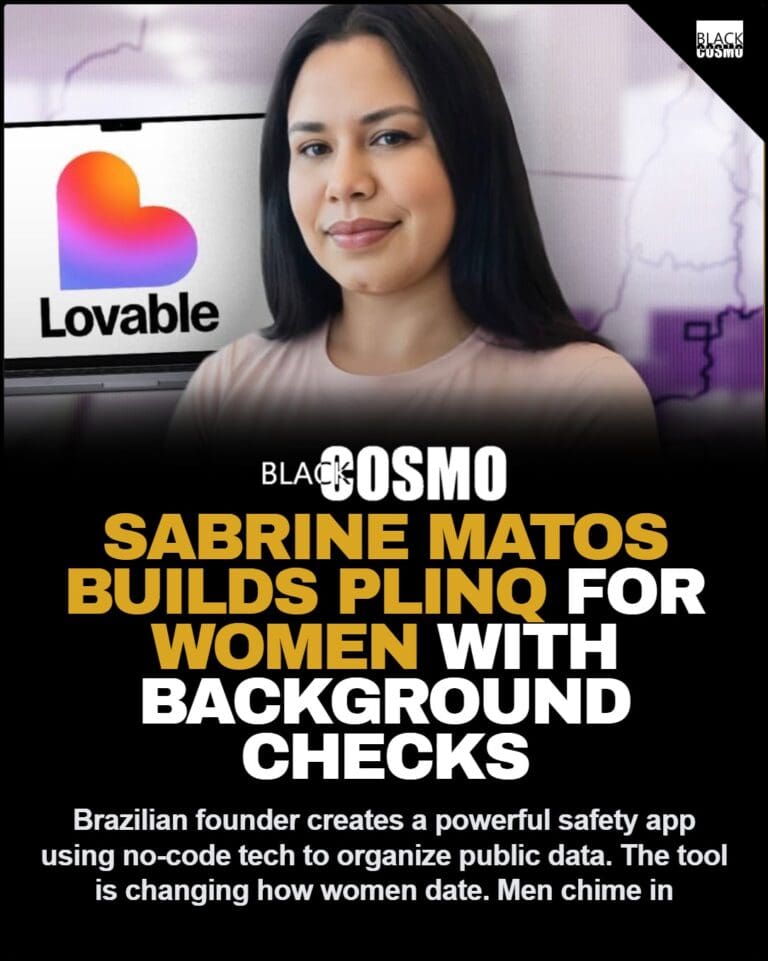
Sabrine Matos Builds Plinq No-Code Safety App for Women

0

Sabrine Matos watched the horrifying statistics of violence against women surge through Brazil in 2025 and decided she was done waiting for the system to correct itself. She bypassed traditional gatekeepers entirely, leveraging a zero-code development platform to launch Plinq, a background check application that fits right in your pocket.

Women have always shared whispers in restrooms and passed notes about dangerous men, but those informal networks only stretch so far. The public data existed. Court records, domestic violence charges, and criminal histories sit in government databases. The barrier was access. The average person cannot spend hours navigating clunky, archaic municipal websites before a Friday night date. That gap between public safety data and real-world usability was getting women hurt. The reality of urban dating demands immediate, sharp intuition, but intuition alone cannot pull up an assault charge hidden in a neighboring county.

Enter the solution. The interface of Plinq is stark and intentional. Users simply type in a first and last name along with a phone number. The system scrapes available public records and delivers a clear, unfiltered background check in seconds. It strips away the bureaucratic noise and delivers the hard facts. There are no pastel colors or soft edges in the design, just the necessary, blunt truth required to make a life-saving decision. The visual language of the application refuses to coddle the user; it presents the data with a cold, forensic precision.

Taking the Power Back

The most disruptive aspect of this launch is not just the product itself, but how it came to life. Sabrine Matos did not have a background in computer science. She did not spend years learning Python or begging venture capitalists for seed money to hire a development team. She recognized a gap in the market and used Lovable.dev, an intuitive platform designed for rapid app creation. She bypassed the standard techbro ecosystem and brought her vision straight to the consumer.

“The information was already out there, just buried,” she explained during a recent discussion about the build. “We shouldn’t have to be software engineers to protect ourselves. The tech should work for us.” That sentiment strikes at the core of a massive shift in Silicon Valley and global tech hubs. Accessible platforms are dismantling the walled gardens of the tech industry. When the tools to build become available to marginalized groups, the products immediately solve ground-level problems that traditional, male-dominated tech spaces ignore. The democratization of app development means safety tools can be spun up in weeks rather than years.

Building a tool that directly addresses gender-based violence requires a clear-eyed understanding of the stakes. The creator recognized that speed and simplicity are matters of survival. By feeding a name and a phone number into the search bar, users cross-reference disparate data points that abusers rely on keeping hidden. It forces accountability into the light. The app does not ask for permission. It simply reaches into the public domain and organizes the chaos into a readable alert system.

A Demand for Global Access

The launch created an immediate shockwave. Comments flooded social media platforms, with American users aggressively demanding a stateside rollout. The reality of dating in major US urban hubs like Houston, Chicago, and Atlanta mirrors the dangers seen abroad. Women are managing their own risk assessments daily. They share locations with friends, memorize license plates, and run amateur investigations across social profiles. Plinq formalizes that protective instinct. It takes the frantic pre-date search and turns it into a streamlined, reliable process.

“We need this in the States by tomorrow,” one user pointed out, reflecting a collective exhaustion. The demand proves that safety is not a luxury, but a baseline requirement that systems have routinely failed to provide. A tool like this shifts the power dynamic entirely. A quick search before accepting a drink or sharing an address changes the stakes of a first encounter. The mystery is removed, replaced by hard data. The playing field is leveled.

The Future of Tech Independence

The conversation around tech is often dominated by artificial intelligence replacing jobs or billionaires buying social platforms. Plinq represents the opposite end of the spectrum. It is ground-level, utilitarian, and directly intervenes in a crisis. The era of waiting for tech conglomerates to prioritize the safety of women is over. The plan is now public. The future belongs to the people willing to build the life rafts themselves.

Kids Design Rihanna’s Latest Tattoo

It looks like the kids took some red, brown, orange, yellow, green, purple, black and blue markers and drew lines all over the paper … but Rihanna’s tattoo is just black ink.

The kiddos also slapped some “Paw Patrol” stickers on their work of art … but it didn’t make the cut on Rihanna’s fresh ink.

Rihanna and A$AP Rocky have three children together … RZA Athelston, Riot Rose and Rocki Irish … they’re aged 3 and under — although RZA turns 4 later this month! — so they probably don’t understand what mama just did, but when they grow up, we’re sure they’ll appreciate the sweet gesture.

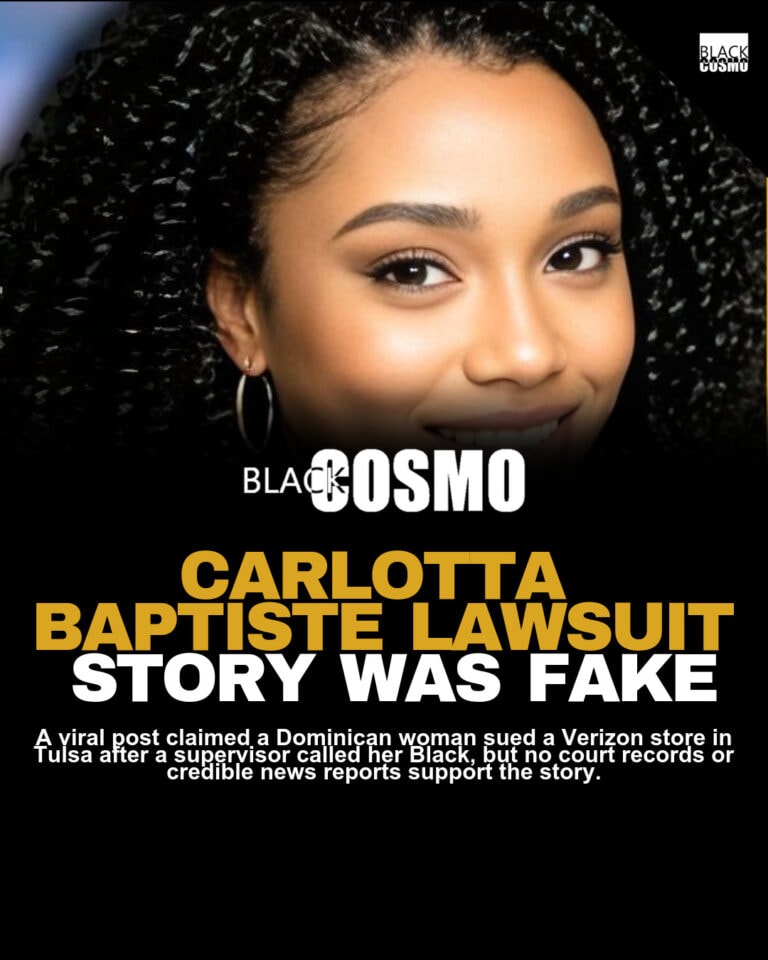
Fake Dominican Woman Lawsuit Goes Viral

The viral story about Carlotta Baptiste spread fast because it seemed to hit every nerve social media knows how to touch: race, identity, anti-Blackness, Afro-Latinidad, and workplace discrimination. According to the claim, a Dominican woman working at a Verizon store in Tulsa sued after a supervisor called her Black, and the fallout supposedly turned into a hostile work environment. It was dramatic, inflammatory, and perfectly built for shares.

The problem is that there does not appear to be any evidence the lawsuit ever happened. No court filings have surfaced in Tulsa County or in federal records, no major newsroom has confirmed the case, and there has been no public statement from Verizon that supports the story. What looks more likely is that the whole thing began as a meme-style post and then got recycled into “news” because people were already primed to believe it.

That matters because the reaction was not really about legal facts. The story landed so hard because it echoed a very real conversation across the African Diaspora. Tensions around race, nationality, colorism, and Black identity in Dominican and broader Latin American communities are not new. For some readers, the post confirmed what they already believed about anti-Blackness. For others, it felt like another example of Americans flattening ethnic identity into a single racial category. Either way, outrage moved faster than verification.

The bigger issue is how fake stories distort real discussions. A made-up case can harden people’s opinions before anyone stops to ask basic questions like whether records exist or whether any credible reporting backs it up. Instead of making room for nuance about how race works differently across cultures, misinformation turns everything into a shouting match. In that way, Carlotta Baptiste became less a real person than a viral symbol people used to argue points they were already carrying.

For Black Cosmopolitan readers, the lesson is bigger than one false post. We can hold space for honest conversations about anti-Blackness, diaspora identity, and cultural difference without letting rage-bait set the terms. Not every story that feels true is true, and in this era, discernment is part of the culture too.