If you’re having a rough time on LinkedIn, you’re not alone. You rewrite your resume, apply to endless openings, send connection requests into what feels like a void, and hear nothing back. For Black job seekers especially, the frustration is mounting, and opportunities feel increasingly out of reach.
But here’s the real question: Is LinkedIn failing us, or have we been using it wrong? The Root spoke with LinkedIn Economist Kory Kantenga to understand what job seekers can do differently to get better results. According to Kantenga, many people neglect the “social” part of the platform and forget that LinkedIn exists for far more than just job applications.
The Job Market Has Slowed Down
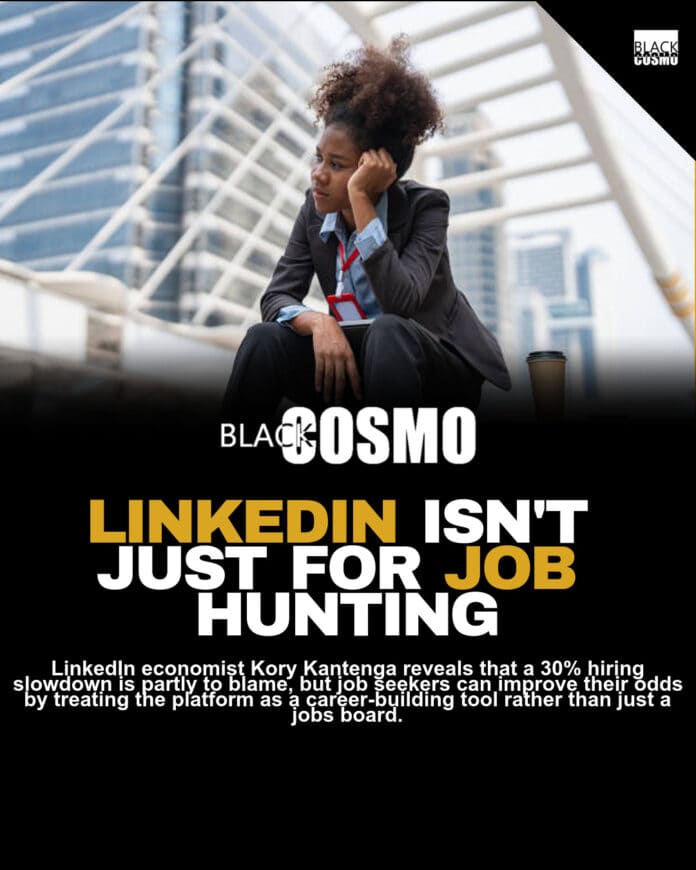
“I hear a lot that people are applying to jobs and not hearing back. One of the reasons is hiring is about 30% slower than it was in 2022,” Kantenga told The Root. “We’ve had this massive slowdown in hiring. We haven’t seen as many job opportunities on LinkedIn and in the overall labor market.”
Your lack of results might feel personal, but you’re far from alone. Plenty of job seekers are venting about being ghosted after applications and expressing frustration with the entire hiring process.
According to survey findings from Censuswide for LinkedIn in July 2026, 51% of first-generation Black professionals say they lack the connections needed to advance their careers. Confidence plays a role too. Sixty-nine percent of Black professionals report a confidence gap when approaching people who could help their careers, compared with 54% of white professionals. Younger workers have been hit particularly hard by the slowdown.
“A lot of folks can stay in the jobs they have today. For younger people, they don’t have a job to hang onto,” Kantenga said. “They have the lowest confidence among all generations.”
Job seekers are also submitting significantly more applications to land a single role, with applicants sending nearly 50% more resumes than they did before the COVID-19 pandemic. The effort required is real.
“People are working very hard to find a job,” Kantenga reiterated. “People don’t feel confident. They don’t feel like the job market is working for them, and that has to do with the broader hiring slowdown we’re facing. There’s speculation around whether it’s AI screening, but I think a lot of it comes down to this: we’re in a slow job market. It doesn’t really matter whether you go on LinkedIn or somewhere else — it’s going to be challenging.”
LinkedIn Isn’t Just a Jobs Platform

Kantenga emphasizes that LinkedIn is more than just a jobs platform. Treating it as such could be holding you back.
You wouldn’t log onto Instagram once and leave. You’d network within your niche, engage with posts from like-minded people, respond to comments, and stay active. The same principle applies to LinkedIn. Instead of logging on only when job hunting, Kantenga encourages users to treat the platform as a place to build professional presence, make connections, and establish credibility within their industry over time.
“It is a career-building tool,” Kantenga emphasized. “You don’t just look for a job; you make yourself available for people to come find you and see what you’re about. Building that professional profile is important. It’s important for us to have professional relationships and connections that can support and sustain us through the highs and lows of our career.”
Those relationships matter when landing a gig. People with an internal connection at a company are significantly more likely to get hired.
“The people who have a connection inside the company tend to get the job more often — about 7 times more likely to get hired.”
How to Improve Your LinkedIn Game

If your skills section is empty, you could be missing opportunities. “Make sure you’re listing your skills,” Kantenga explained. “Upwards of half of employers use that when they’re filtering candidates.”
Think of your profile as your 30-second elevator pitch. It’s where potential employers, recruiters, and industry connections quickly assess who you are and what you bring. A few strategic updates can increase your visibility with the right people.
Here’s what to focus on:
- Treat LinkedIn like social media. Engage by liking, commenting, sharing, and collaborating with folks in your industry. The more active you are, the more opportunities you have to build relationships and stay visible.
- Advertise yourself, don’t just seek a job. Showcase your skill set by highlighting previous work, portfolio pieces, accomplishments, and a thoroughly written experience section. Give people reasons to connect with you beyond your job search.
- Build your network with intention. When interacting with others, focus on expanding into professional circles that interest you. Connect with people whose work, industries, or companies appeal to you, and engage beyond just sending connection requests.
- Take advantage of LinkedIn Learning. Use the platform’s educational resources to build new skills and strengthen existing ones. LinkedIn Learning offers over 26,000 expert-led courses across various subjects, giving you another way to grow professionally and add value to your profile.
Intentional moves like optimizing your profile, advertising yourself, building connections strategically, and staying active can deliver real long-term results: a stronger professional presence, more collaboration opportunities, and a better shot at the opportunities that might be looking for you.
★TR★