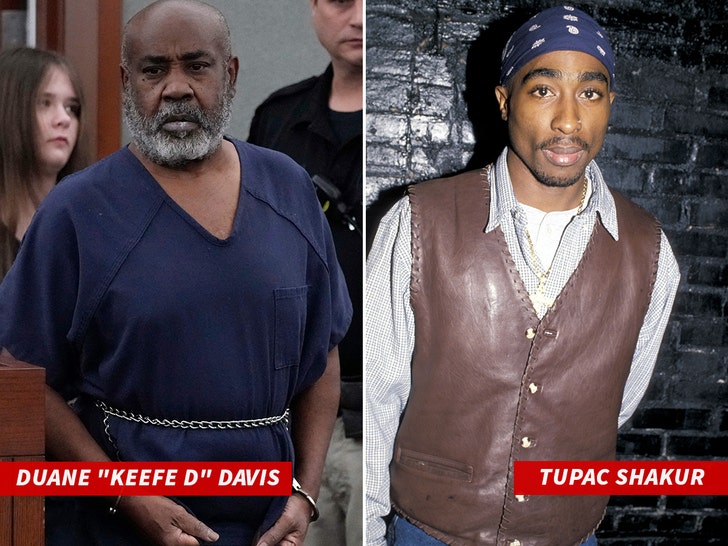
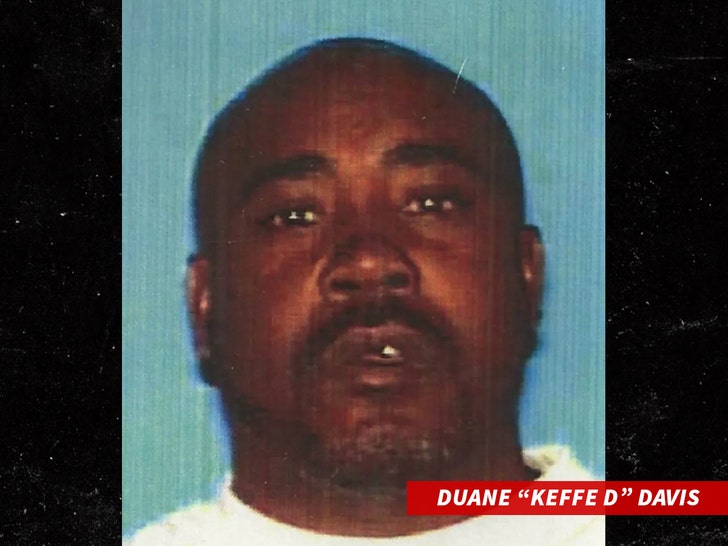
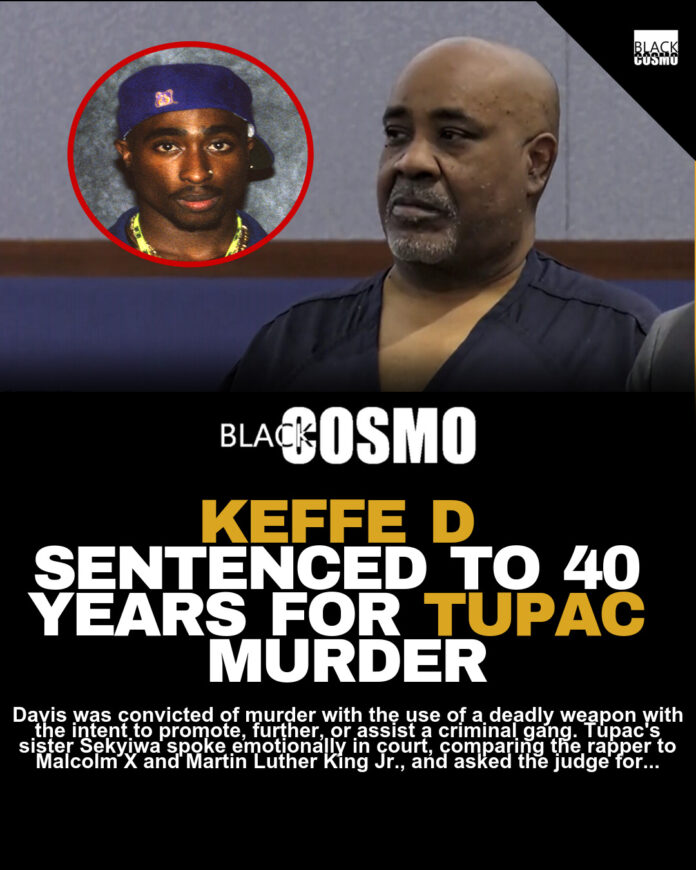
Duane “Keffe D” Davis, the man convicted of orchestrating Tupac’s 1996 murder, has been sentenced for the killing. A Las Vegas judge handed down a sentence of 40 years to life during a courthouse hearing Tuesday.
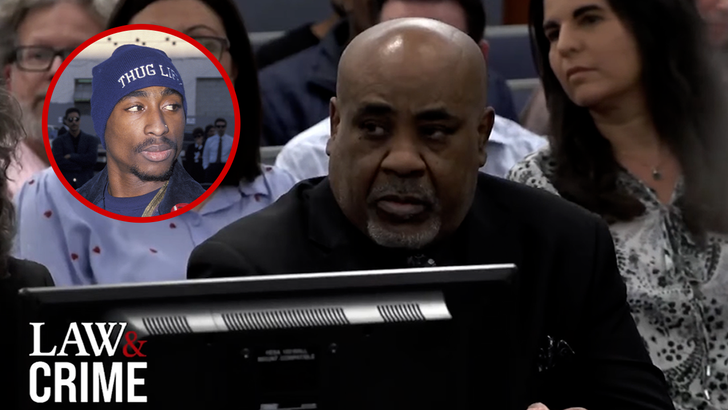
The sentencing hearing didn’t go smoothly. Duane “Keffe D” Davis engaged in tense exchanges with the judge, at one point appearing to roll his eyes at her remarks.
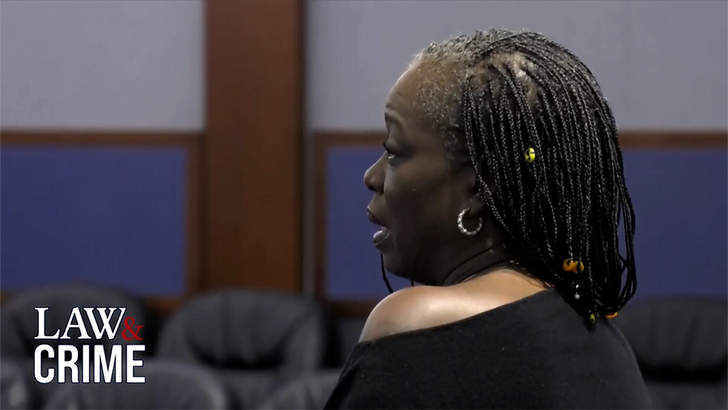
Sekyiwa Shakur, Tupac’s sister, delivered an emotional testimony about her brother’s legacy. She spoke directly to the impact his death had on her family, noting that none of the men in her household have been the same since his murder nearly three decades ago.
Sekyiwa drew comparisons between her brother and other fallen leaders like Malcolm X, Martin Luther King Jr., and John F. Kennedy. She posed a thought-provoking question to the court: where would the world be if those figures had been killed at 25 like Tupac? She called for the maximum sentence.
Mopreme Shakur, Tupac’s stepbrother, also spoke during the hearing. He reflected on what Tupac missed by being taken at such a young age, saying his nephew never got to have children or watch his own nieces and nephews grow up. Like Sekyiwa, he urged the judge to impose the maximum penalty.
Prosecutors highlighted a separate grievance: that Davis had profited from Tupac’s death through his book and various media appearances over the years. They argued this extended harm to the family added another layer of betrayal to an already unimaginable loss.
Davis’s defense attorney, Michael Sanft, pushed back on this argument. He claimed prosecutors were being disingenuous by blaming Davis for continued suffering caused by his public statements between 2018 and 2023. Sanft contended the state could have charged him at any point and chose not to until now.
Davis was convicted of murder with use of a deadly weapon with intent to promote, further, or assist a criminal gang. The charge carries a maximum sentence of life in prison.
He’s already signaled his intention to appeal the conviction. The 40-years-to-life sentence handed down Tuesday is likely just the beginning of a prolonged legal battle.
Since his conviction, Davis has maintained his innocence in interviews. A cover story published by The Hollywood Reporter found him insisting he was nowhere near the scene of Tupac’s murder.
This denial contradicts years of his own public statements in which he claimed involvement in the rapper’s death. His legal team argues those earlier admissions were simply the boasting of someone trying to capitalize on the tragedy, not evidence of actual culpability.
Davis maintains he was at a bar in West Los Angeles near UCLA after the Mike Tyson fight that same night, nowhere near the Las Vegas Strip where Tupac was gunned down. Whether the appeals court will find that argument compelling remains to be seen.
Michael B. Jordan addressed Jonathan Majors' conviction in his first interview, calling it a "tough situation". He expressed support and pride in Majors' resilience and strength, saying "he's doing great, just got engaged". Jordan stated he would work with Majors again.
R. Kelly's 30-year prison sentence for sex trafficking and racketeering charges upheld by 2nd US Circuit Court of Appeals, citing "overwhelming evidence" of his orchestration of crimes through a "close-knit group of associates".