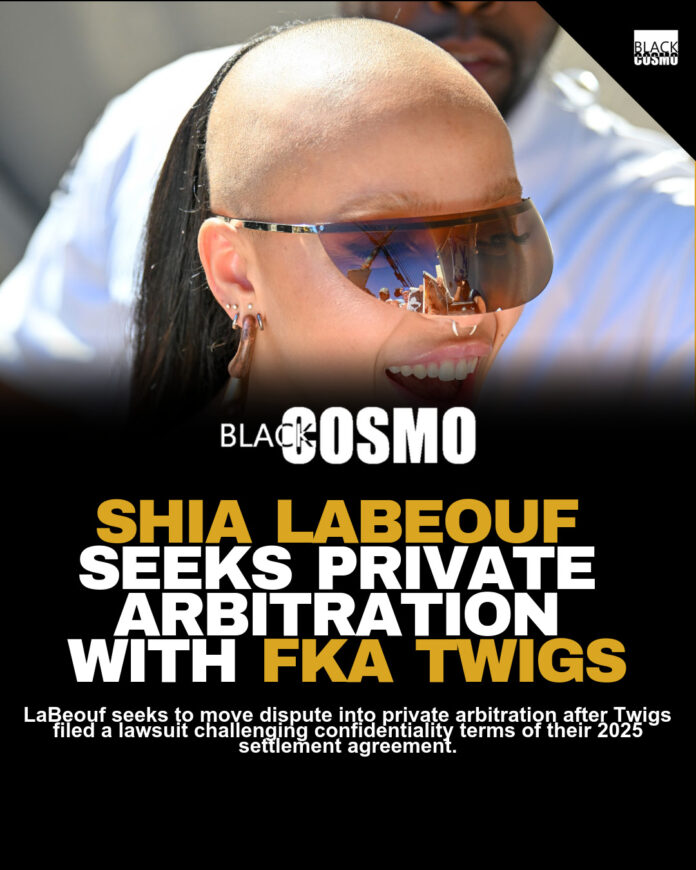
Legal disputes between celebrities often play out in the public eye, but Shia LaBeouf is trying to change that. He’s asking a judge to force his latest case with ex-girlfriend FKA Twigs into private arbitration. LaBeouf claims their 2025 settlement requires both parties to keep the matter confidential.
In newly filed documents, LaBeouf alleges that the singer, whose real name is Tahliah Debrett Barnett, is attempting to undo confidentiality terms that prevent both from publicly disparaging each other. You can search for more on legal disputes involving high-profile figures to understand how these settlements typically work.
The actor accused Twigs of making “numerous inflammatory and irrelevant accusations” in her latest lawsuit. He also alleges that the filings are being used to continue criticizing him publicly despite their earlier agreement. It’s a tense situation that speaks to the complexity of navigating relationships and accountability in the spotlight.
LaBeouf is now asking the court to send the case to arbitration, a process that would take place privately rather than through the public court system. He also cited an interview Twigs gave to The Hollywood Reporter after the settlement was signed, suggesting that she still did not feel safe around him—a statement that contradicts the confidentiality terms they reportedly agreed to.
Twigs originally sued LaBeouf in 2020, accusing him of physical, emotional and sexual abuse during their relationship. She also alleged that he knowingly transmitted a sexually transmitted infection to her. LaBeouf denied that claim.
The former couple reached a settlement in 2025 before the case went to trial. This is where things get complicated—settlements with nondisclosure agreements are designed to protect both parties’ privacy and allow them to move forward.
But Twigs filed another lawsuit earlier this year asking a judge to declare the settlement’s nondisclosure provisions unenforceable. She’s pushing back against the confidentiality terms, which raises important questions about balancing privacy with the right to speak about one’s own experiences.
★m★